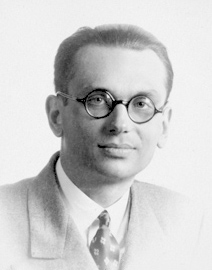
Gödel's incompleteness theorems are two of the most profound and startling results in the history of mathematics and logic. Proven by the Austrian logician Kurt Gödel in 1931, they show that in any logical system rich enough to describe basic arithmetic, there will always be true statements that the system can never prove, and that such a system can never prove its own consistency. They revealed permanent limits to what formal reasoning can achieve.
In the early twentieth century, many leading mathematicians hoped to place all of mathematics on a perfectly secure foundation: a complete set of rules from which every true statement could, in principle, be proven, and which could be shown to contain no contradictions. This grand project, associated with the mathematician David Hilbert, expressed a confident belief that mathematical truth and mathematical proof could be made to coincide exactly.
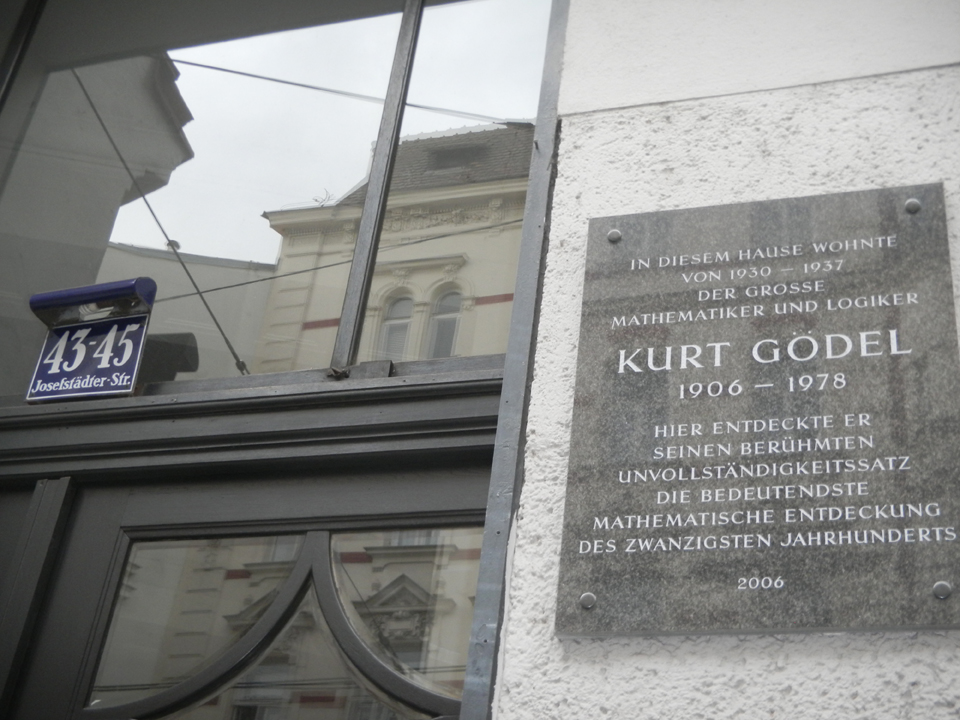
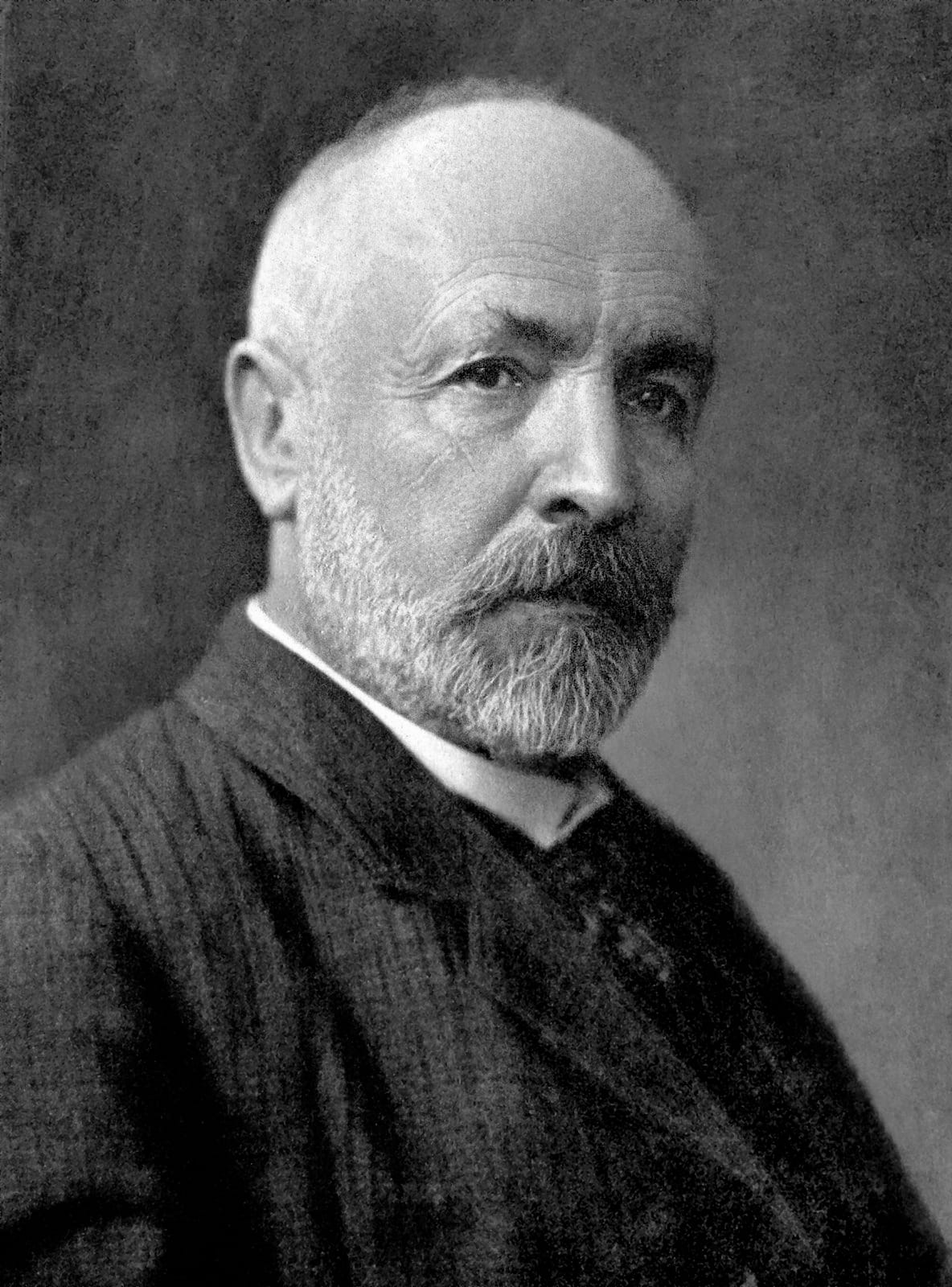
Gödel shattered that hope with rigorous proof. His first theorem shows that any consistent system powerful enough to express ordinary arithmetic must contain true statements that it cannot prove within its own rules, so it can never be complete. His second theorem shows that no such system can prove its own consistency. Ingeniously, Gödel built a mathematical statement that, in effect, asserts of itself that it cannot be proven, forcing the conclusion that either the system is inconsistent or the statement is true but unprovable.
The theorems are often stretched far beyond what they actually say. They do not show that mathematics is broken or untrustworthy, nor that nothing can be proven, nor do they support claims about the supposed limits of the human mind or the nature of consciousness. What they establish is precise and technical: a specific and unavoidable limit on what any single formal system of a certain power can prove about arithmetic.
Gödel's work transformed logic and the philosophy of mathematics, and it fed directly into the birth of computer science, influencing Alan Turing's discovery of problems that no computer can ever solve. Far from undermining mathematics, the theorems deepened its understanding of itself, revealing that truth reaches further than any fixed set of rules can capture, a conclusion as certain as the proofs that established it.