Ghana is a country in West Africa, set on the Gulf of Guinea where the continent meets the Atlantic. A land of tropical forests, savanna, and golden coastline, it has a proud history as the home of the powerful Ashanti kingdom and as the first nation in sub-Saharan Africa to throw off colonial rule. Stable and democratic, rich in gold and cocoa, it holds a special place in the story of African independence.
Ghana's history runs from the gold-rich forest kingdoms of the interior, through four centuries in which its coast became one of the darkest crossroads of the Atlantic slave trade, to the moment in 1957 when it became the first colony in sub-Saharan Africa to take back its independence.
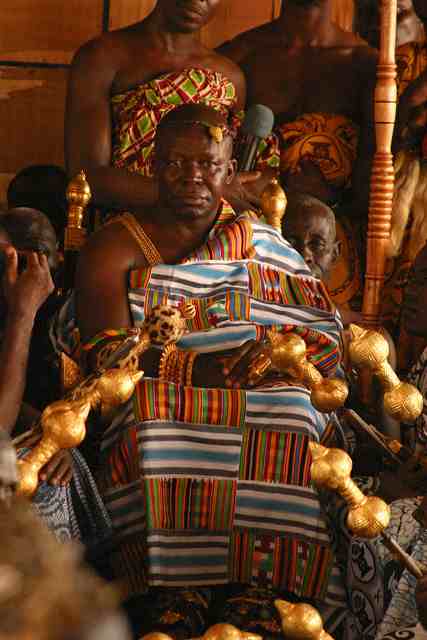
Long before Europeans arrived, the forest belt of what is now Ghana supported organised, wealthy states built on gold, kola, and trade routes running north across the savanna to the Sahara. The greatest of them was the Ashanti Empire, founded in the late seventeenth century when a number of Akan chiefdoms were united under a single ruler, the Asantehene, whose authority was embodied in the Golden Stool, a sacred object held to contain the soul of the nation. At its height the empire commanded a large part of the region, fielded a formidable army, and fought a long series of wars against the British before finally being absorbed in the early twentieth century. The Asantehene remains a deeply respected figure in Ghana today, and Kumasi is still the cultural heart of the Ashanti.
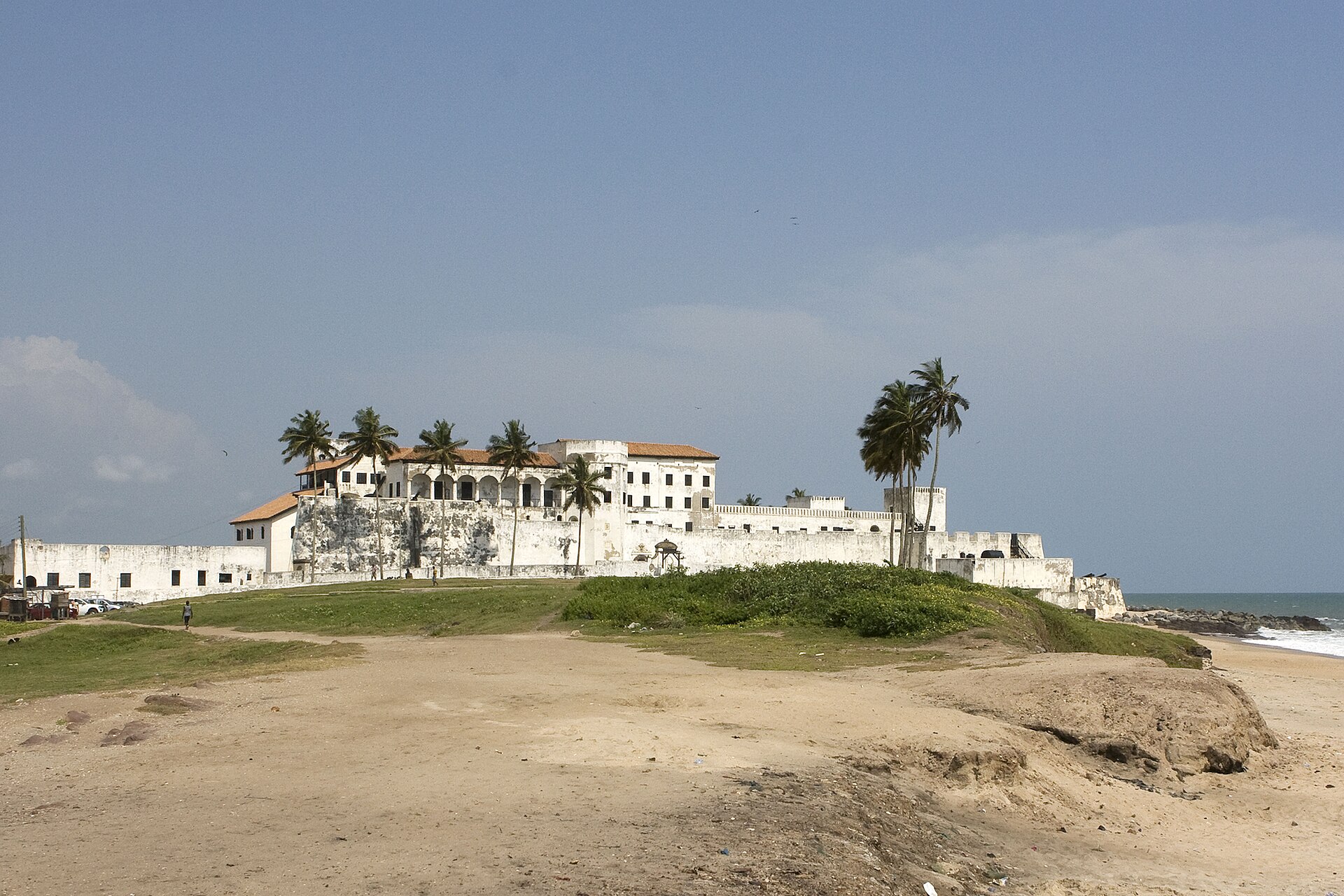
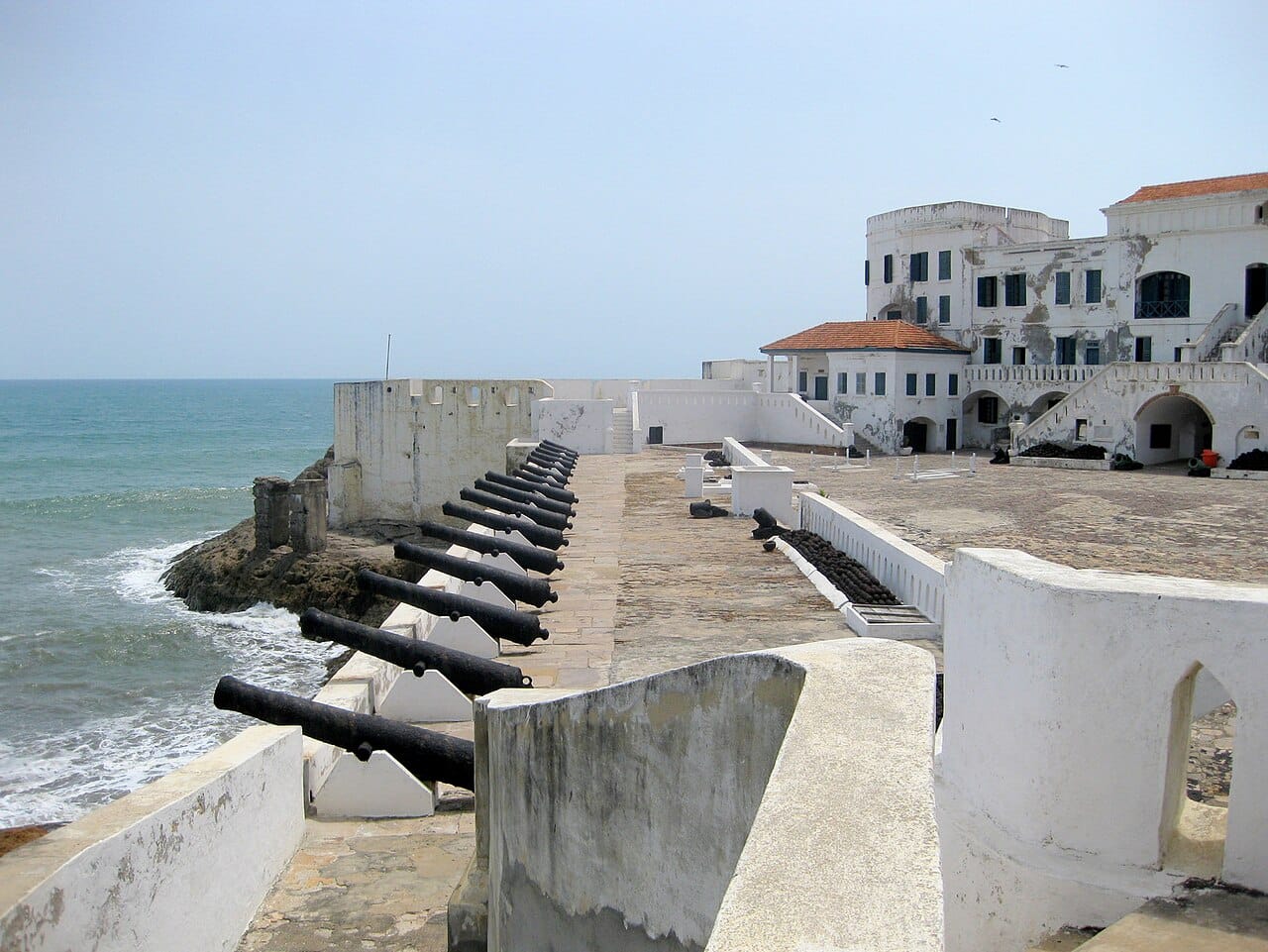
Portuguese traders reached the coast in the 1470s and named it the Gold Coast for the metal they came to buy. Over the next four centuries the Dutch, Danes, Swedes, Prussians, and above all the British followed, and the trade shifted from gold to people. Dozens of forts and castles were built along a short stretch of shoreline, and through their holding cells passed a vast number of captured Africans bound for the Americas. Britain abolished its slave trade in 1807 and gradually took control of the whole territory, declaring the Gold Coast a Crown colony. The castles still stand, preserved as monuments, and have become places of pilgrimage for the African diaspora.
Agitation for self-rule gathered force after the Second World War, driven by returning servicemen, an educated professional class, and a mass political movement. Its central figure was Kwame Nkrumah, whose Convention People's Party demanded self-government at once and won the elections held under British supervision, campaigning even while he was imprisoned. On 6 March 1957 the Gold Coast became independent as Ghana, named after a medieval West African empire that had lain far to the northwest, and Nkrumah became its first leader. It was the first sub-Saharan African colony to achieve independence, and the effect on the rest of the continent was electric.
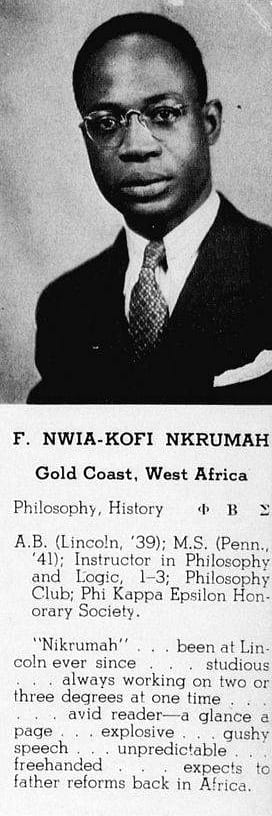
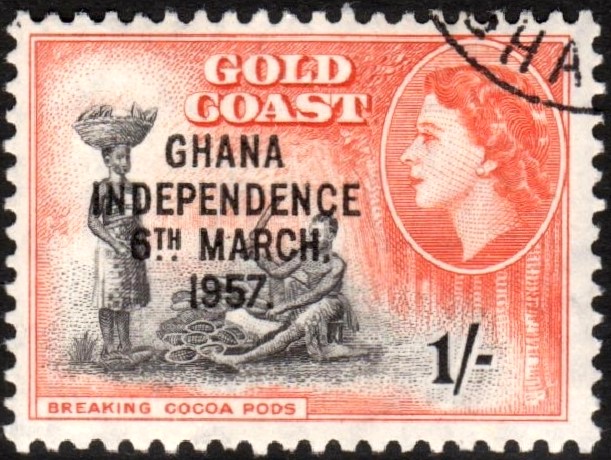
Nkrumah pursued ambitious industrial projects and a leading role in the pan-African movement, but the economy faltered and his rule grew more authoritarian, and he was overthrown by the military in 1966 while abroad. Three decades of instability followed, with a succession of coups and short-lived governments, the most significant figure being Jerry Rawlings, an air force officer who seized power twice and eventually oversaw a return to constitutional rule. Since the constitution of 1992, Ghana has held regular competitive elections in which power has repeatedly changed hands peacefully between the two main parties, an unusual record in the region and a source of national pride.
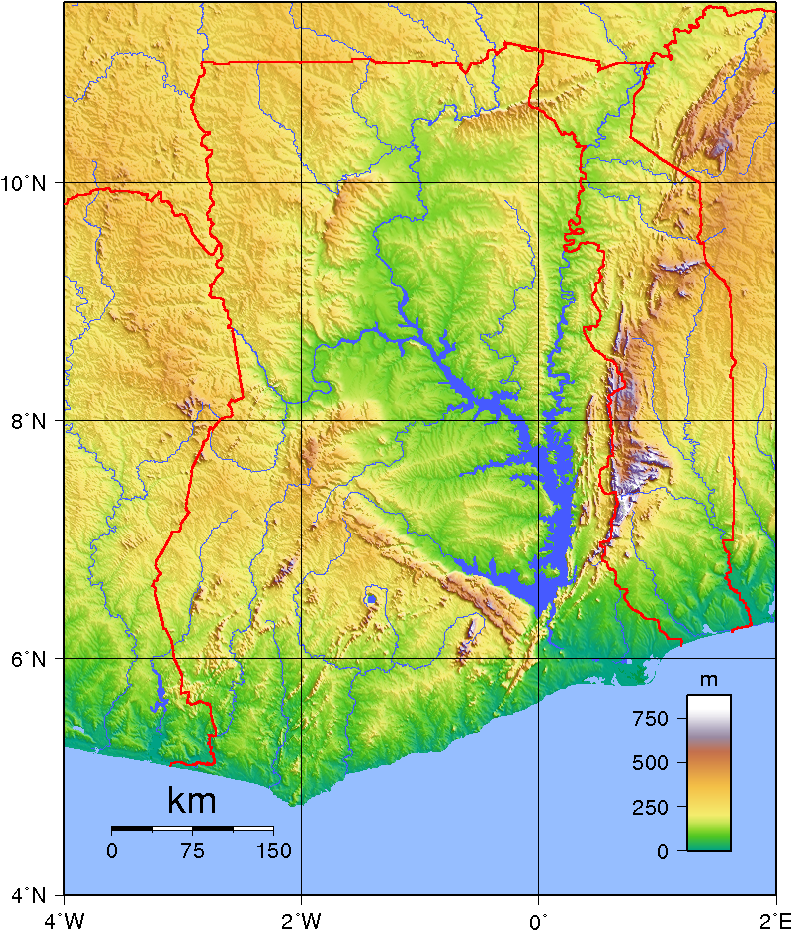
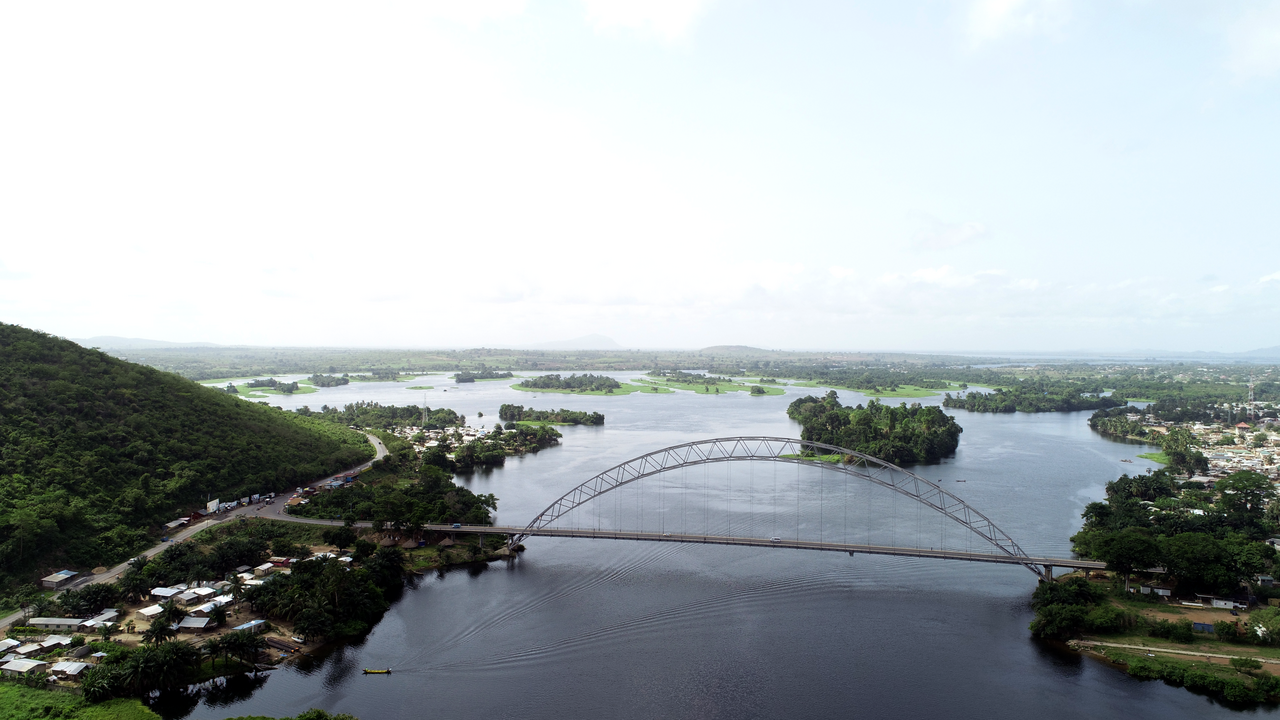
Ghana runs inland from a warm Atlantic coast of lagoons, sandbars, and surf beaches, through the tropical rainforest belt of the south and centre, to the drier grassland and savanna of the north. The land is generally low-lying, with the Akwapim and Kwahu hills and the higher ground of the Volta region providing most of its relief. Dominating the east is Lake Volta, created by the damming of the Volta River at Akosombo in the 1960s and one of the largest artificial lakes in the world by surface area, which supplies a large share of the country's electricity and drowned a great many villages when it filled. Ghana sits close to the point where the Greenwich meridian meets the equator, and its climate is tropical throughout, wetter and more humid in the forested south, hotter and drier in the north where the dusty harmattan wind blows off the Sahara.
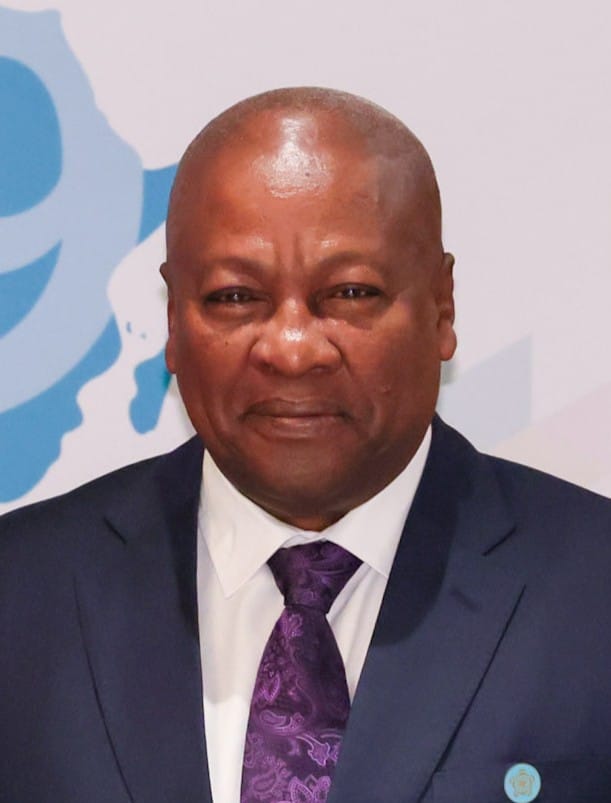
Ghana is a unitary presidential republic in which the president is both head of state and head of government, elected for a four-year term and limited to two, alongside a single-chamber Parliament. Politics has settled into a stable contest between two large parties, the National Democratic Congress and the New Patriotic Party, and since 1992 power has alternated between them without the transfer being seriously disputed, which is the country's strongest democratic credential. The president since January 2025 is John Dramani Mahama of the National Democratic Congress, who had already served from 2012 to 2017 and, by winning the election of December 2024, became the first Ghanaian leader returned to office for a non-consecutive second term. His vice president, Jane Naana Opoku-Agyemang, is the first woman to hold that office. Alongside the elected institutions runs a parallel structure of traditional authority: chiefs and paramount rulers, the Asantehene foremost among them, retain great moral influence, adjudicate customary matters, and are formally recognised by the state through a National House of Chiefs.
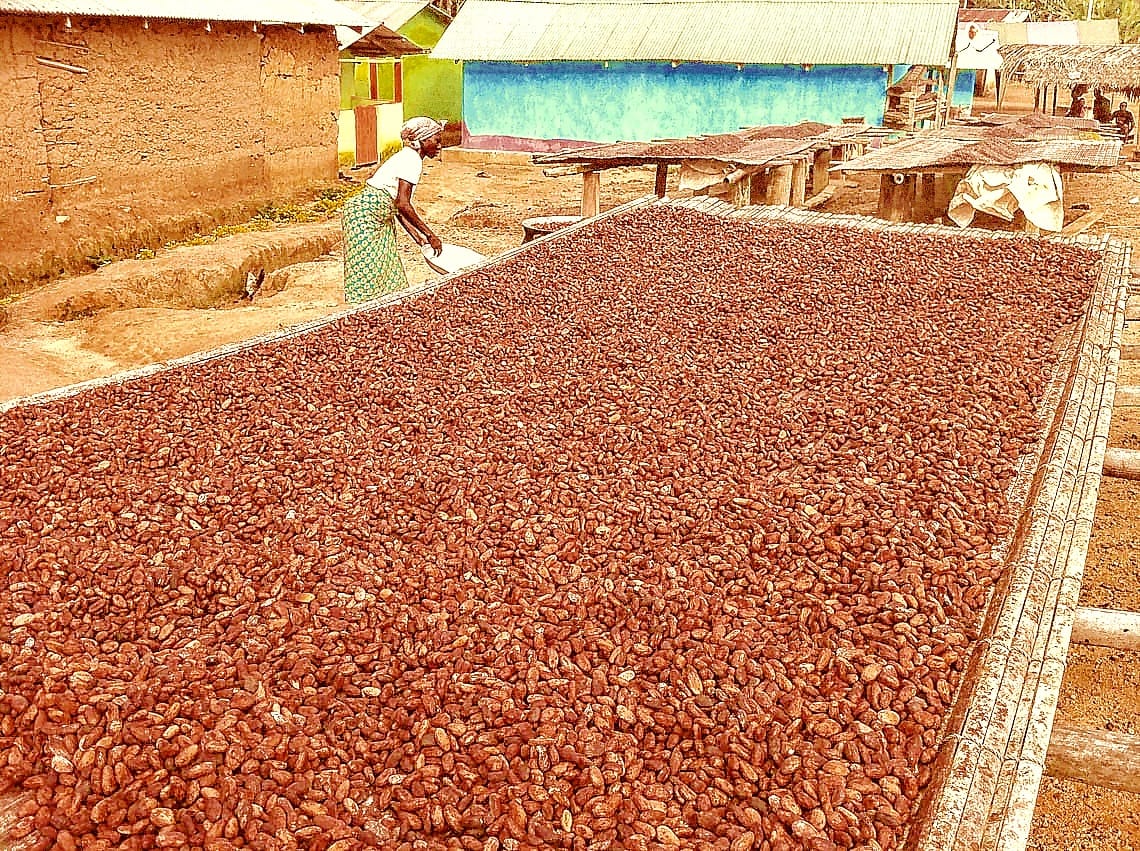
Ghana is one of West Africa's larger economies, resting on three pillars: gold, of which it is Africa's leading producer, cocoa, of which it is among the world's largest exporters, and oil, produced offshore since 2010. That resource base has never quite translated into broad prosperity, and the economy has a long history of boom followed by painful correction. The most recent came in 2022, when a combination of heavy borrowing, the pandemic, and the global rise in interest rates and in food and fuel prices left the country unable to service its external debt. Ghana defaulted, entered a support programme with the International Monetary Fund in 2023, and restructured much of what it owed. The adjustment was severe, but by 2026 inflation had fallen back sharply from the punishing levels of the crisis years and growth had resumed, helped by strong gold prices. Cocoa, still grown overwhelmingly by smallholders on small plots, remains both the emblem of the rural economy and one of its most exposed points, squeezed by ageing trees, disease, and the encroachment of mining.
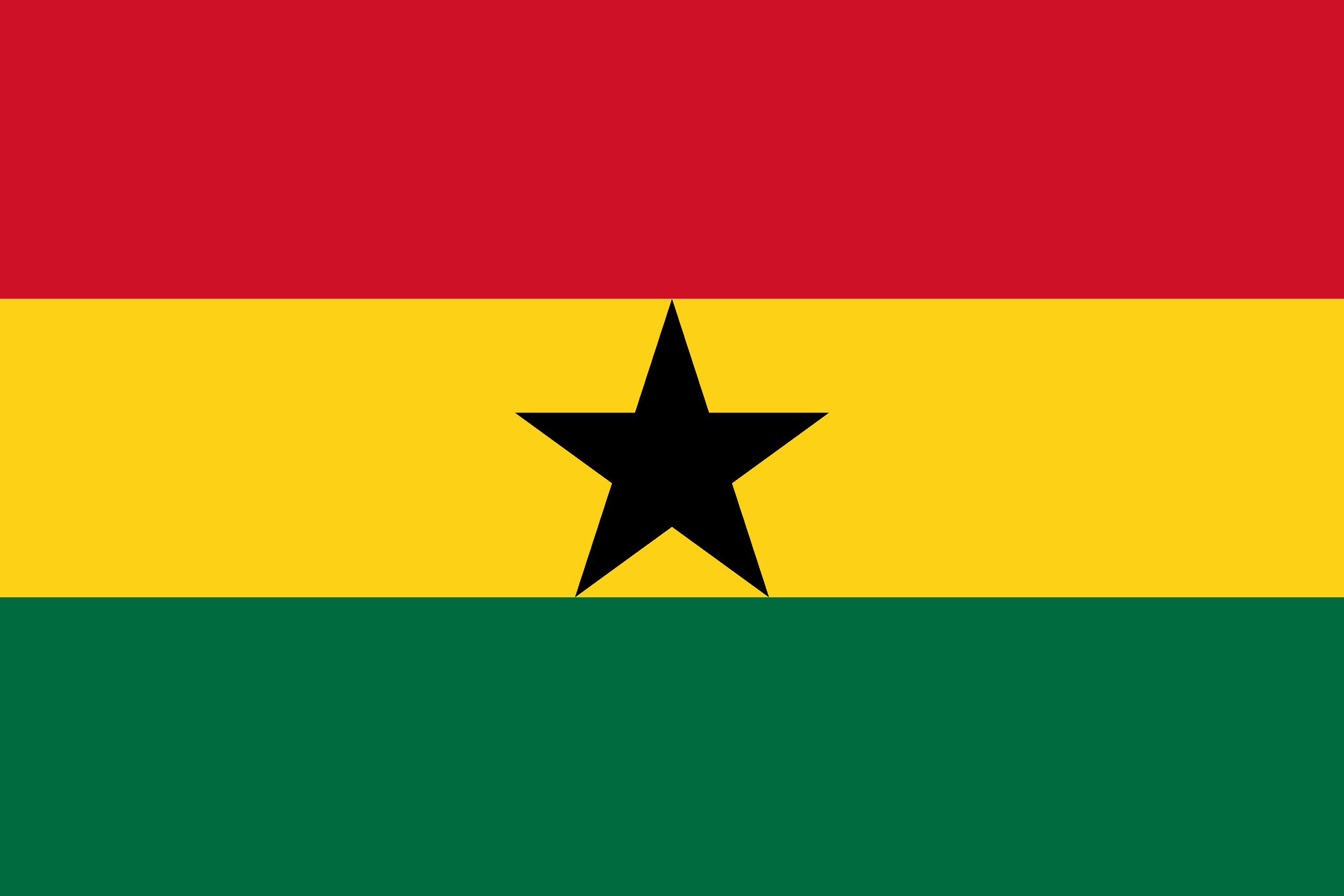
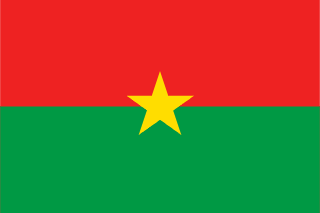
The flag of Ghana has three horizontal bands of red, gold, and green, with a black five-pointed star at its centre. Red honours those who died in the struggle for independence, gold reflects the country's mineral wealth, and green its forests and farmland. The black star, a symbol of African freedom and unity, became so iconic that it gave its name to the national football team, the Black Stars.
Ghana is a religiously vibrant and largely tolerant society. The majority of Ghanaians are Christians, spread across many denominations, with worship and church life playing a large role in the community. There is a significant Muslim population, especially in the north, and traditional African beliefs, honouring ancestors and local deities, endure across the country, often alongside the world faiths. This blend of religions is generally peaceful and is a notable feature of national life.
Ghanaian food is hearty and flavourful, built around starchy staples and rich, spicy soups and stews. Fufu, a smooth dough of pounded cassava and plantain, is dipped into soups such as the peanut-based groundnut soup or light tomato soup. Jollof rice, cooked in a savoury tomato and pepper sauce, is a source of national pride and friendly rivalry across West Africa, and spicy grilled and fried snacks like kelewele, fried spiced plantain, are popular street foods.
Agriculture still employs a large share of Ghanaians and shapes the look of the countryside. Cocoa dominates the forest belt and the export figures, but the crops that actually feed the country are yams, of which Ghana is one of the world's biggest producers, along with cassava, maize, plantain, and rice. Oil palm, rubber, and shea from the northern savanna add further cash crops, cattle and small livestock are herded in the drier north, and an active fishing fleet works the Atlantic coast and Lake Volta. Yields on many smallholdings remain low, and raising them, while keeping farmland out of the hands of miners, is one of the central development questions facing the country.
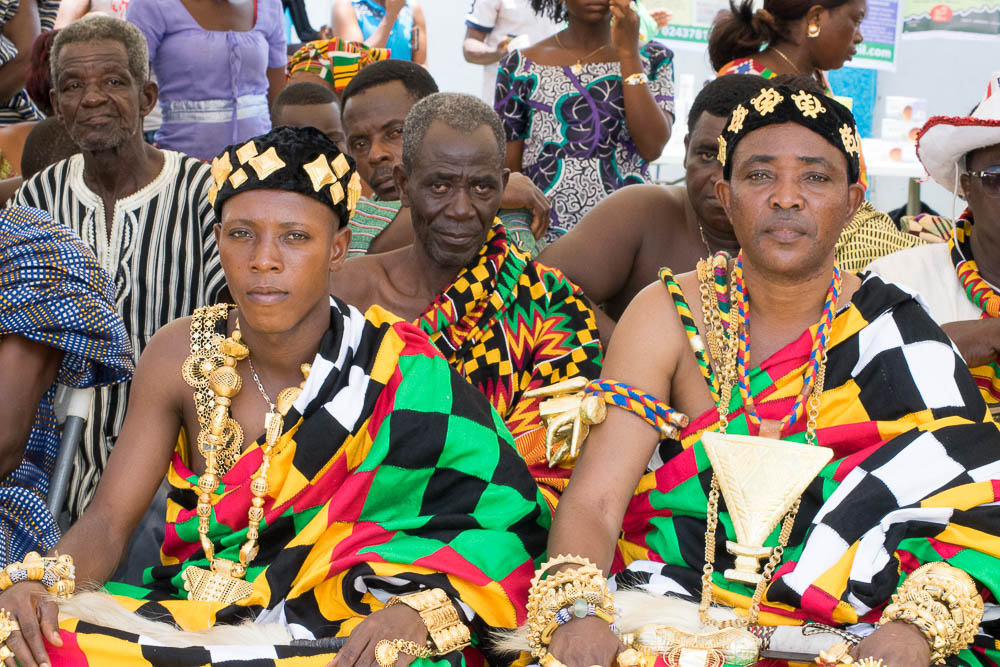
Ghanaian culture is famously outgoing, and much of it is organised around cloth, drumming, and public ceremony. Kente, the brilliantly coloured strip-woven silk and cotton cloth of the Akan and Ewe, is the country's most recognisable export to the world's imagination, each pattern carrying a name and a meaning, and adinkra symbols convey proverbs in printed and stamped form. Traditional festivals fill the calendar, among them Homowo of the Ga, Aboakyir of the Effutu, and the great Ashanti festival of Akwasidae, when the Asantehene sits in state. Highlife, the guitar-and-horn dance music born on the Gold Coast in the early twentieth century, gave West African popular music one of its founding styles and lives on in the hiplife and Afrobeats of today's Accra. Football is close to a national religion, and the Black Stars, named for the star on the flag, carry it. The extended family, respect for elders, and the authority of chiefs remain strong social threads even in a rapidly urbanising country.
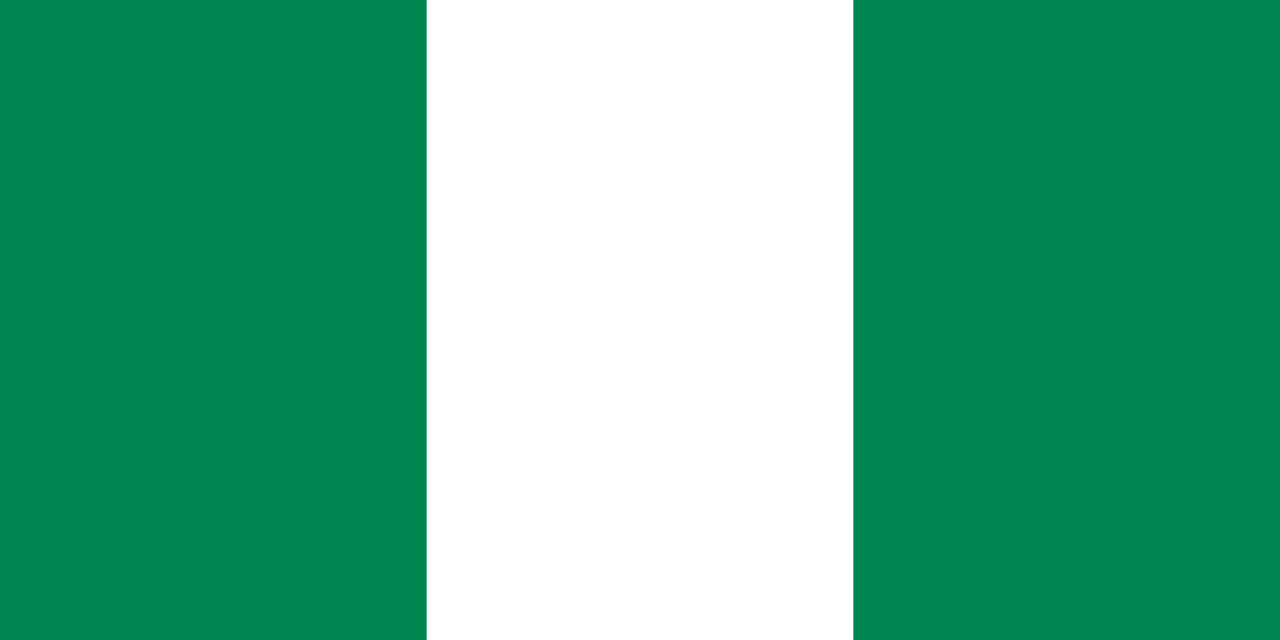
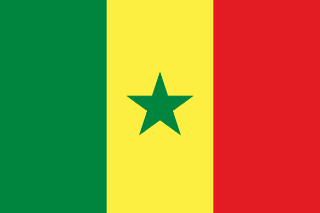
Ghanaian food is hearty and boldly spiced, built around starchy staples eaten with rich soups and stews. Fufu, a smooth springy dough of pounded cassava and plantain, is torn by hand and dipped into groundnut soup, light tomato soup, or palm nut soup, and banku and kenkey, both made from fermented maize, serve the same purpose with a distinctive sourness. Jollof rice, cooked in a savoury tomato and pepper base, is a source of intense national pride and of a long, cheerfully unresolved rivalry with Nigeria and Senegal over who makes it best. Grilled tilapia, waakye of rice and beans, and kelewele, cubes of ripe plantain fried with ginger and pepper, are staples of the street.
The most bitterly argued question in Ghana today is what to do about galamsey, the local name for unlicensed small-scale gold mining. The scale is no longer small: artisanal and small-scale mining now produces a very large share of the country's gold and, by some estimates, earns more foreign exchange than the licensed industrial mines, while the great majority of those working it operate without a licence.
Defenders point out that this is one of the largest sources of cash income in rural Ghana, employing very many people in districts where there is little else, and that the gold is a national resource whose profits have historically flowed abroad. Some argue that the real failure is a licensing system too slow and too expensive for ordinary miners to use, and that formalising the sector would serve better than trying to suppress it.
Against that stands the environmental damage, which is severe and documented. Riverbeds are dug out and left as pits, forest reserves are cleared, and mercury and cyanide used in informal processing have contaminated major rivers, to the point that the national water utility has warned about the cost and feasibility of treating what it draws. Cocoa farms have been sold or destroyed for the ground beneath them, with measurable losses in yields, and confrontations between miners, security forces, and local communities have cost lives on both sides. Successive governments have declared crackdowns, deployed the military, and burned equipment; each campaign has drawn accusations that politically connected operators are spared while the poorest are pursued, and mining has generally resumed. Chiefs, churches, unions, and a vocal urban protest movement have pressed for tougher action, while affected communities are themselves divided between those who depend on the income and those who have lost their water and their farms.
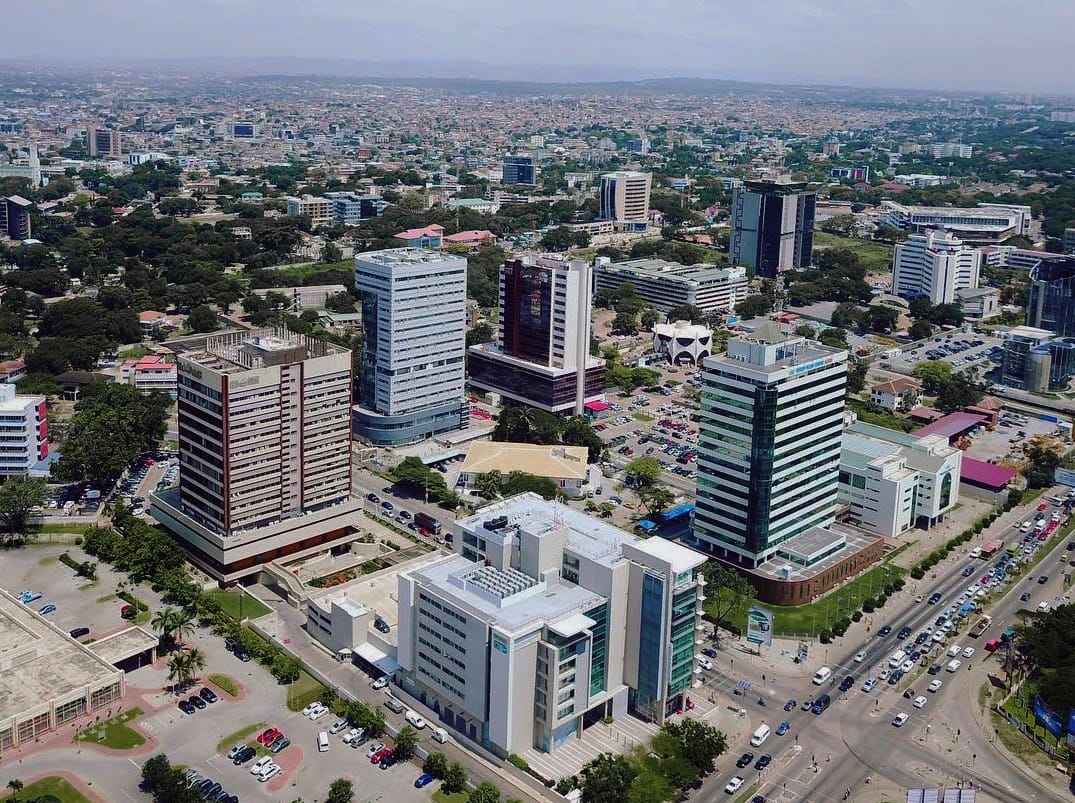
Ghana has a population of around 34 million, young, growing, and increasingly urban. It is made up of many ethnic groups, the largest being the Akan, who include the Ashanti and Fante, along with the Mole-Dagbani of the north, the Ewe of the southeast, the Ga-Dangme around Accra, and others, together speaking scores of languages with English as the official tongue and Twi widely used across the south. More than half the population now lives in towns and cities, above all in Accra, whose metropolitan area has grown enormously, and in Kumasi, the historic Ashanti capital. Ghana also hosts a notable population of returnees and settlers from the African diaspora, encouraged by initiatives such as the Year of Return marked in 2019.