Germany is a country in Central Europe, the most populous member of the European Union and the engine of its economy. Bordered by nine countries, more than any other in Europe, it sits at the crossroads of the continent. A land of poets, composers, philosophers, and engineers, Germany is also defined by a dramatic modern history of division and reunification that placed it at the heart of twentieth-century Europe.
Germany's history is unusual in Europe: it became a unified nation-state late, only in the nineteenth century, after centuries as a patchwork of states, and its modern course swung between brilliant achievement and terrible catastrophe.
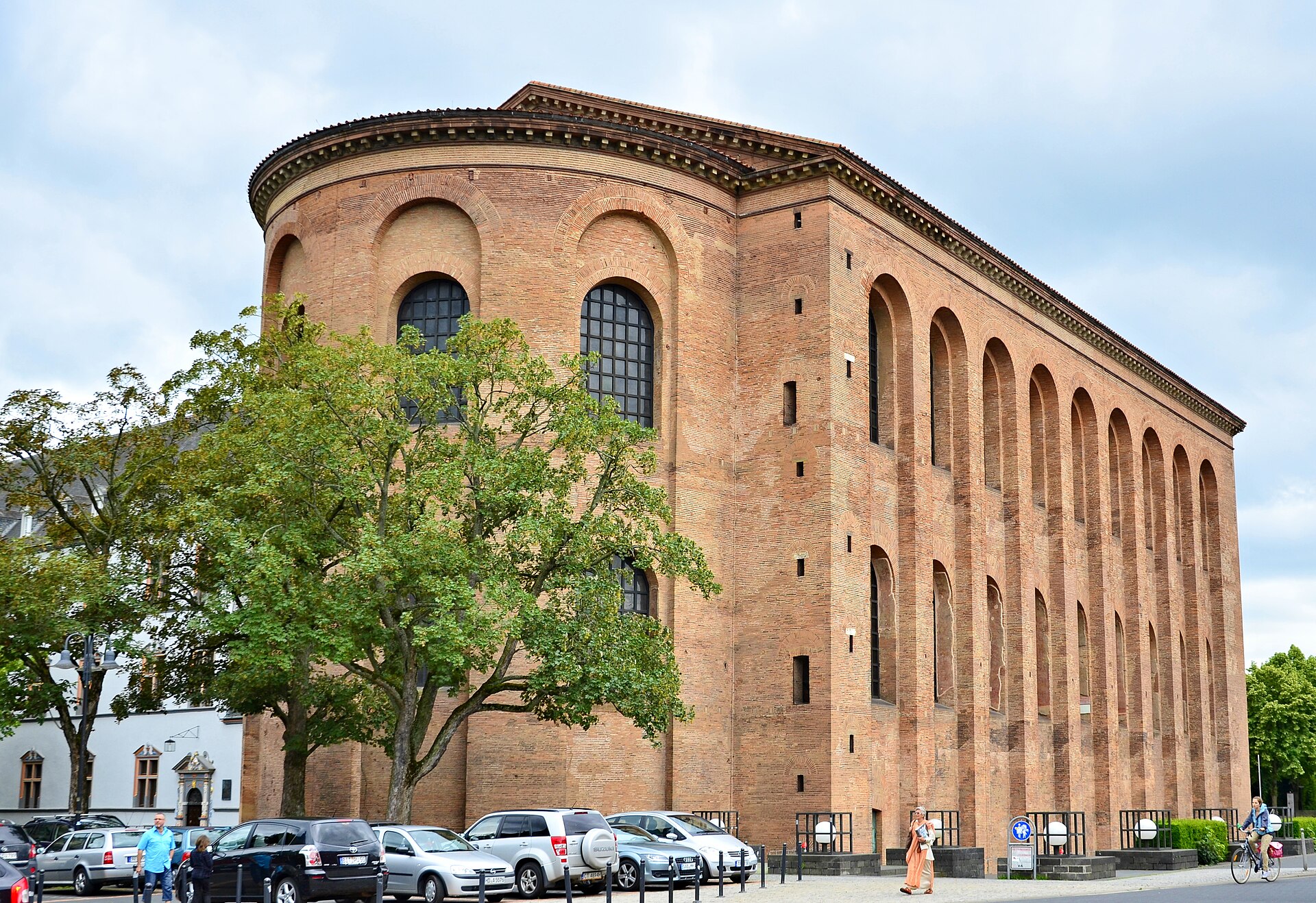
The Romans never fully conquered Germania, but they left cities along the Rhine, among them Trier, with monuments still standing today. For most of the medieval and early modern eras the German lands were a loose patchwork of hundreds of states, principalities, and free cities bound within the Holy Roman Empire, a sprawling and decentralised realm.
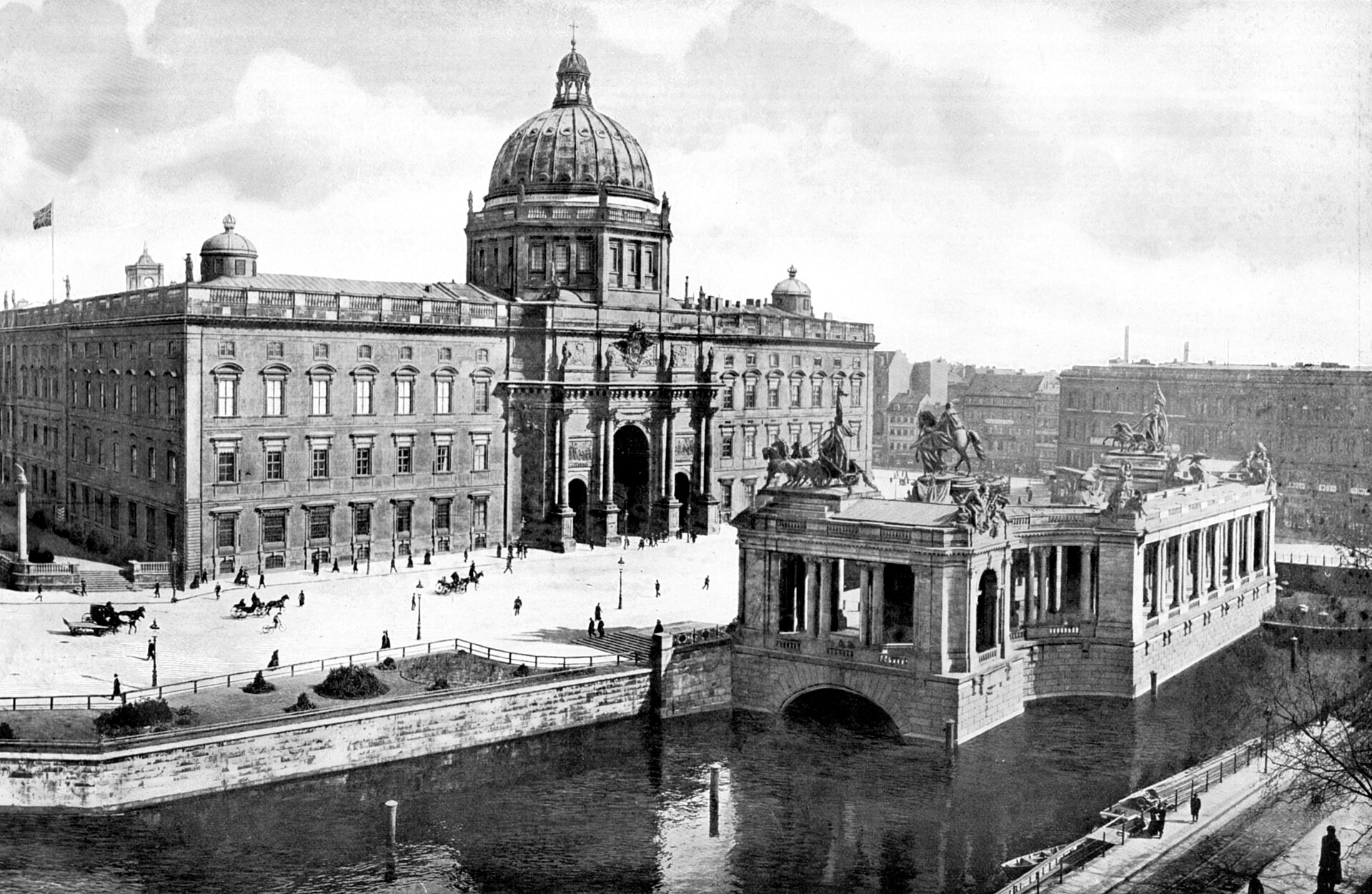
Out of this patchwork the Kingdom of Prussia rose to dominance, and in 1871 the statesman Otto von Bismarck unified the German states into a single empire under Prussian leadership. The new nation industrialised at remarkable speed and quickly became one of Europe's foremost military and economic powers.
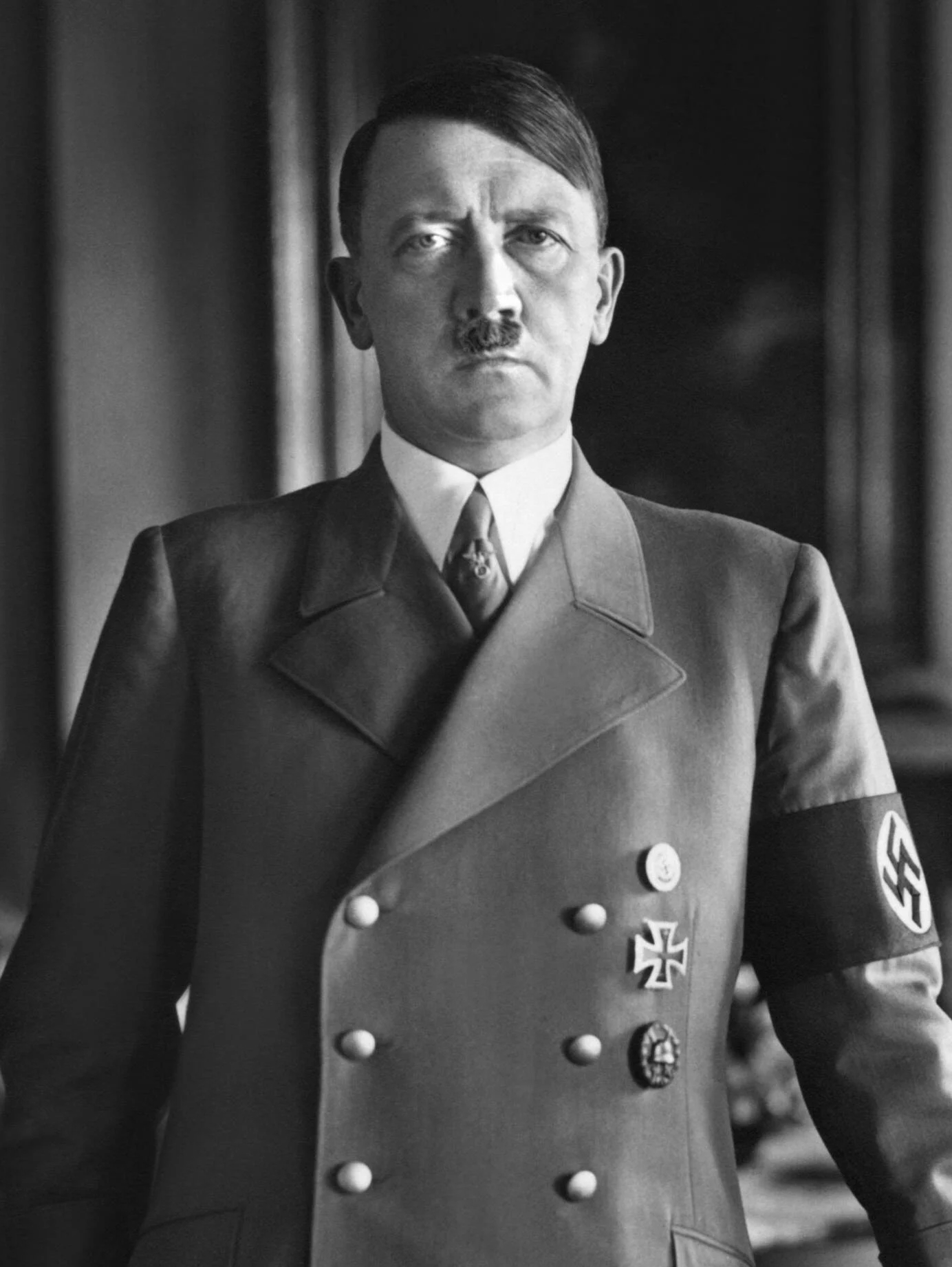
Germany's rise helped draw Europe into the First World War, whose defeat brought down the empire and ushered in the fragile Weimar democracy. Its collapse opened the way for Adolf Hitler and the Nazi dictatorship, which from 1933 led the world into the Second World War and carried out the Holocaust, the systematic murder of six million Jews and millions of others.
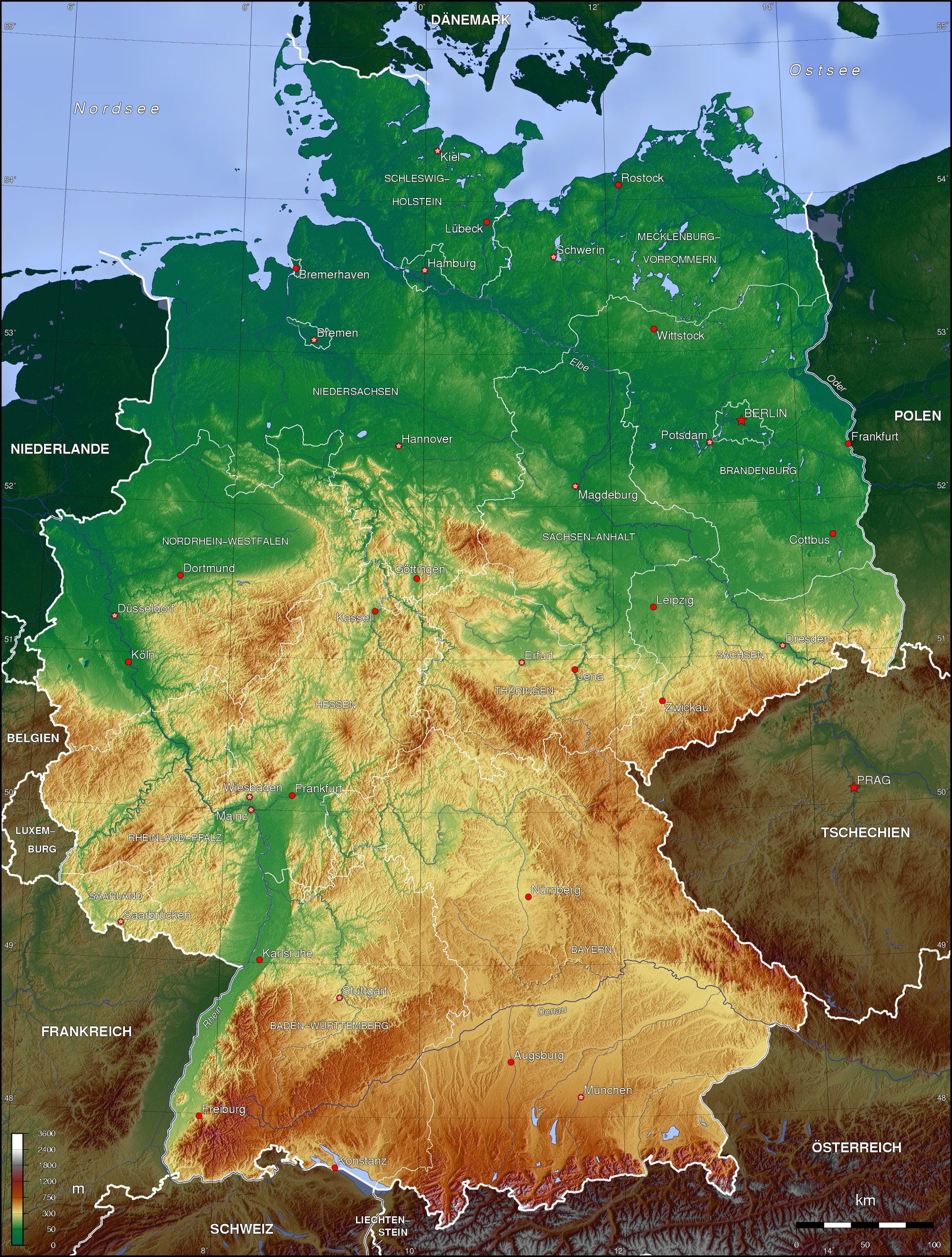
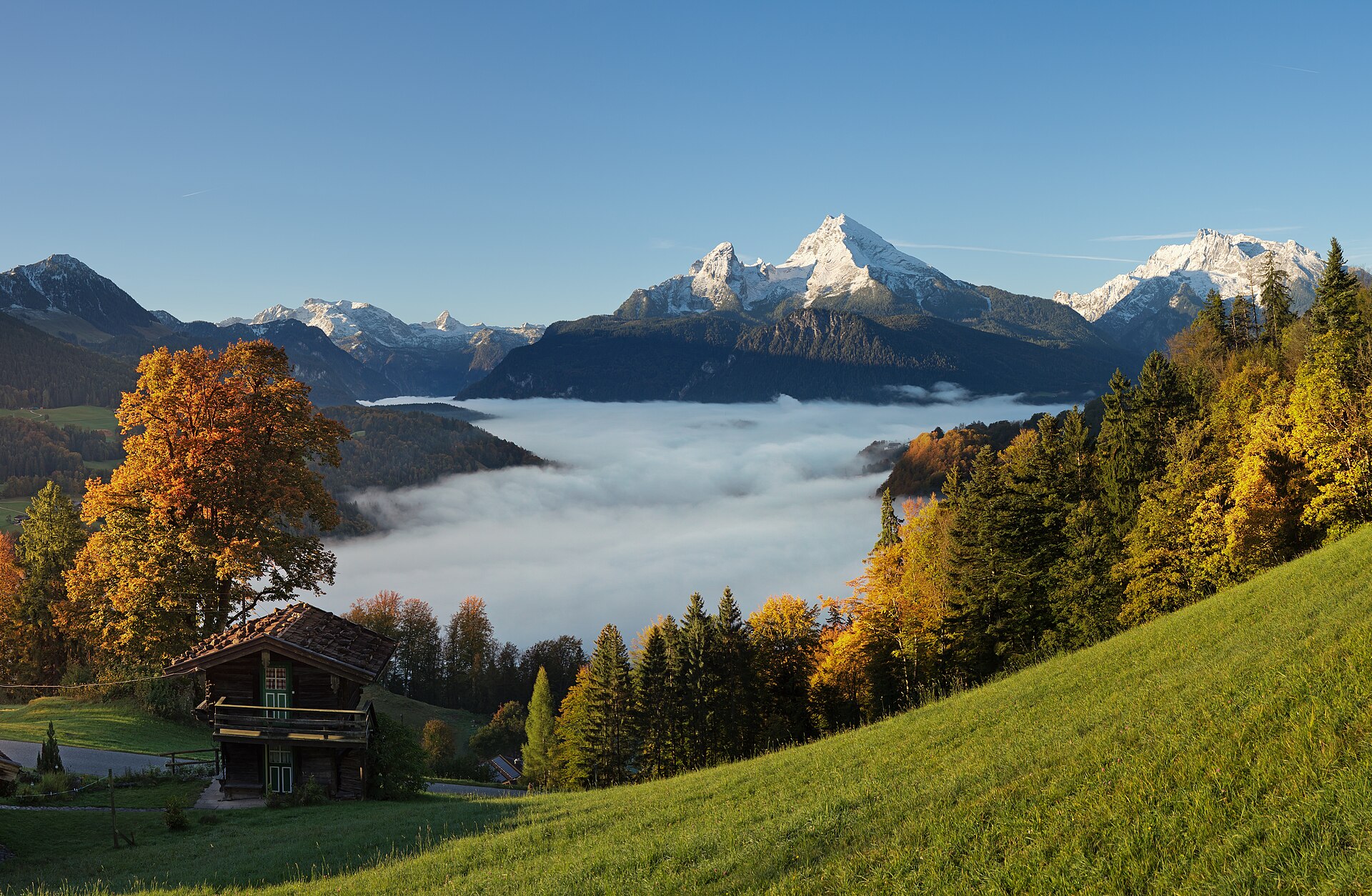
Germany's landscape rises from the flat northern plains along the Baltic and North Seas, through rolling central uplands and great rivers like the Rhine and the Danube, to the Bavarian Alps in the far south. Dense forests, among them the storied Black Forest, and vineyard-clad river valleys give the country much of its character. This temperate, well-watered land has long supported both farming and the dense cities of Europe's industrial core.
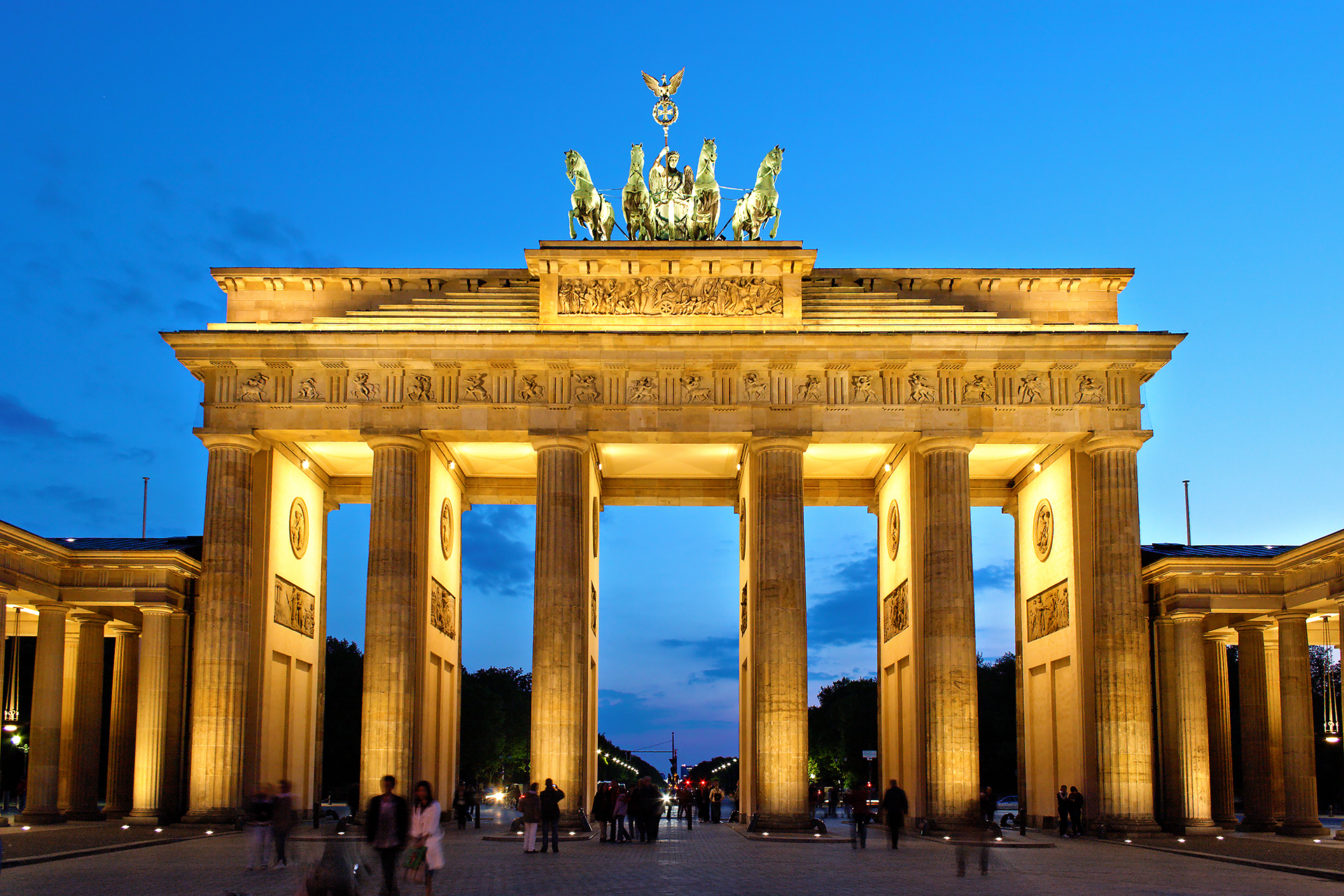
Germany is a federal parliamentary republic, with power shared between the national government and sixteen states, the Lander. Its head of government, the chancellor, is chosen by and answerable to an elected parliament, the Bundestag, while a president serves as ceremonial head of state. Built deliberately after 1949 to prevent any return to dictatorship, the system favours coalition government, consensus, and strong regional autonomy. Berlin, once split by the Wall, is again the national capital.
Germany has the largest economy in Europe and one of the largest in the world, long built on engineering and high-quality manufacturing. It is famous for its cars, machinery, chemicals, and precision instruments, home to firms such as Volkswagen, Mercedes-Benz, BMW, and Siemens, and it ranks among the world's leading exporters. A backbone of small and medium family firms, the celebrated Mittelstand, underpins its industrial strength.
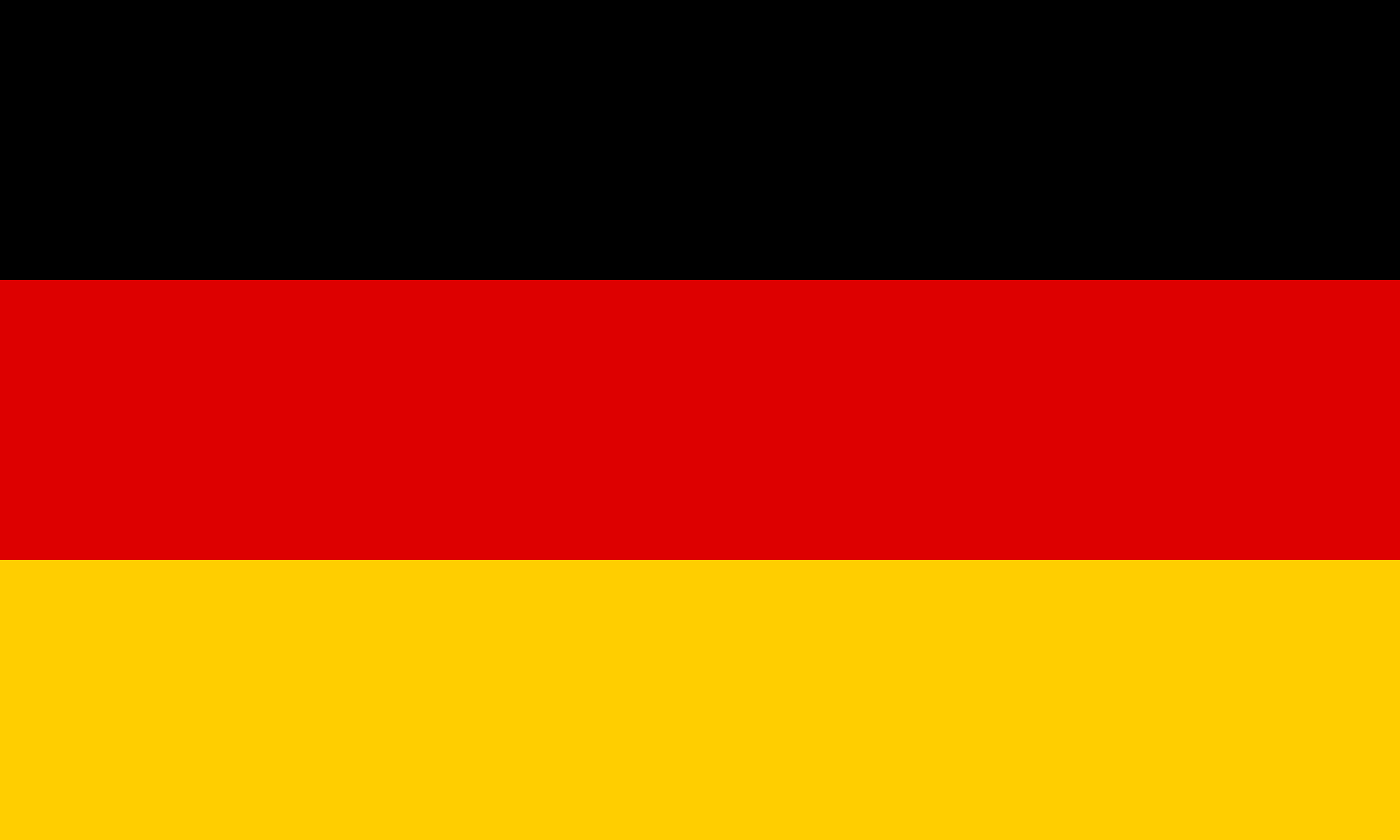
The German flag is a horizontal tricolour of black, red, and gold. The colours date to the early nineteenth century and the movements for liberty and national unity, and they became a symbol of democratic Germany. After the divisions of the twentieth century, the black-red-gold flag was carried by the postwar Federal Republic and flies today over the reunified nation.
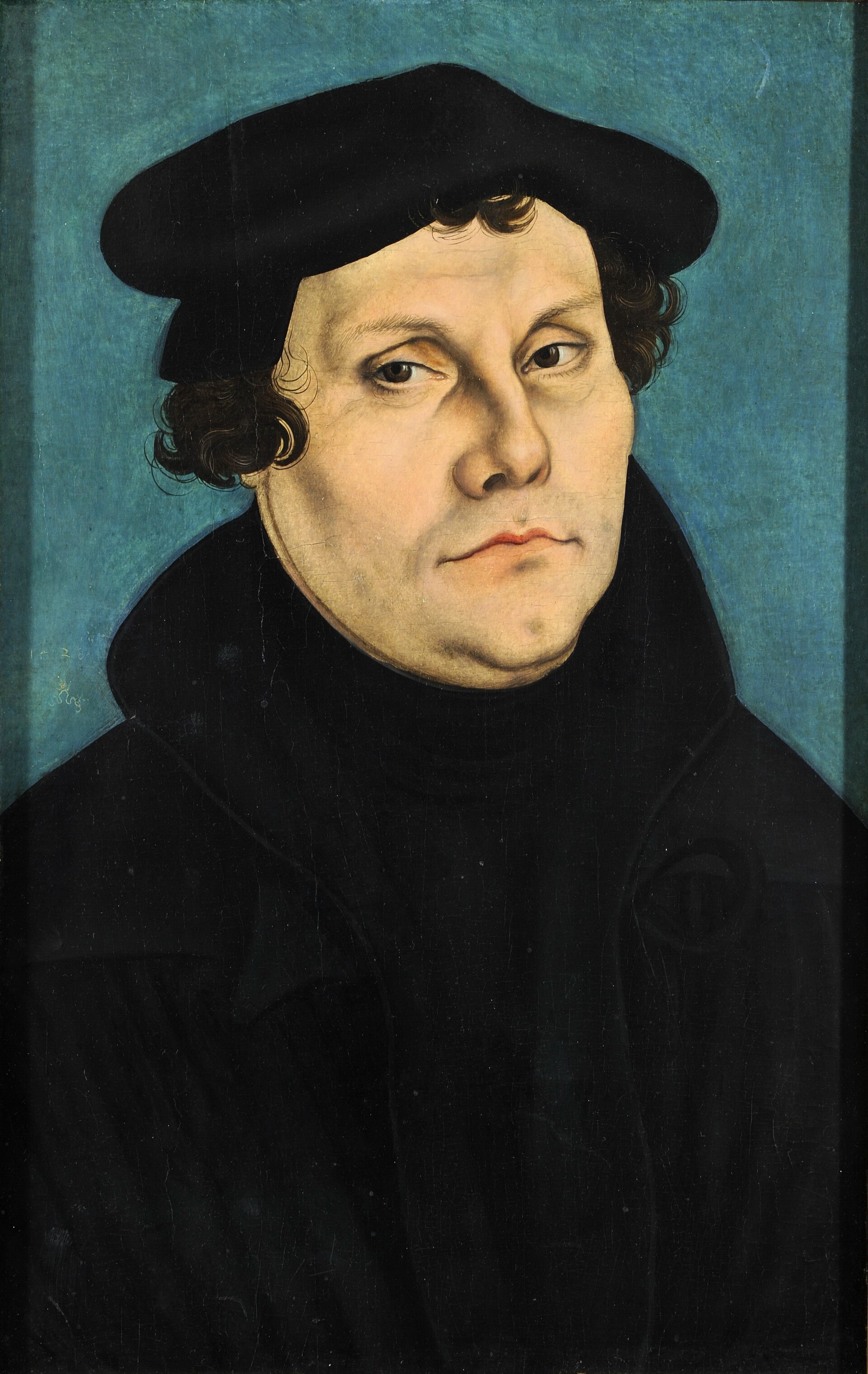
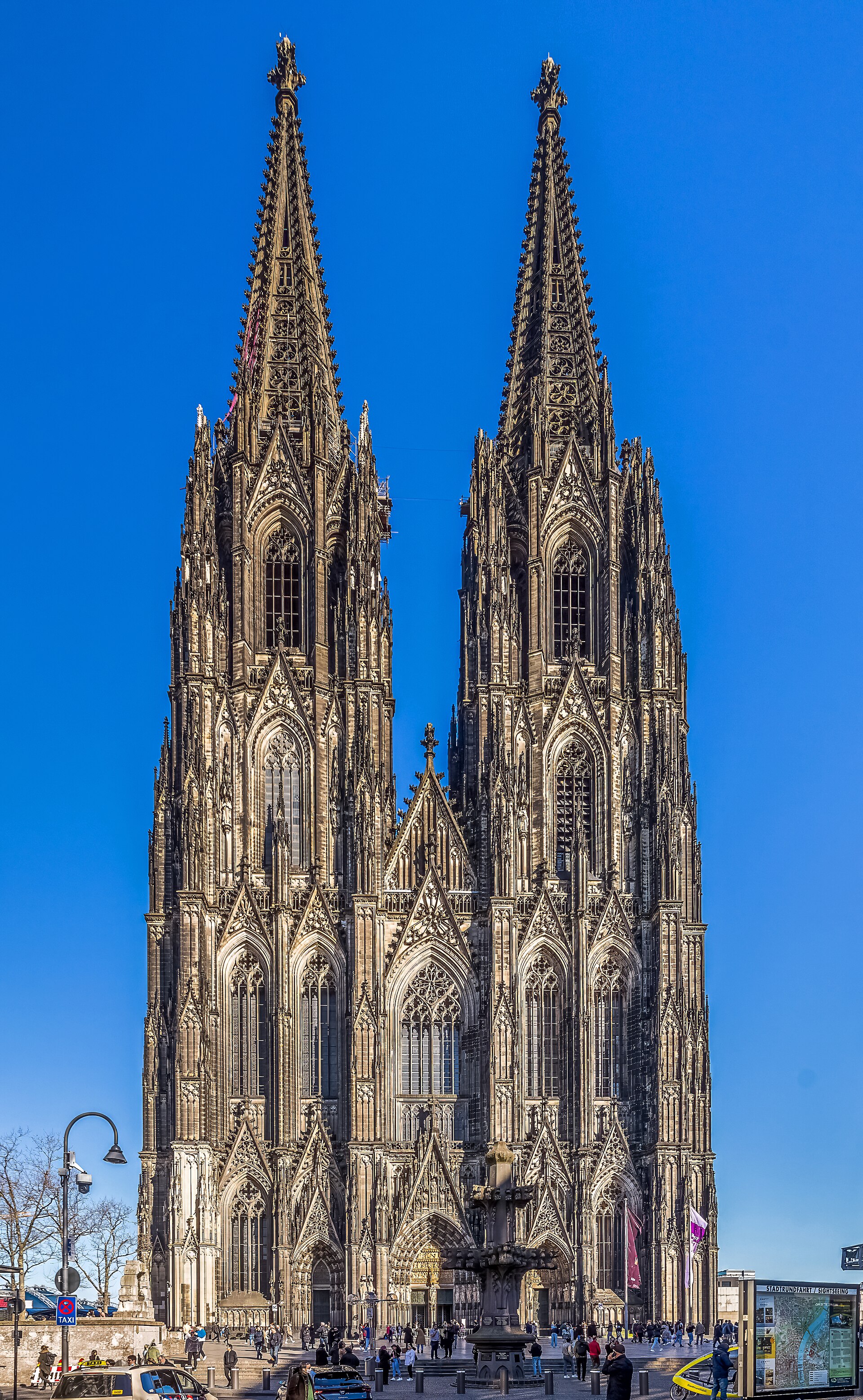
Germany was the birthplace of the Protestant Reformation, launched in 1517 when the monk Martin Luther challenged the practices of the Catholic Church, splitting Western Christianity and reshaping European history. The country remains roughly divided between Protestant and Catholic traditions, broadly north and south, though a large and growing share of Germans now report no religion. Immigration has also made Islam a significant minority faith.
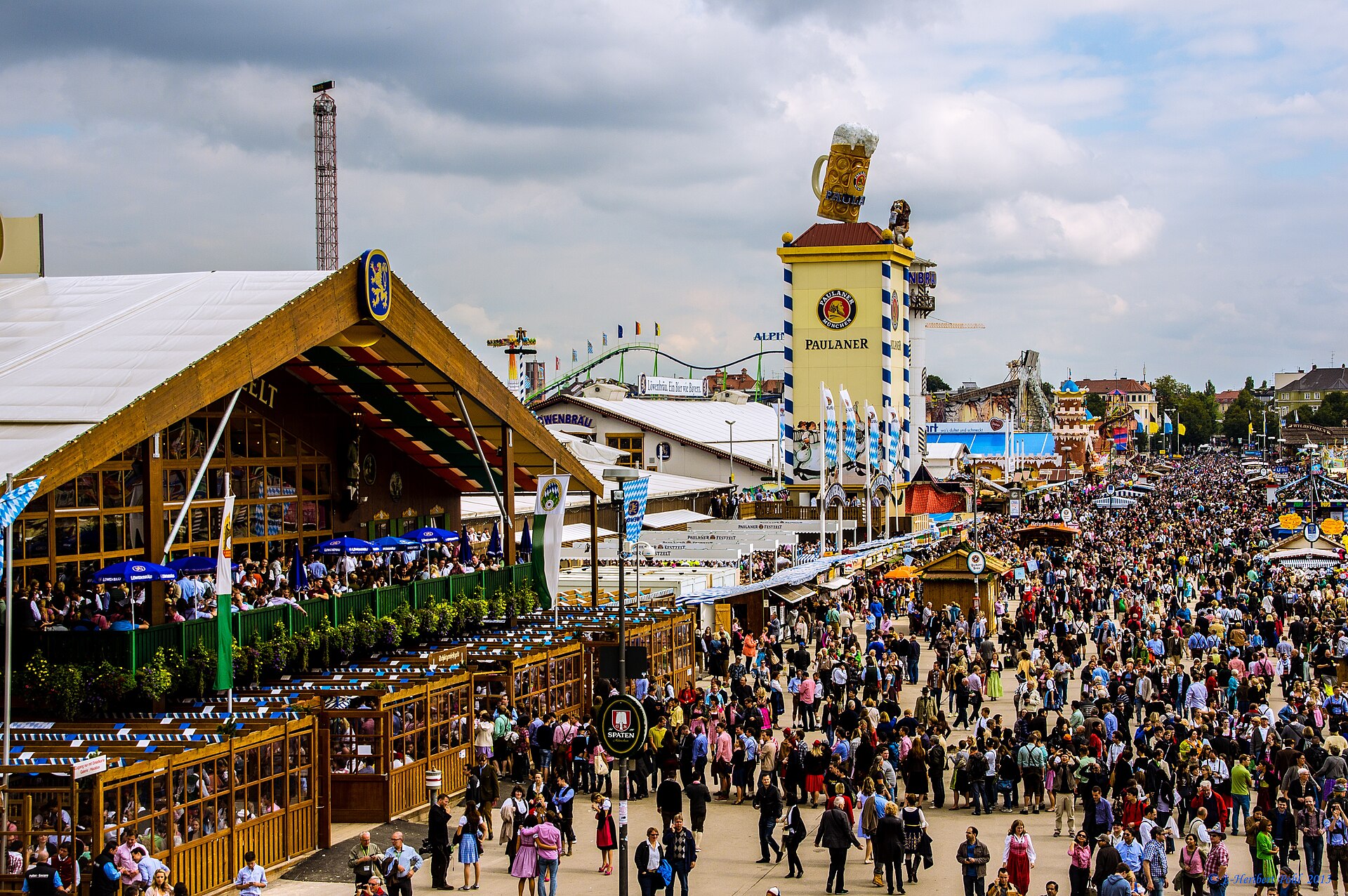
German food is hearty and regional, built around bread, of which the country bakes an extraordinary variety, along with pork, potatoes, and cabbage. Sausages, or wurst, come in hundreds of forms, and dishes like schnitzel, sauerkraut, and pretzels are widely loved. Germany is also a great brewing nation, its beer long governed by a famous purity law, and its cool river valleys produce fine white wines, above all Riesling.
Germany has a modern, highly productive farming sector. Its fields yield wheat, barley, potatoes, and sugar beet, while pork and dairy dominate its livestock. The river valleys of the south and west produce respected wines, and the country grows much of the hops and barley behind its celebrated beer. Farming is efficient and mechanised, supplying both the domestic market and a strong export trade in food and agricultural products.
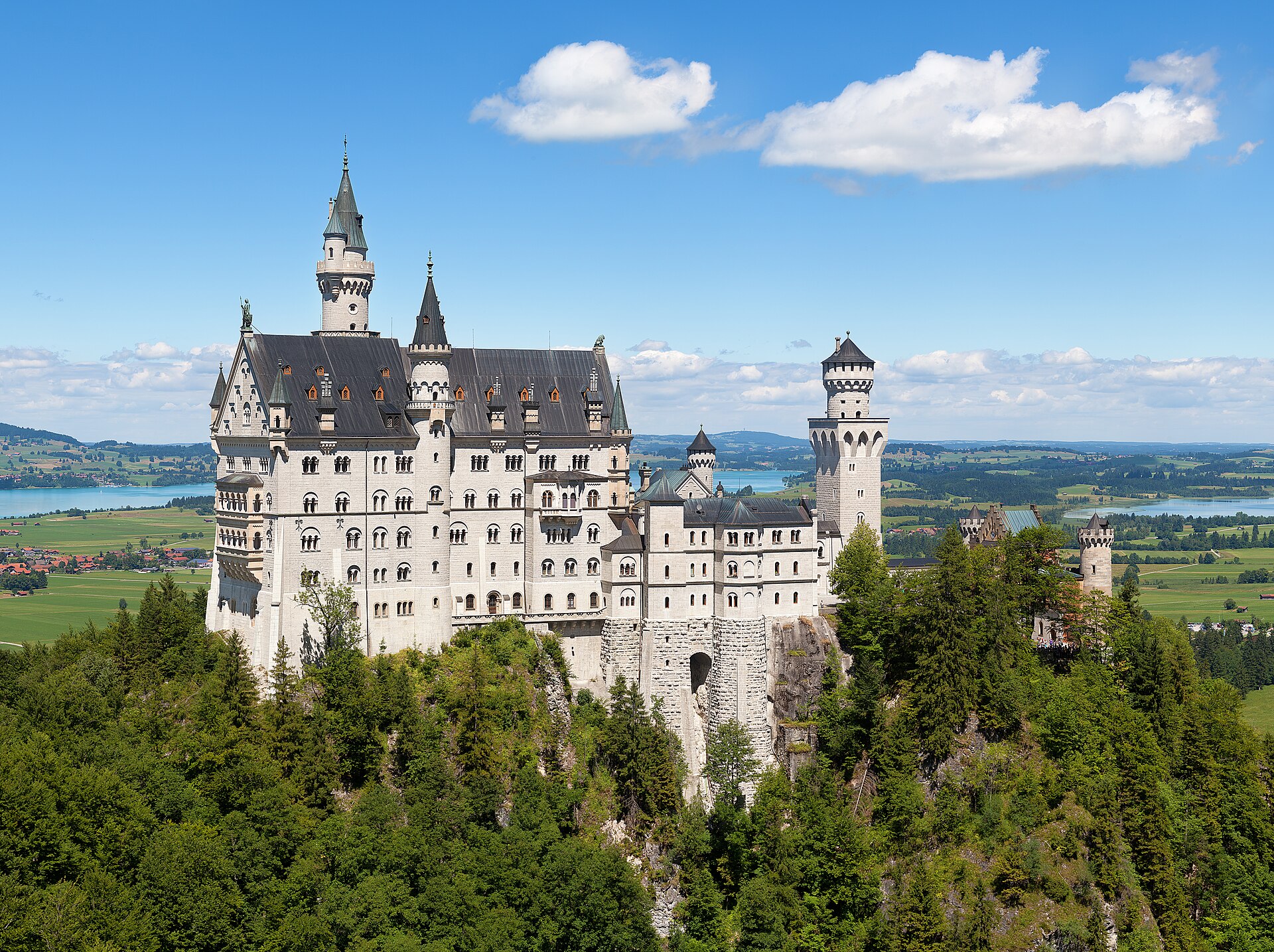
Germany is often called the land of poets and thinkers, and its contribution to Western culture is immense: the music of Bach, Beethoven, and Brahms, the writing of Goethe, the philosophy of Kant, Hegel, Marx, and Nietzsche, and foundational work in modern science. Romantic castles such as Neuschwanstein, Christmas markets, and a deep tradition of festivals and clubs give the country a rich popular culture alongside its high arts.
Modern Germany weighs several difficult questions. It took in large numbers of refugees in the 2010s, fuelling a continuing debate over immigration and integration and the rise of a nationalist far right that challenges the postwar consensus. The country is also pursuing the Energiewende, an ambitious shift to renewable energy that included shutting down its nuclear plants, a transition argued over for its cost and reliability. As the largest member of the European Union, Germany's choices on the economy, energy, and defence carry weight far beyond its borders.
Defeated and occupied in 1945, Germany was split between a democratic, capitalist West and a communist East, the divide running straight through Berlin and marked most starkly by the Berlin Wall. For four decades the two Germanys stood on opposite sides of the Cold War. When the Wall fell in 1989, swept aside by peaceful protest, it opened the way to reunification in 1990 and became a symbol of freedom around the world.
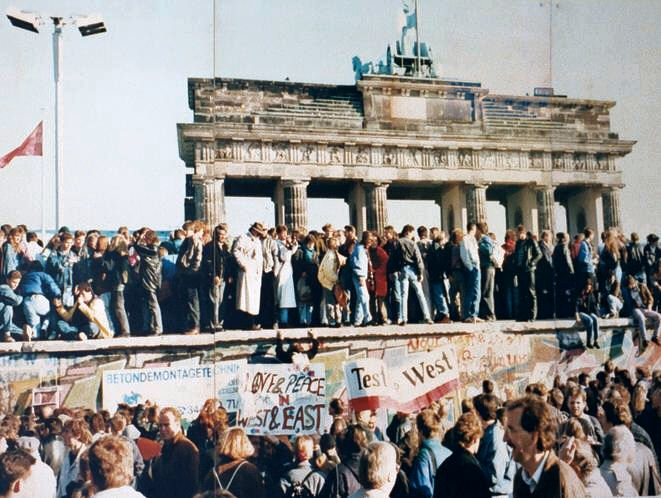
Germany has a population of around 84 million people, the largest in the European Union. It is a highly urban society, with major centres at Berlin, the capital, along with Hamburg, Munich, and the industrial Rhine-Ruhr region. Like much of Europe, Germany faces an ageing population and low birth rate, and immigration has become central to sustaining its workforce, making it home to large communities with Turkish, Eastern European, and more recent refugee origins.