Georgia is a country in the Caucasus, at the meeting point of Eastern Europe and Western Asia, on the shores of the Black Sea between Russia and Turkey. A mountainous land of ancient churches, fortified towers, and vineyards, it has one of the oldest Christian traditions in the world and a unique language and alphabet all its own. Often considered the birthplace of wine, Georgia is a proud nation whose deep heritage has survived at a crossroads of empires.
Georgia's history runs from the ancient kingdoms of Colchis and Iberia, through an early embrace of Christianity and a medieval golden age, to long centuries under greater empires and a modern independence pulled between Russia and the West.
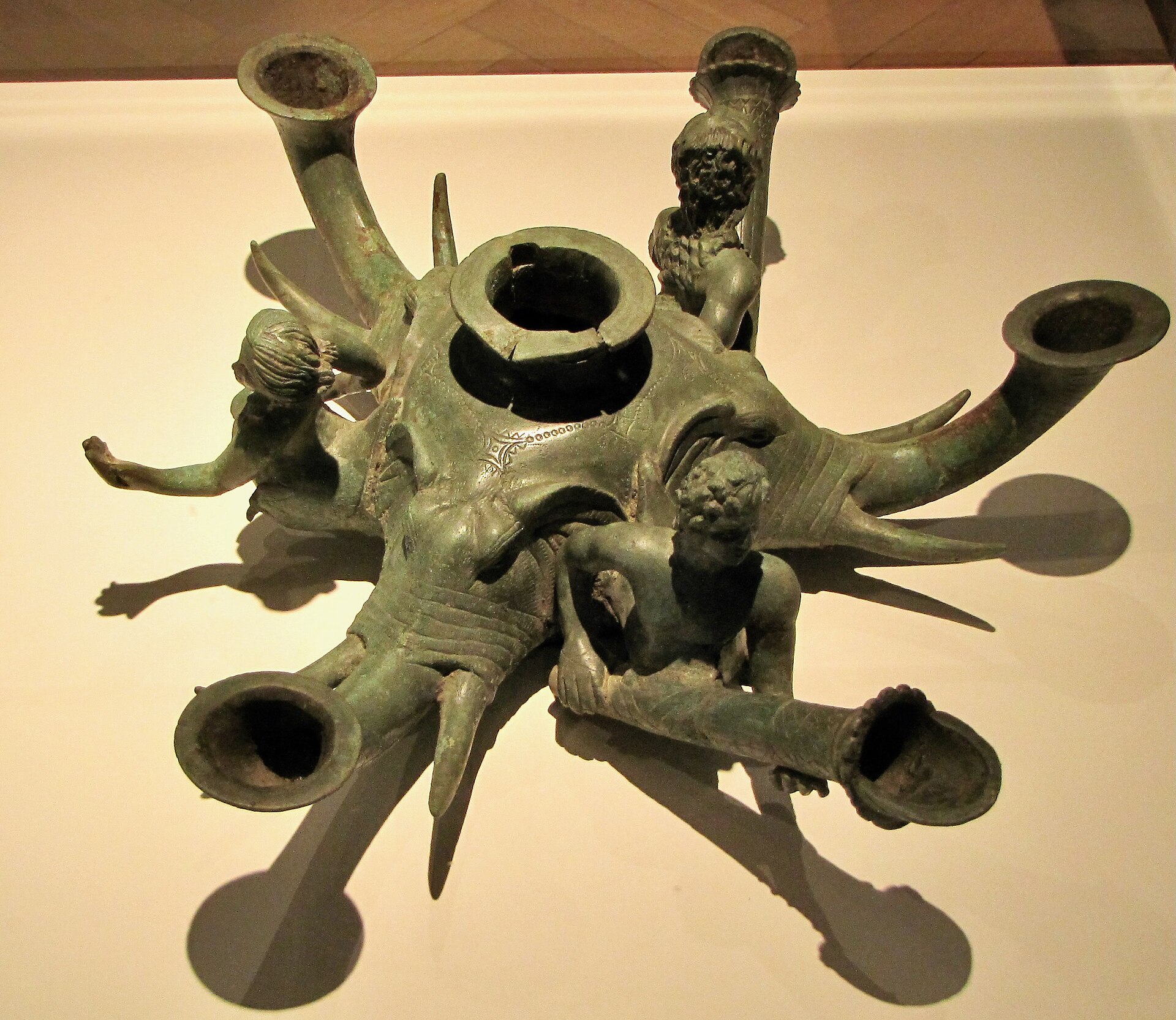
In antiquity the western part of the country was the kingdom of Colchis, a wealthy land famous in the Greek world for its gold, and the eastern part was the kingdom of Iberia. These early Georgian states traded with the Greeks and Persians and left behind refined metalwork that speaks of their prosperity.
In the early fourth century the kingdom of Iberia adopted Christianity, making Georgia one of the first nations in the world to embrace the faith. According to tradition it was Saint Nino, a woman preacher, who converted King Mirian III, and the church has been central to Georgian identity ever since.
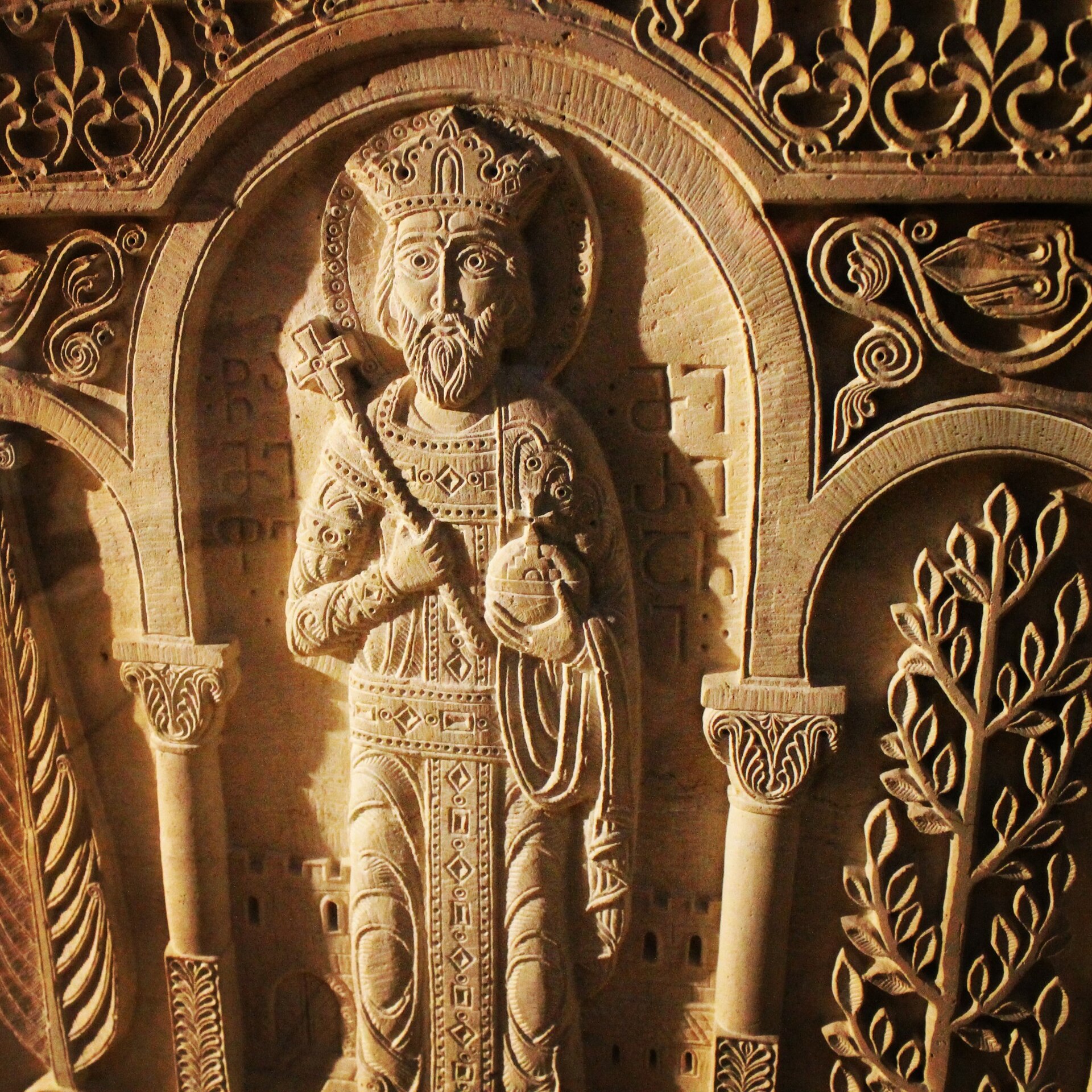
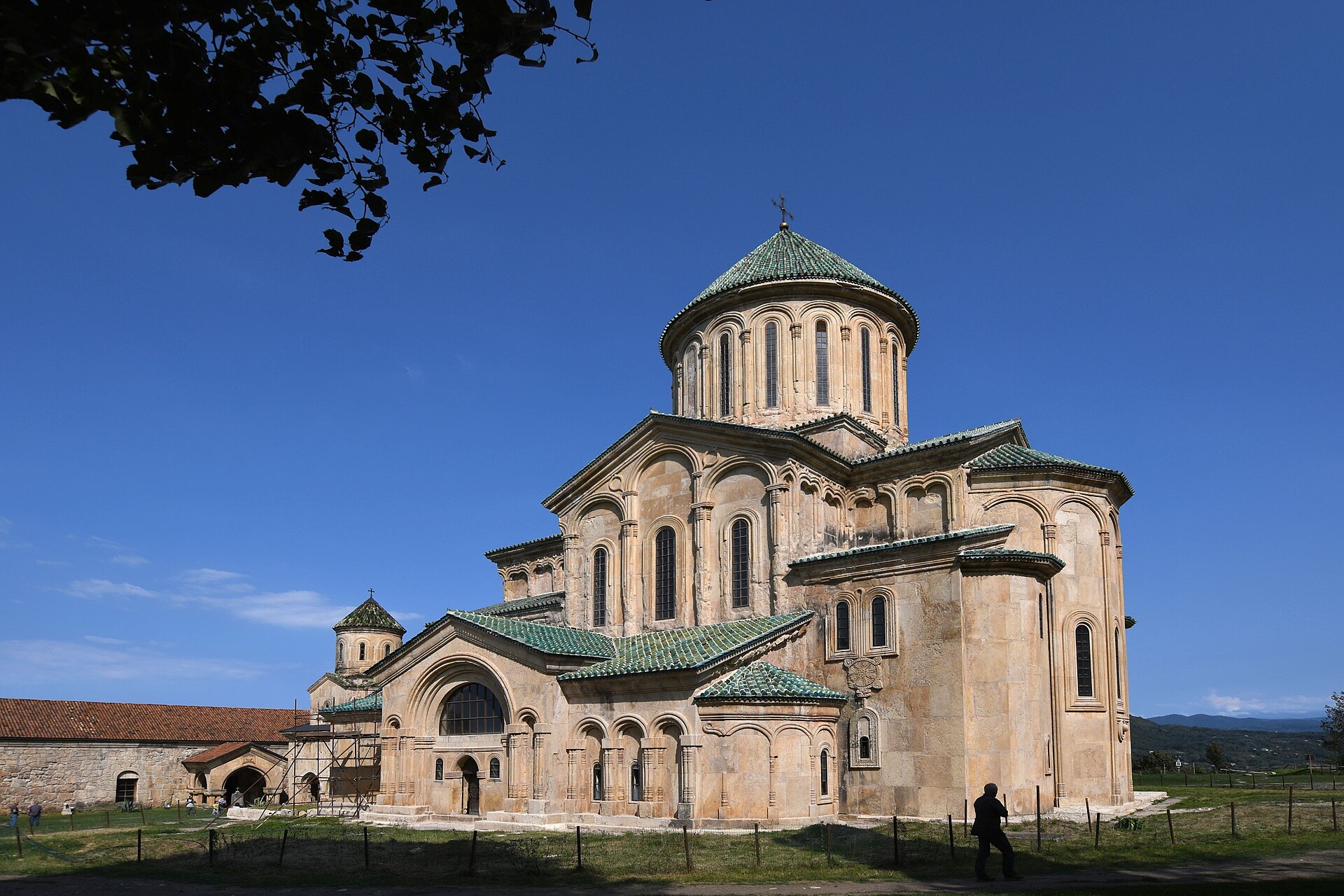
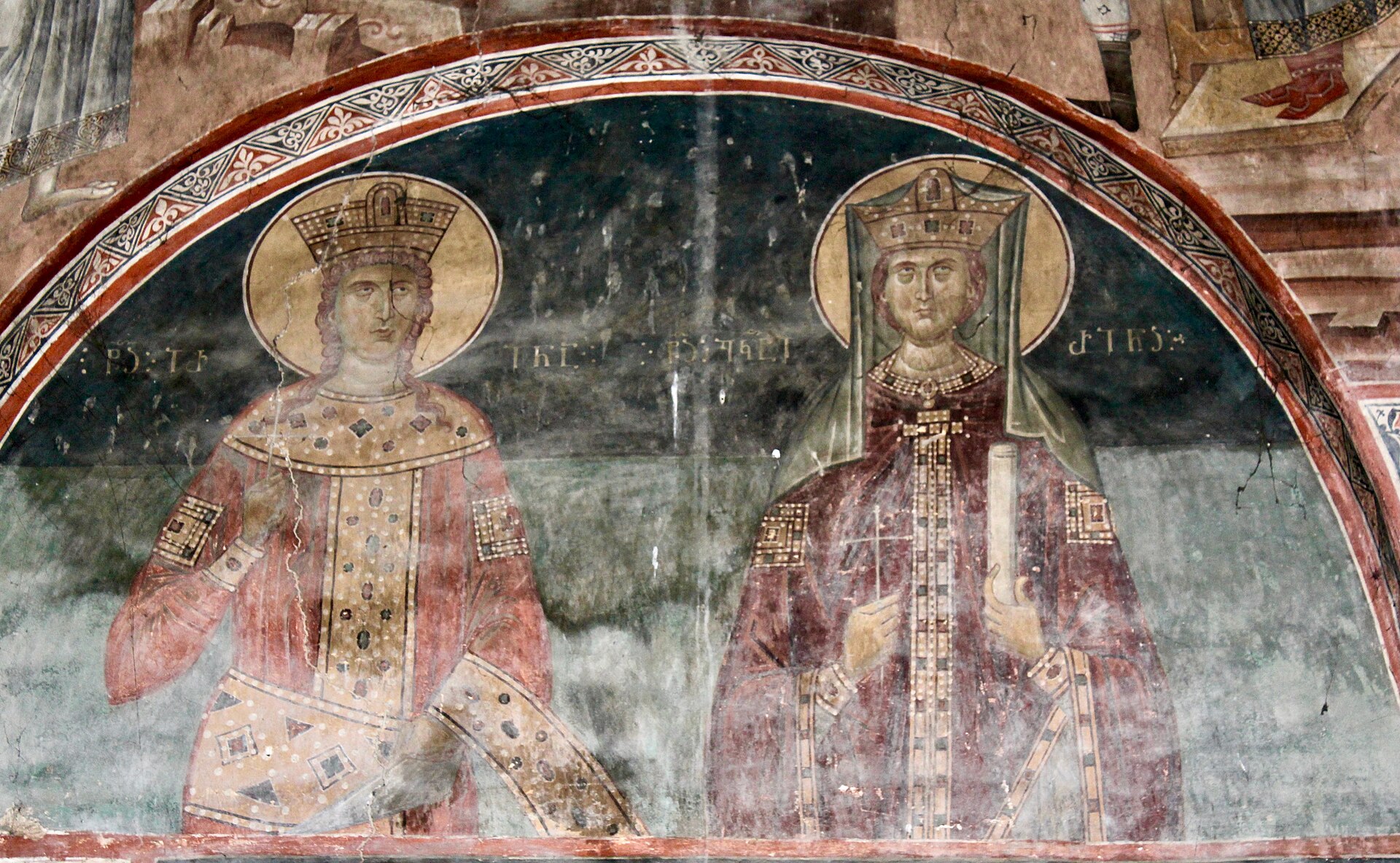
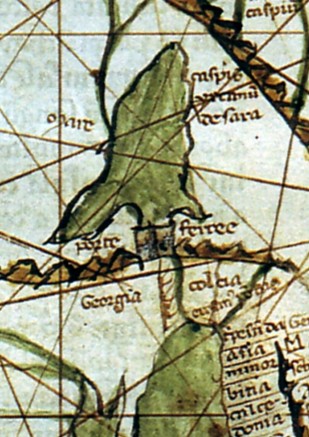
Georgia reached its height in the eleventh to thirteenth centuries, above all under King David the Builder and Queen Tamar, when the kingdom expanded, learning flourished, and great monasteries and frescoes were created. The country became known across the medieval world, appearing on the maps of distant Europe.
After the golden age Georgia was ravaged by Mongol invasions and later fragmented, fought over and dominated by the Persian, Ottoman, and Mongol powers. In the early nineteenth century the eastern kingdoms were absorbed by the Russian Empire. After a brief independence following the First World War, Georgia was incorporated into the Soviet Union, regaining its independence only when the union collapsed in 1991.
In Greek myth, the western Georgian kingdom of Colchis was the land of the Golden Fleece, the magical ram's fleece sought by the hero Jason and his Argonauts in one of the most famous of ancient adventures. The legend reflects real memories of Colchis as a wealthy land rich in gold, where, some suggest, fleeces were used to catch gold dust from mountain streams. The voyage of the Argonauts itself, however, belongs to mythology rather than documented history.
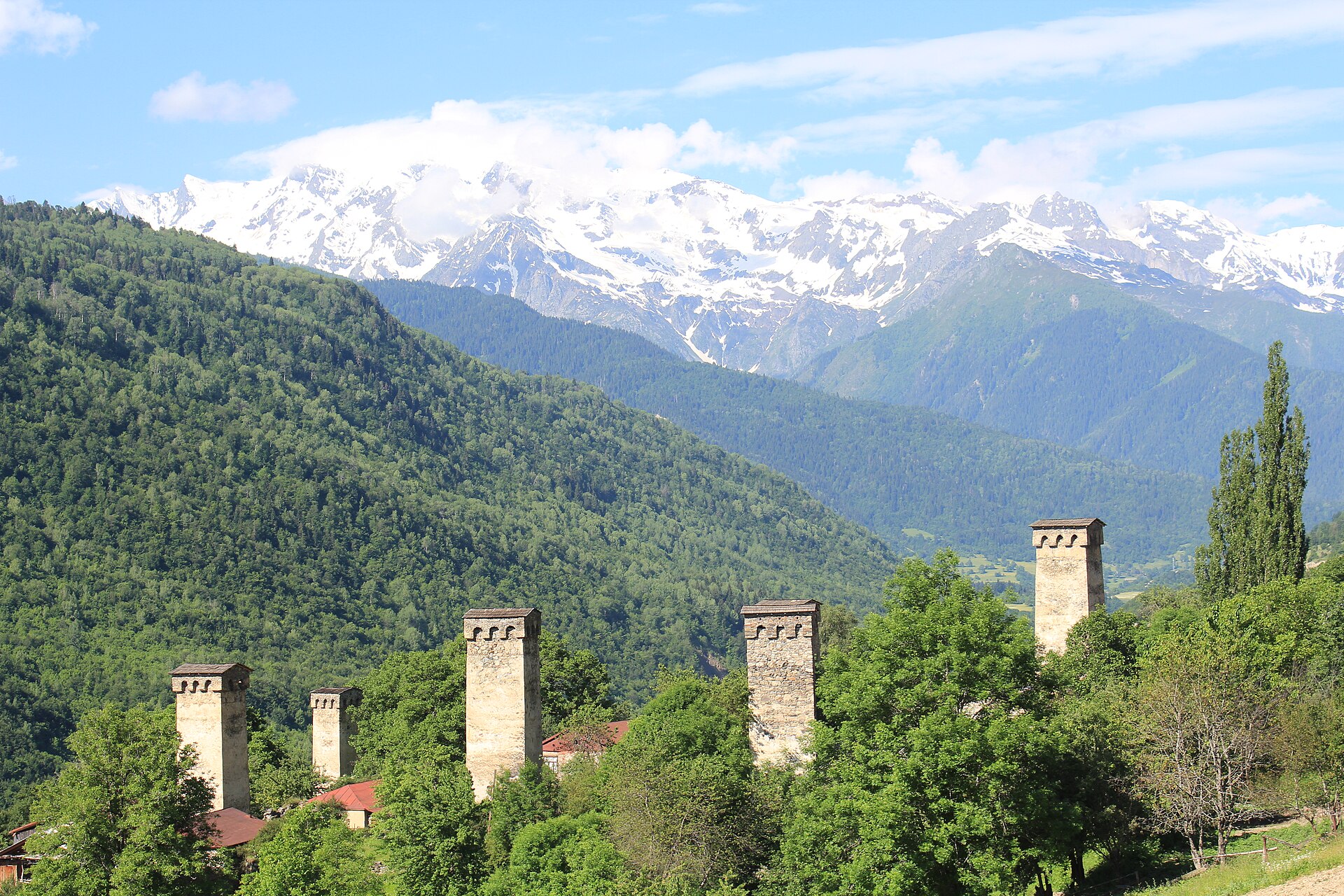
Georgia is a strikingly mountainous country, framed by the towering Greater Caucasus range along its northern border, home to some of the highest peaks in Europe, and the Lesser Caucasus to the south. Between them lie fertile valleys and lowlands, and to the west a humid, subtropical coast on the Black Sea. This dramatic range of landscapes, from glaciers and alpine meadows to vineyards and seashore, is dotted with medieval villages and the distinctive stone defensive towers of the highland region of Svaneti.
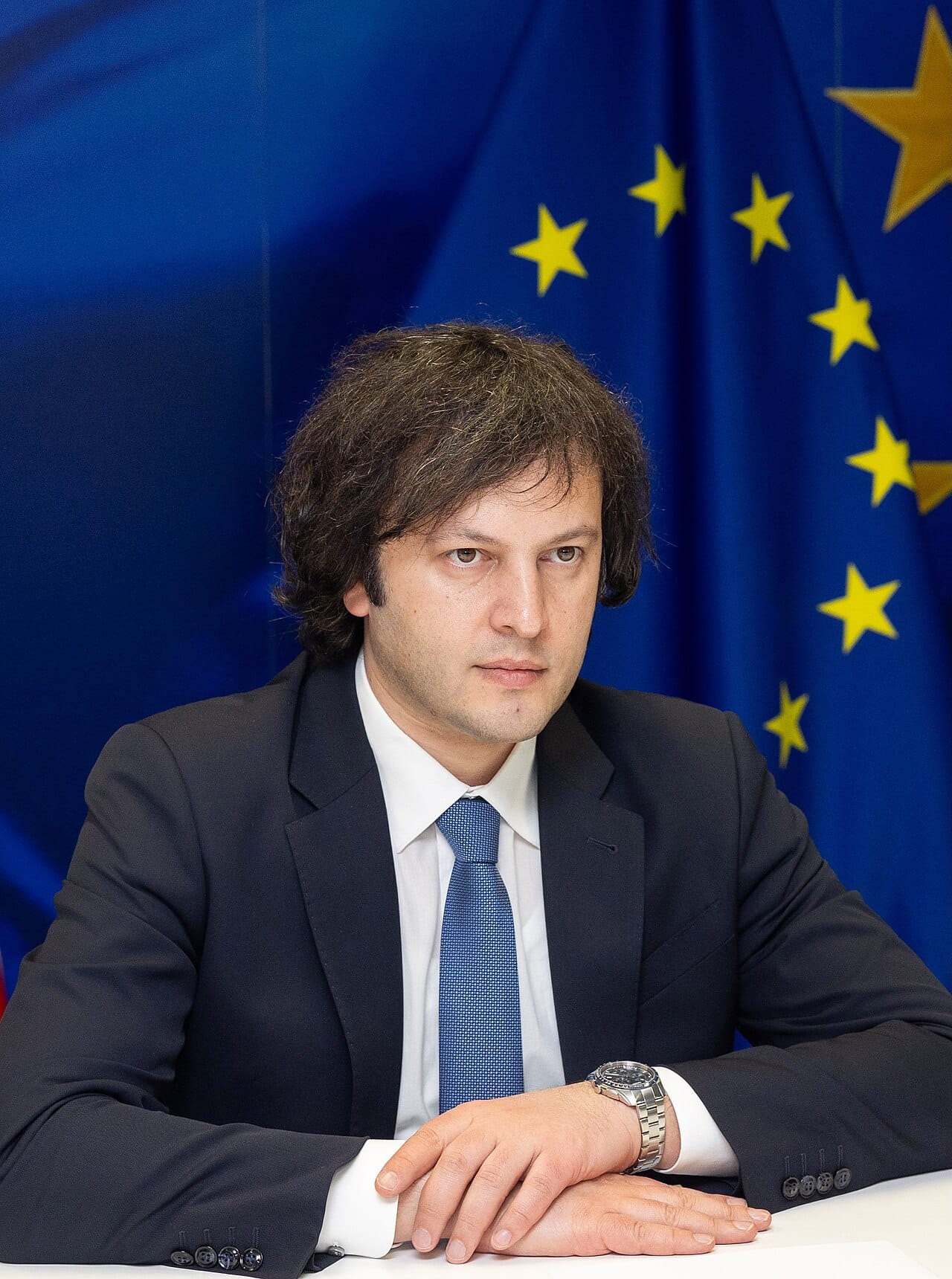
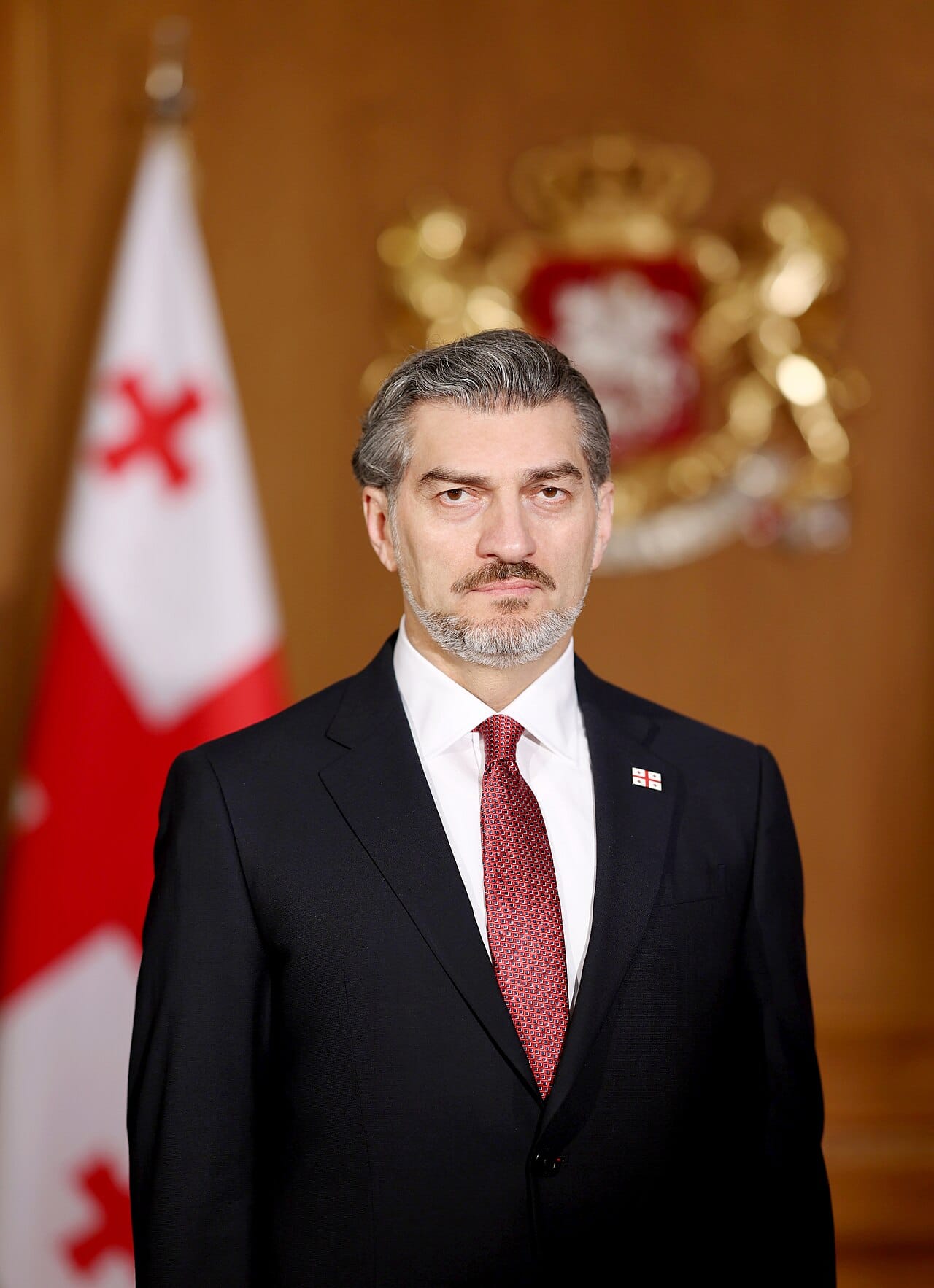
Georgia is a parliamentary republic, with executive power held by the prime minister and a largely ceremonial president as head of state. Politics in recent years has been dominated by the Georgian Dream party, whose leader Irakli Kobakhidze became prime minister in 2024. The period has been deeply divisive: a 2024 law requiring organisations that receive foreign funding to register as bearing foreign influence, seen by critics as modelled on Russian legislation, brought large protests, and the country's bid to join the European Union has stalled. The election of President Mikheil Kavelashvili in December 2024 was rejected as illegitimate by the opposition and by the European Parliament, leaving the government and its Western critics sharply at odds.
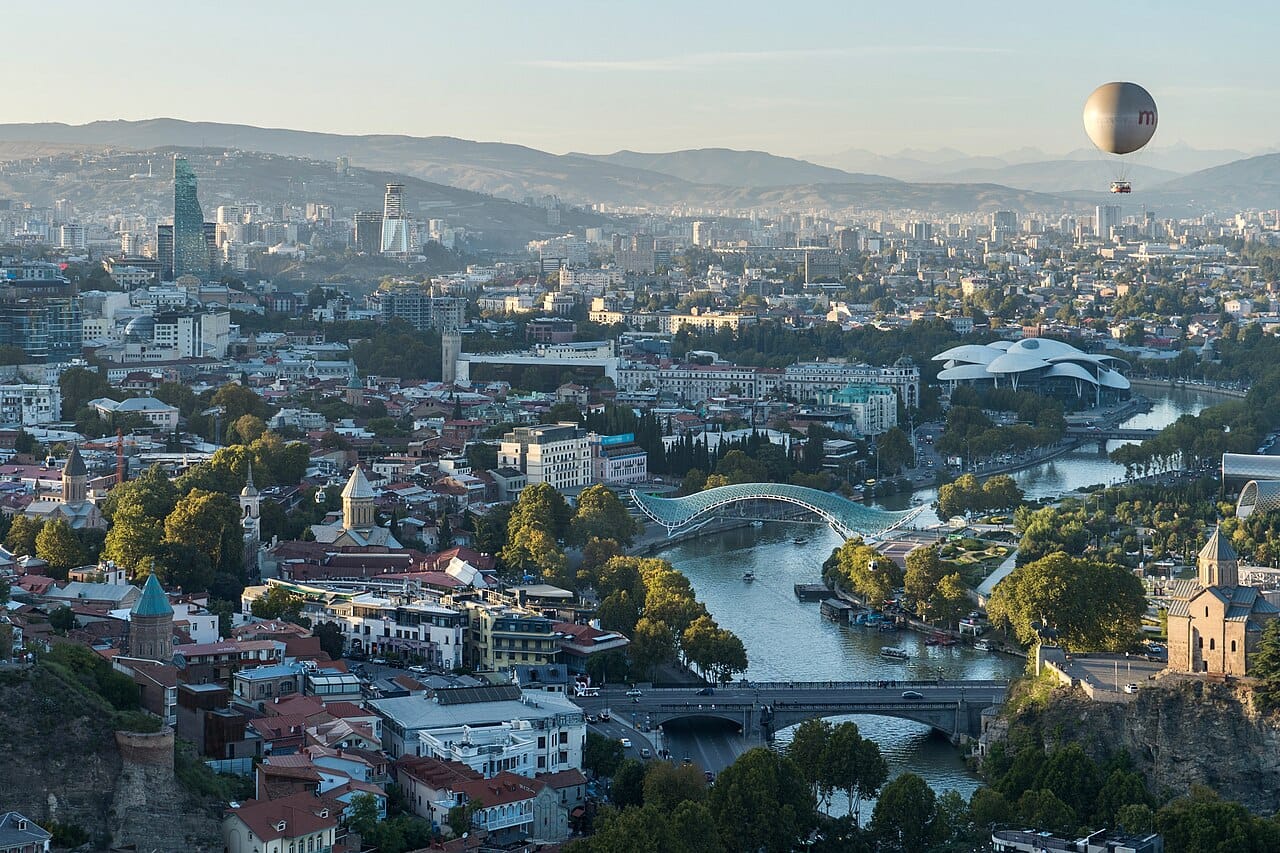
Georgia's economy is modest but has grown steadily, helped by reforms that eased business and cut corruption. Its position on transport routes between the Black Sea, the Caucasus, and Central Asia gives it value as a corridor, and pipelines carrying Caspian oil and gas cross its territory. Tourism has boomed, drawing visitors to the mountains, the Black Sea coast, and the old towns, and agriculture, above all wine, remains important. The capital, Tbilisi, is the commercial heart of the country.
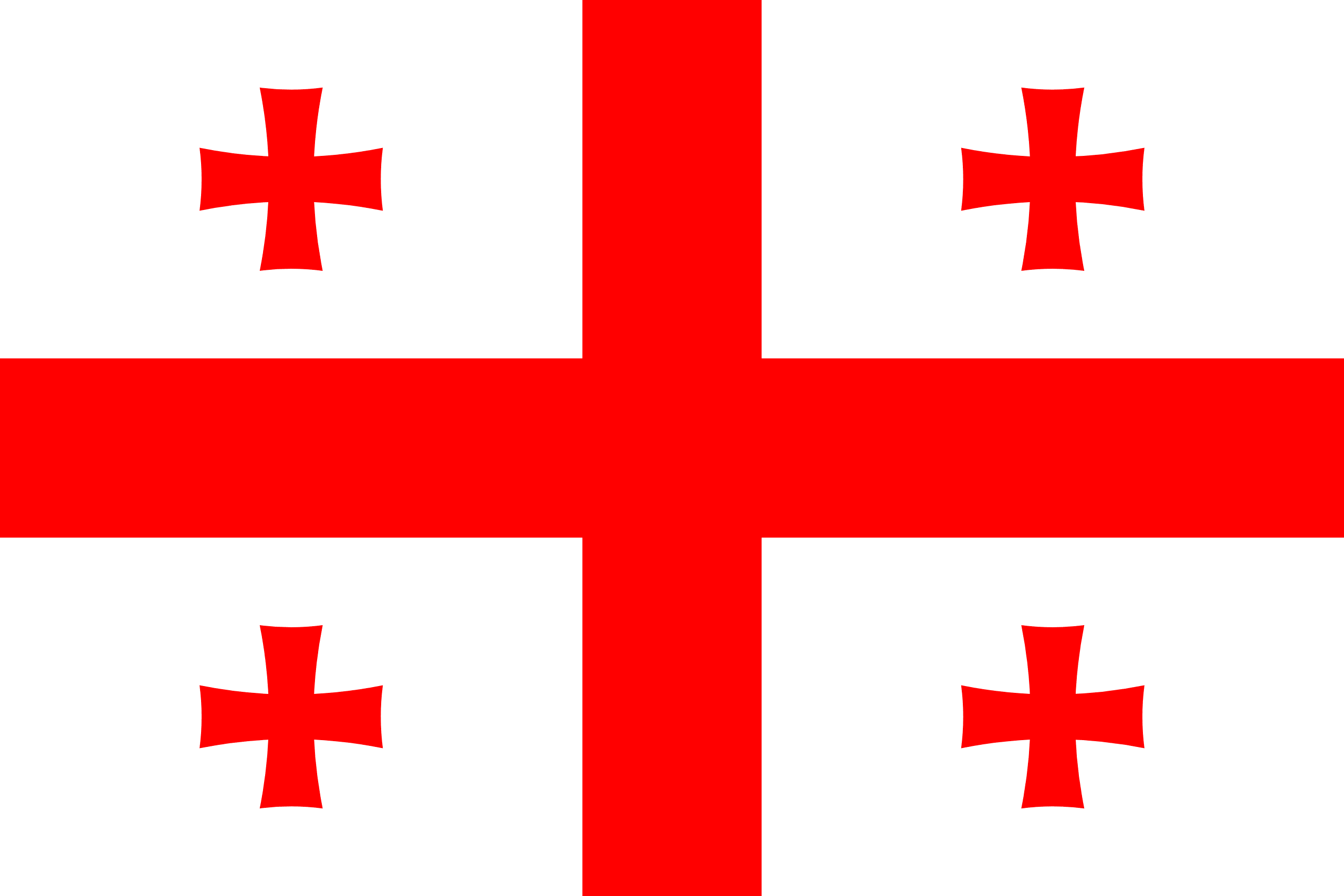
The flag of Georgia is white, bearing a large central red cross that reaches the edges, with a smaller red cross in each of the four corners, making it the Five Cross Flag. The crosses reflect the country's ancient and central Christian heritage. The design is a medieval one, associated with the Georgian kingdom of its golden age, which was revived as the national flag in 2004, linking the modern republic to its proud and devout history.
Georgia is one of the oldest Christian nations on Earth, having adopted the faith in the early fourth century, and the great majority of Georgians belong to the Georgian Orthodox Church, an autonomous church that has been central to national identity, culture, and survival through centuries of foreign domination. Its ancient monasteries and churches, perched on mountains and built over more than a millennium, are among the country's greatest treasures. There are also Muslim and other minorities.
Georgian cuisine is celebrated as one of the most distinctive and delicious in the region, rich in herbs, walnuts, and spices. Its most famous dishes are khachapuri, a boat-shaped bread filled with melted cheese and often topped with an egg, and khinkali, large soup-filled dumplings eaten by hand. Walnut sauces, fresh herbs, grilled meats, and an abundance of vegetables fill the table. Central to Georgian hospitality is the supra, a feast led by a toastmaster, accompanied always by wine.
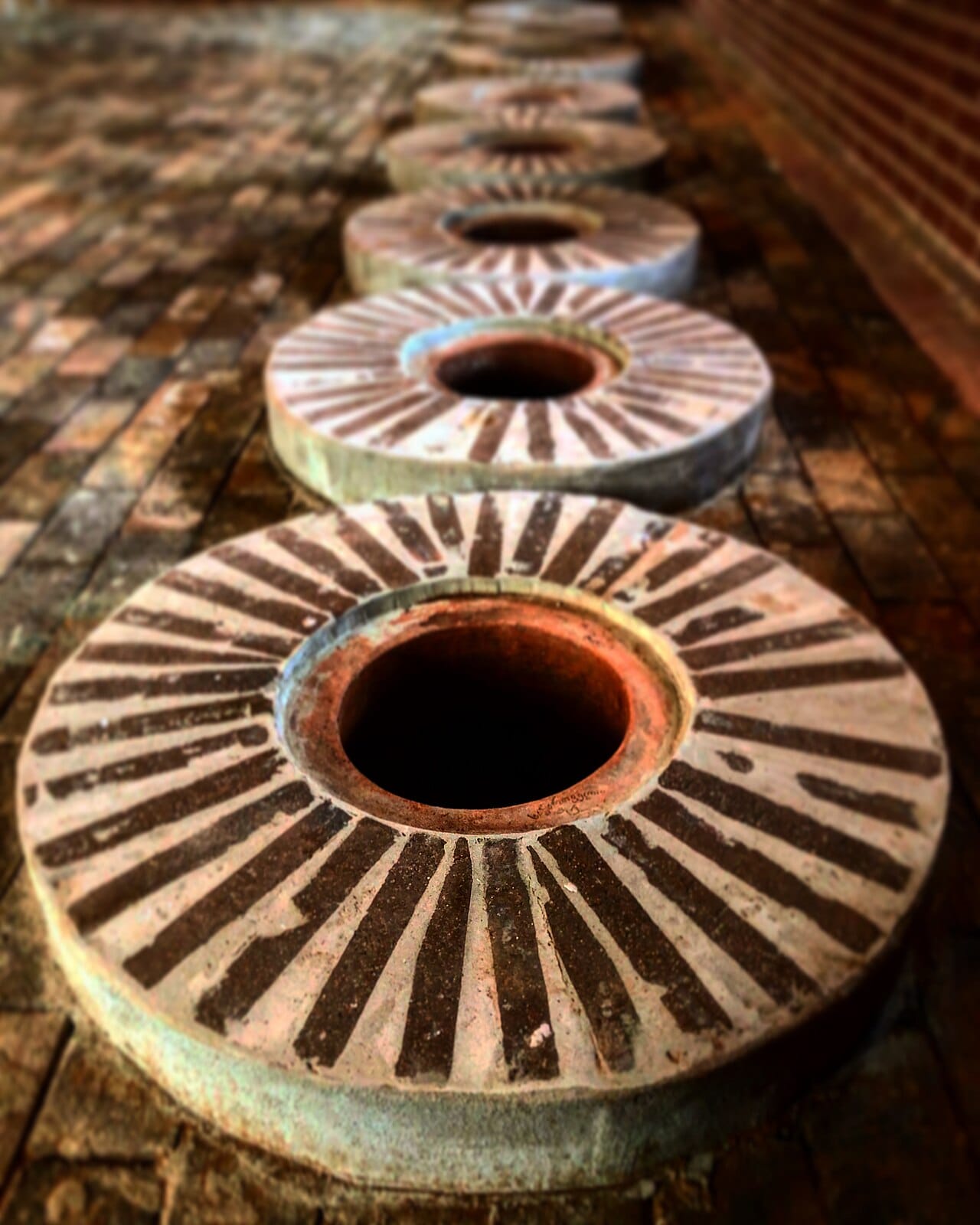
Agriculture is woven into Georgian identity, and above all the country is famous for wine: Georgia is widely regarded as the birthplace of winemaking, with a tradition reaching back some eight thousand years, including the unique method of fermenting wine in large clay vessels buried in the ground, recognised by UNESCO. The fertile valleys also produce hazelnuts, citrus, and tea on the humid coast, along with fruit and vegetables, while the highlands support the raising of livestock.
Georgian culture is famous for its warmth and its rituals of hospitality, most of all the supra, a lavish feast guided by a toastmaster, the tamada, whose eloquent toasts move through the evening accompanied always by wine and by the country's remarkable polyphonic singing. The nation cherishes its unique alphabet, its rich tradition of poetry and dance, and a strong sense of family and faith. Long a crossroads of Europe and Asia, Georgia carries its own distinctive dress, music, and manners with evident pride.
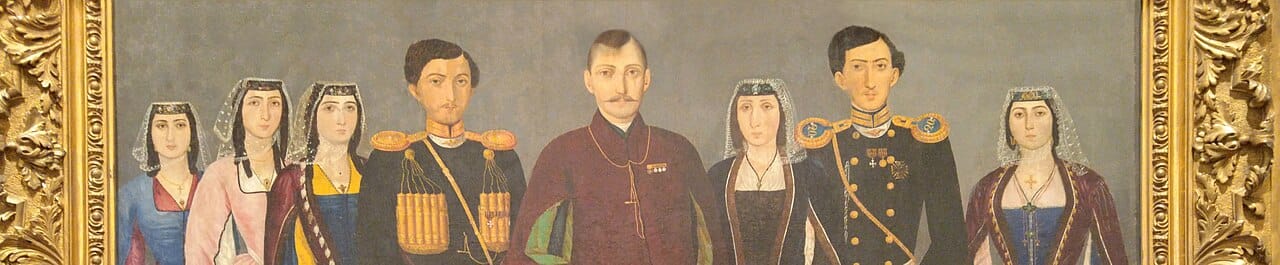
Two intertwined disputes define Georgia's present. The first is over Abkhazia and South Ossetia, two regions that broke away with Russian backing after the collapse of the Soviet Union. A short war between Georgia and Russia in 2008 ended with Russian forces entrenched in both territories, which Russia and a handful of states recognise as independent while Georgia and most of the world consider them occupied parts of Georgia. The second is the country's contested direction: many Georgians long to join the European Union, a goal written into the constitution, yet critics accuse the governing party of steering the country back toward Moscow, and disputes over elections, a law on foreign influence, and the legitimacy of the presidency have brought recurring protests. Both questions remain unresolved and deeply felt.
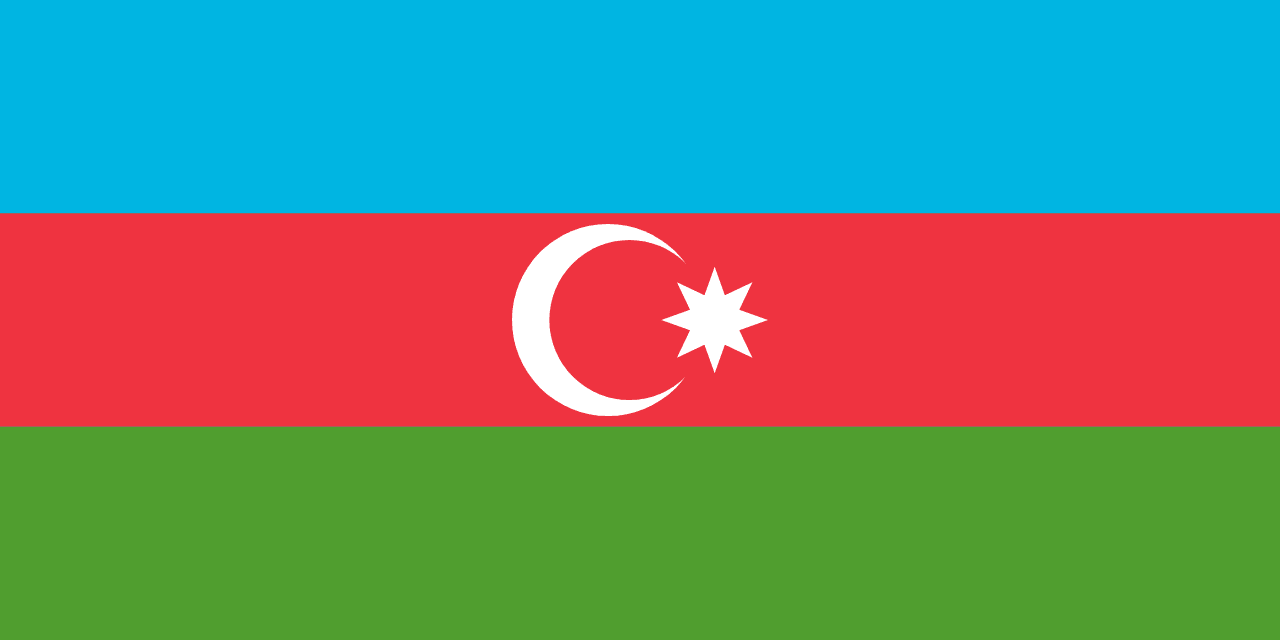
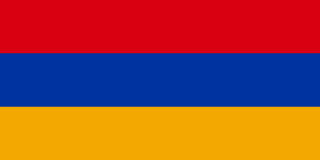
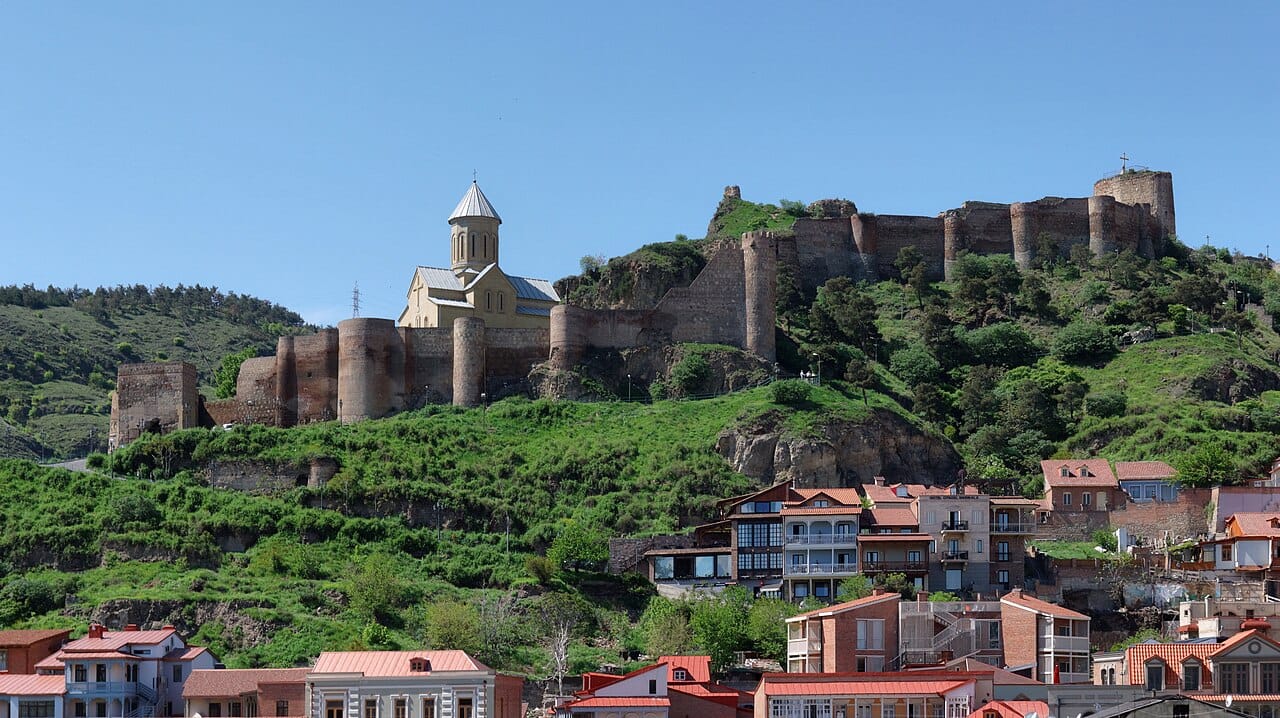
Georgia has a population of around 3.7 million people, the great majority ethnic Georgians, a people with their own ancient language, which belongs to its own small family and is written in a unique and beautiful alphabet of its own. There are also Azeri, Armenian, and other minorities. The population is concentrated in the valleys and lowlands, above all in the historic capital, Tbilisi, a city famous for its sulphur baths and its blend of European and Asian character.