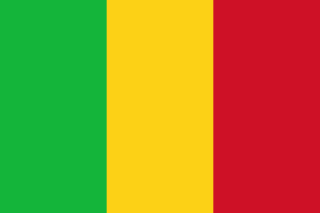
The Gambia is the smallest country on mainland Africa, a narrow ribbon of land following the course of the Gambia River for some 480 kilometres inland from the Atlantic coast, surrounded on three sides by Senegal. A low-lying, sunny land sometimes called the Smiling Coast of Africa for its friendly people and its beaches, it is built entirely around its river, which has shaped its history, its trade, and its place in the tragic story of the Atlantic slave trade.
The Gambia's history flows, quite literally, along its river: a route of ancient empires and of the slave trade, an oddly shaped British colony, and a small nation that endured a long dictatorship before reclaiming its democracy.
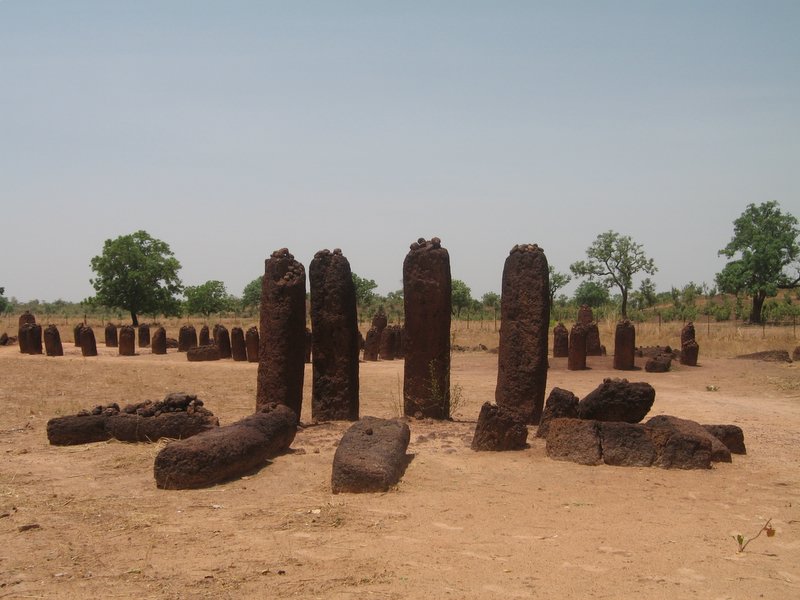
The lands along the Gambia River lay within the orbit of the great medieval West African empires of Mali and Songhai, and the region is dotted with the Senegambian stone circles, thousands of ancient megaliths raised over a millennium ago that are among the largest such concentrations in the world. The wide, navigable river was a natural highway into the interior, drawing traders and, in time, the ships of distant empires.
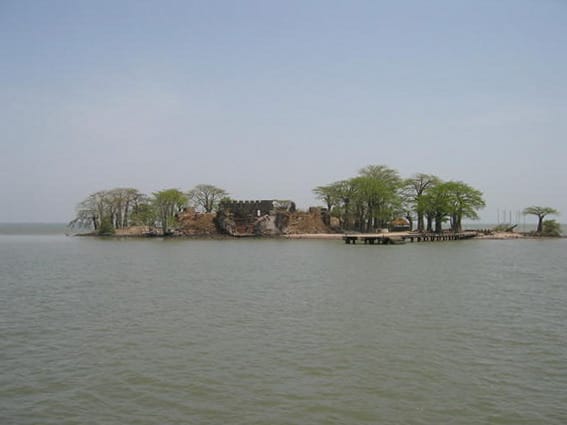
From the fifteenth century Portuguese and then British traders came to the river, and it became a route of the Atlantic slave trade, with fortified islands serving as collection points for captives before the ocean crossing. One of them, now called Kunta Kinteh Island, gained worldwide fame through the novel and television series Roots, in which the author Alex Haley traced his ancestry to a young man said to have been seized here and carried into American slavery.
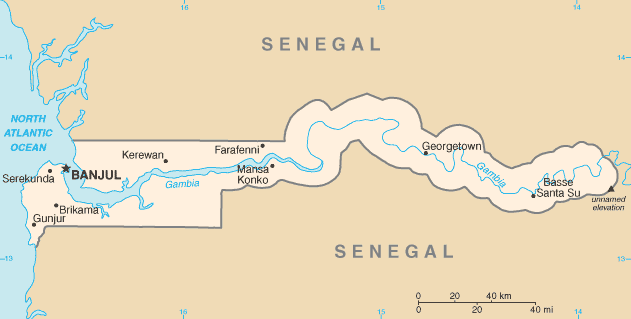
Britain established the colony of the Gambia along the river, and in one of the odder acts of the colonial partition, its border was drawn as a narrow strip following the waterway, leaving the country almost entirely surrounded by French-ruled Senegal. The Gambia gained independence in 1965 under Dawda Jawara, who governed the small nation for its first three decades as one of Africa's more stable multiparty democracies.
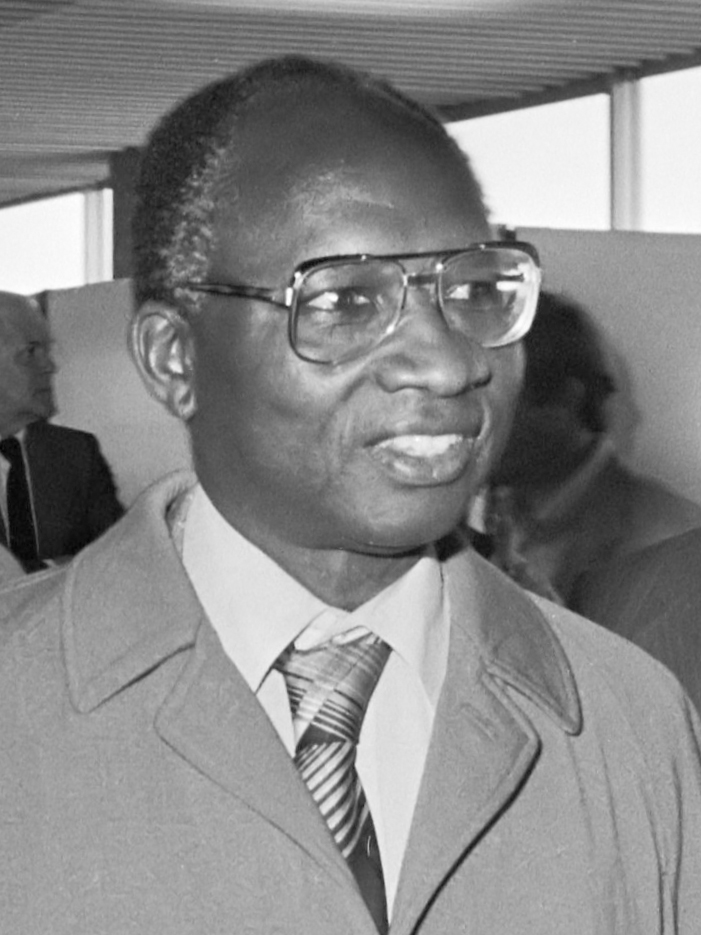
The Gambia is defined entirely by its river. The country is essentially a strip of land, rarely more than fifty kilometres wide, running along both banks of the Gambia River from its mouth on the Atlantic deep into the interior, almost entirely enclosed by Senegal. The land is low and flat, a mix of savanna, swamp, and farmland along the wide, tidal river, which is navigable far inland. This watery, green landscape, with its mangroves and rich birdlife, supports farming and a growing tourism industry along the coast.
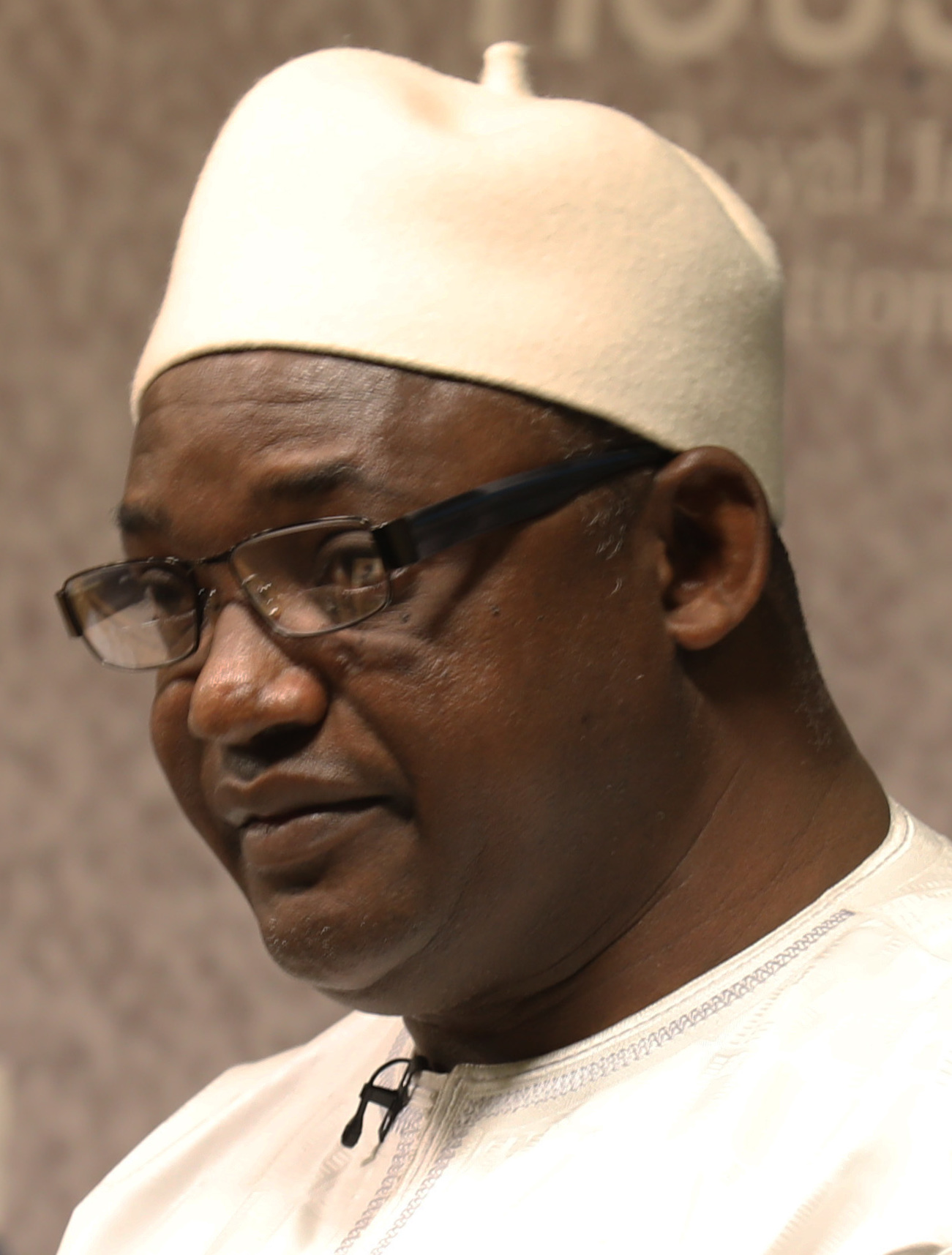
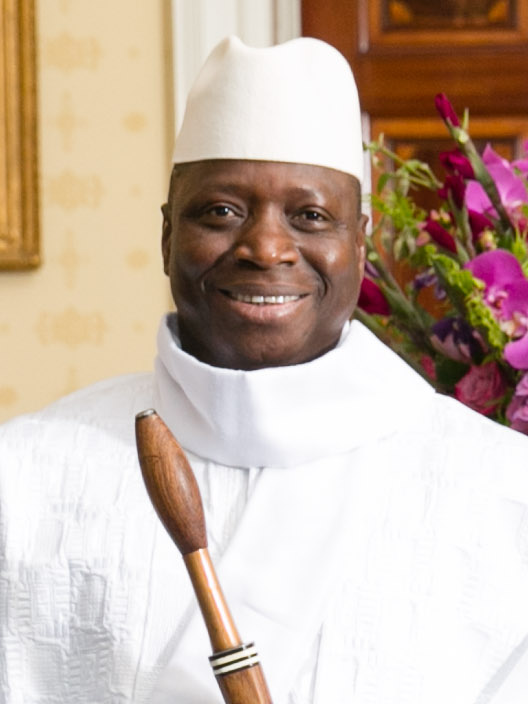
The Gambia is a presidential republic that, after a long ordeal, has returned to democracy. For its first decades it was stable, but in 1994 a young army officer, Yahya Jammeh, seized power in a coup and ruled for twenty-two increasingly erratic and brutal years. His downfall came at the ballot box: in 2016 he unexpectedly lost the presidential election to Adama Barrow, a little-known opposition candidate, and, after first accepting the result and then refusing to leave, was forced into exile by the threat of a regional military intervention, allowing a peaceful transition. Barrow, president since 2017 and re-elected in 2021, has led the country through a fragile process of rebuilding its institutions and reckoning with the abuses of the past.
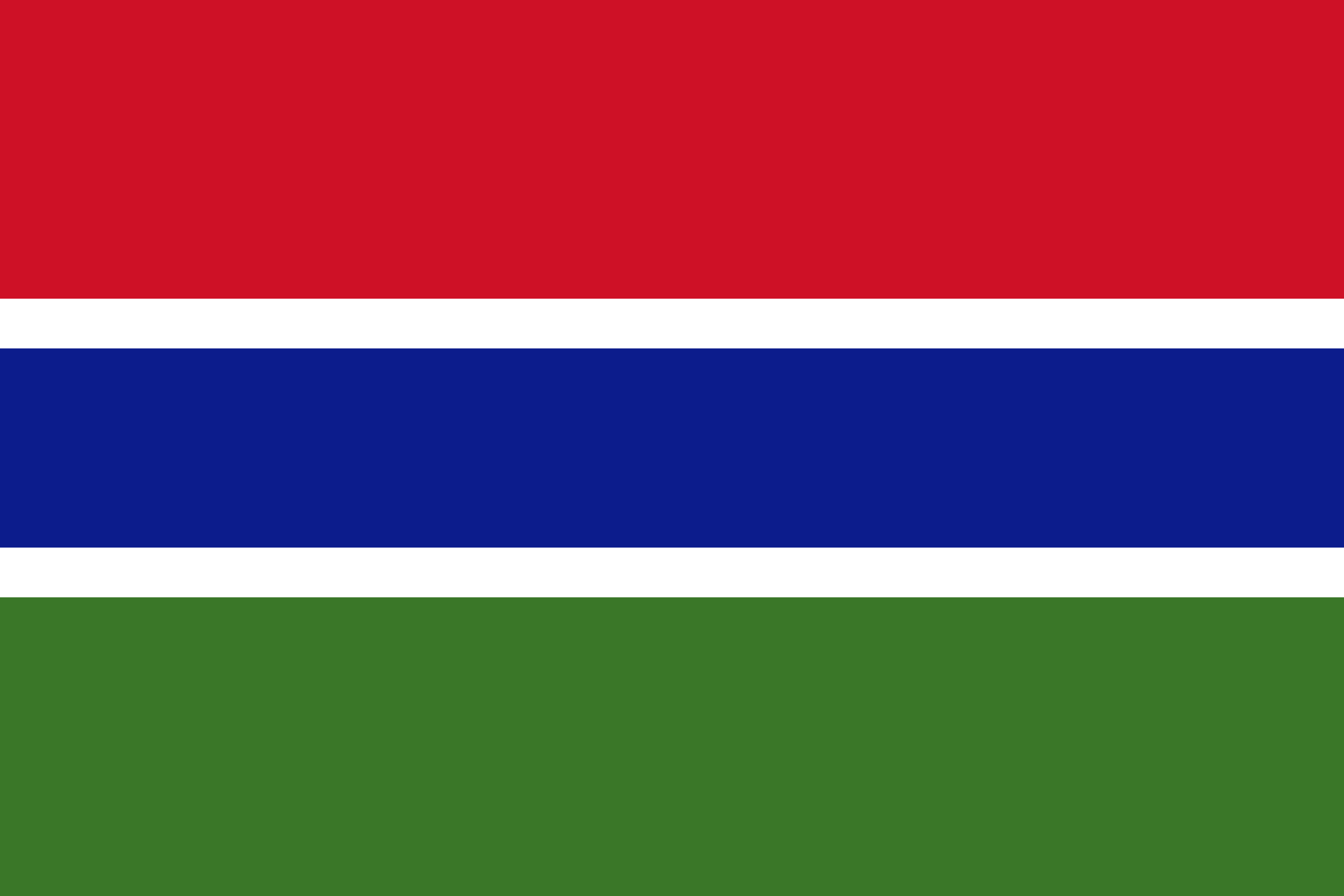
The flag of the Gambia has three horizontal bands of red, blue, and green, separated by thin white stripes. The blue band in the centre represents the Gambia River that runs through the heart of the country and gives it its shape and life, the red above it the sun and the savanna, and the green below the land, forests, and agriculture, while the white stripes stand for unity and peace. The flag, with the river at its centre, neatly captures the nature of this riverine nation.
The Gambia is an overwhelmingly Muslim country, with the great majority of its people following Sunni Islam, a faith long established in the region through trade and the influence of the Sufi brotherhoods that organise much of religious and social life. There is a Christian minority, both Catholic and Protestant, and traditional beliefs also persist in places, often alongside Islam. The country has a strong reputation for religious tolerance, and Muslims and Christians commonly share in one another's festivals and family celebrations.
Gambian cuisine is West African in character and closely related to that of surrounding Senegal, built around rice and the bounty of the river and sea. A national dish is benachin, a one-pot meal of rice, fish or meat, and vegetables cooked in a rich tomato sauce, similar to the celebrated thieboudienne. Domoda, a peanut stew, and yassa, meat or fish marinated with onions and lemon, are also favourites. Fresh fish, plenty of chili, and groundnuts characterise the food of this riverine land.
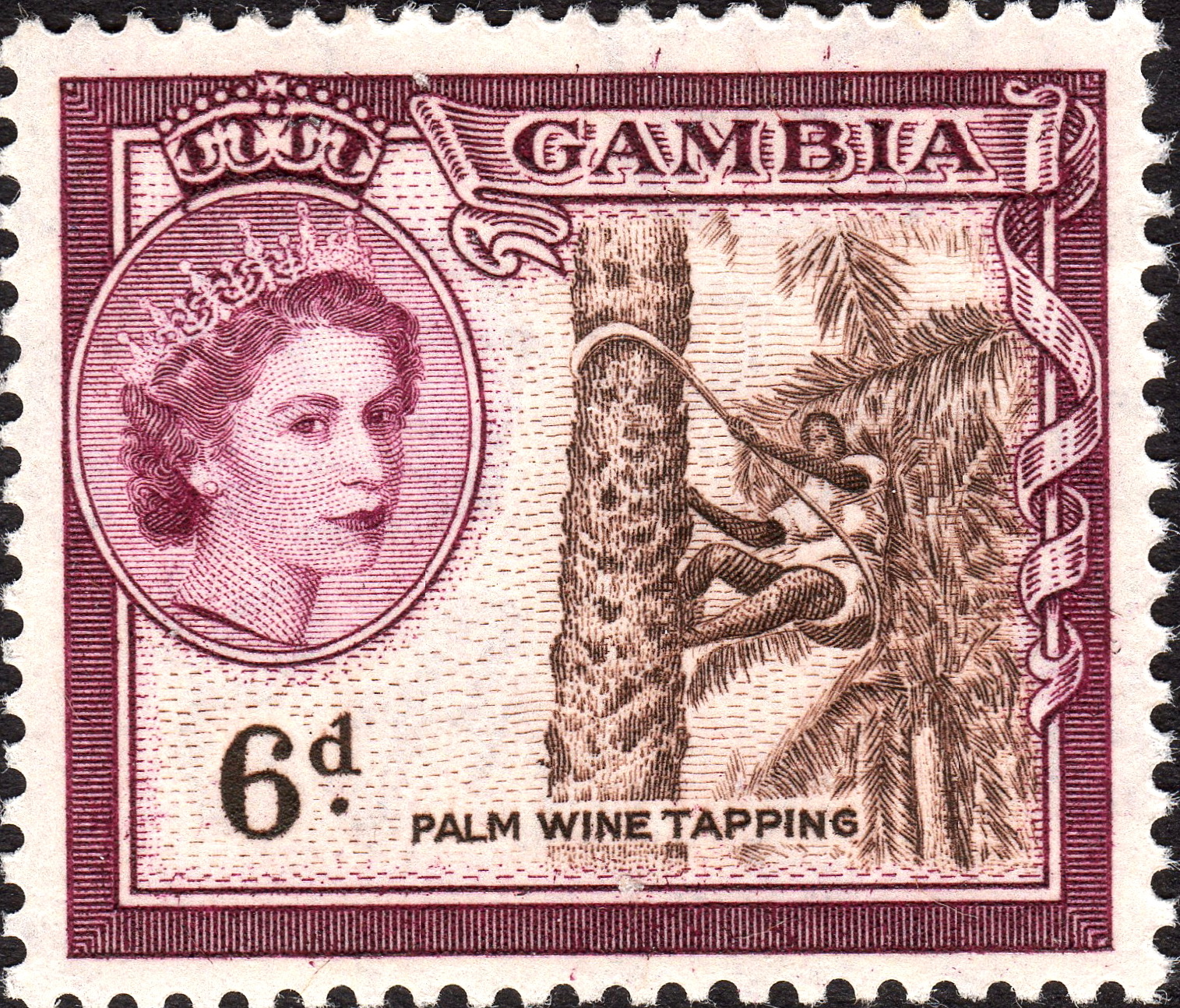
Agriculture is the livelihood of most Gambians, dominated by the peanut, or groundnut, which has long been the country's principal cash crop and export, so central that the national economy rises and falls with it. Farmers also grow rice along the river, millet, and other food crops, and fishing in the river and the Atlantic is important. Tourism along the coast, drawing visitors to the beaches and the river's wildlife, has become another vital part of the economy of this small country.
The defining trauma of modern Gambia is the twenty-two-year rule of Yahya Jammeh, and how the country should confront it is now its central and disputed question. Jammeh's regime was marked by forced disappearances, torture, and the killing of journalists and opponents, alongside bizarre cruelties: a witch-hunting campaign that terrorised villages, a claim to have discovered a personal herbal cure for AIDS, and menacing threats against gay Gambians. He withdrew the country from the Commonwealth and threatened to leave the international court, and when he finally lost power in 2017, he flew into exile taking, it was said, a fortune with him.
Since then, the Gambia has undertaken a remarkable act of national self-examination. A Truth, Reconciliation and Reparations Commission gathered testimony in public hearings that gripped the nation, documenting the crimes in detail and recommending that Jammeh and his enforcers be prosecuted, and a special court is being established to try them. Yet the reckoning is contested: victims press for justice while some fear reopening old wounds, President Barrow has made political alliances with Jammeh's former party that dismay reformers, and Jammeh himself remains beyond reach in exile. Whether the Gambia can hold its former ruler to account, and truly break with his era, is the unfinished work of its young democracy.
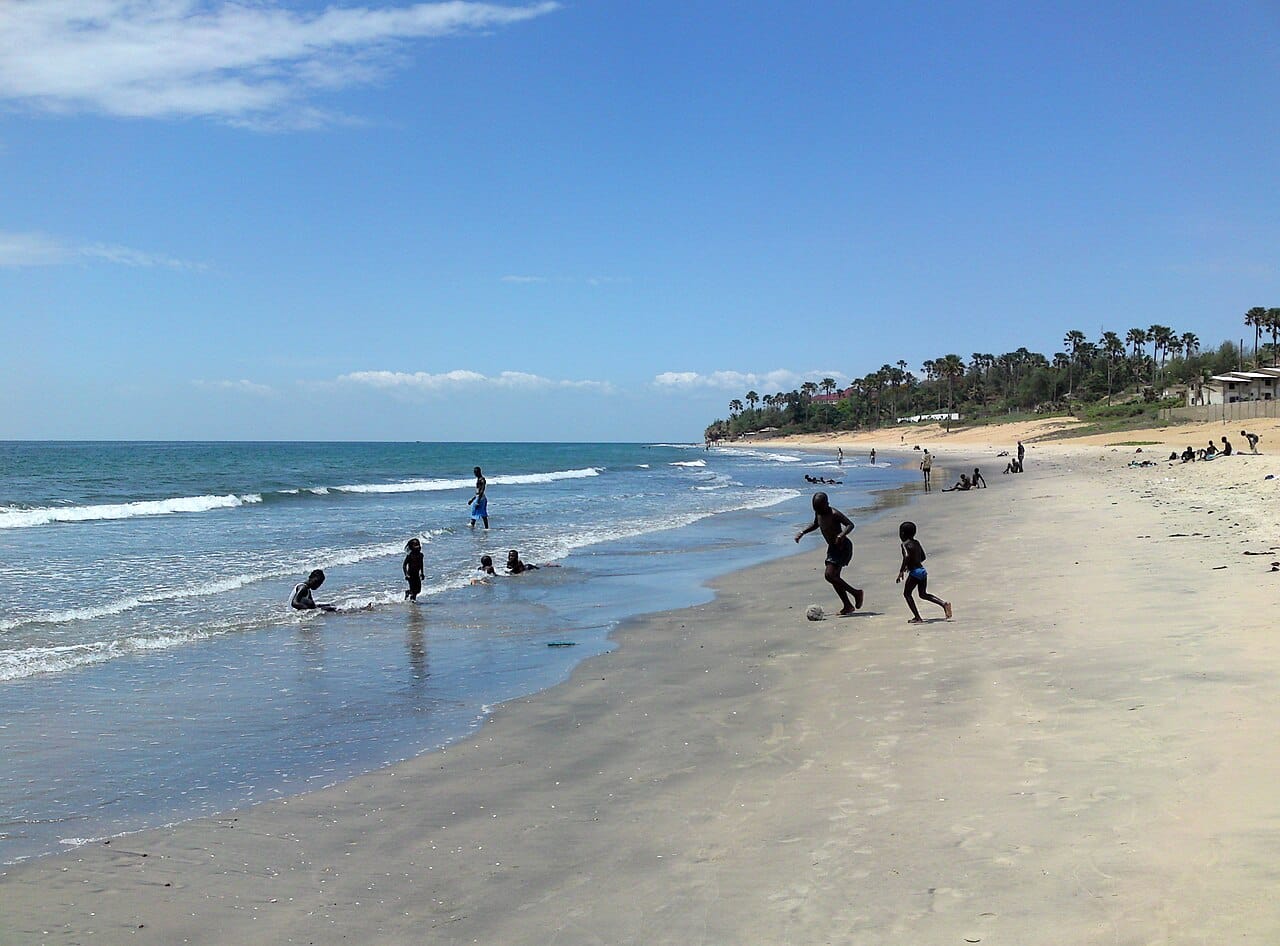
For all its troubles, the Gambia has long marketed itself to the world as the Smiling Coast of Africa, and tourism is a mainstay of its small economy. Package holidaymakers, mainly from northern Europe, are drawn by the year-round sun, the Atlantic beaches near the coast, and the accessible wildlife and birdlife of the river and its mangroves, in a country small enough to cross in a day. Alongside tourism, the economy rests heavily on farming, above all the groundnut, and on the money sent home by a large Gambian diaspora, in one of the poorer nations on the continent.
The Gambia has a population of around 2.6 million people, packed into its small territory, making it one of the more densely populated countries in Africa. Its people belong to several ethnic groups, the largest being the Mandinka, along with the Fula, Wolof, and others, speaking many languages with English as the official tongue. The population is young and concentrated along the river and especially near the coast, around the capital, Banjul, and the larger urban areas of the Atlantic coast.