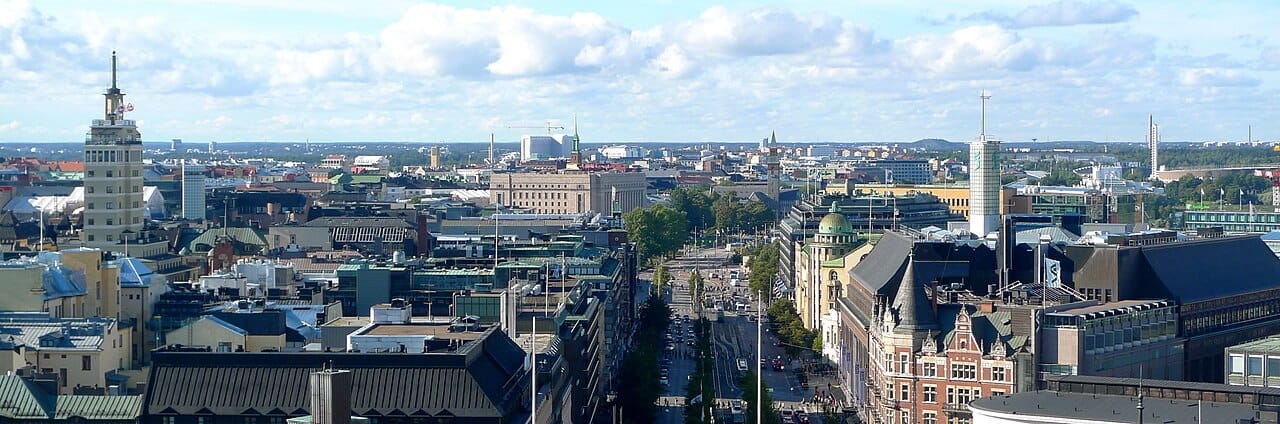
Finland is a country in northern Europe, one of the Nordic nations, a land of vast forests and tens of thousands of lakes stretching far into the Arctic. Its people speak a language unlike those of most of their neighbours, related instead to Hungarian and Estonian, and they have a distinctive culture shaped by long, dark winters, bright summers, and a deep bond with nature, symbolised by the sauna. Repeatedly ranked among the happiest and best-governed countries in the world, Finland is a quietly successful modern nation.
Finland's history is that of a distinct people, long ruled by others, who forged a fierce independence and defended it against great odds.
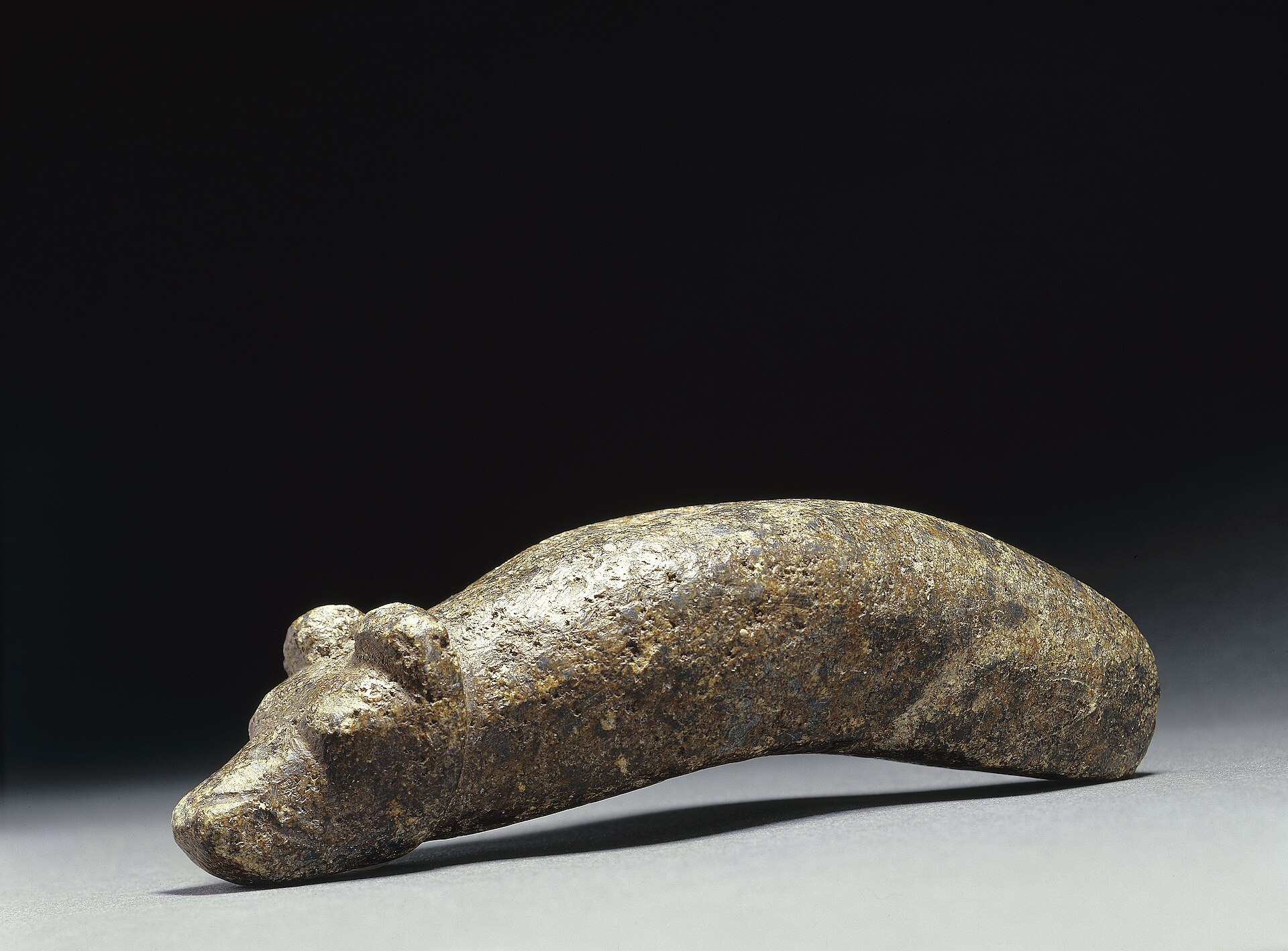
The Finns are an ancient people whose origins lie partly in migrations from the east, giving them a language unrelated to those of most of their neighbours and akin instead to Estonian and Hungarian. Living among the forests and lakes, they developed a rich tradition of folklore and poetry, later gathered into the national epic, the Kalevala, that would help inspire a modern national identity.
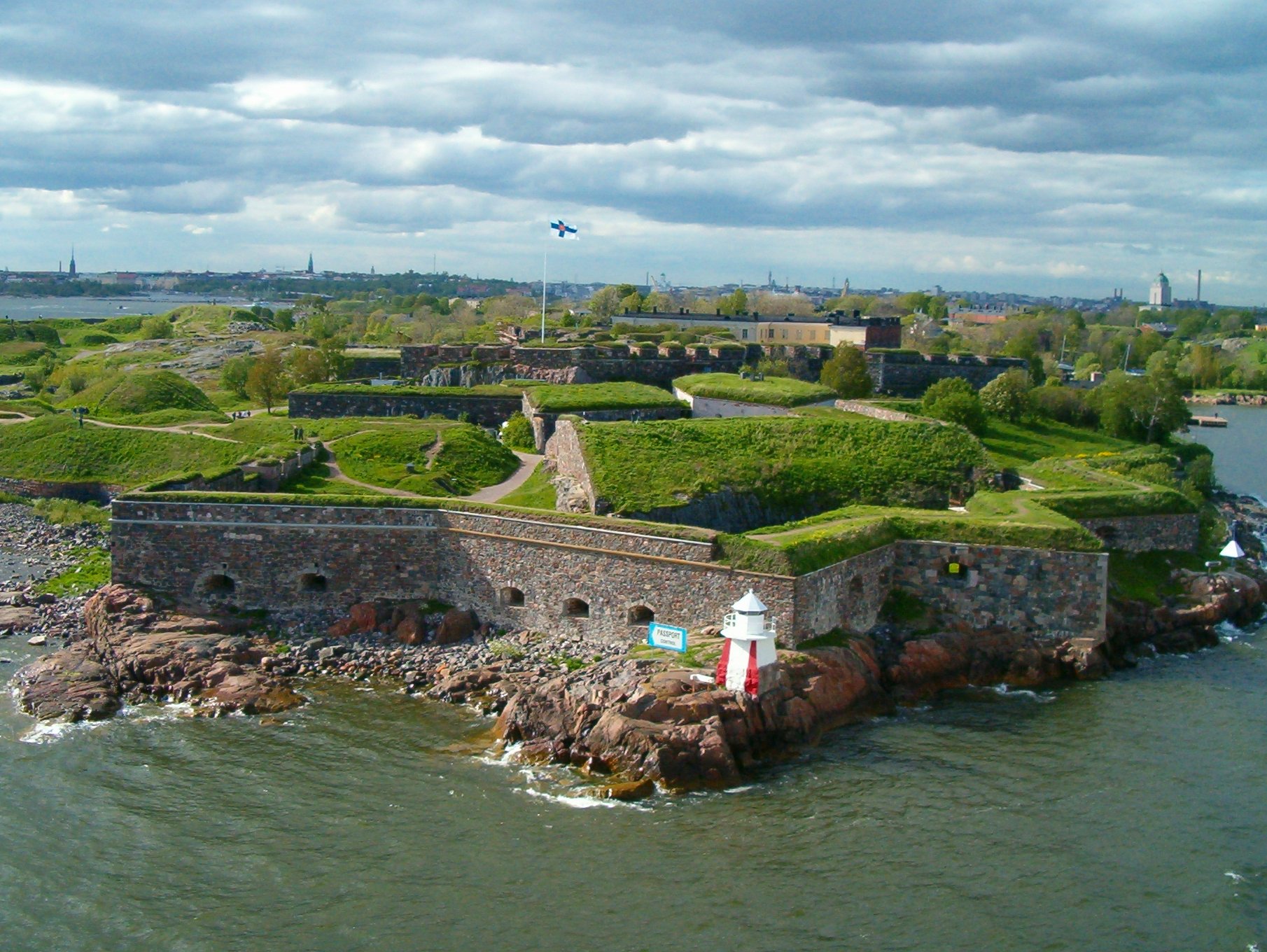
For some six centuries Finland was part of the Kingdom of Sweden, which shaped its laws, religion, and institutions and left a Swedish-speaking minority. In 1809 it passed to the Russian Empire as an autonomous grand duchy, ruled by the tsar but keeping much self-government, an arrangement recalled today by the great sea fortress of Suomenlinna off Helsinki.
As Russian rule grew harsher toward the end of the nineteenth century, seeking to stamp out Finnish autonomy, national feeling deepened into a powerful movement for self-rule, expressed in art, music, and language. Amid the collapse of the Russian Empire in the revolution of 1917, Finland declared its independence, then endured a brief, bitter civil war before consolidating as a republic.
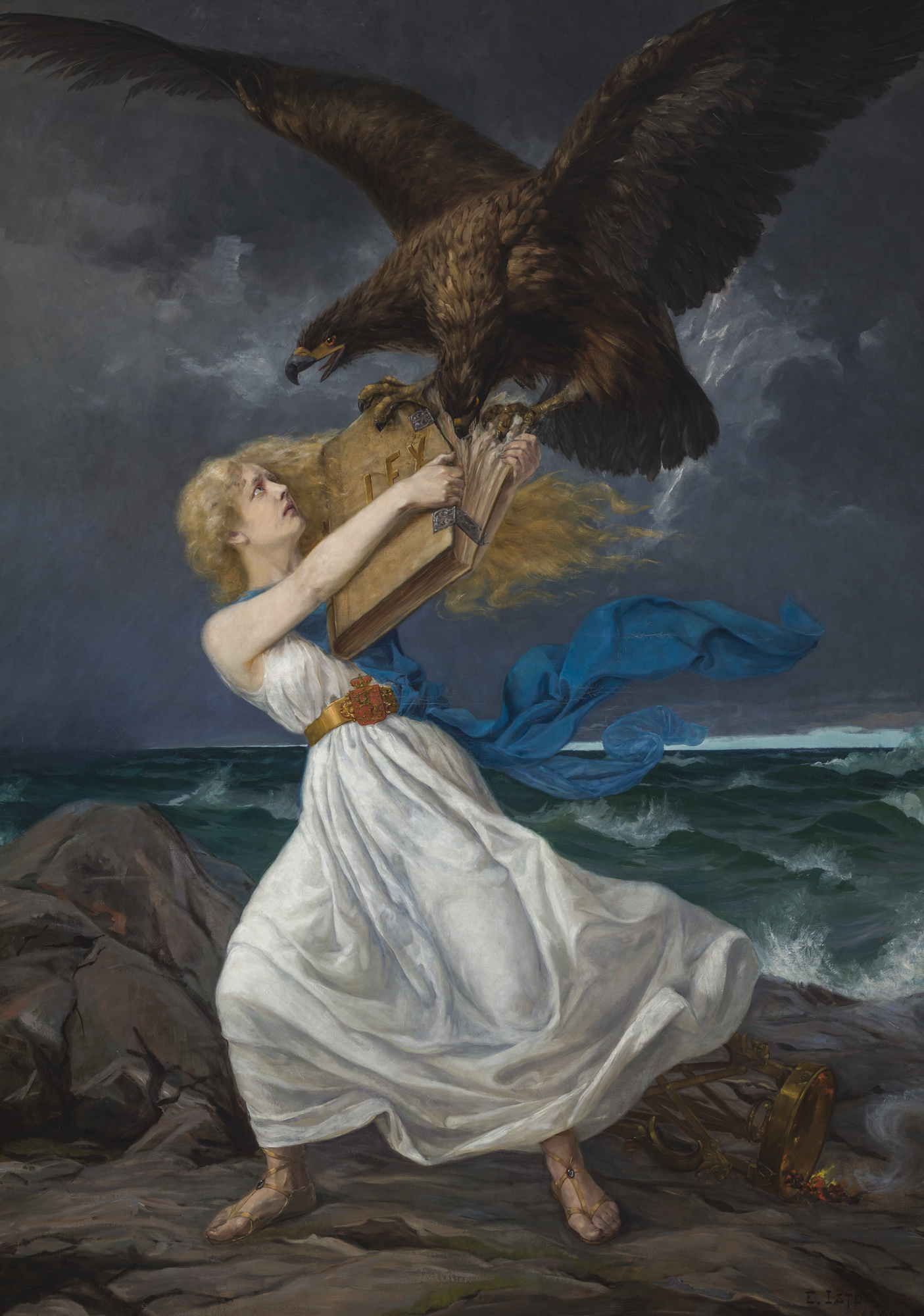
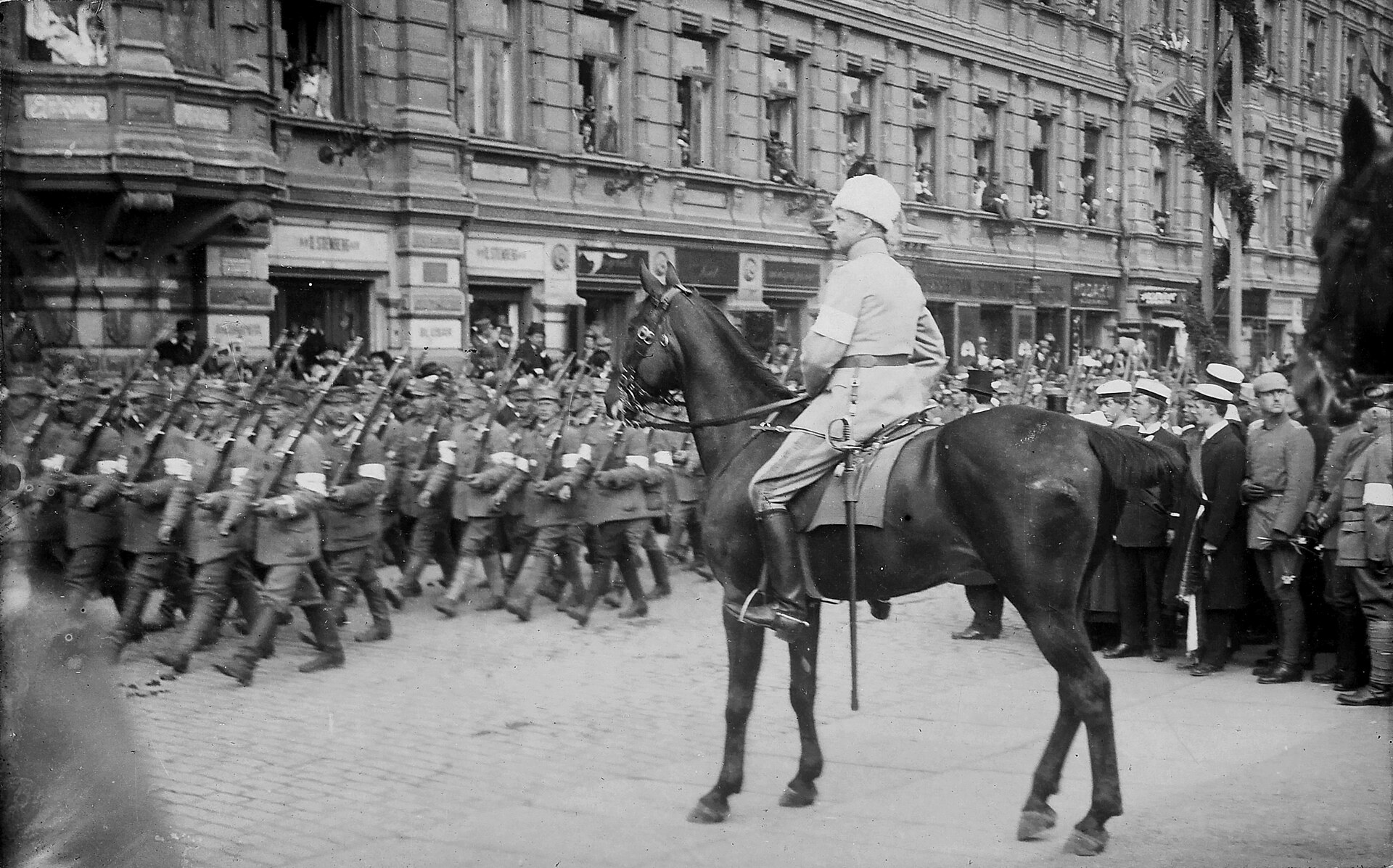
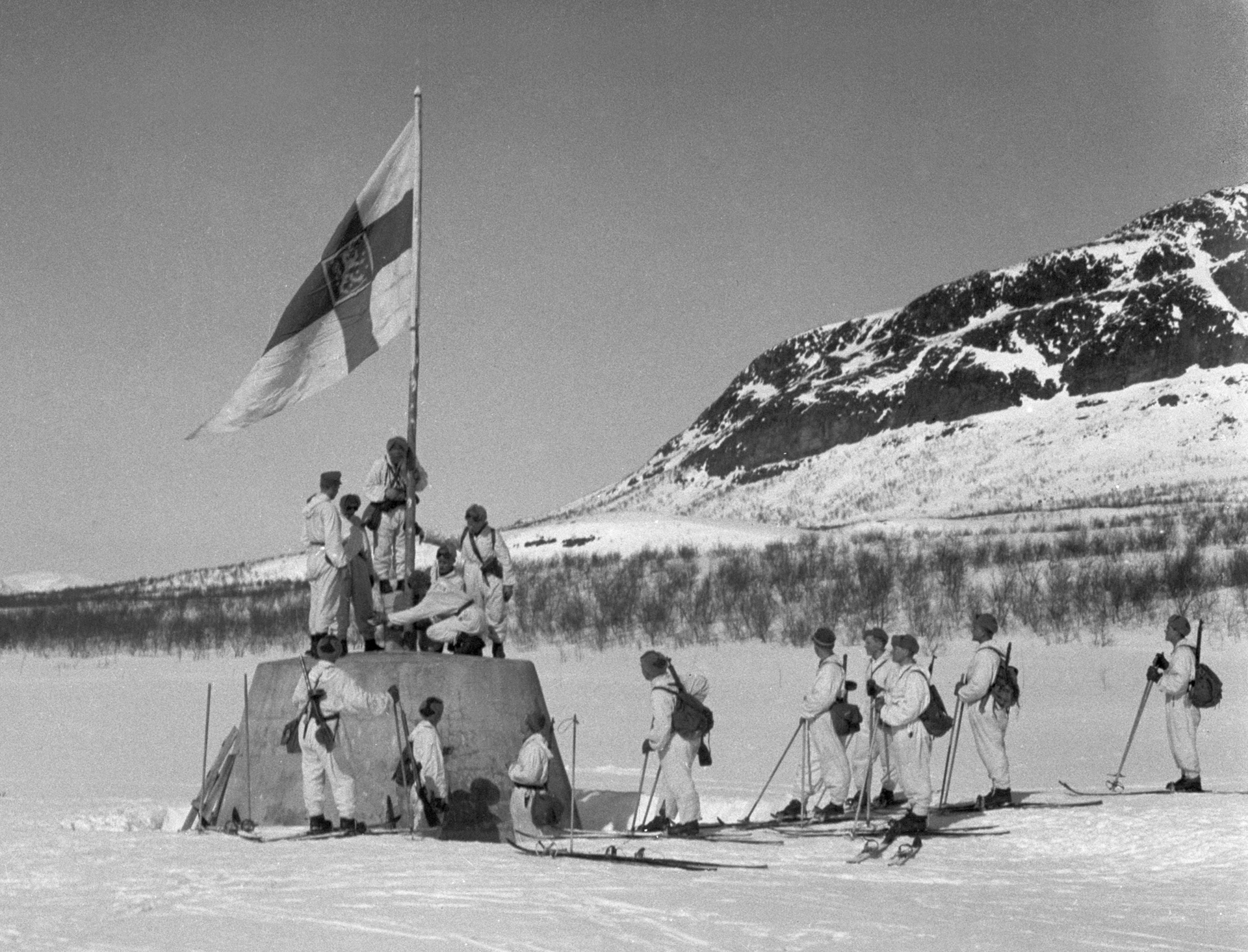
Soon after independence came Finland's supreme trial. In the Winter War of 1939 to 1940 it resisted a massive Soviet invasion against overwhelming odds, and though it lost territory it kept its freedom, in a struggle that became a symbol of national resilience, or sisu. Through the Cold War that followed, Finland preserved its independence and democracy by a careful neutrality alongside its giant Soviet neighbour, before joining the European Union in 1995.
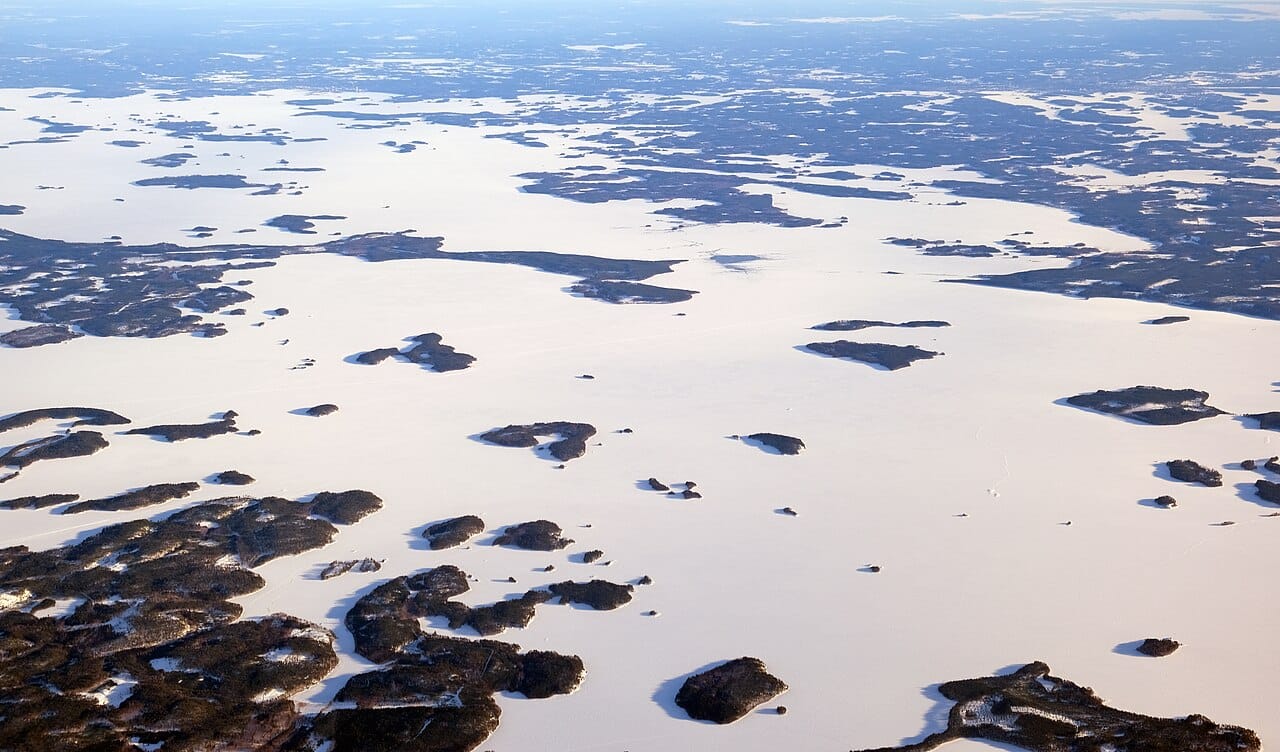
Finland is a flat, low-lying country blanketed by some of Europe's most extensive forests and dotted with an astonishing number of lakes, more than a hundred thousand, which give it the nickname the land of a thousand lakes. Much of the country lies in the far north, where part of it crosses the Arctic Circle into Lapland, the land of the midnight sun in summer and the long polar night and northern lights in winter. The Baltic coast is fringed with thousands of islands.
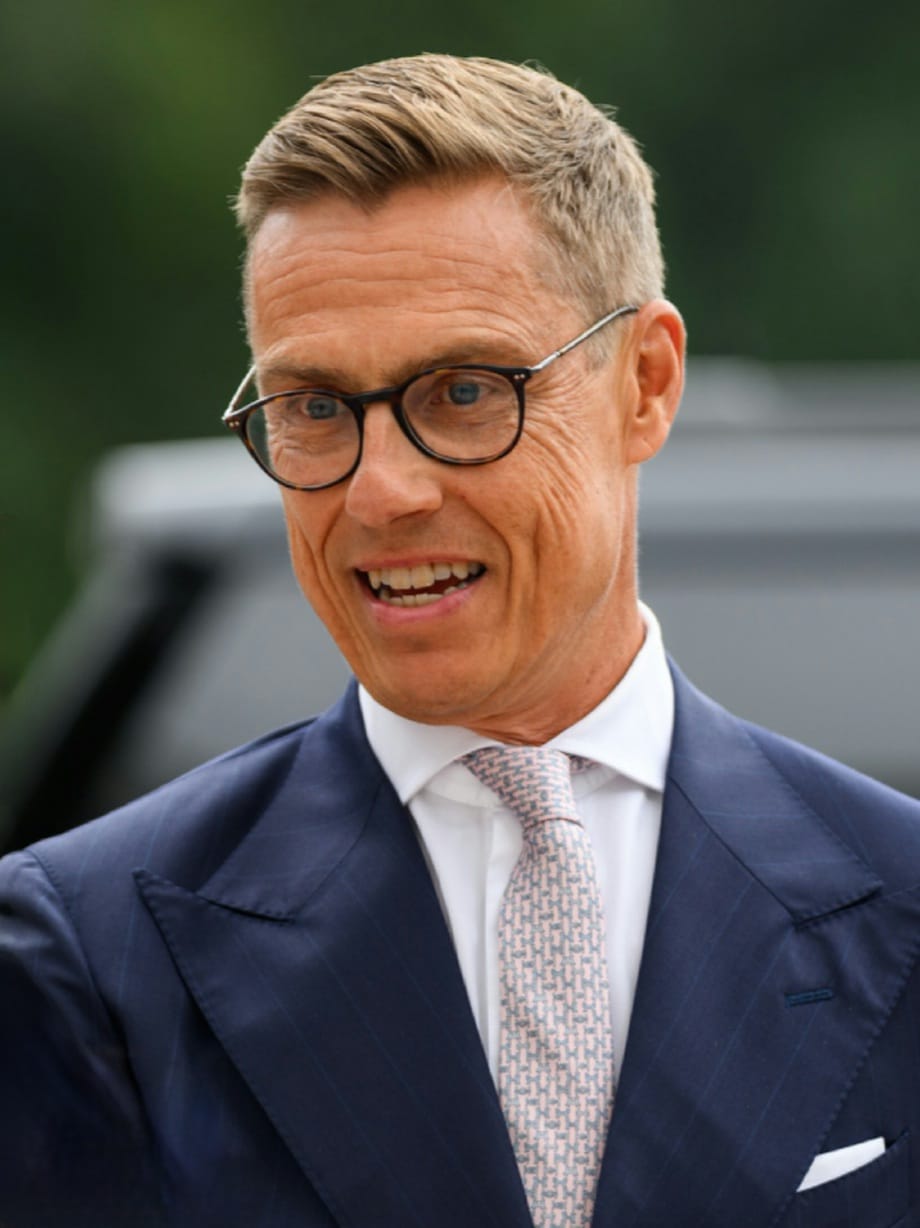
Finland is a parliamentary republic with a distinctive division of power: a directly elected president leads foreign and security policy, a role of real weight for a country on the frontier with Russia, while a prime minister drawn from parliament runs domestic affairs. The president since 2024 is Alexander Stubb, and government is formed by coalitions from a multiparty parliament, currently led by the prime minister Petteri Orpo. Finland is a stable, consensual Nordic democracy, with a strong welfare state, low corruption, and public institutions consistently rated among the best in the world.
Finland has a highly developed, high-technology economy and a comprehensive welfare state. Its old industrial base is the forest: the country is one of the world's leading producers of timber, pulp, and paper, and wood remains a pillar of the economy. To this it has added sophisticated engineering, machinery, and technology, and it was the home of Nokia, once the world's dominant maker of mobile phones, whose legacy helped seed a lively technology and gaming sector. Prosperous and highly educated, Finland pairs a market economy with the strong public services and social safety net typical of the Nordic model.
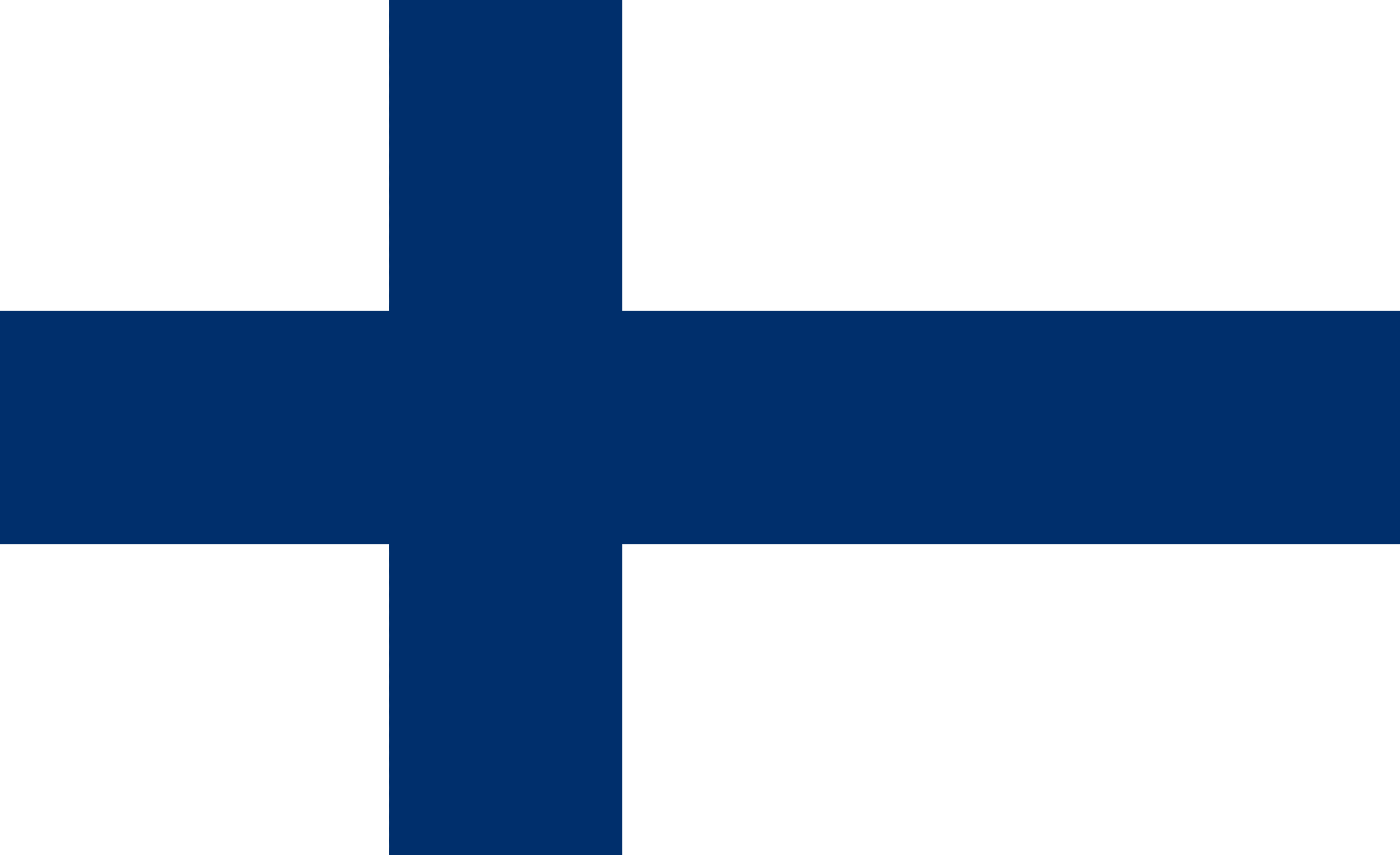
The flag of Finland is white with a blue Nordic cross, its arms reaching the edges with the upright bar set toward the hoist, in the pattern shared across Scandinavia. The colours are widely understood to represent the country's natural beauty: the blue for its thousands of lakes and the sky, and the white for the snow that blankets the land through the long winters. The flag was adopted soon after independence.
Finland is historically a Lutheran country, and the Evangelical Lutheran Church of Finland was long a state church to which most people belonged. As in the rest of the Nordic region, however, the country is now highly secular: while many remain nominal members of the church, regular religious practice is low and a large share of Finns are non-religious. There is also a small Orthodox Christian church, a legacy of the country's eastern connections.
Finnish cuisine is shaped by the forest, the lakes, and a harsh climate, making the most of fish, game, berries, and dark rye bread. Fish such as salmon and herring are staples, often smoked or in soups, and reindeer is a traditional meat in the north. Wild berries and mushrooms gathered from the forests are cherished, and the savoury Karelian pasty, a rye crust filled with rice porridge, is a national favourite. Coffee is consumed in great quantities.
Finland's cold, northern climate and heavy forest cover limit farming, which is concentrated in the milder south. Farmers grow hardy grains such as barley and oats, along with potatoes and sugar beet, and raise dairy and beef cattle. Far more of the country, however, is covered by forest, and forestry is hugely important: Finland is a major producer and exporter of timber, pulp, and paper, with its woodlands a central pillar of the economy.
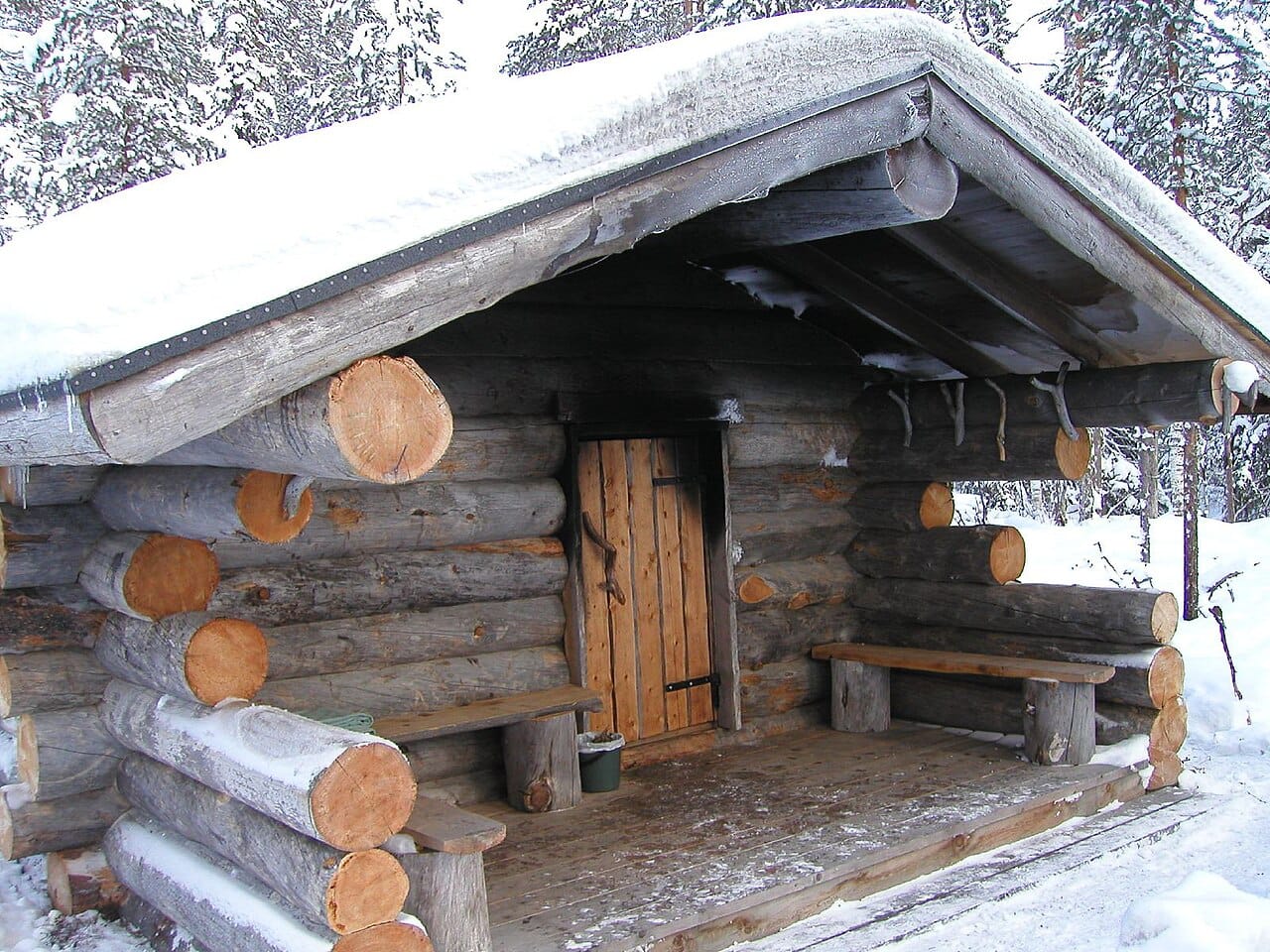
Finnish culture is quiet, practical, and profoundly bound to nature. Its most beloved institution is the sauna, of which there are more than there are cars: a place to bathe, relax, and gather that is woven into the rhythm of life. Finns cherish silence and honesty, a stoic endurance they call sisu, and the freedom to roam forests and lakes, gathering berries and mushrooms, under a traditional right of public access. The country is famous for its education system, its clean design, from Marimekko textiles to Alvar Aalto's architecture, and for repeatedly being ranked the happiest country in the world, a happiness rooted less in exuberance than in trust, security, and contentment.
For most of the twentieth century Finland kept its freedom by staying out of military alliances, balancing carefully alongside the Soviet Union and then Russia. That changed decisively when Russia invaded Ukraine in 2022. Finnish opinion, long wary of provoking its huge neighbour, swung dramatically in favour of joining the Western alliance, and in 2023 Finland became a member of NATO, abandoning generations of non-alignment and roughly doubling the length of the alliance's border with Russia. The country has since reinforced and at times closed that long frontier, and its deep experience of living beside a powerful and unpredictable neighbour has made it a watchful and serious voice in European security.
Finland has a population of around 5.5 million people, most of them ethnic Finns speaking the distinctive Finnish language, alongside a Swedish-speaking minority whose language is also official, and the indigenous Sami people in the far north. The population is concentrated in the warmer south, especially around the capital, Helsinki, on the Baltic coast. Finland is known for its high standard of living, its strong education system, and a society that consistently ranks among the world's happiest.