Fiji is an island nation in the South Pacific, an archipelago of more than 300 islands lying east of Vanuatu and northwest of Tonga. A land of volcanic peaks, rainforest, and coral-fringed beaches, it is one of the most developed and visited countries of the Pacific, a hub of the region. Fiji's society is marked by the meeting of two main communities, the indigenous Fijians and the descendants of labourers brought from India, a relationship that has shaped both its rich culture and its turbulent modern politics.
Fiji's history runs from its first seafaring settlers, through a fearsome age of warring chiefs, to cession to Britain and the great migration that reshaped its people.
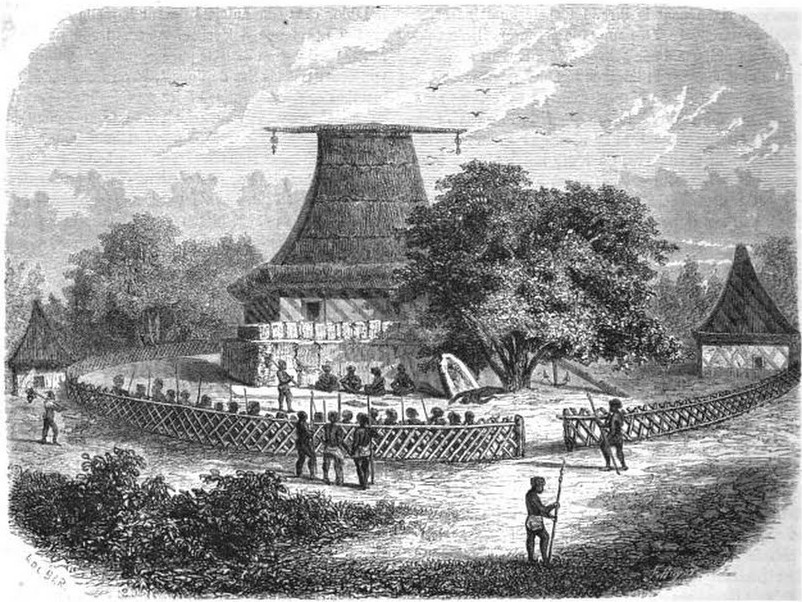
Fiji was settled some three thousand years ago by seafaring peoples, and over the centuries developed a complex society of chiefdoms, skilled in seafaring and warfare, whose reputation for ferocity earned the islands the name of the Cannibal Isles among wary early European sailors. Power was held by hereditary chiefs, and the great confederations of the islands often warred among themselves.
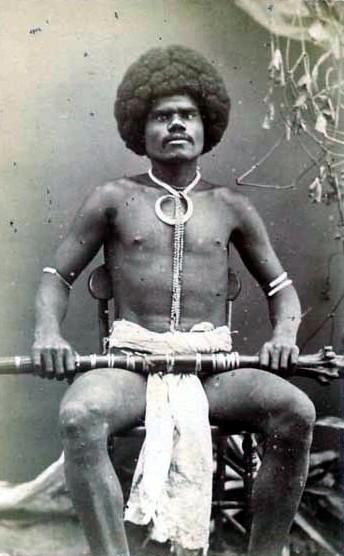
From the early nineteenth century traders, beachcombers, and missionaries settled among the Fijians, drawn by sandalwood and sea cucumber and bringing firearms, new diseases, and Christianity. Old ports such as Levuka grew into rough frontier towns, and the muskets that Europeans supplied helped tip the endless wars of the chiefs toward a single victor.
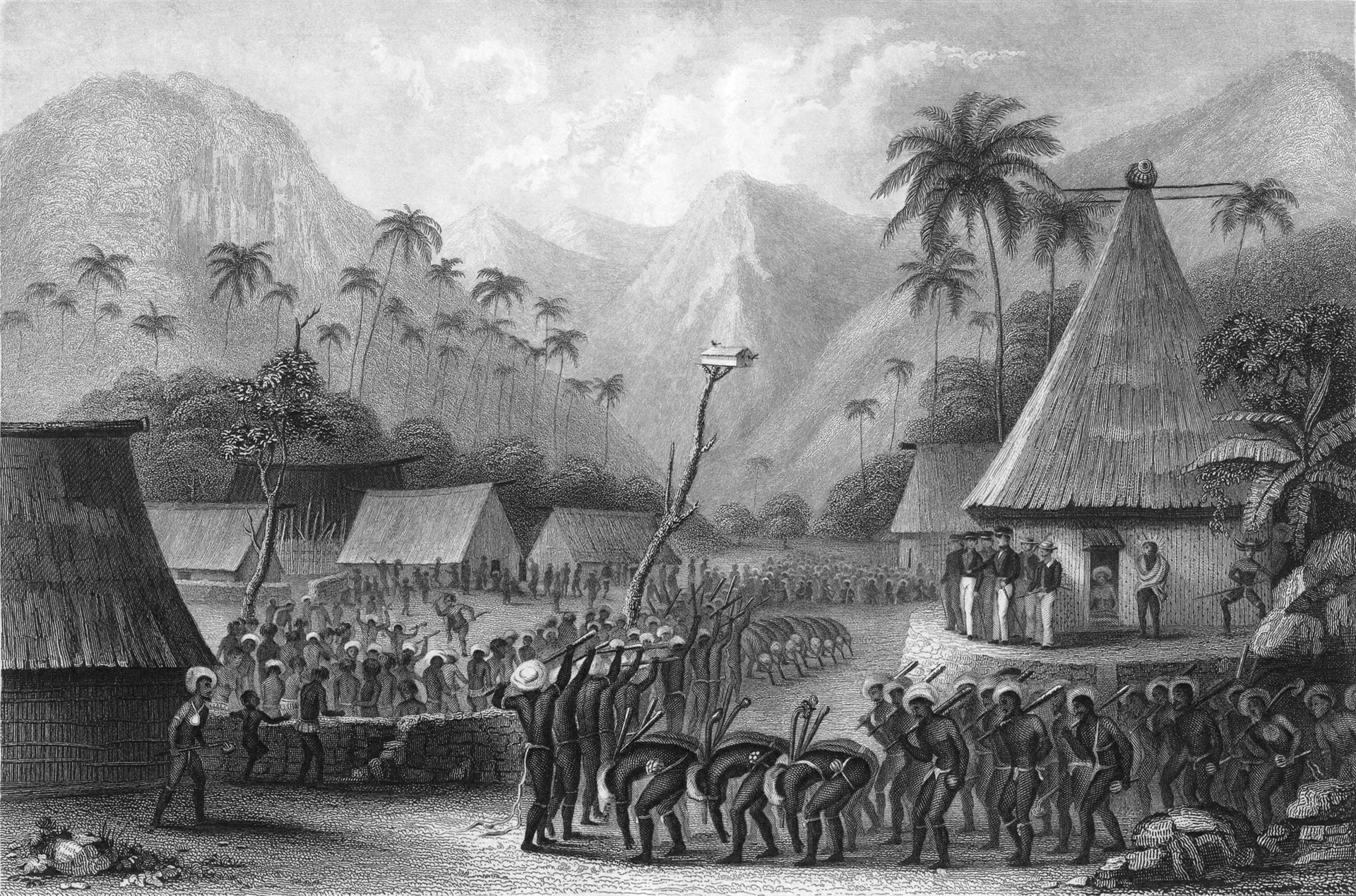
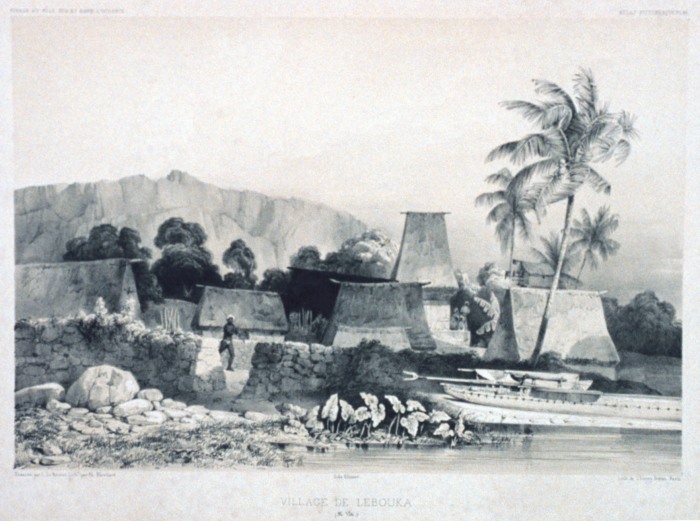
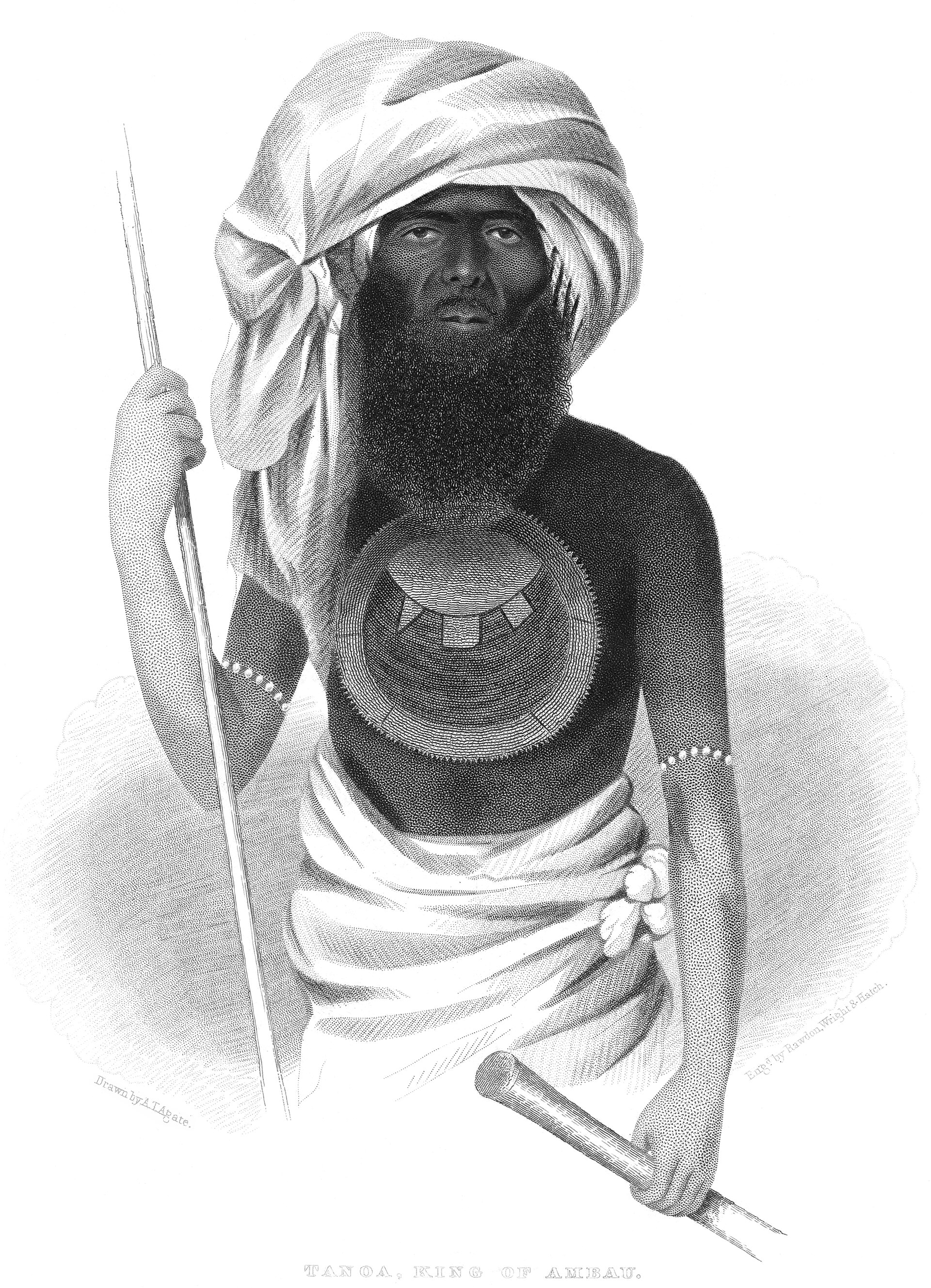
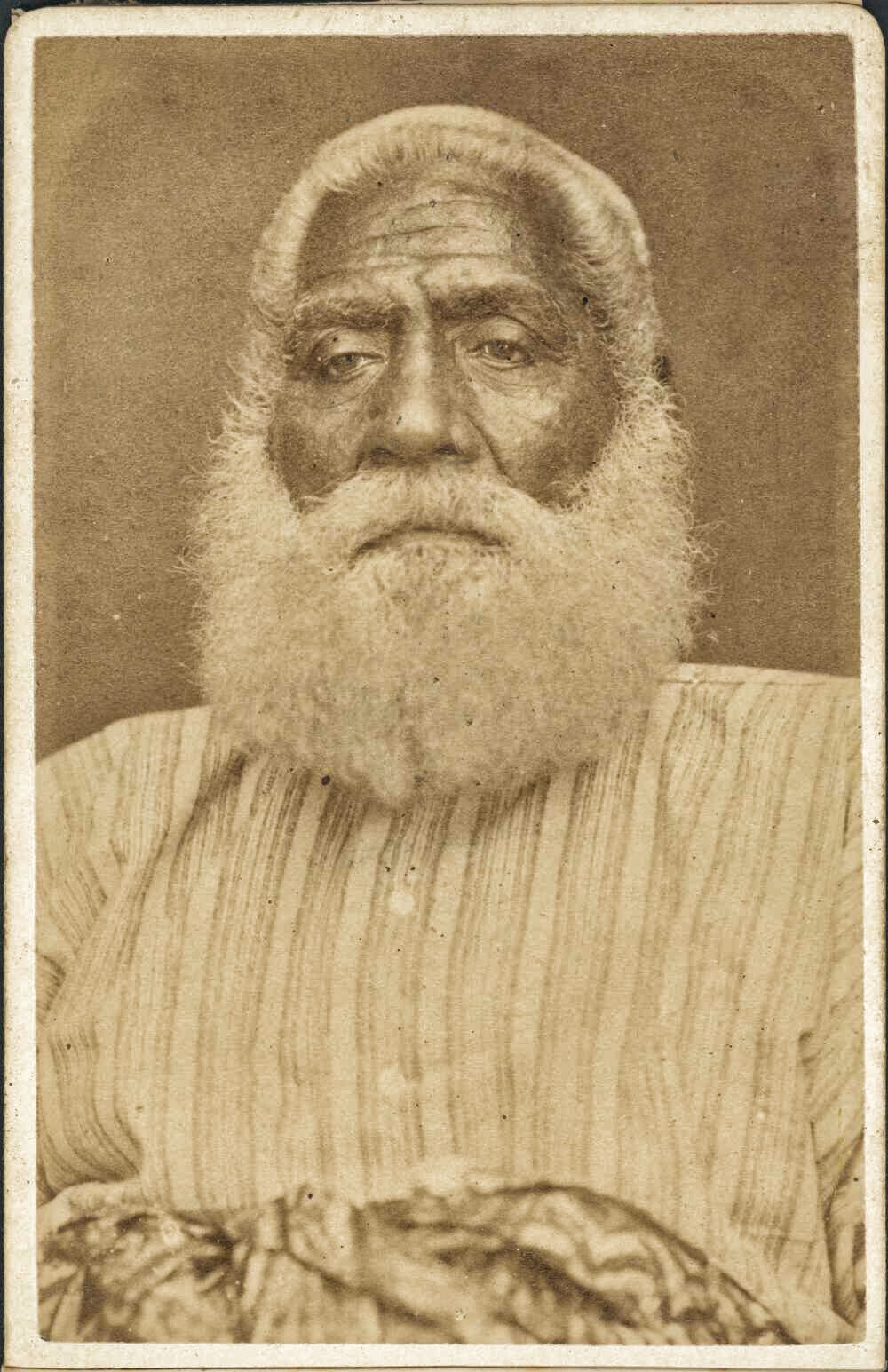
In the mid-nineteenth century the chief Seru Epenisa Cakobau, styling himself Tui Viti or King of Fiji, came to dominate much of the islands, but debt and disorder led him and other chiefs to cede Fiji to Britain in 1874. Under British rule, tens of thousands of indentured labourers were brought from India to work the sugar plantations, a system of near-servitude that transformed the population and laid the roots of modern Fiji's two communities. Independence came in 1970.
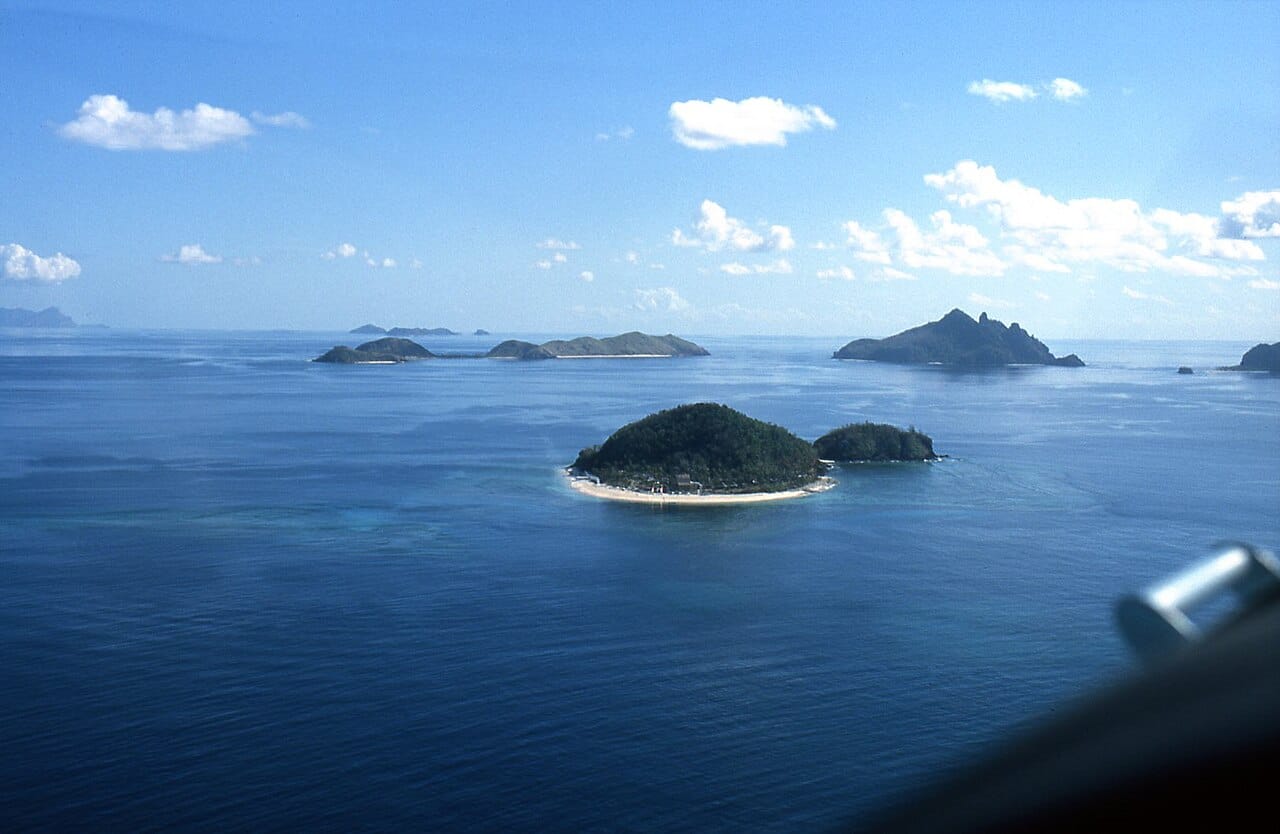
Fiji is a volcanic archipelago dominated by two large mountainous islands, Viti Levu and Vanua Levu, surrounded by a scattering of smaller islands, coral reefs, and lagoons. The larger islands have rugged, forested interiors rising to high peaks, with the windward sides lush and wet and the leeward sides drier. The smaller islands and the famous reefs draw visitors from around the world. Lying in the Pacific cyclone belt, Fiji is periodically struck by powerful tropical storms that can cause severe damage.
Fiji is a parliamentary republic, but its modern politics has been defined above all by instability. Since independence the country has endured four coups, in 1987, 2000, and 2006, most of them entangled with tension between the indigenous iTaukei and the Indo-Fijian community. Frank Bainimarama, who seized power in 2006, governed for sixteen years, latterly through elections held under a constitution his government wrote. In the election of 2022, however, he was voted out, and Sitiveni Rabuka became prime minister, in a striking turn, for Rabuka was himself the army officer who had led the very first coups back in 1987, now returned to power through the ballot box.

Fiji has one of the most developed and diverse economies in the Pacific, resting on three main pillars. Tourism is the largest, drawing hundreds of thousands of visitors a year to its beaches and reefs. Sugar, grown especially by Indo-Fijian farmers and long the mainstay export, remains important though it has declined. Bottled Fiji Water has become a globally recognised export, and the country is also the commercial, transport, and diplomatic hub of the South Pacific, home to regional bodies and the University of the South Pacific.
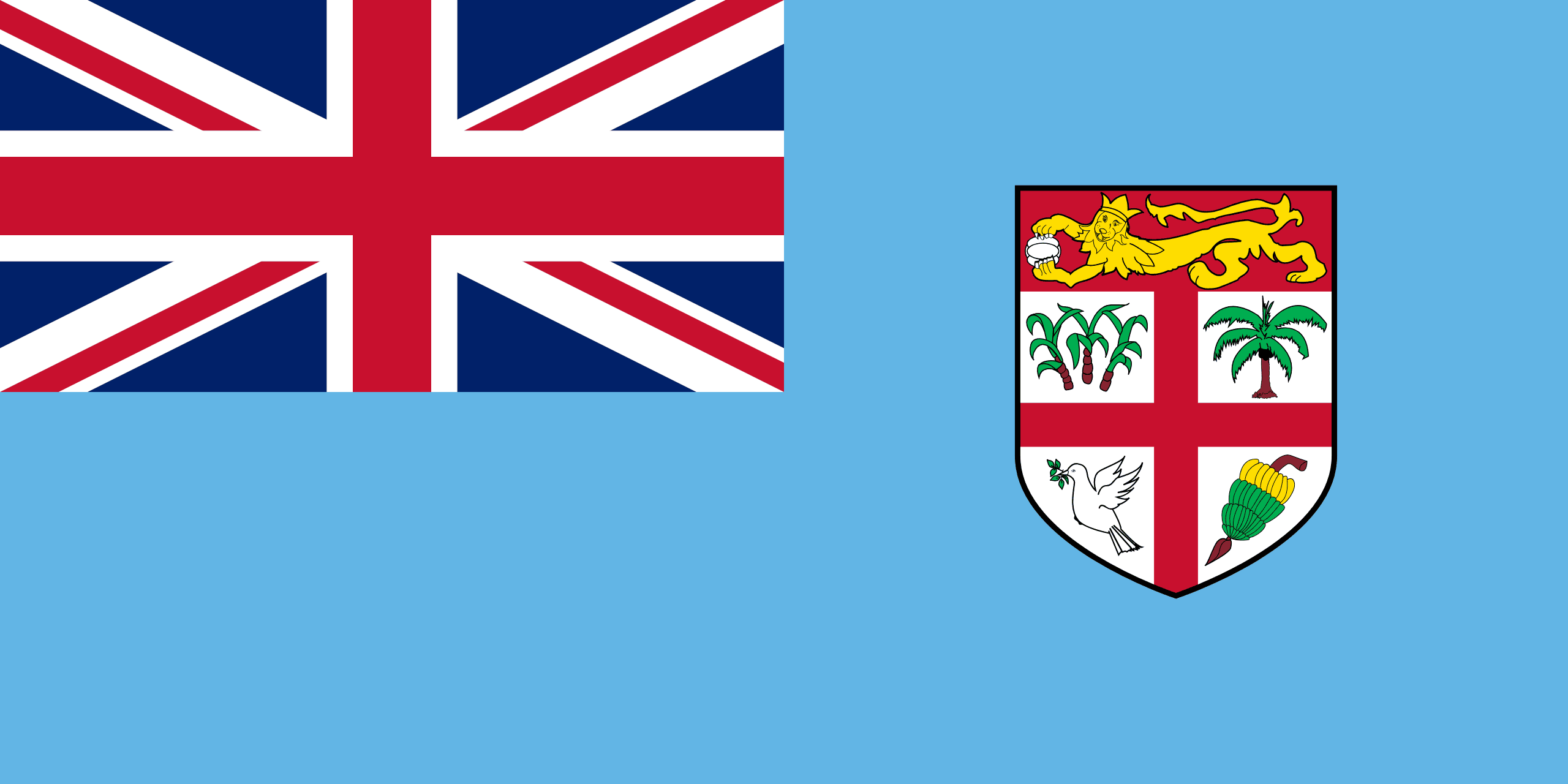
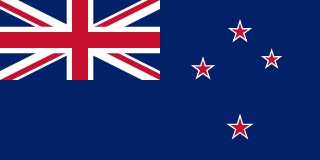
The flag of Fiji has a light blue field with the British Union Jack in the upper corner and the country's shield on the fly. The bright blue represents the Pacific Ocean that surrounds and sustains the islands, while the Union Jack reflects the long historical link with Britain. The shield bears symbols including sugarcane, a coconut palm, bananas, and a dove of peace, representing the produce and the aspirations of the nation. The retention of the colonial-era design has at times been debated.
Fiji's religious life mirrors its divided population. The indigenous Fijians are overwhelmingly Christian, mostly Methodist, the legacy of nineteenth-century missionaries, and the church is a powerful force in their communities. The Indo-Fijian population, descended from the indentured labourers, is mainly Hindu, with a significant Muslim minority, so that temples and mosques stand alongside churches across the islands. This religious diversity is generally peaceful, and the festivals of each faith add to the colour of national life.
Fijian cuisine reflects both the indigenous Pacific tradition and the strong Indian influence. Indigenous cooking centres on root crops such as taro and cassava, fish and seafood, and coconut, often prepared in an earth oven called a lovo, with a beloved dish of raw fish marinated in coconut milk and lime known as kokoda. From the Indian community come curries, roti, and the liberal use of spices, now woven into the national diet. Kava, a mildly sedative drink made from a root, is central to social and ceremonial life.
Agriculture has long been central to Fijian life, above all sugarcane, introduced under British rule and grown especially by the Indo-Fijian community, which for generations was the country's leading export and remains important. Fiji also produces coconuts, ginger, taro, tropical fruit, and other root crops, both for the home table and for export. Much iTaukei land is held communally under customary tenure and leased to farmers, an arrangement that ties agriculture closely to questions of land and identity.
Fijian culture is a rich weave of two traditions living side by side. Indigenous iTaukei life centres on the village, the chief, the extended family, and the land, with ceremony marked by the formal sharing of yaqona, or kava, the mildly sedative drink at the heart of Fijian sociability. The Indo-Fijian community, meanwhile, keeps the languages, faiths, food, and festivals of its Indian ancestry. The result is a society where a Christian village church, a Hindu temple, and a mosque may all stand within a few miles, and where cricket, rugby, Bollywood, and the meke dance all find a home. Rugby in particular is a national passion and a source of great pride.
The central and unresolved question of modern Fiji is the relationship between its two main communities: the indigenous iTaukei, who own the great majority of the land under customary tenure, and the Indo-Fijians, descended from indentured labourers, who long dominated commerce and farming. That tension has repeatedly boiled over into politics. The coups of 1987 and 2000 were driven in part by iTaukei fears of Indo-Fijian political power, while the 2006 coup was justified by its leaders as a stand against ethnic favouritism, and the 2013 constitution sought to make all citizens simply Fijians. How to balance indigenous rights and land with equal citizenship for all, and how to break the cycle of coups, remain the defining debates of the nation, argued from very different points of view.
Fiji has a population of around 900,000 people, divided mainly between two communities: the indigenous iTaukei, or native Fijians, of Melanesian and Polynesian heritage, who form the majority, and the Indo-Fijians, descendants of the indentured labourers from India. There are also smaller communities of other Pacific islanders, Europeans, and Chinese. English, Fijian, and Hindi all have official status. The population is concentrated on the two main islands, especially around the capital, Suva, and many Fijians live and work abroad.