Ethiopia is a landlocked country in the Horn of Africa, a rugged land of high plateaus and deep valleys that has long stood apart from its neighbours. One of the oldest nations on Earth, it boasts a history of ancient kingdoms, a distinctive form of early Christianity, and the rare distinction of never having been colonised by a European power. It is the second most populous country in Africa and the seat of the African Union.
Ethiopia's story runs from the dawn of humanity through ancient Aksum and the medieval Christian kingdoms to a fierce defence of its independence in the age of empires.
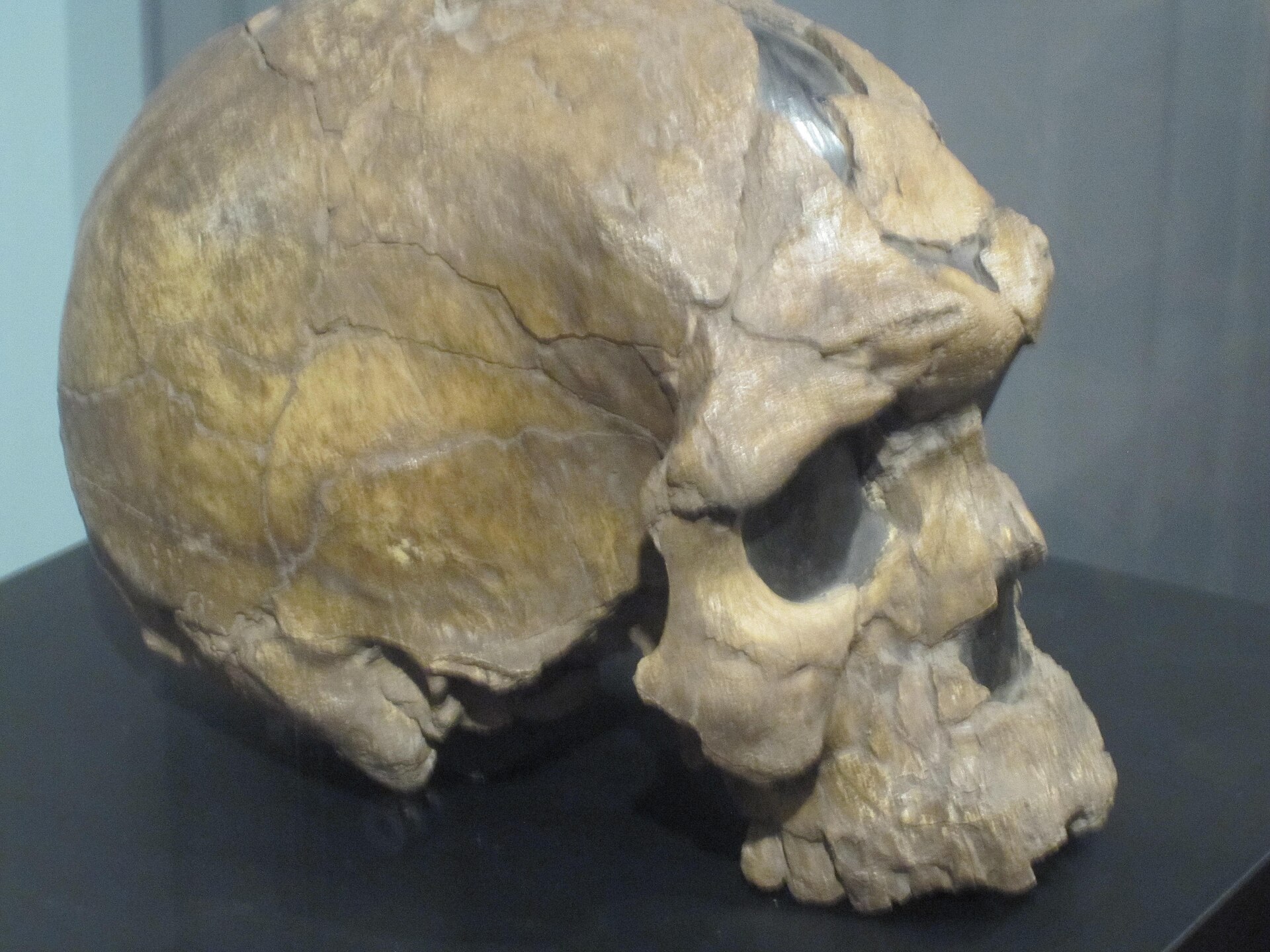
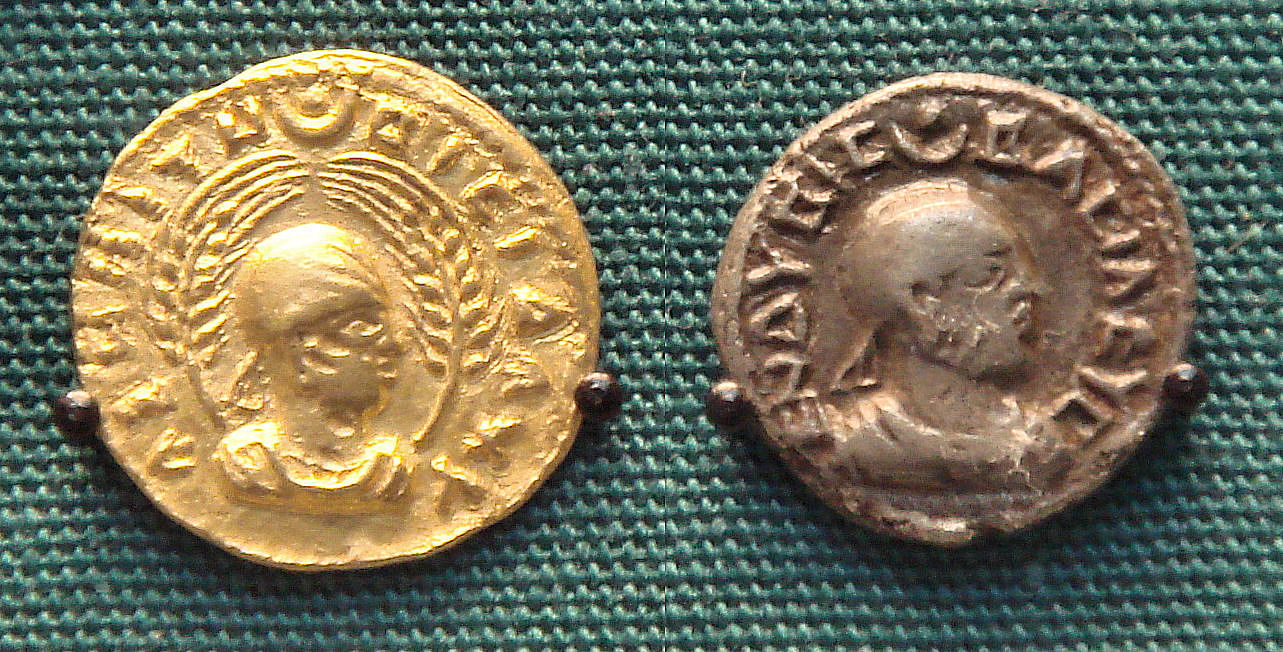
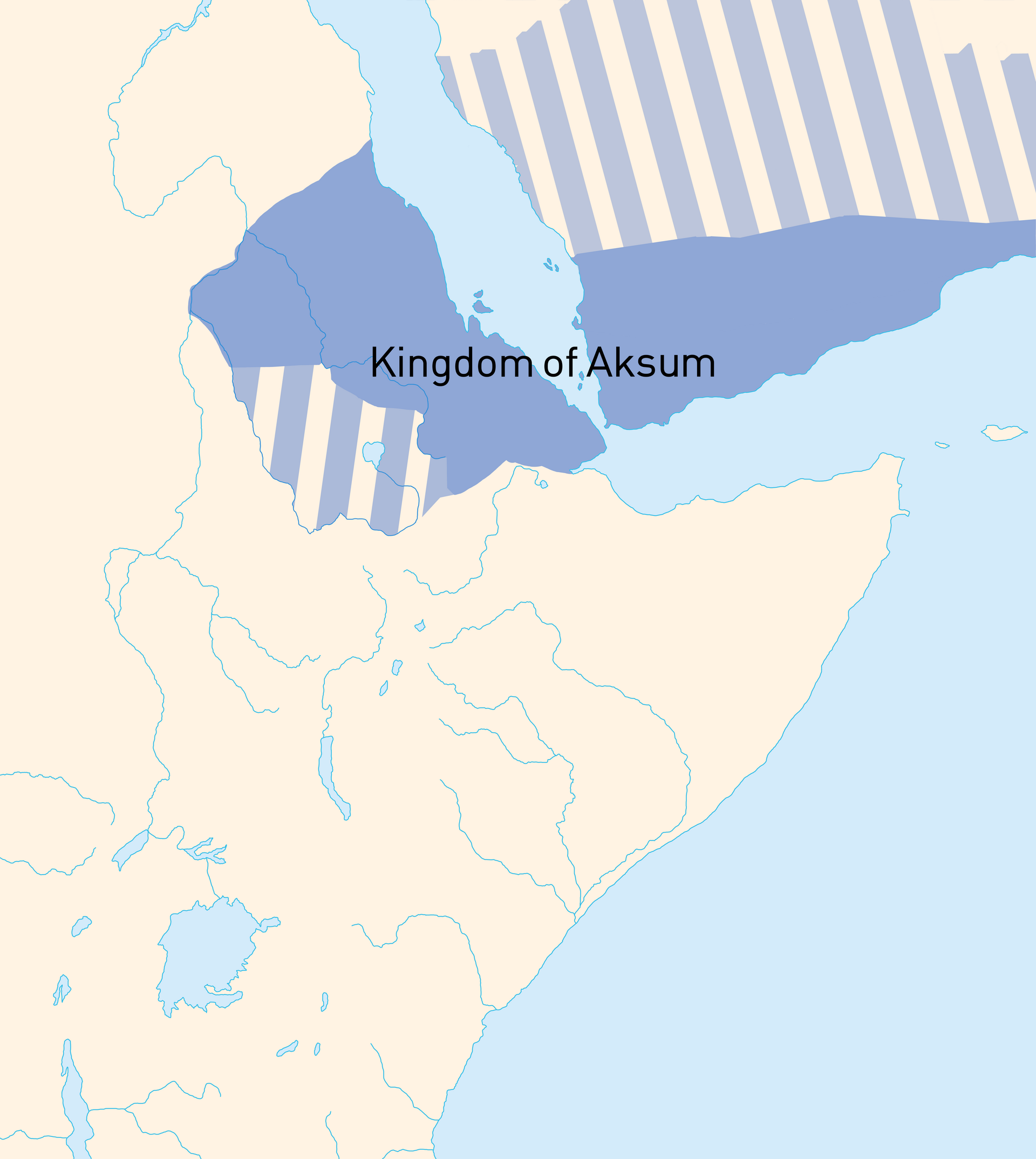
The Ethiopian highlands lie at the heart of the region where modern humans first evolved, and some of the oldest known fossils of our species were found here. In recorded history the land's first great power was the Kingdom of Aksum, which from the early centuries AD grew rich on trade between Rome, Arabia, and India, minted its own coins, and around 330 AD became one of the first states anywhere to adopt Christianity.
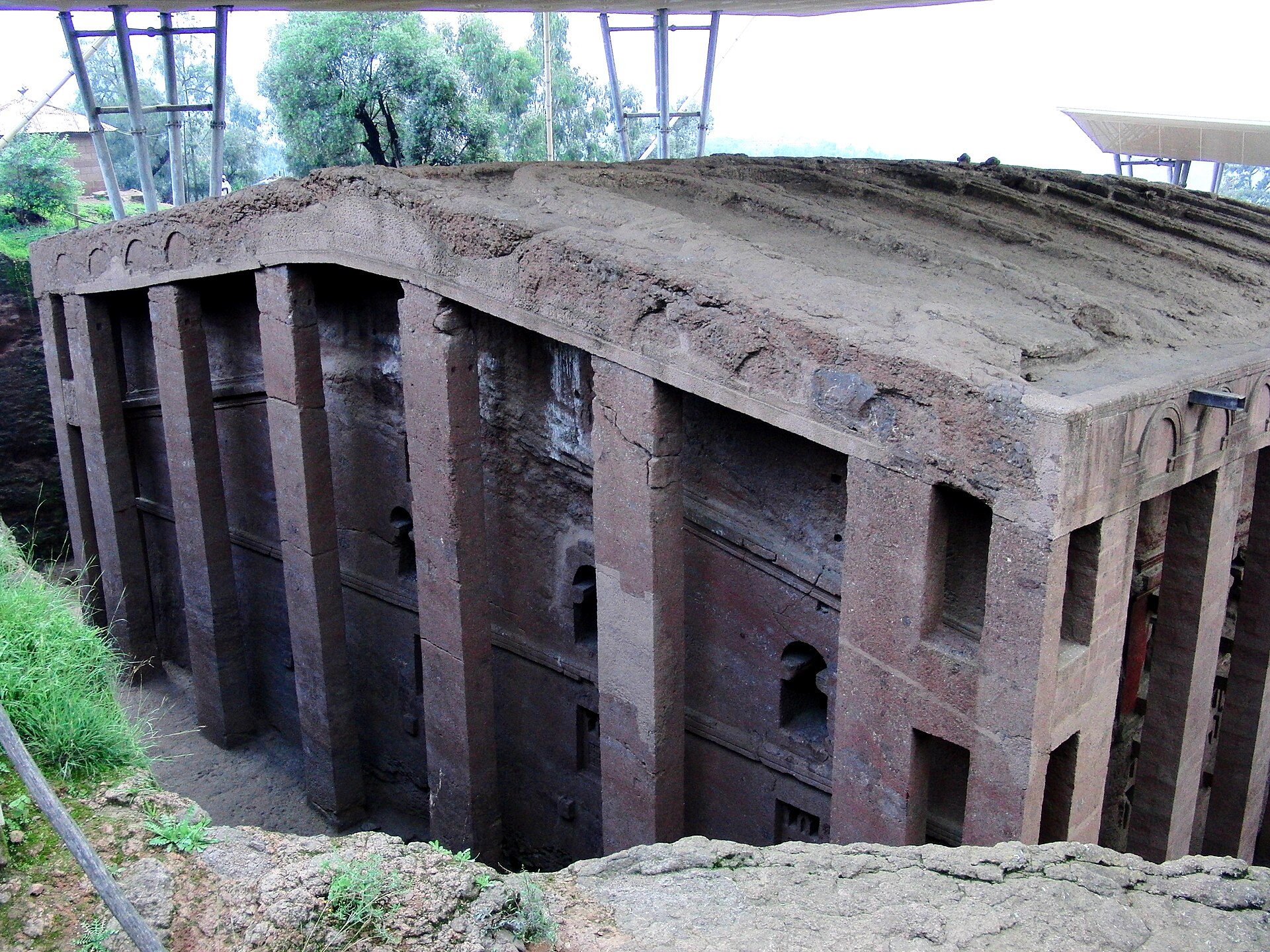
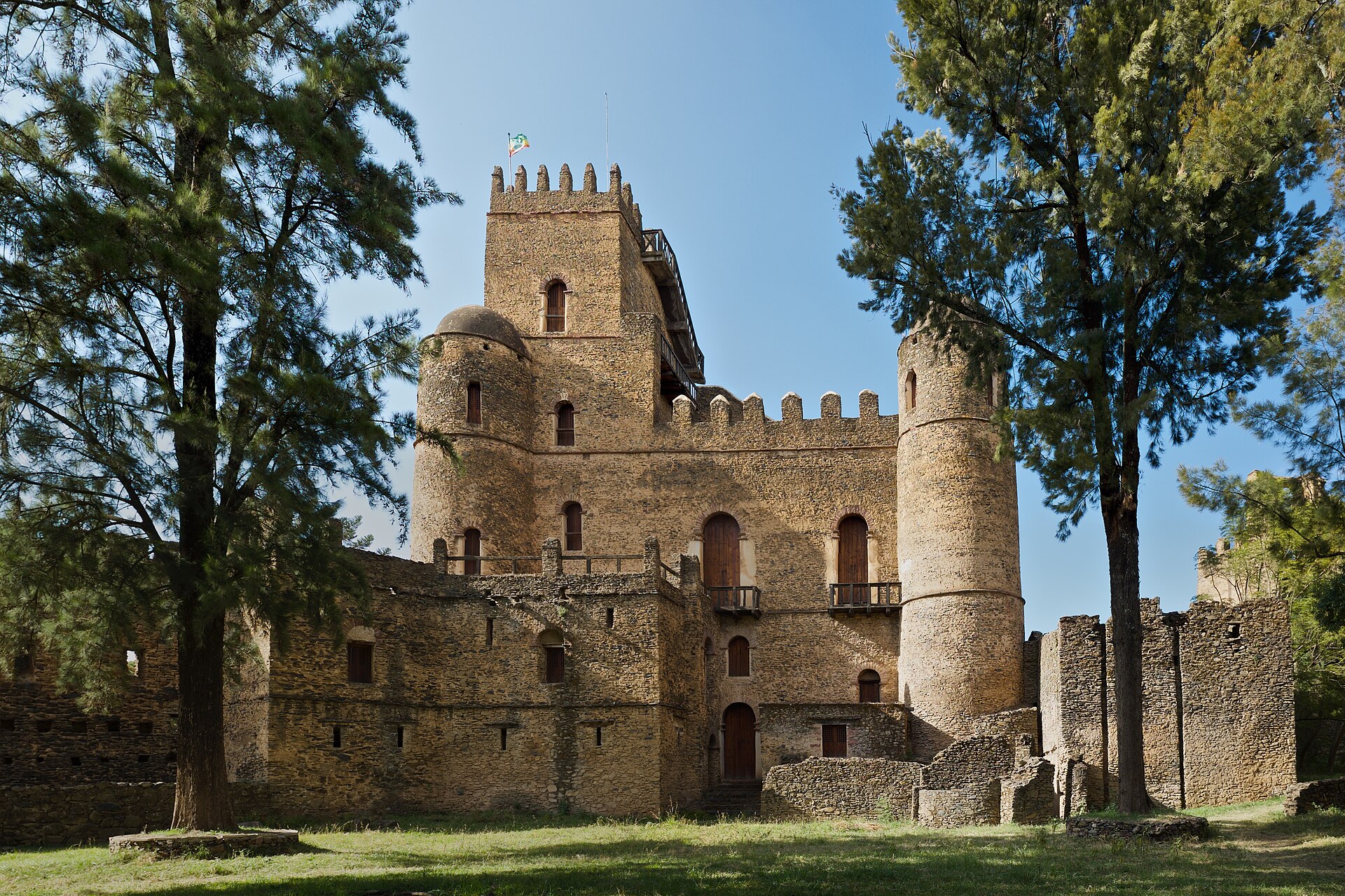
After Aksum declined, the Zagwe dynasty raised the famous churches of Lalibela, hewn whole from solid rock. The Solomonic dynasty that followed claimed descent from King Solomon and ruled the Christian highlands for centuries, later building the castle-city of Gondar and nurturing a sophisticated tradition of religious art and philosophy.
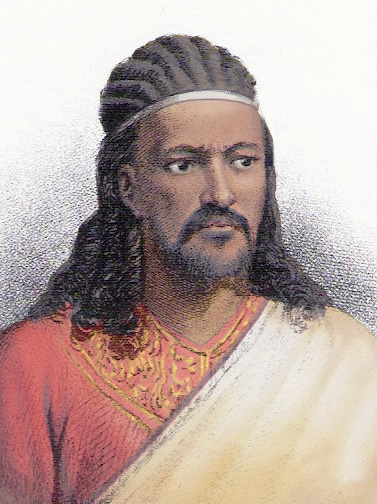
As European powers carved up Africa in the nineteenth century, reforming emperors such as Tewodros II sought to reunify and strengthen the country. In 1896 Ethiopia decisively defeated an invading Italian army at Adwa, securing its independence and becoming a lasting symbol of African freedom.
Ethiopian tradition holds that its royal line descended from a son of the biblical King Solomon and the Queen of Sheba, Menelik, who was said to have brought the Ark of the Covenant to Ethiopia. This sacred genealogy gave the emperors profound legitimacy and remains central to Ethiopian identity and the Orthodox faith. As literal history the descent is legend rather than documented fact, though the dynasty that claimed it ruled in reality for centuries.
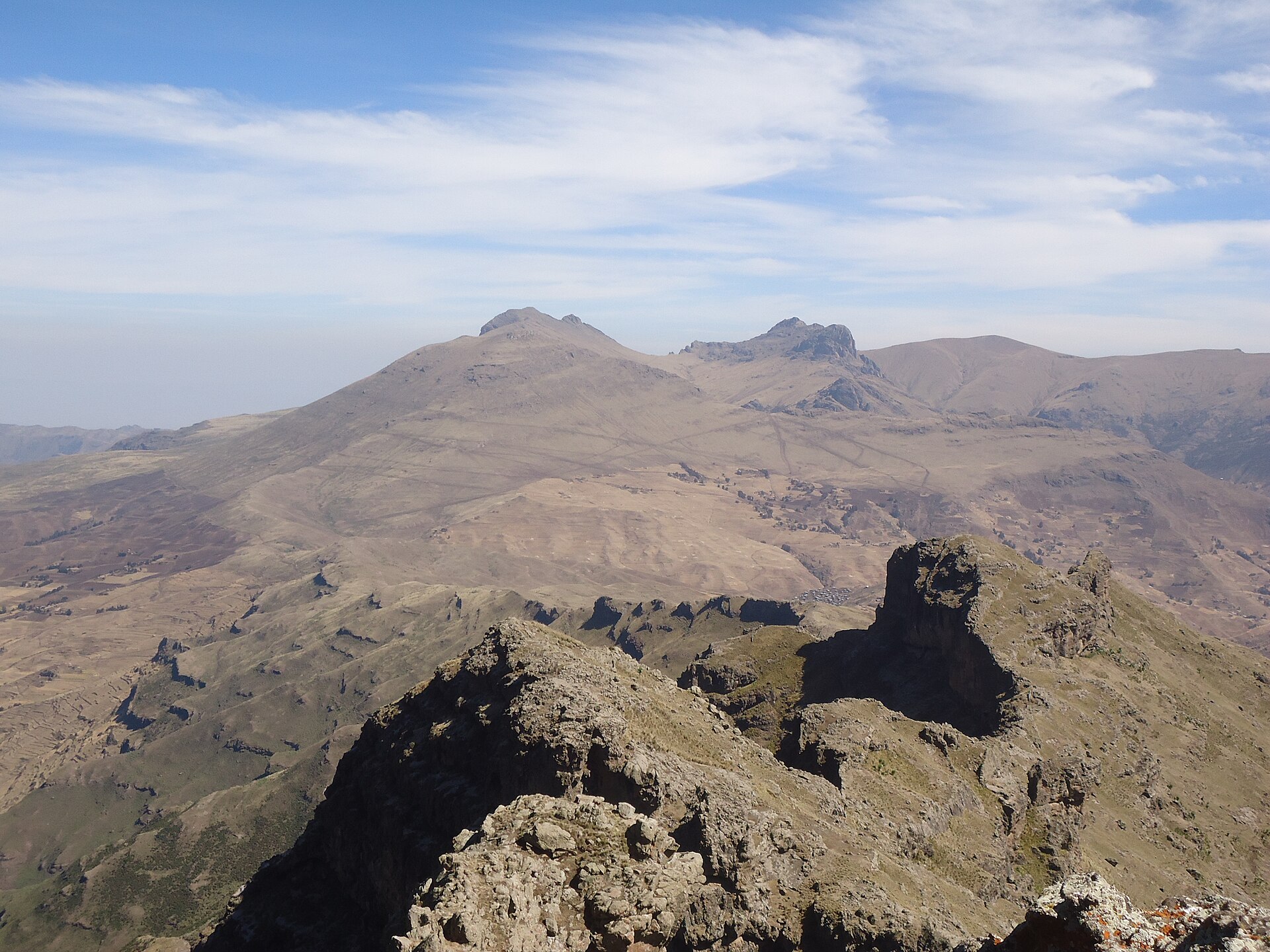
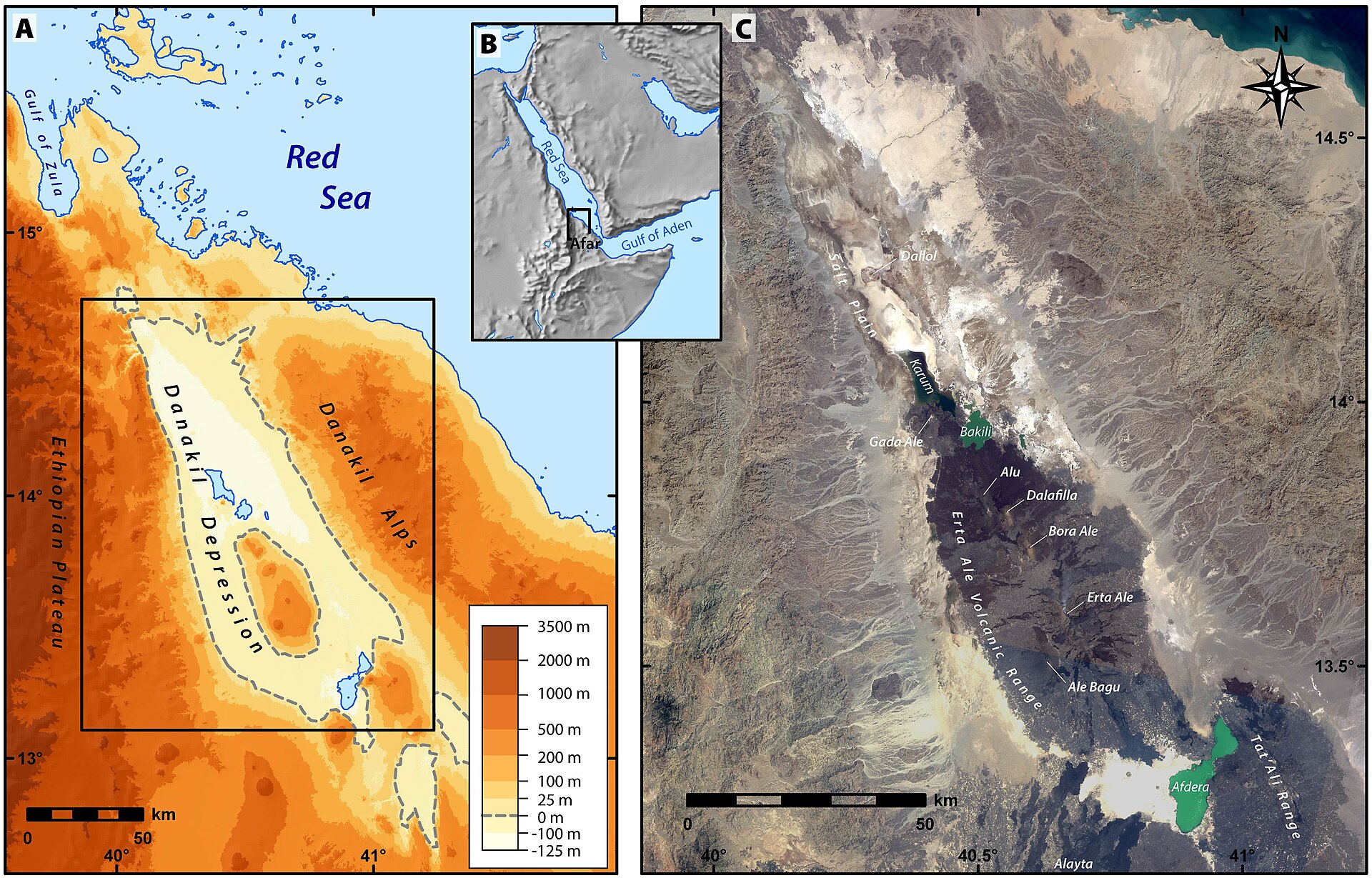
Ethiopia is dominated by a vast, high plateau split by the Great Rift Valley, with mountains rising above four thousand metres and lowland deserts at its edges, including the searing Danakil Depression, one of the hottest places on Earth. The highlands enjoy a temperate climate despite the tropical latitude, and they give rise to the Blue Nile, which begins at Lake Tana and provides most of the water of the Nile downstream in Egypt.
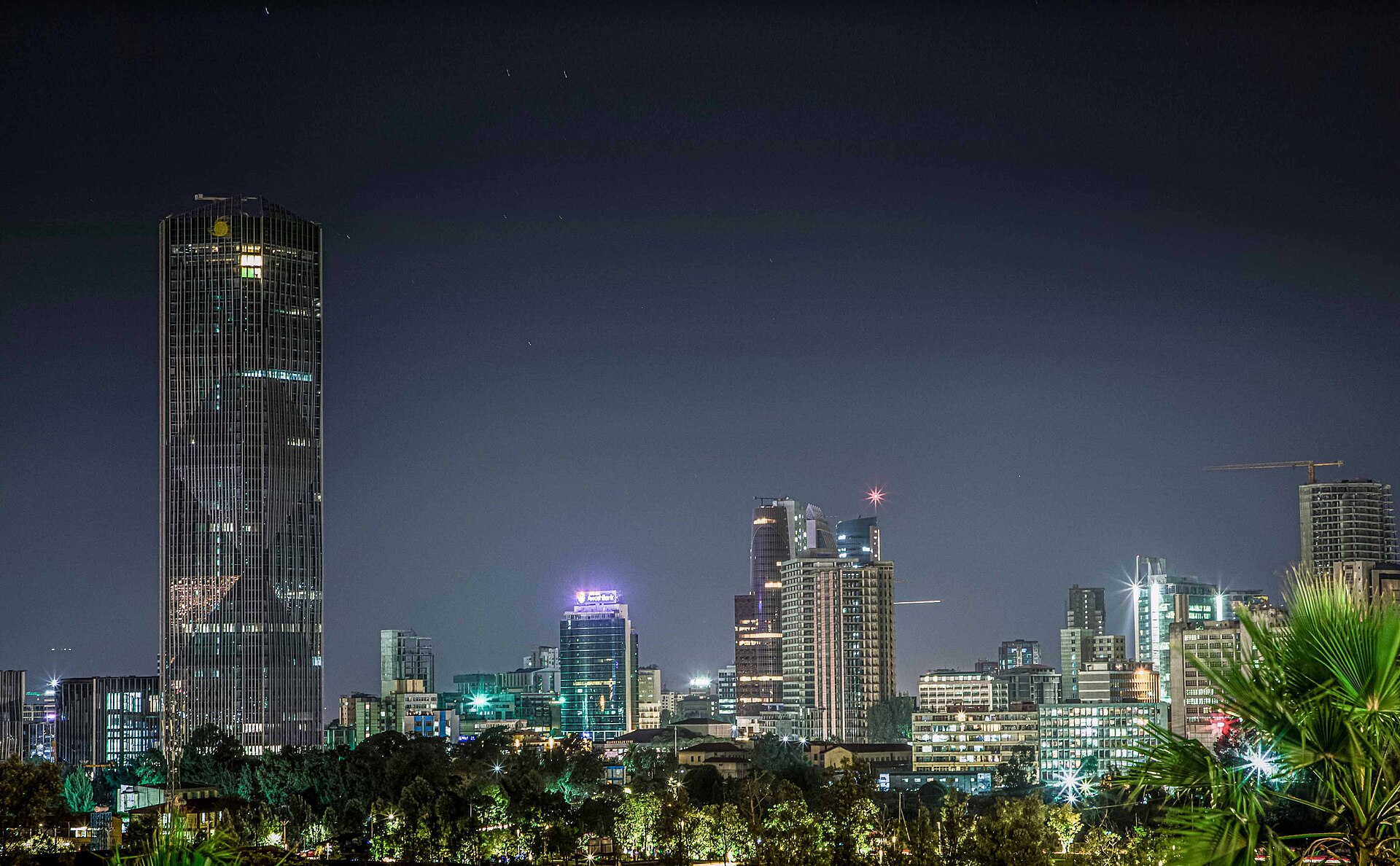
Ethiopia is a federal republic organised, unusually, along ethnic lines, with regional states defined largely by the country's many peoples. A president serves as ceremonial head of state while executive power rests with a prime minister and parliament. This system of ethnic federalism, adopted after the fall of a communist dictatorship in 1991, has given groups a measure of self-rule but has also fuelled rivalry and conflict. Addis Ababa, the capital, is the seat of the African Union and a centre of continental diplomacy.
Ethiopia has one of the fastest-growing economies in Africa, driven by heavy state investment in infrastructure, manufacturing, and hydropower. Agriculture, above all coffee, remains the foundation and employs most of the population. The vast Grand Ethiopian Renaissance Dam on the Blue Nile, intended to make the country a power exporter, is a source of national pride and of tension with downstream Egypt. Despite rapid growth, Ethiopia remains a low-income country where many still live by subsistence farming.
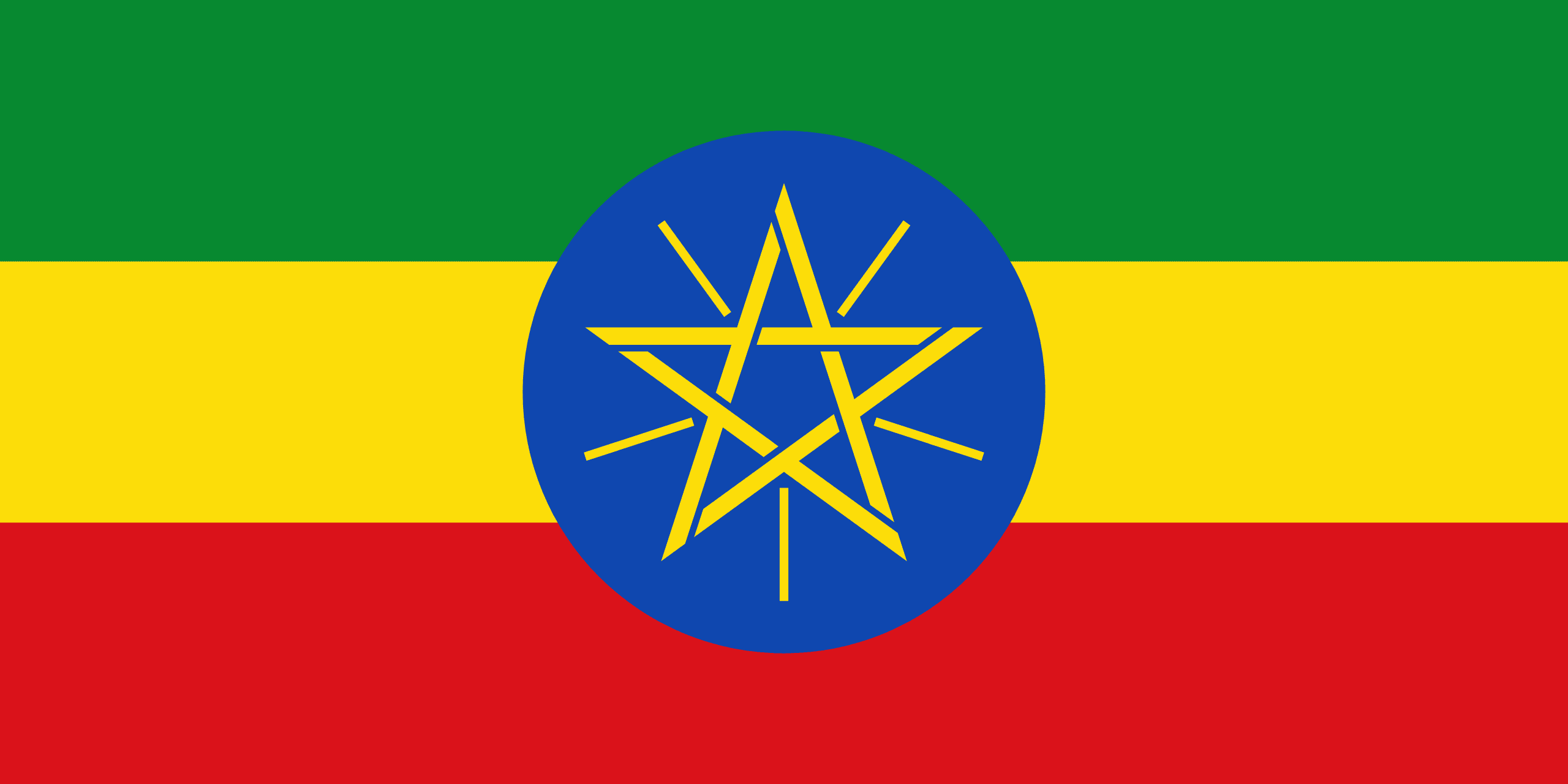
The Ethiopian flag has three horizontal bands of green, yellow, and red, with a blue disc bearing a golden star at its centre. These three colours, flown by Ethiopia as it stood independent through the colonial era, became the inspiration for the pan-African colours adopted by many newly free African nations. The central star is said to represent the unity and bright future of the country's diverse peoples.
Ethiopia has one of the oldest Christian traditions in the world, the Ethiopian Orthodox Tewahedo Church, which has shaped the country's calendar, art, and identity for some seventeen centuries and built the remarkable rock-hewn churches of Lalibela. Islam is also ancient here, having arrived in the lifetime of the Prophet, and Muslims form a large share of the population. Traditional beliefs persist as well, making Ethiopia a land of deep and varied faith.
Ethiopian cuisine is distinctive and communal. Its foundation is injera, a large, spongy sourdough flatbread made from a tiny native grain called teff, which serves as both plate and utensil. Onto it are spooned an array of spicy stews known as wat, rich with the signature spice blend berbere, including meat and an abundance of lentils and vegetables eaten during frequent fasting periods. Ethiopia is also the original homeland of coffee, central to its hospitality.
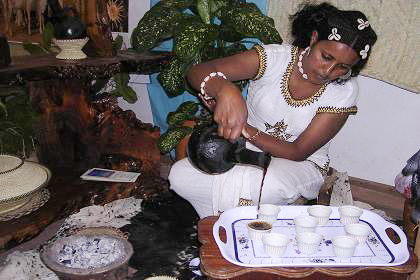
Agriculture is the backbone of Ethiopia's economy and the livelihood of most of its people. The country is the birthplace of the coffee plant, and coffee remains its leading export. Farmers grow teff for injera along with other cereals, pulses, and oilseeds, mostly on rain-fed smallholdings in the highlands, and they keep one of the largest livestock populations in Africa. Dependence on seasonal rains leaves the country vulnerable to drought.
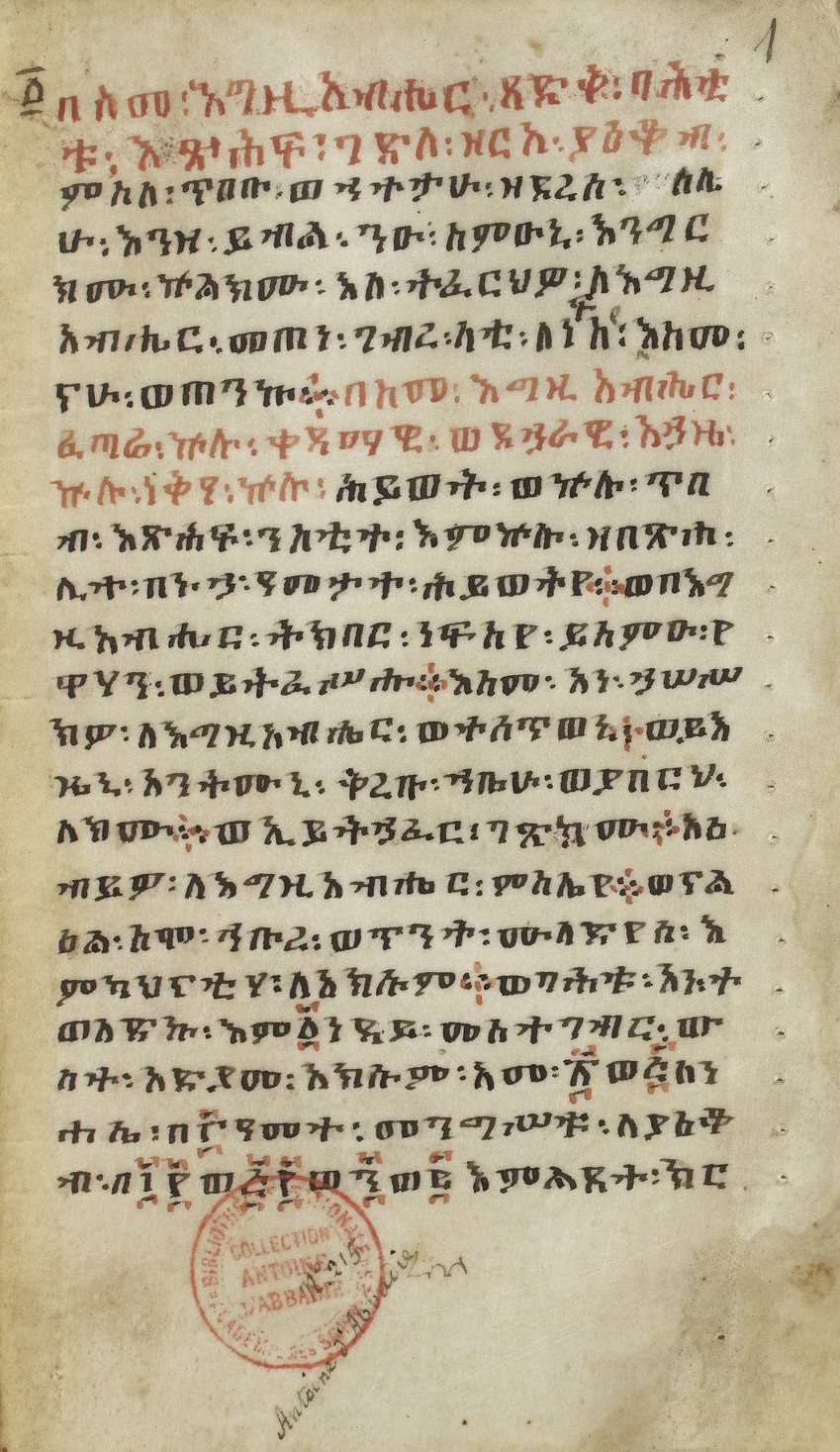
Ethiopia's long independence and ancient faith have given it a culture unlike any other in Africa. It keeps its own calendar of thirteen months and its own reckoning of time, writes in the ancient Ge'ez script, and preserves a distinctive religious art, music, and dance. As the birthplace of coffee and the home of dozens of peoples and languages, it carries a powerful sense of antiquity and identity that has long made it a symbol of African pride.
Modern Ethiopia faces sharp internal strains. Its system of ethnic federalism, which ties political power to ethnic identity, is fiercely debated: some see it as protecting diverse peoples, others as deepening division, and rivalries have erupted into deadly conflict, most devastatingly the war in the Tigray region. Abroad, the filling of the Grand Ethiopian Renaissance Dam has caused a tense, unresolved dispute with Egypt and Sudan over the waters of the Nile.
Ethiopia's defeat of Italy at the Battle of Adwa in 1896 was a landmark, the rare victory of an African state over a European army, and it made Ethiopia a symbol of independence and African pride. The country was briefly occupied by Italy in the 1930s but never formally colonised. In the twentieth century it endured the overthrow of its last emperor, Haile Selassie, a harsh communist regime, and devastating famine.
Ethiopia has a population of more than 120 million people, the second largest in Africa, and it is growing quickly. The country is strikingly diverse, home to dozens of ethnic groups, the largest being the Oromo and the Amhara, speaking more than eighty languages. This diversity is a source of cultural richness but also of political tension. Most Ethiopians live in the highlands, and the capital, Addis Ababa, is a major diplomatic centre for the whole continent.