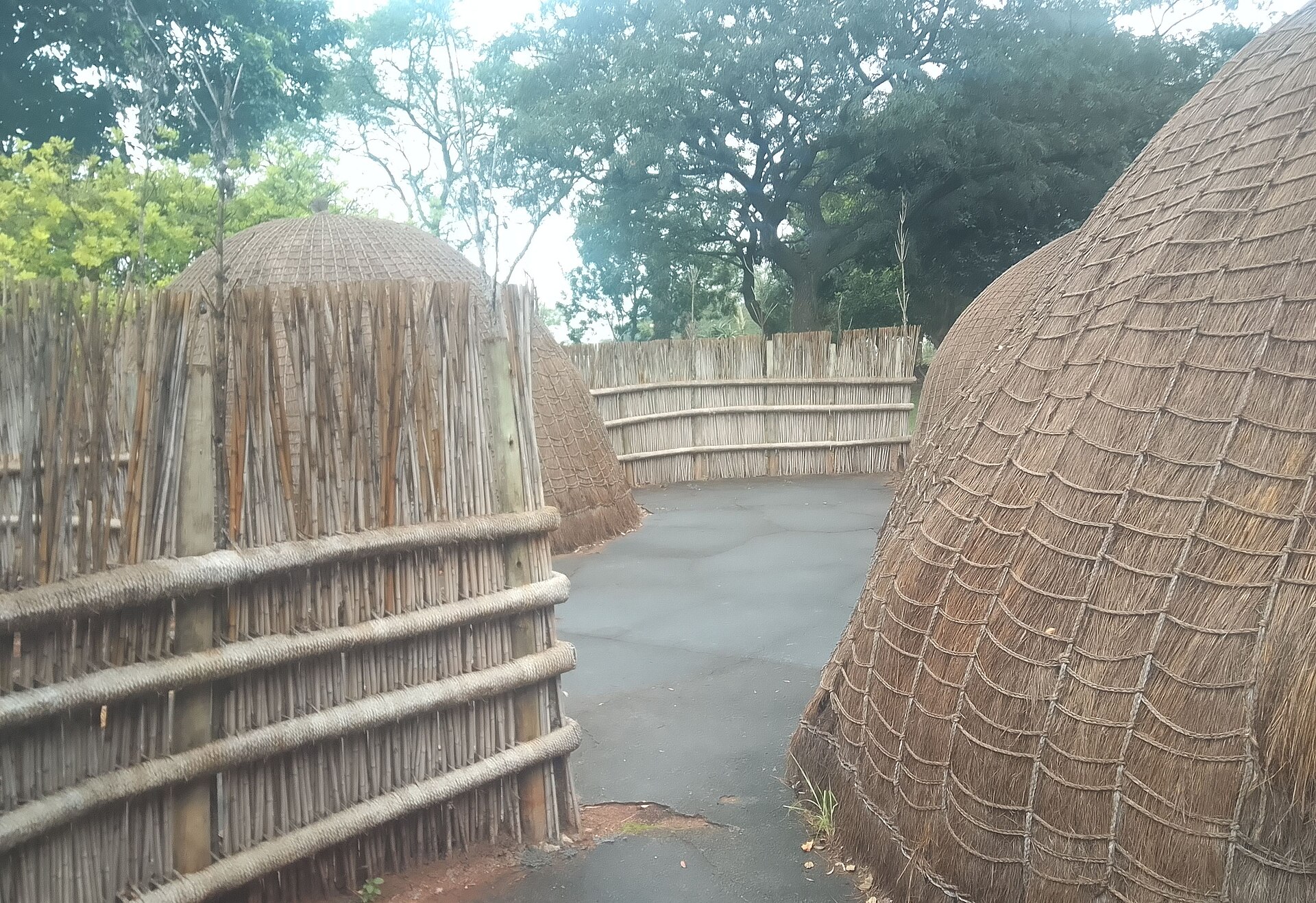
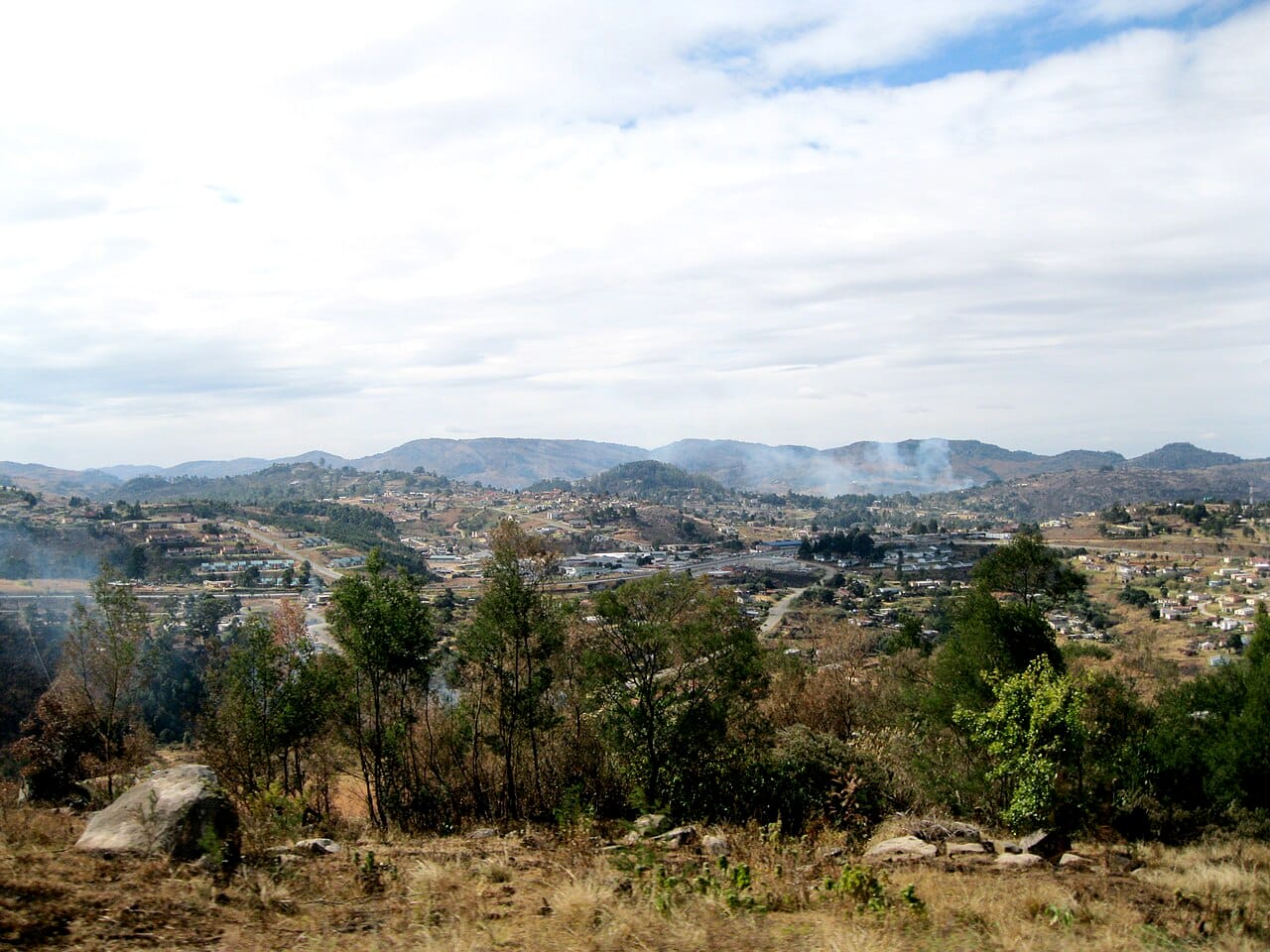
Eswatini, formerly known as Swaziland, is a tiny landlocked country in southern Africa, nestled between South Africa and Mozambique. One of the smallest nations on the continent, it is also one of the few remaining absolute monarchies in the world, ruled by a king who wields sweeping power. A land of mountains, valleys, and a strong sense of tradition, the Swazi nation has preserved its culture and ceremonies through the colonial era and into the present, even amid modern challenges.
Eswatini's history is that of a small but resilient kingdom that survived the Zulu, the Boers, and the British to enter the modern age with its monarchy not merely intact but supreme.
The Swazi nation was forged in the early nineteenth century, when, under their kings of the Dlamini line, the Swazi people gathered in the region and consolidated to withstand the pressures of the powerful Zulu kingdom and others around them. The country takes its name from the nineteenth-century king Mswati the Second, who extended and strengthened the realm, building a distinct nation with its own institutions, language, and fierce sense of identity.
In the late nineteenth century, amid the scramble for the region, the kingdom fell under the control first of the Boer republic and then, after the South African War, of Britain, becoming the protectorate of Swaziland. Unlike many colonised peoples, the Swazi kept their monarchy through the colonial period, and it regained full independence in 1968 with the king at its head. In 2018 King Mswati the Third renamed the country Eswatini, meaning land of the Swazi, restoring its indigenous name.
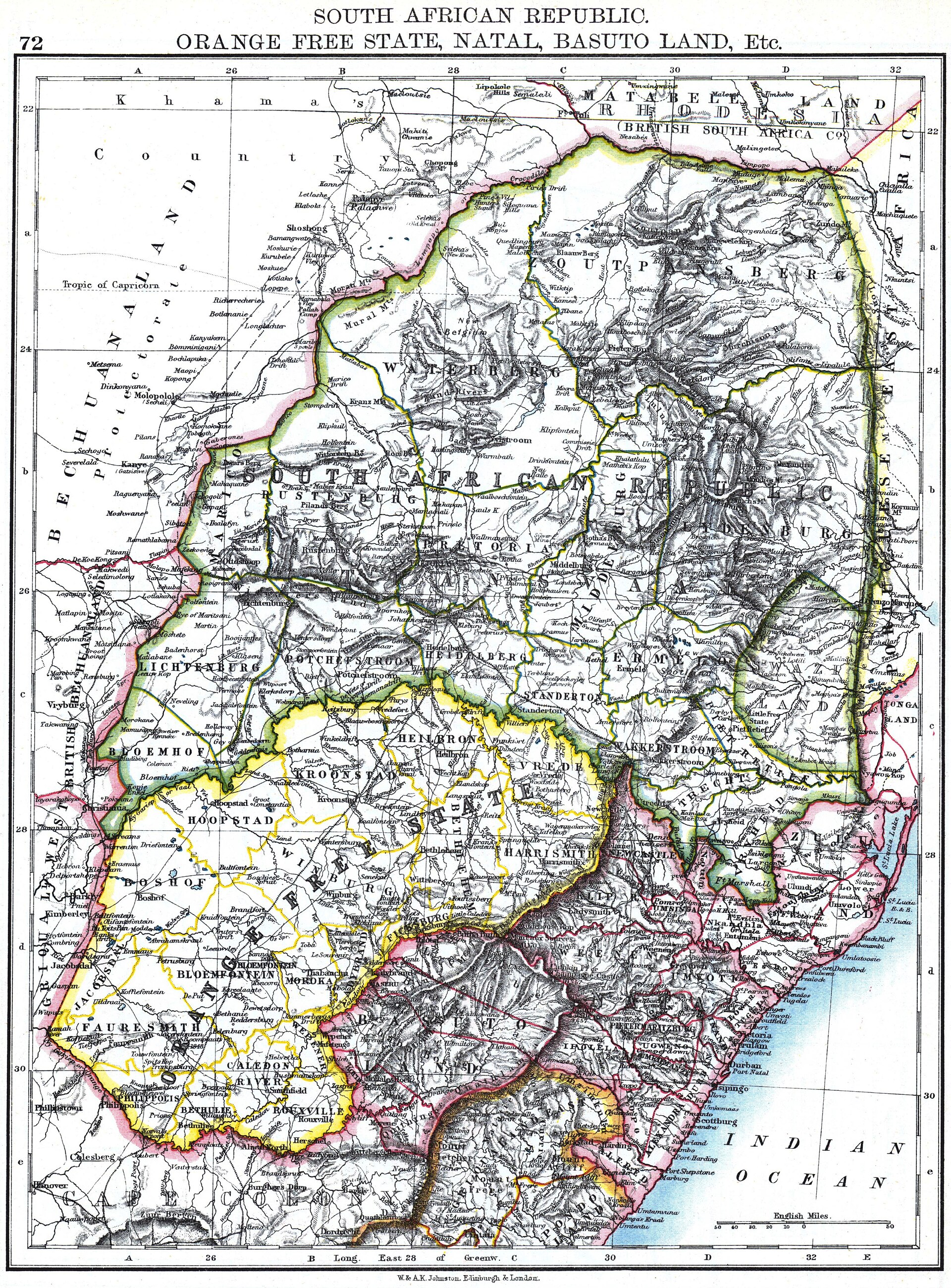
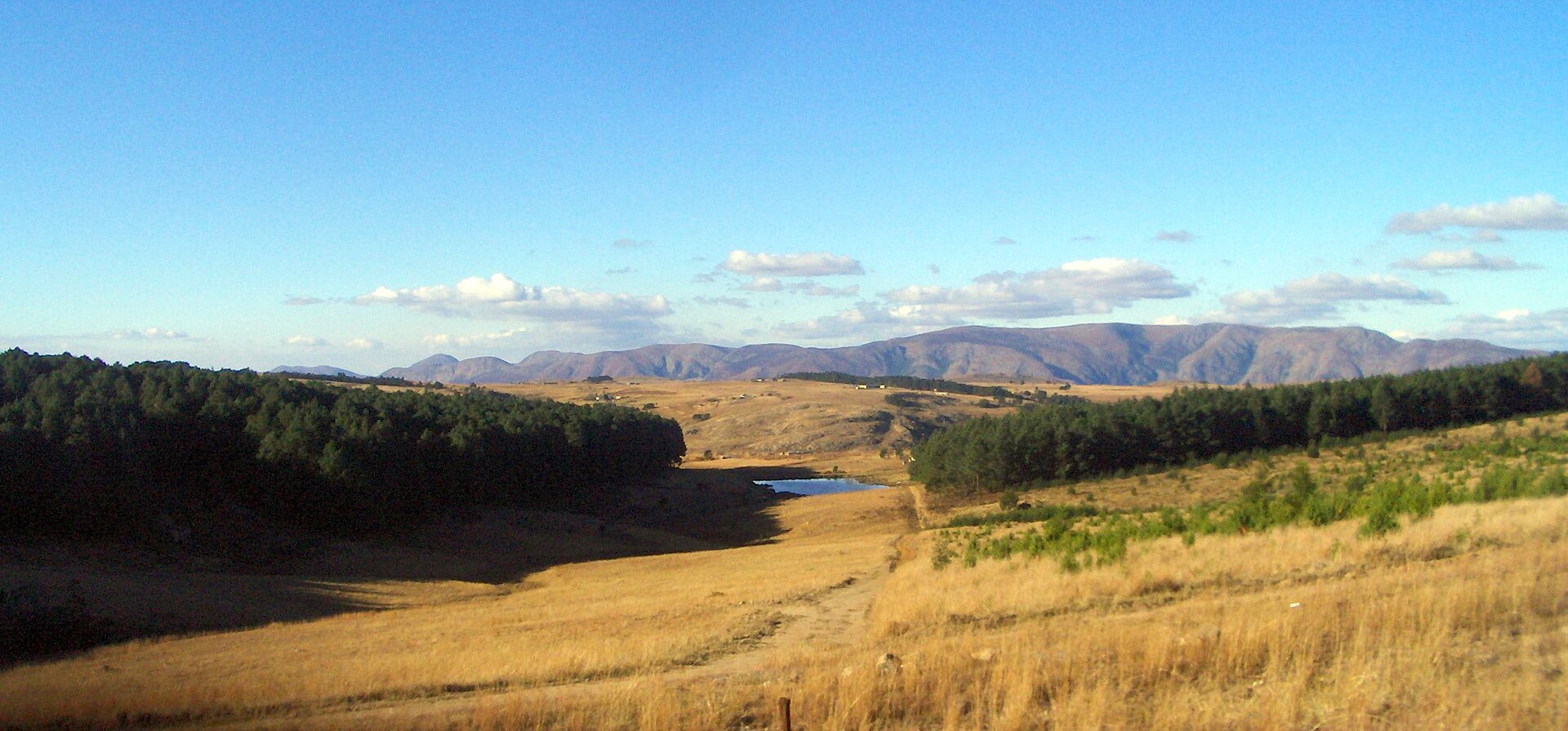
Despite its small size, Eswatini has a varied landscape that descends in steps from west to east. The mountainous highveld in the west, cool and high, gives way to the middleveld of fertile valleys where most people live, then to the lower, hotter lowveld of savanna, and finally to a final range of hills along the Mozambique border. This range of altitude and climate, packed into a compact country, supports a variety of farming and a richness of scenery, from misty peaks to subtropical plains.
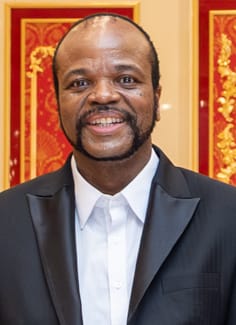
Eswatini is one of the last absolute monarchies on Earth. Its king, Mswati the Third, who marked 40 years on the throne in 2026, holds supreme power: he appoints the prime minister and cabinet, a large share of the parliament, and the judiciary, and rules alongside his mother, the queen mother, in a dual monarchy of ancient form. Political parties are effectively banned from contesting elections, and the parliament that exists has little real power. The king and the royal family are the center of national life, spiritual as well as political, and the system is defended as a cherished Swazi tradition of governance rooted in the nation's culture.
Eswatini's absolute monarchy is the subject of a real and sometimes deadly dispute. Its defenders, and the king himself, present it as the authentic expression of Swazi tradition, a system in which the monarch embodies the unity and continuity of the nation, and they point to the vivid royal ceremonies that bind the country together. Its critics, including a growing pro-democracy movement, argue that it concentrates power and wealth in the royal family while much of the population lives in poverty and the country suffers one of the highest rates of HIV in the world, and they call for an elected government and a constitutional monarchy.
The tension broke into the open in 2021, when pro-democracy protests, the largest in the country's history, were met with lethal force that killed dozens of people, and unrest and a crackdown on dissent have simmered since. Lavish royal spending, set against widespread hardship, has sharpened the criticism. Whether Eswatini's monarchy is a proud living tradition or an anachronism overdue for reform is the central and unresolved question of the country's political life. This account sets out the documented situation.
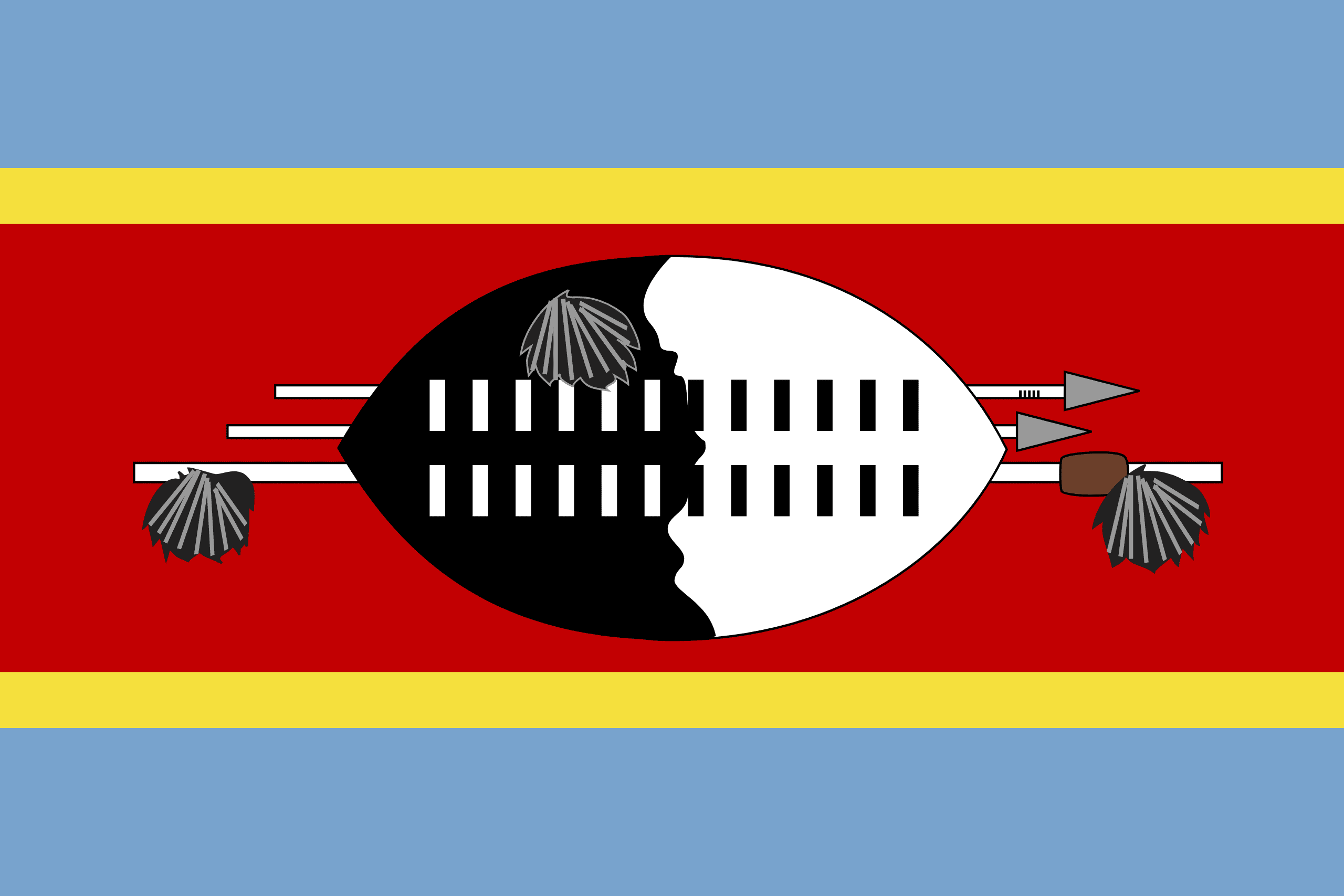
The flag of Eswatini is rich with national symbolism. It has a broad central red band, bordered by yellow stripes and then blue bands, with a black and white Nguni shield, two spears, and a staff decorated with tassels laid across the red. The blue stands for peace, the yellow for the country's mineral resources, and the red for past battles. The shield and weapons represent protection from the nation's enemies, and the fact that the shield is both black and white is taken to symbolise racial harmony.
The majority of people in Eswatini are Christians, the result of missionary activity, belonging to a range of Protestant churches, including large independent African churches that weave together Christian and traditional elements, as well as the Roman Catholic Church. Traditional Swazi beliefs, centred on reverence for ancestors and the spiritual role of the monarchy, remain deeply influential and are often blended with Christianity. The king and the royal family hold an important spiritual as well as political place in national life.
Swazi cuisine is based on the produce of a farming and herding country. Maize is the staple, ground and cooked into a stiff porridge eaten with relishes, and sorghum is used both as food and to brew a traditional beer central to ceremonies. Meat, especially beef from the cattle that are a measure of wealth and status, is prized for special occasions, and dishes of vegetables, beans, and pumpkin, along with sour-milk products, complete a simple, hearty traditional diet.
Agriculture is important to Eswatini both for subsistence and for export. Most rural families grow maize and other food crops and raise cattle, which carry great cultural as well as economic value. On a larger commercial scale, the country is a significant producer of sugar, grown on irrigated estates in the lowveld and forming a major export, along with wood pulp from its forests and citrus and other fruit. The contrast between commercial estates and small family farms is a feature of the rural economy.
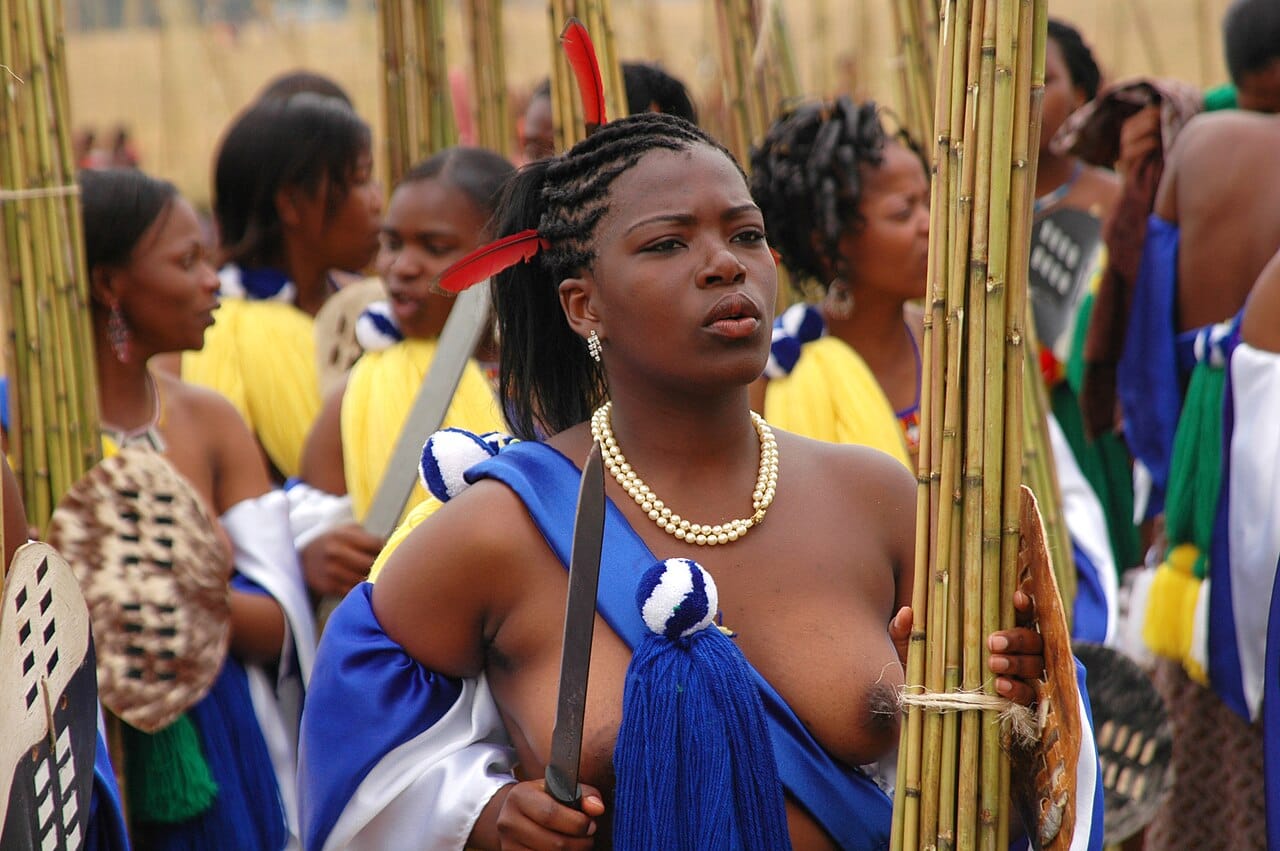
Culture and ceremony are the beating heart of Swazi identity, and Eswatini is famous for royal rituals that have few equals anywhere. The most spectacular is the Umhlanga, or Reed Dance, in which tens of thousands of young unmarried women dance before the queen mother and the king, while the sacred Incwala, the kingship ceremony, renews the monarch and the nation each year. These living traditions, along with the distinctive dress, music, and dance of the Swazi, give the small country a strong and unbroken sense of who it is, and are a source of deep national pride even amid debate over the political system they uphold.
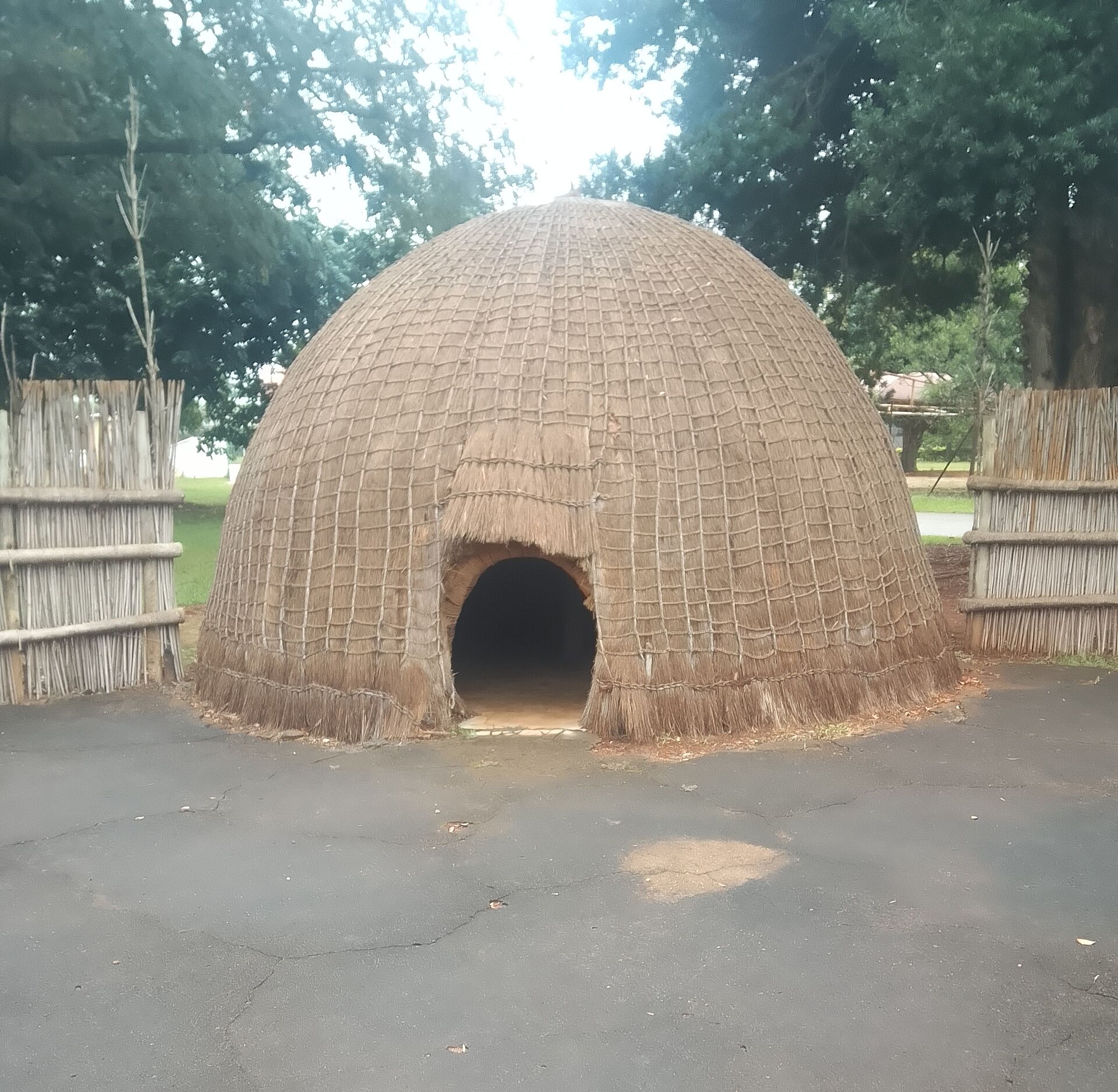
Eswatini has a population of around 1.2 million people, almost all of them ethnic Swazi, a Bantu people sharing a single language, siSwati, alongside the official English, and a strong common culture, which makes the country one of the more homogeneous in Africa. The population is largely rural and concentrated in the central middleveld, and the country has two capitals, the administrative Mbabane and the royal and legislative Lobamba. Eswatini has been heavily affected by the regional HIV epidemic.