Estonia is the northernmost of the three Baltic states, a small country on the eastern shore of the Baltic Sea, just across the water from Finland. A flat, forested land of bogs, lakes, and more than two thousand islands, it has a culture closely linked to its Finnish neighbours, with whom it shares a related language. Once occupied by larger powers for much of its history, Estonia has reinvented itself since independence as one of the most digitally advanced societies in the world.
Estonia's history is that of a small Finnic people long ruled by others, who found a national voice in song, won and lost their freedom, and reclaimed it to build one of the most modern societies on Earth.
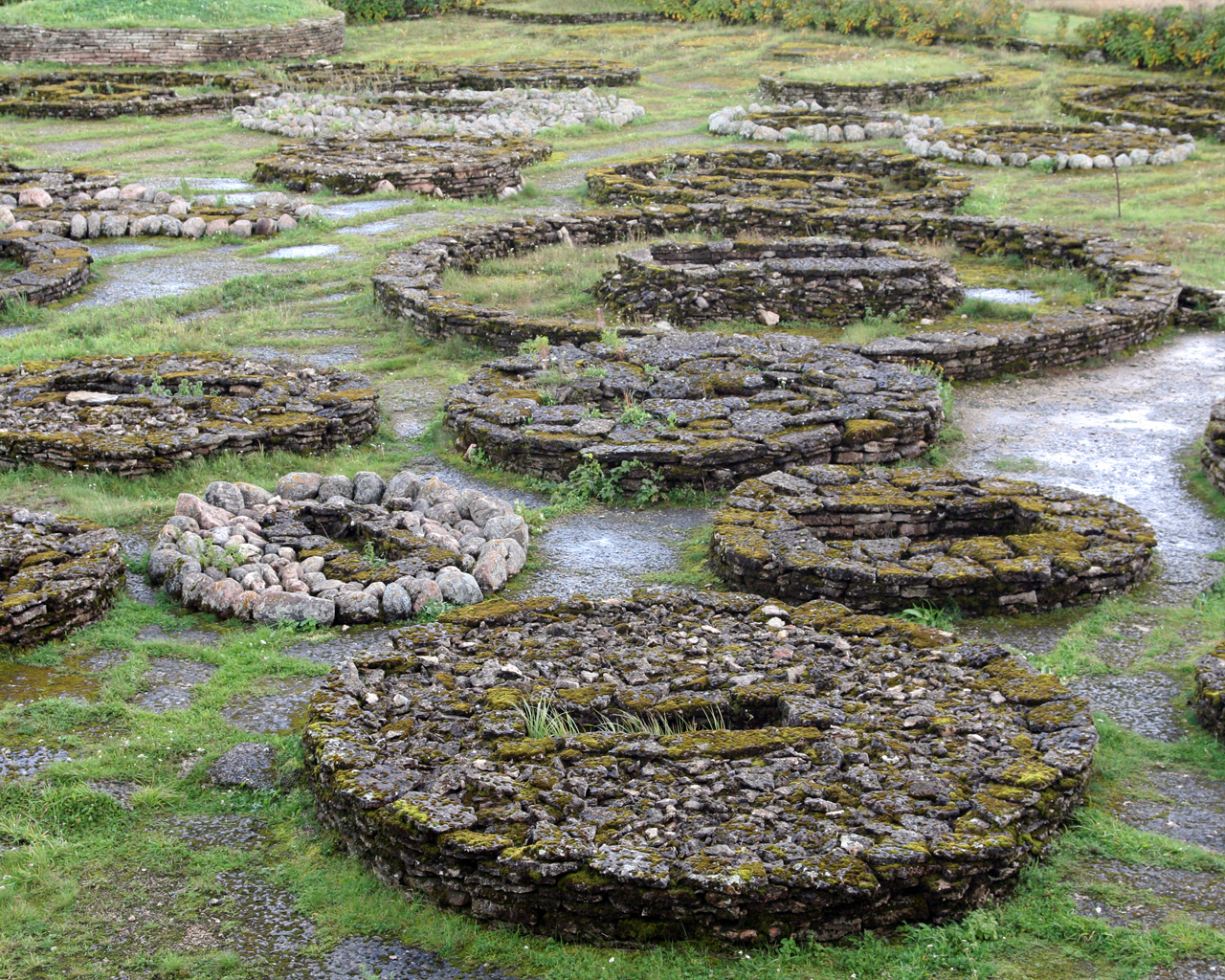
The ancestors of the Estonians, a Finnic people akin to the Finns, settled these shores thousands of years ago, leaving Bronze Age stone graves and living in a patchwork of independent counties. They kept their pagan faith and their freedom until the thirteenth century, later than most of Christian Europe.
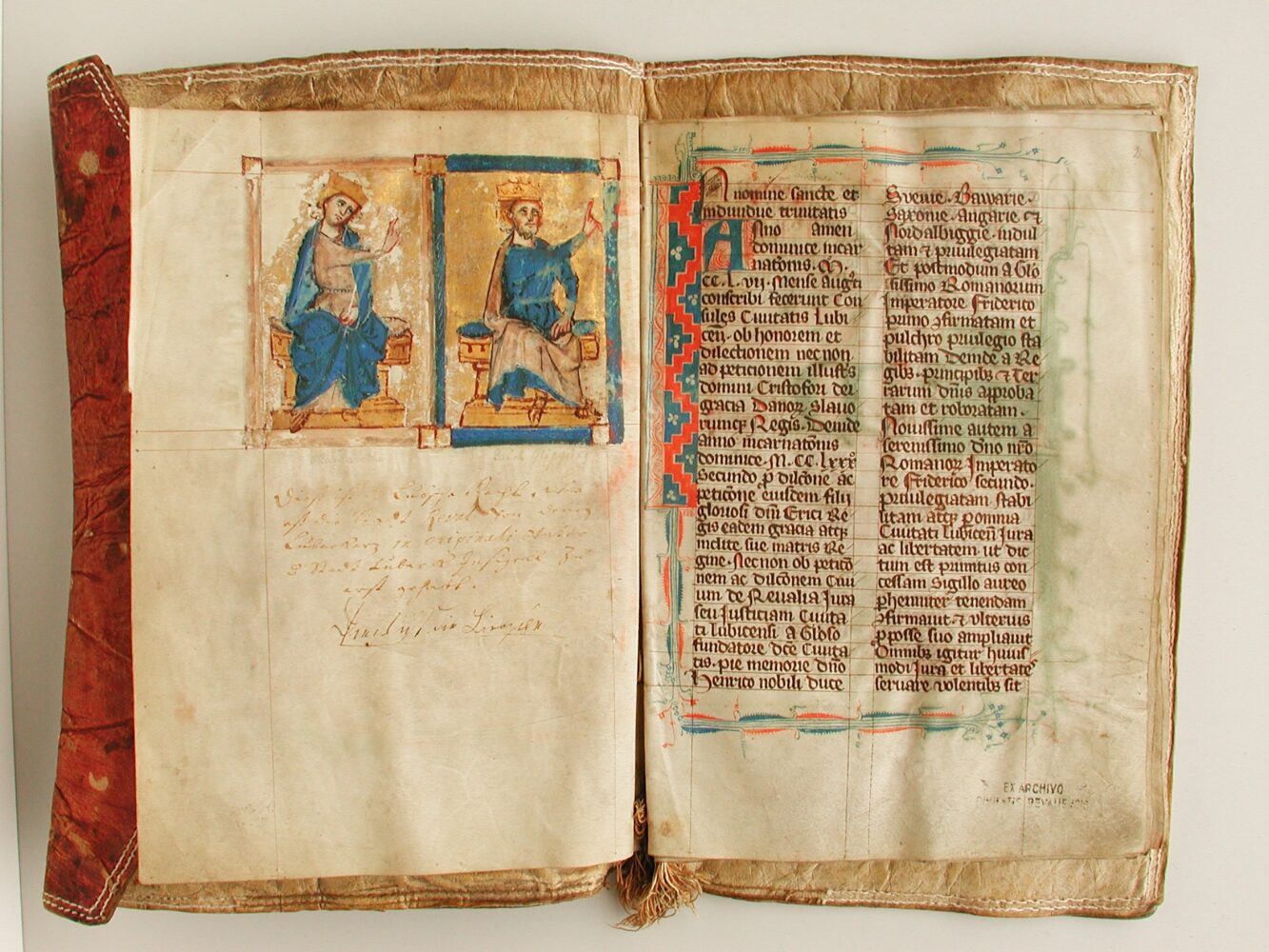
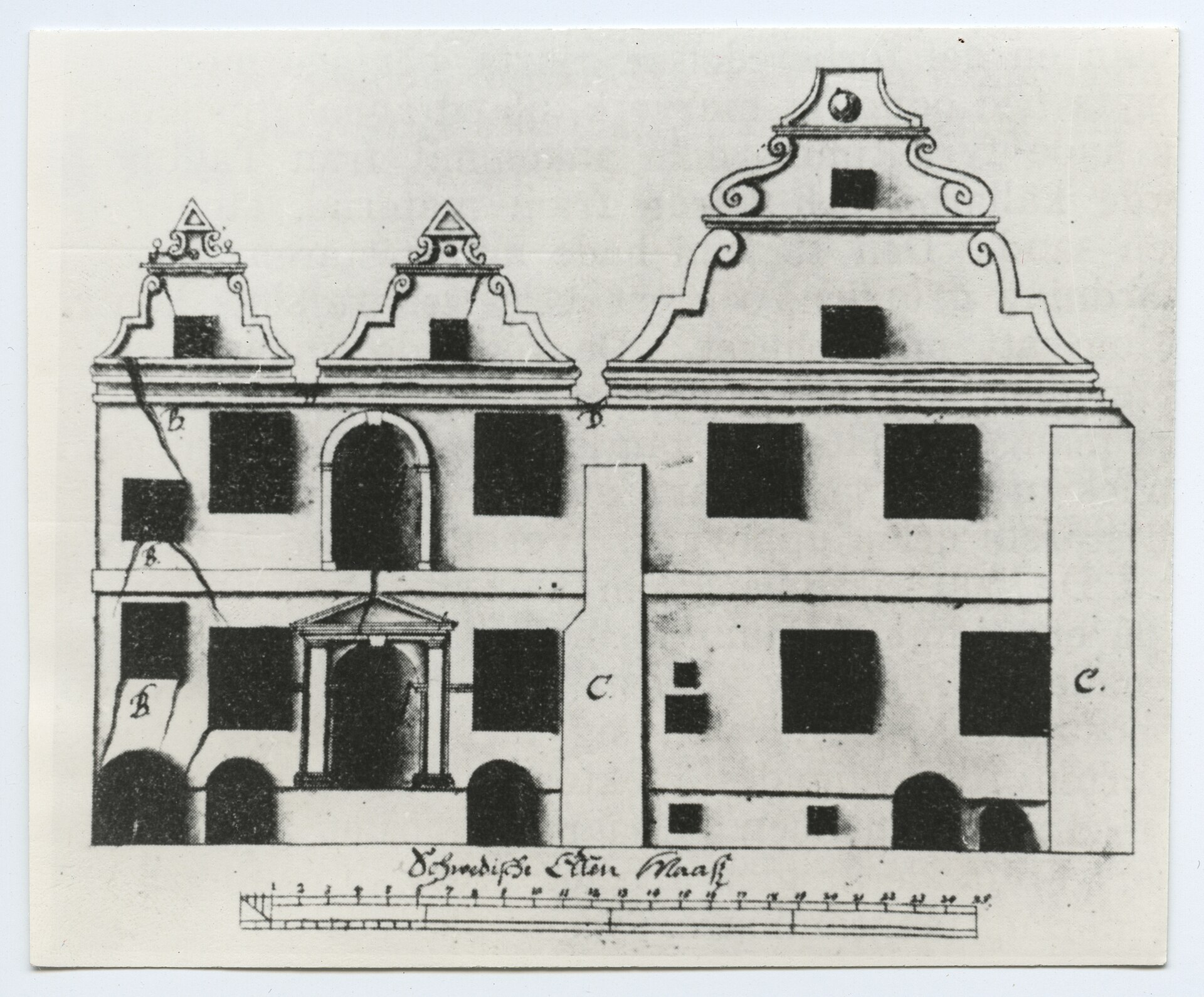
In the thirteenth century German crusaders conquered the land, bringing Christianity and a German-speaking nobility that would lord over the Estonian peasantry for centuries. Tallinn flourished as a Hanseatic trading port, governed by German law, while the country as a whole passed in turn under Danish, Swedish, and finally Russian rule.
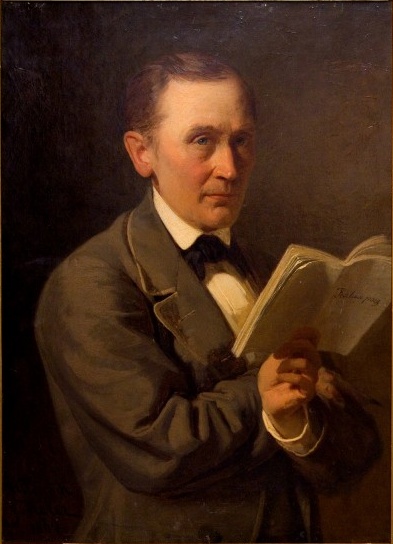
In the nineteenth century, as elsewhere in Europe, an Estonian national awakening stirred. Scholars and writers championed the Estonian language and folklore, above all Friedrich Reinhold Kreutzwald, who wove folk tales into the national epic, the Kalevipoeg, while the University of Tartu became a centre of learning, and great song festivals began to give the nation a collective voice.
Amid the collapse of the Russian Empire, Estonia declared independence in 1918 and defended it in a war of independence, enjoying two decades of freedom. That freedom was extinguished by the Soviet annexation of 1940, followed by Nazi occupation and then the return of the Soviets in 1944, an era of deportations to Siberia and of exile for many.
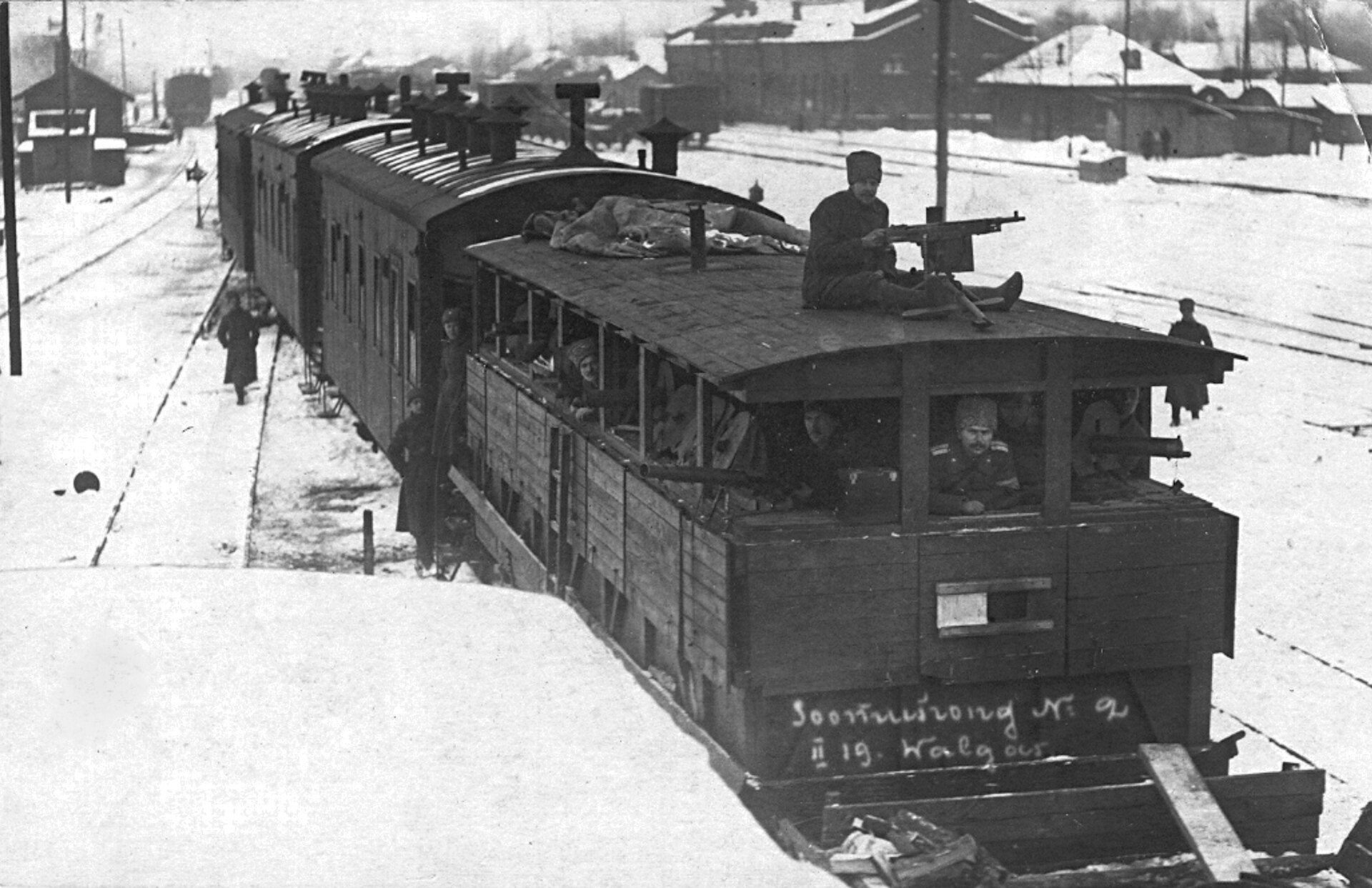
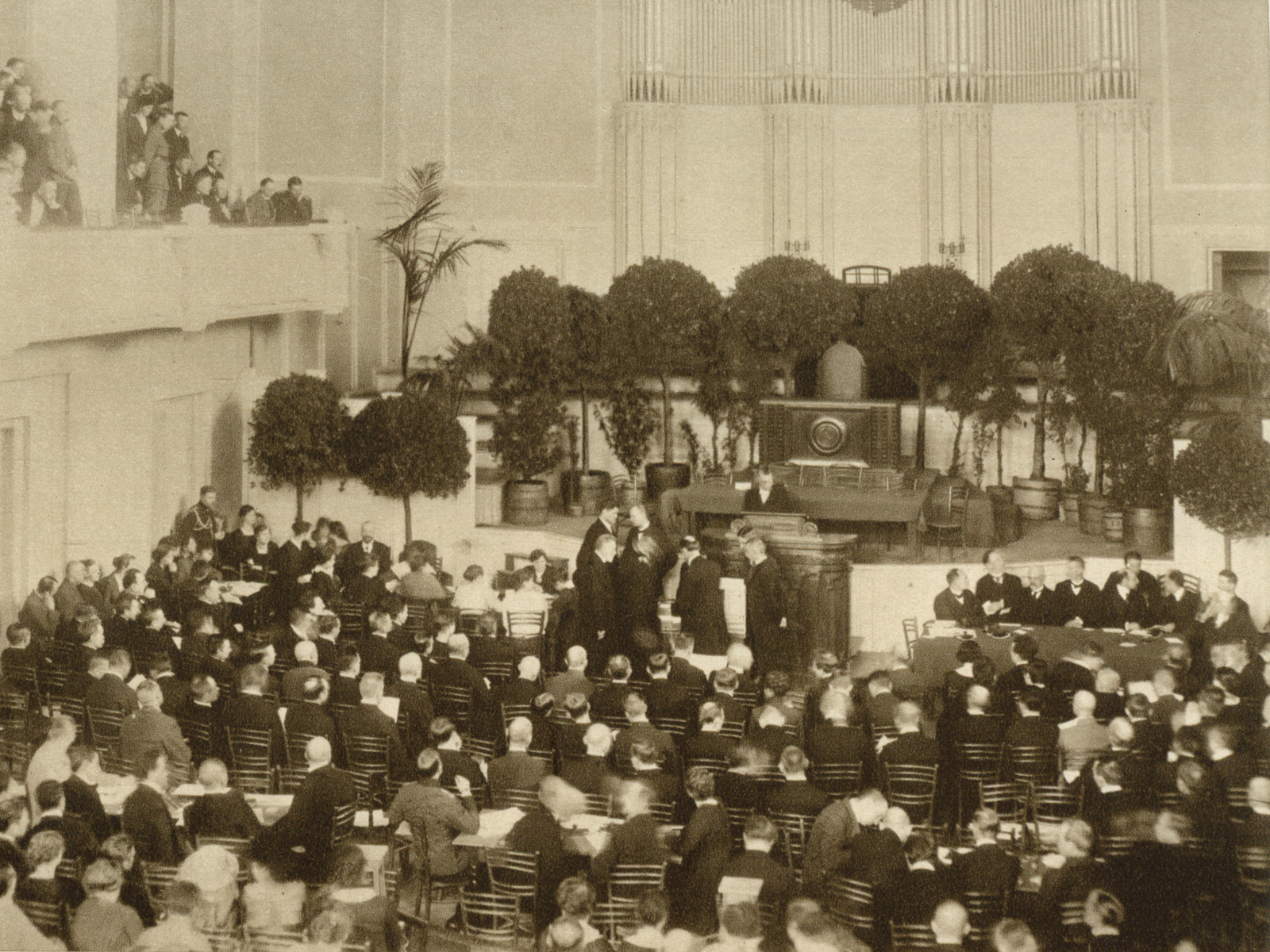
Estonians never accepted Soviet rule, and in the late 1980s they led the peaceful Singing Revolution, mass gatherings at which forbidden national songs were sung in open defiance, and joined the Baltic Way human chain. Independence was restored, without bloodshed, as the Soviet Union collapsed in 1991.
Estonia is low-lying and flat, much of it covered by forest, along with extensive bogs and wetlands and thousands of lakes. Its long, indented coastline faces the Baltic Sea, and the country includes more than two thousand islands, the largest of which preserve old rural traditions. The climate is cool and maritime, with snowy winters and mild summers. Sharing the eastern shore of the Baltic with its neighbours, Estonia looks naturally toward the sea and toward nearby Finland.
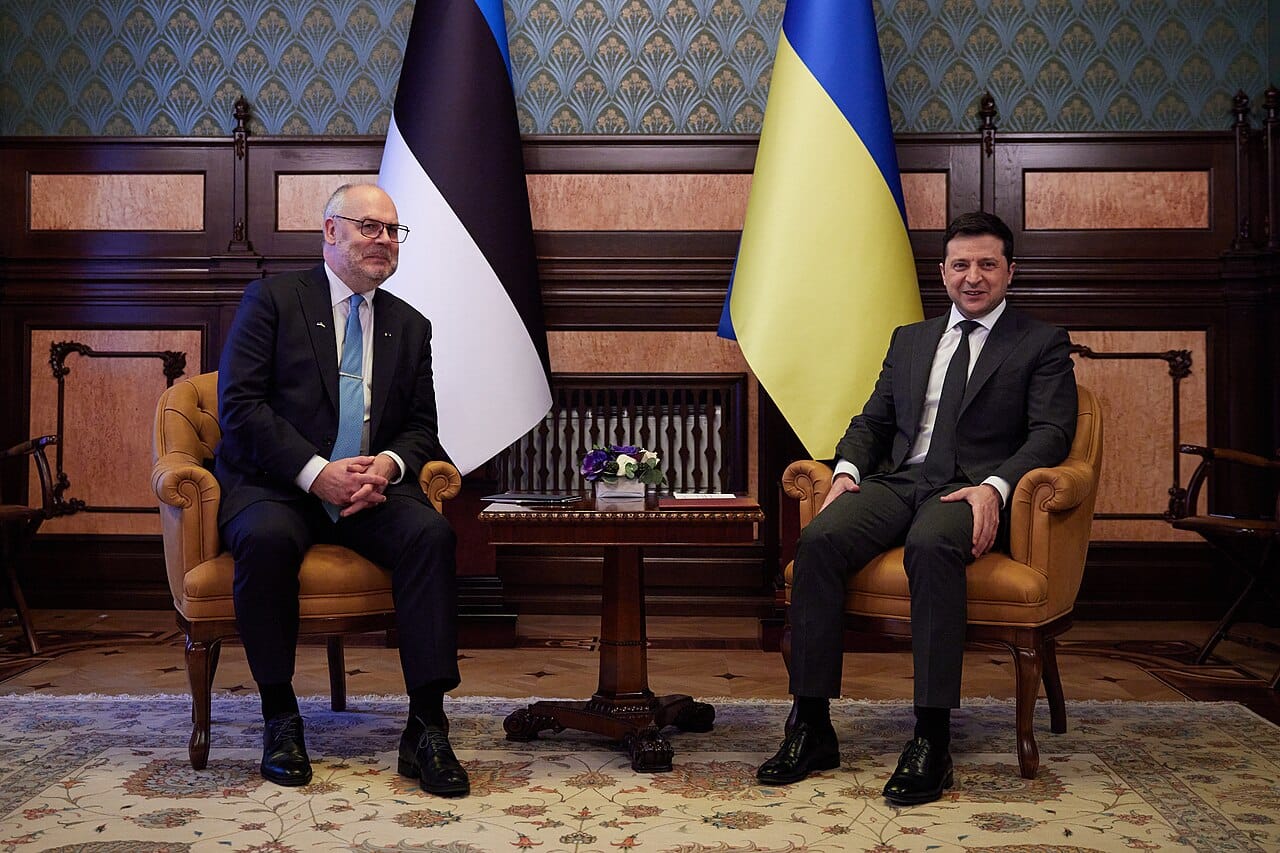
Estonia is a parliamentary republic, a member of the European Union and NATO since 2004 and of the eurozone. Its parliament, the Riigikogu, chooses the government and elects a largely ceremonial president, an office held since 2021 by Alar Karis. The prime minister leads the government; the post passed in 2024 to Kristen Michal, after his predecessor, Kaja Kallas, left to become the European Union's chief diplomat, a striking sign of the outsized role this tiny nation plays in European affairs. Estonia is a stable, business-friendly democracy that has bound itself tightly to the West and made itself a notably influential voice, above all on security and on support for Ukraine.
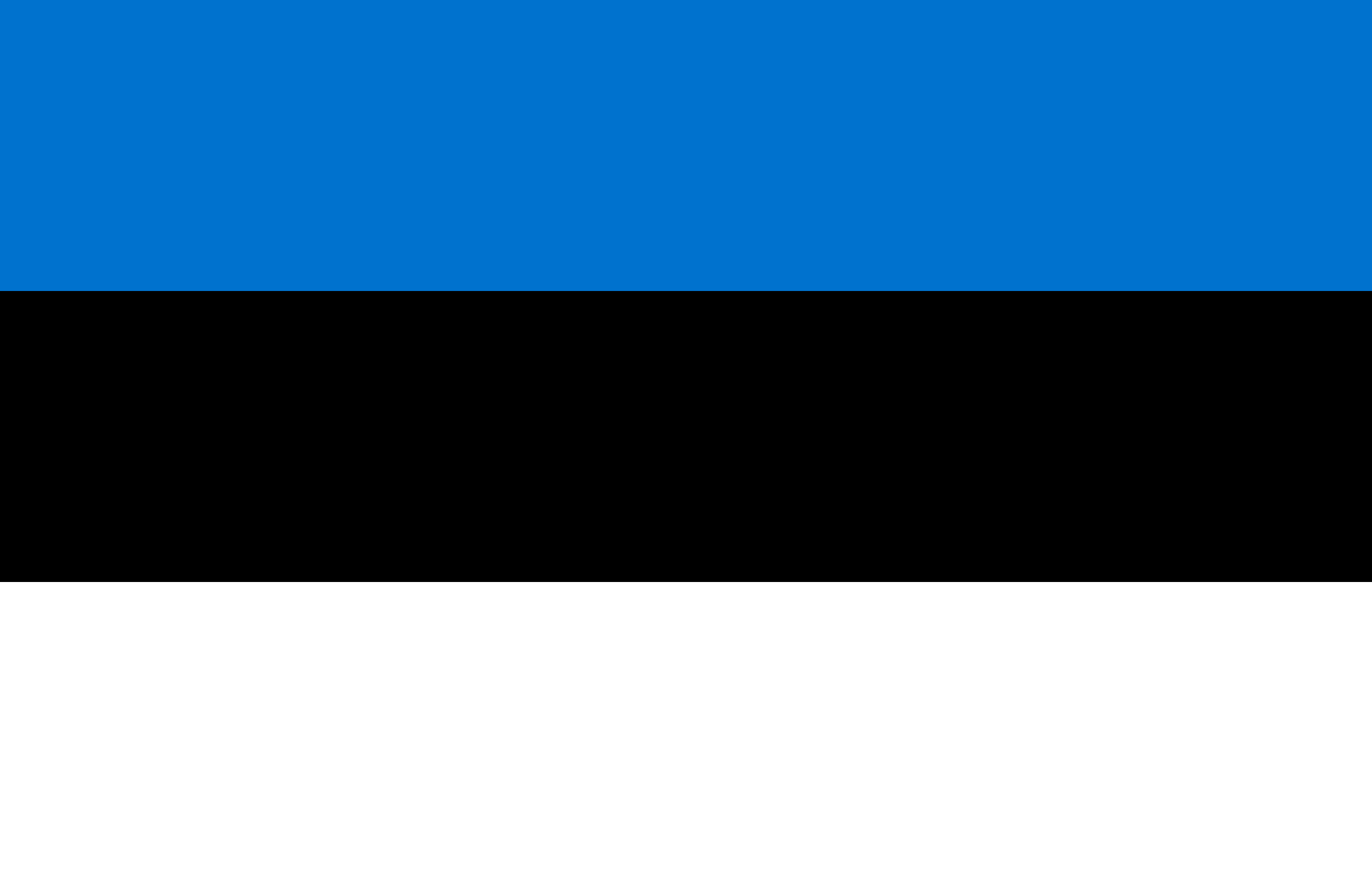
The flag of Estonia has three horizontal bands of blue, black, and white. The colours are rich with meaning for Estonians: the blue is often said to represent the sky, the sea, and lakes, and loyalty, the black the dark soil of the homeland and the hardships endured by the people, and the white snow, birch bark, and the aspiration to freedom and hope. The flag, born of the nineteenth-century national awakening, was a powerful symbol during the struggle for independence.
Estonia is one of the least religious countries in the world, with a very large share of the population reporting no religious affiliation. Historically the country was Lutheran, a legacy of German and Swedish influence, with a smaller Orthodox community, and these churches remain part of the cultural landscape. The weak hold of organised religion is partly a legacy of the Soviet period, and modern Estonian identity is tied more to language, nature, and a strong tradition of song than to faith.
Estonian cuisine is simple and hearty, shaped by a cool northern climate and the produce of the forest, farm, and sea. Dark rye bread is a beloved staple, eaten with nearly every meal, alongside pork, potatoes, and dairy products such as curd. Fish from the Baltic, herring and others, features strongly, often pickled or smoked. Wild berries, mushrooms, and game gathered from the abundant forests are cherished, reflecting Estonians' close relationship with their natural surroundings.
Estonia's cool climate and large areas of forest and bog limit farming, which centres on dairy and livestock and the growing of hardy grains such as barley and rye, along with potatoes. Much of the country is wooded, and forestry and timber are important to the economy. Since independence, Estonian agriculture has modernised, and the country has placed a strong emphasis on its clean environment and on organic farming amid its forests, lakes, and unspoiled countryside.
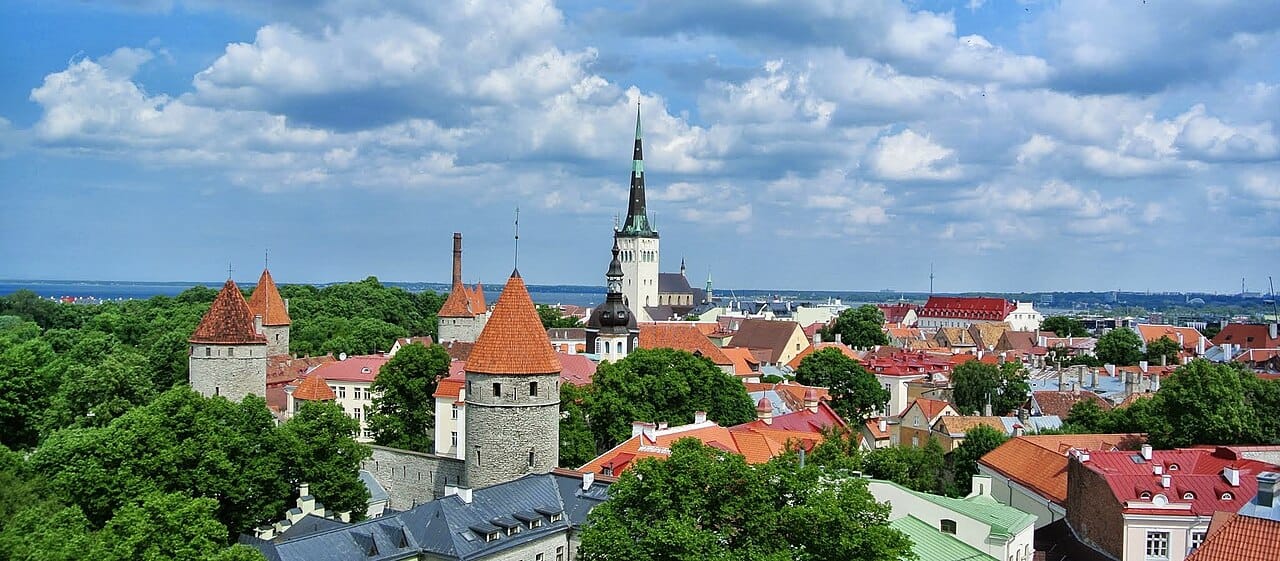
Estonian culture is quiet, nature-loving, and bound to its Finnic roots, sharing much with neighbouring Finland, including a related language and a deep attachment to the forest, the sauna, and the sea. Its supreme cultural expression is song: the vast Song Festival, held every five years, gathers a chorus of tens of thousands, and it was through such singing that the nation kept its identity and won back its freedom. The medieval old town of Tallinn, one of the best preserved in Europe, is a treasure of the past, even as Estonians have become famous for embracing the future more wholeheartedly than almost any people on Earth.
Since regaining independence, Estonia has reinvented itself as the most digitally advanced society in the world. Almost all public services, from voting and taxes to banking and health records, are conducted securely online through a digital identity that nearly every citizen carries; the country pioneered internet voting and a scheme of e-residency that lets foreigners register businesses online, and it was the birthplace of Skype. This bold digital leap has a hard-edged counterpart, for Estonia sits on NATO's front line. After a dispute over a Soviet war memorial in 2007, it suffered one of the first major cyberattacks on a state, widely blamed on Russia, and responded by becoming a hub of Western cyber-defence. A front-line nation with a Russian-speaking minority along its eastern border, it has also been among Ukraine's staunchest and most generous supporters against the Russian invasion.
Estonia has a population of around 1.4 million people, the great majority ethnic Estonians, a Finnic people whose language is closely related to Finnish, with a sizeable Russian-speaking minority, especially in the eastern border city of Narva, a legacy of the Soviet period. The population is small, ageing, and largely urban, concentrated in the medieval capital, Tallinn, whose preserved old town is a treasure. Estonia is famous for its embrace of digital technology, with much of public life conducted online.