Ecuador is a country on the northwestern coast of South America, named for the equator that runs through it. Despite its small size, it holds a remarkable range of worlds: a Pacific coast, the high Andes mountains, a stretch of the Amazon rainforest, and, far out in the ocean, the Galapagos Islands, whose unique wildlife helped inspire the theory of evolution. This compact diversity makes it one of the most biologically rich countries on Earth.
Ecuador's history reaches from some of the oldest cultures of the Americas, through the Inca and the Spanish, to a small Andean republic that has lately been shaken by a wave of violence.
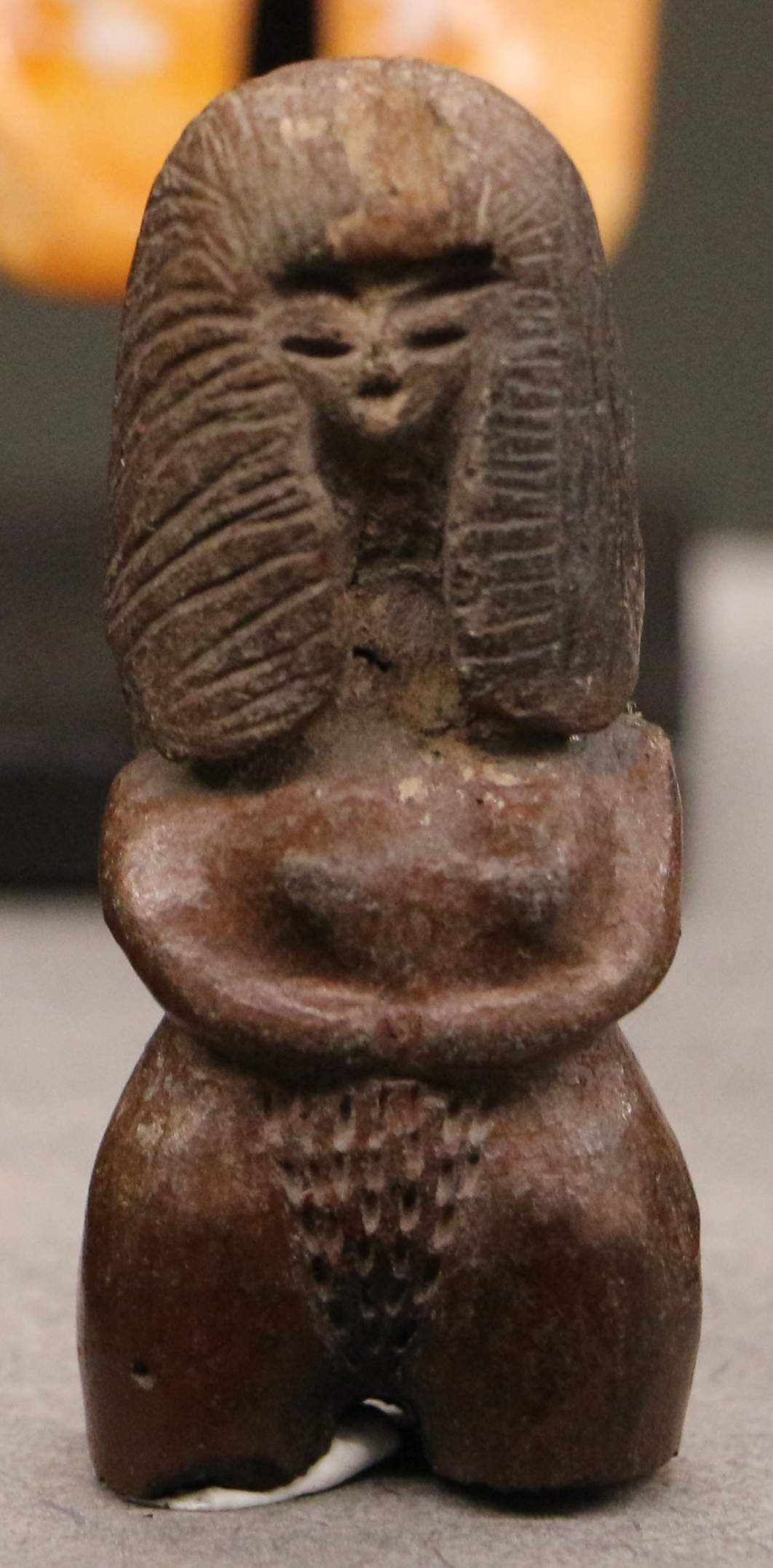
The land of Ecuador was home to advanced peoples thousands of years ago, among them the Valdivia, who made some of the oldest pottery known anywhere in the Americas, along with a succession of coastal and highland cultures skilled in ceramics, metalwork, and trade.
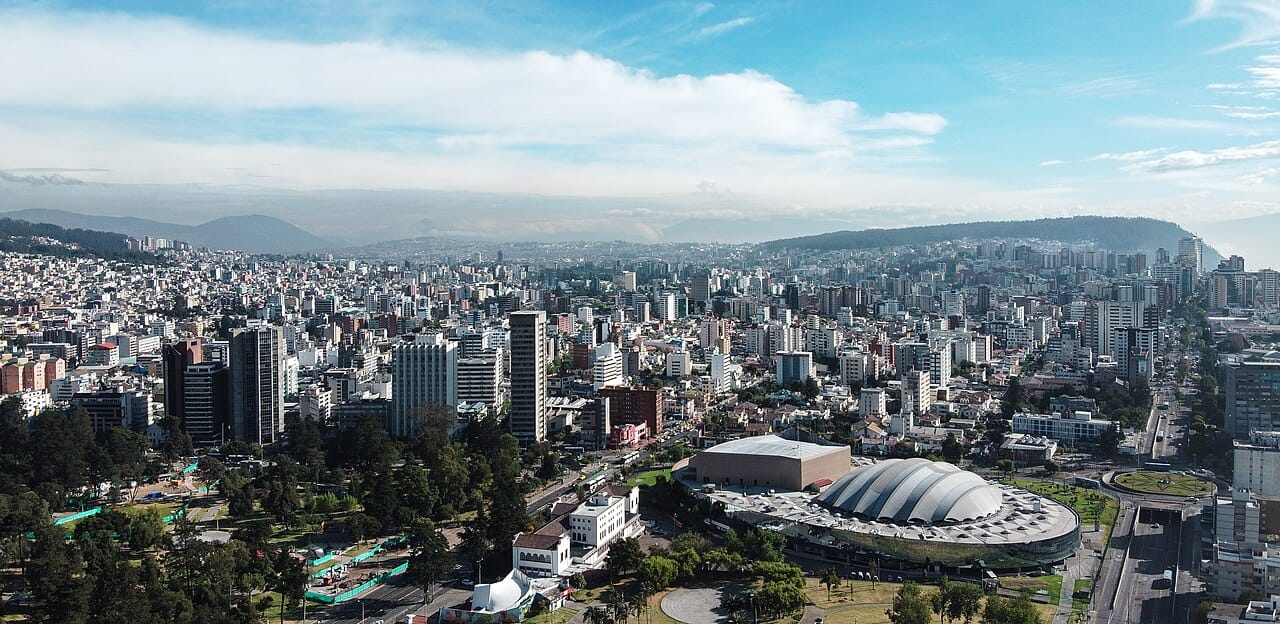
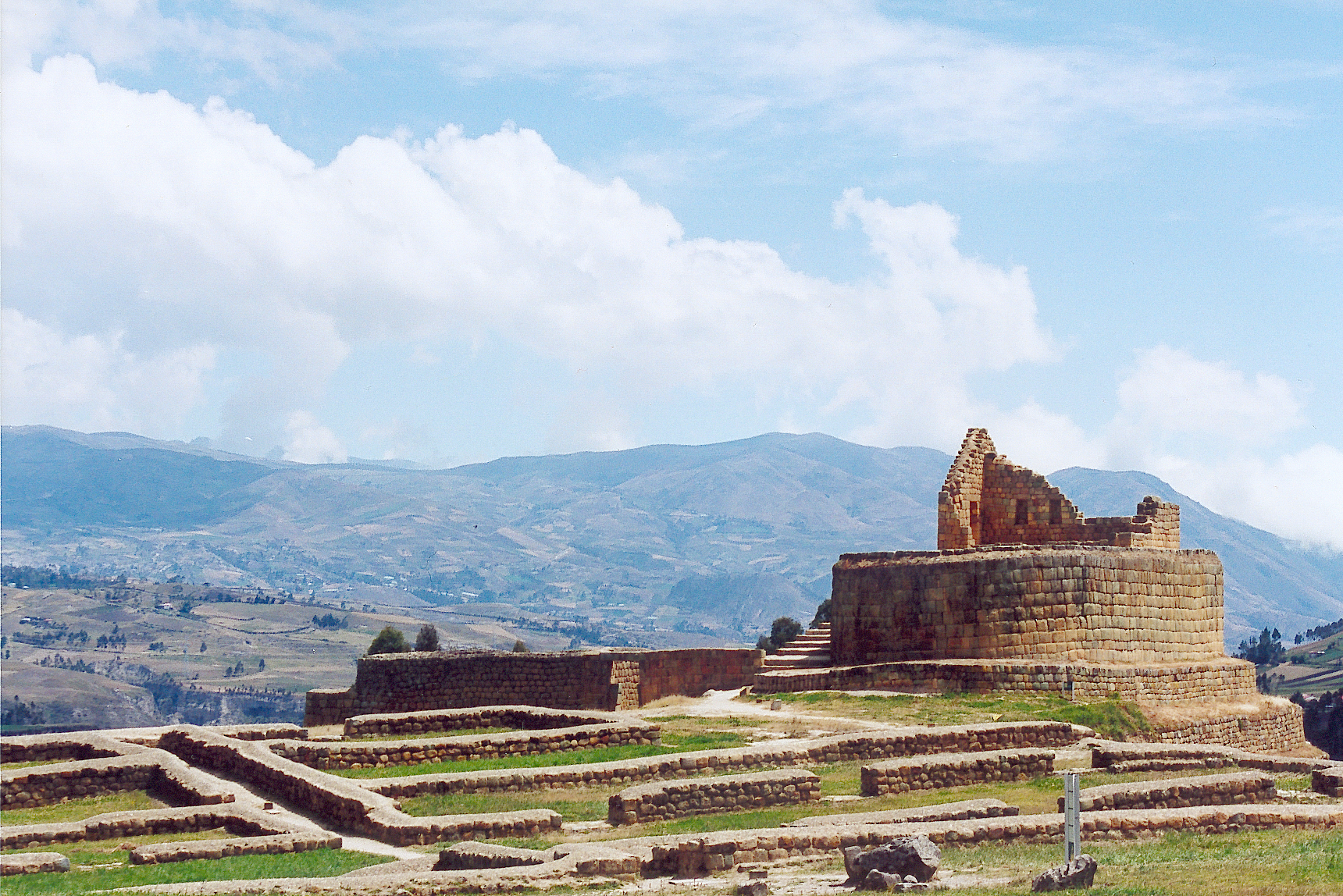
Not long before the Europeans arrived, the region was absorbed into the northern reaches of the Inca Empire, with Quito rising as a great Inca centre. Spanish conquistadors then seized the land in the sixteenth century, and it became a Spanish colonial domain, the Real Audiencia of Quito, whose capital grew into one of the most beautiful cities of the Americas.
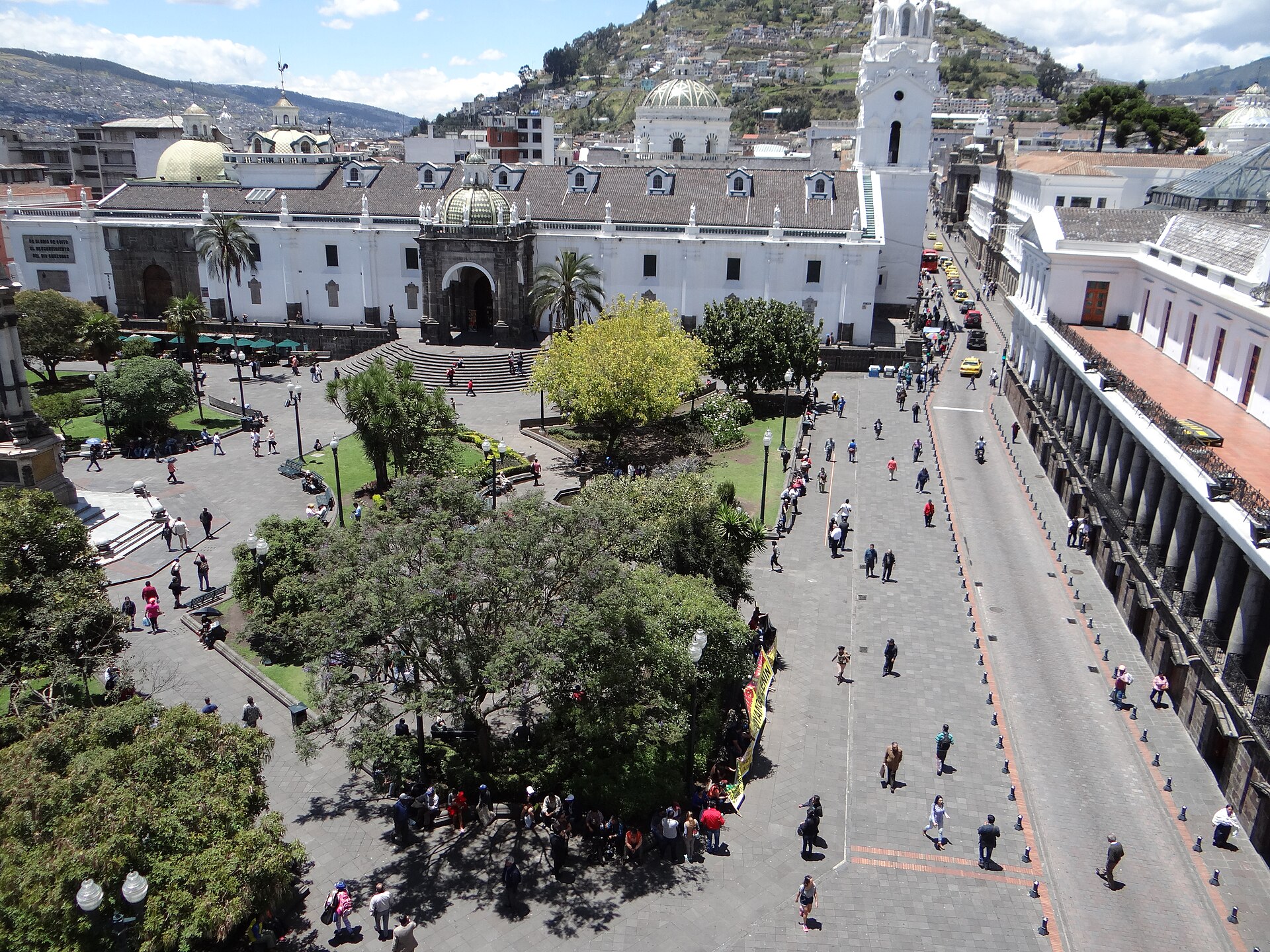
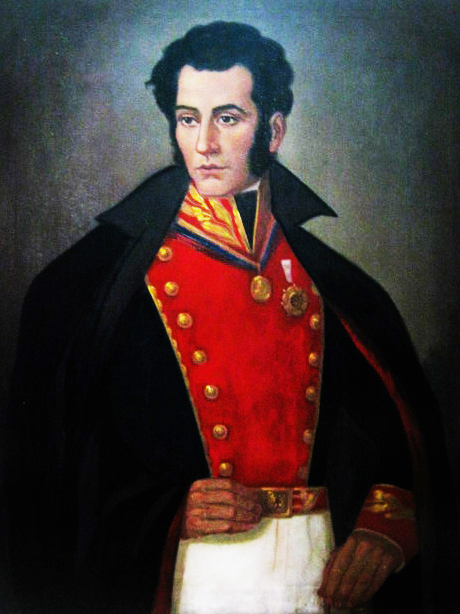
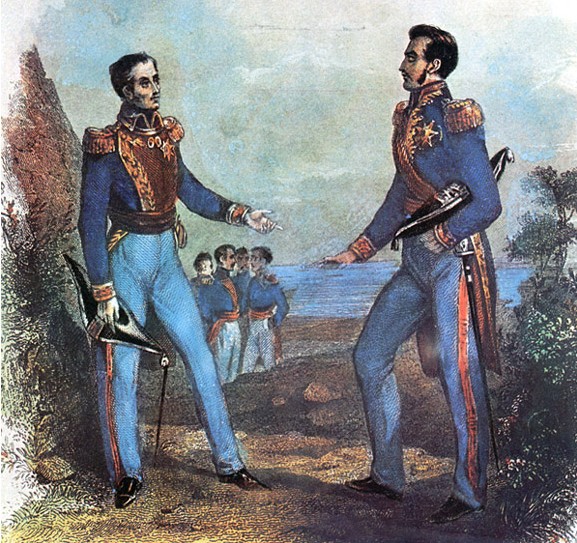
Independence was won in 1822 at the Battle of Pichincha, on the slopes above Quito, in a campaign led by Bolivar's brilliant lieutenant Antonio Jose de Sucre. Ecuador at first joined Bolivar's grand union of Gran Colombia, whose fate was debated at a famous meeting of the liberators in Guayaquil, before leaving to become a separate republic in 1830.
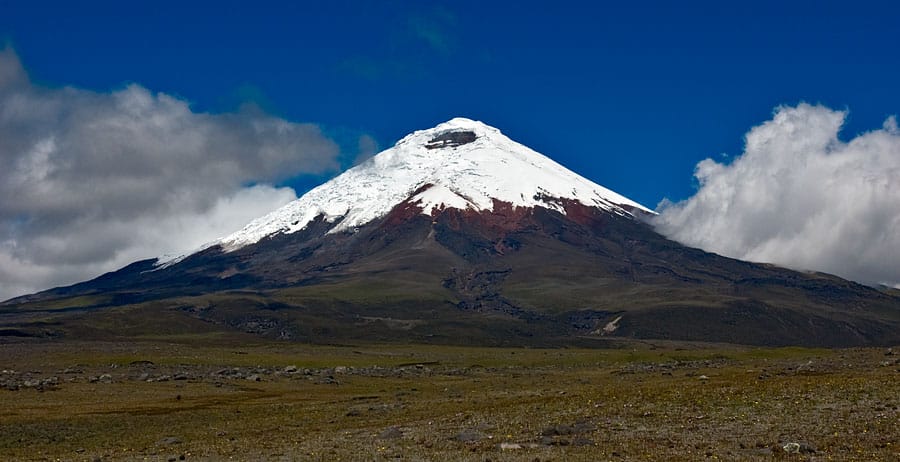
Ecuador is divided into four strikingly different regions: the warm Pacific coast with its plains and ports, the cool highlands of the Andes running down the centre with a chain of volcanoes, the Amazon rainforest spilling across the east, and the volcanic Galapagos Islands far out in the Pacific. The towering volcano Chimborazo, because of the planet's bulge at the equator, has a summit that is the farthest point on the Earth's surface from the centre of the planet.
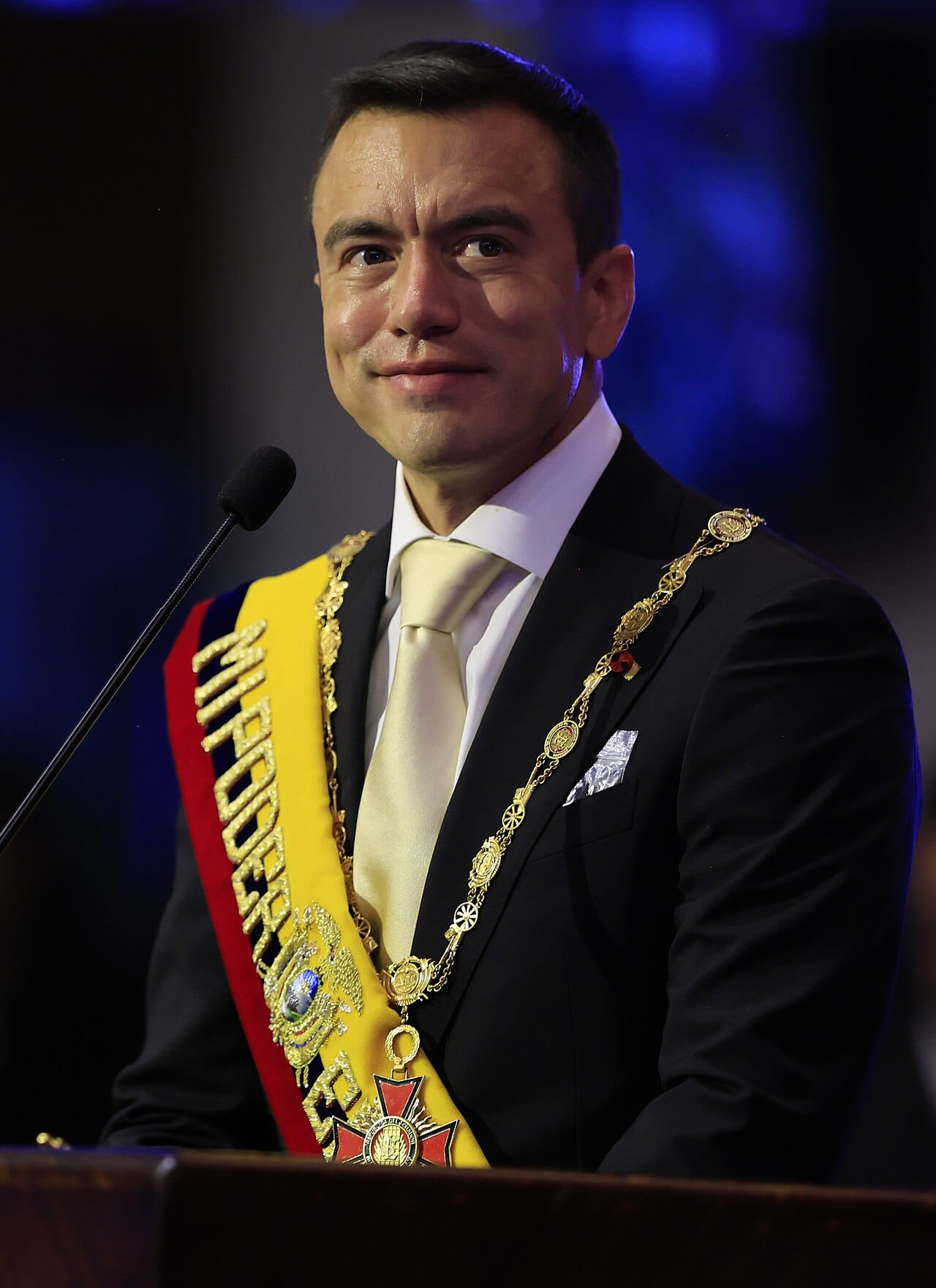
Ecuador is a presidential republic that has seen turbulent politics and frequent changes of leadership. A defining moment came in 2000, when, after a banking collapse and hyperinflation, the country abandoned its own currency and adopted the United States dollar, which it uses to this day, giving it monetary stability at the cost of control over its own money. The president since late 2023 is Daniel Noboa, a young businessman and heir to a banana fortune, first elected in a snap poll and returned to office in 2025, who has staked his government above all on confronting the violent crime that has engulfed the country.
Ecuador has a modest, dollarised economy resting on a handful of exports. Oil, drawn from the Amazon, is the largest earner and a mainstay of the state's finances, though a volatile one. Agriculture is the other pillar: Ecuador is the world's largest exporter of bananas, a leading source of the fine-flavour cacao prized by chocolate makers, and a big exporter of farmed shrimp and of cut flowers, especially roses flown to markets worldwide. The use of the US dollar has kept inflation low but leaves the country exposed to swings in commodity prices and unable to soften shocks by adjusting its currency.
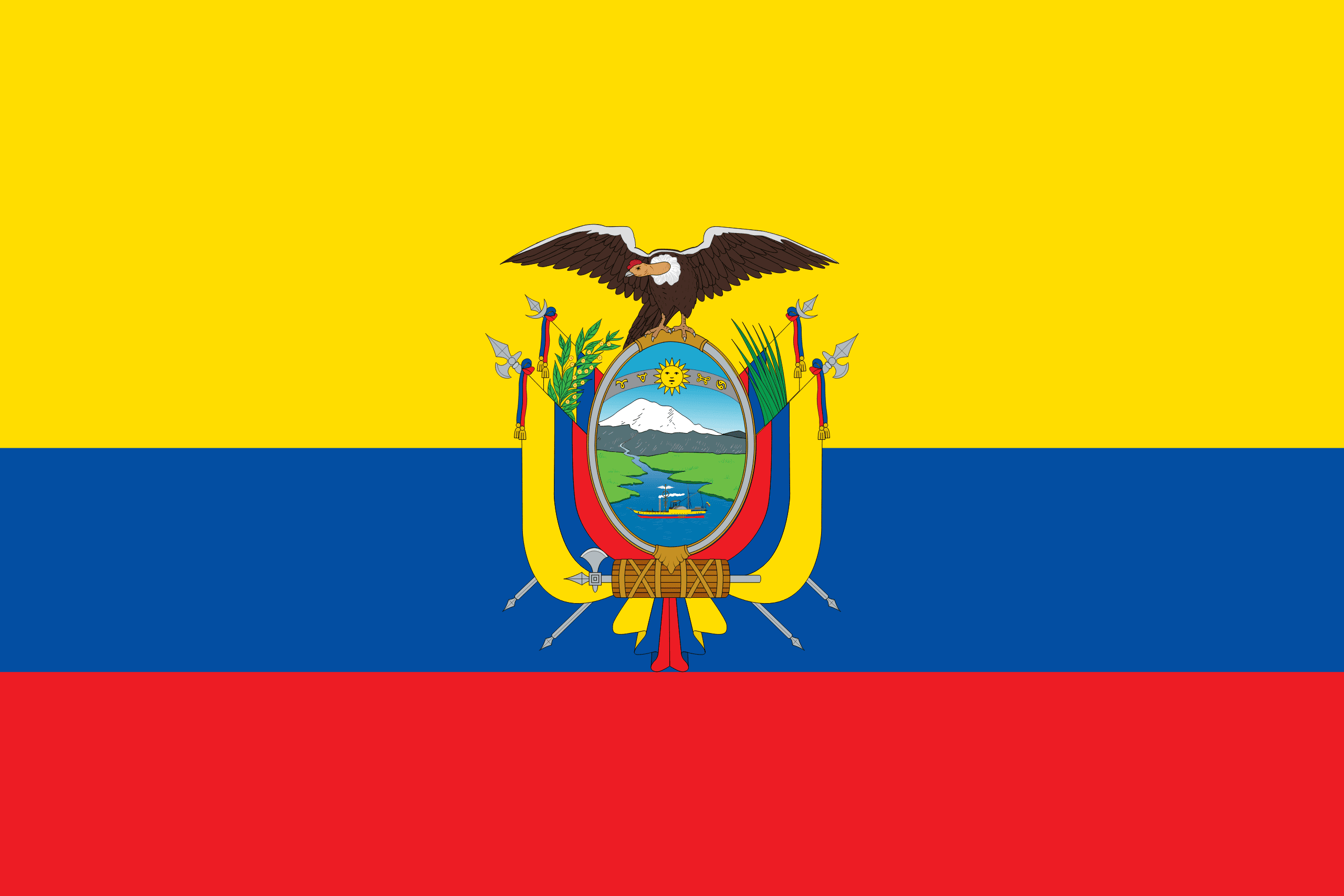
The flag of Ecuador has three horizontal bands, a broad yellow band over blue and red, with the national coat of arms in the centre. The colours are shared with Colombia and Venezuela, the partners in Bolivar's former Gran Colombia, and are often interpreted as yellow for the land's abundance, blue for the sea and sky, and red for the blood of heroes. The coat of arms features the condor and the volcano Chimborazo above a steamship on a river.
Ecuador is a predominantly Roman Catholic country, the faith brought by Spanish colonisation, which remains influential in its festivals, traditions, and family life, though the share identifying as Catholic has declined and evangelical churches have grown. In the highlands and the Amazon, indigenous communities often blend Catholic practice with their own ancestral beliefs, honouring the earth and the mountains. Religion continues to shape the rhythm of the year and the culture of the country.
Ecuadorian cuisine varies by region, from the seafood of the coast to the hearty highland fare of the Andes. A coastal favourite is ceviche, seafood marinated in citrus, and encebollado, a fish soup, is considered a national dish. In the mountains, dishes feature potatoes, corn, and, on special occasions, roast guinea pig, an Andean tradition. Plantains, both sweet and savoury, are eaten throughout the country, reflecting its tropical bounty.
Ecuador's varied climate makes it an important agricultural exporter. It is the world's largest exporter of bananas, a mainstay of its economy, and a renowned source of fine-flavour cacao, prized by chocolate makers. The cool highlands grow flowers, especially roses, which are flown to markets around the world, along with coffee, and the coast produces shrimp from extensive farms. This agricultural wealth, alongside oil, underpins the national economy.
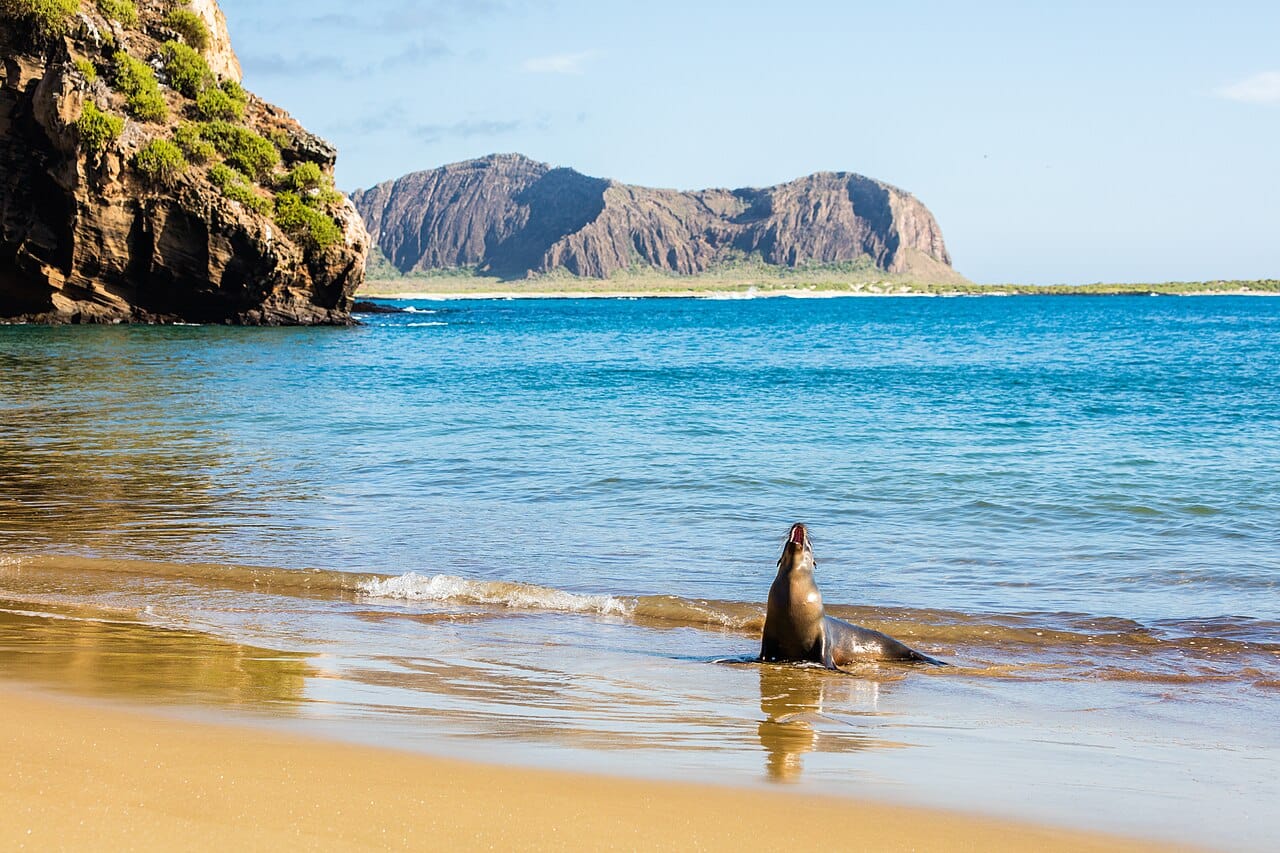
Ecuadorian culture is shaped by its geography, differing sharply between the Andean highlands and the tropical coast, and by a strong indigenous presence, with peoples such as the Kichwa keeping their languages and traditions alive, especially in the sierra and the Amazon. Catholic festivals, Andean music played on pipes and charango, and a rich craft tradition of weaving and markets, above all the famous market of Otavalo, run through national life. Ecuador's most celebrated gift to the world lies far offshore, in the Galapagos Islands, whose extraordinary and fearless wildlife, observed by the young Charles Darwin in 1835, helped inspire the theory of evolution by natural selection.
Ecuador's most urgent crisis is a shocking and sudden explosion of violence. Once one of the more peaceful countries in the region, it has in a few years become one of the most dangerous in the Americas, as its Pacific ports turned into a major route for cocaine moving from Colombia and Peru to the world, and rival gangs, tied to powerful foreign cartels, went to war over the trade. Prisons became battlegrounds where hundreds died in massacres, an anti-corruption presidential candidate was assassinated in 2023, and in early 2024 gunmen even seized a television studio during a live broadcast. The government responded by declaring an internal armed conflict and sending the army against the gangs, a hard-line campaign that has drawn both relief and concern for civil liberties. How to restore security without sacrificing rights, and how to break the grip of the drug economy, are the questions that now dominate Ecuadorian life.
Ecuador has a population of around 18 million people, a mix of mestizos of combined European and indigenous heritage, sizeable indigenous communities especially in the highlands and Amazon, and people of African and European descent on the coast. Spanish is the main language, alongside indigenous tongues such as Quechua. The population is split between the two largest cities, the highland capital Quito and the coastal port of Guayaquil, with the rest spread across the country's varied regions.