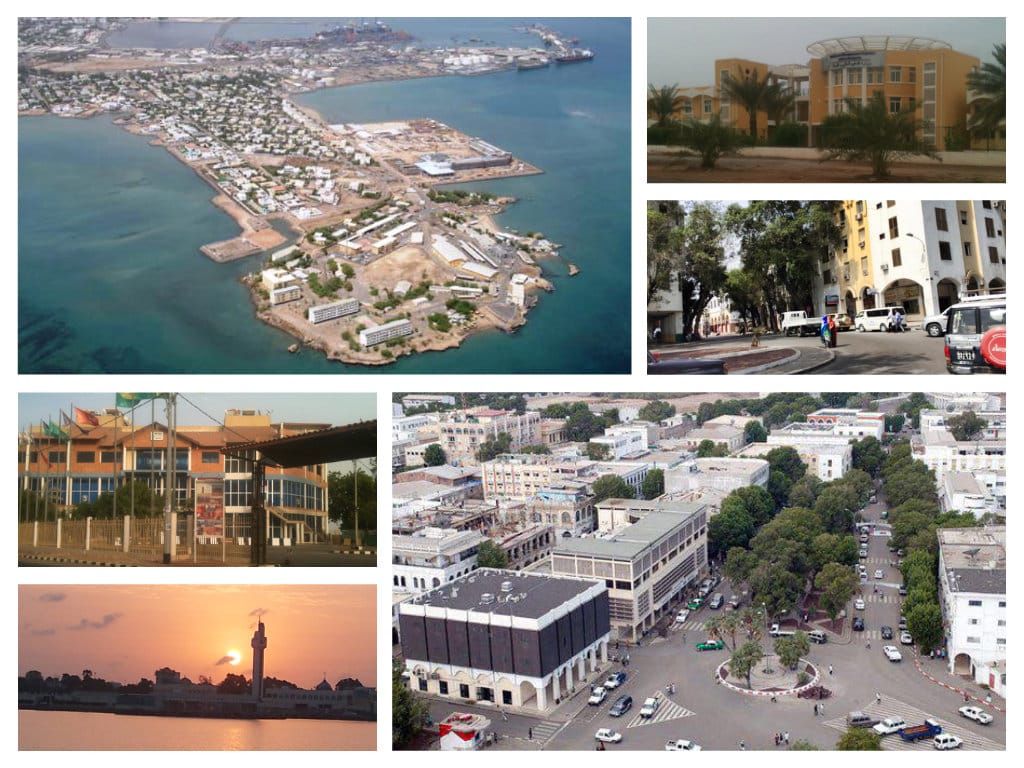
Djibouti is a small country in the Horn of Africa, strategically placed at the southern entrance to the Red Sea, where it meets the Gulf of Aden, guarding one of the busiest and most important shipping lanes in the world. A hot, dry, and volcanic land of salt lakes and desert, it is small in size and population but large in geopolitical importance, hosting military bases of several world powers and serving as the gateway to the sea for its vast, landlocked neighbour Ethiopia.
Djibouti is a small country that has mattered to large ones for four thousand years, for the same reason each time: it sits at the point where the Red Sea narrows to a strait, and whoever holds that stretch of coast has a say over what passes between the Mediterranean and the Indian Ocean.
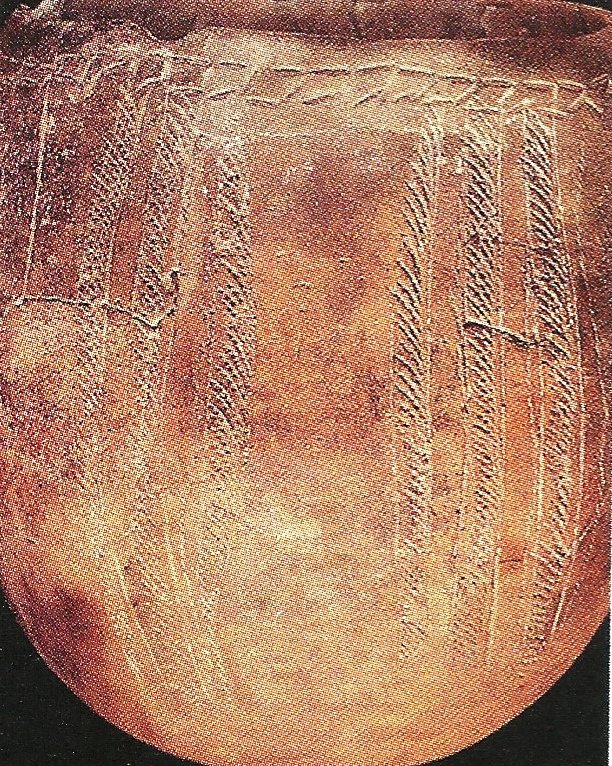
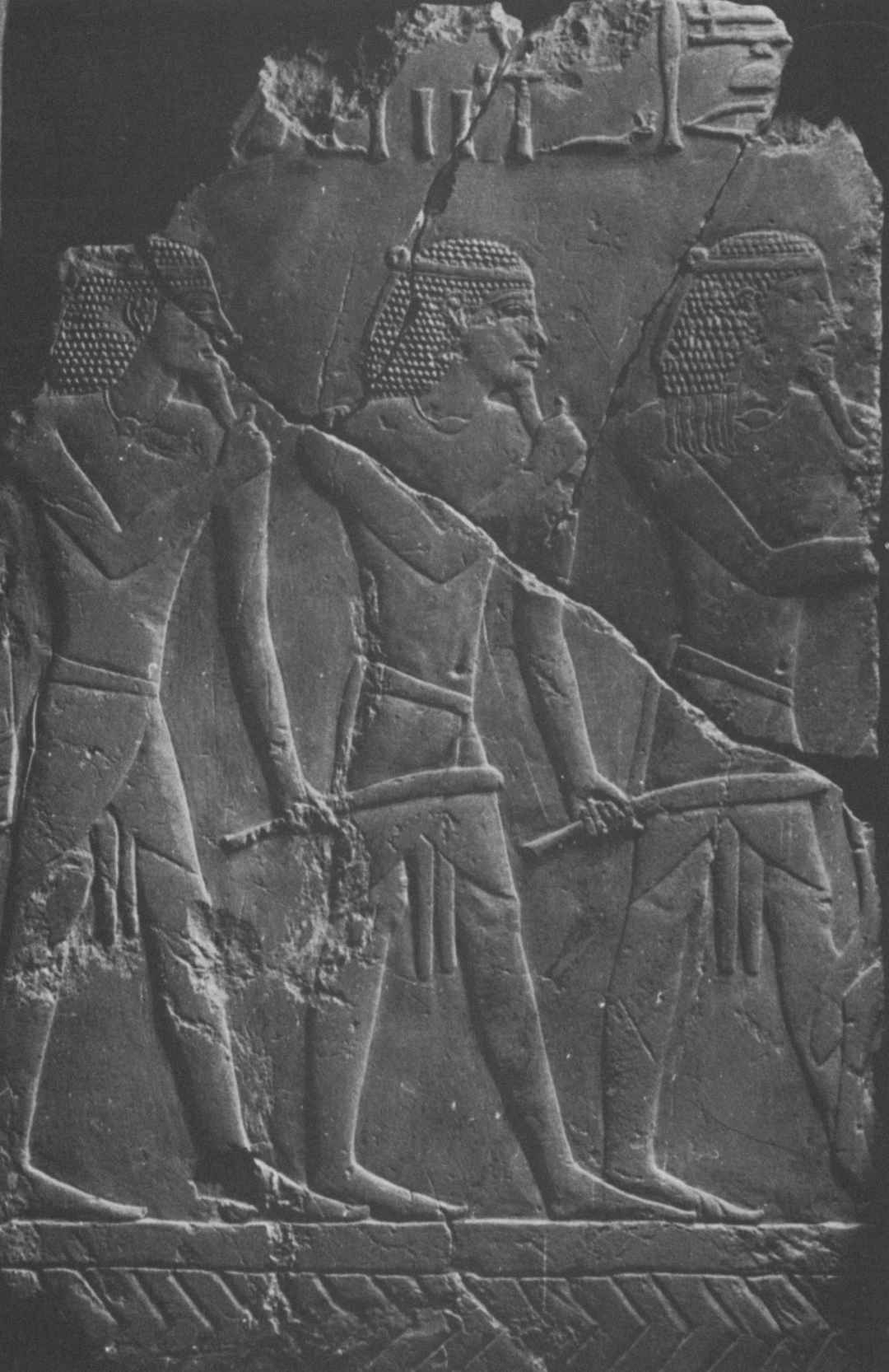
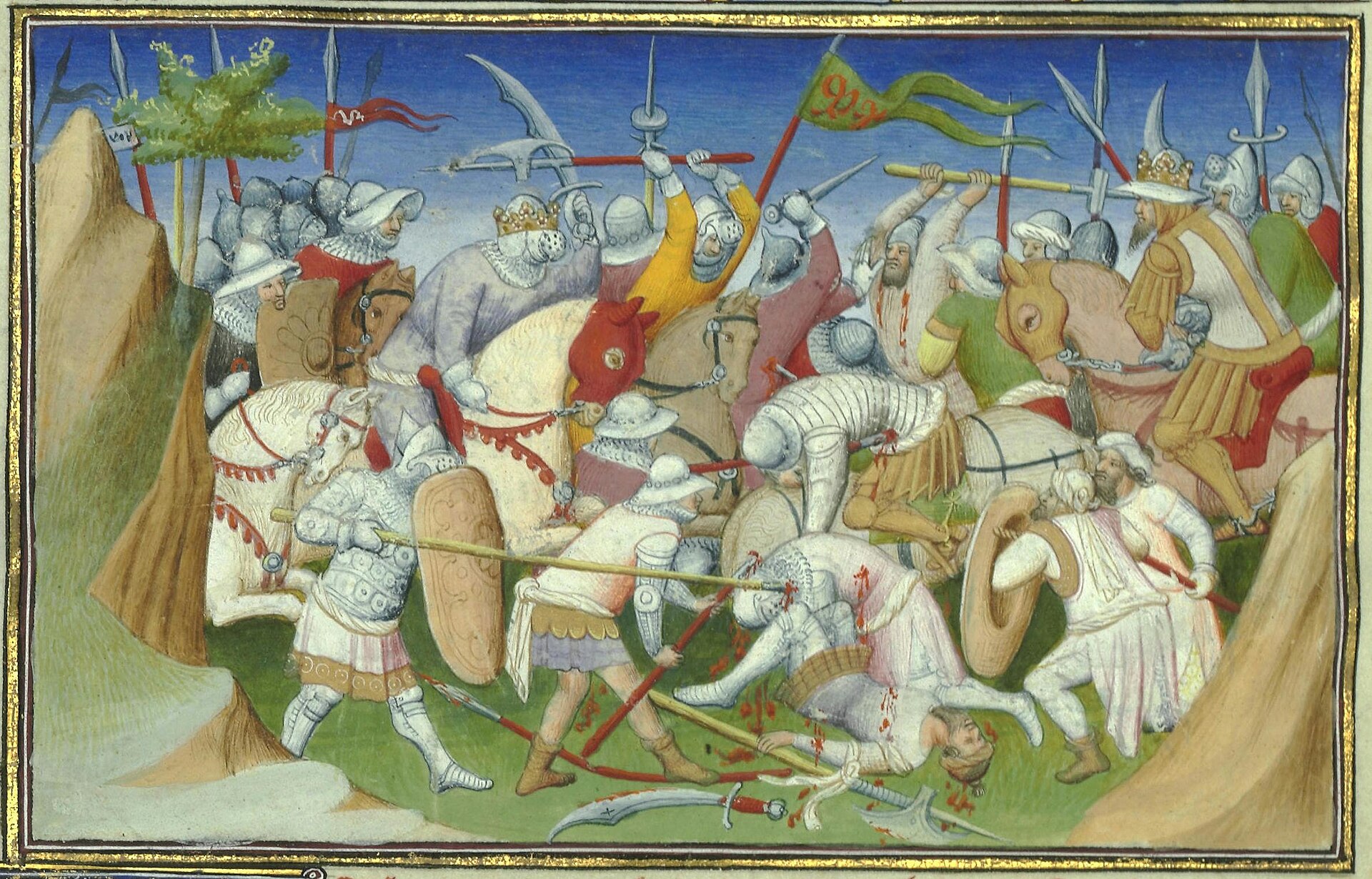
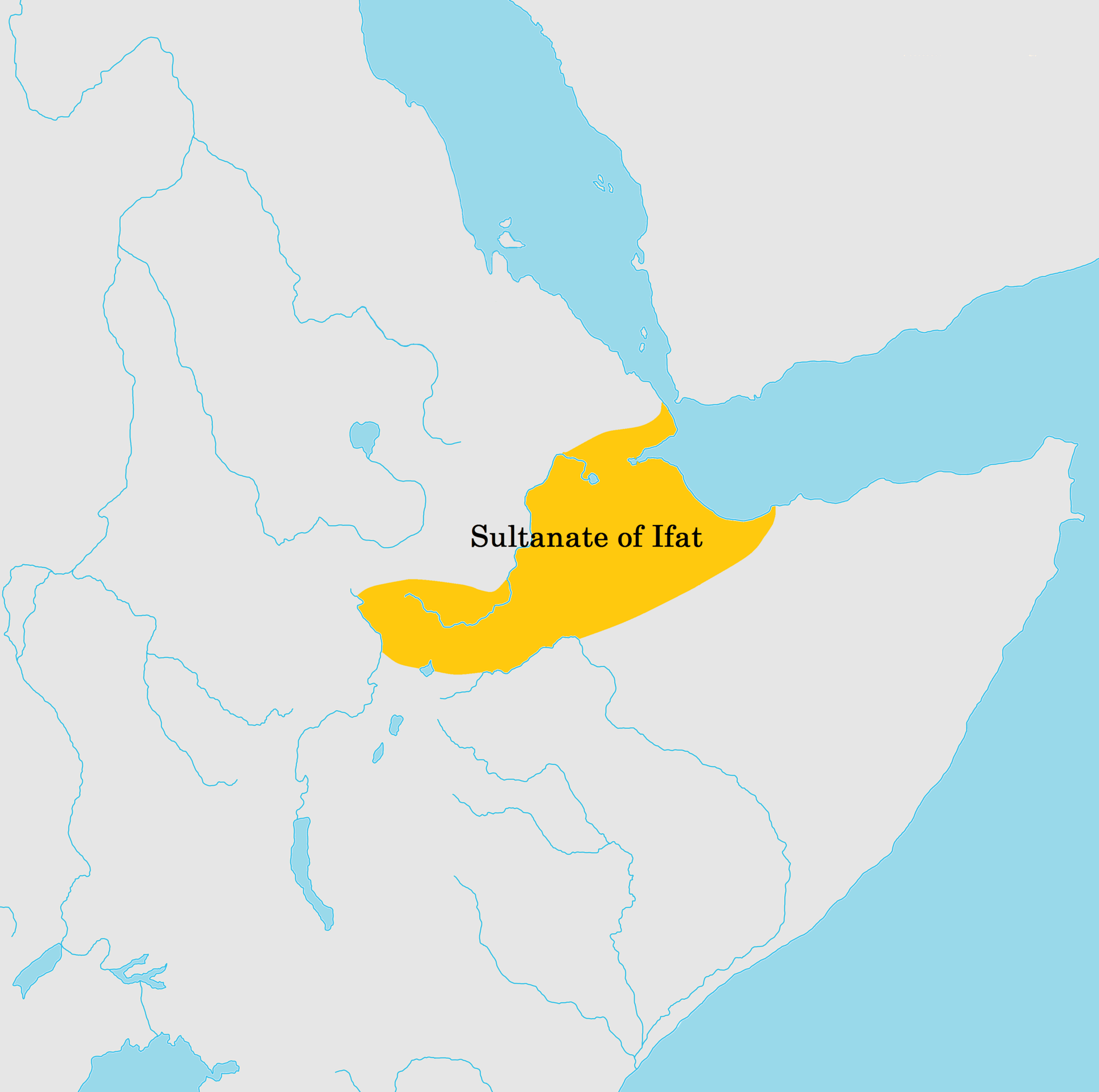
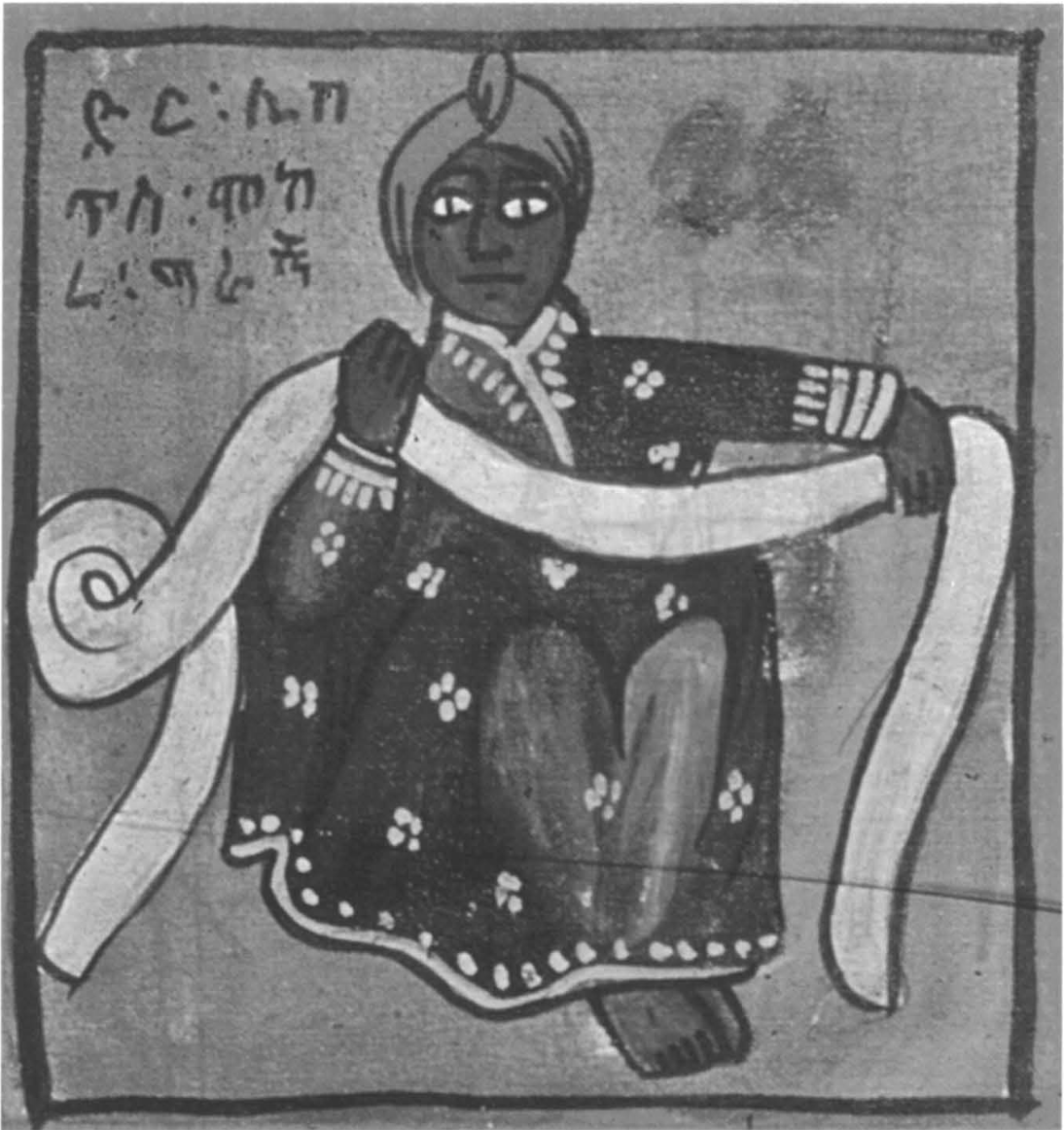
Neolithic peoples herded cattle here when the region was wetter, leaving pottery at Asa Koma and rock art across the interior. Ancient Egyptian records describe voyages to the Land of Punt for incense, myrrh, ebony, and gold, and the Horn of Africa, including this coast, is among the regions most commonly identified with it, though its exact location remains debated. Islam arrived very early, carried across the strait from Arabia, and from the medieval period the region formed part of a succession of Muslim states, the Sultanate of Ifat and then the Adal Sultanate, which grew wealthy on the trade running from the Ethiopian highlands to the sea and fought a long series of wars with Christian Abyssinia. The most famous of these was the sixteenth-century campaign of Ahmad ibn Ibrahim al-Ghazi, known as Gran, who came close to overrunning the Ethiopian empire before Portuguese intervention turned the war.
France acquired a foothold at Obock in the 1860s and moved its base to the deep natural harbour it developed as the city of Djibouti, creating French Somaliland. Its purpose was explicit: to capture the trade of the Ethiopian interior. The railway completed from Djibouti to Addis Ababa in 1917 did exactly that, and made the port the outlet for a country of tens of millions.
Decolonisation came late and awkwardly. Referendums in 1958 and 1967 returned votes to stay with France, results the Somali Issa community and outside observers said were achieved through the expulsion of Somali voters and the manipulation of the rolls; the 1967 vote was accompanied by unrest and deaths, after which the territory was renamed the French Territory of the Afars and the Issas, naming both communities in a way that made the ethnic arithmetic explicit. Independence finally came on 27 June 1977, with Hassan Gouled Aptidon as first president. A civil war between the government and mainly Afar rebels ran from 1991 to 1994, ending in a power-sharing settlement that brought Afar representation into government.
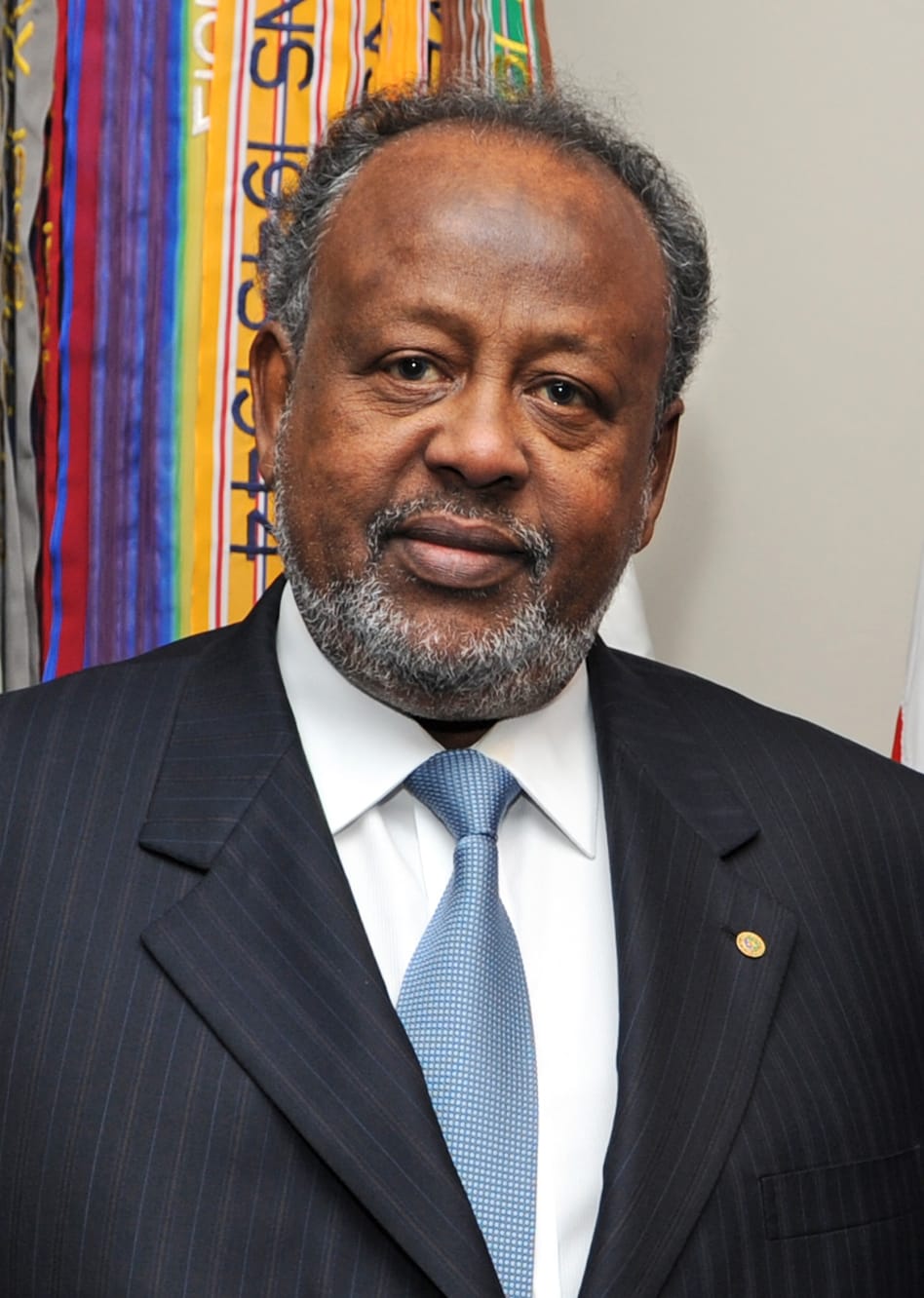
Djibouti is a presidential republic in which the same party has held power since independence and the same man has held the presidency since 1999. Ismail Omar Guelleh, a nephew of the first president and previously head of his security service, succeeded him that year. Term limits were removed by constitutional amendment in 2010, allowing a third term, and in 2025 parliament removed the constitutional age limit of seventy-five, which would otherwise have barred him from standing again. At the election of 10 April 2026 he was returned for a sixth term with an official result of 97.81 per cent. He is 78 and has not named a successor, with speculation centring on family members; the question of what happens after him is the central uncertainty in Djiboutian politics.
Political competition is limited: opposition parties have at various points boycotted elections, alleging that the process is not fair, and press freedom and assembly are restricted. The government's own case rests on stability, which in this neighbourhood is not a trivial claim: Djibouti has avoided the state collapse of Somalia, the wars of Ethiopia and Eritrea, and the coups of the Sahel, and has kept peace between its two main communities since 1994. Its foreign policy is a careful balancing act, maintaining working relations with Ethiopia, Somalia, Eritrea, the Gulf states, France, the United States, and China simultaneously.
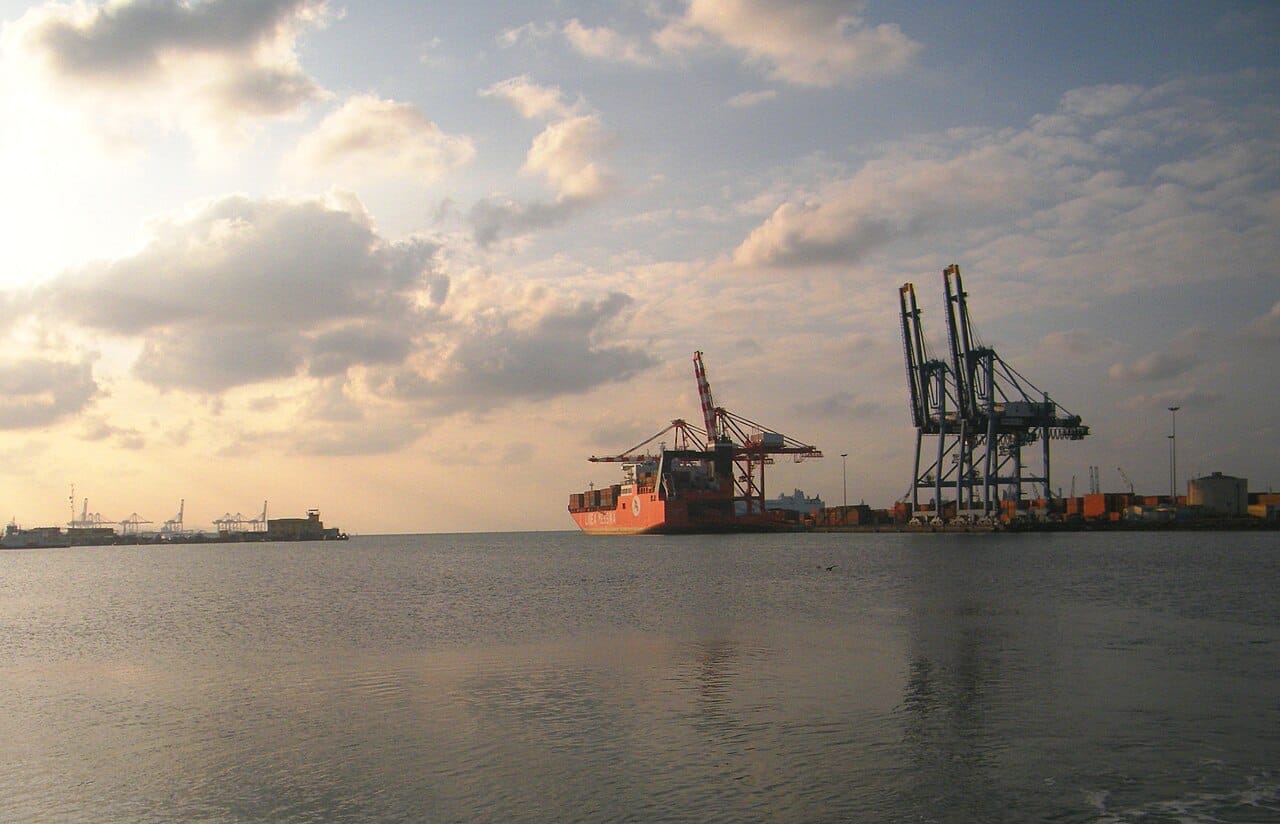
Djibouti has almost no agriculture, no significant minerals, and very little fresh water. What it has is position, and it has monetised that as thoroughly as any country in the world. The Port of Djibouti and the newer Doraleh terminals handle the overwhelming majority of landlocked Ethiopia's foreign trade, which is the single largest source of national income, and a Chinese-built standard-gauge railway opened in 2017 replaced the old French line to Addis Ababa. Free trade zones, bunkering, and transhipment build on the same asset.
The other revenue stream is military rent. Djibouti hosts foreign bases from an unusually wide set of powers: Camp Lemonnier, the largest permanent United States base in Africa; France's long-standing garrison; and installations belonging to Japan, Italy, and, since 2017, China's first overseas military base, some of them within a few kilometres of each other. The arrangement earns hundreds of millions of dollars a year in leases and makes a country of about a million people a fixture in great-power planning. The corresponding risks are a heavy debt load, much of it owed to Chinese lenders and incurred on port and rail infrastructure, an economy almost entirely dependent on one neighbour's trade, and youth unemployment that remains very high despite the transit revenue.
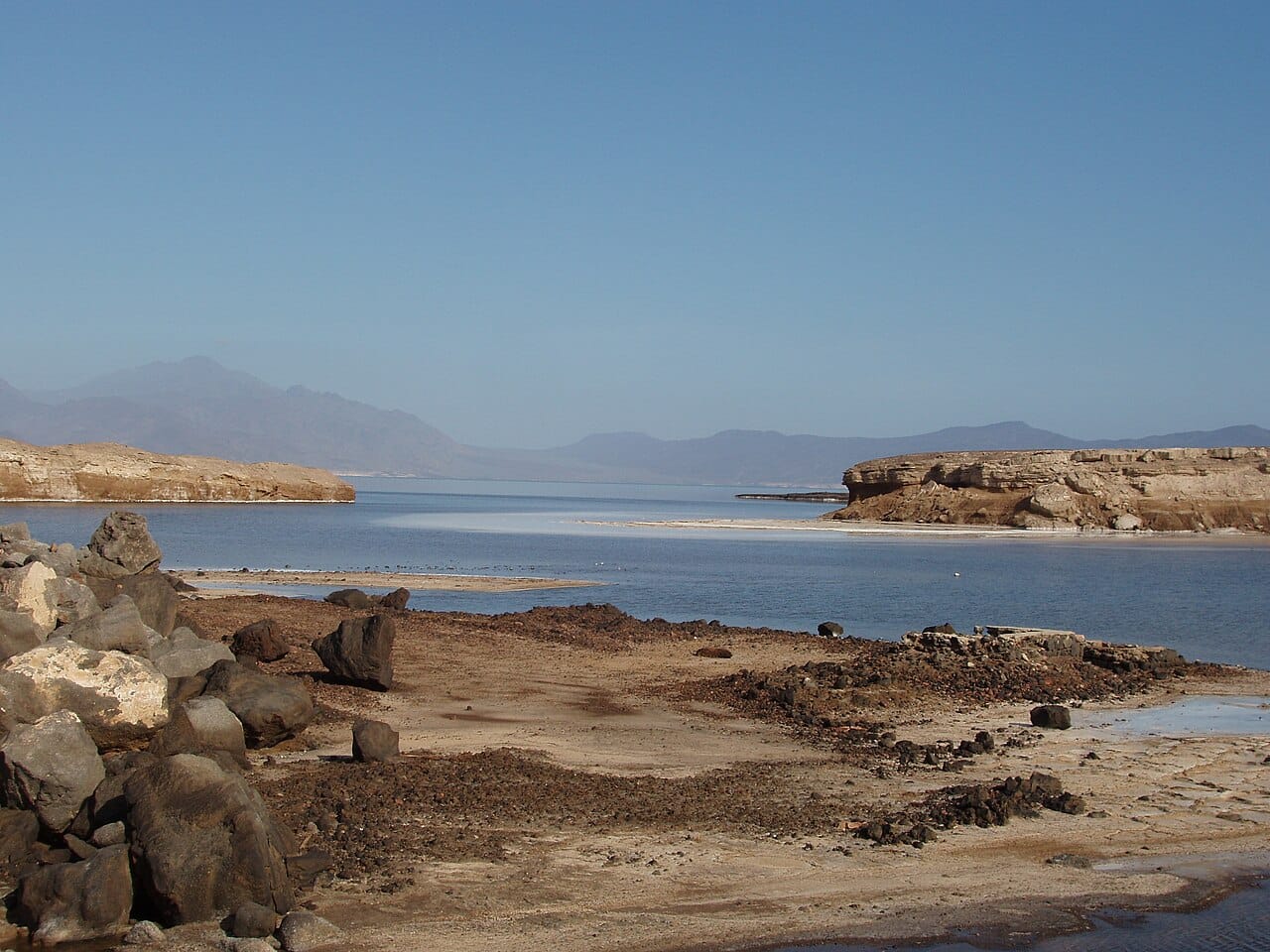
Djibouti is small, intensely hot, and almost entirely arid, a country of black volcanic plateaus, lava fields, desert plains, and salt lakes, with the Goda and Mabla massifs in the north holding the last fragments of a forest that once covered more of the region. It sits on the Afar Triple Junction, where the African, Arabian, and Somali plates are pulling apart, which is why the landscape looks the way it does and why it is geologically among the most closely studied places on Earth: this is a mid-ocean ridge in the process of coming ashore, and in a few million years the sea will flood in.
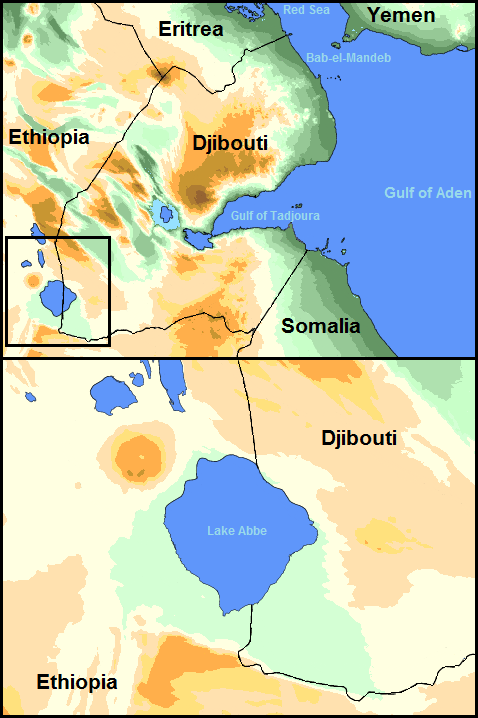
Lake Assal, in a crater 155 metres below sea level, is the lowest point in Africa and among the saltiest bodies of water anywhere, ringed by blinding white salt pans that have been mined by caravan for centuries. Lake Abbe, on the Ethiopian border, is a shallow saline lake studded with limestone chimneys venting steam, a landscape used as an alien planet in film. The coast faces the Bab el-Mandeb, the strait through which a very large share of world seaborne trade and oil passes, which is the whole reason the country's position matters.
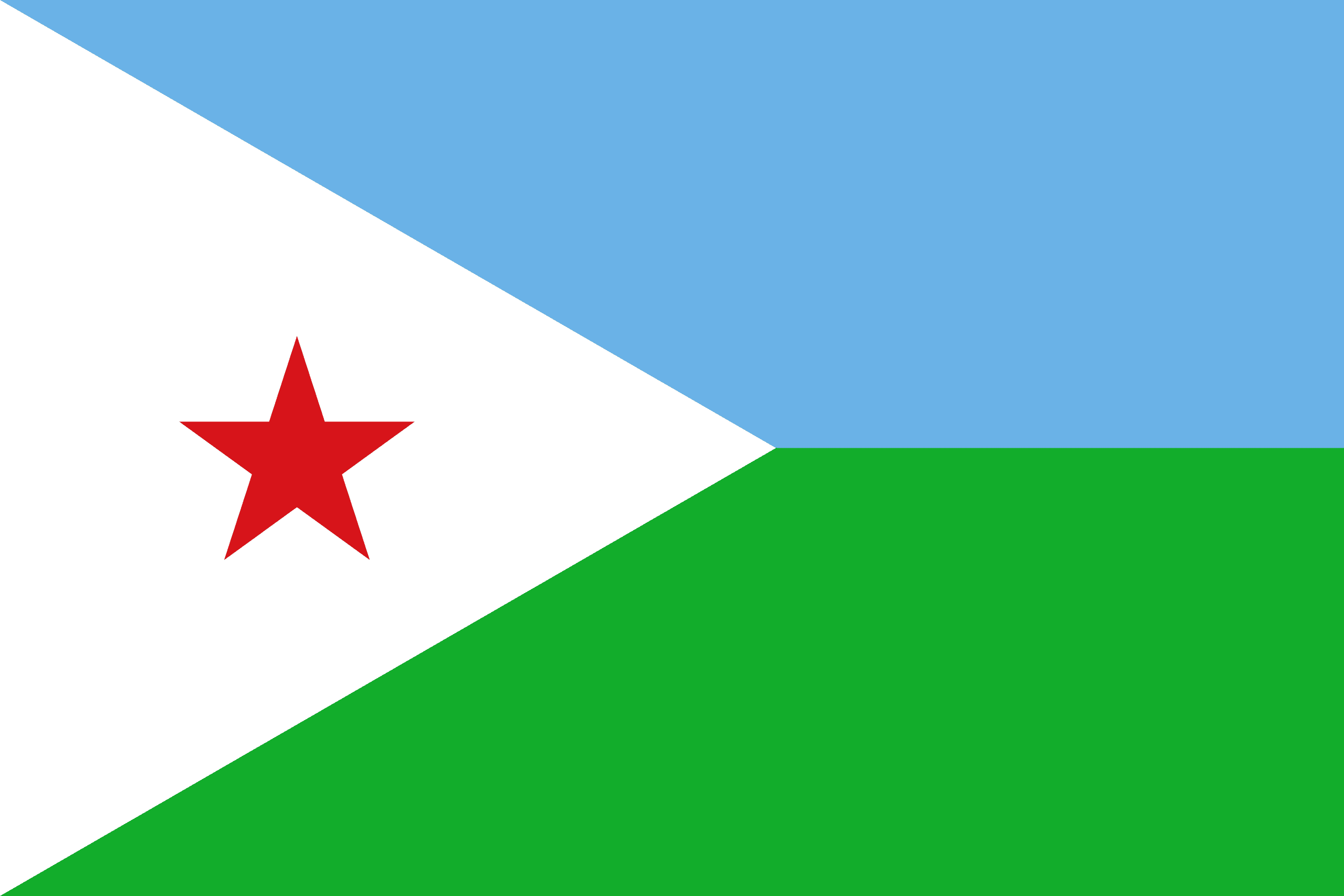
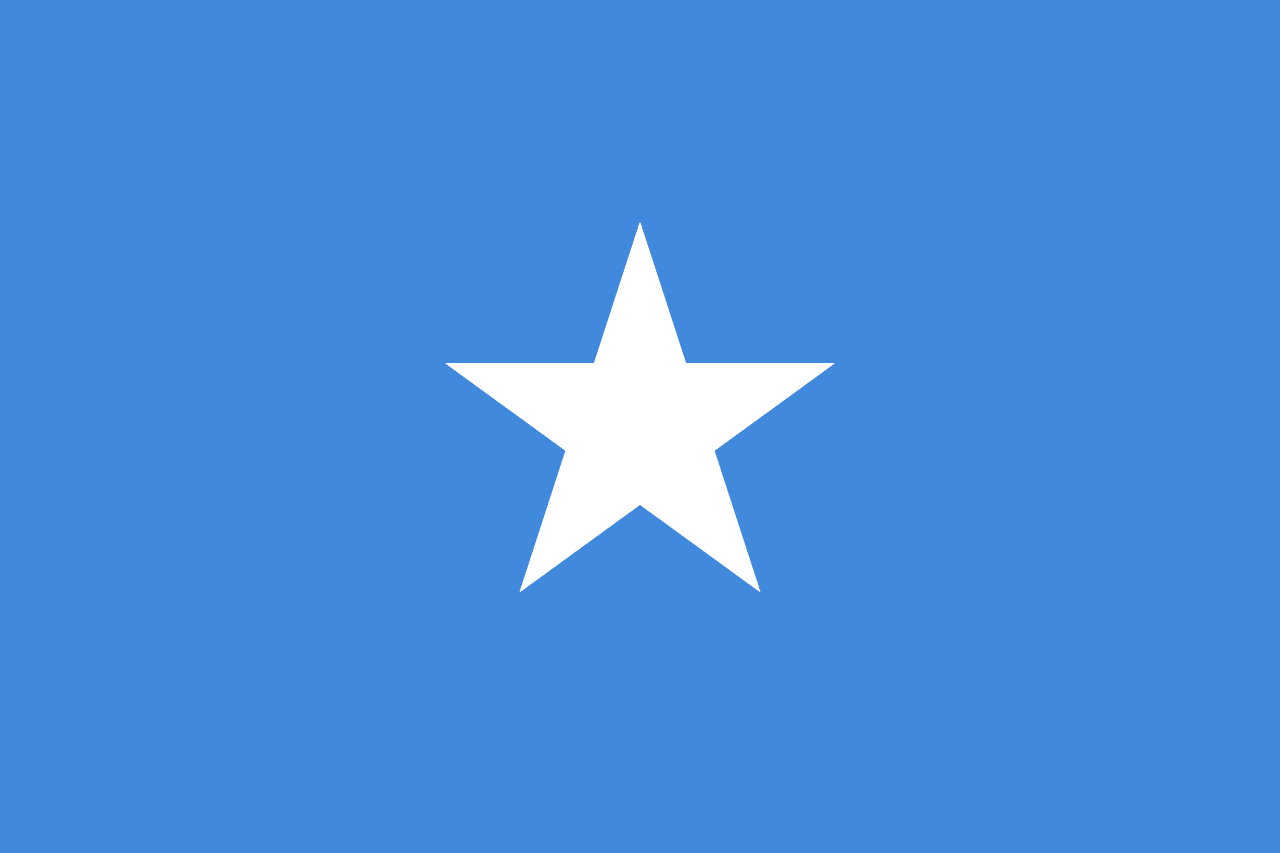
The flag of Djibouti has two horizontal bands of light blue over green, with a white triangle at the hoist bearing a red five-pointed star. The colours reflect the country's two main communities: the blue is associated with the Issa Somali and with the sea and sky, and the green with the Afar and with the land. The white triangle stands for peace, and the red star for unity and the blood shed for independence, expressing the hope of binding the two peoples into one nation.
Djibouti is an overwhelmingly Muslim country, with the great majority of its people following Sunni Islam, a faith that reached the Horn of Africa in the earliest days of the religion and is central to the culture and daily life of both the Somali and Afar communities. Islam shapes law, custom, and the rhythm of the year, often coloured by Sufi traditions. There is a small Christian minority, largely among foreign residents, reflecting Djibouti's role as an international hub.
Djiboutian cuisine reflects the country's location and history, blending Somali, Afar, Arab, and French influences. Rice and flatbread are staples, often served with spiced meat or fish, and a popular dish is a stew of meat and vegetables eaten with bread or rice. The French colonial legacy shows in baguettes and a café culture, while the flavours of the wider region, with their warm spices, dominate. Fresh fish from the Red Sea and the Gulf of Aden, and dates, are also part of the diet.
Agriculture is almost negligible in Djibouti, where the harsh desert climate, lack of fresh water, and tiny amount of arable land make farming extremely difficult, and the country imports the great majority of its food. What little agriculture exists involves the herding of goats, sheep, and camels by nomadic and semi-nomadic people, and some growing of fruit and vegetables with irrigation. The country's economy rests instead on its port, its strategic location, and the rents paid by the foreign military bases it hosts.
Djiboutian culture is Somali and Afar, both pastoral traditions of the Horn, overlaid with Arab influence from across the strait and a French administrative and culinary residue. Both peoples have strong oral traditions, and among Somalis poetry carries a social weight that has few equivalents, used for argument, negotiation, and reputation as much as for art. Music is built on the pentatonic scales common to the Horn, and the seated dances and hand-clapping rhythms of both communities appear at weddings and festivals.
The habit that most visibly organises the day is khat. The mildly stimulant leaf, flown in fresh from Ethiopia each morning, is chewed by a large proportion of adult men through the afternoon, which effectively divides the working day in two, and its economic and health effects are a recurring subject of public argument. Nomadic pastoralism, with camels, goats, and sheep moved between wells across an extremely harsh landscape, remains the way of life of the minority who live outside the capital, and the aqal, the portable domed dwelling, travels with them.
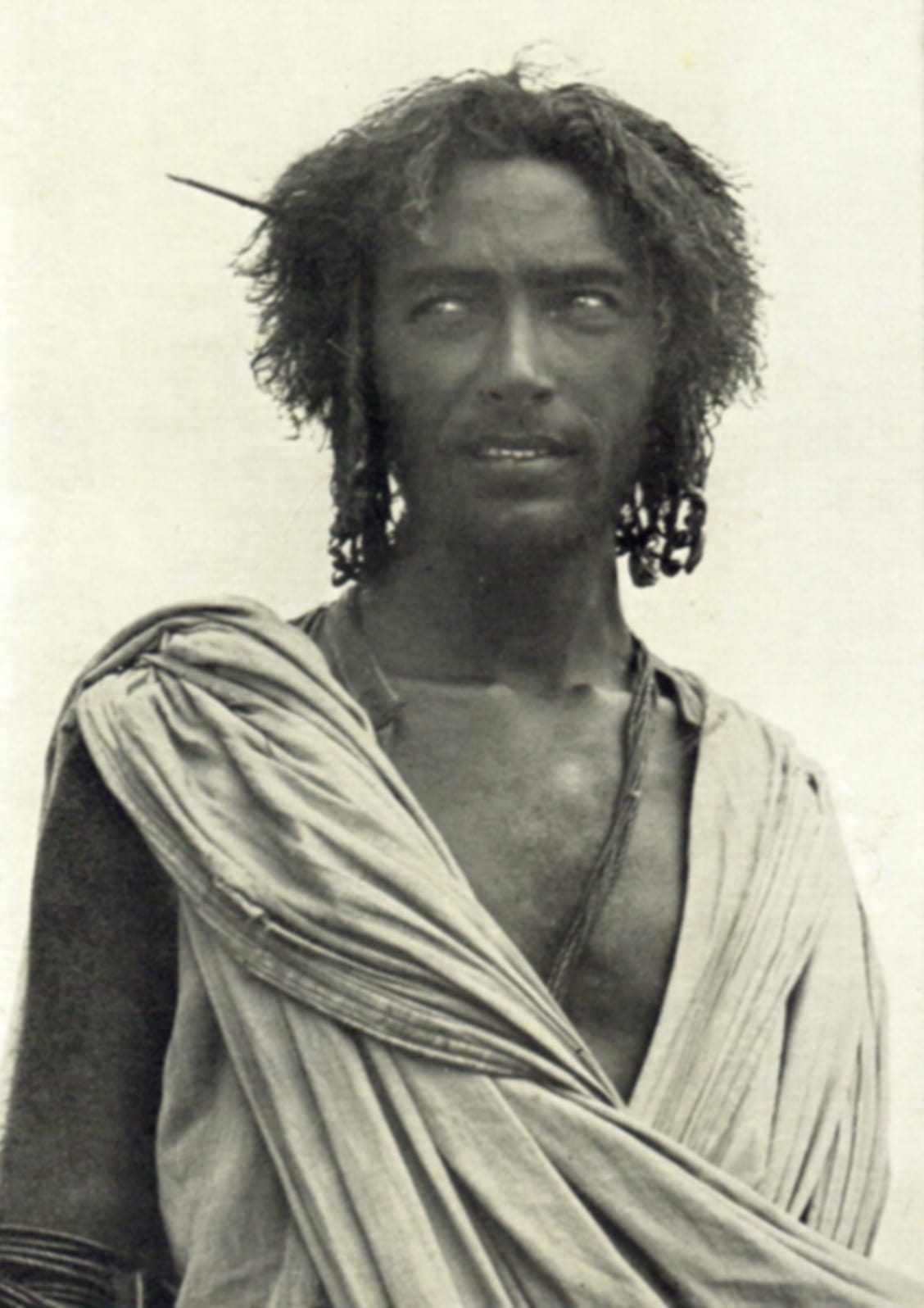
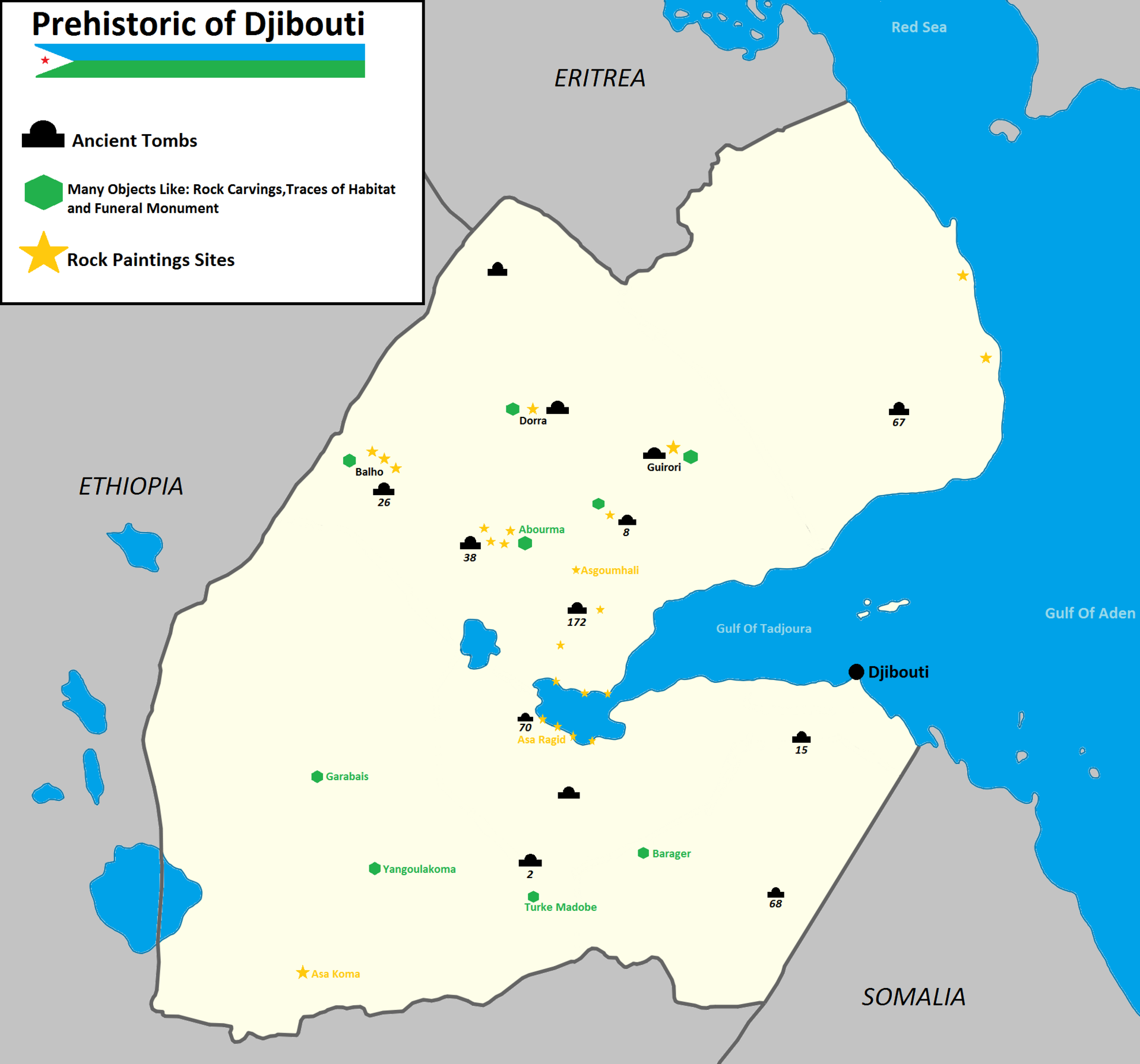
Djibouti has a population of around 1.1 million, made up chiefly of two peoples: the Somali, predominantly of the Issa clan, who are the larger group and are concentrated in the south and the capital, and the Afar, who inhabit the north and west and extend across the borders into Ethiopia and Eritrea. There are also Arab, mostly Yemeni, communities and a resident foreign population attached to the bases and the port. Arabic and French are the official languages, while Somali and Afar are what people actually speak at home. Islam is effectively universal.
The country is among the most urbanised in Africa: something close to three quarters of the population lives in Djibouti City, and much of the rest of the territory is empty desert crossed by herders. That concentration, combined with high youth unemployment and a heavy dependence on imported food, makes the capital the place where the country's social pressures collect. Djibouti also hosts a substantial refugee population from Somalia, Ethiopia, Eritrea, and Yemen, the last arriving across the strait since 2015, a reversal of the historic direction of travel.