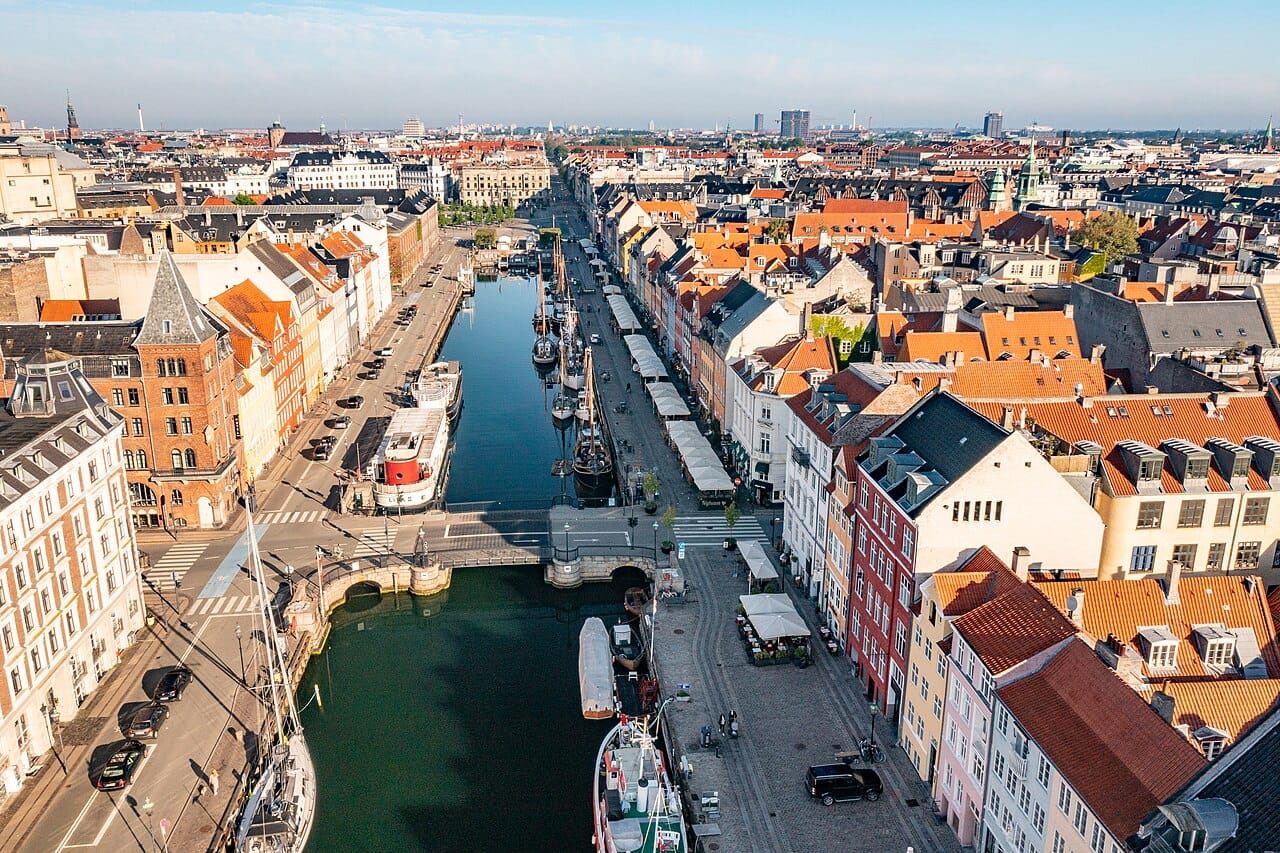
Denmark is the southernmost of the Nordic countries, a small kingdom made up of the Jutland peninsula reaching up from continental Europe and hundreds of islands scattered in the seas between the North Sea and the Baltic. A flat, green, and watery land, it is one of the oldest monarchies in the world and consistently ranks among the happiest and best-governed nations. Once the centre of a Viking realm, it is today a model of the prosperous, egalitarian welfare state.
Denmark's history reaches from Bronze Age sun-worshippers, through the Viking realm and a great Baltic empire, to a small, prosperous constitutional monarchy.
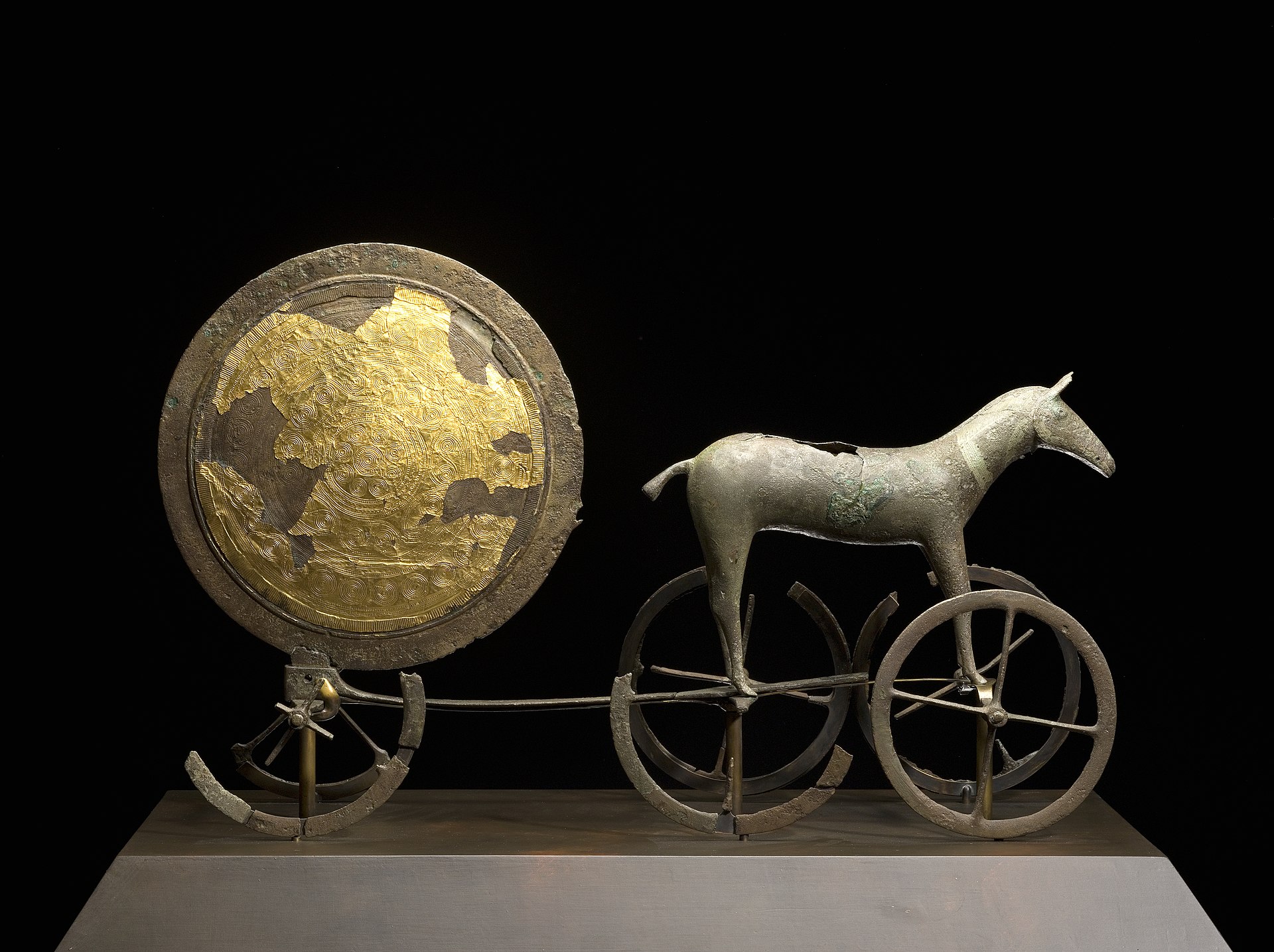
The Danish isles have been inhabited since the last ice age, and their Bronze Age people left behind exquisite objects, above all the Trundholm sun chariot, a model of a horse drawing the sun across the sky, testimony to an ancient reverence for the heavens.
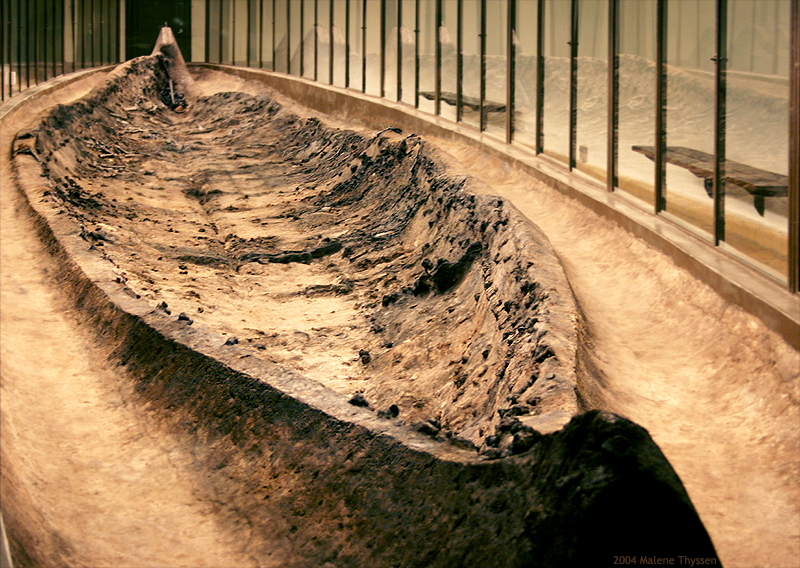
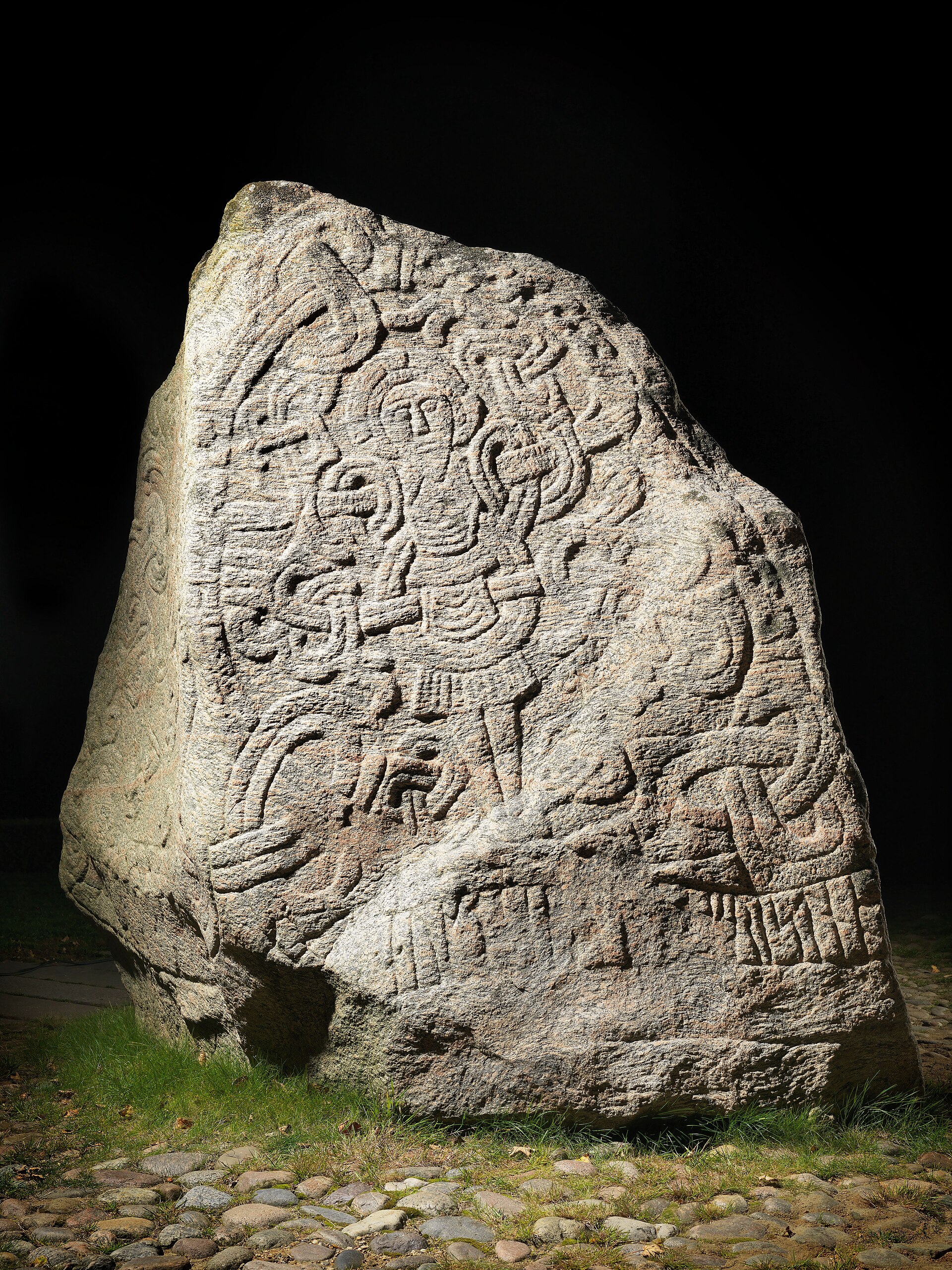
Denmark rose to prominence in the Viking Age, when Danish seafarers raided, traded, and settled across Europe and for a time even ruled England. In the tenth century King Harald Bluetooth united the country and brought it to Christianity, an achievement proclaimed on the great runestones at Jelling, often called the birth certificate of Denmark, from which the modern monarchy traces an unbroken line, among the oldest in the world.
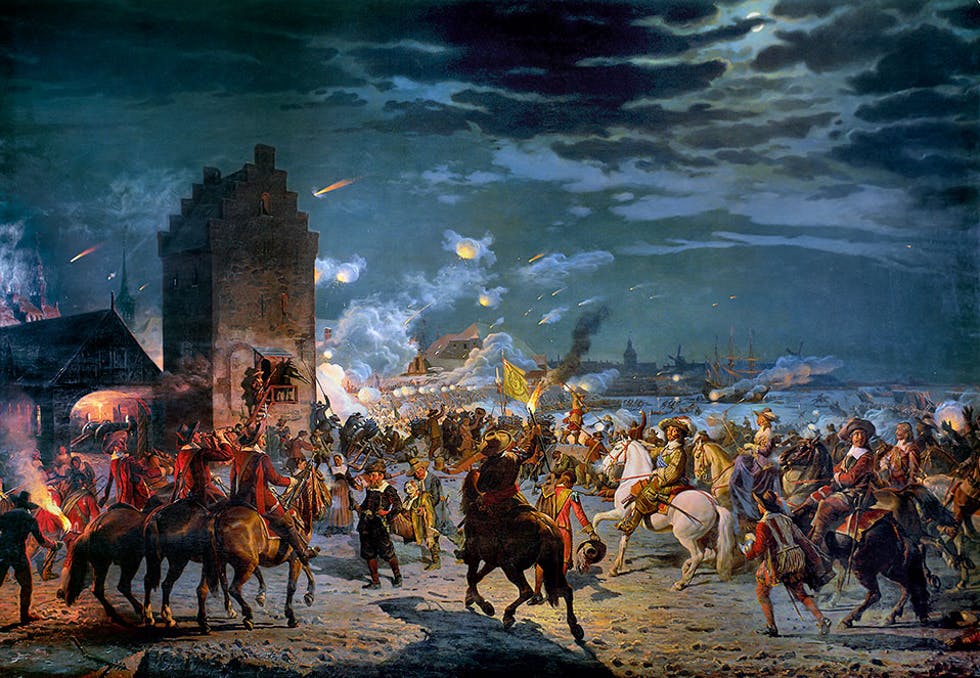
Through the Middle Ages and beyond Denmark was a major power of the north, at times ruling Norway and Sweden together in the Kalmar Union and dominating the Baltic. But long rivalry with Sweden brought defeat and the loss of rich provinces, dramatised by the Swedish assault on Copenhagen, and over the centuries the once-great realm shrank, losing Norway in 1814 and, later, its southern duchies.
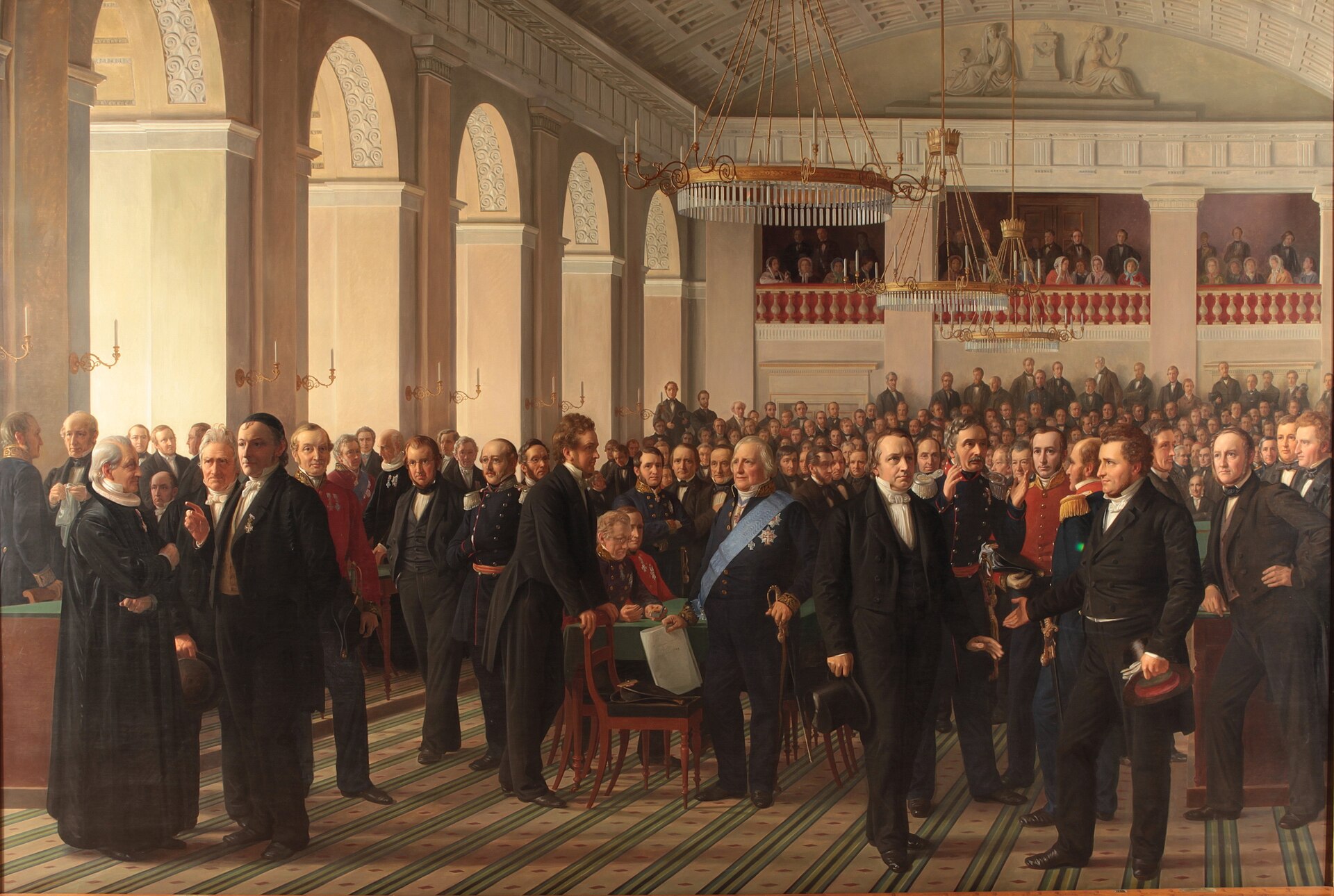
In 1849 Denmark peacefully gave up absolute monarchy for a constitution, setting it on a democratic path. After the trauma of German occupation in the Second World War, during which Danes famously helped ferry most of their Jewish population to safety, the country built one of the most comprehensive welfare states in the world and, in 1973, joined what became the European Union.
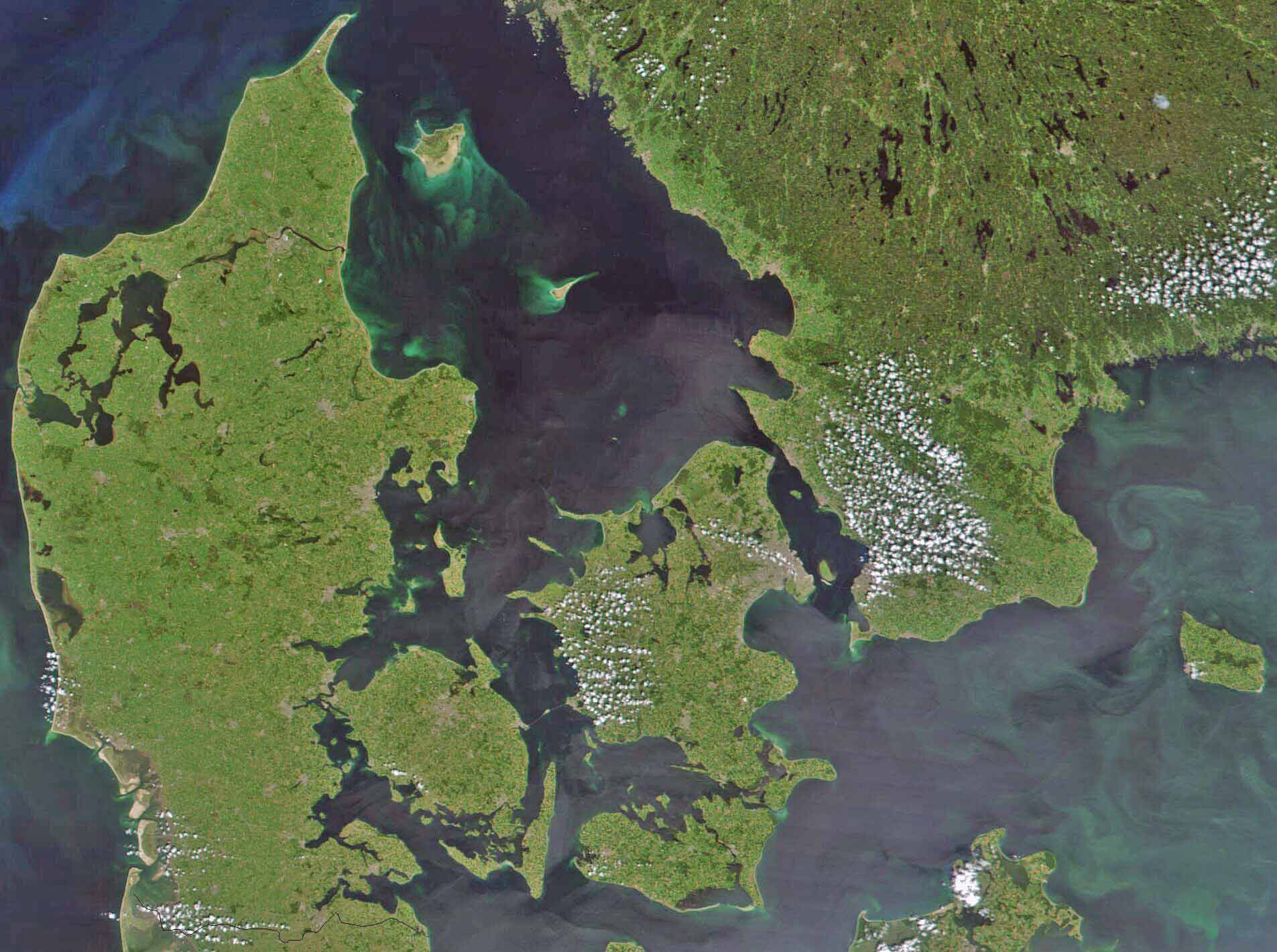
Denmark is low and flat, its highest points mere gentle hills, a green patchwork of farmland, woods, and coast. It consists of the Jutland peninsula and an archipelago of more than four hundred islands, the largest holding the capital, Copenhagen. No part of the country lies far from the sea, and its long, indented coastline has shaped a seafaring history. The kingdom also includes two far larger but sparsely peopled self-governing territories, Greenland and the Faroe Islands.
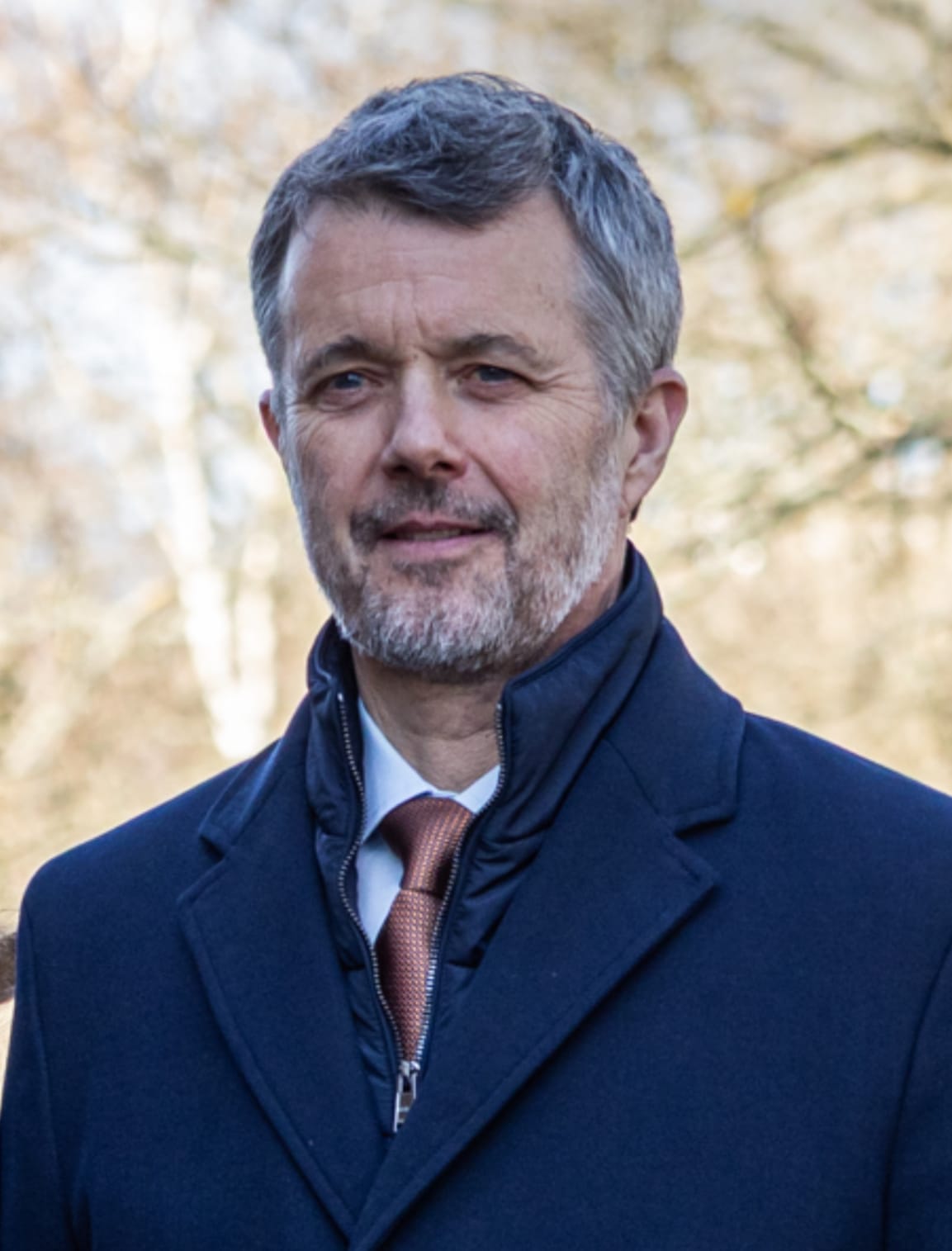
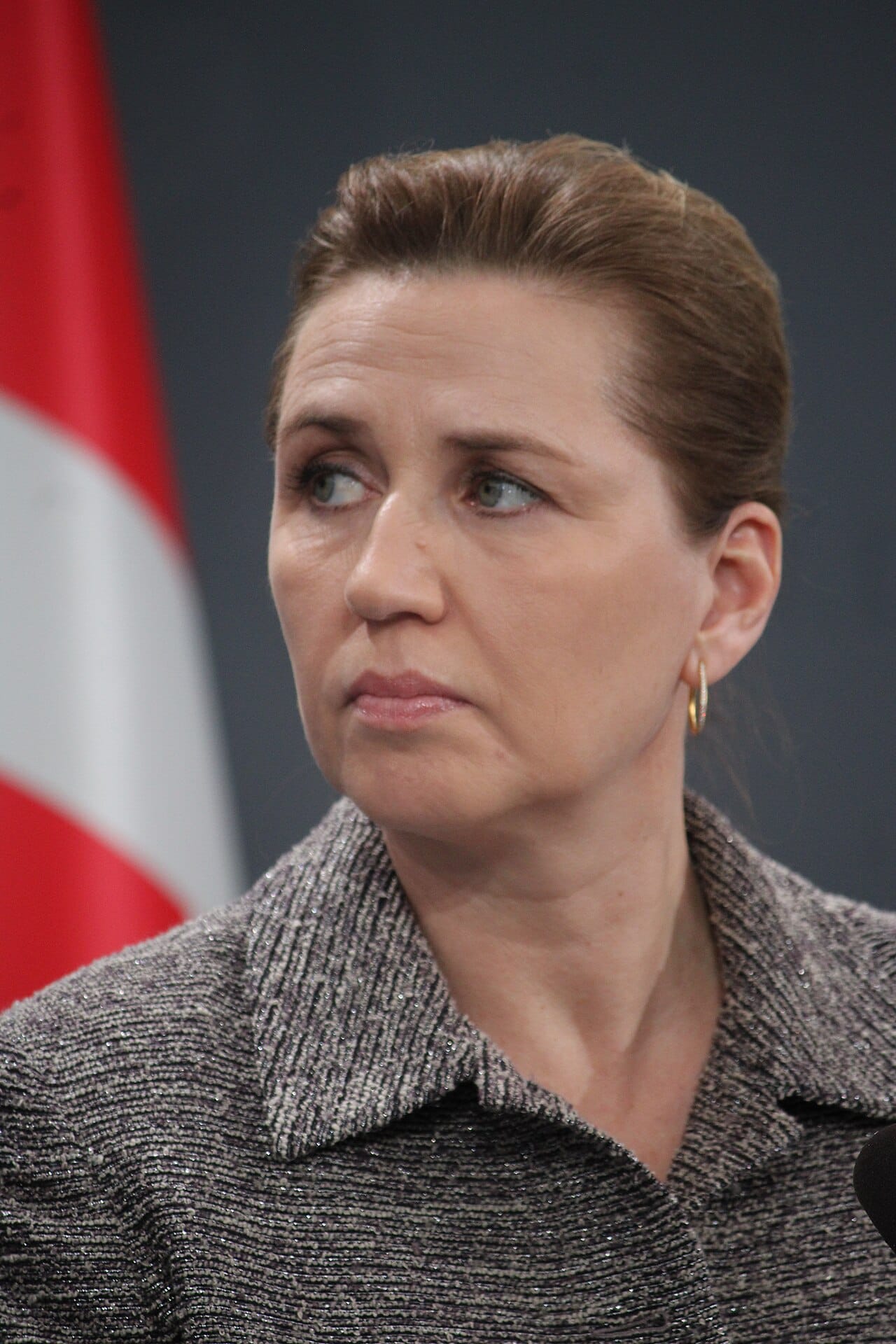
Denmark is a constitutional monarchy and a parliamentary democracy. In January 2024 Queen Margrethe II, after 52 years on the throne, made the surprise decision to abdicate, the first Danish monarch to do so in some 900 years, and her son became King Frederik X, head of state of one of the oldest continuous monarchies on Earth. Real power rests with the parliament, the Folketing, and a government formed from its many parties, usually by coalition or minority arrangement. The prime minister since 2019 is Mette Frederiksen of the Social Democrats, who has combined a traditionally left-wing economic programme with one of the strictest immigration policies in Europe.
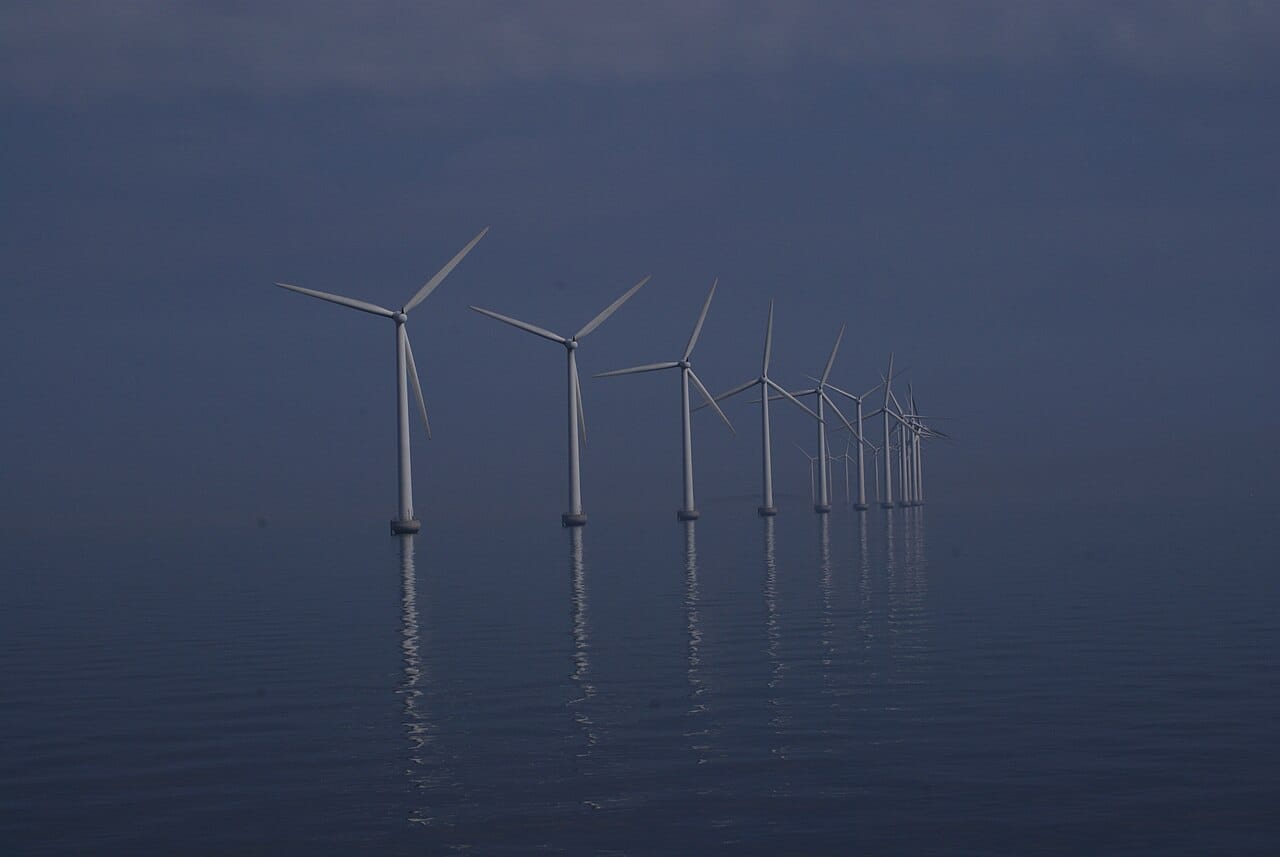
Denmark has a wealthy, highly developed economy that combines a free market with a strong welfare state and famously flexible labour rules. It is home to some of the world's most successful companies: the shipping giant Maersk, a leader in global trade; the pharmaceutical company Novo Nordisk, whose diabetes and weight-loss drugs made it for a time the most valuable company in Europe; the toy maker Lego; and the brewer Carlsberg. Above all, Denmark is a world pioneer of wind power, generating a large share of its electricity from the wind and exporting the turbines and expertise to harness it, part of an ambitious drive toward a green economy.
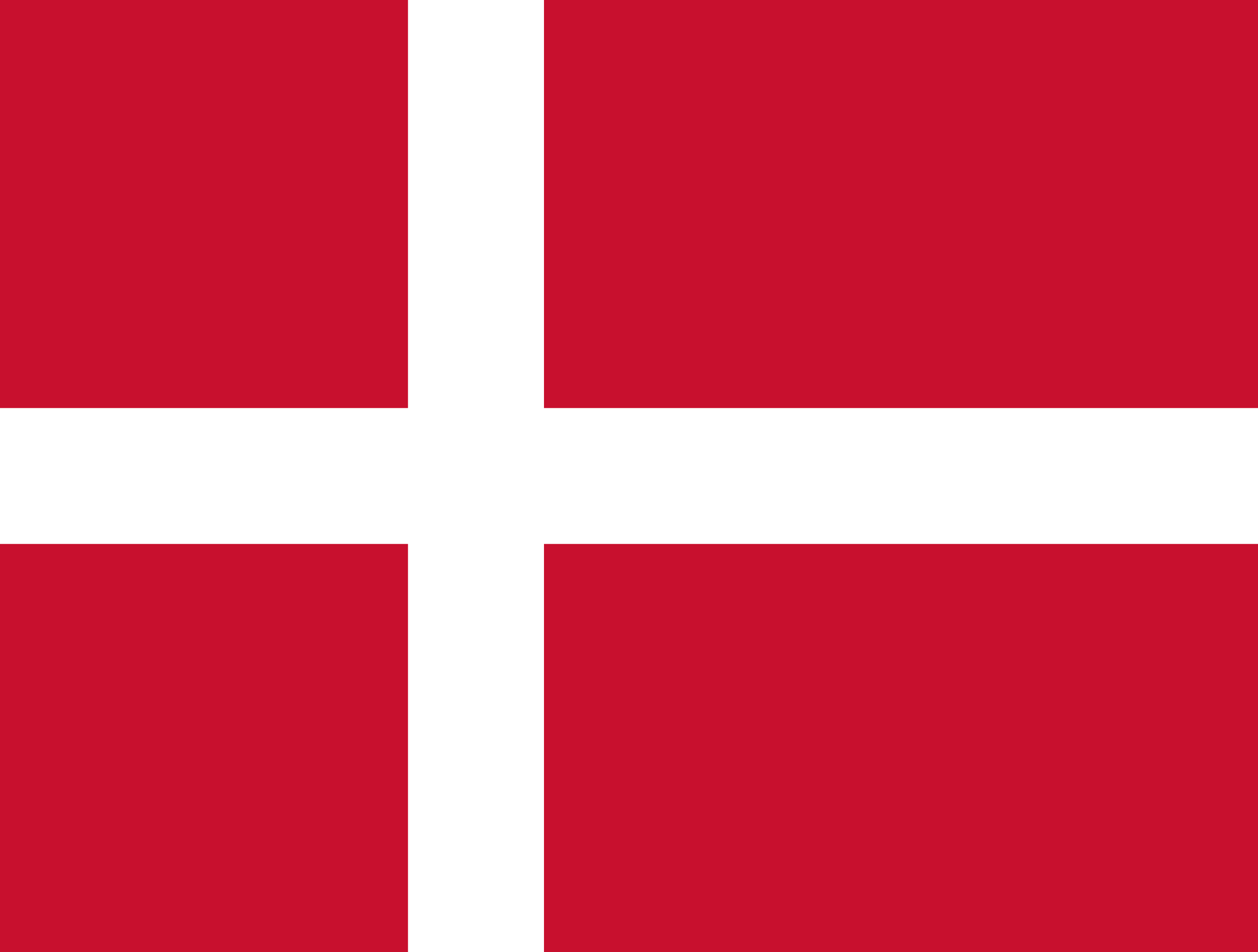
The flag of Denmark, the Dannebrog, is a red field with a white Scandinavian cross, and it holds the distinction of being the oldest continuously used national flag in the world, in use for some seven centuries. A cherished legend holds that it fell from the sky during a battle in 1219, giving the Danes victory. The off-centre cross became the model for the flags of all the other Nordic countries.
Denmark is historically a Lutheran country, and the Evangelical Lutheran Church remains the established national church to which most Danes nominally belong. In practice, however, Denmark is among the most secular societies in the world, with low rates of regular worship and many people describing themselves as non-religious, even as Lutheran traditions remain woven into the national culture and calendar. The country has a long tradition of religious tolerance.
Danish cuisine is hearty and refined in equal measure. A national icon is smorrebrod, an open-faced sandwich on dense rye bread elaborately topped with fish, meat, or other delicacies. Pork and fish, especially herring, are staples, and the Danes are famous for their pastries, known elsewhere simply as Danish. In recent years Copenhagen has become a world capital of fine dining, the birthplace of the influential New Nordic cuisine movement.
Despite its small size, Denmark is a major agricultural producer and exporter, with a large share of its land under cultivation. The country is especially renowned for pork, of which it is one of the world's leading exporters, along with dairy products. Highly efficient, cooperative farming, developed over more than a century, turned Denmark into an agricultural powerhouse, supplying food far beyond its borders and supporting a strong food-processing industry.
Denmark is a byword for a certain art of living well and together. Its culture prizes equality, trust, and the cosy contentment the Danes call hygge, the warmth of good company, candlelight, and simple pleasures against the long dark winters. It is a world capital of design, from elegant furniture and architecture to the toy bricks of Lego, and the homeland of the storyteller Hans Christian Andersen and the philosopher Soren Kierkegaard. Daily life runs on the bicycle, on strong social trust, and on a welfare state that underwrites security from cradle to grave, all of which help explain why Danes so often top the world's rankings of happiness.
Denmark proper is only part of the Kingdom of Denmark, which also includes two vast, self-governing North Atlantic territories: the Faroe Islands and, above all, Greenland, the largest island in the world, home to a mostly Inuit population with its own parliament and government. Greenland's place has become one of the most charged questions in Danish life. Many Greenlanders seek eventually to become fully independent, pointing to a colonial past and a distinct identity, while remaining, for now, reliant on Danish funding. At the same time the island's strategic Arctic location and mineral wealth have drawn intense outside interest, most dramatically repeated proposals by the United States to acquire it, which Denmark and Greenland alike have firmly rejected as not for sale. The future of Greenland, torn between Danish sovereignty, Greenlandic self-determination, and great-power ambition, is an open and closely watched question.
Denmark has a population of around 5.9 million people, the great majority ethnic Danes, sharing a strong sense of national identity and one of the highest standards of living in the world. The population is concentrated on the islands and the eastern side of Jutland, above all in and around the capital, Copenhagen, a city famous for its design, cycling culture, and quality of life. Immigration has made Danish society somewhat more diverse in recent decades.