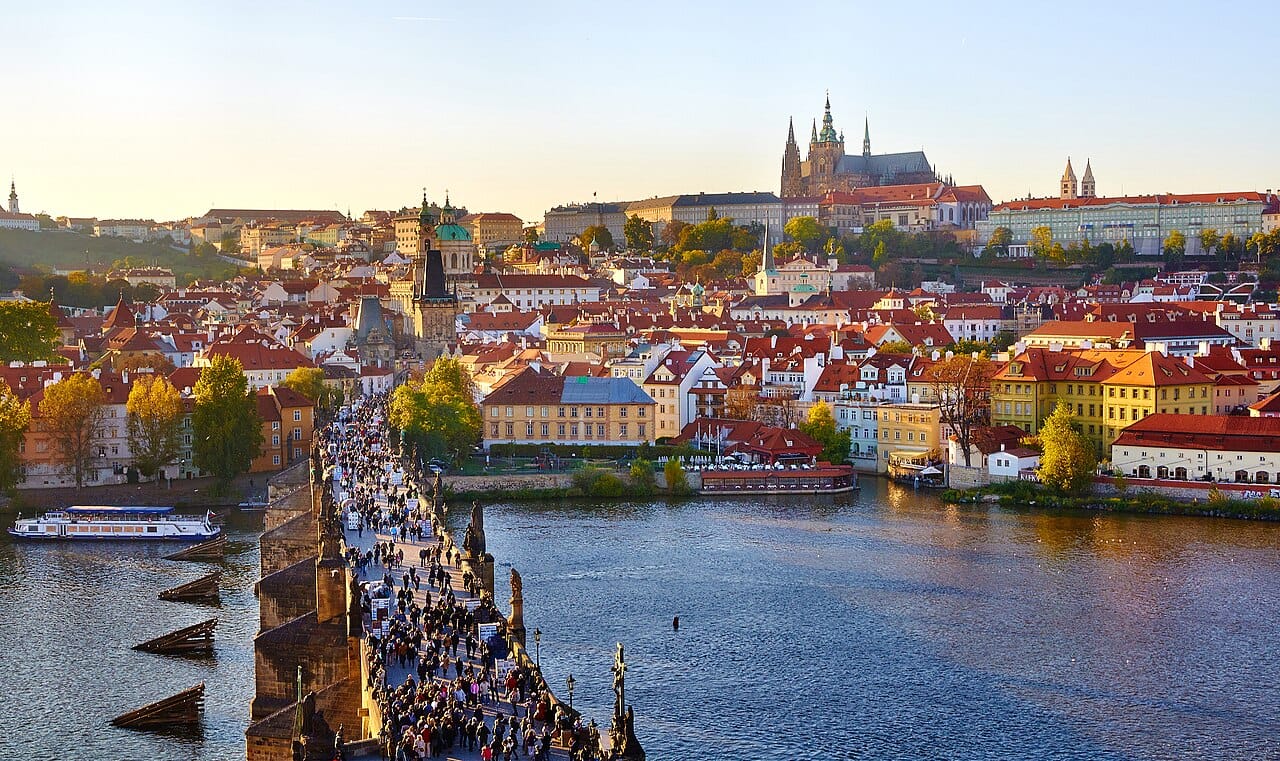
The Czech Republic, also known as Czechia, is a landlocked country in the heart of Central Europe, made up of the historic lands of Bohemia and Moravia. A country of rolling hills, forests, and spa towns, it has its golden-spired capital, Prague, at its centre, one of the best-preserved historic cities in Europe. With a long heritage of art, music, and learning, and a famous tradition of beer, it has reinvented itself as a prosperous democracy since the fall of communism.
Czech history runs from ancient Bohemia, through a medieval kingdom and a pioneering religious revolt, to the traumas of the twentieth century and a peaceful return to democracy.
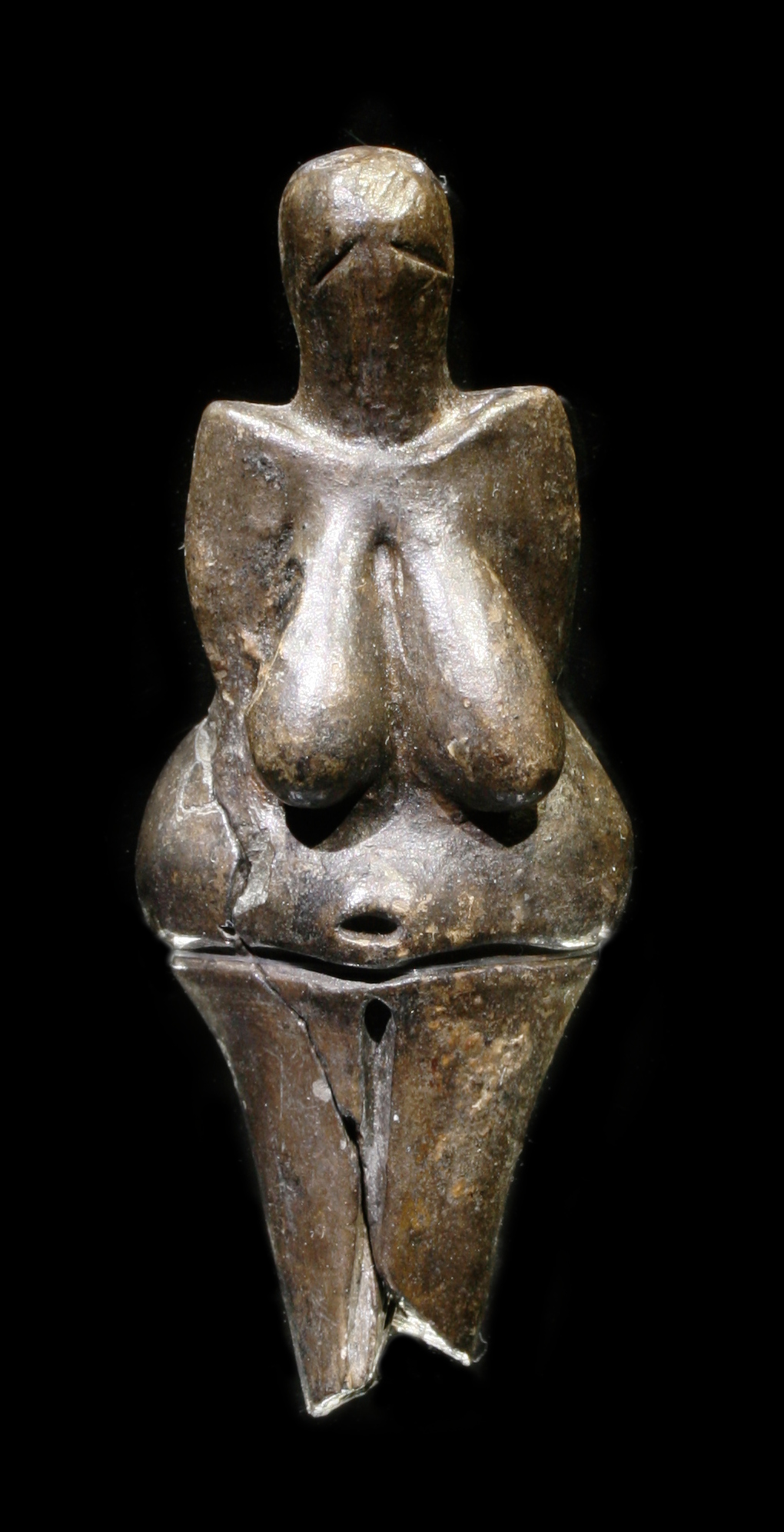
The Czech lands have been inhabited since the depths of the Ice Age, leaving treasures such as the Venus of Vestonice, among the oldest fired-clay figures ever made. Celtic peoples, from whom the name Bohemia derives, and later Germanic and then Slavic tribes settled the land, and by the early Middle Ages the Czechs had built a strong kingdom at the heart of the continent.
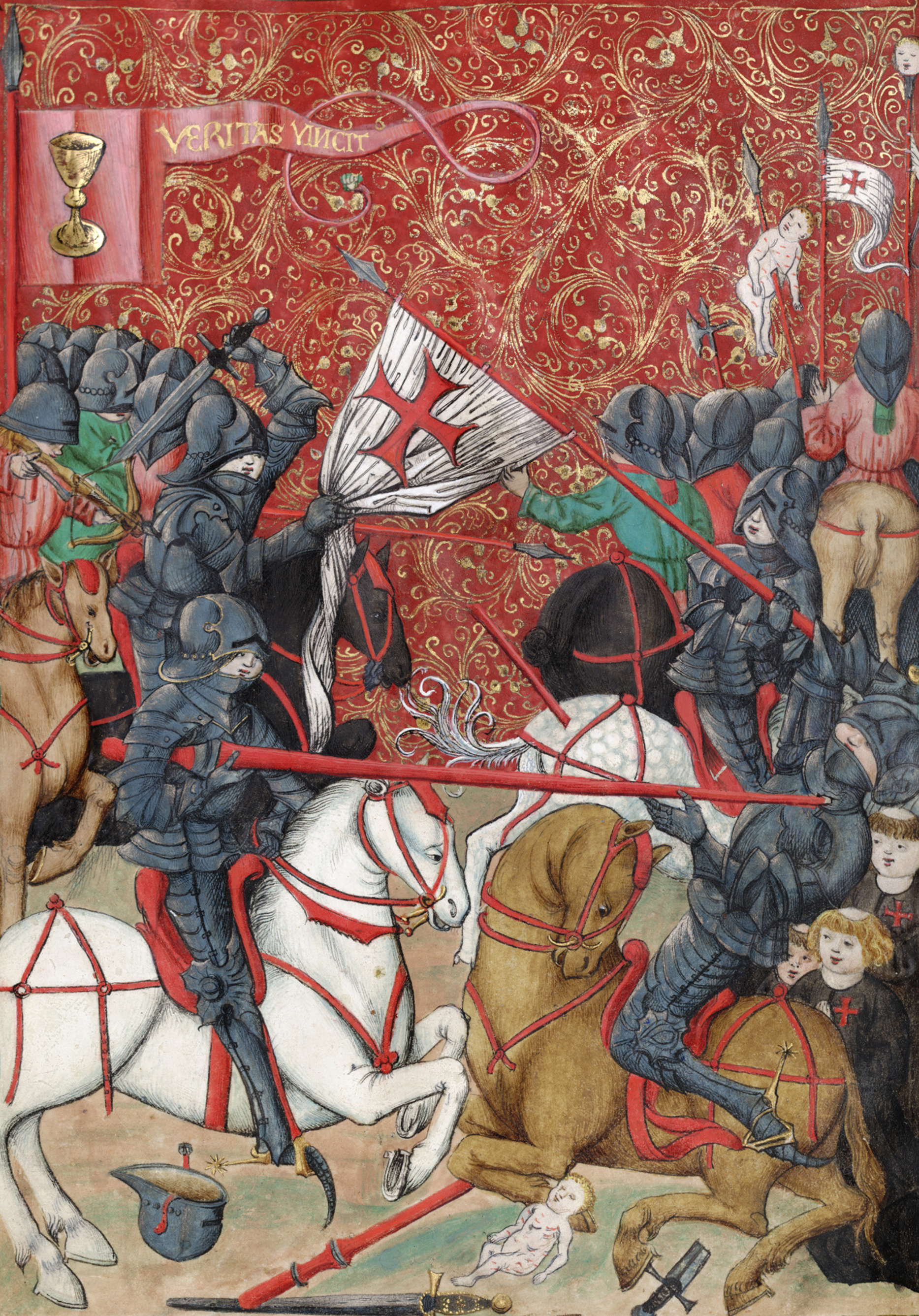
The medieval Kingdom of Bohemia rose to greatness, above all under Charles the Fourth, who in the fourteenth century made Prague a splendid imperial capital, founding its university and building its landmarks. In the following century the Czech lands became the cradle of an early religious reform movement led by the preacher Jan Hus, whose burning at the stake sparked the Hussite Wars, a full century before the wider Reformation.
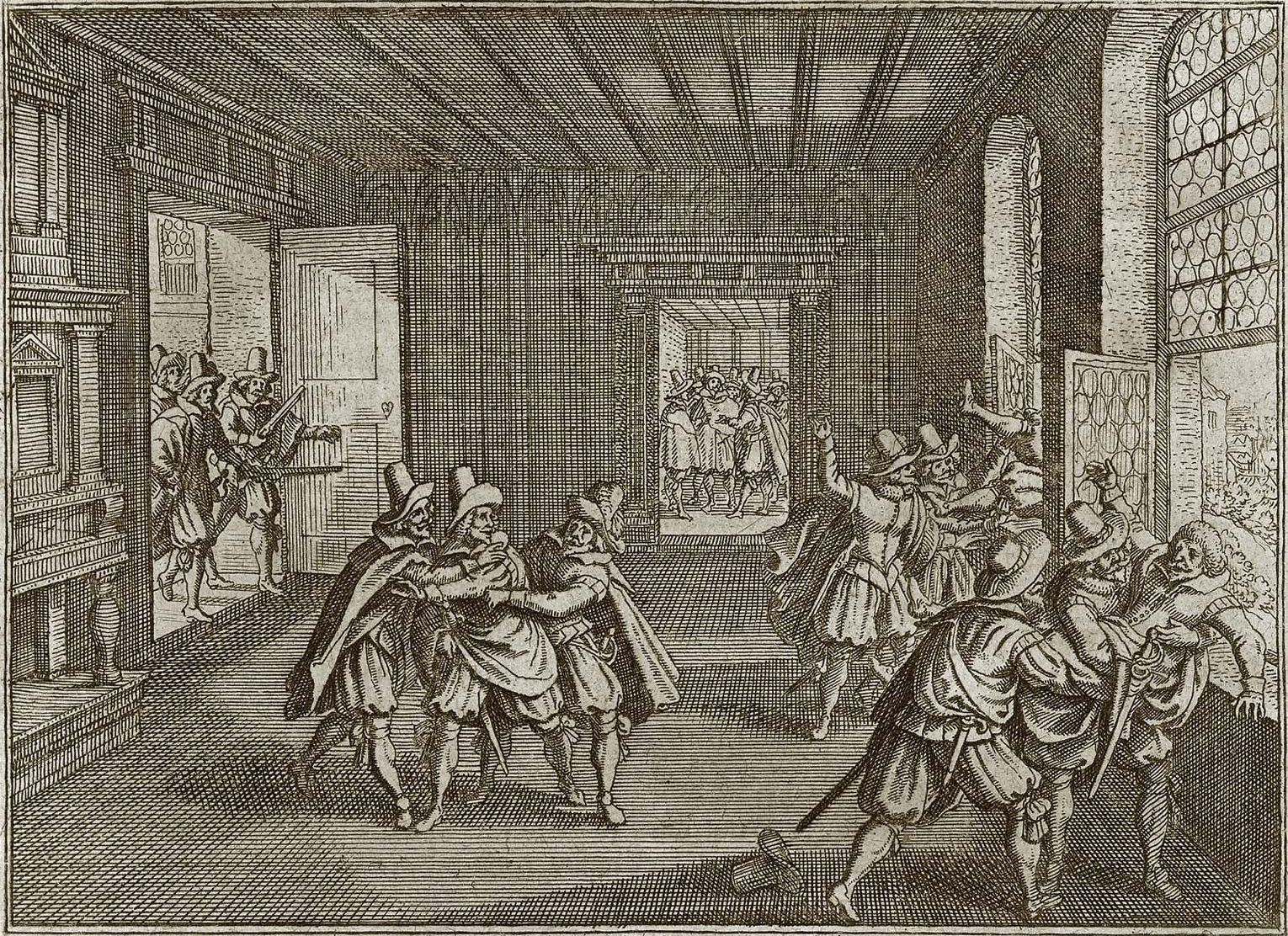
The Bohemian lands passed to the Habsburgs, and in 1618 a revolt of Protestant nobles, who flung royal officials from a castle window in the famous Defenestration of Prague, helped ignite the Thirty Years War, one of the most destructive conflicts in European history. Defeat left Bohemia firmly under Catholic Habsburg rule for the next three centuries.
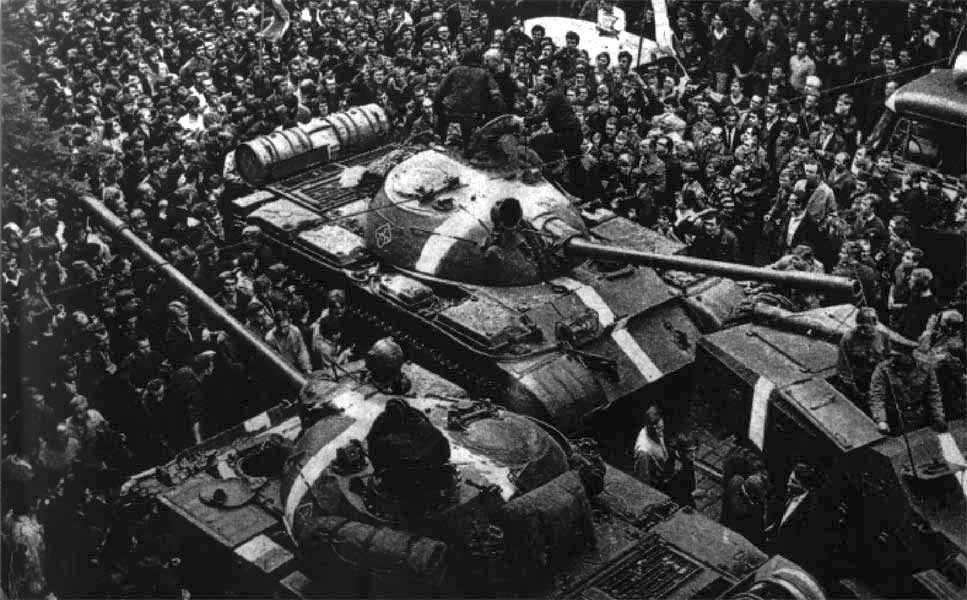
When the Habsburg empire collapsed after the First World War, the Czechs joined with the Slovaks to form Czechoslovakia in 1918, a rare democracy in the region. It was betrayed and dismembered before the Second World War and occupied by Nazi Germany, then fell under communist rule after 1948. A hopeful reform movement, the Prague Spring of 1968, was crushed by Soviet tanks, until the peaceful Velvet Revolution of 1989 finally ended communism, and in 1993 Czechs and Slovaks amicably went their separate ways.
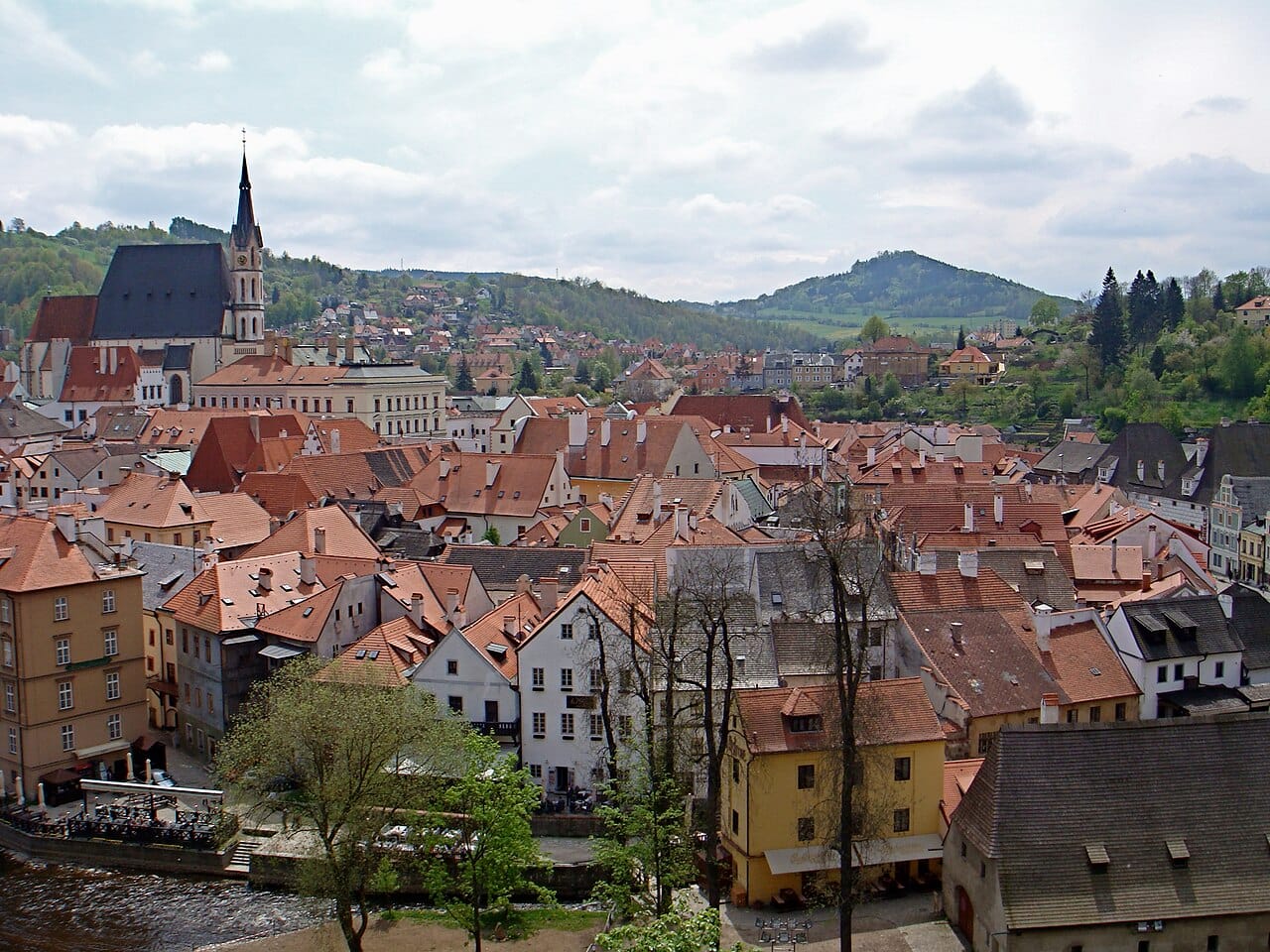
The Czech Republic is a landlocked country of gently rolling countryside, low mountains, and forests, ringed by hills along much of its border. Bohemia, in the west, forms a basin drained by the Vltava and Elbe rivers, while Moravia lies to the east. The land has no coastline and a temperate climate, and is dotted with castles, historic towns, and famous spa resorts. Beneath the surface lie mineral springs and deposits that have long been important to the region.
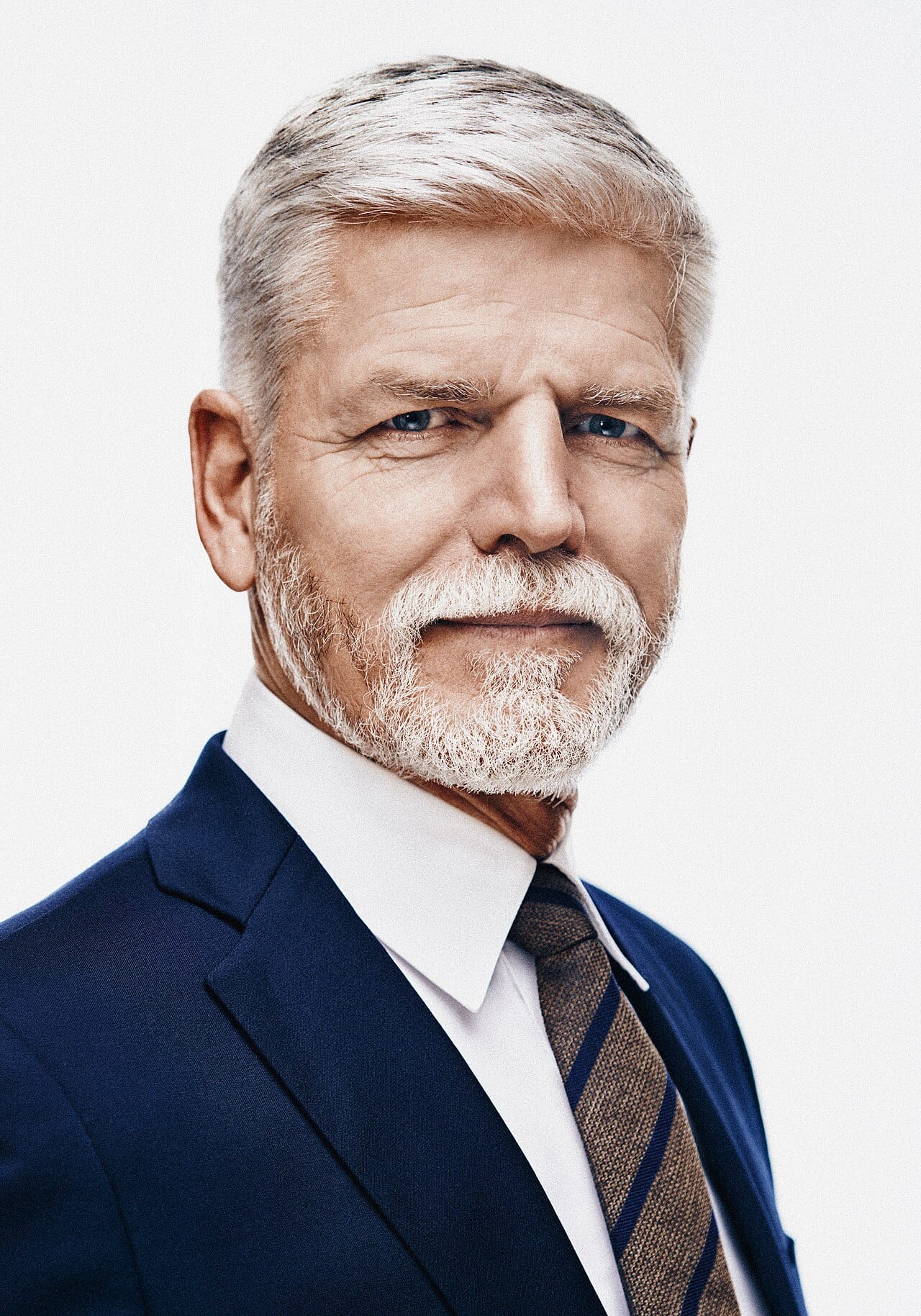
The Czech Republic is a parliamentary democracy and a member of the European Union and NATO. A directly elected president serves as head of state with mostly ceremonial powers; the president since 2023 is Petr Pavel, a former senior army and NATO general firmly committed to the Western alliance. The government answers to parliament, and Czech politics has swung between liberal, pro-European coalitions and the populist movement of the billionaire businessman Andrej Babis, whose party won the parliamentary election of 2025, returning him to the centre of power. As across the region, debates over the European Union, migration, and support for Ukraine run through public life.
The Czech Republic has one of the most industrialised and prosperous economies of the former communist bloc. Manufacturing is its backbone, above all the automotive industry, home to the carmaker Skoda, along with machinery, electronics, and engineering, closely tied to the neighbouring German economy. Low unemployment, a skilled workforce, and a central location have made the country a manufacturing hub of Europe, while Prague's beauty draws floods of tourists. The result is one of the higher standards of living in Central Europe.
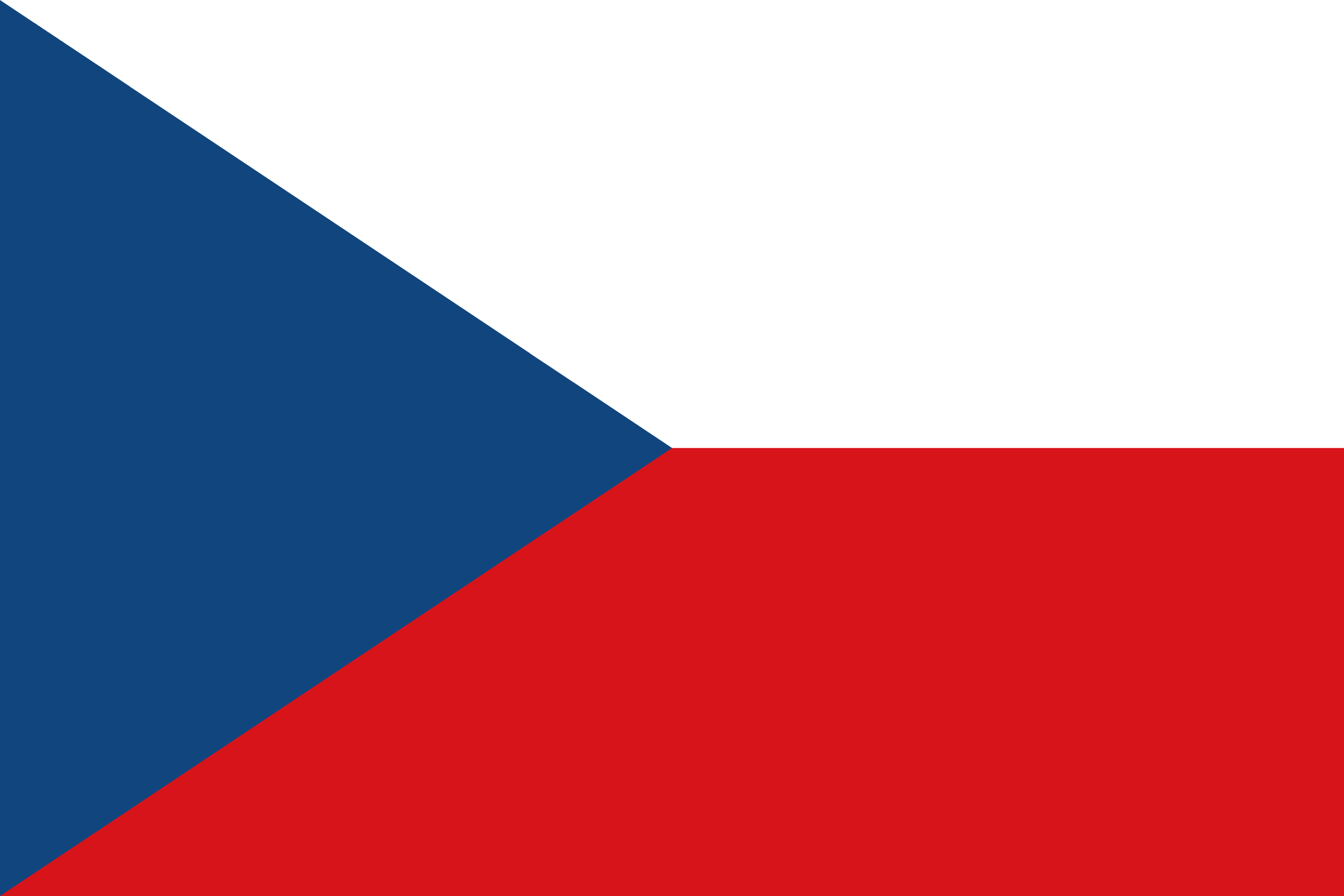
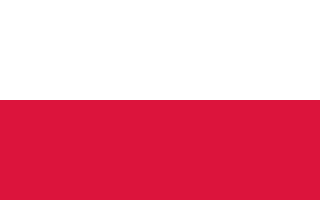
The flag of the Czech Republic has two horizontal bands, white over red, with a blue triangle extending from the hoist. The white and red derive from the colours of Bohemia, while the blue triangle was added to represent Moravia and Slovakia and to distinguish the flag from that of neighbouring Poland. Originally the flag of Czechoslovakia, it was kept by the Czech Republic after the peaceful split with Slovakia in 1993.
The Czech Republic is one of the most secular countries in the world, with a very large share of the population reporting no religion. This is partly a legacy of history, from the early Hussite challenge to the Catholic Church, through the suppression of religion under communism. Among those who do profess a faith, Roman Catholicism is the largest, and the country's churches, cathedrals, and religious art remain treasured parts of its cultural heritage even in a largely non-religious society.
Czech cuisine is hearty and suited to a cool climate, built around meat, dumplings, and sauces. A classic meal is roast pork with bread dumplings and stewed cabbage, and rich goulash and various meat dishes are widely enjoyed. Above all, the Czech Republic is a nation of beer: it has among the highest rates of beer consumption per person in the world, and the city of Pilsen gave its name to the pale lager, or pilsner, style now brewed everywhere.
Czech agriculture makes good use of the country's fertile lowlands and temperate climate. Farmers grow cereals such as wheat and barley, along with sugar beet, potatoes, and oilseed rape. A crop of special importance is hops, grown in renowned regions and essential to the country's celebrated brewing industry. Livestock and dairy farming are significant too, and the sector, though a small part of a modern industrial economy, remains tied to strong local food traditions.
Czech culture is rich out of all proportion to the country's size, centred on the beauty of Prague, one of the great cities of Europe. It is a land of music, the homeland of the composers Antonin Dvorak and Bedrich Smetana, and of a literary tradition that runs from the German-writing Prague native Franz Kafka to the novelist Milan Kundera and the playwright turned president Vaclav Havel; it was a Czech writer who gave the world the word robot. Above all, the Czechs are famous for their beer: the city of Pilsen gave its name to the pale lager now brewed everywhere, and the country drinks more beer per person than any other on Earth. In a strikingly secular society, this love of good beer, fine music, and elegant cities takes the place that religion holds elsewhere.
Behind its prosperity and stability, the Czech Republic is pulled between two visions of its future. On one side stands a liberal, firmly pro-European and pro-Western outlook, embodied by President Petr Pavel, that sees the country's place among the democracies of the West and backs Ukraine against Russia. On the other rises a populist and more Eurosceptic current, led by the billionaire Andrej Babis, which is warier of European rules, of migration, and of the costs of the war next door, and which won the 2025 election. The argument is not unique to Czechia, but it is felt keenly in a nation that spent decades under Soviet domination and prizes its hard-won sovereignty. How far to bind itself to the European project, and how to weigh solidarity against self-interest, are questions the Czechs continue to debate.
The Czech Republic has a population of around 10.5 million people, overwhelmingly ethnic Czechs, a West Slavic people with their own language. The society is highly secular and well educated, and the population is concentrated in cities and towns across the country, above all in the capital, Prague, a major tourist destination and cultural centre. Since the fall of communism the Czech Republic has become one of the more prosperous and stable countries of Central Europe.