Cyprus is an island nation in the eastern Mediterranean Sea, the third largest island in that sea, lying south of Turkey and west of the Middle East. A sun-drenched land of mountains, beaches, and ancient ruins, it has been a crossroads of civilisations for thousands of years and was so rich in copper that the metal may take its name from the island. Greek and Turkish communities share its history, and since 1974 the island has been tragically divided, a partition that remains unresolved.
Cyprus has one of the longest and most contested histories in the Mediterranean, an island prized for its copper, made Greek in antiquity, ruled by empire after empire, and tragically divided in our own time.
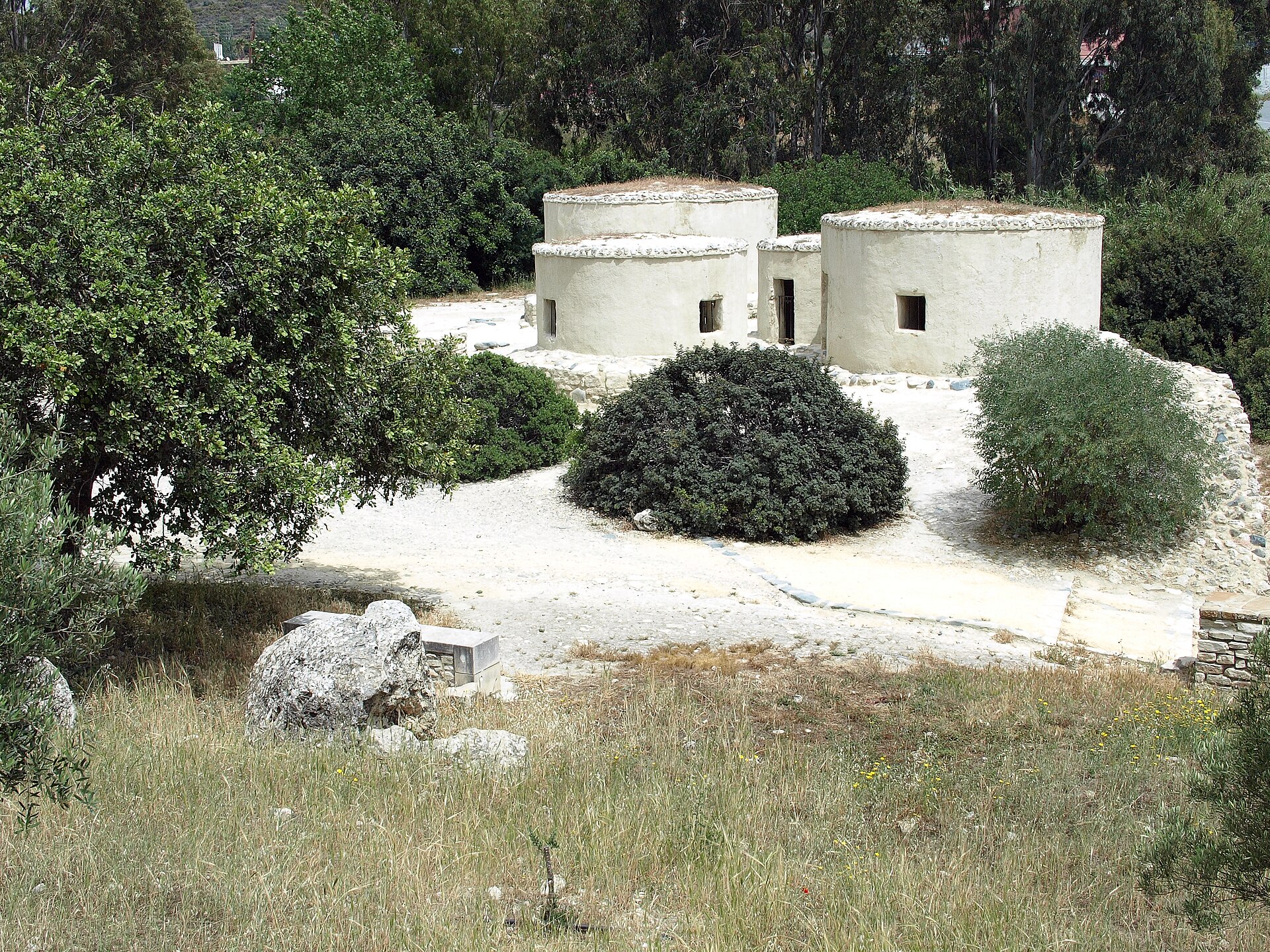
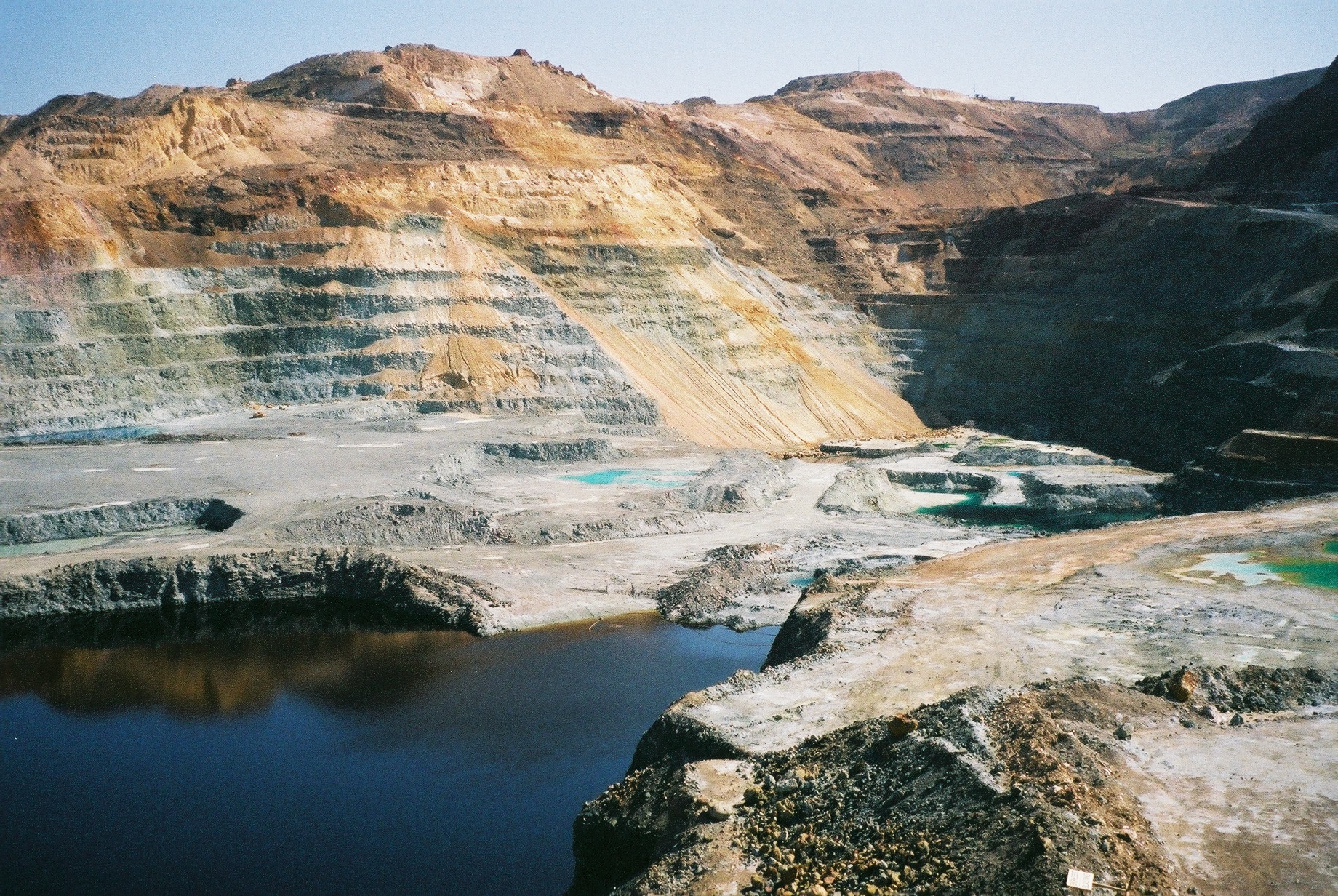
People have lived on Cyprus since the Stone Age, and the Neolithic village of Khirokitia is among the oldest settlements in the world. From the Bronze Age the island grew rich on its copper, which was so abundant and so widely traded that the metal itself may take its name from Cyprus. Mycenaean Greeks settled the island in that era, giving it the Greek language and culture that have defined the majority of its people ever since.
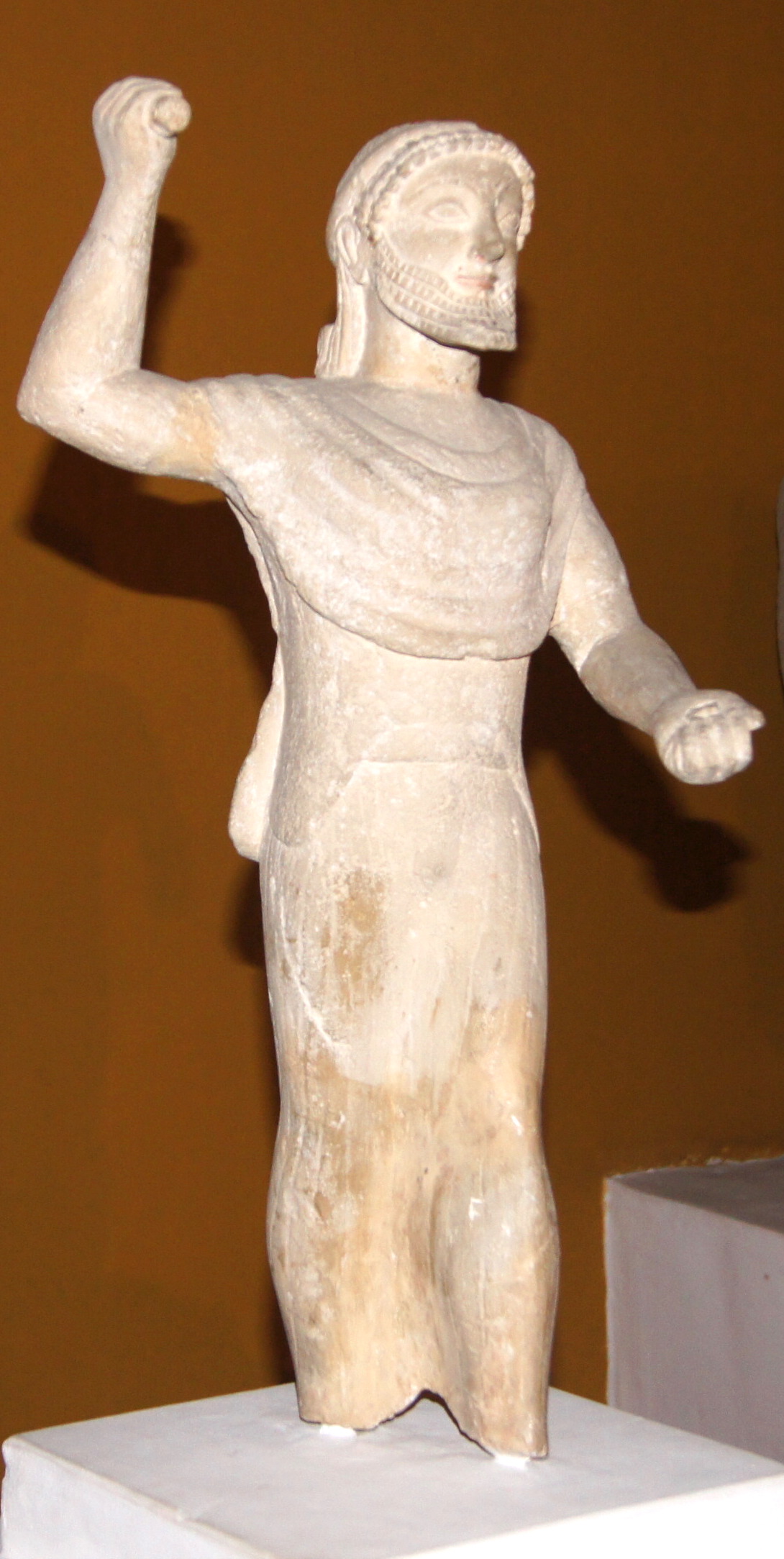
Cyprus's position off the coasts of Anatolia and the Levant made it a prize for every power of the eastern Mediterranean. In turn it was held by Phoenicians, Assyrians, Egyptians, Persians, the empire of Alexander, Rome, and Byzantium, then by Crusaders and the French Lusignan kings, the merchant republic of Venice, and, from 1571, the Ottoman Empire, which settled the Turkish Cypriot community that shares the island to this day.
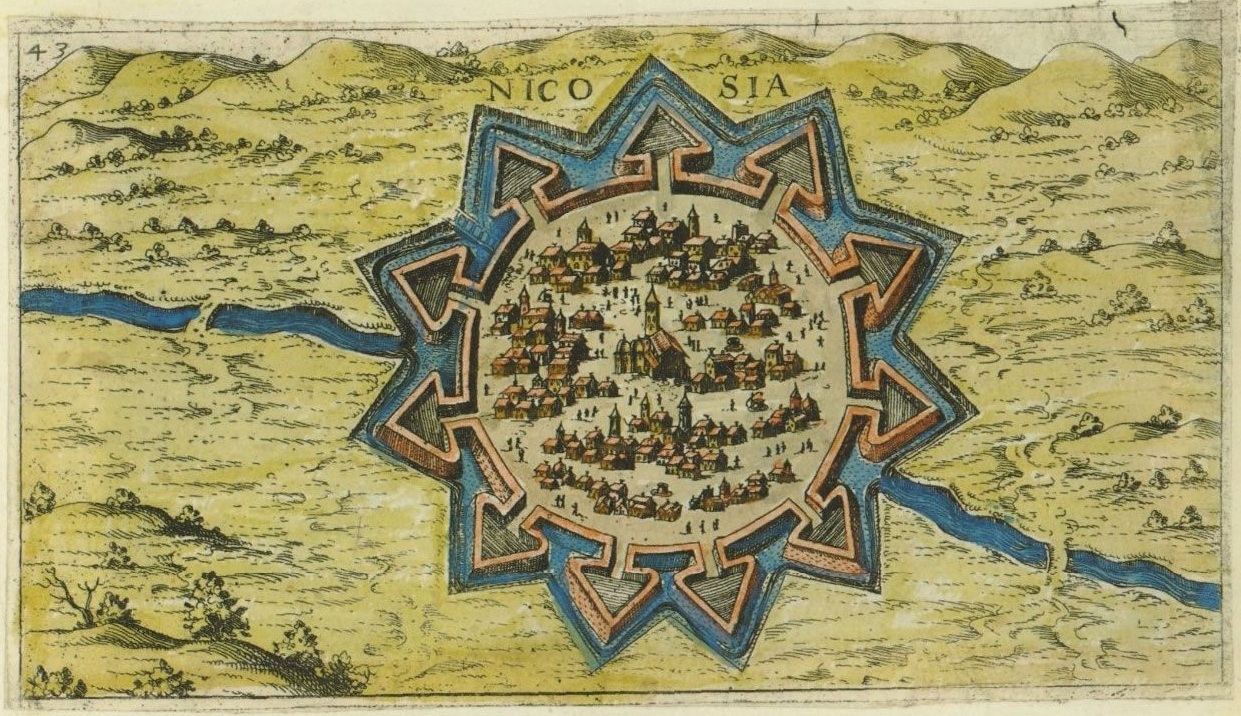
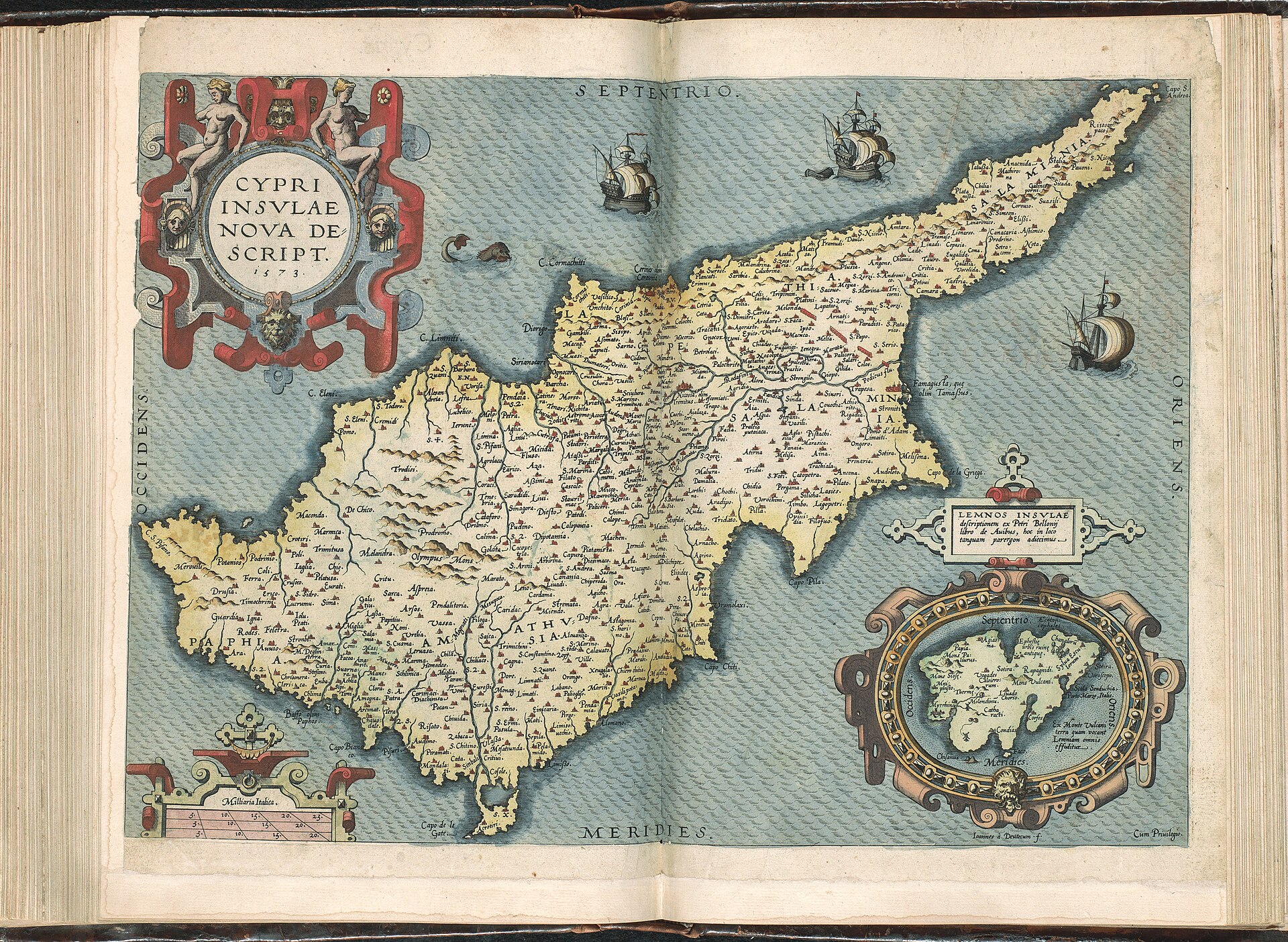
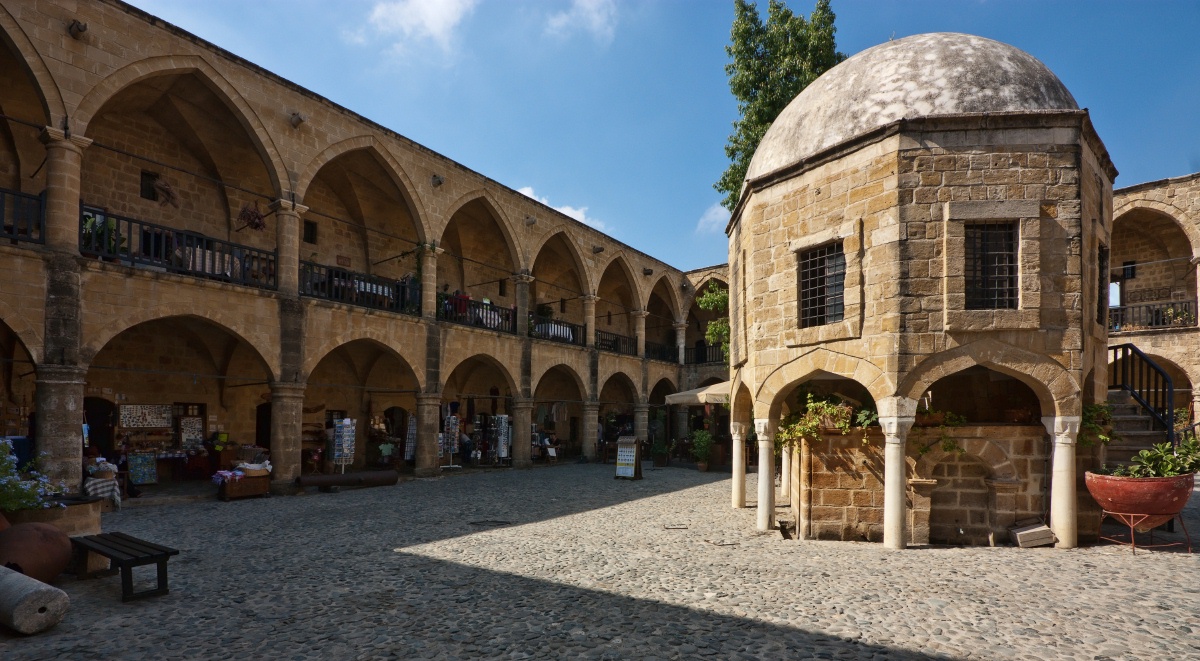
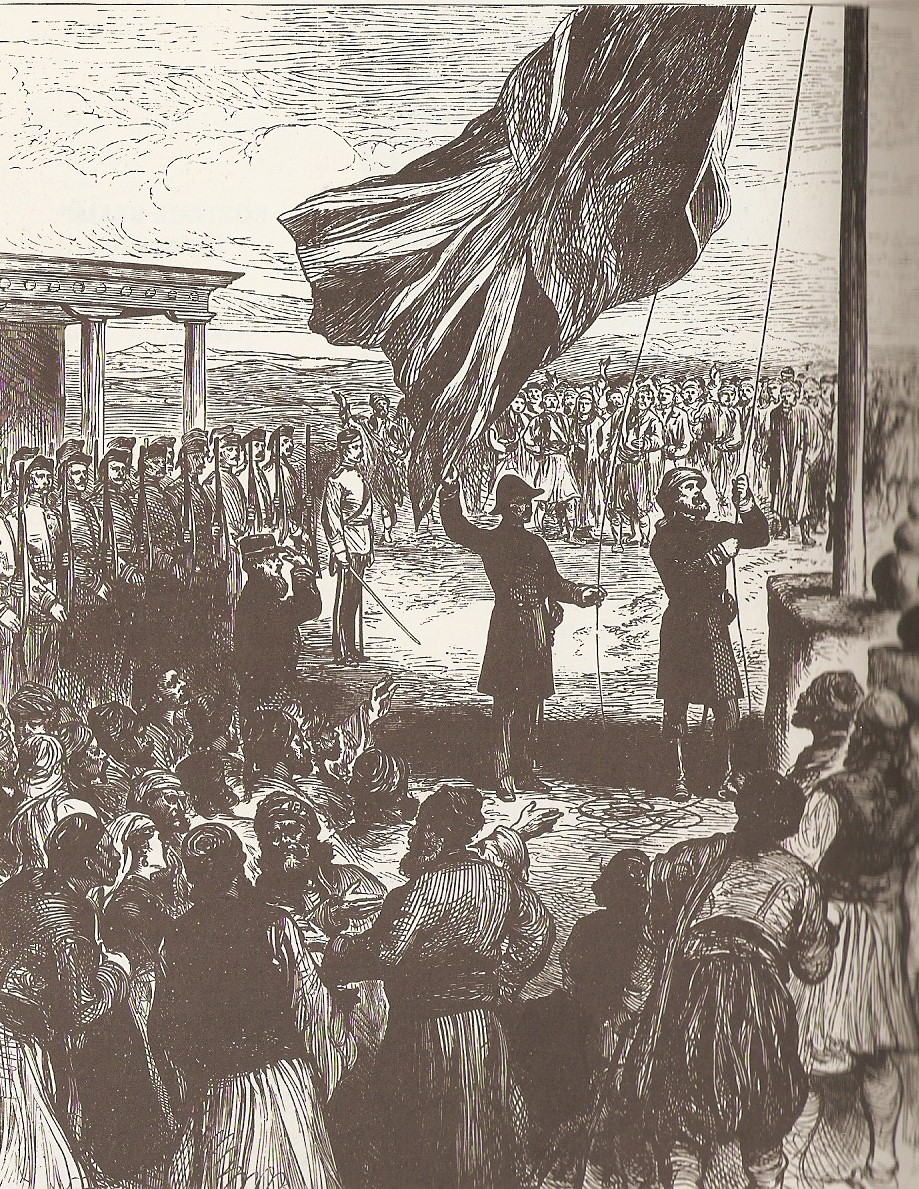
Britain took over the administration of Cyprus in 1878 and annexed it outright during the First World War. In the 1950s Greek Cypriots waged a campaign for enosis, union with Greece, which independence in 1960 did not satisfy, while Turkish Cypriots feared absorption. The compromise republic, designed to share power between the two communities, soon broke down into intercommunal violence, setting the stage for the catastrophe of 1974.
In Greek mythology, Cyprus is celebrated as the birthplace of Aphrodite, the goddess of love and beauty, who was said to have risen from the sea foam off the island's southern coast, near a spot still known as Aphrodite's Rock. The myth made Cyprus a centre of her worship in antiquity and remains a cherished part of the island's identity and tourism. As a literal event it belongs, of course, to mythology rather than history, but the goddess's deep association with the island is very real.
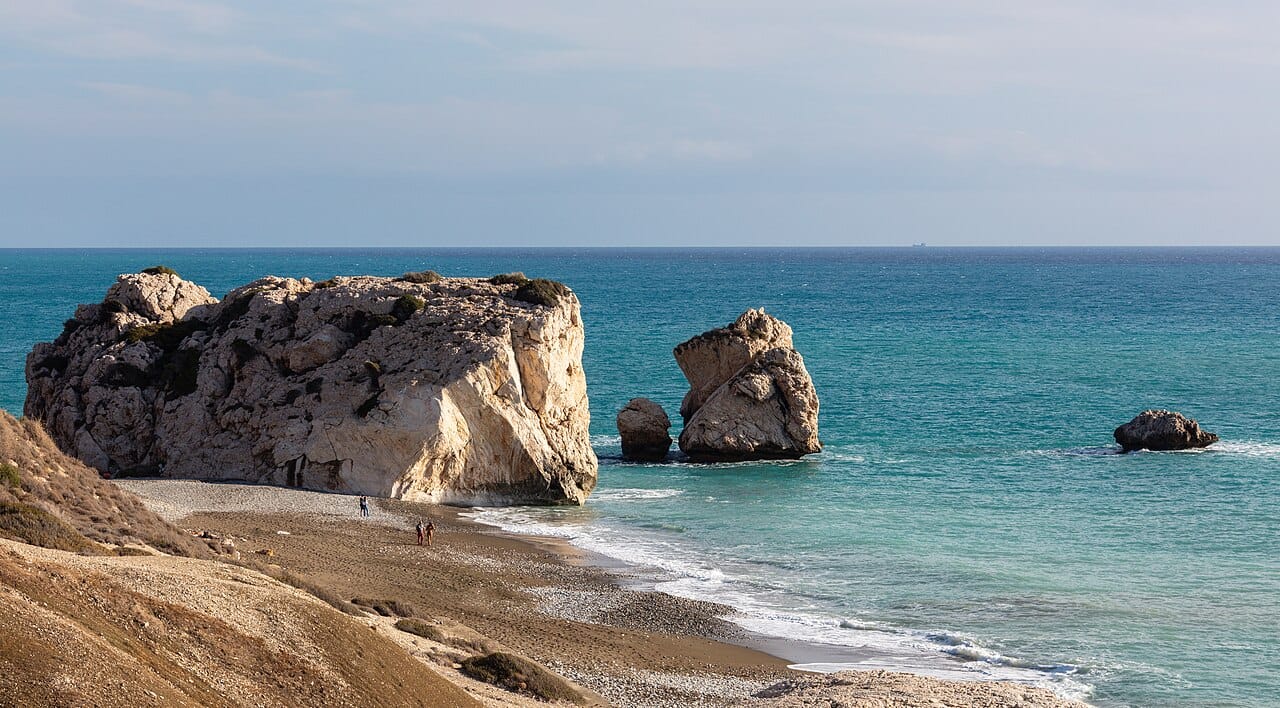
Cyprus is dominated by two mountain ranges, the Troodos massif in the centre and west, rich in the copper and forests of antiquity, and the long, narrow Kyrenia range along the north coast, with a fertile plain, the Mesaoria, between them. The island has a warm Mediterranean climate, with hot, dry summers, and a coastline of beaches, coves, and rocky headlands. Water is scarce, and the dry interior contrasts with the cooler, pine-clad heights of the mountains.
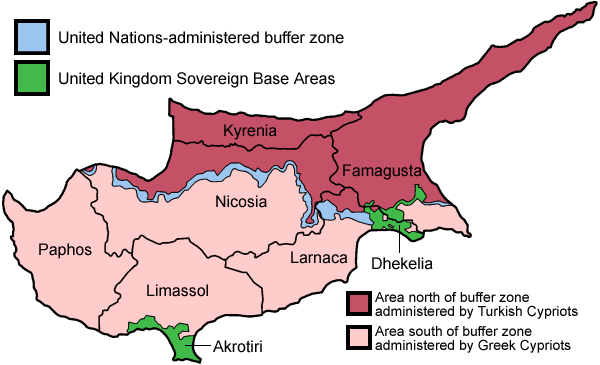
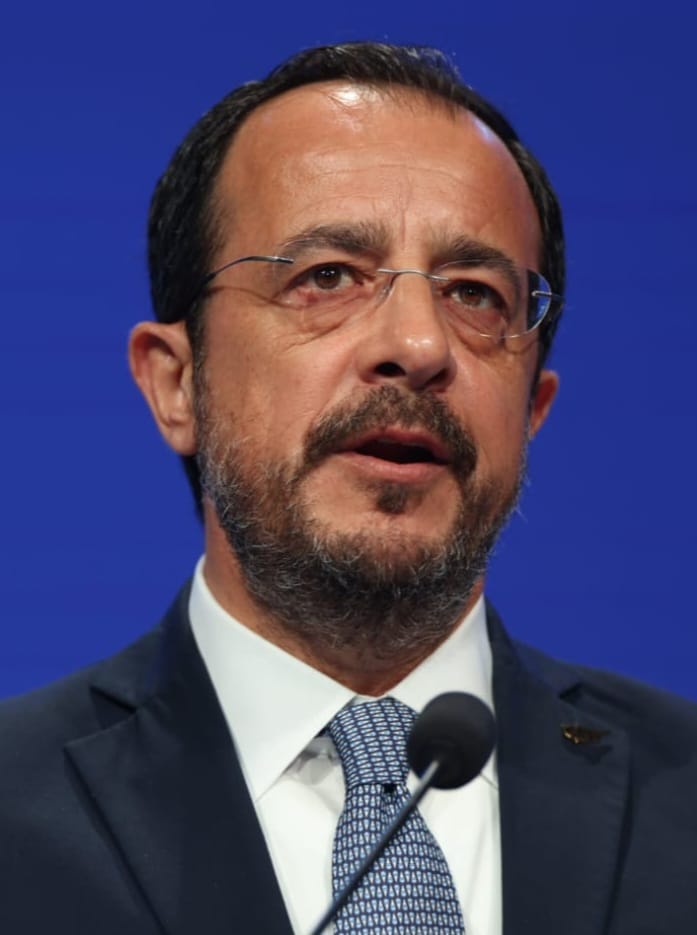
Cyprus is a presidential republic and, since 2004, a member of the European Union, having adopted the euro in 2008, yet it is a state that governs only part of its own territory. The internationally recognised Republic of Cyprus, led by the Greek Cypriot community, controls the southern two-thirds of the island; the north is governed by a self-declared Turkish Cypriot state recognised only by Turkey, whose troops are stationed there, with a United Nations buffer zone between them. The president, who is both head of state and head of government, has since 2023 been Nikos Christodoulides. Reunifying the island, on which countless rounds of negotiation have failed, remains the central and seemingly intractable question of Cypriot political life.
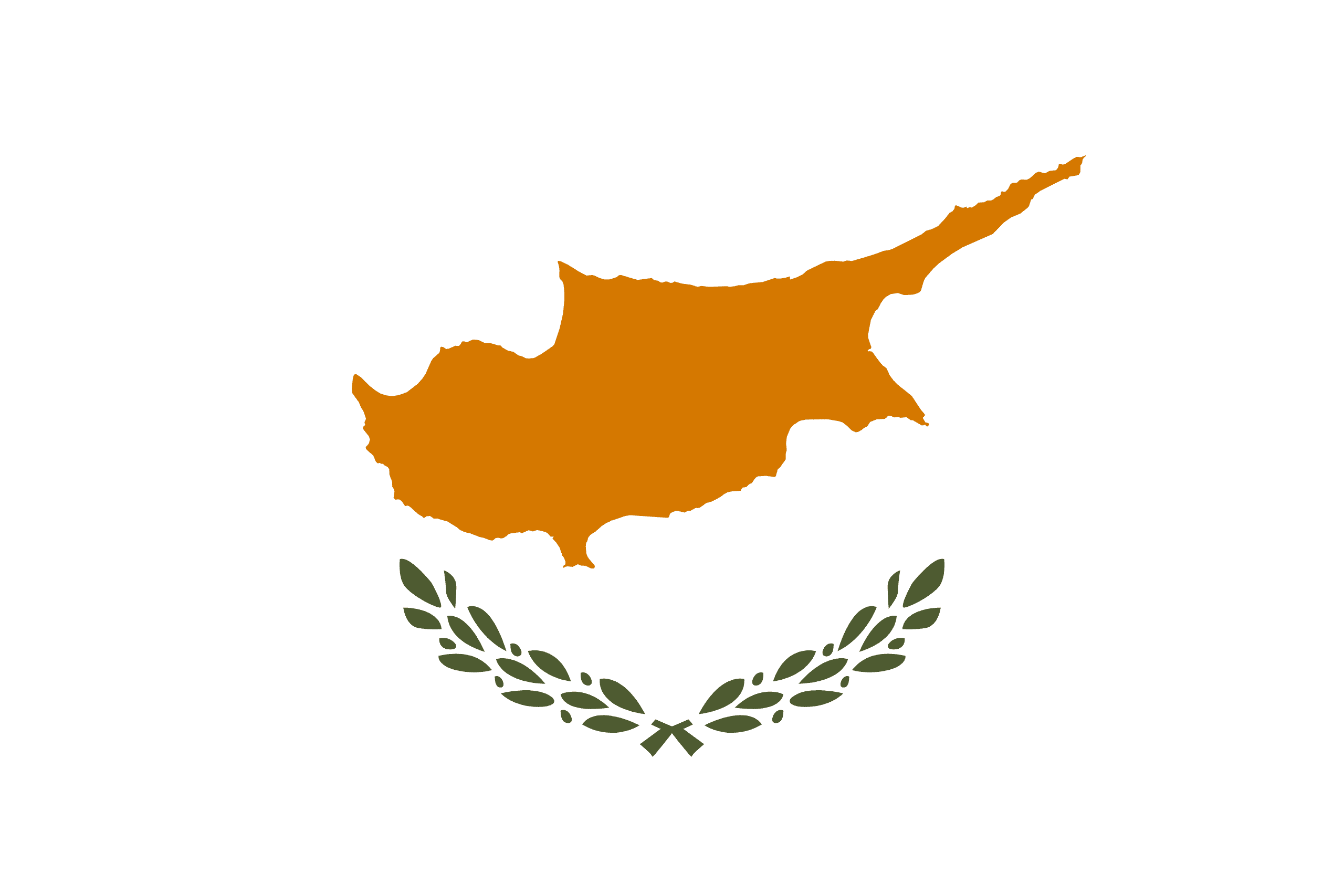
The flag of Cyprus is unusual in depicting the shape of the country itself: a copper-coloured silhouette of the island on a white field, above two green olive branches. The copper colour recalls the island's ancient wealth in that metal, and the olive branches symbolise peace between its Greek and Turkish communities. Designed to be neutral, the flag deliberately avoids the colours and symbols of either Greece or Turkey, expressing a hope for unity that the island's division has frustrated.
Religion on Cyprus largely follows its communal divide. The Greek Cypriot majority is overwhelmingly Greek Orthodox Christian, and the Church of Cyprus is one of the oldest autonomous Orthodox churches, deeply tied to Greek Cypriot identity and history. The Turkish Cypriot community is traditionally Sunni Muslim. The island is dotted with ancient churches and monasteries as well as mosques, a reflection of its long and layered history and of the two communities that share it.
Cypriot cuisine blends Greek, Turkish, and Middle Eastern influences in the sunny Mediterranean style. Its most famous product is halloumi, a firm, salty cheese that holds its shape when grilled and is now enjoyed around the world. Meals are often built around meze, a spread of many small dishes, and feature grilled meats such as souvla, fresh vegetables, olives, and seafood. Olive oil, citrus, and local wine, from one of the world's oldest winemaking traditions, complete the table.
Agriculture on Cyprus is shaped by the warm, dry climate and limited water. The island grows citrus fruits, grapes for its ancient winemaking, potatoes, and a variety of vegetables, and it produces olives and the celebrated halloumi cheese from its sheep and goats. In antiquity it was renowned above all for its copper, and farming has long had to contend with the scarcity of fresh water, a constant challenge in this sun-baked Mediterranean land.
The defining fact of modern Cyprus is its division, an unresolved wound whose origins each community remembers differently. The power-sharing republic of 1960 broke down within a few years into intercommunal violence, and Turkish Cypriots withdrew into enclaves. The crisis came in 1974, when the military junta then ruling Greece backed a coup in Cyprus aimed at union with Greece; Turkey responded by invading the island and occupying its northern third. The war uprooted people in both directions, Greek Cypriots fleeing south and Turkish Cypriots north, and left the island partitioned along a ceasefire line.
That line, the Green Line, still runs across the island and through the heart of Nicosia, the last divided capital in Europe, patrolled by a United Nations peacekeeping force. In 1983 the north declared itself the Turkish Republic of Northern Cyprus, but no country except Turkey recognises it, and the whole island is regarded in international law as the Republic of Cyprus, which joined the European Union in 2004. Reunification talks have repeatedly come close and repeatedly failed, from the United Nations plan that Greek Cypriots rejected in a 2004 referendum to the collapse of negotiations in 2017. Greek Cypriots see the situation as a continuing Turkish occupation of their homeland; many Turkish Cypriots see the division as protection for their community won after years of insecurity. The suffering of the displaced, and the failure to reunite the island, are not disputed; where responsibility lies is.
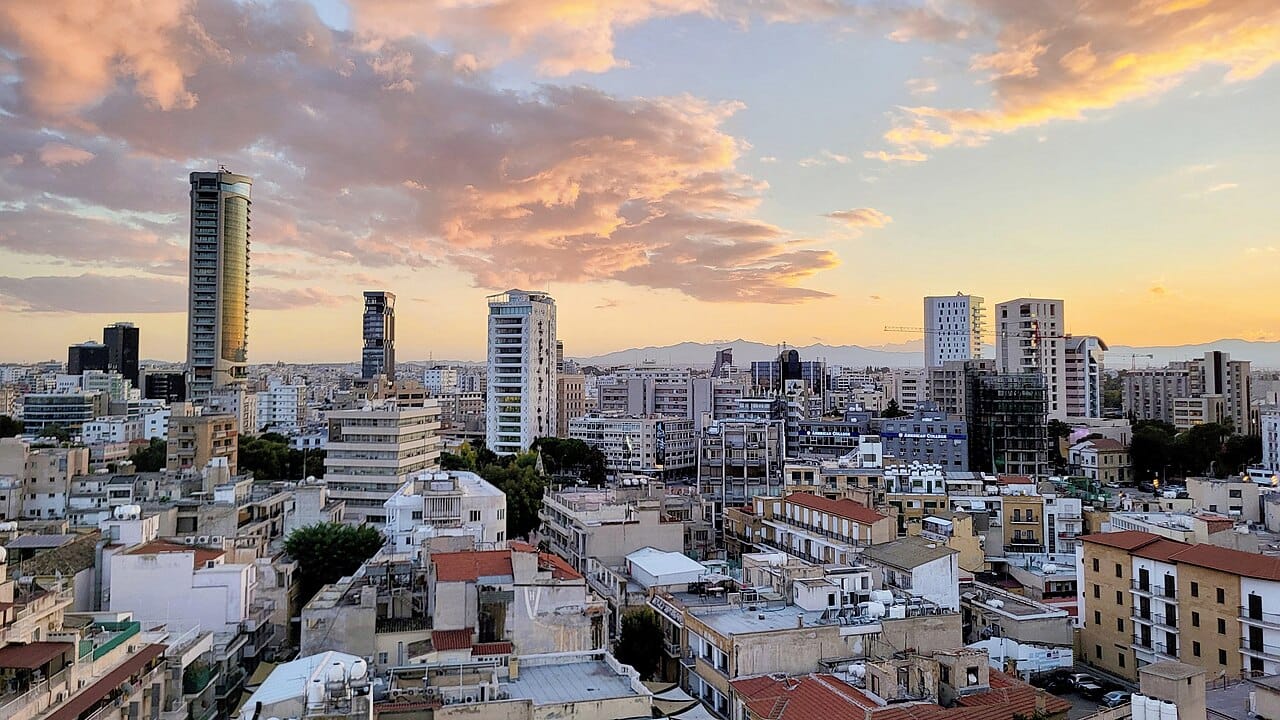
Cyprus has a population of around 1.3 million people across the whole island, divided between a Greek Cypriot majority and a Turkish Cypriot minority, along with many foreign residents and workers. The internationally recognised Republic of Cyprus, a member of the European Union, controls the south, while the north is a self-declared Turkish Cypriot state recognised only by Turkey. Most people live in and around the cities of the south, including the divided capital, Nicosia.