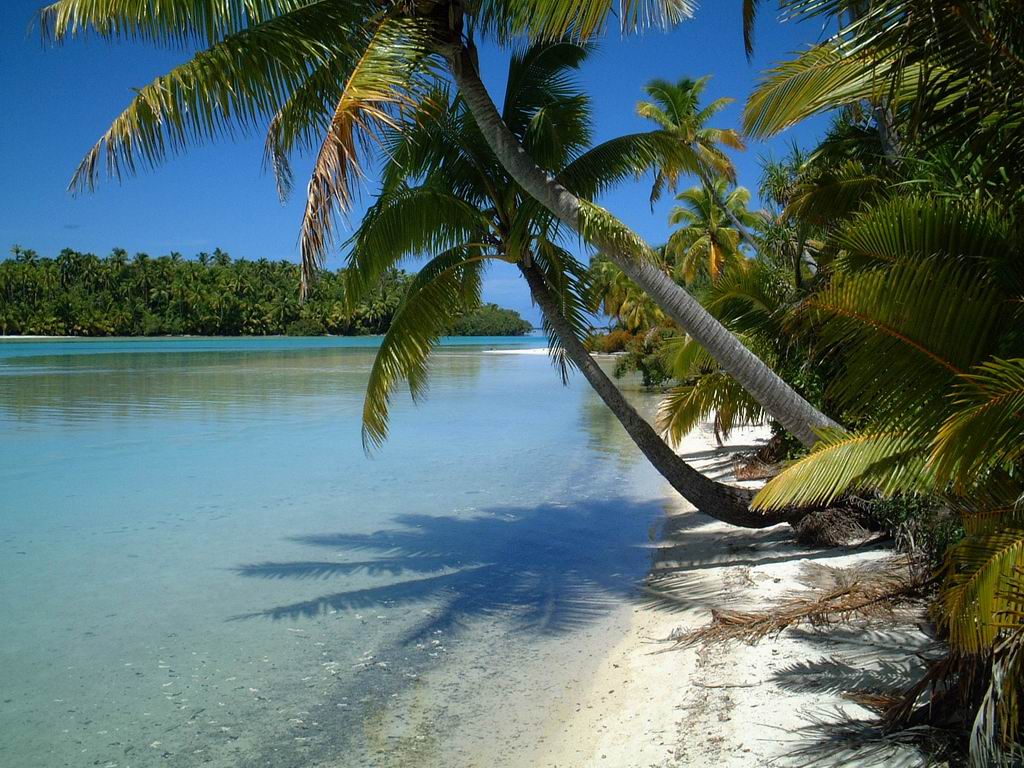
The Cook Islands is a self-governing island nation in the South Pacific, a scattering of 15 islands spread across a vast area of ocean between French Polynesia and Fiji. A Polynesian country in free association with New Zealand, it manages its own affairs while its people hold New Zealand citizenship and New Zealand assists with defence and some foreign matters. Famed for the beauty of its lagoons, beaches, and coral atolls, the Cook Islands lives largely from tourism, pearls, and fishing, and maintains a strong Polynesian culture closely related to that of the New Zealand Maori.
Polynesian voyagers reached these islands around a thousand years ago or more, and the Cook Islands occupy a particular place in that story: tradition on both sides holds that the great migration canoes that carried Maori settlers to New Zealand set out from Rarotonga, and the harbour at Avana is named as their departure point. The connection is not merely legendary. Cook Islands Maori and New Zealand Maori are closely related languages, mutually intelligible in part, and the shared genealogies are actively maintained. Each island developed its own chiefly system under ariki, and the islands were not politically united before European contact.
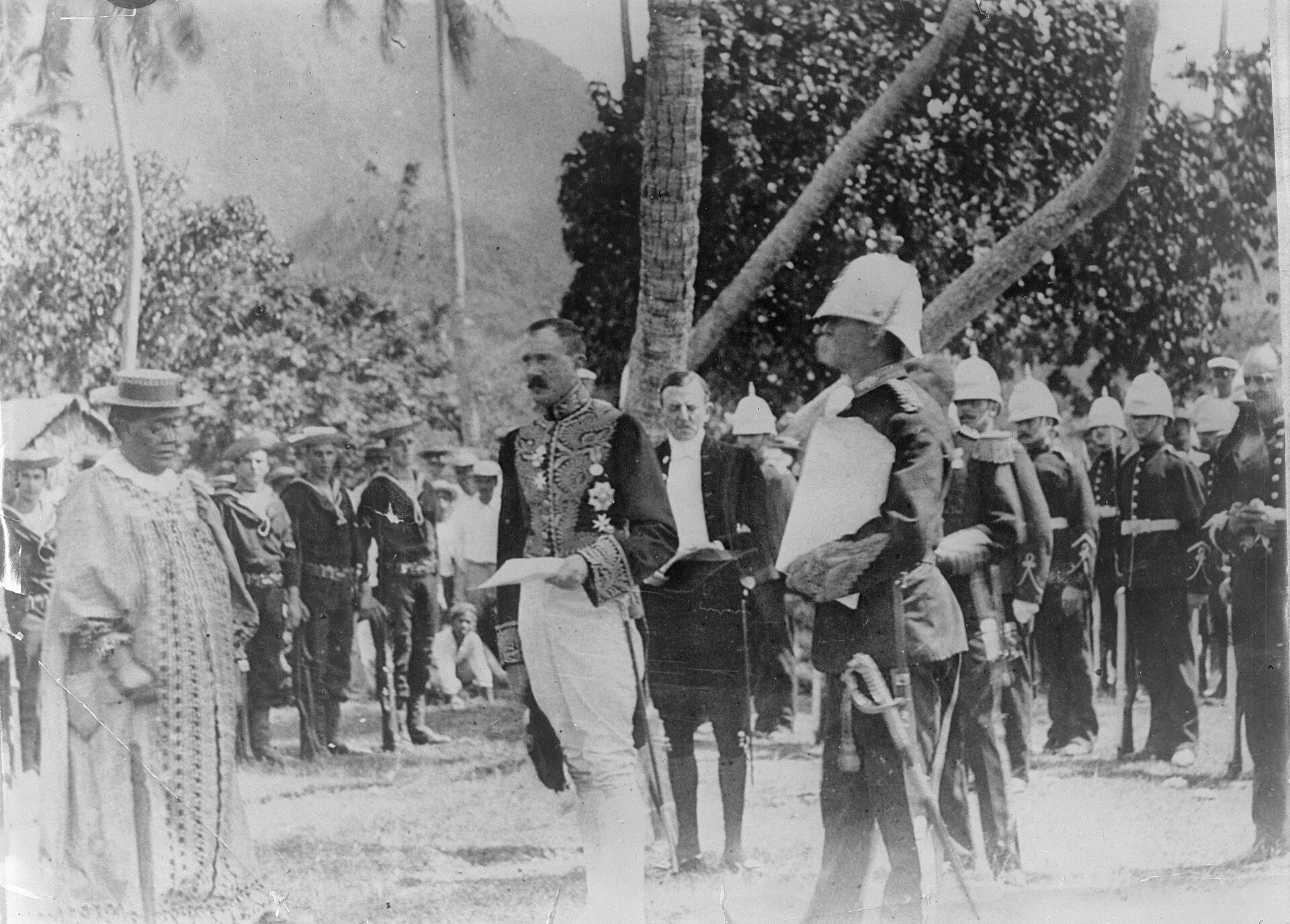
Spanish ships sighted some of the northern islands in the sixteenth century, and James Cook charted much of the group in the 1770s, though he never landed on Rarotonga; a Russian cartographer named the group after him decades later. The London Missionary Society arrived in 1821 and converted the islands rapidly, and missionary influence reshaped law, dress, and the calendar in ways still visible. Britain declared a protectorate in 1888, largely to forestall France, and in 1901 transferred the islands to New Zealand, which administered them for the next sixty-four years with a record that later New Zealand governments have acknowledged as neglectful.
Self-government in free association came on 4 August 1965, an arrangement then novel and since copied: the Cook Islands runs its own government and foreign policy entirely, while Cook Islanders hold New Zealand citizenship and New Zealand retains responsibility for defence and provides assistance, both by request. The country has since established diplomatic relations in its own right with well over sixty states, joined United Nations agencies, and signed treaties, and in 2023 the United States recognised it as a sovereign and independent state.
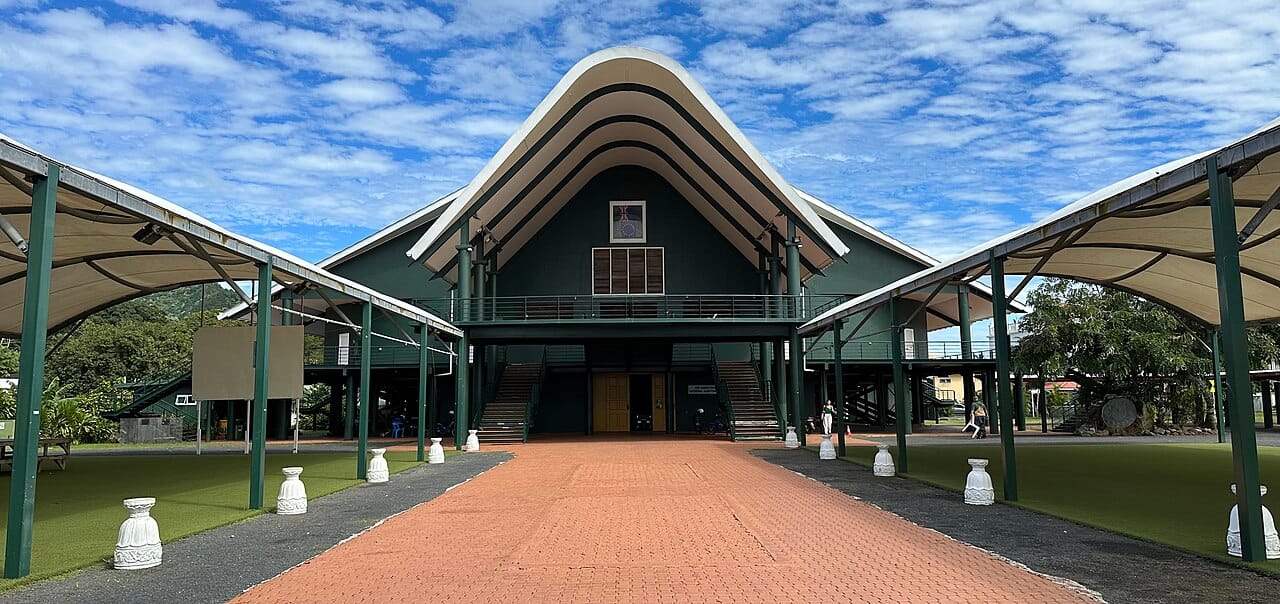
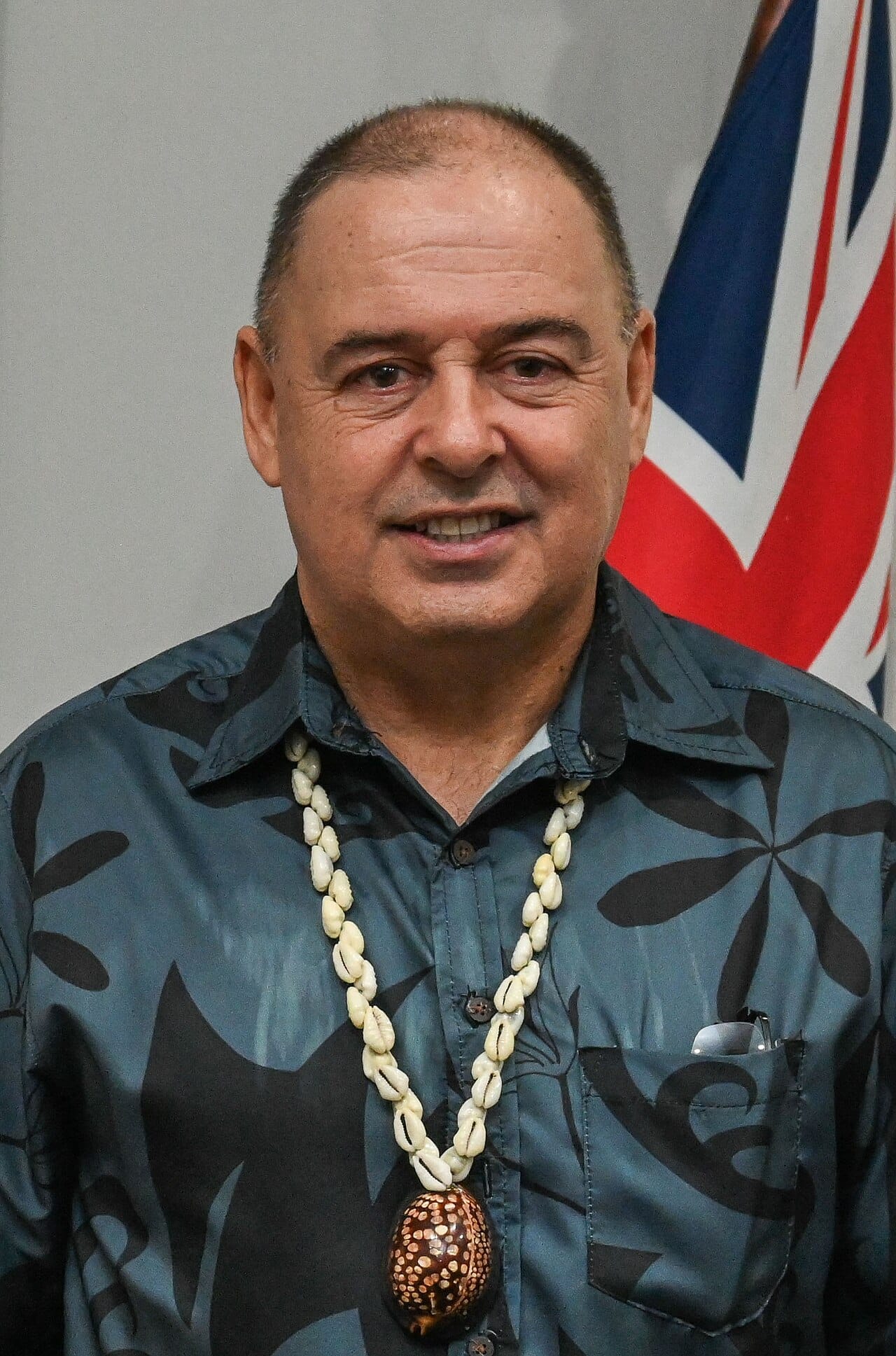
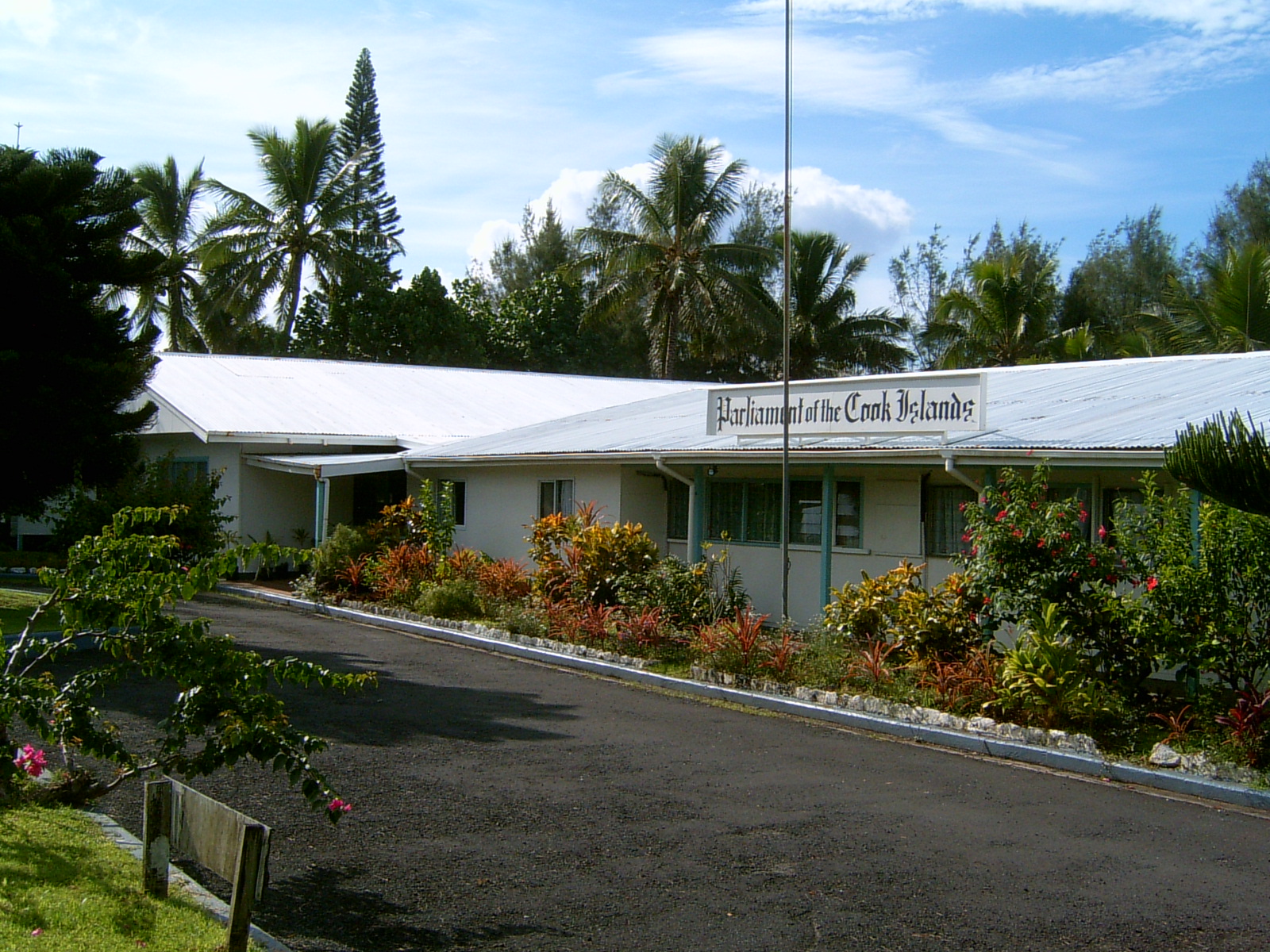
The Cook Islands is a parliamentary democracy with a Westminster-derived structure, a 24-member parliament, and King Charles the Third as head of state in right of New Zealand, represented by a King's Representative. Alongside it sits the House of Ariki, a body of traditional chiefs with an advisory role, an unusual constitutional pairing of elected and hereditary authority. Mark Brown of the Cook Islands Party has been prime minister since 2020.
The country's international position produced a genuine crisis in 2025. In February, Brown travelled to Beijing and signed a Joint Action Plan for a Comprehensive Strategic Partnership with China covering deep-sea mining, infrastructure, climate resilience, and economic cooperation. New Zealand objected that it had not been consulted as the free association arrangement requires on matters touching its interests, and paused roughly thirty million New Zealand dollars in development funding. A separate proposal for a Cook Islands passport, which would have raised the question of the New Zealand citizenship islanders hold, was shelved. The dispute ran for over a year and was settled in April 2026 when the two governments signed a defence and security pact restoring the relationship. Brown's own formulation of the position is the one now generally quoted: New Zealand is family, China is a very good friend.
Deep-sea mining is the substance beneath the diplomacy. The Cook Islands' exclusive economic zone contains one of the world's largest known concentrations of polymetallic nodules, rich in cobalt, nickel, and manganese, and the government has issued exploration licences while insisting no extraction will proceed without scientific evidence. Environmental organisations and some Pacific neighbours, several of whom back a moratorium, argue that the deep seabed ecology is too poorly understood for the risk to be assessed at all.
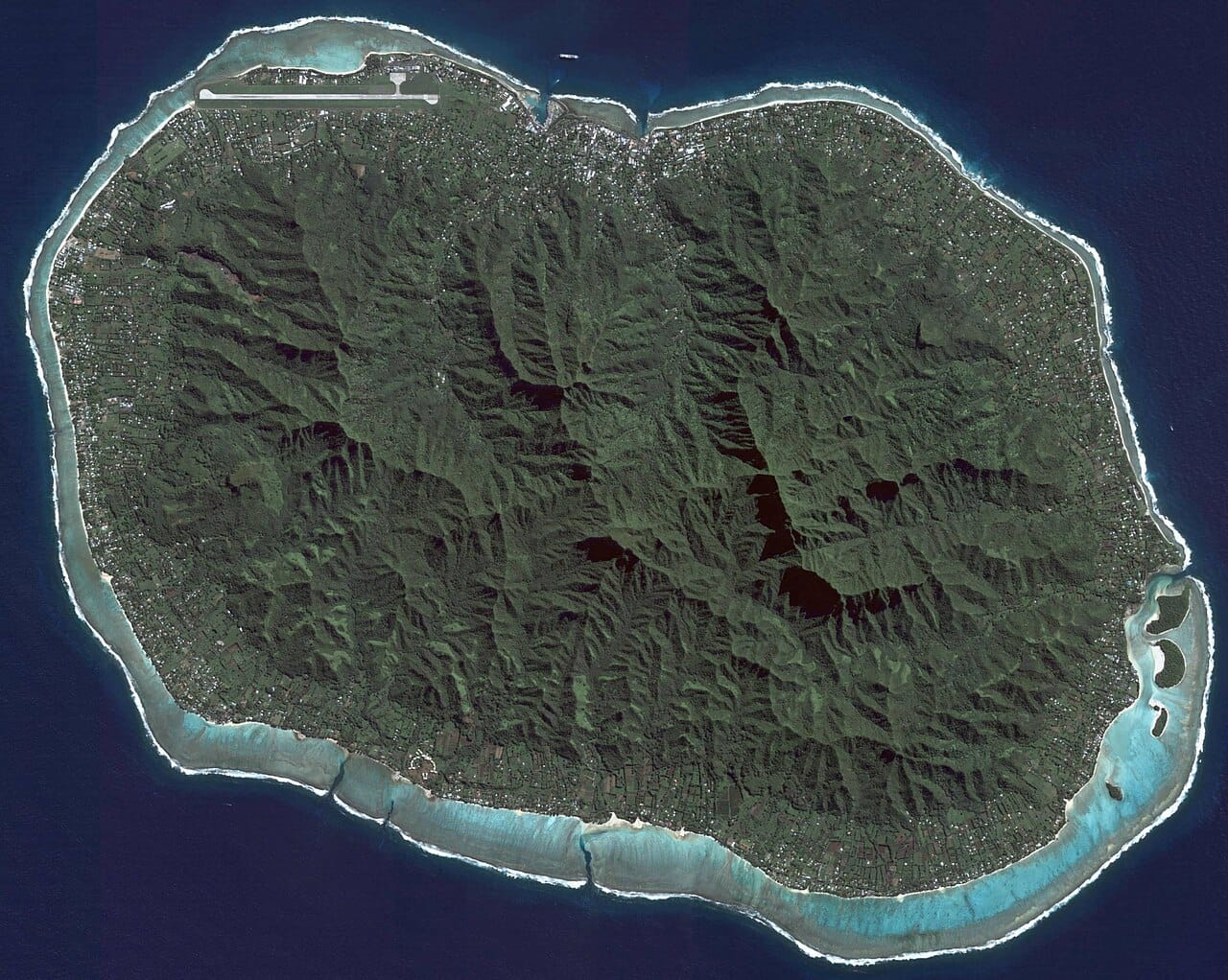
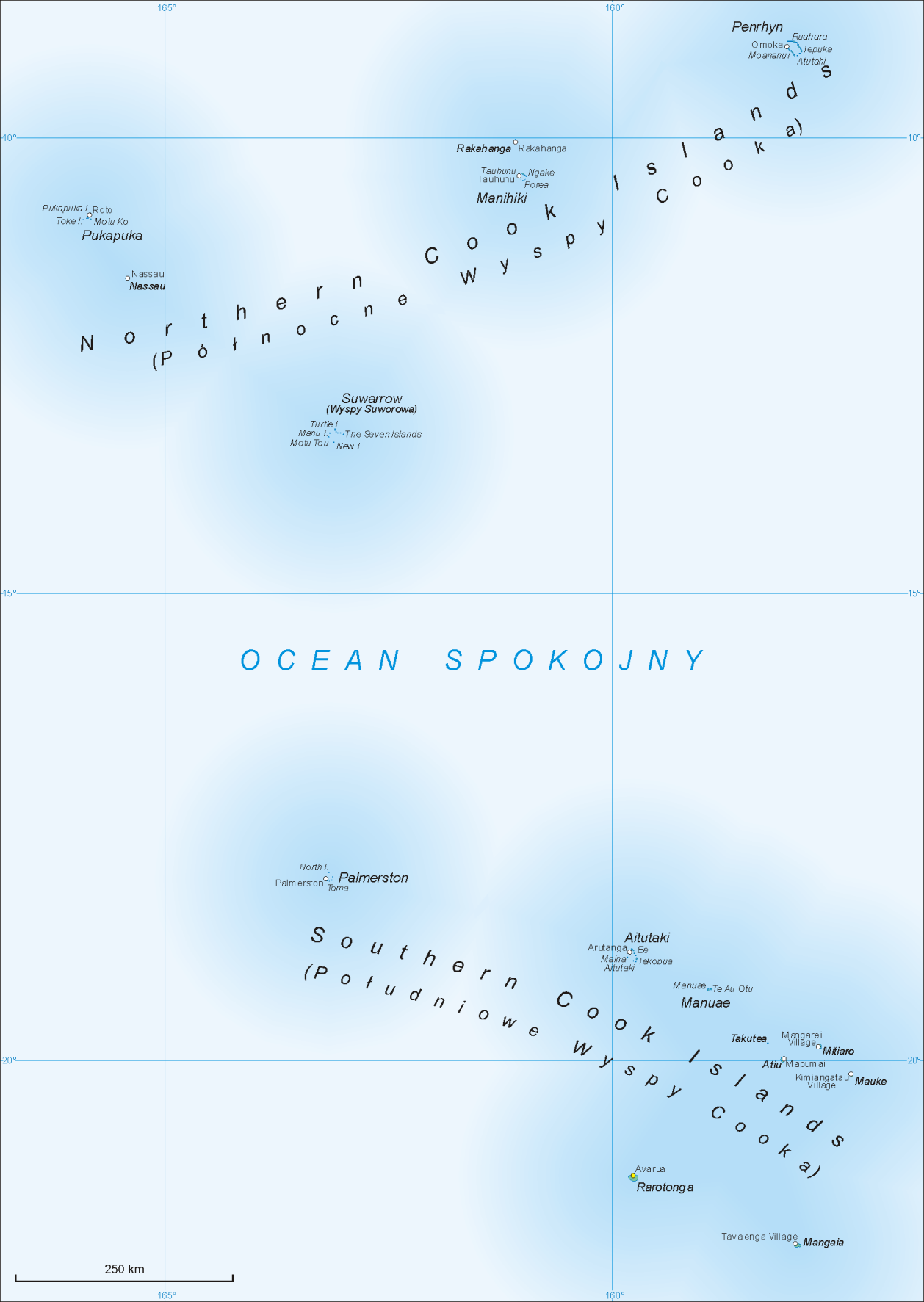
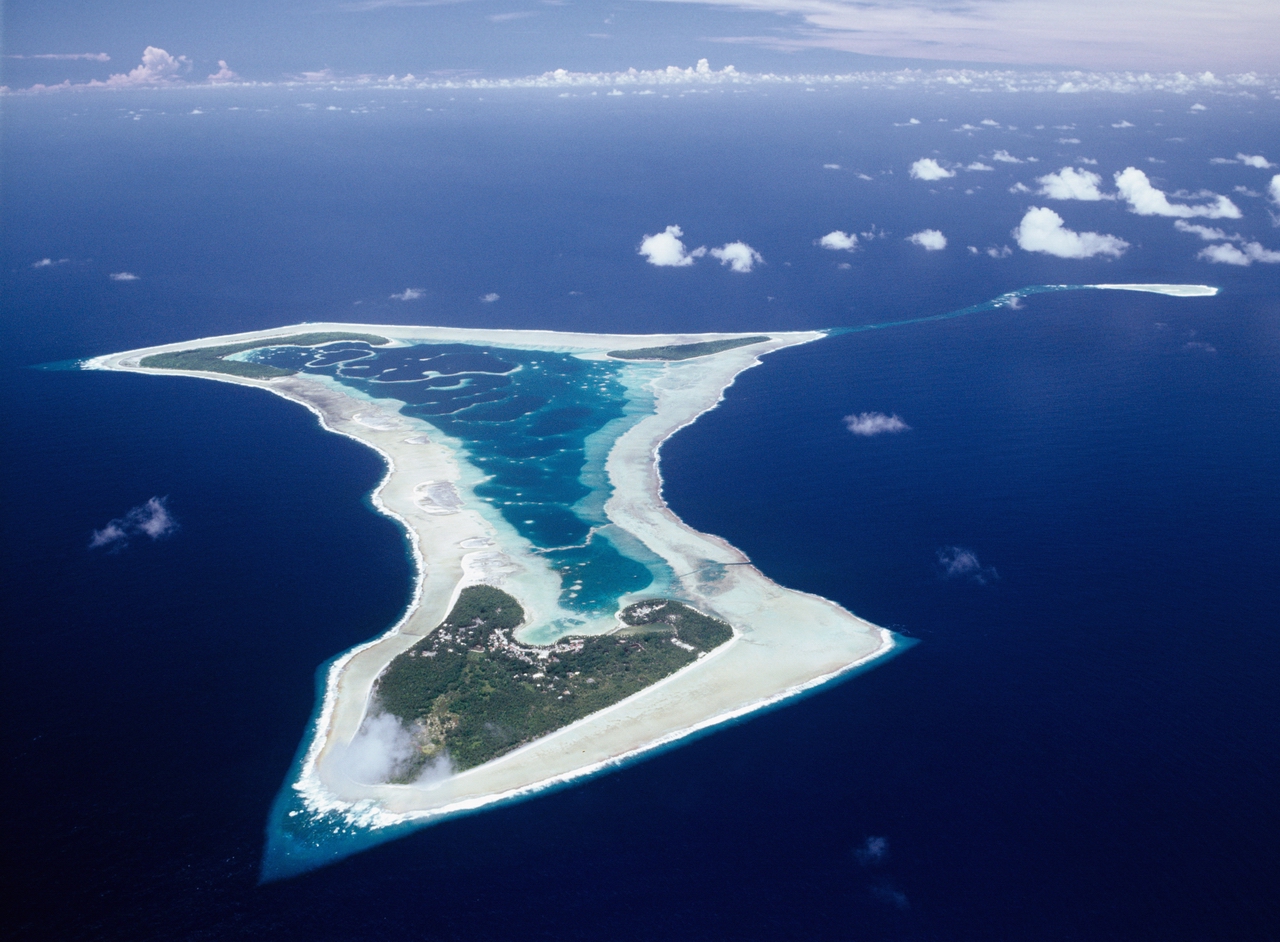
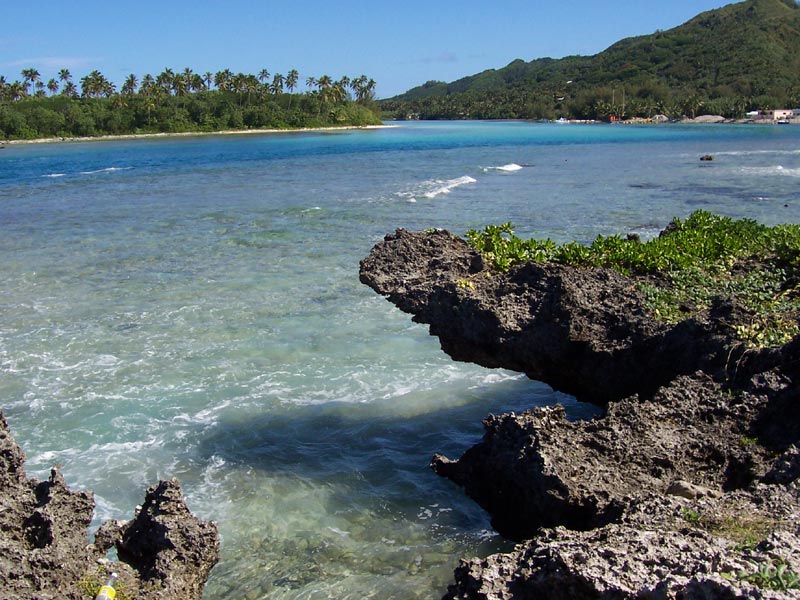
The fifteen islands are scattered across roughly two million square kilometres of ocean, an exclusive economic zone larger than most countries, while the land adds up to only about 240 square kilometres. They fall into two very different groups. The southern group, where nearly everyone lives, are volcanic: Rarotonga rises to 652 metres at Te Manga, its interior a jagged forested ridge that has never been settled, ringed by a reef and a narrow coastal plain that holds the entire population; Aitutaki is a hybrid, a volcanic remnant inside a vast triangular lagoon widely called one of the most beautiful in the world; Mangaia and Atiu are makatea islands, raised coral with fossil cliffs.
The northern group are low coral atolls, Penrhyn, Manihiki, Rakahanga, Pukapuka, and others, hundreds of kilometres from the capital and from each other, with small populations, no airstrips on some, and an acute vulnerability to cyclones and to sea-level rise. Pukapuka is culturally and linguistically distinct, closer to Samoa than to Rarotonga. Black pearls, farmed in the lagoons of Manihiki and Penrhyn, are the country's main physical export.
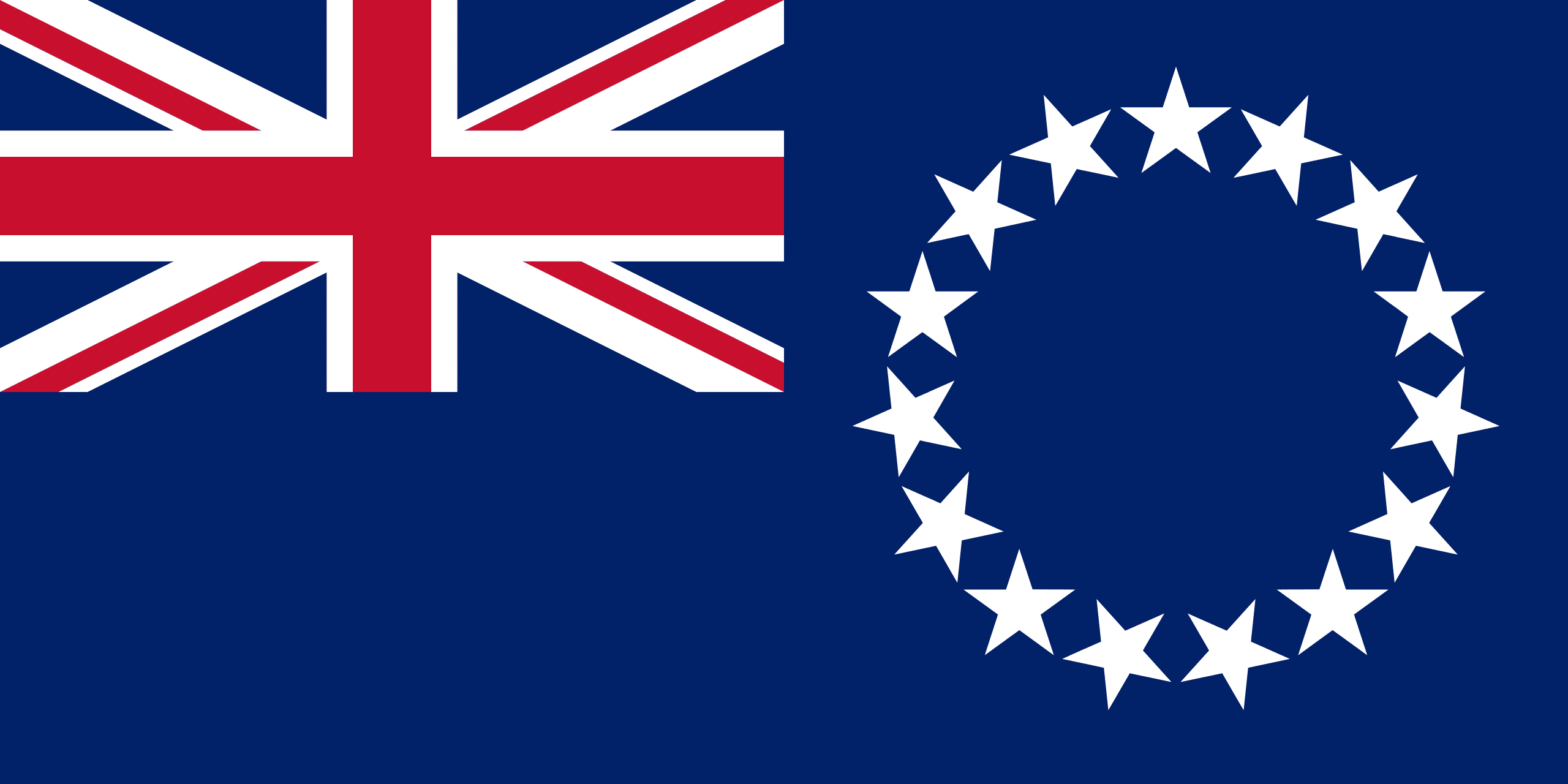
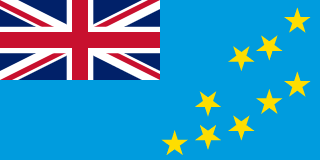
The flag of the Cook Islands is blue with the British Union Jack in the upper hoist corner and a circle of fifteen white stars on the fly. The blue represents the Pacific Ocean and the peaceful nature of the islanders, the Union Jack reflects the historical links with Britain and the continuing association with New Zealand and the Commonwealth, and the fifteen stars stand for the fifteen islands that make up the nation, arranged in a ring to symbolise their unity. The flag thus expresses both the country's heritage and its island make-up.
The Cook Islands is a strongly Christian country, the result of missionary work in the nineteenth century, with the majority belonging to the Cook Islands Christian Church, a Protestant church descended from the early missions, which is central to community and village life, alongside Roman Catholic and other denominations. Church services, with their renowned hymn singing, are an important part of island culture, and Sunday is widely observed. Traditional Polynesian beliefs and customs survive within the now firmly Christian character of the islands, blending into the local way of life.
Cook Islands cuisine is Polynesian, based on the produce of the islands and the sea. Fish and seafood, abundant in the lagoons and ocean, are central, often eaten raw and marinated in coconut cream and lime in the dish ika mata, while staples include taro, breadfruit, and other root crops, along with pork and chicken. Food is traditionally cooked in an earth oven called an umu for feasts. Tropical fruits and the ever-present coconut feature throughout, in a cuisine that reflects both the island environment and the communal traditions of Polynesian life.
Agriculture in the Cook Islands centres on the cultivation of taro, the traditional staple, along with other root crops, breadfruit, coconuts, and a range of tropical fruits and vegetables, grown both for food and, in the past, for export. The black pearl, cultured in the lagoons of the northern islands, has been a notable product and export. With a small land area, however, the modern economy depends far more on tourism, which draws visitors to the beaches and lagoons of Rarotonga and Aitutaki, and on fishing and the licensing of its waters, than on farming.
Cook Islands culture is Polynesian and vigorously alive, and its most conspicuous expression is dance. Cook Islands drumming, fast and complex, and the hip-driven ura are widely regarded as the most energetic in Polynesia, and the Te Maeva Nui festival each August, marking self-government, is a week of competitive island-by-island performance that the whole country organises itself around. Tivaevae, the appliquéd and embroidered quilts made collectively by groups of women and given at weddings, funerals, and hair-cutting ceremonies, are the major visual art and are never really commercial objects, since their meaning is in the giving.
Christianity, brought by the London Missionary Society, is deeply established, and the Cook Islands Christian Church remains central to village life; Sunday observance is still widely kept. Land is the other constant: almost all of it is held under customary title and cannot be sold to foreigners, only leased, which has shaped the tourism industry and kept ownership in Cook Islands hands to a degree unusual in the Pacific.
The Cook Islands has a resident population of only around 15,000, the great majority Cook Islands Maori, closely related to New Zealand Maori in both language and genealogy. Cook Islands Maori, with its several island dialects and the distinct Pukapukan of the north, is spoken alongside English, and language retention among the young is a recognised concern.
The defining demographic fact is emigration. Roughly five times as many Cook Islanders live in New Zealand and Australia as live in the islands, a consequence of holding New Zealand citizenship and of the far larger opportunities across the water, and the resident population has been falling for decades. Around three quarters of those who remain live on Rarotonga, and several of the outer islands have populations in the low hundreds or less, with schools and clinics difficult to sustain. Reversing the outflow, and the balance between a passport of one's own and the citizenship that makes leaving easy, is the country's oldest unresolved question, and it sat underneath the constitutional argument of 2025.