The Comoros is an island nation in the Indian Ocean, an archipelago at the northern end of the channel between Madagascar and the East African mainland. A meeting point of African, Arab, and Malagasy cultures, with a Muslim majority and a Swahili-influenced way of life, it is one of the smallest and poorest countries in the world. Volcanic and fragrant, famous for the perfume essences it grows, it has been notable above all for a turbulent political history of frequent coups since independence.
The Comoros grew from a crossroads of the Indian Ocean into a patchwork of Muslim sultanates, a French colony, and, since independence, one of the most coup-prone nations on Earth.
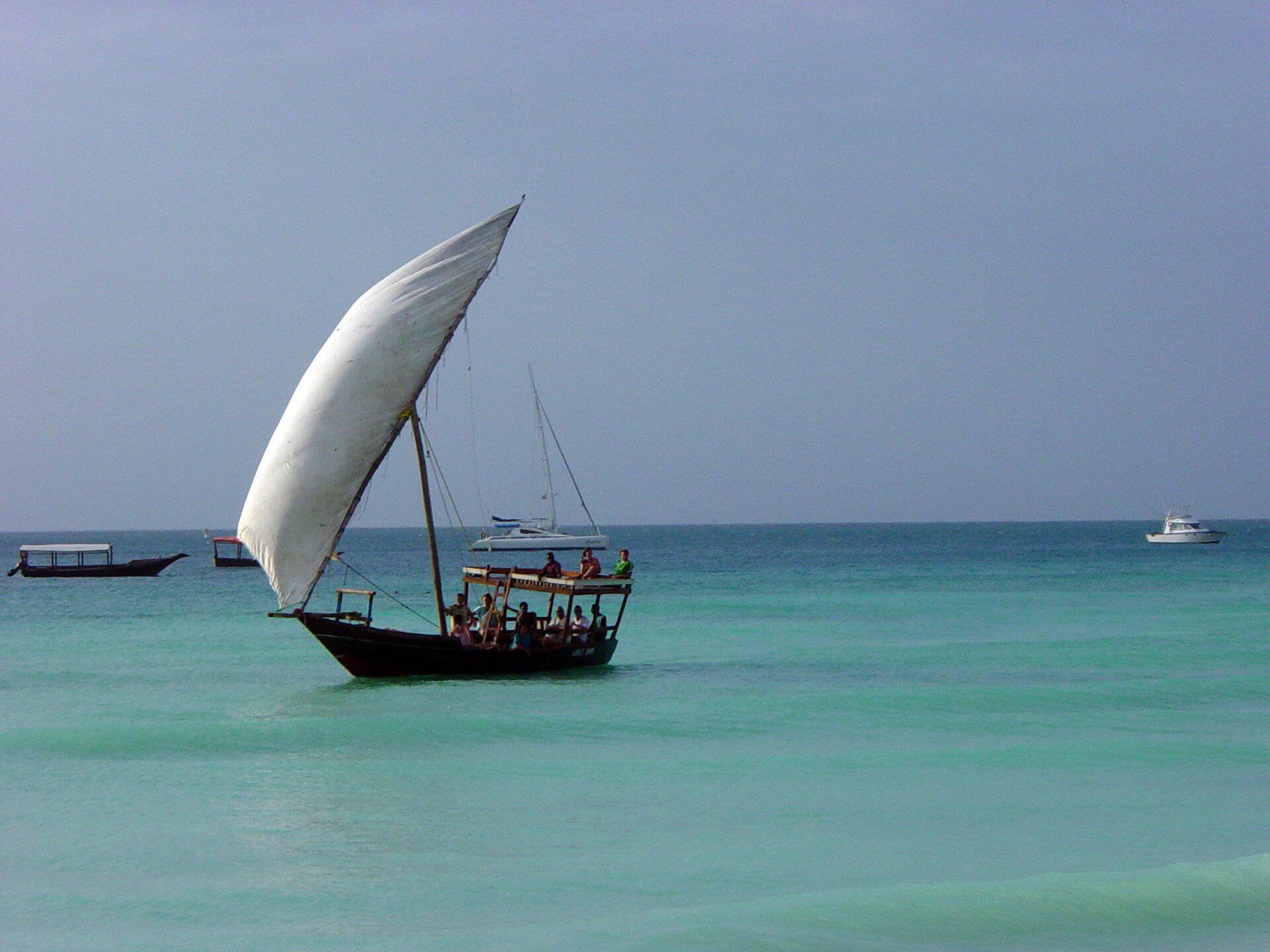
The islands were settled over the centuries by a mingling of African, Arab, Persian, and Austronesian peoples, and from the Middle Ages they were drawn into the great trading world of the Indian Ocean and the Swahili coast. Dhows carried goods between the islands, the African mainland, Arabia, and beyond, Islam took deep root, and the archipelago came to be ruled by a shifting patchwork of small, rival sultanates.
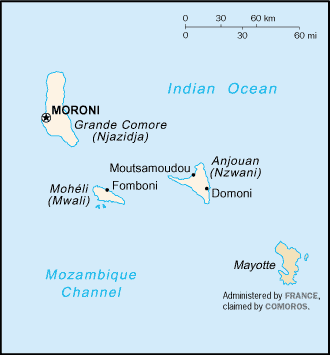
France colonised the archipelago in the nineteenth century, beginning by buying the island of Mayotte from a local sultan and extending its control over the others. When the Comoros voted for independence in 1975, three of the four islands, Grande Comore, Anjouan, and Moheli, became the new nation, but the fourth, Mayotte, voted to remain part of France, a division that the Comoros has never accepted and disputes to this day.
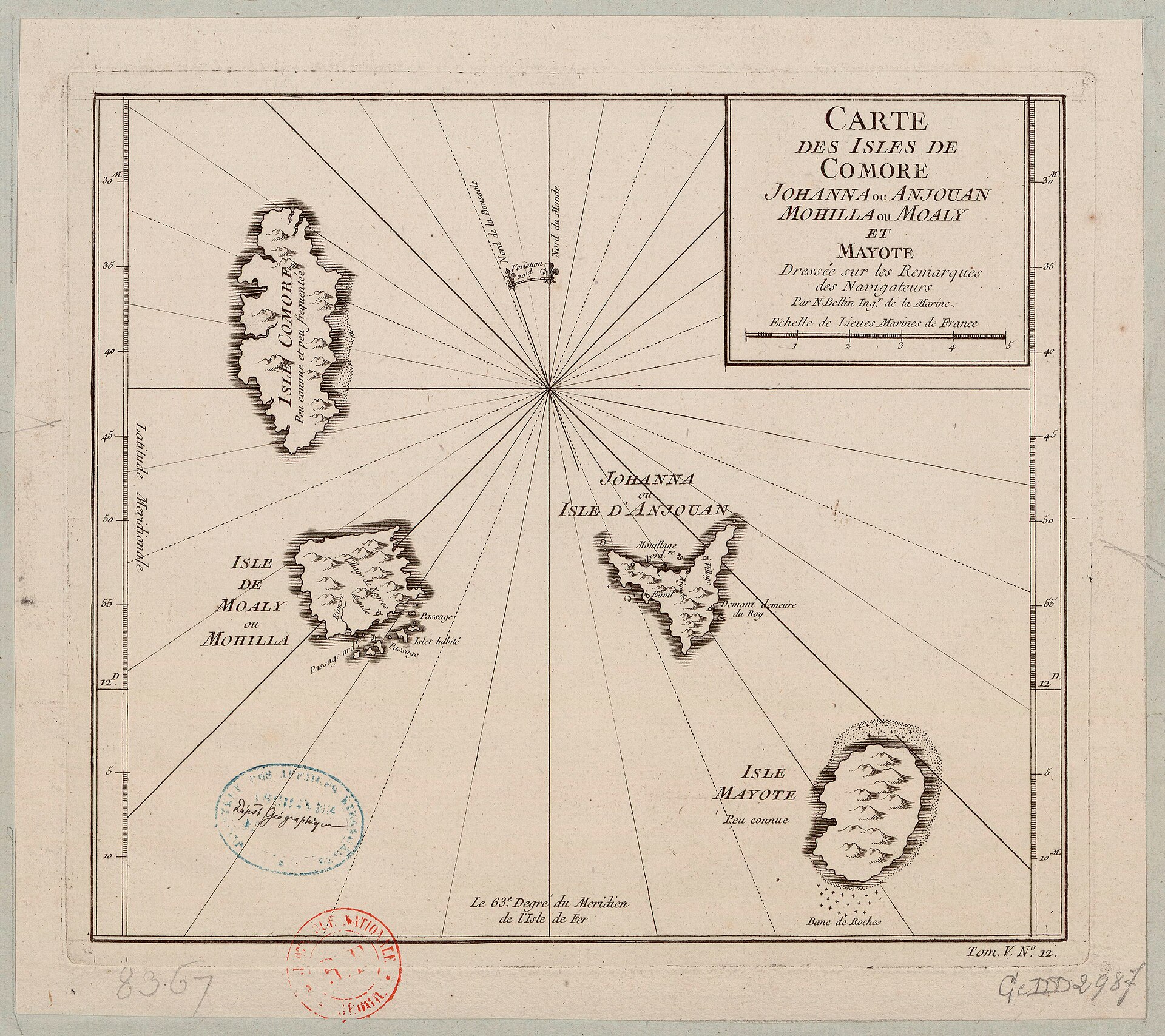
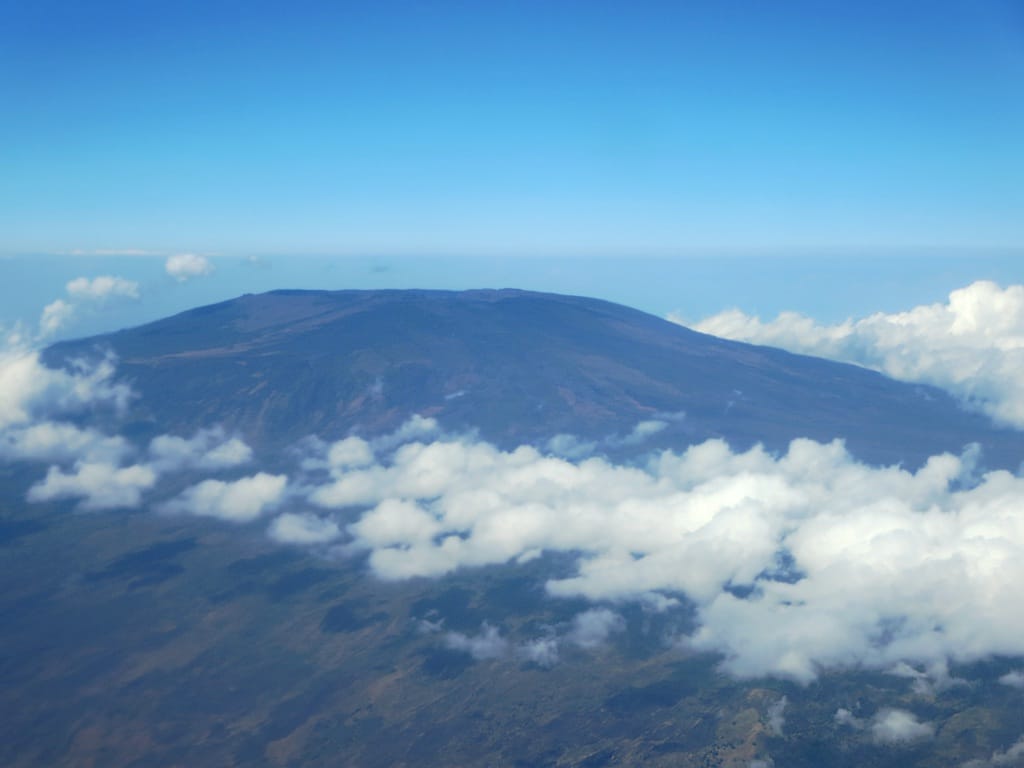
The Comoros consists of several volcanic islands at the head of the Mozambique Channel, between the African coast and Madagascar. The islands are mountainous and green, with the largest, Grande Comore, dominated by an active volcano, Mount Karthala, one of the largest active volcanoes in the world, whose slopes give the island fragrant soils. A tropical climate, dense vegetation, and surrounding coral reefs characterise the archipelago, whose isolation in the Indian Ocean has shaped both its unique nature and its history.
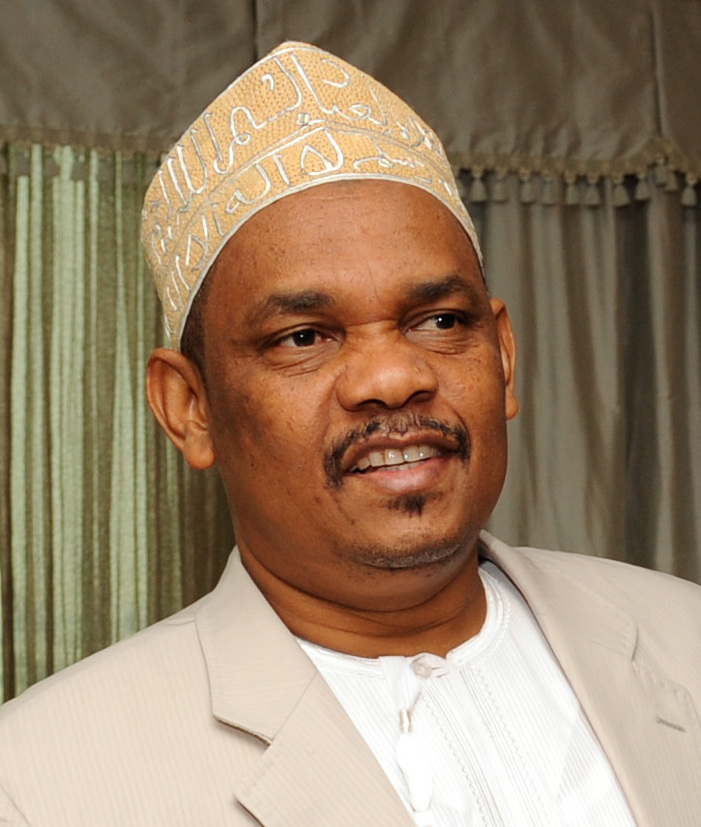
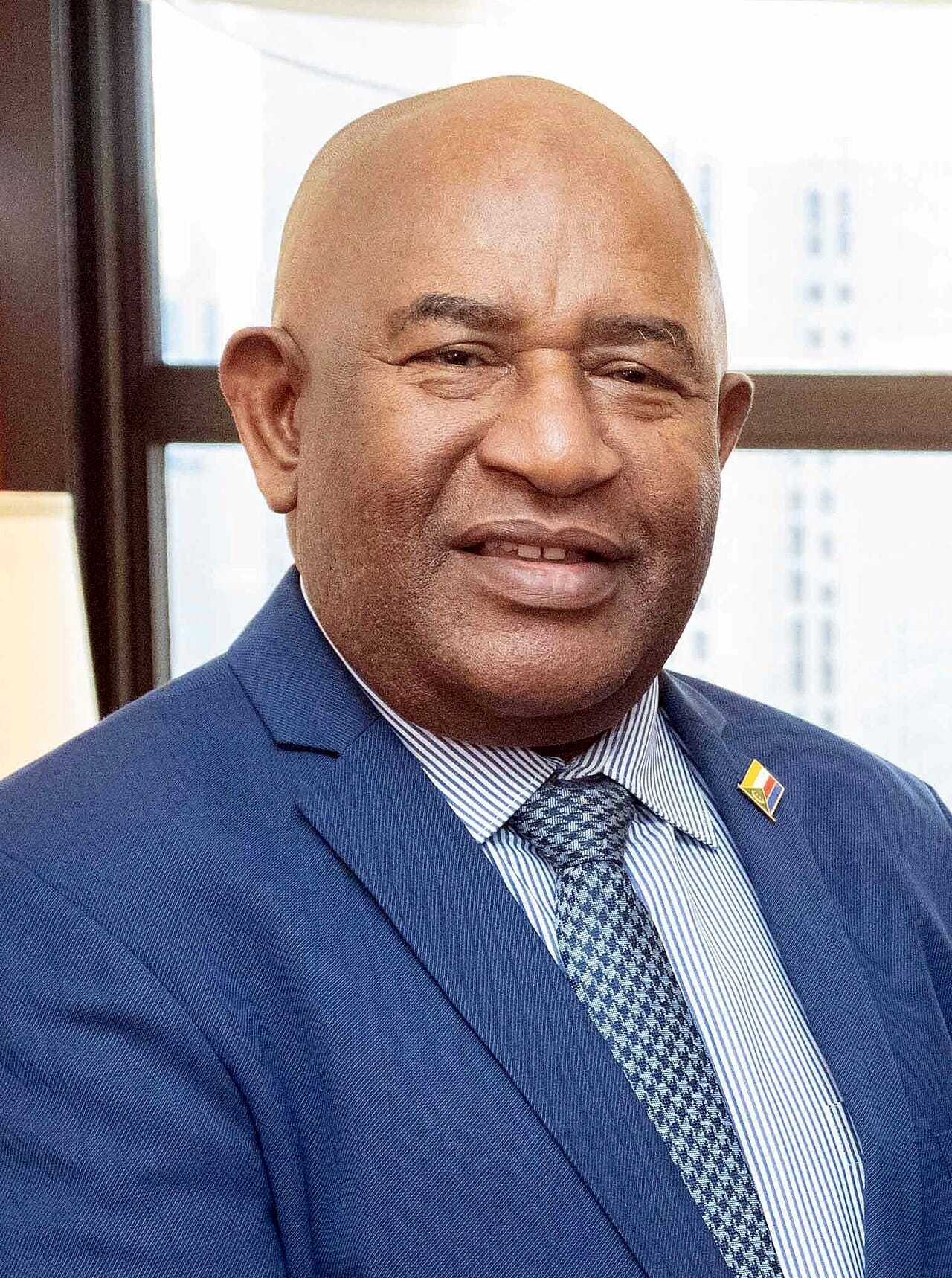
The Comoros is a federal republic, a union of its three islands designed to balance their rival identities, and its central political problem has always been holding that union together. To ease the tensions that once pushed islands to try to break away, the constitution created a presidency that rotated among the islands in turn. That system was upended by the current president, Azali Assoumani, an army officer who first seized power in a 1999 coup: after returning to office in 2016, he changed the constitution to abolish the rotation and extend his own rule, winning further terms in elections his opponents condemned as rigged.
Two disputes define the modern Comoros. The first is its extraordinary political instability: since independence in 1975 the country has endured some twenty coups and attempted coups, an African record, several of them led or backed by the French mercenary Bob Denard, who for years effectively controlled the islands from behind the scenes. That turbulence has given way, under Azali Assoumani, to a different complaint, of an entrenched leader dismantling the power-sharing that kept the peace and clinging to office through disputed elections. Whether he has brought stability or simply strong-armed his way to lasting power is fiercely argued.
The second dispute is territorial and painful. The Comoros insists that Mayotte, the island that voted to stay French, is rightfully part of the nation, a claim backed by the United Nations but firmly rejected by France, which has made Mayotte a full French department. The two lie only a short distance apart but a world apart in wealth, and many Comorians risk, and lose, their lives crossing the sea to reach Mayotte, making the channel between them one of the deadliest migrant routes on Earth. This account records the disputes as they stand.

The flag of the Comoros has four horizontal stripes of yellow, white, red, and blue, with a green triangle at the hoist bearing a white crescent and four white stars. The four stripes and the four stars each represent the four main islands of the historic archipelago, including Mayotte, which the Comoros still claims, while the green and the crescent reflect the Islamic faith of the nation. The flag thus expresses both the country's religion and its sense of itself as a union of its islands.
The Comoros is an overwhelmingly Muslim country, and Islam is the state religion and the foundation of its culture, law, and daily life, having arrived with the Indian Ocean traders centuries ago. The great majority follow Sunni Islam, often coloured by Sufi traditions and woven together with local customs in ceremonies such as the elaborate and costly grand marriage that marks a man's full standing in society. A tiny Christian minority exists, and Islamic observance shapes the rhythm of the year.
Comorian cuisine reflects the islands' position at a crossroads of African, Arab, Indian, and Malagasy influences, rich in spices and coconut. Rice is the staple, often served with fish, abundant from the surrounding ocean, or meat in fragrant, spiced sauces and coconut-based curries. The islands grow many of the spices that flavour the food, and tropical fruits are plentiful. The cuisine, like the culture, blends the traditions of the many peoples who settled these Indian Ocean islands.
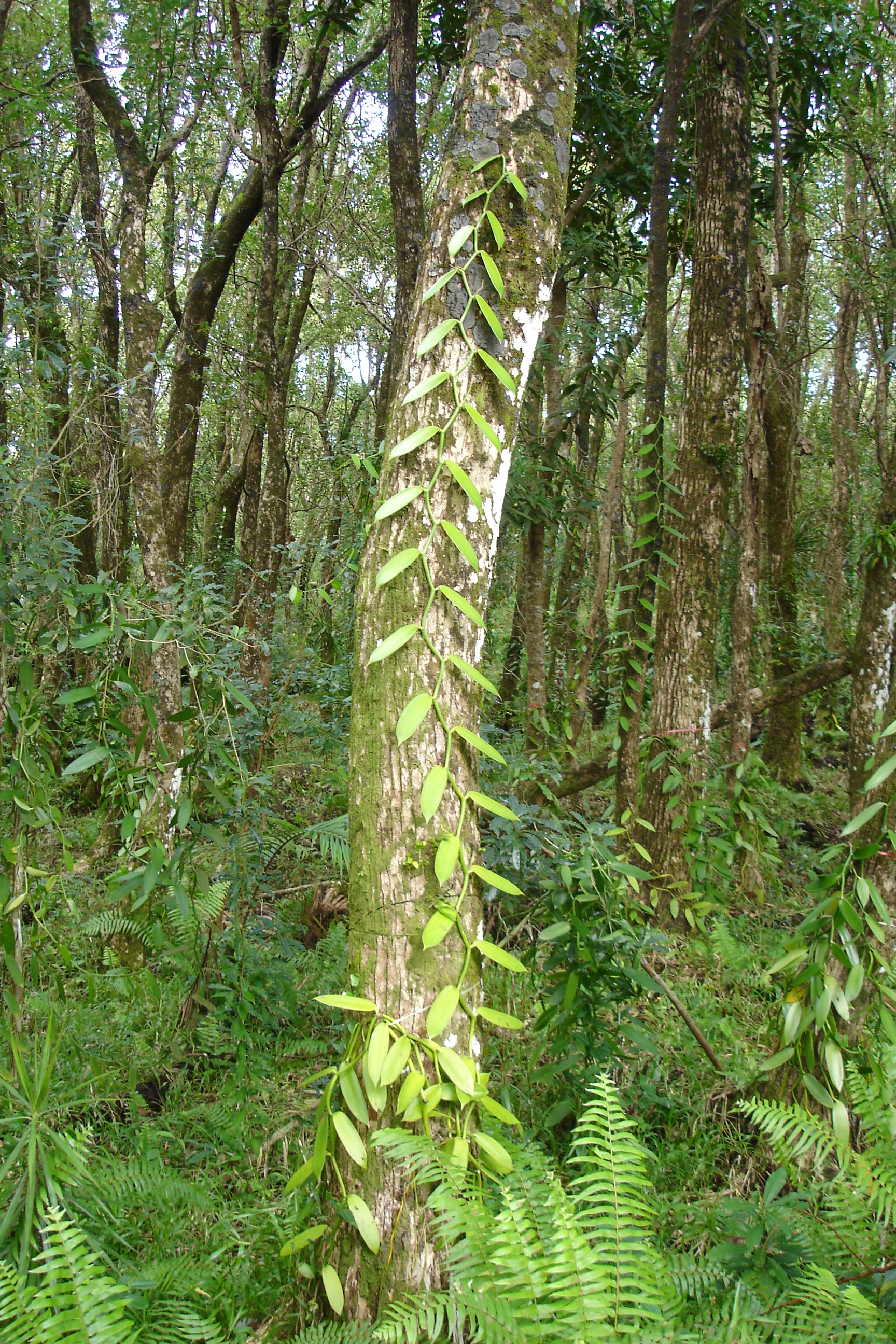
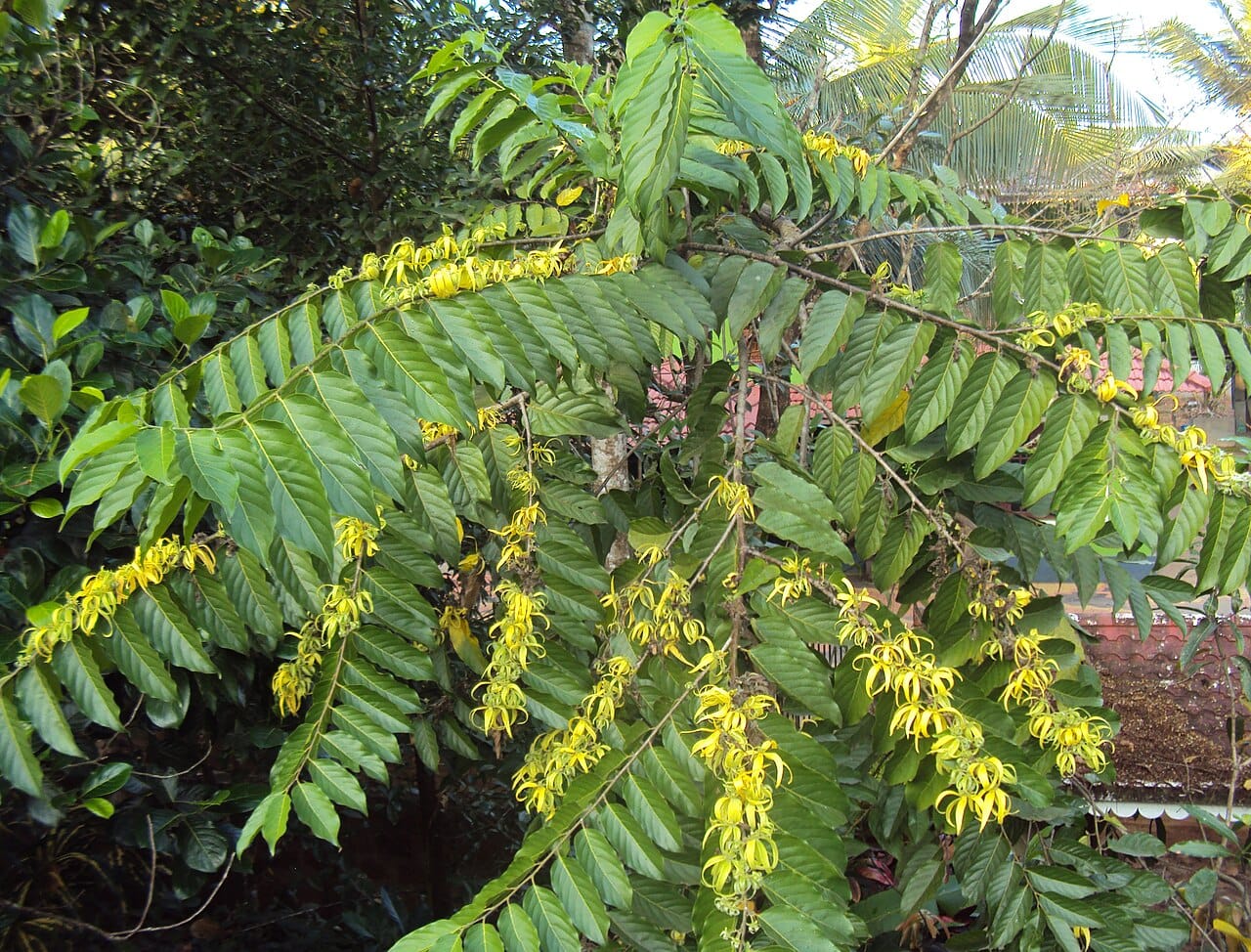
Agriculture is the mainstay of the Comorian economy and the livelihood of most people, on the fertile volcanic soils. The islands are famous above all for fragrant cash crops grown for the world's perfume industry: the Comoros is one of the leading producers of ylang-ylang, an essence distilled from a flower, as well as a significant grower of vanilla and cloves. Food crops such as cassava, bananas, rice, and coconut are grown for local use, and fishing is important, though the country still relies on imports and aid.
The Comoros has a population of around 850,000 people, of mixed African, Arab, Malagasy, and other descent, sharing the Comorian language, related to Swahili, alongside Arabic and French as official languages. The population is overwhelmingly Muslim and young, spread across the main islands, with the capital, Moroni, on Grande Comore. A large number of Comorians have emigrated, especially to France and to neighbouring Mayotte, and the islands remain among the poorest and least developed countries in the world.