China is a country in East Asia, the world's second most populous nation and one of the largest by area. Home to one of the oldest continuous civilisations on Earth, it has given the world inventions, philosophies, and arts that shaped human history. After decades of rapid growth it is now the second largest economy in the world, a manufacturing powerhouse that reaches into nearly every corner of global trade.
Chinese civilisation is one of the oldest continuous on Earth, and its history is traditionally told through a long succession of ruling dynasties, each rising, flourishing, and falling in a pattern the Chinese themselves called the dynastic cycle.
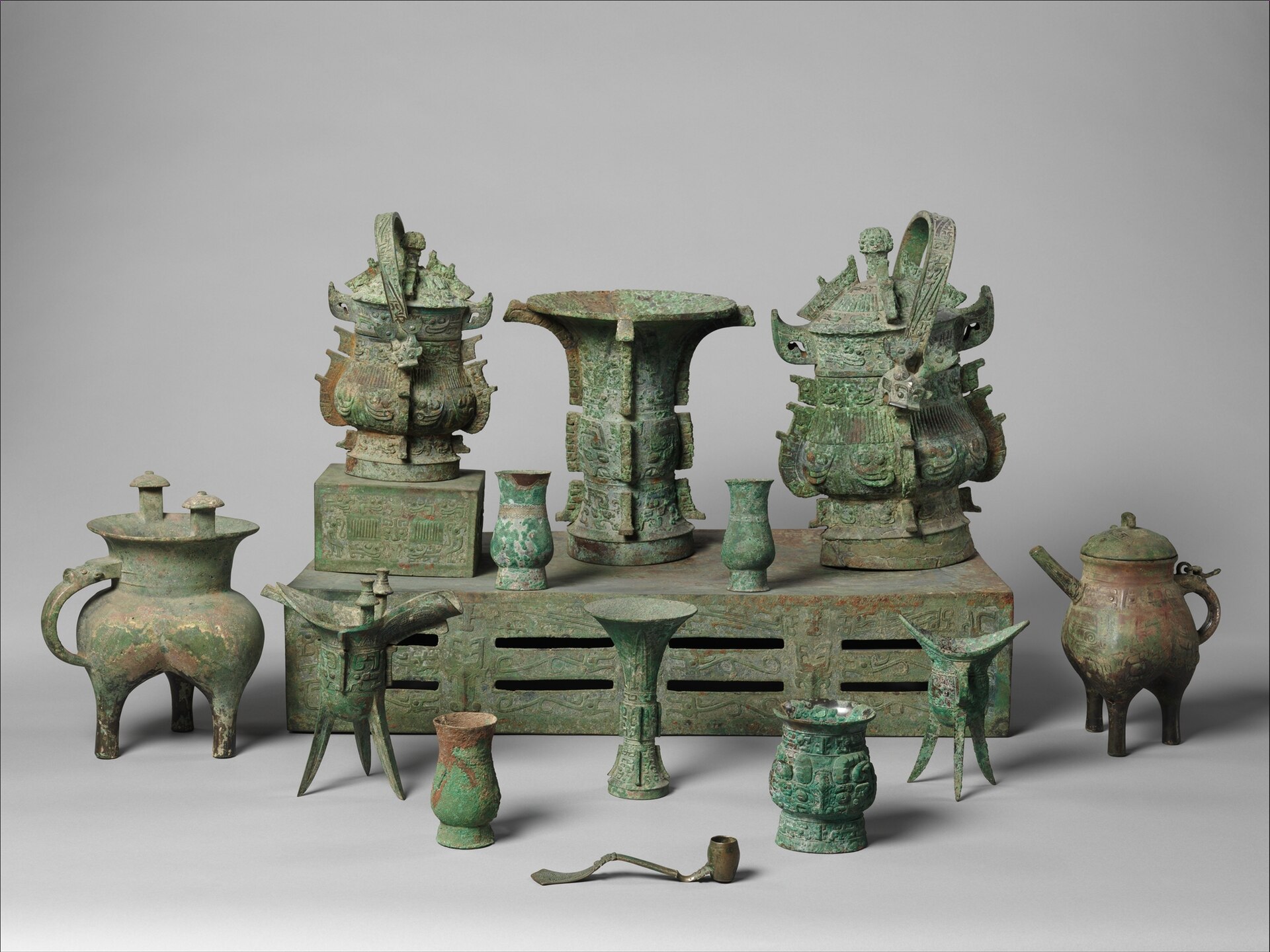
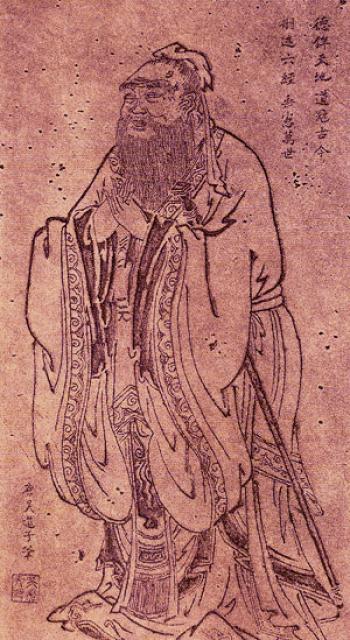
Recorded history begins with the Bronze Age Shang and Zhou dynasties, more than three thousand years ago, which left behind oracle bones, the earliest Chinese writing, and magnificent ritual bronzes cast for ancestor worship. The Zhou period also produced China's great philosophers, above all Confucius, whose teachings on ethics, family, and social order would shape the civilisation for the next two and a half thousand years.
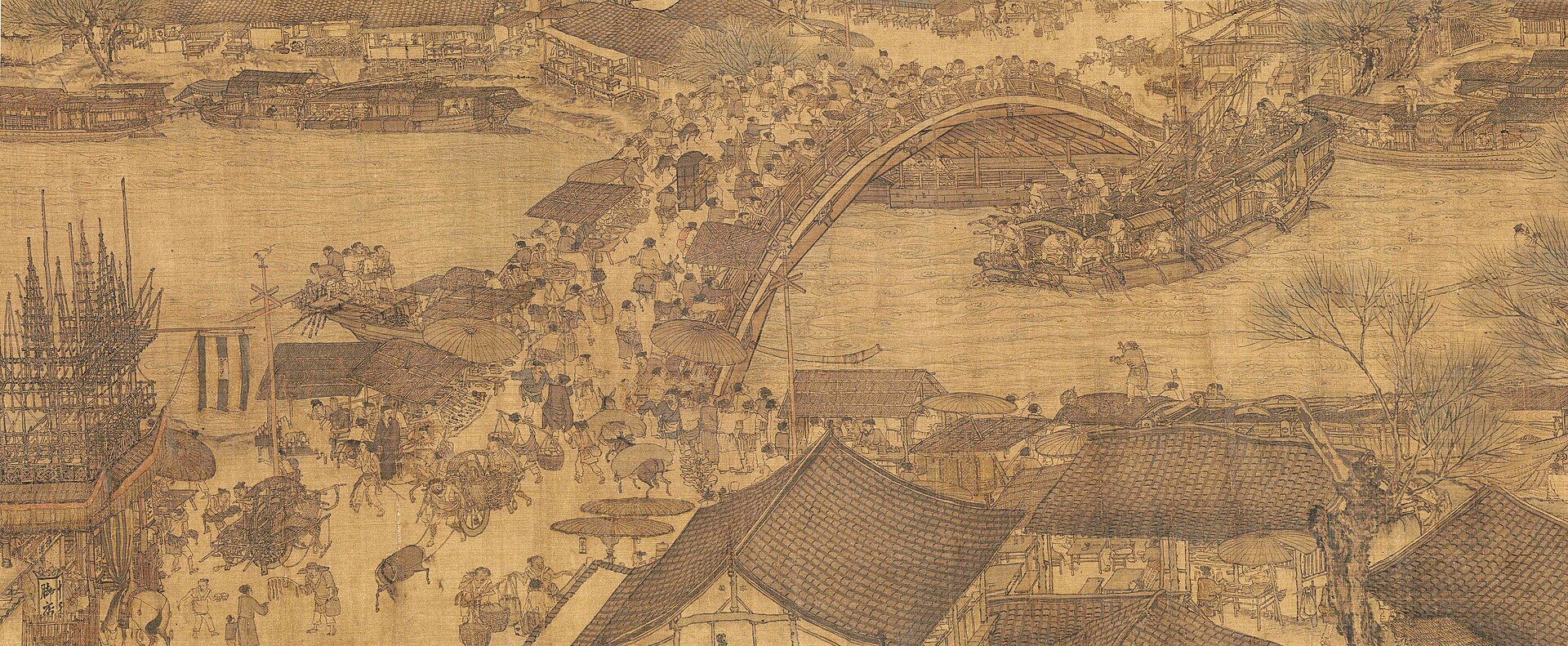
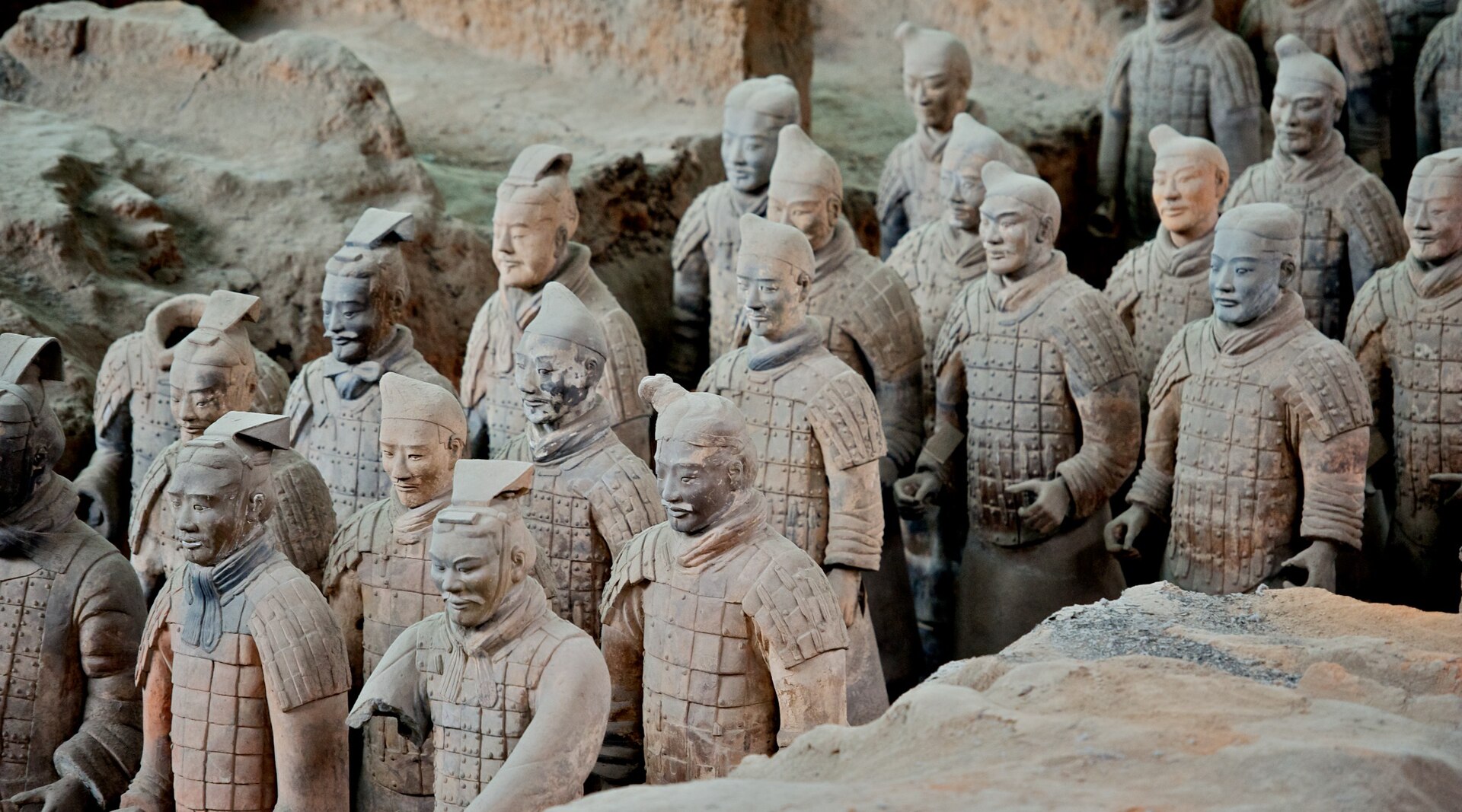
In 221 BC the state of Qin conquered its rivals and forged the first centralised empire, standardising writing, currency, and measures, and beginning the Great Wall. The dynasties that followed, the Han, Tang, Song, Ming, and Qing among them, presided over eras of invention and high culture: the Tang capital was among the largest cities in the world, and the Song saw a remarkable commercial and artistic flowering.
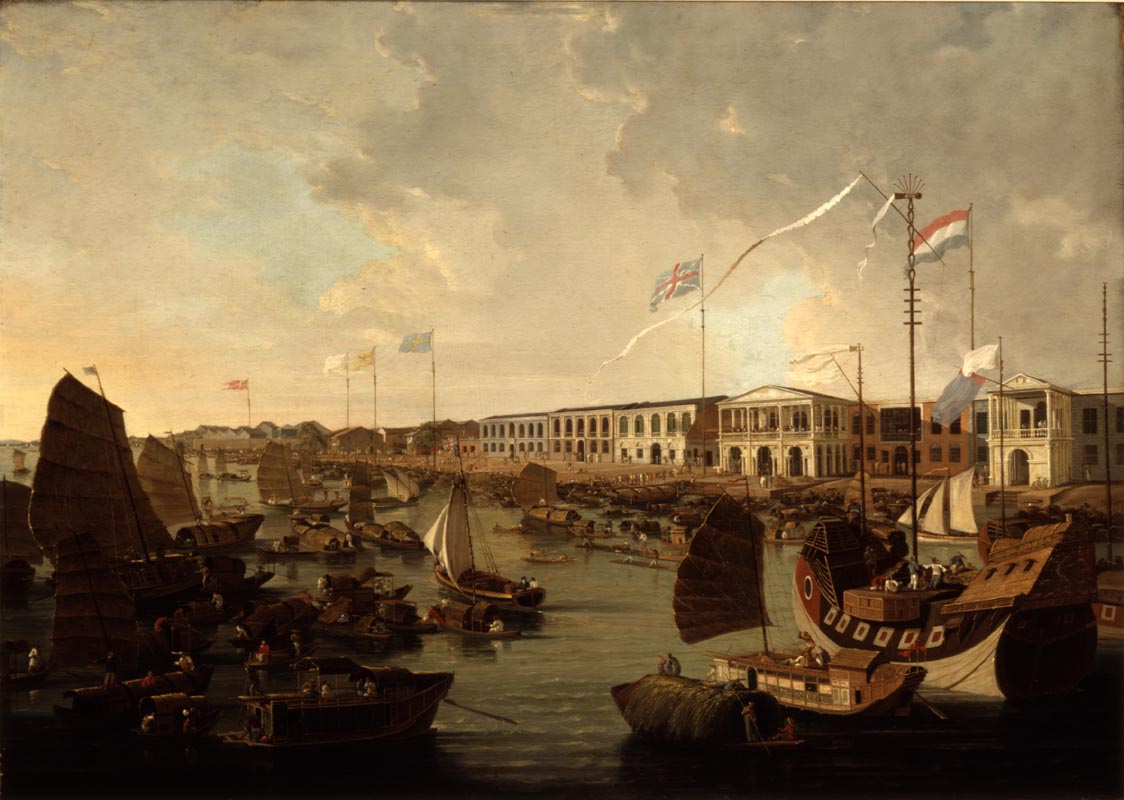
The last dynasty, the Manchu-led Qing, expanded China to its greatest extent but weakened through the nineteenth century, when European powers forced open its ports after the Opium Wars and carved out trading concessions. Defeats, rebellions, and humiliation eroded the throne, and in 1912 the imperial system that had endured more than two thousand years finally collapsed, opening a turbulent era of republic, warlords, civil war, and Japanese invasion.
Chinese tradition traces the nation's beginnings to mythic sage-kings such as the Yellow Emperor and to the Xia, counted as the first dynasty. These figures and that earliest dynasty shaped how China understood its own antiquity, but their historicity is debated, since they sit at the edge of, or beyond, the reliable written and archaeological record. Scholars treat the very earliest rulers as legend layered over a real but dimly documented past.
China spans an enormous range of environments, from the towering Himalayas and the high Tibetan Plateau in the west to fertile river plains and a long Pacific coastline in the east. Two great rivers, the Yangtze and the Yellow River, the cradle of Chinese civilisation, water the heartland, while deserts like the Gobi stretch across the north. Threading across the northern frontier runs the Great Wall, built and rebuilt over centuries to guard the empire.
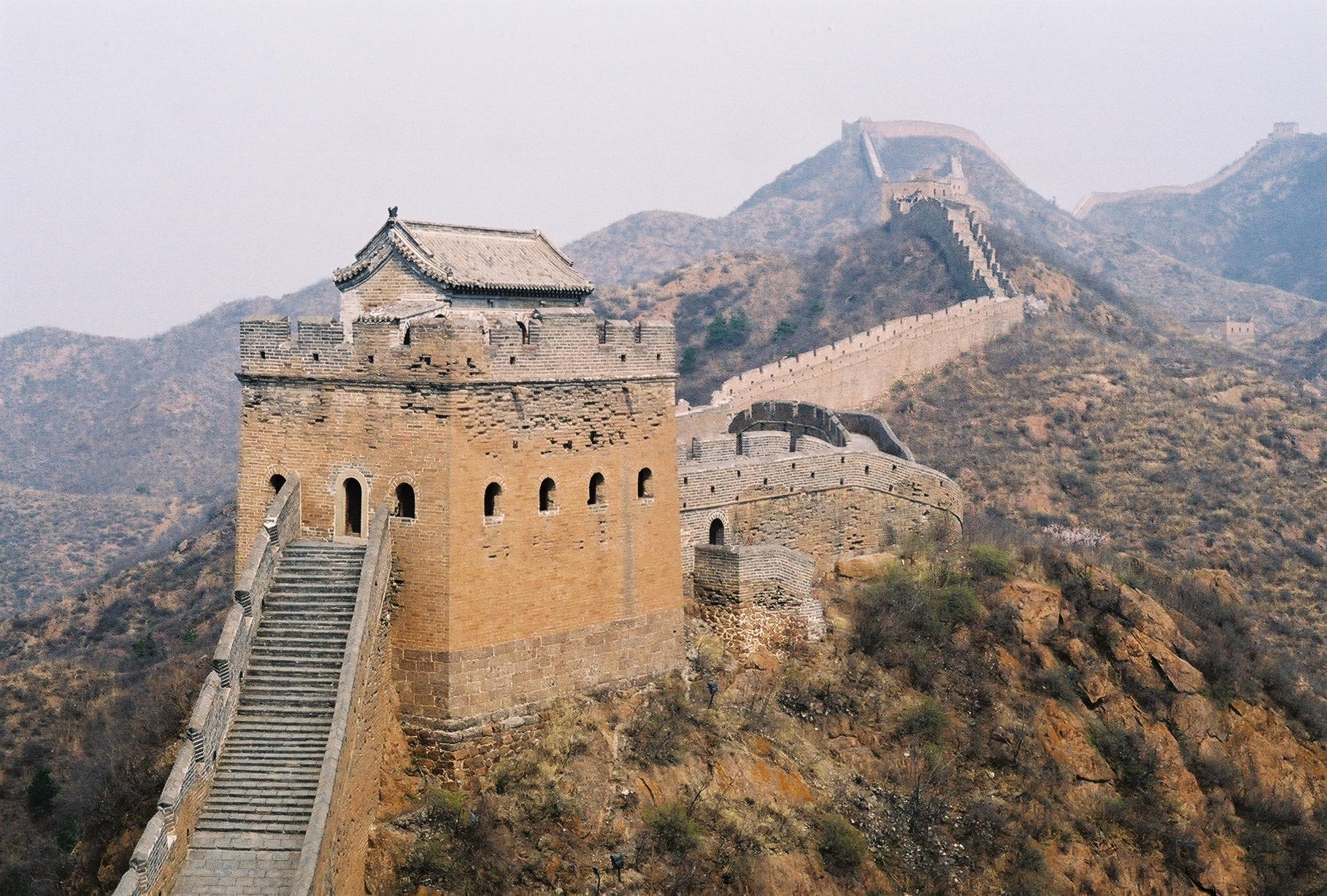
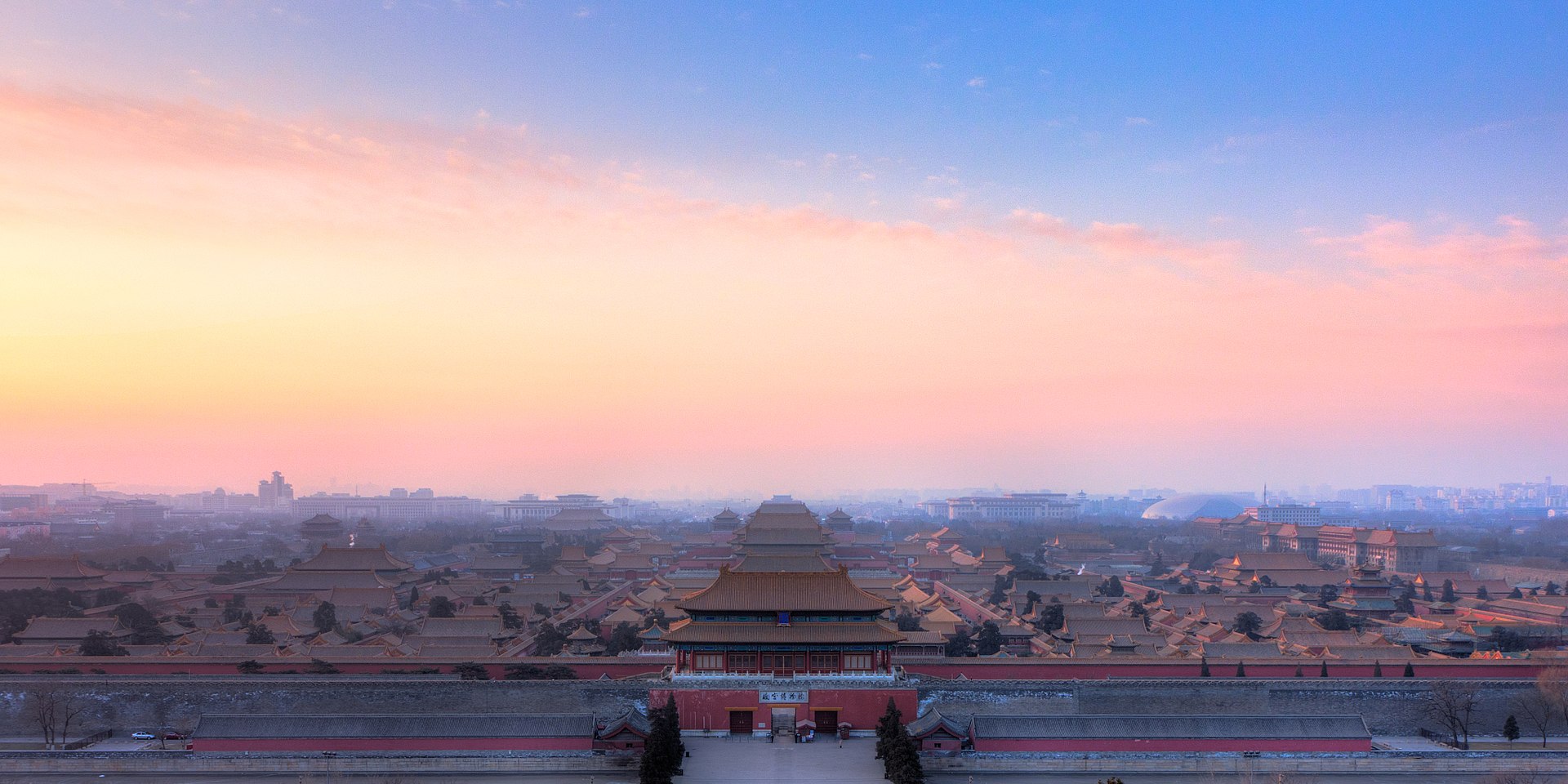
China is a one-party socialist state governed by the Communist Party of China, which has held power since 1949 and permits no rival parties in government. Authority is highly centralised in the party leadership, headed by a paramount leader who serves at once as its general secretary, state president, and commander of the armed forces. The country is run from Beijing, where the imperial Forbidden City still stands at the symbolic centre of the capital. The party credits its model with lifting hundreds of millions out of poverty, while critics point to tight limits on speech, assembly, and political dissent.
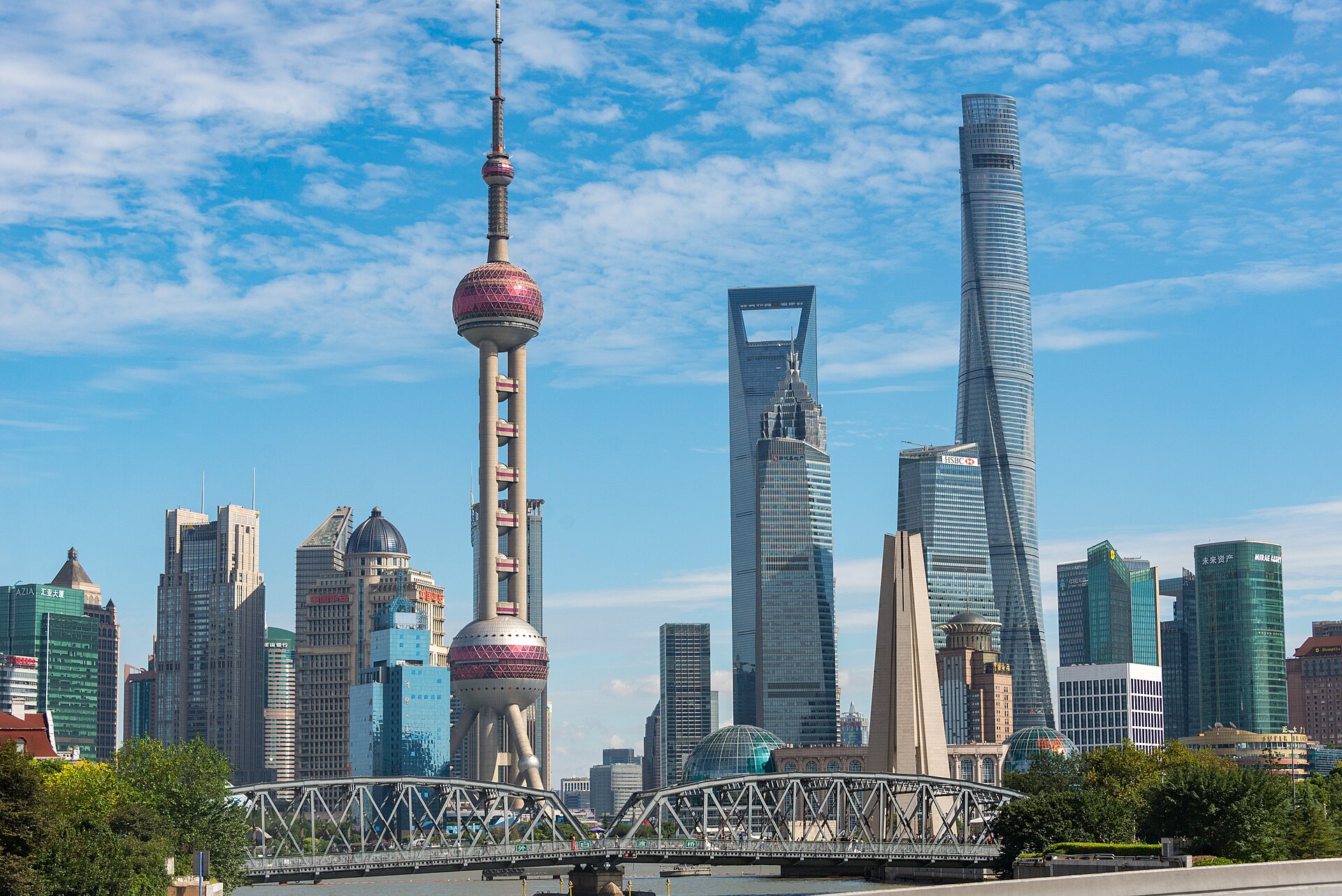
Since market reforms began in 1978, China has undergone the fastest large-scale economic rise in history, moving from a poor agrarian society to the world's second largest economy and its biggest manufacturer and exporter. Its factories supply a vast share of global goods, and cities such as Shanghai have grown into gleaming centres of finance and technology. The country now leads fields from high-speed rail to solar power, even as it faces slowing growth, heavy local debt, and a rapidly ageing population.
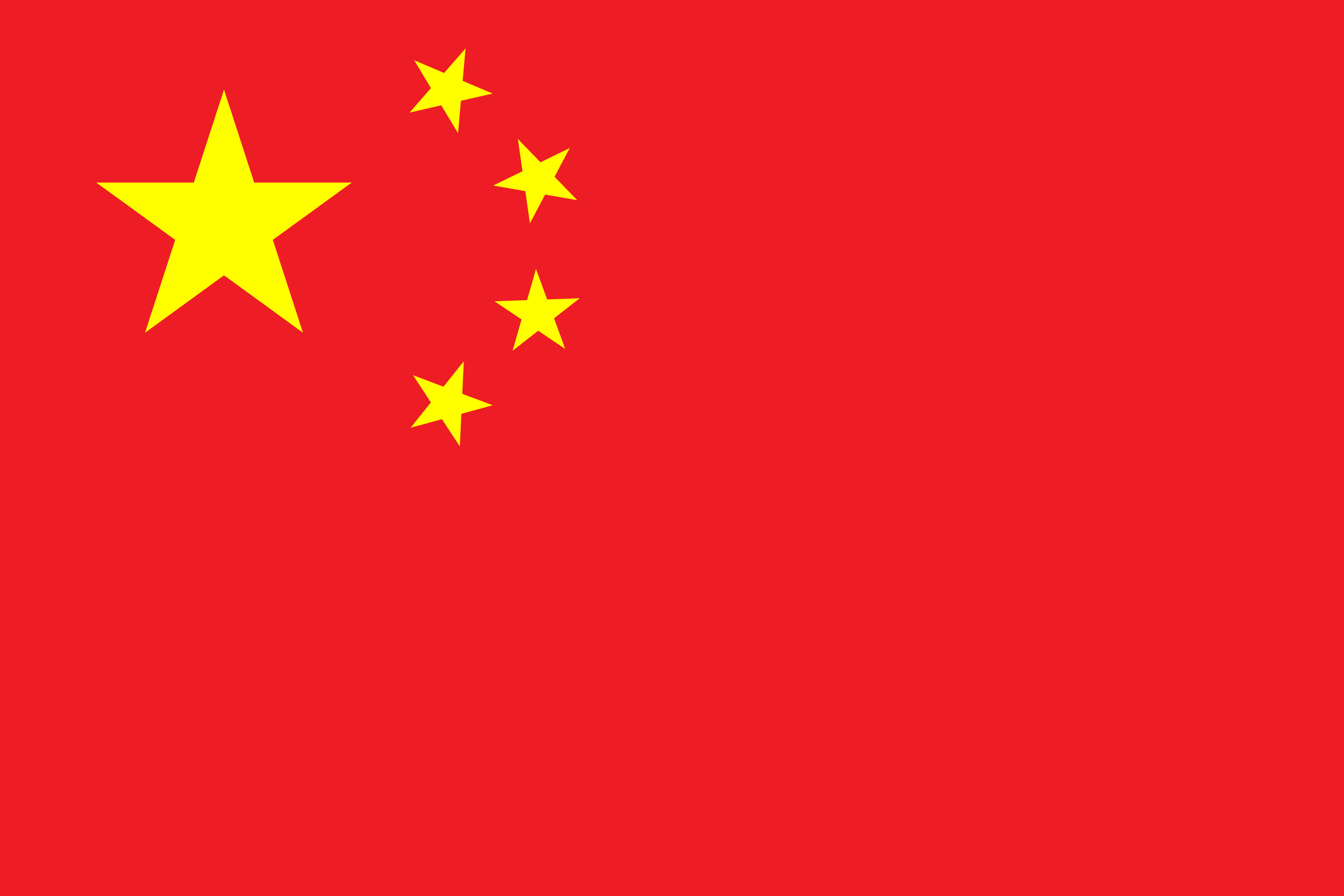
The flag of China is a plain red field bearing five golden stars in the upper corner: one large star with four smaller ones curving beside it. Red represents the communist revolution, the large star stands for the Communist Party, and the four smaller stars are commonly said to represent the people united under its leadership. The flag was adopted in 1949 when the People's Republic was founded.
China is officially a secular, atheist state, and a large share of its people report no formal religion. Yet belief runs deep through tradition: Confucianism, more a moral and social philosophy than a religion, has shaped values for millennia, while Daoism and Buddhism, along with widespread folk practices honouring ancestors and local gods, remain woven into festivals and family life. Christianity and Islam are present as significant minorities.
Chinese cuisine is one of the great culinary traditions of the world, and it is intensely regional. The fiery, numbing flavours of Sichuan, the delicate dim sum of Cantonese cooking, the wheat noodles and dumplings of the north, and the refined dishes of the east are almost different cuisines in themselves. Rice and noodles form the staple base, stir-frying and steaming the common techniques, and shared dishes at a round table the social heart of a meal.
China feeds roughly a fifth of humanity on a limited share of arable land, making it the world's largest producer of many foods, including rice, wheat, and pork. Farming has been central to Chinese life for thousands of years, and the country is the original home of tea and silk. Intensive cultivation, irrigation, and more recently mechanisation sustain this vast output, though water scarcity in the north and the loss of farmland to cities are growing pressures.
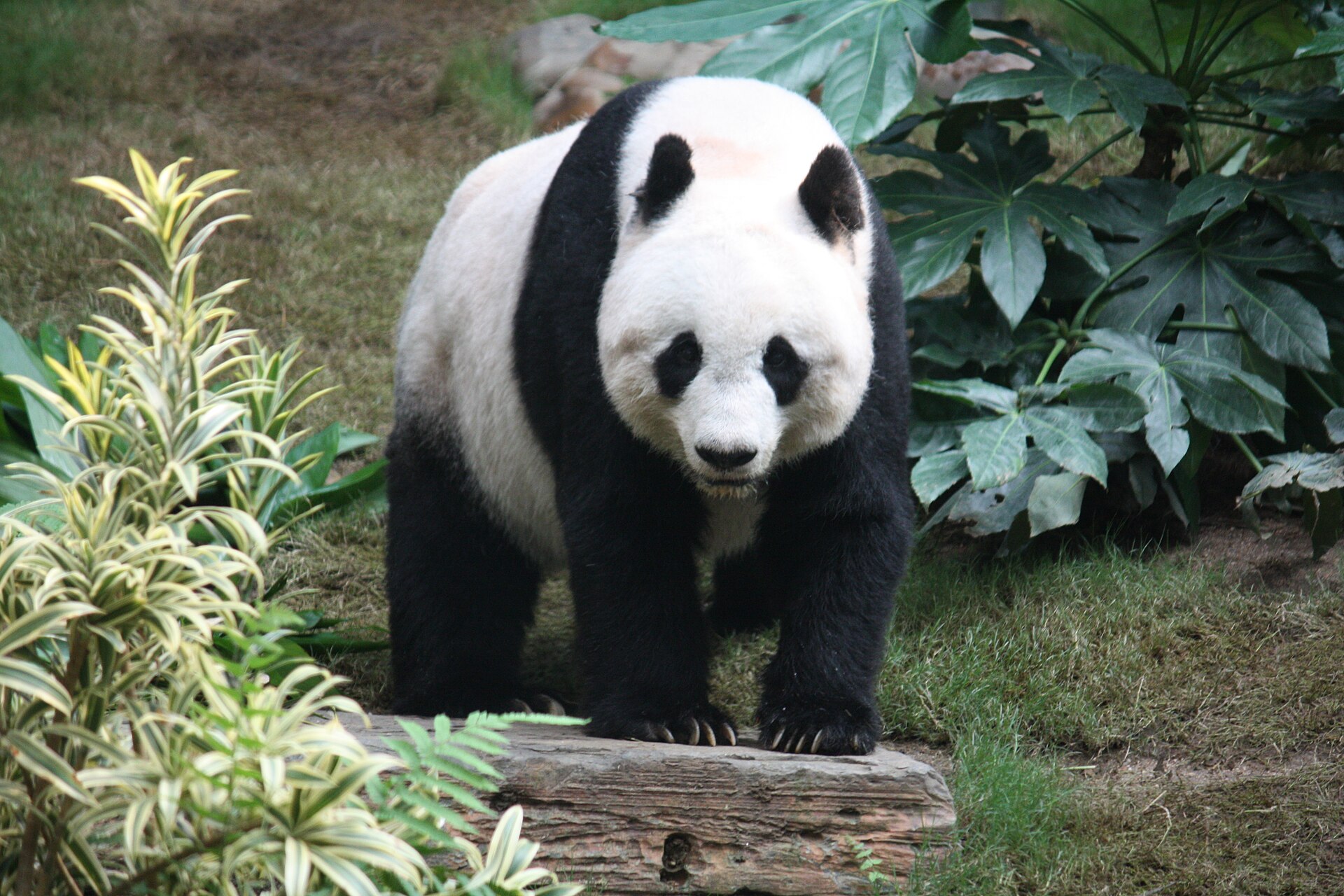
Chinese culture reaches back thousands of years and underpins much of East Asia, from its writing system and philosophy to its art, medicine, and food. Confucian ideas of family duty, education, and social harmony remain influential, alongside Daoist and Buddhist traditions. Festivals such as the Lunar New Year are celebrated by Chinese communities worldwide, and the giant panda, found in the wild only in China, has become a beloved national symbol and an instrument of its diplomacy.
China's most sensitive dispute concerns Taiwan, a self-governing democracy that Beijing claims as part of its territory and has vowed to bring under its control, by force if necessary, while Taiwan's status remains contested and most countries keep only unofficial ties with it. China also asserts sweeping claims over most of the South China Sea, marked by its nine-dash line and rejected by an international tribunal in 2016, bringing it into friction with neighbours over reefs and shipping lanes. Its rule in Tibet and its treatment of Uyghurs in Xinjiang draw sustained international criticism, as did the tightening of control over Hong Kong, a city once promised a high degree of autonomy.
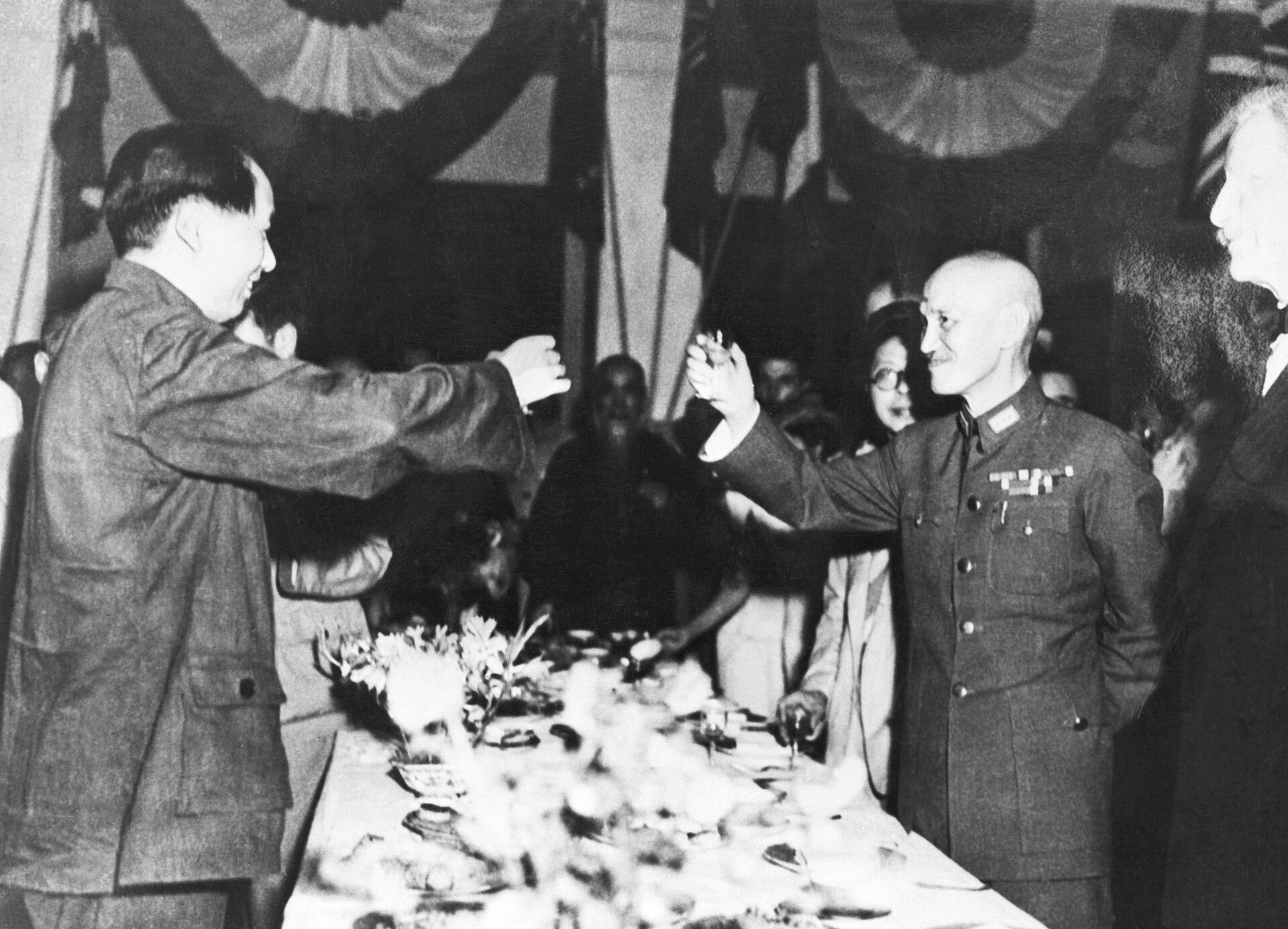
China gave the world four inventions of immense consequence: paper, printing, gunpowder, and the compass. Its modern history turned in 1949, when the Communists under Mao Zedong won a long civil war and founded the People's Republic. Decades of upheaval followed, including the famine of the Great Leap Forward and the turmoil of the Cultural Revolution, before market reforms launched in 1978 set off the fastest large-scale economic rise in history.
China is home to around 1.41 billion people, recently passed by India as the most populous country. The great majority belong to the Han ethnic group, alongside fifty-five officially recognised minorities. For decades a one-child policy limited family size; it has since been relaxed, but the population is now ageing and beginning to shrink. Hundreds of millions have moved from the countryside to booming cities, making China one of the most rapidly urbanised societies on Earth.