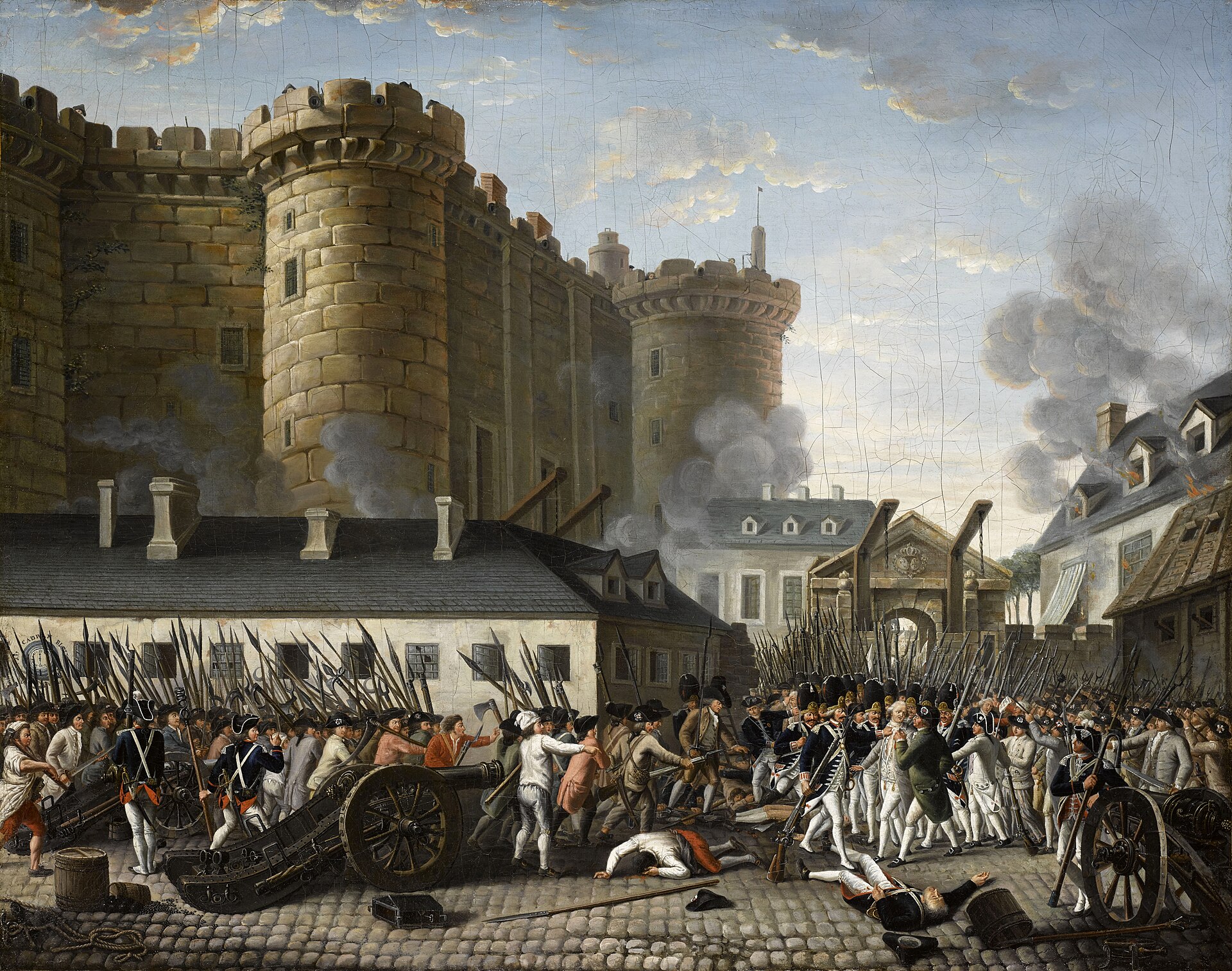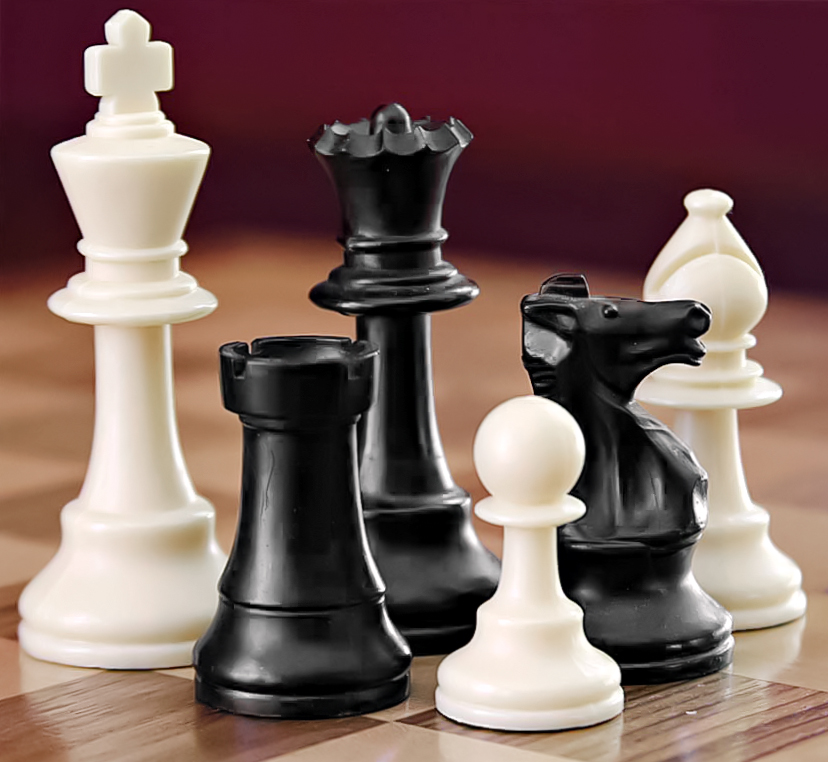
Chess is a two player strategy game played on a board of sixty four squares with sixteen pieces per side. One of the oldest and most popular games in the world, it is celebrated as a pure contest of skill, planning, and imagination.
Chess is played on an eight by eight grid of alternating light and dark squares. Each player begins with sixteen pieces: a king, a queen, two rooks, two bishops, two knights, and eight pawns. The pieces line up in two rows, ready for a contest that contains no luck, only the consequences of each side's decisions.
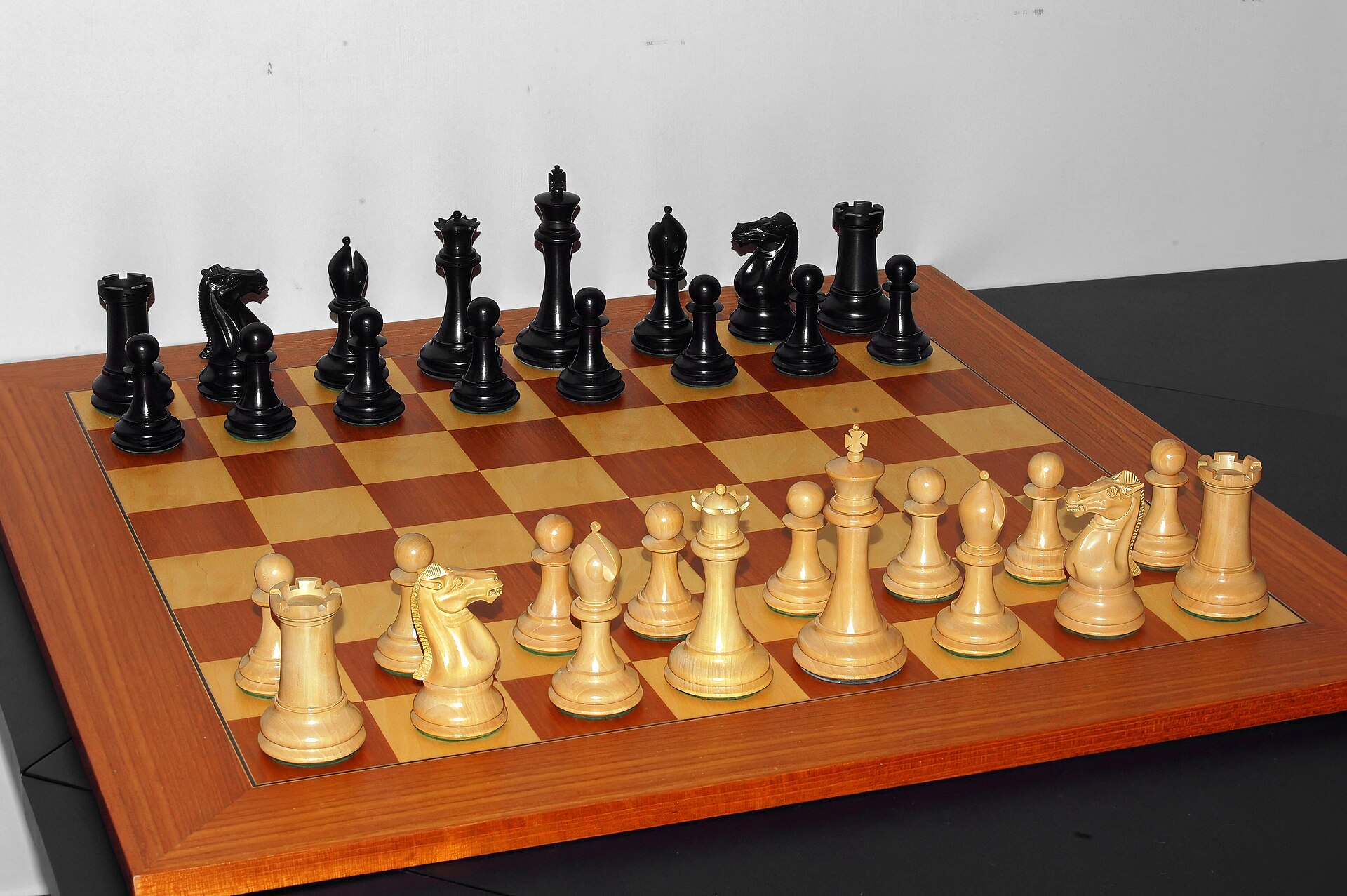
Each piece moves in its own distinctive way. The rook moves in straight lines, the bishop along diagonals, and the queen, the most powerful piece, in any direction. The knight leaps in an L shape and can jump over others. Pawns plod forward but capture diagonally, and the king moves just one square, its safety the whole point of the game.
The aim is to checkmate the opponent's king, attacking it so that it cannot escape capture on the next move. A game can also end in a draw, by agreement, by repetition, or by stalemate, when a player has no legal move but is not in check. Capturing material is only a means; trapping the king is the end.
Skilled play unfolds in three phases. In the opening, players develop their pieces and fight for the centre, often following well studied sequences. The middlegame is a clash of plans and tactics. The endgame, with few pieces left, turns on precise technique, where a single pawn can decide the result.
Because the pieces interact in countless combinations, the number of possible games is astronomically large, far greater than the number of atoms in the observable universe. This staggering depth is why no two games need ever be the same, and why chess has never been exhausted despite centuries of study.
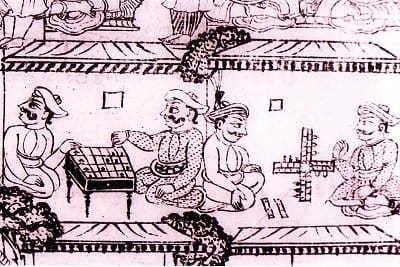
Chess originated in India around the sixth century AD, in a game called chaturanga, whose pieces represented the divisions of an army. It spread along trade routes through Persia and the Islamic world into Europe, picking up new rules along the way. The word "checkmate" comes from a Persian phrase meaning roughly "the king is helpless."
Over the centuries the rules evolved. The queen and bishop gained their powerful long range moves in late medieval Europe, transforming the game into the faster, sharper contest we know. By the fifteenth century chess had taken on essentially its modern form and became a pastime of courts, cafes, scholars, and soldiers alike.
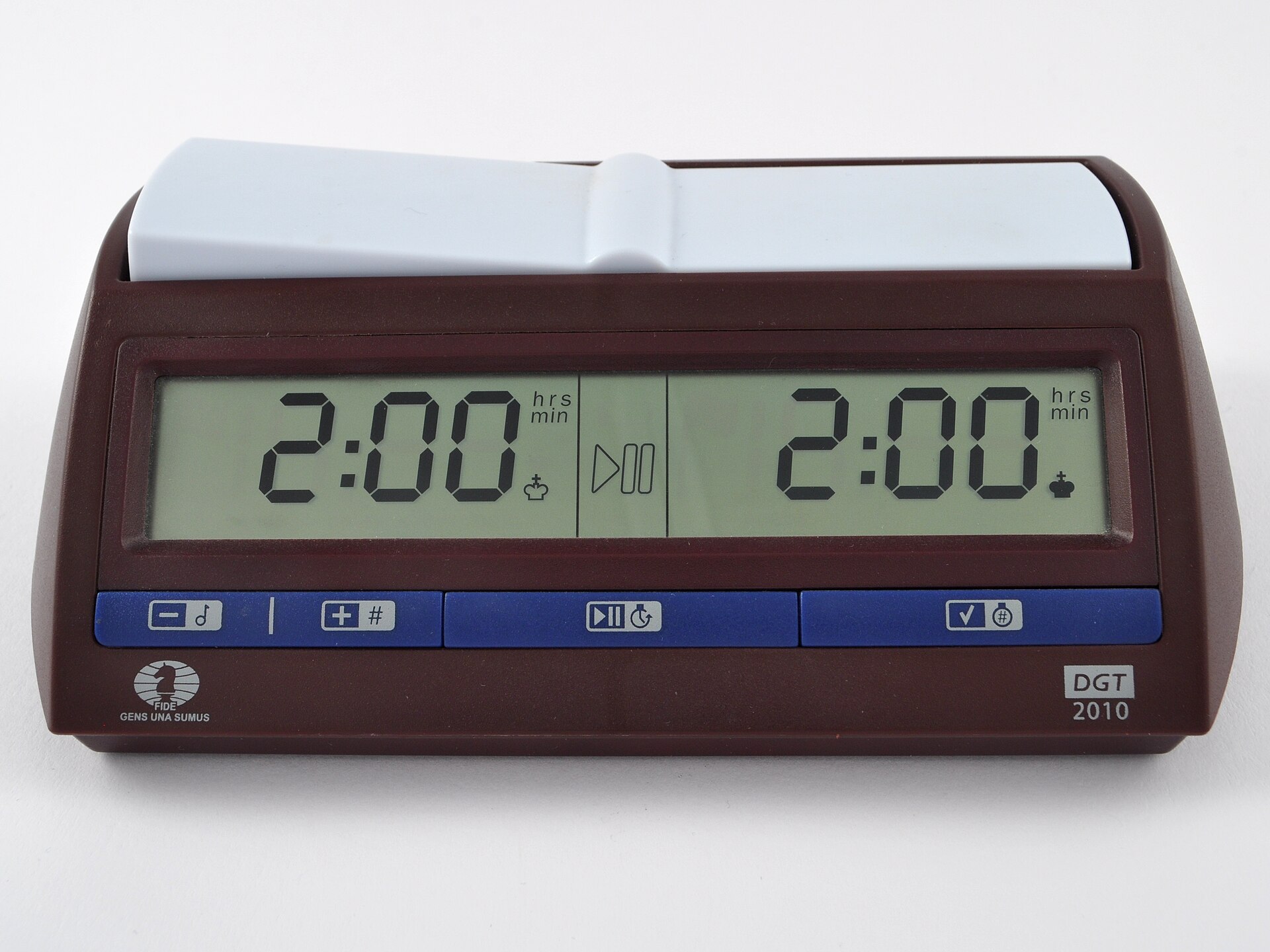
Chess is played by millions, from casual games to fierce international tournaments overseen by a world governing body that crowns a World Champion. Great champions, from Capablanca to Kasparov, have become legends. Clocks limit each player's thinking time, adding pressure and turning deep calculation into a test of nerve.
In the twentieth century chess became a famous testing ground for artificial intelligence. In 1997 the computer Deep Blue defeated the reigning world champion Garry Kasparov, a landmark moment, and today's chess engines far surpass any human. Online play has brought a new boom in popularity. Yet the game remains as captivating as ever, a timeless blend of art, science, and sport.