Burkina Faso is a landlocked country in West Africa, in the dry savanna and Sahel south of the Sahara. Its name, adopted after independence, means roughly the land of upright or honest people, reflecting a strong sense of dignity and self-reliance. Home to the historic Mossi kingdoms and to a rich tradition of cinema, music, and craft, it is one of the poorer countries in the world, and in recent years it has faced serious instability from extremist violence in the wider Sahel.
Burkina Faso's history runs from the proud Mossi kingdoms, through a French colony called Upper Volta, to the revolutionary who gave the nation its name, and on into a modern cycle of uprisings and coups.
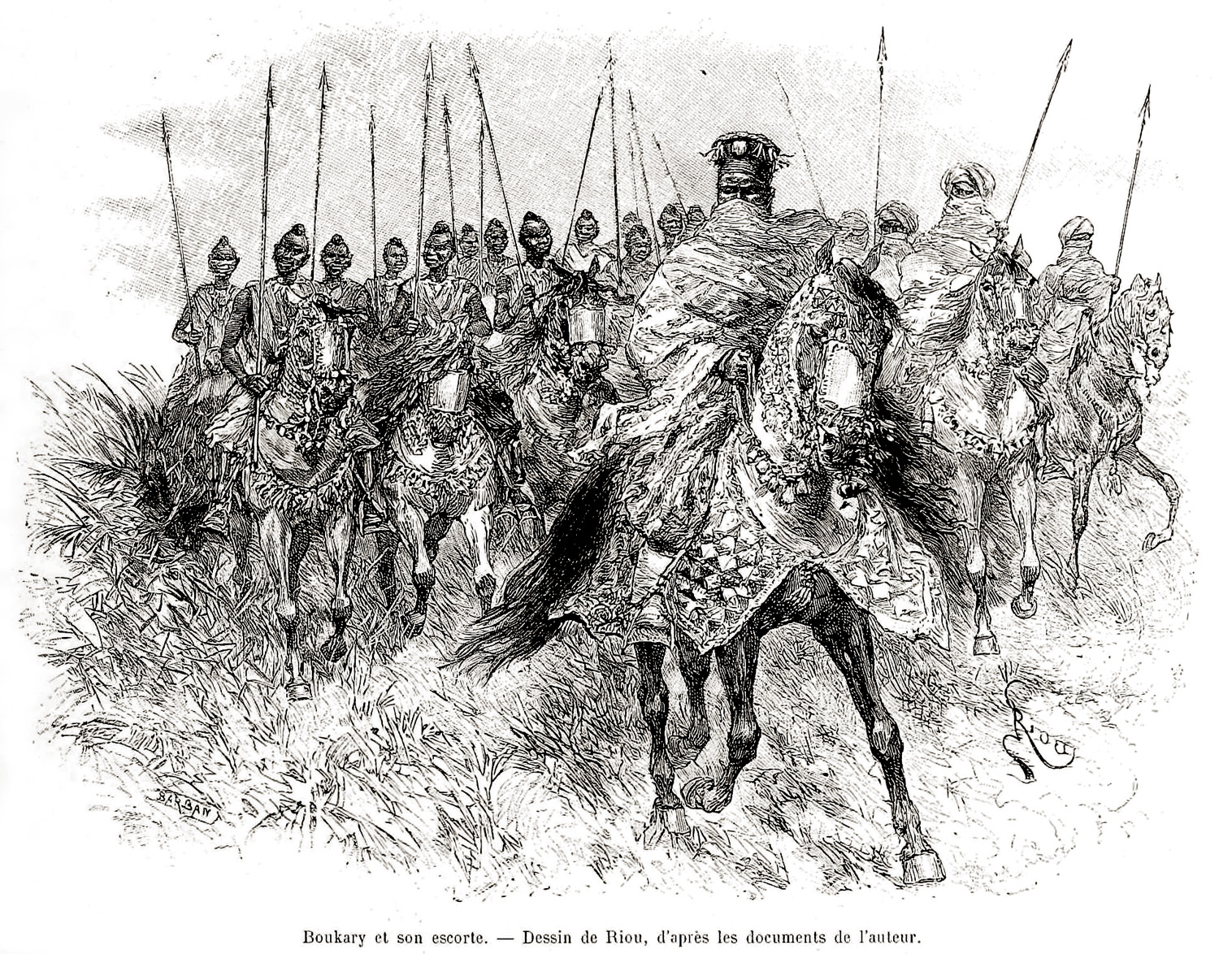
For some five centuries before colonial rule, the region was dominated by the Mossi kingdoms, a set of states famed for their cavalry and their durable institutions. So strong were they that they resisted absorption by the great Muslim empires to their north and west and kept their independence and their traditional religion for far longer than most of the region.
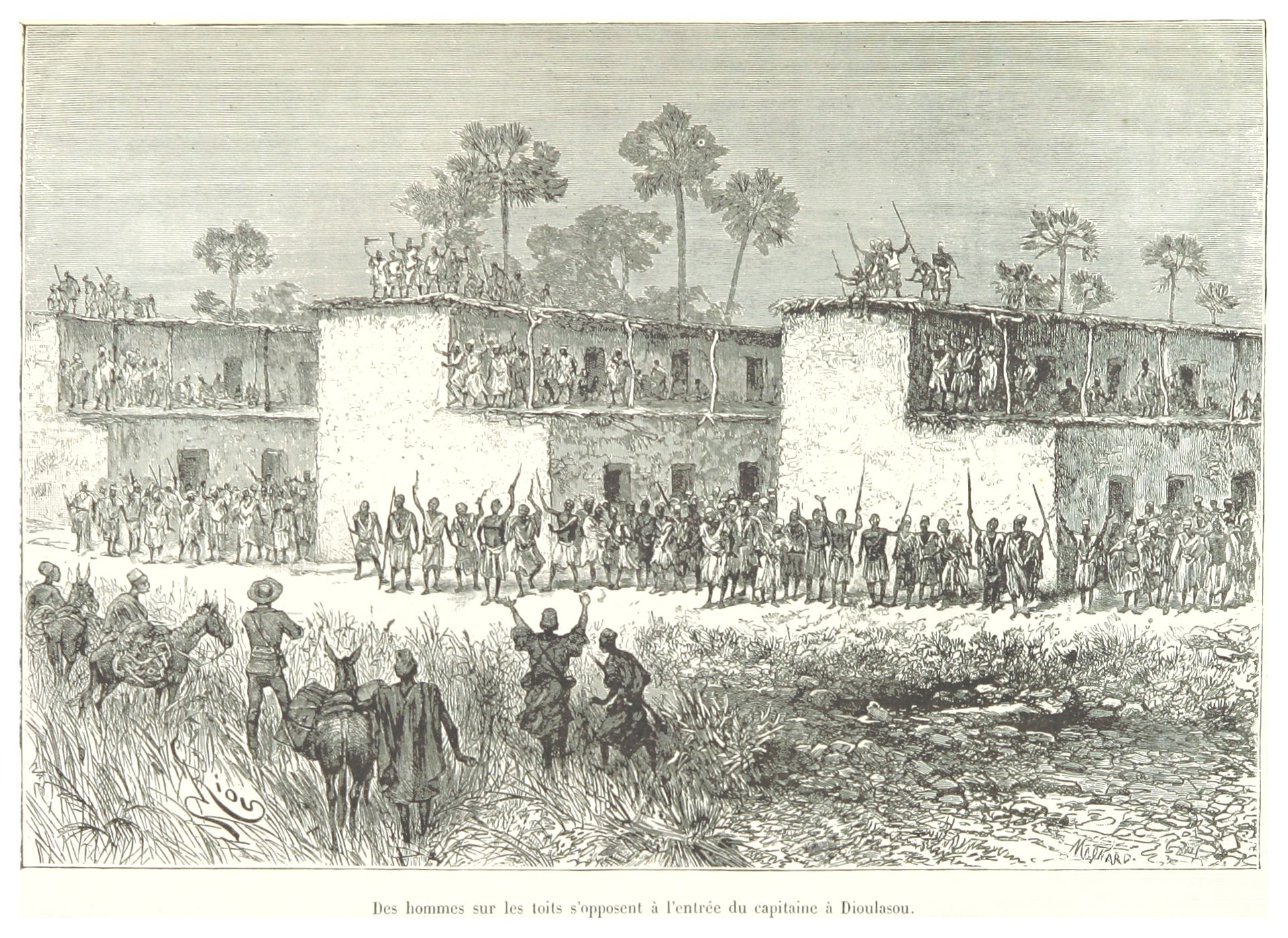
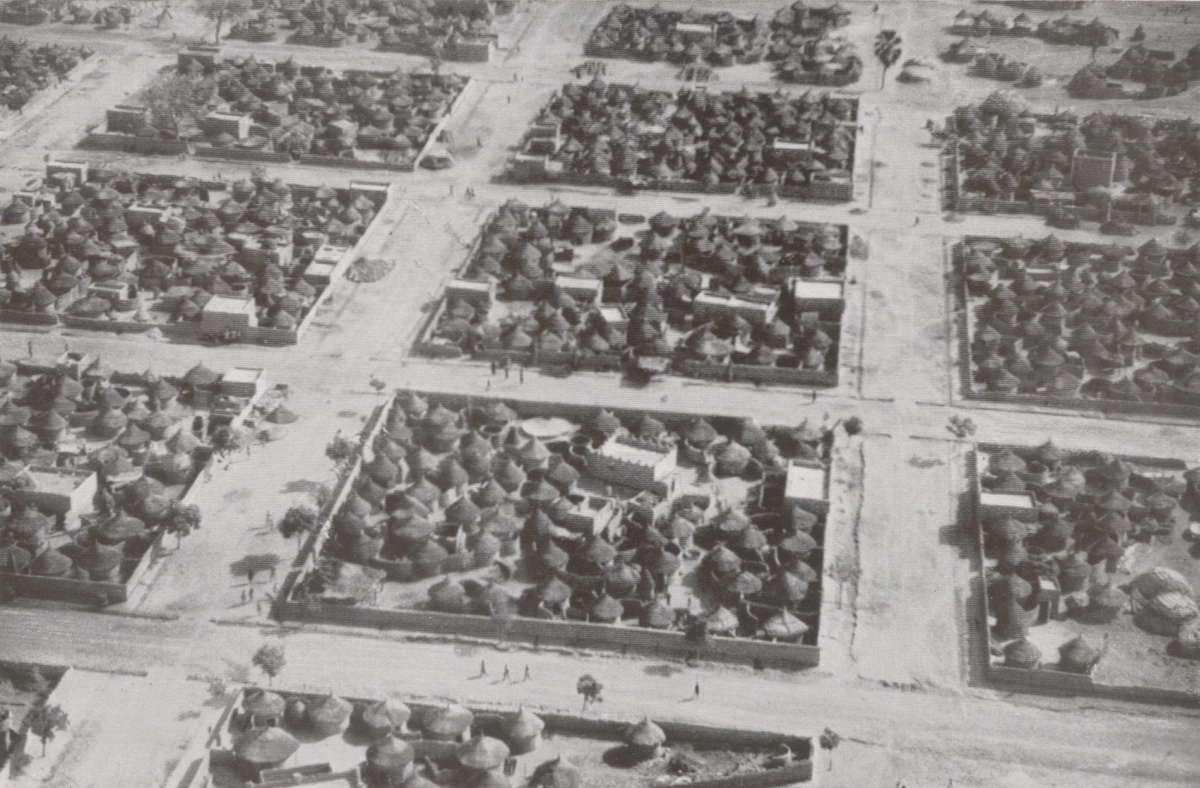
France conquered the Mossi lands at the turn of the twentieth century and ruled them as the colony of Upper Volta, named for the three Volta rivers that rise there. It was governed as a poor, landlocked reservoir of labour for the richer French colonies on the coast, its people conscripted to work on plantations and railways, and its borders were even dissolved and redrawn for a time to suit colonial convenience.
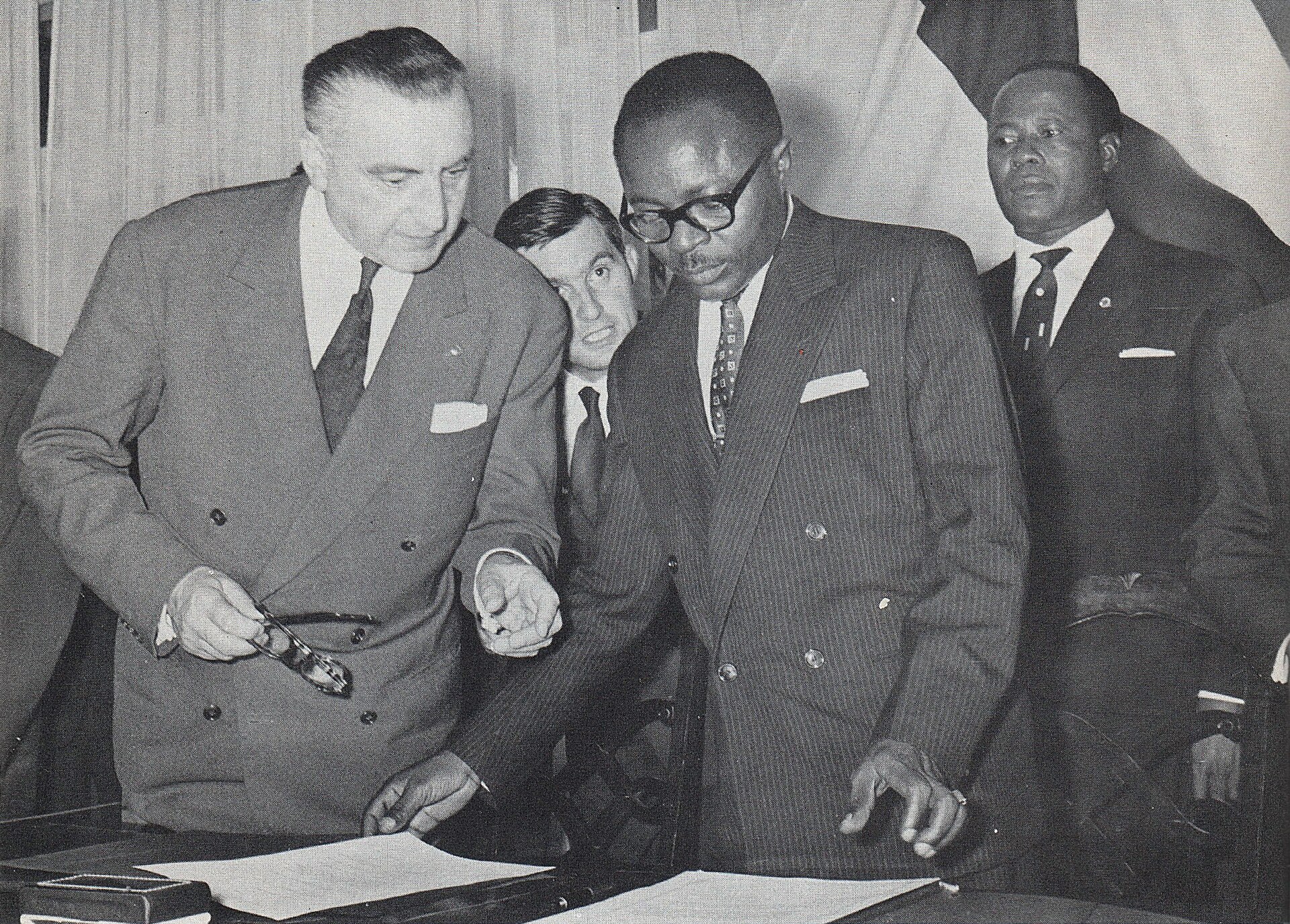
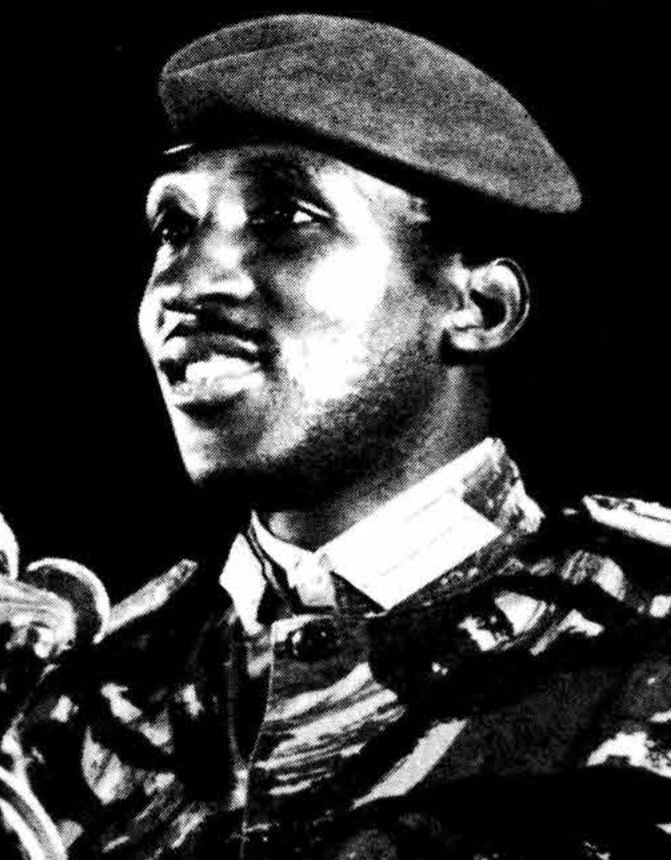
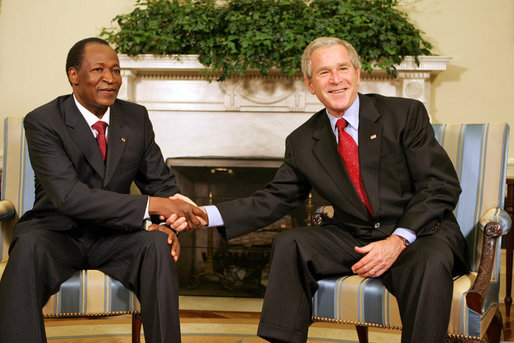
Upper Volta became independent in 1960 under its first president, Maurice Yameogo, but its early decades were unstable. In 1983 a young army captain, Thomas Sankara, took power in a revolution; a charismatic Marxist and pan-Africanist often called Africa's Che Guevara, he renamed the country Burkina Faso, the land of upright people, and launched sweeping campaigns for self-reliance, literacy, vaccination, and women's rights before he was assassinated in 1987 in a coup led by his comrade Blaise Compaore, who then ruled for twenty-seven years.
The Mossi people trace their origins to the legend of Yennenga, a warrior princess and skilled horsewoman, the daughter of a king, who rode off alone and married a hunter; their son, Ouedraogo, is said to have founded the Mossi kingdoms. Yennenga is celebrated as the mother of the Mossi nation, and her image, on horseback, is a national symbol. As literal history the tale belongs to legend and oral tradition, but it expresses the deep roots of the country's largest people.
Burkina Faso is a mostly flat, landlocked country lying in the Sahel and dry savanna, with a hot climate and a single rainy season. The land has no coast and few natural barriers, a broad plateau drained by rivers, three of which, branches of the Volta, gave the colonial territory its old name of Upper Volta. The north fades toward the desert and is prone to drought, while the somewhat wetter south and southwest support more farming. Water and the advancing desert are constant concerns.
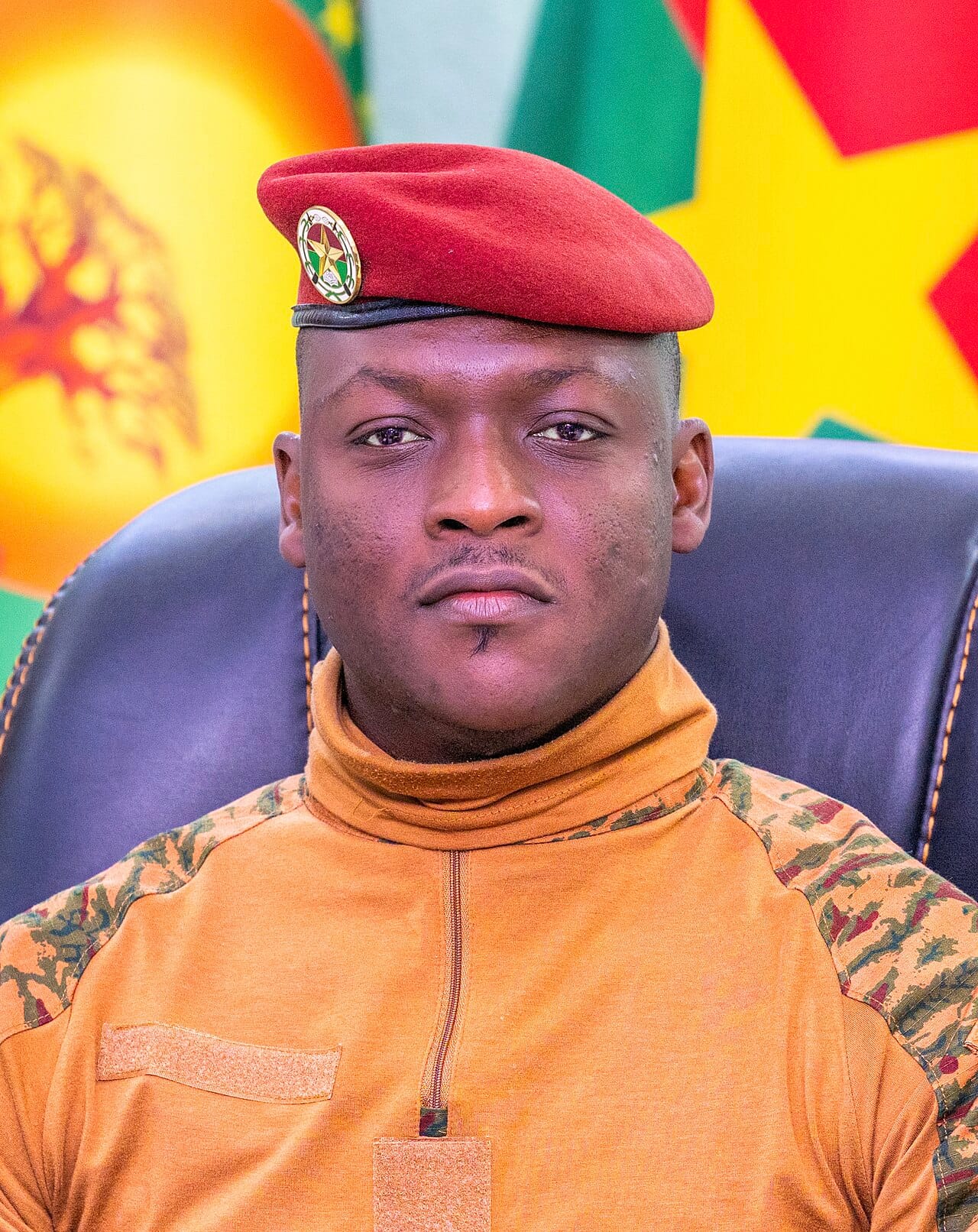
Burkina Faso, long unstable, is now under military rule. A popular uprising overthrew the long-serving Blaise Compaore in 2014, but the elected governments that followed proved unable to halt a rising tide of jihadist violence, and frustration in the army brought two coups in 2022. The second installed Captain Ibrahim Traore, a young officer who, aged in his mid-thirties, became one of the world's youngest heads of state. Consciously echoing Thomas Sankara, Traore has adopted a fiercely pan-Africanist and anti-French posture, expelling French troops, turning to Russia for support, and joining Mali and Niger in the Alliance of Sahel States after leaving ECOWAS. His defiant rhetoric has made him a hero to many young people across Africa, even as the security crisis at home has deepened and his rule has grown more repressive of dissent.
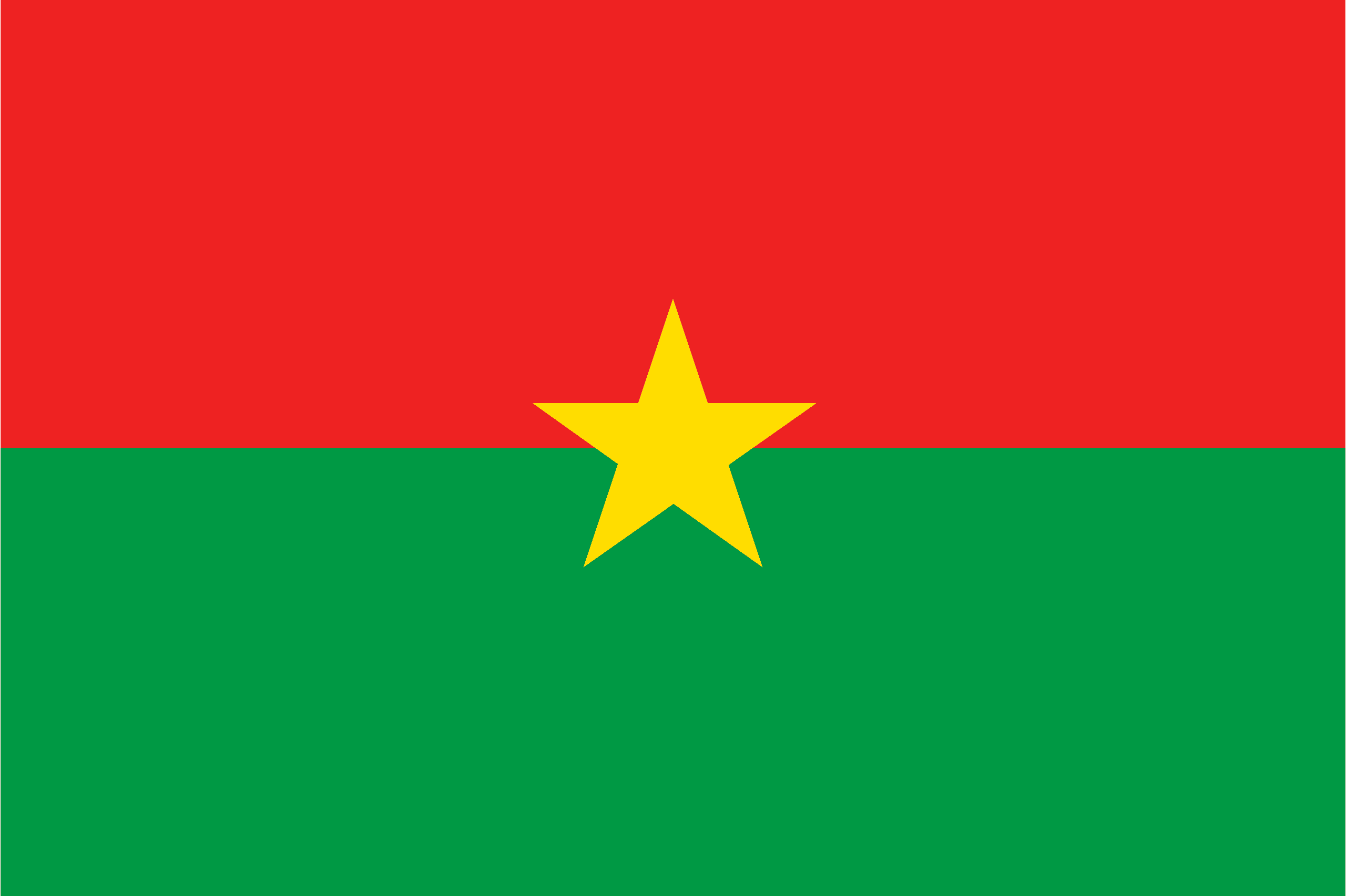
The flag of Burkina Faso has two horizontal bands of red over green, with a yellow five-pointed star in the centre. Adopted after the revolution of 1984, its colours are the pan-African red, gold, and green: the red represents the revolution and the struggle for independence, the green the abundance of the land and hope, and the gold star the guiding light of that revolution. The flag replaced the earlier banner of Upper Volta.
Burkina Faso is religiously diverse and has long been known for tolerance among its faiths. The majority of the population is Muslim, mostly Sunni, a faith long established in the Sahel, alongside a significant Christian minority, both Catholic and Protestant, and many people who follow traditional African religions, honouring ancestors and spirits. These communities have historically coexisted peacefully, and it is common for families to include members of more than one faith.
The cuisine of Burkina Faso is based on grains suited to its dry climate, above all millet, sorghum, and maize, which are made into a thick porridge called to, or tô, the everyday staple, eaten with sauces. These sauces are often made with leaves, okra, or peanuts and may include meat or dried fish. Rice dishes, grilled meat known as brochettes, and the millet beer called dolo are part of the food culture, which makes the most of the produce of the Sahel.
Agriculture is the foundation of life for most people in Burkina Faso, the great majority of them small farmers and herders working in a difficult, dry environment. Cotton is the leading cash crop and a major export, so important that the country is among Africa's top producers, while millet, sorghum, and maize are grown to feed the population, and livestock are raised across the land. Gold mining has also grown into a vital part of the economy.
For all its poverty, Burkina Faso has a proud and creative culture, and the arts are a real source of national pride. Ouagadougou hosts FESPACO, the largest festival of African cinema on the continent, which has made the country a capital of African film, and it is renowned too for its bronze casting, its masks and craft, and a rich tradition of music and dance drawn from its many peoples. The ideal of the burkinabe, the upright and self-reliant person invoked in Sankara's renaming of the nation, remains a cherished part of how the country sees itself.
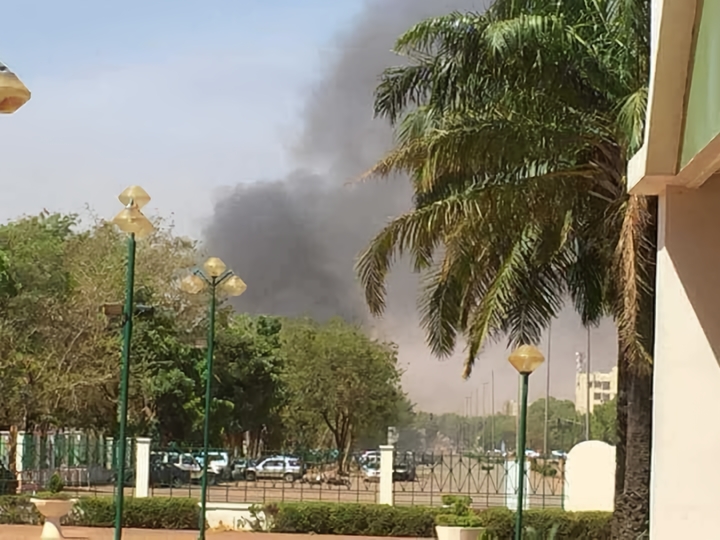
Burkina Faso has become one of the deadliest fronts in the Sahel crisis, and the meaning of its upheaval is sharply disputed. From around 2015 jihadist groups linked to al-Qaeda and the Islamic State spilled over from neighbouring Mali, and the violence has since grown until armed groups contest or control large parts of the country, millions have been driven from their homes, and Burkina Faso has recorded some of the highest numbers of terrorism-related deaths in the world.
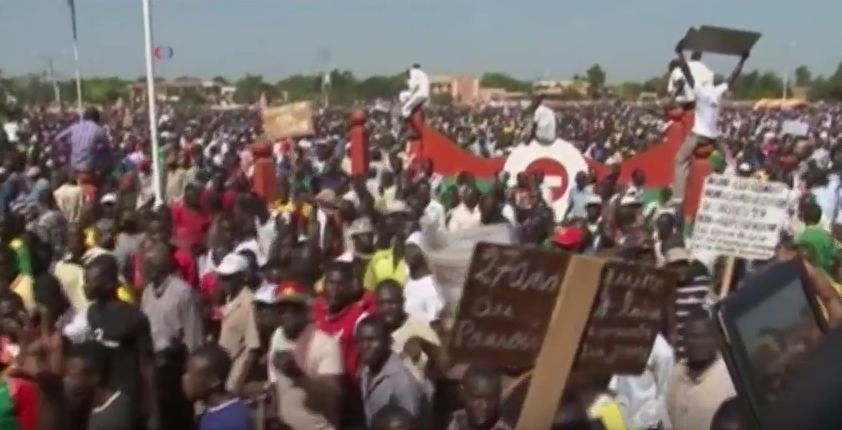
The failure of successive governments to stem the bloodshed brought the army to power in two coups in 2022, and the young leader who emerged, Ibrahim Traore, has fused the fight against the militants with a defiant, pan-Africanist revolt against Western, and especially French, influence, expelling French forces and turning to Russia. To his many admirers across Africa he is a bold anti-colonial hero reclaiming his country's sovereignty and dignity; to his critics he presides over a repressive junta that has muzzled the press and its opponents while the security situation has continued to deteriorate. This account sets out the documented events rather than adjudicating between these views.
Burkina Faso has a population of around 23 million people, made up of many ethnic groups, the largest being the Mossi, alongside the Fulani, Bobo, and others, speaking a range of languages with French as the official tongue. The population is young and fast-growing, and largely rural, concentrated in the centre and south. The capital, Ouagadougou, is the cultural heart of the country and famous for hosting FESPACO, the great pan-African film festival, a sign of the nation's vibrant arts.