Brunei is a small, wealthy sultanate on the island of Borneo in Southeast Asia, its territory split into two parts and surrounded on land by Malaysia, facing the South China Sea. Once the seat of a powerful maritime empire that held sway over much of Borneo and beyond, it shrank over the centuries to its present modest size. Today, thanks to vast reserves of oil and natural gas, it is one of the richest nations in the region, an Islamic absolute monarchy ruled by one of the world's longest-reigning and wealthiest sovereigns.
Brunei's history runs from a great maritime empire, through a long decline and a British protectorate, to the transformation wrought by oil.
Brunei rose to prominence as a powerful Islamic sultanate, and at its height in the fifteenth and sixteenth centuries it controlled much of the island of Borneo and reached to parts of the present-day Philippines, growing rich on the trade of the South China Sea. Its rulers maintained diplomacy and commerce across maritime Asia, sending embassies as far as the imperial court of China.
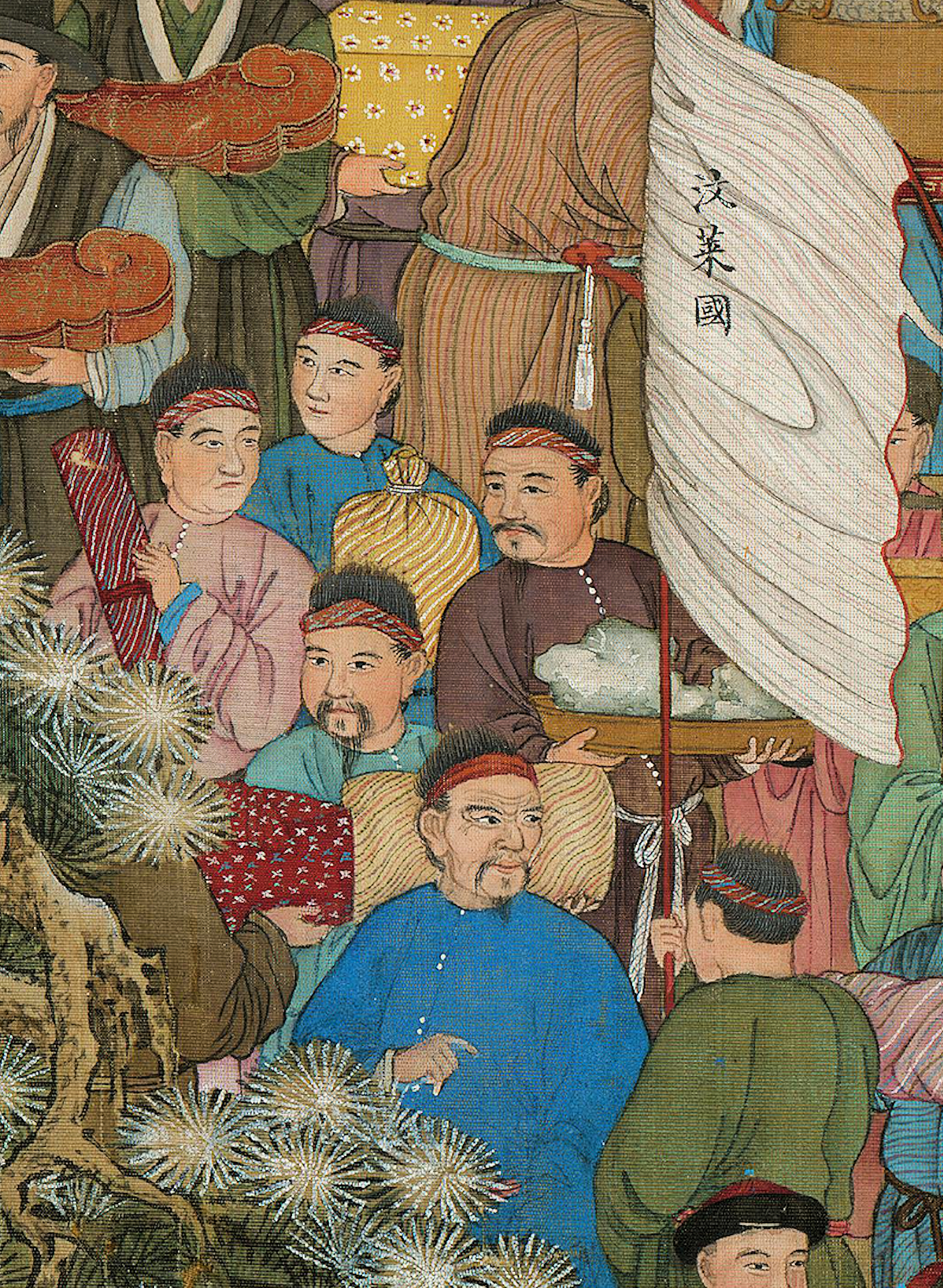
From the nineteenth century Brunei's power waned as it lost territory piece by piece. The English adventurer James Brooke was made rajah of Sarawak and carved an ever-larger private domain out of Brunei's lands, and other territory passed to expanding colonial powers, shrinking the once-great sultanate to a small remnant on the coast.
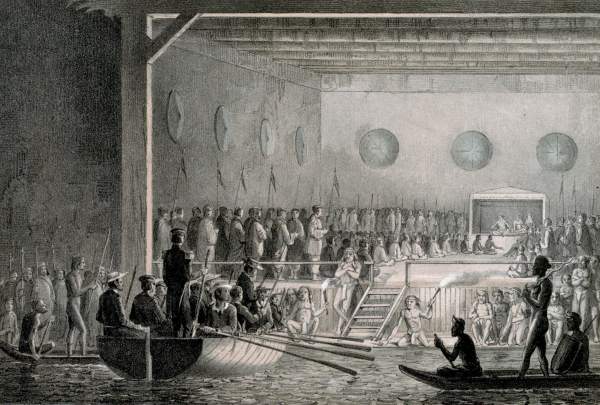
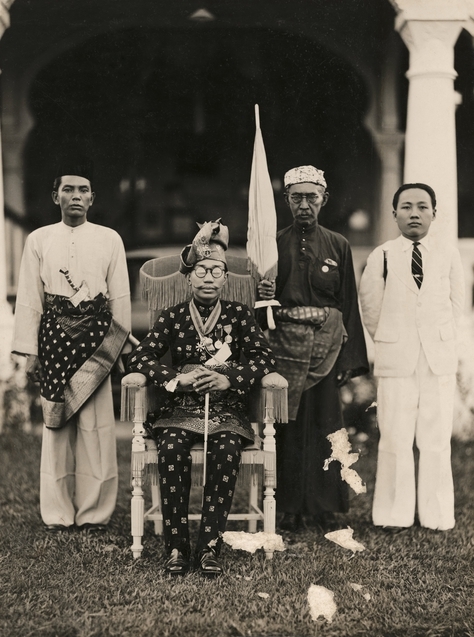
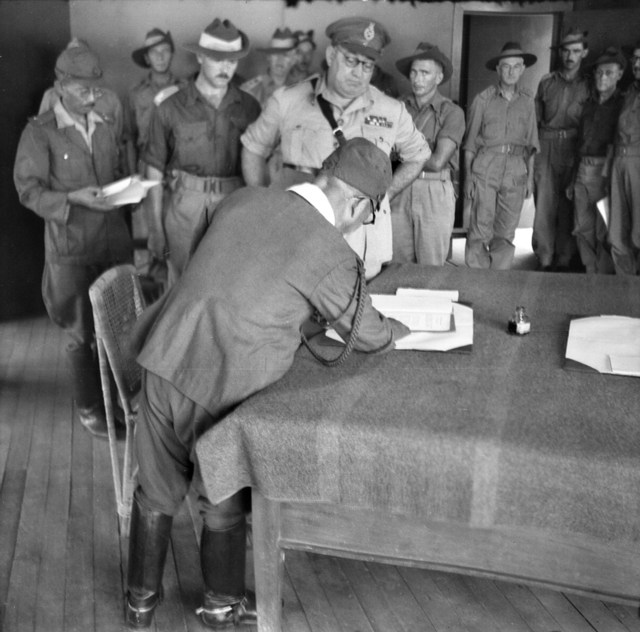
Brunei became a British protectorate in the late nineteenth century, which preserved its sultan while placing its external affairs under British control. Occupied by Japan during the Second World War, it was fought over as the Allies returned, and the discovery of vast oil and gas reserves transformed its fortunes. Brunei gained full independence in 1984, one of the last states in the region to do so.

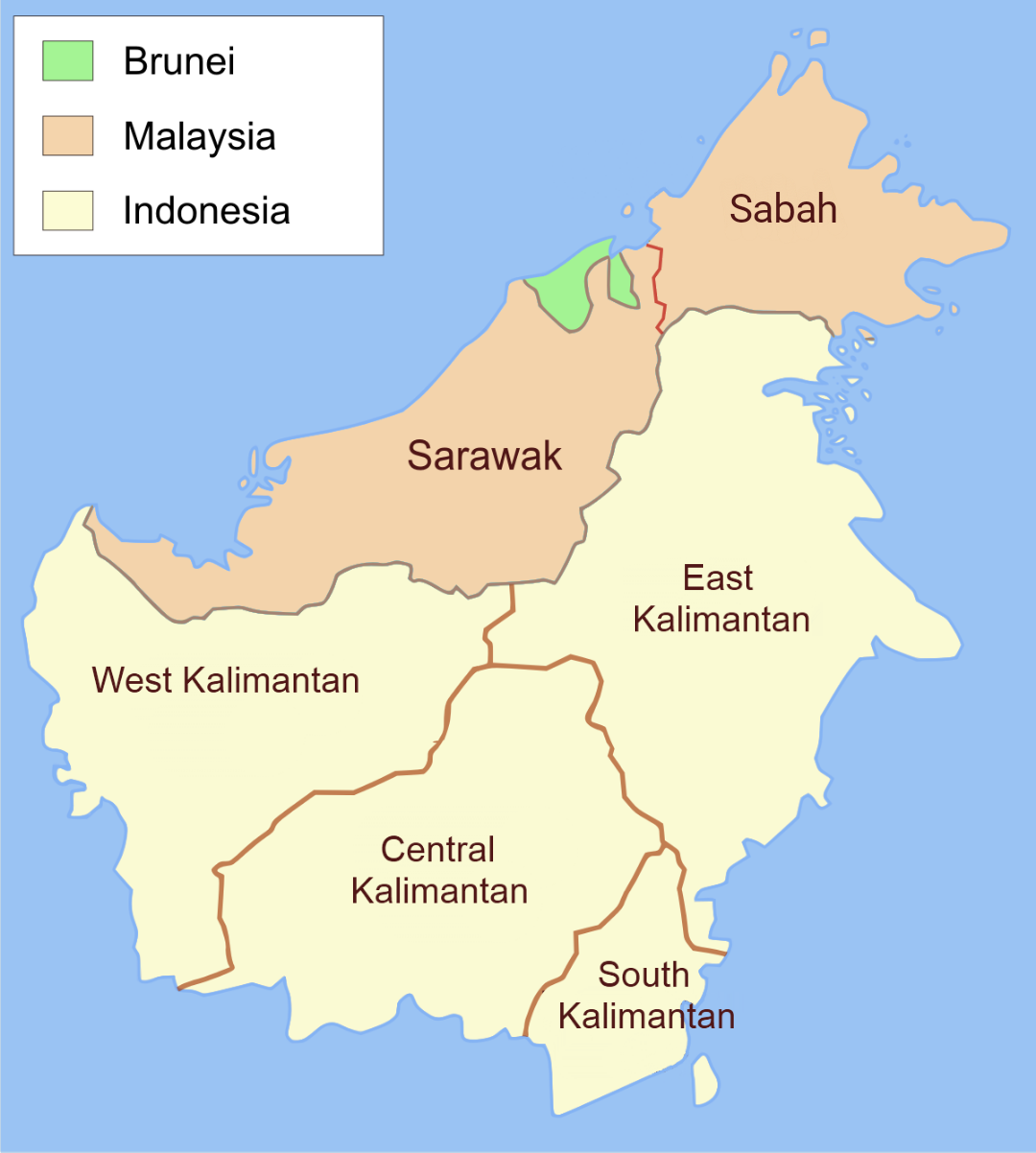
Brunei occupies two separate enclaves on the northern coast of Borneo, divided by a sliver of the Malaysian state of Sarawak, with a coastline on the South China Sea. The country is mostly low coastal plain rising to hills and mountains inland, and much of its interior remains covered in dense, well-preserved tropical rainforest, among the best protected in the region. The climate is hot, humid, and rainy, typical of equatorial Borneo, and the rich forests support abundant wildlife, which the small and wealthy state has had the means to conserve.
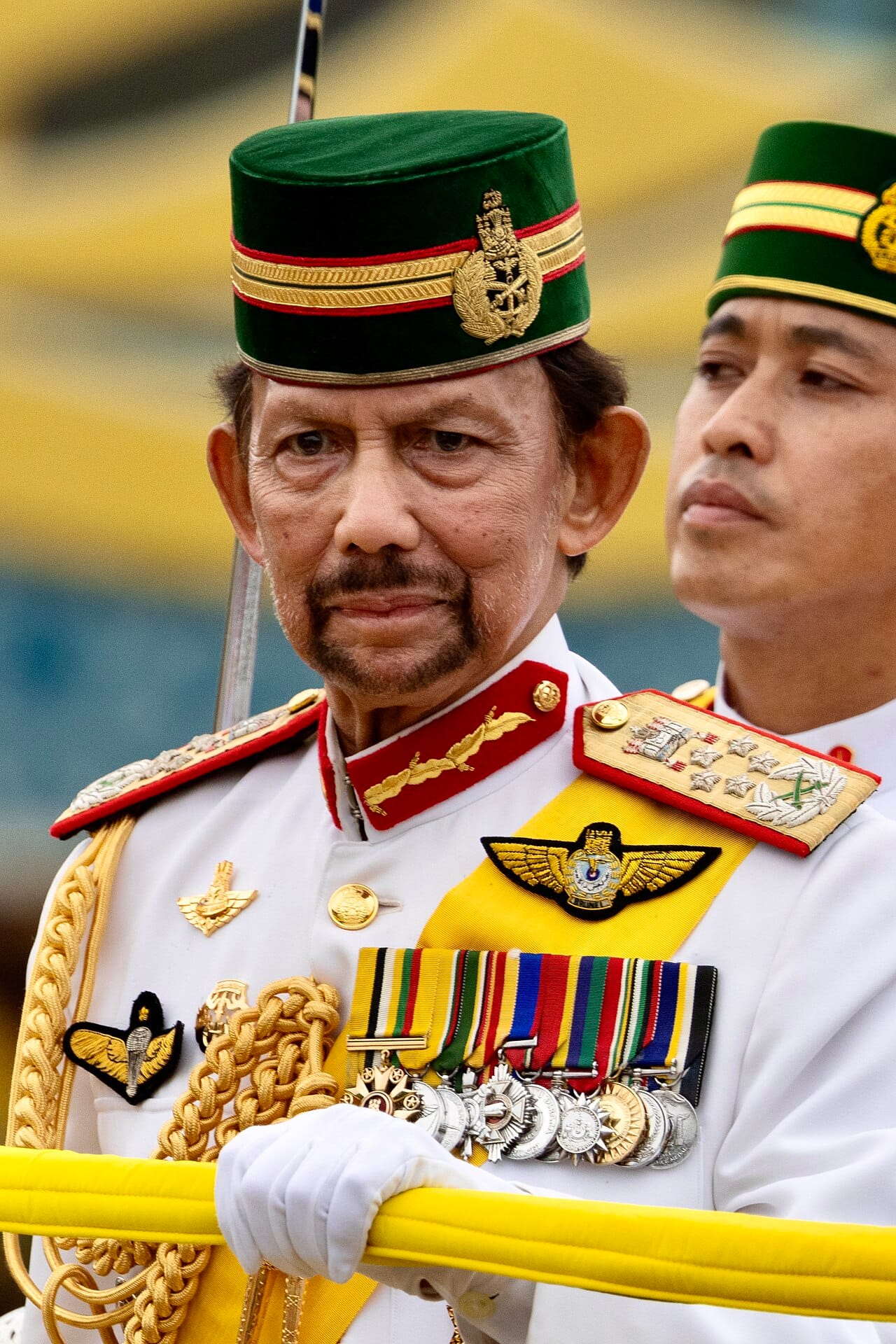
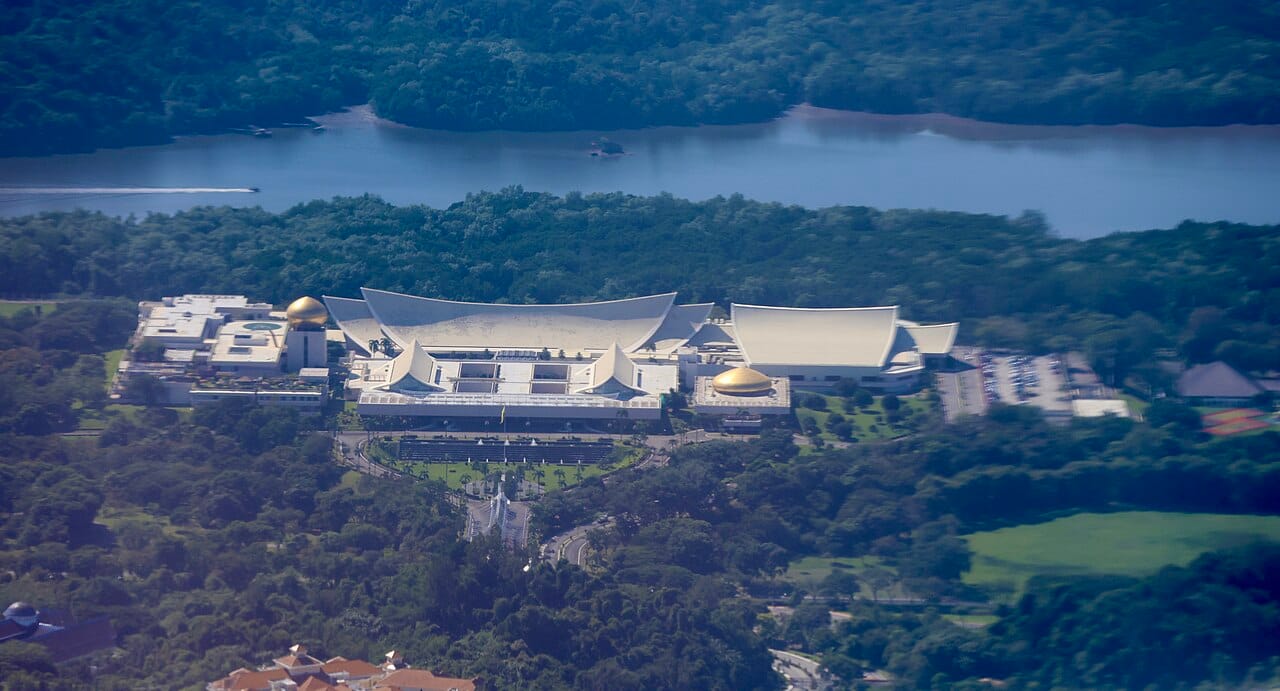
Brunei is one of the last absolute monarchies in the world. The sultan, Hassanal Bolkiah, has reigned since 1967 and is among the longest-serving and wealthiest sovereigns on Earth; he also serves as prime minister and holds the defence, finance, and foreign-affairs portfolios, concentrating power firmly in the crown. There is no elected legislature with real authority, and the country is governed according to a national ideology known as the Malay Islamic Monarchy, which fuses Malay culture, Islam, and loyalty to the sultan. The crown prince, Al-Muhtadee Billah, is the heir apparent.
Brunei's wealth flows almost entirely from oil and natural gas, drawn from onshore and offshore fields, which have given this small country one of the highest incomes in the region. That petroleum wealth funds a generous welfare state, with free healthcare and education, subsidised housing and fuel, and no personal income tax. The great challenge is dependence on a single, finite resource, and the government has long sought, with limited success, to diversify the economy beyond hydrocarbons before the wells run dry.
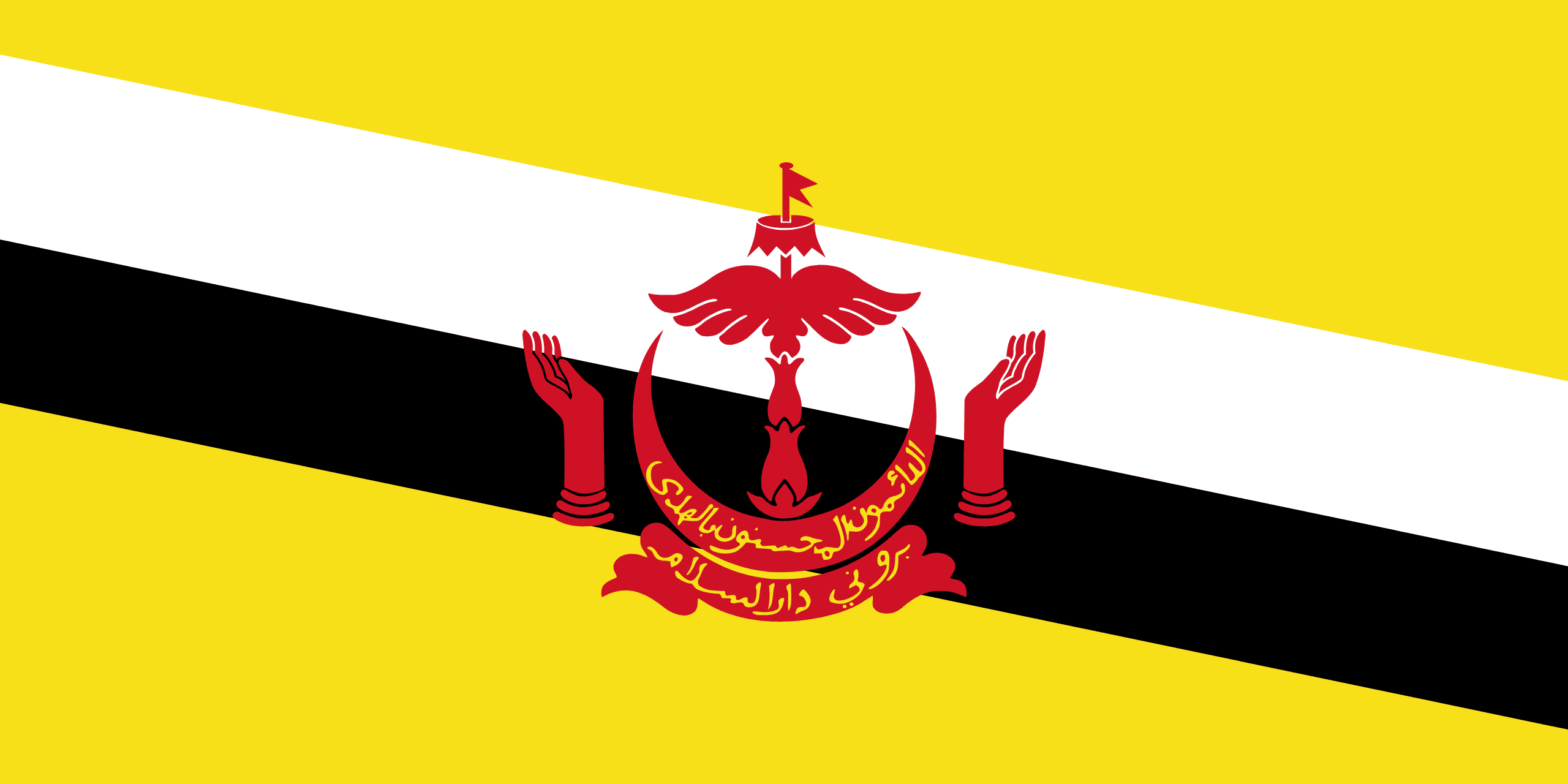
The flag of Brunei is yellow with two diagonal stripes of white and black across the centre and the national emblem in red in the middle. The yellow is the traditional colour of the sultan, while the white and black stripes represent the kingdom's chief ministers. The central emblem includes a crescent symbolising Islam, a parasol representing the monarchy, and upraised hands, along with a banner bearing the state motto in Arabic, which translates as always in service with God's guidance, reflecting the country's Islamic monarchy.
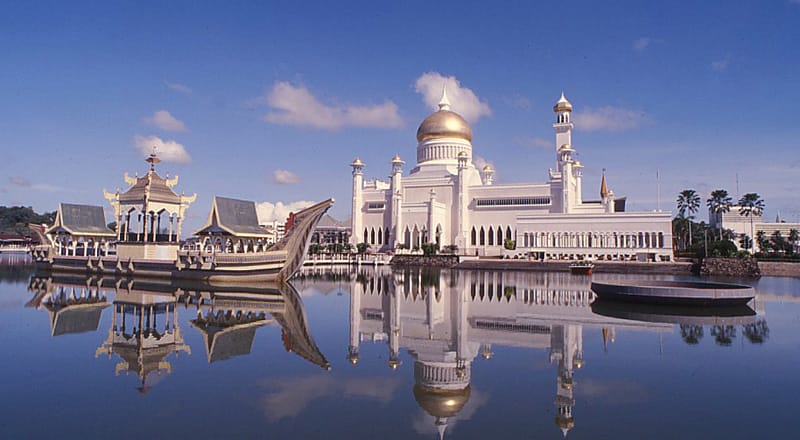
Islam is the official religion of Brunei and the foundation of its national identity and law, with the sultan as its head, and the majority of the population are Muslim, predominantly Sunni. The country follows the official ideology of the Malay Islamic Monarchy, blending Malay culture, Islam, and loyalty to the crown. There are significant minorities, including Buddhists among the Chinese community and some Christians and followers of indigenous beliefs, but public religious life is firmly Islamic, expressed in grand mosques and a devout observance woven through daily life and the calendar.
Bruneian cuisine resembles that of neighbouring Malaysia and the wider region, built on rice, fish, and the abundant produce of the tropics, with halal practice shaping what is eaten. A distinctive national dish is ambuyat, a sticky, starchy paste made from the interior of the sago palm, eaten with a tangy dipping sauce and a special bamboo fork. Rice dishes, noodles, grilled fish and meats, and rich, spiced curries and sauces are common, reflecting Malay, Chinese, and Indian influences in a small but flavourful food culture.
Agriculture plays only a minor role in Brunei's economy, and the wealthy country imports most of its food. What farming exists produces rice, fruit, vegetables, and poultry, and the government has sought to increase domestic food production for greater self-sufficiency, mindful of how completely the nation depends on imports and on the income from its wells.
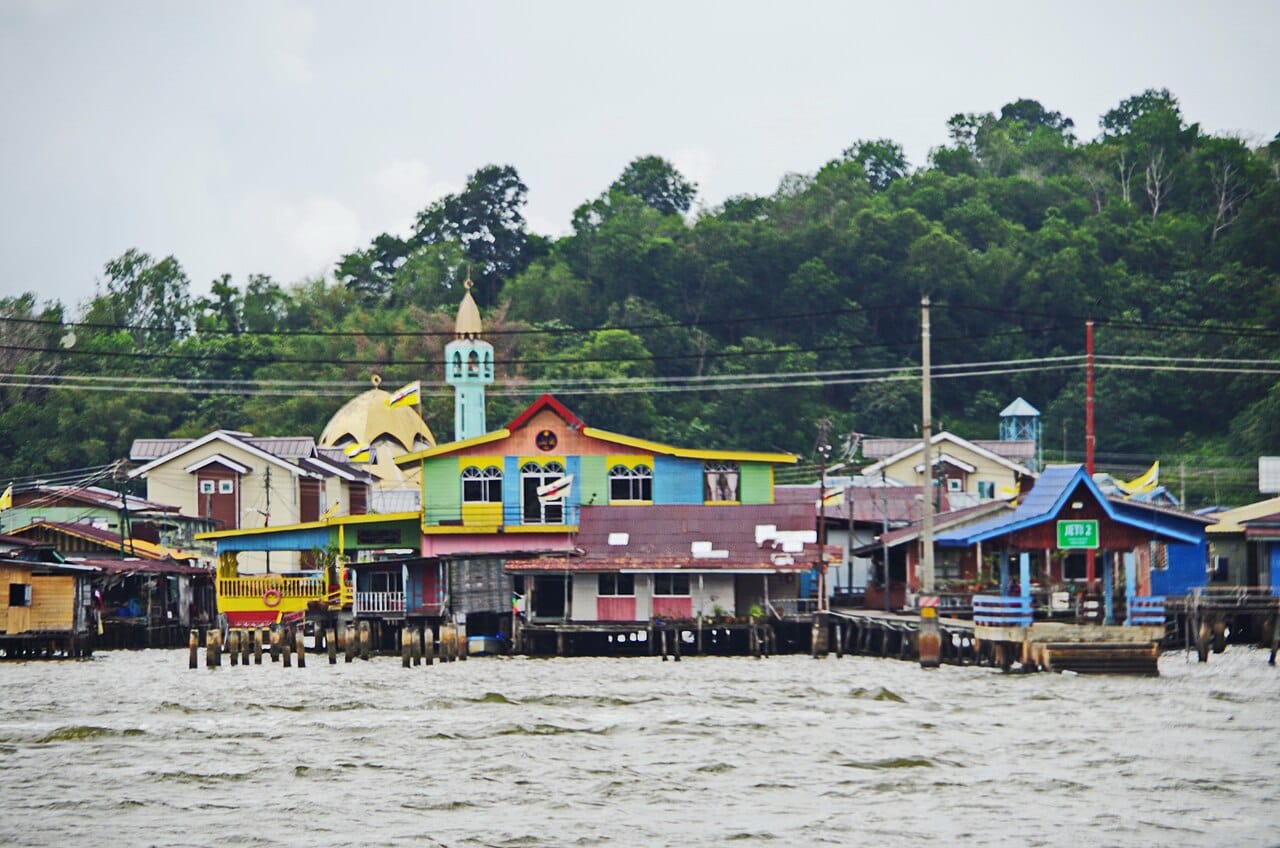
Bruneian society is prosperous, orderly, and deeply traditional, shaped by Malay custom, Islam, and devotion to the sultan. Its most distinctive emblem is Kampong Ayer, the great water village on stilts over the Brunei River, where a substantial share of the capital's people have lived for centuries in wooden houses linked by boardwalks and water taxis, a way of life that has endured beside the wealth of the modern oil state. Elaborate royal ceremonies, above all the sultan's birthday, and a quiet, family-centred life mark the rhythm of the country.
Brunei's blend of absolute monarchy and Islamic law has drawn international attention and criticism. From 2014 the country began phasing in a strict Sharia penal code, fully in force from 2019, which on paper prescribes severe punishments, including amputation for theft and death by stoning for offences such as adultery and same-sex relations. The move was condemned by many governments and rights groups abroad, prompting boycotts of Brunei-owned businesses, and in response the sultan stated that a longstanding moratorium on carrying out the death penalty would extend to these new provisions. Supporters within Brunei present the code as an expression of the nation's faith and sovereignty, while critics abroad regard it as a grave breach of human rights. The gap between the law as written and how far it is enforced, and the wider question of political and personal freedoms in an absolute monarchy, remains a sensitive subject.
Brunei has a population of around 450,000 people, the majority ethnic Malays, alongside a substantial Chinese minority and smaller communities of indigenous peoples of Borneo and others. Malay is the official language, English is widely used, and Islam shapes public life. The population enjoys a high standard of living funded by the country's energy wealth, and most people live in the coastal districts, especially in and around the capital, Bandar Seri Begawan. The small, prosperous, and tightly governed nation has one of the highest per capita incomes in the region.