Botswana is a landlocked country in southern Africa, much of it taken up by the great Kalahari Desert, yet also home to the lush wetland of the Okavango Delta and abundant wildlife. Sparsely populated and arid, it is one of Africa's quiet success stories: from being among the poorest countries in the world at independence, it transformed itself, on the strength of diamonds and good governance, into a stable middle-income democracy widely admired as a model for the continent.
Botswana's history runs from some of the oldest human cultures on Earth, through the Tswana chiefdoms that shrewdly sought British protection, to a diamond-rich democracy widely held up as an African success.
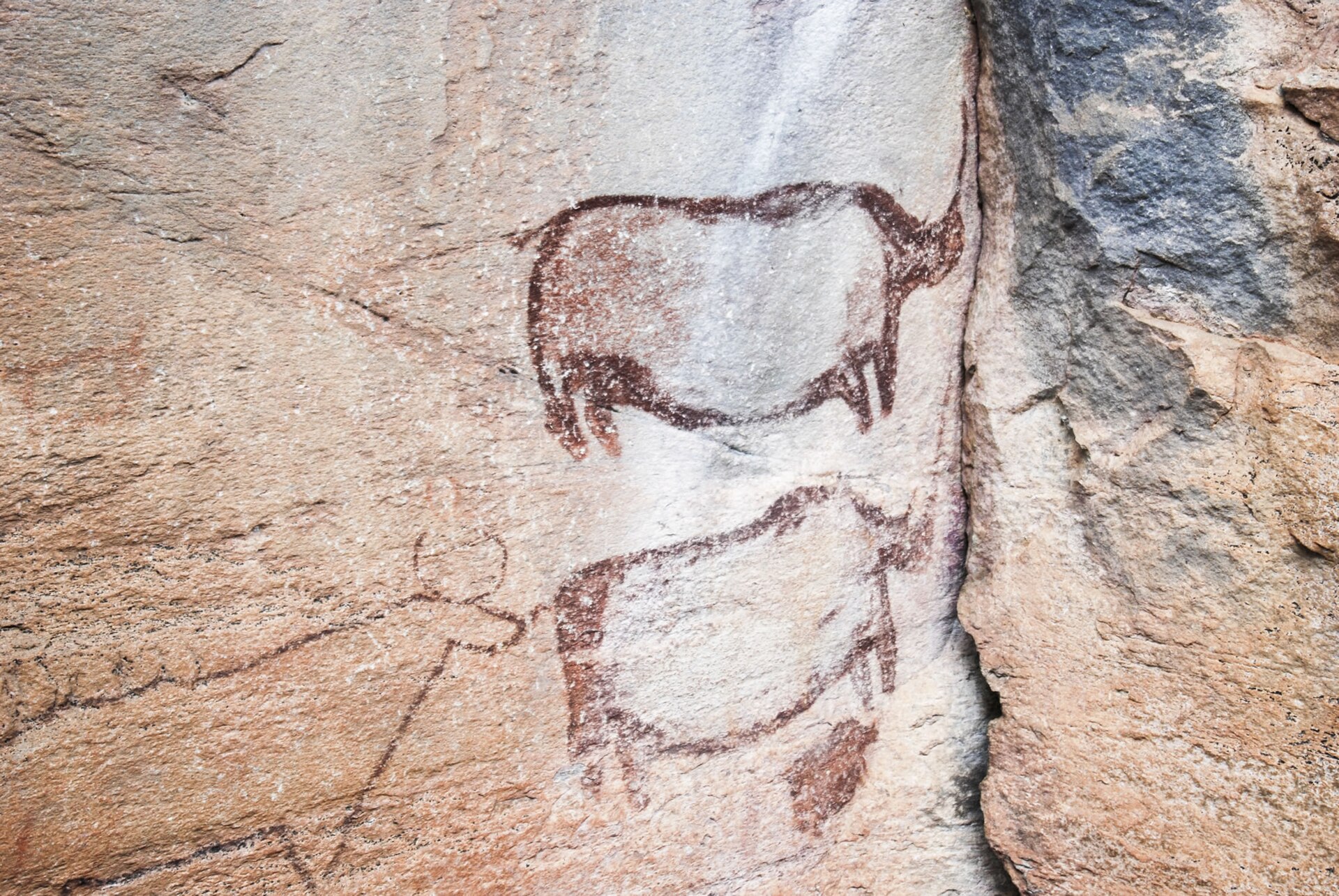
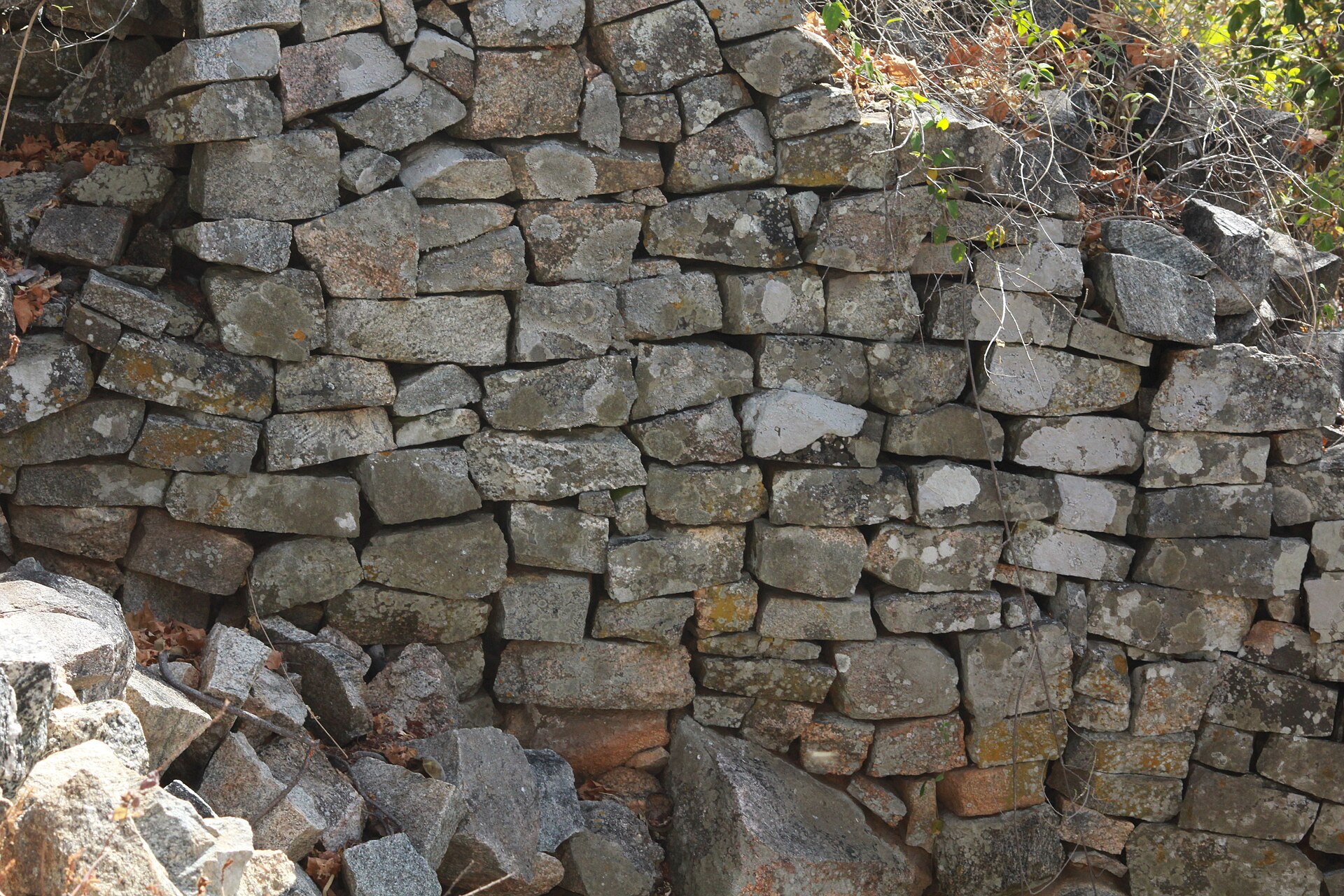
The land was inhabited for tens of thousands of years by the San, or Bushmen, among the oldest continuous cultures on Earth, whose exquisite rock paintings survive at Tsodilo, sometimes called the Louvre of the Desert. Bantu-speaking Tswana peoples later settled the region, building stone-walled towns and organising into chiefdoms that herded cattle across the dry grasslands.
In the late nineteenth century, as the lands around them were swallowed by Cecil Rhodes's company and by the Boers, three Tswana chiefs made a shrewd move: they travelled to Britain to appeal directly for imperial protection, and the territory became the British protectorate of Bechuanaland, spared the settler rule that engulfed its neighbours. It was governed lightly and cheaply, even from outside its own borders, until independence.
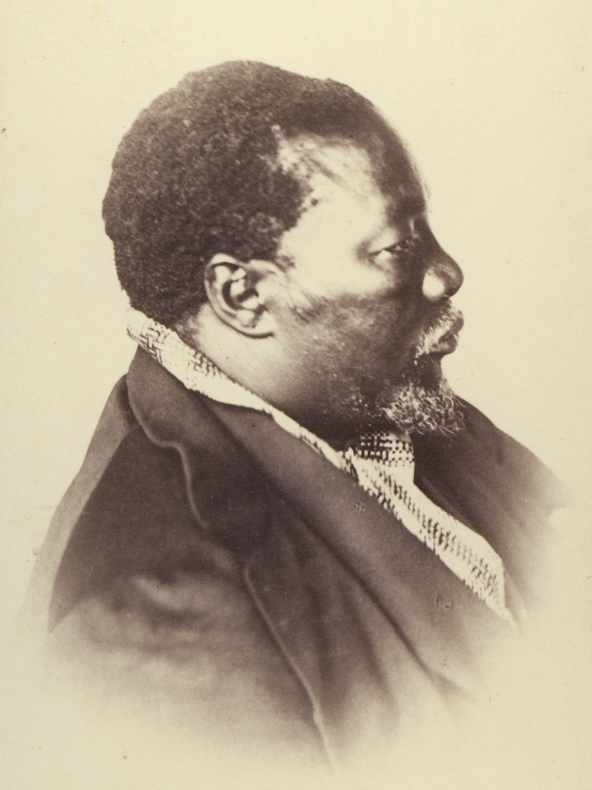
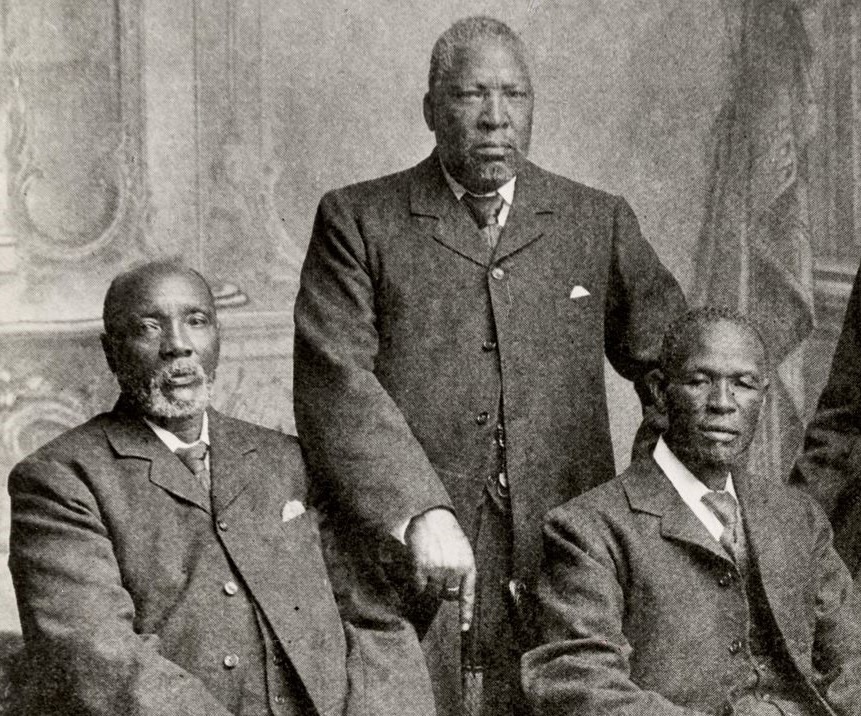
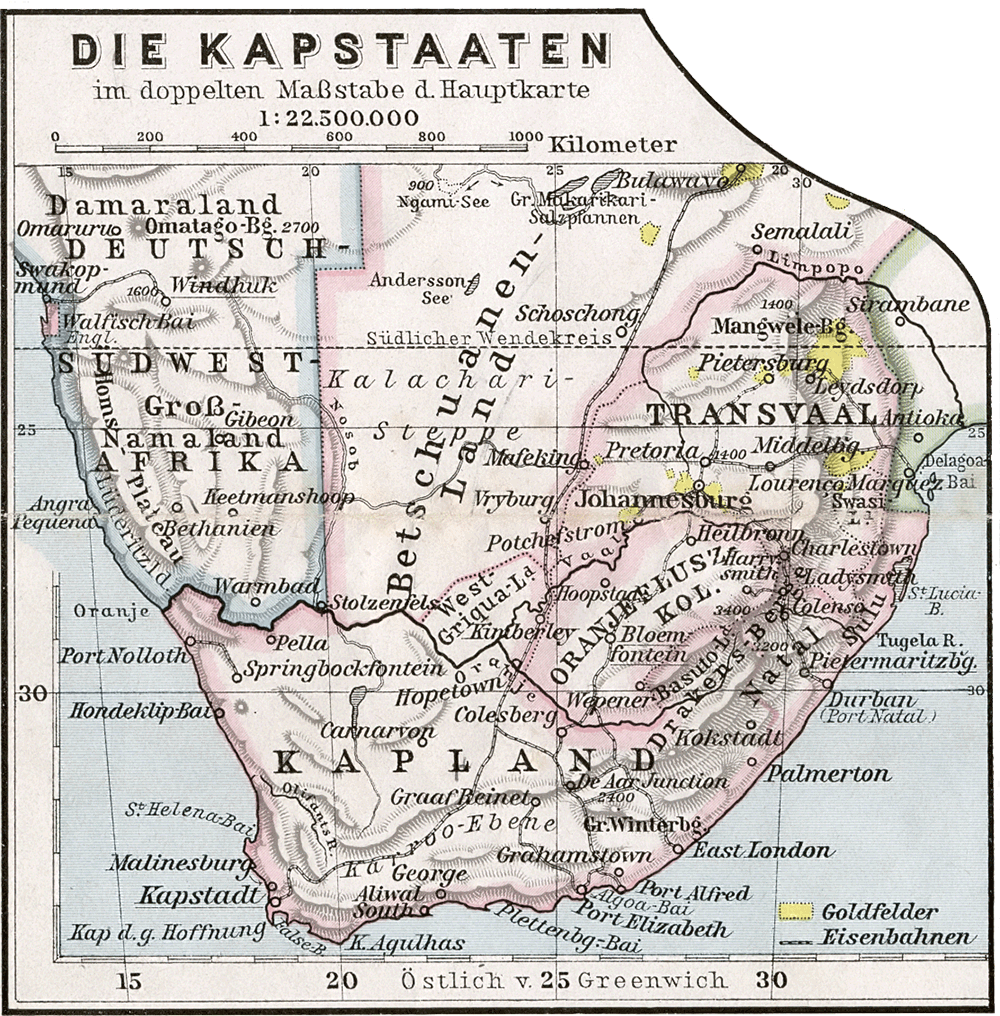
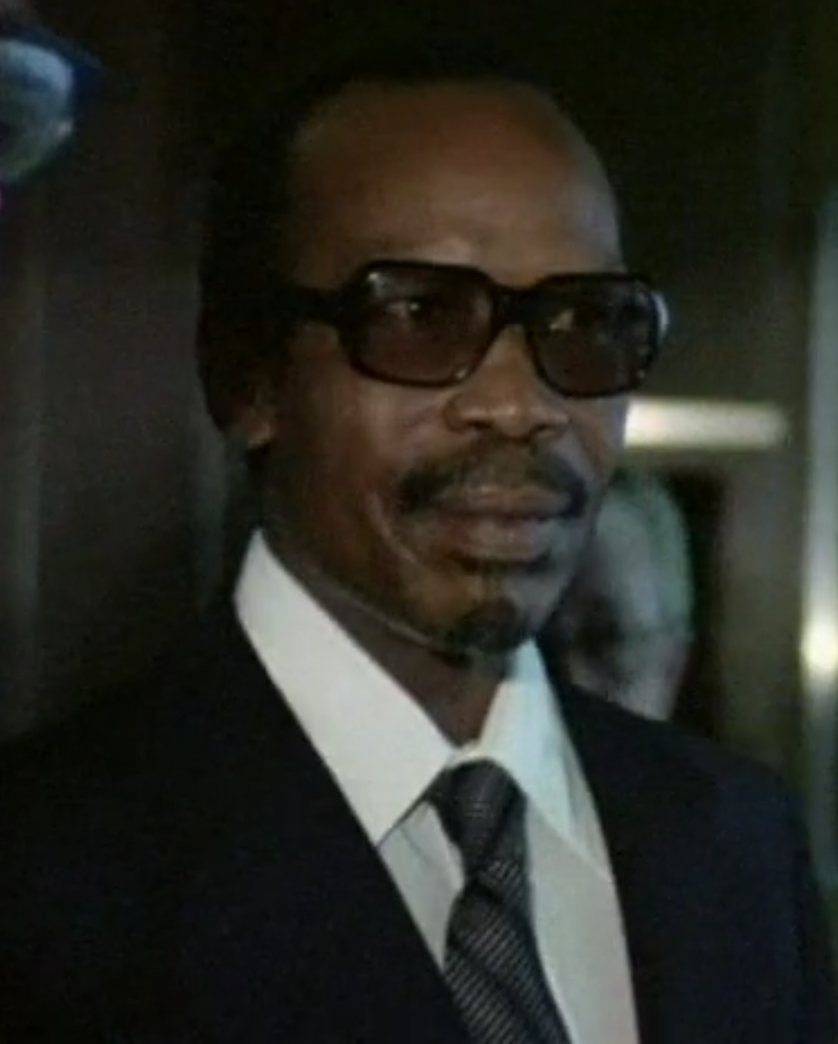
Botswana gained independence in 1966, one of the poorest countries in the world, with only a few kilometres of paved road. Its first president, Seretse Khama, a Tswana heir whose marriage to an Englishwoman had caused an international storm, set the country on a course of democracy, pragmatism, and prudence, and when rich diamond deposits were discovered soon after independence, that steady leadership made all the difference to how the wealth was used.
A traditional origin story tells that the first people and animals emerged into the world from a deep hole in the ground, led by a one-legged giant ancestor named Matsieng, who left his footprints, and those of the creatures that followed, in the rock around the spring. Footprint-like marks at the site are pointed to as evidence of the tale. As literal history the emergence from the earth belongs to legend and myth, but the story preserves an ancient sense of belonging to the land.
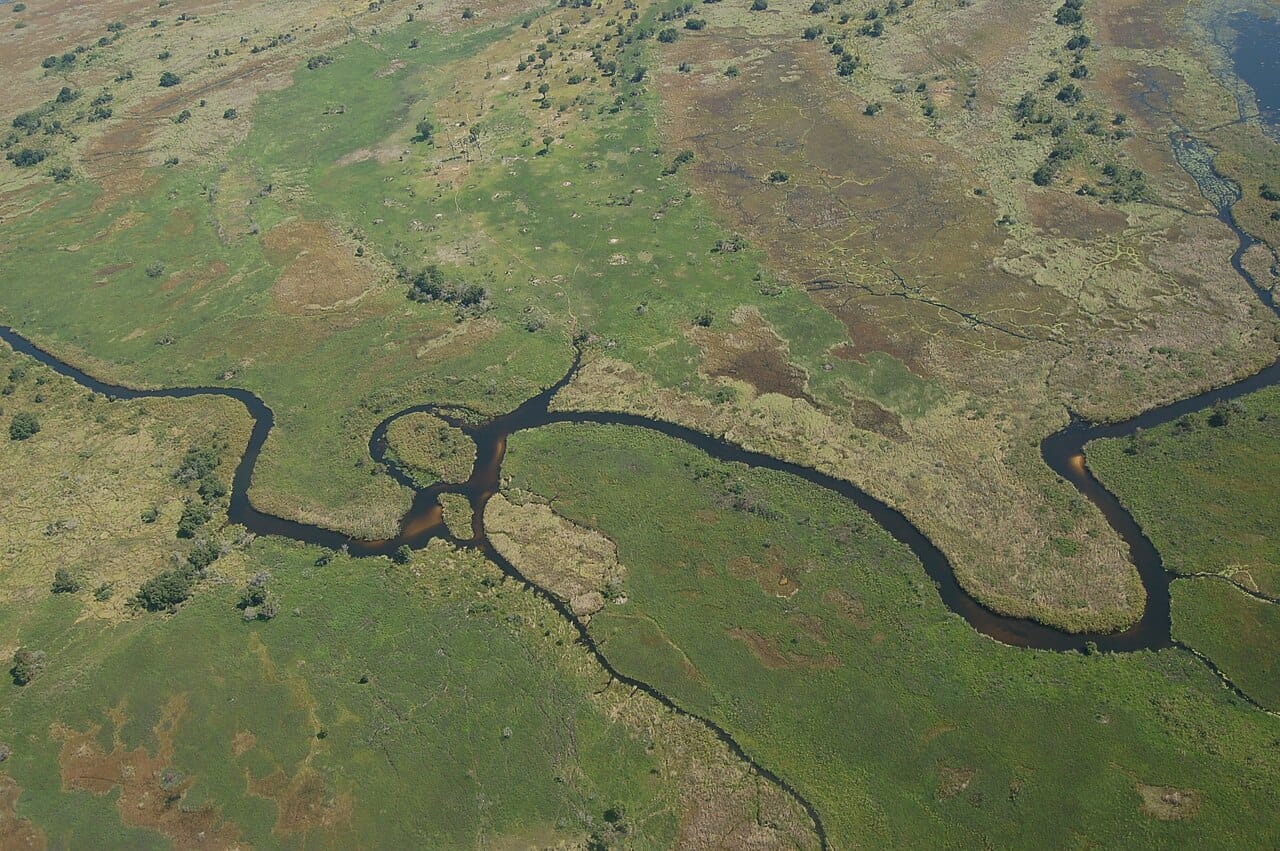
Botswana is a flat, dry country, the great majority of it covered by the sands of the Kalahari, a vast semi-desert of scrub and grassland rather than bare dunes, that supports surprising amounts of wildlife. Its most remarkable feature is the Okavango Delta in the northwest, where a great river, instead of reaching the sea, spreads out and vanishes into the desert, creating a lush maze of channels, lagoons, and islands teeming with animals. Salt pans, the remnants of an ancient lake, stretch across the north.
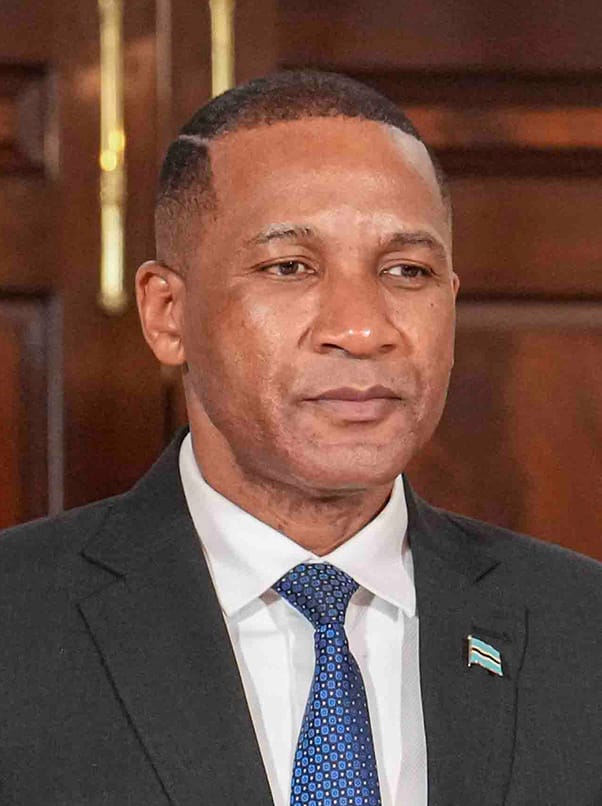
Botswana is one of Africa's oldest and most stable democracies, and in 2024 it passed a test that many long-ruling systems fail. For 58 years, ever since independence, the country had been governed by a single party, the Botswana Democratic Party, but in the election of that year voters turned it out, and power passed peacefully to the opposition Umbrella for Democratic Change under Duma Boko, a Harvard-trained lawyer, who became president. The transfer, orderly and undramatic, was hailed as proof of the depth of Botswana's democratic culture. The new government inherited the country's enduring challenges: an economy still overwhelmingly dependent on diamonds whose trade has recently slumped, high unemployment, and stark inequality alongside the general prosperity.

The flag of Botswana is light blue, crossed in the centre by a black horizontal stripe edged in white. The blue represents water, and above all rain, so precious in this dry land that the national motto is simply the word for rain, and the same word serves as the name of the currency. The black stripe with its white borders represents the harmony and cooperation between the country's peoples, of different races, and the pattern is a quiet statement of unity.
The majority of people in Botswana are Christians, the result of missionary activity during the colonial era, belonging to a range of Protestant churches, including large independent African churches that blend Christian worship with local tradition, as well as the Roman Catholic Church. Traditional African beliefs, with their reverence for ancestors, remain influential and are often held alongside Christianity. The country is known for religious tolerance, and faith plays an important part in community and family life.
Botswanan cuisine is based on staples suited to a dry, cattle-rearing land. Sorghum and maize are made into porridges, the stiff staple known as pap or bogobe, eaten with relishes and stews. Beef is central to the culture and the diet, reflecting the country's strong cattle-herding tradition, and a famous national dish is seswaa, meat boiled until tender and pounded. A distinctive delicacy is the mopane worm, the dried, protein-rich caterpillar of the mopane moth, a traditional food across the region.
Agriculture is limited in Botswana by the dryness of the land, and crop farming, mostly of sorghum, maize, and beans, is small-scale and vulnerable to drought. Cattle ranching, however, is deeply important, both economically and culturally: cattle are a traditional measure of wealth, and beef is a significant export. The true foundation of the modern economy, though, is mining, above all diamonds, which Botswana has managed with notable prudence to become one of the world's leading producers.
The defining fact of modern Botswana is diamonds, and, unusually, the story of how they were managed is a happy one. Rich deposits were found soon after independence, and rather than being plundered by a corrupt elite or squandered, as has happened in so many resource-rich countries, they were developed through a careful partnership between the state and the mining company De Beers that channelled the revenues into the national budget. On that foundation Botswana built roads, schools, and clinics, avoided debt, and rose from one of the poorest countries on Earth to a middle-income democracy, becoming the textbook example of how a nation can escape the so-called resource curse. The great vulnerability of that model, its heavy dependence on a single commodity, has been laid bare by a recent slump in the diamond trade, lending new urgency to the long-discussed goal of diversifying the economy.
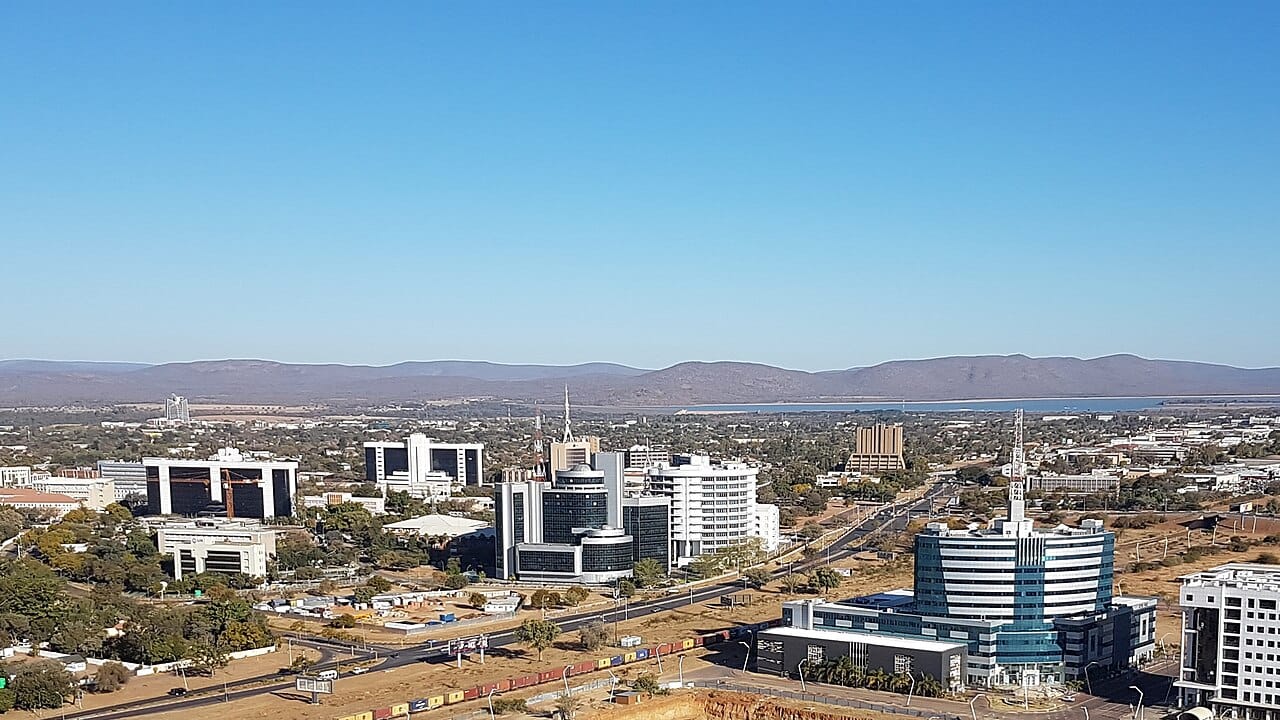
Botswana has a population of around 2.6 million people in a country the size of France, making it one of the most sparsely populated in the world. The great majority are Tswana, alongside other groups including the San and various minorities, speaking Setswana and the official English. The population is concentrated in the more fertile eastern strip of the country, along the line of rail, and in the capital, Gaborone. Botswana is noted for its political stability and one of Africa's longest unbroken records of democracy.