Bolivia is a landlocked country in the heart of South America, a land of dramatic extremes from the high, cold plateau of the Andes to the steamy lowlands of the Amazon basin. Named after the liberator Simon Bolivar, it has one of the largest indigenous populations in the Americas and a deep heritage reaching back to ancient Andean civilisations. Rich in minerals but historically poor, it is a country of striking landscapes and enduring native cultures.
Bolivia's history runs from ancient Andean civilisations, through the silver that enriched an empire, to a turbulent republic and a landmark era of indigenous power.
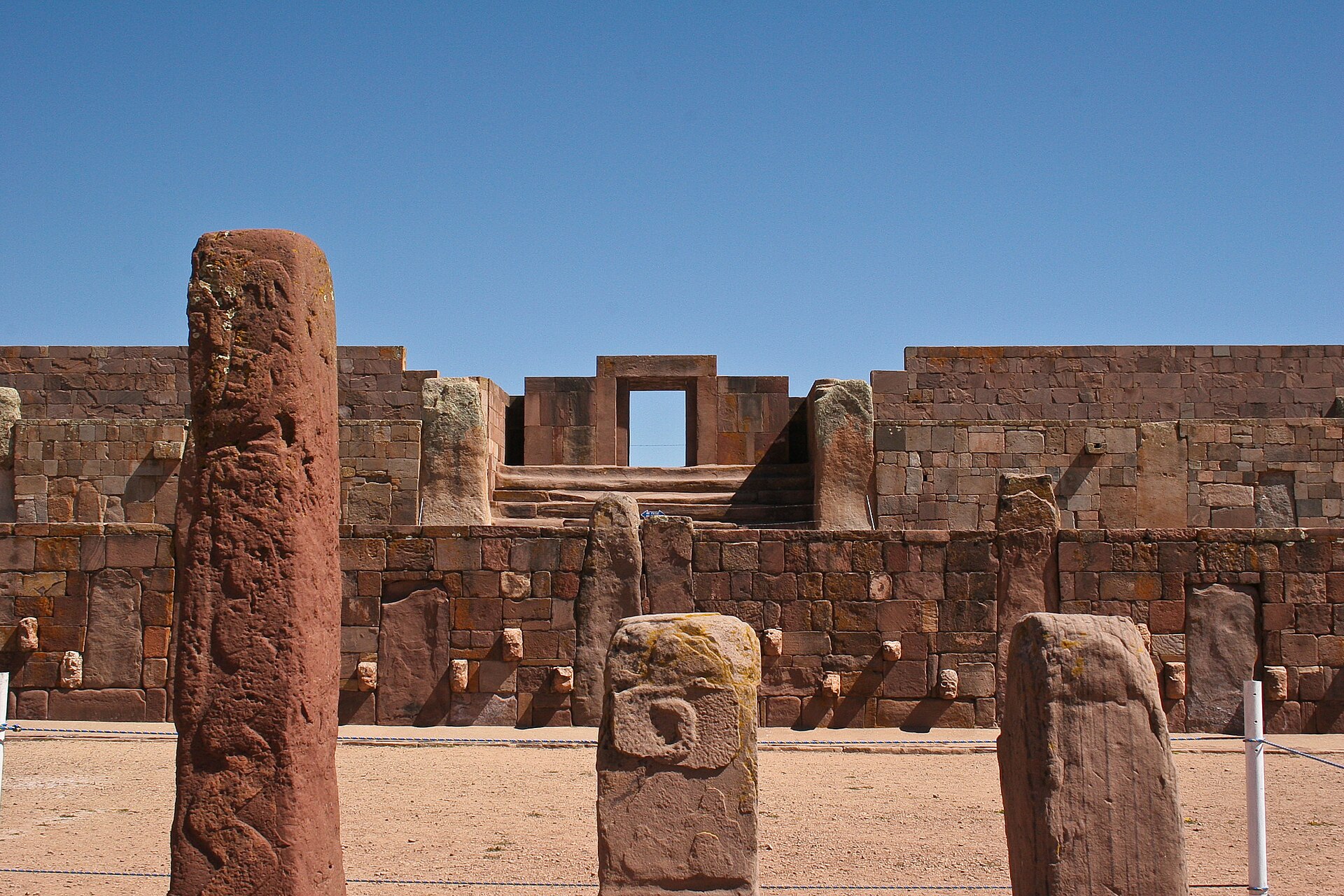
The Bolivian highlands were home to the ancient Tiwanaku civilisation, which flourished around Lake Titicaca for centuries, leaving monumental stonework, long before it was absorbed into the vast Inca Empire. The indigenous Aymara and Quechua peoples who built and inherited these worlds still form the majority of Bolivians today.
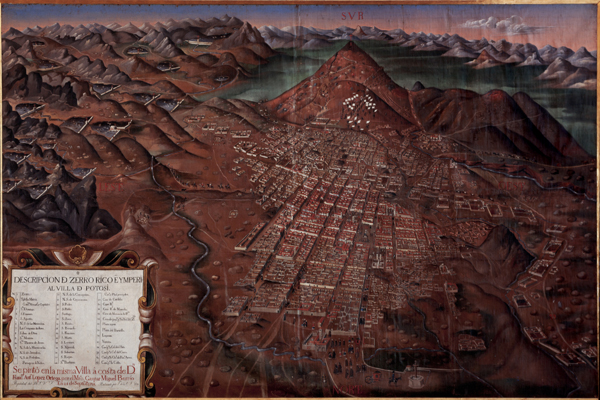
Spanish conquest brought a discovery that shook the world economy: the silver mountain of Potosi, the Cerro Rico, whose mines produced staggering wealth that funded the Spanish Empire for generations. That wealth was wrung from the brutal forced labour of countless indigenous and enslaved African workers, who died in enormous numbers, so that Potosi became a byword both for fabulous riches and for human suffering.
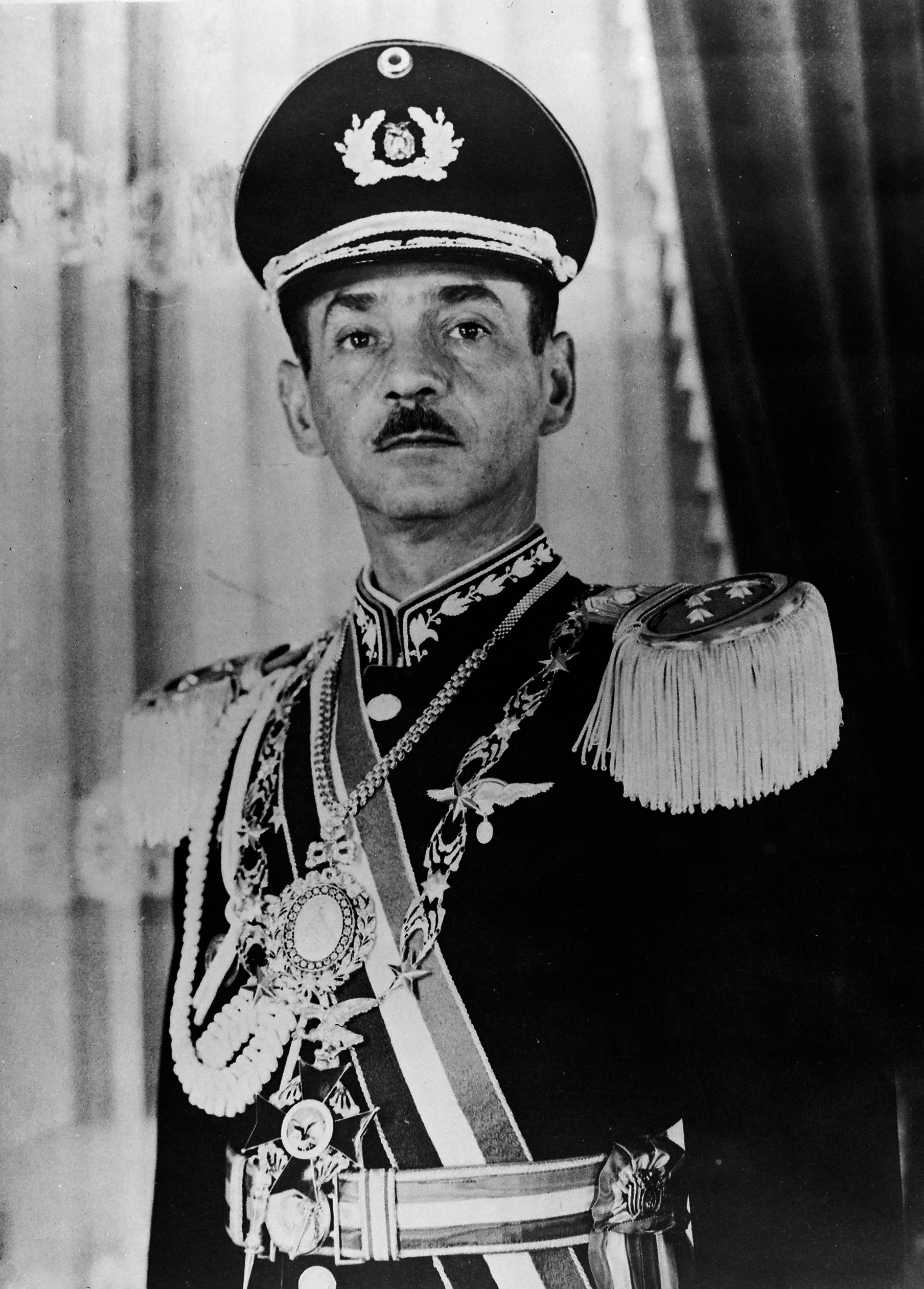
Bolivia won independence in 1825 and took its name from the liberator Simon Bolivar. Its later history, however, was one of the most turbulent in the region: it lost its Pacific coastline to Chile in the War of the Pacific, leaving it landlocked, a grievance still keenly felt; lost further territory in other wars; and endured a long succession of coups and military governments through the twentieth century.
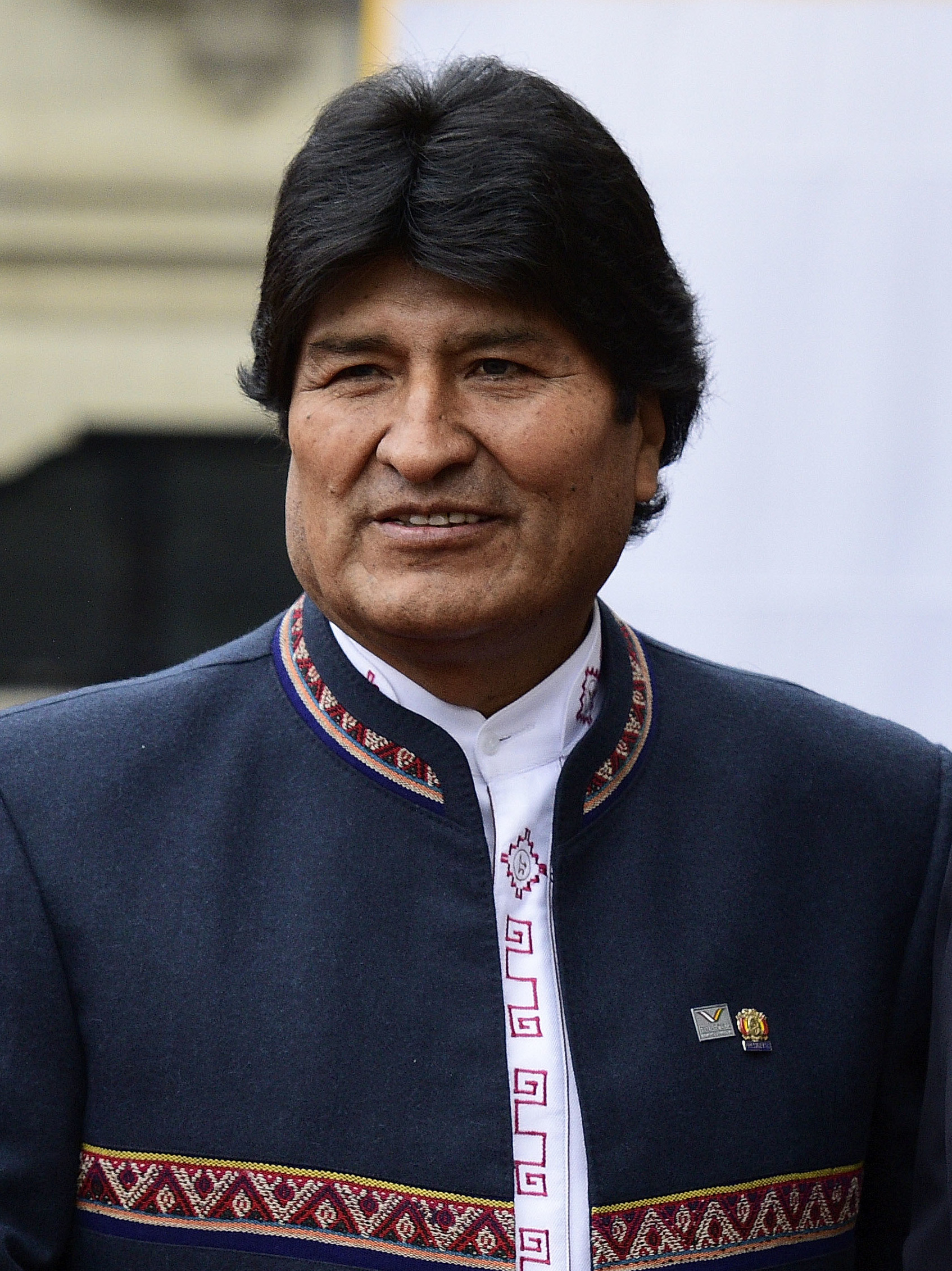
In 2006 Evo Morales, an Aymara former coca-growers' union leader, became Bolivia's first president of indigenous descent, a landmark in a country with so large a native majority. His movement rewrote the constitution to declare Bolivia a plurinational state, championed indigenous rights, and used a boom in natural gas to cut poverty sharply. But his bid to cling to power beyond constitutional limits ended in a disputed election and his resignation in 2019, and after his ally Luis Arce won the presidency in 2020, a bitter feud split their movement.
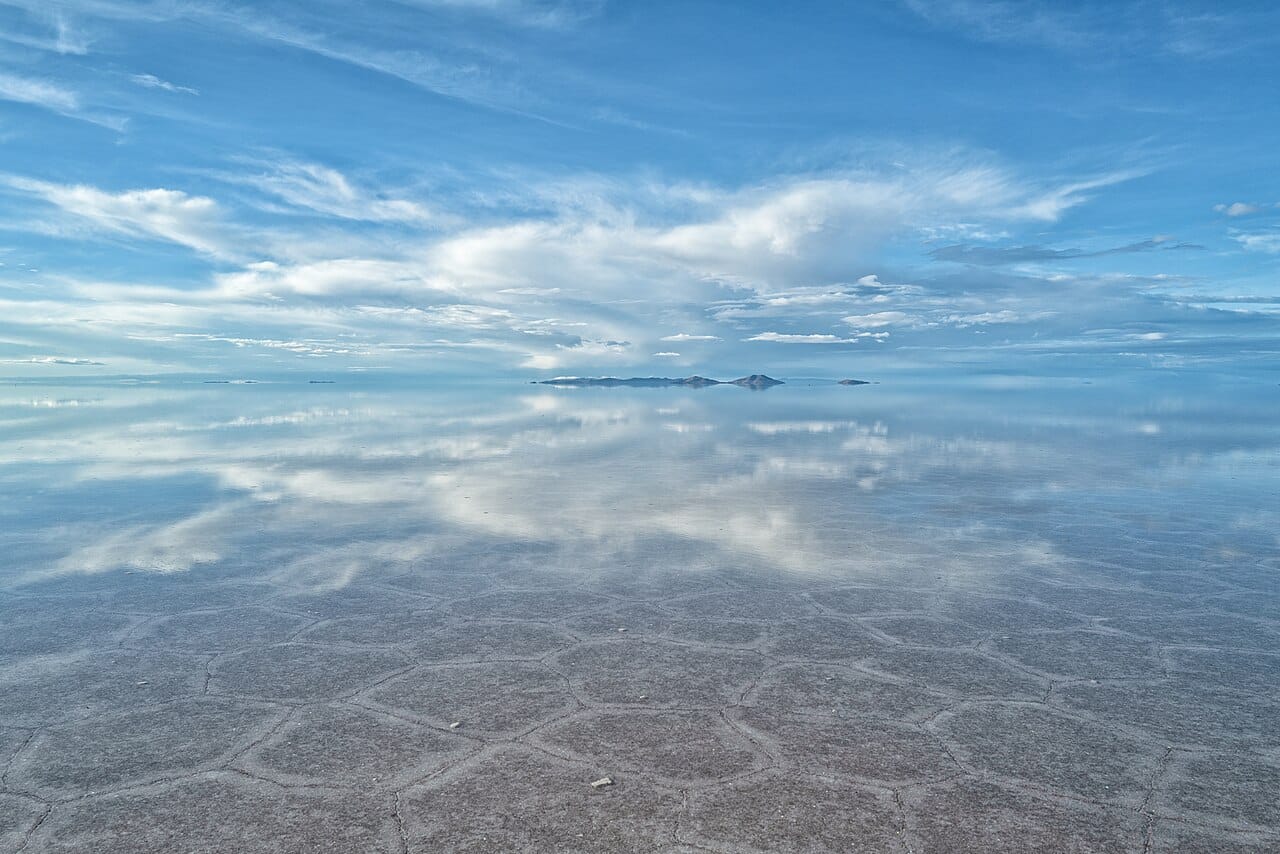
Bolivia is dominated by the Andes, which here broaden into a high plateau called the Altiplano, a cold, treeless expanse sitting more than three kilometres above sea level. On it lie Lake Titicaca, the highest large navigable lake in the world, shared with Peru, and the vast Uyuni salt flat, the largest salt flat on Earth, a dazzling white expanse. East of the mountains the land descends into tropical lowlands and rainforest. Bolivia famously lost its access to the sea in a nineteenth-century war.
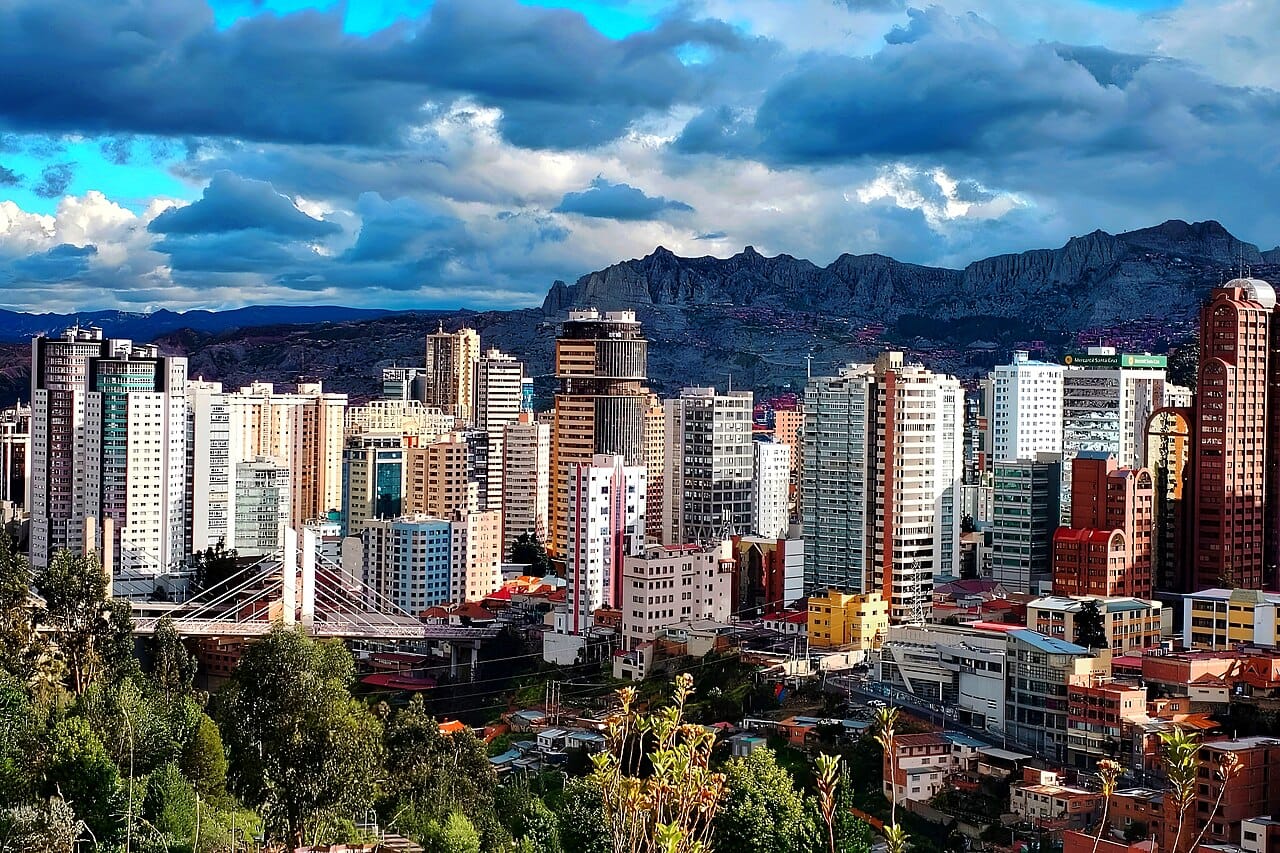
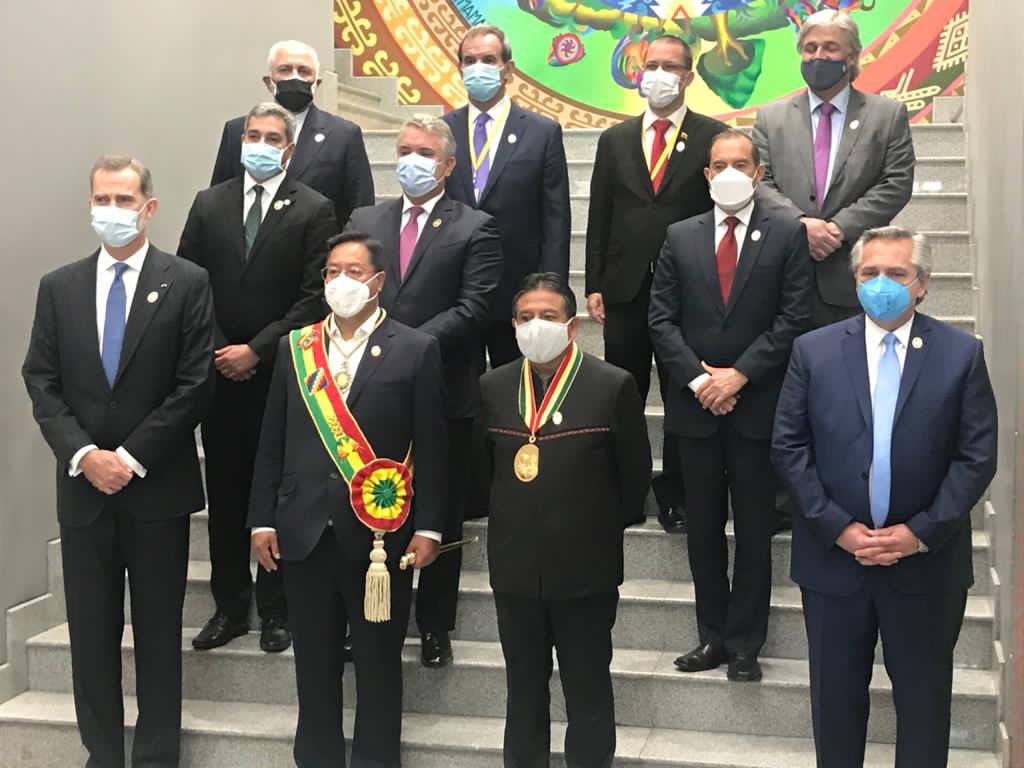
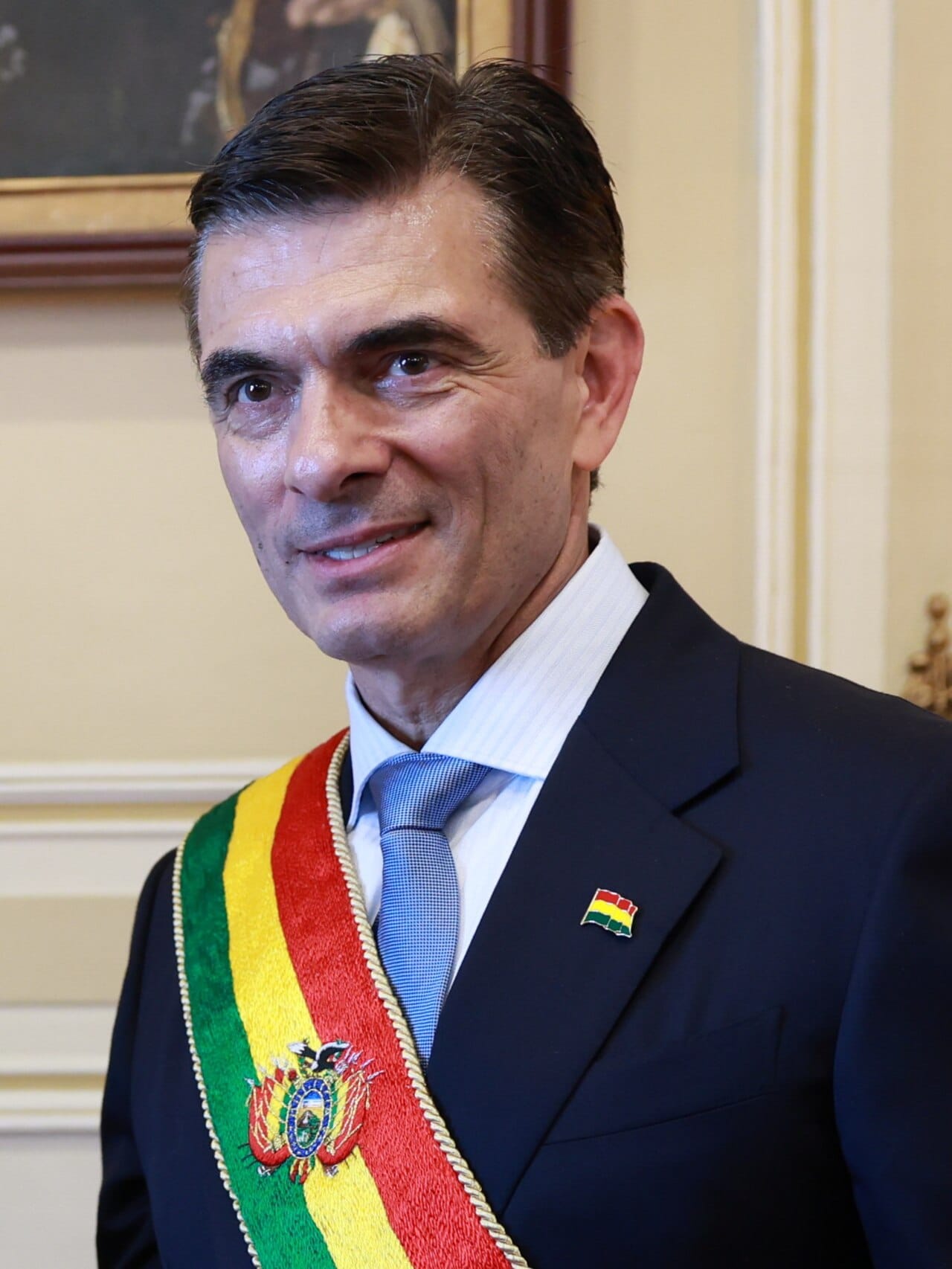
Bolivia is a presidential republic, unusual in having two capitals: La Paz, the highest seat of government in the world, home to the executive and legislature, and Sucre, the constitutional capital and seat of the courts. For almost two decades the country was governed by the Movement for Socialism, the party of Evo Morales and then Luis Arce, whose plurinational project reshaped national life. But economic crisis, marked by fuel and dollar shortages as gas revenues dwindled, and the destructive rivalry between the two leaders brought the movement down. In the election of 2025, Bolivians turned to the centrist Rodrigo Paz, ending twenty years of socialist rule and opening an uncertain new chapter.
Bolivia has long been a paradox: extraordinarily rich in minerals yet one of the poorer countries in South America. Natural gas became the mainstay of the modern economy, funding social programmes during the boom years, but declining output has left the country in crisis. Mining endures, from the old silver and tin to zinc and other metals, and Bolivia holds what may be the largest lithium reserves on Earth beneath its salt flats, a potential fortune for the age of electric batteries that it has so far struggled to develop. Agriculture, from highland potatoes and quinoa to lowland soya, and a large informal economy, including the coca trade, make up much of the rest.
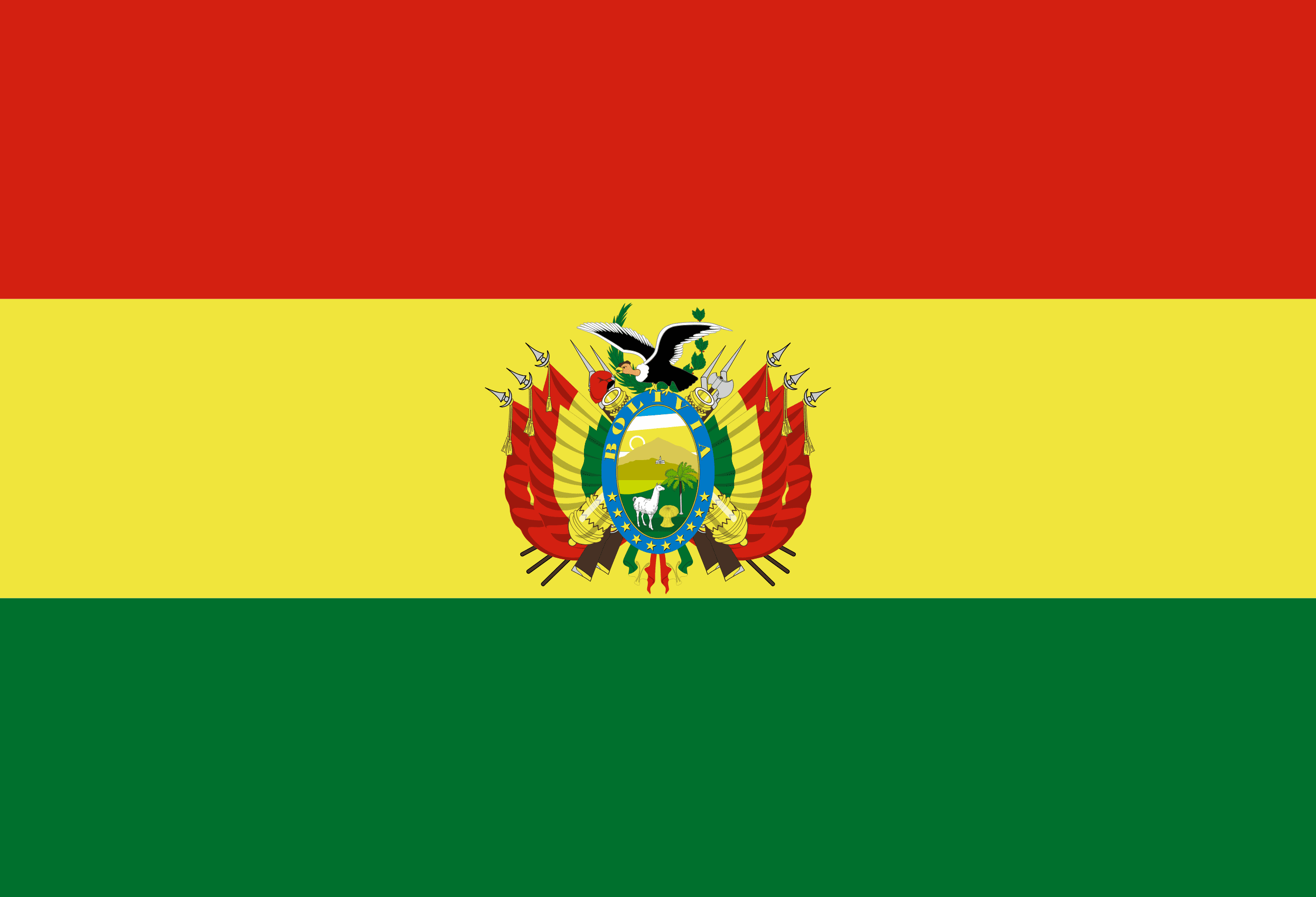
The flag of Bolivia has three horizontal bands of red, yellow, and green, with the national coat of arms in the centre of official versions. The red is said to represent the blood and bravery of those who fought for the country, the yellow its mineral wealth, and the green the fertility of its land. Alongside this flag, Bolivia also officially recognises the wiphala, a colourful checkered banner representing its indigenous Andean peoples.
Bolivia is a predominantly Roman Catholic country, but its religious life is deeply blended with indigenous Andean beliefs, perhaps more visibly than almost anywhere in the Americas. Reverence for Pachamama, the earth mother, and for the spirits of the mountains is woven together with Catholic practice in festivals and daily ritual. This fusion of Christian and ancestral belief reflects the strength of the country's indigenous heritage and gives Bolivian spirituality a distinctive character.
Bolivian cuisine varies sharply between the cold highlands and the tropical lowlands. The Altiplano is the homeland of the potato, grown in hundreds of varieties, and of quinoa, the nutritious grain now prized worldwide. A popular snack is the salteña, a juicy baked pastry filled with meat and sauce. Dishes feature corn, beans, and, in the highlands, the meat of the llama, while the warmer lowlands add rice and tropical produce to the national table.
Agriculture in Bolivia spans an enormous range of altitude and climate. The highlands are an ancient centre of crop domestication, producing potatoes and quinoa, of which Bolivia is a leading grower, while the eastern lowlands have expanded into large-scale farming of soybeans and other crops. The country is also a major producer of coca, the leaf with deep traditional and ceremonial uses in Andean culture that is also the raw material of cocaine, a source of ongoing controversy.
Bolivia has one of the strongest indigenous cultures of any nation in the Americas. The Aymara and Quechua majority keep their languages, dress, and beliefs vividly alive, and reverence for Pachamama, the earth mother, and the spirits of the mountains is woven together with Catholic worship in a distinctive Andean spirituality. The country is famous for its exuberant festivals, above all the Carnival of Oruro with its devil dances, for the elaborately dressed market women known as cholitas, who have become a symbol of indigenous pride, and for a musical tradition of panpipes and charango. High, remote, and proudly rooted in its native heritage, Bolivia feels like nowhere else on the continent.
For nearly twenty years Bolivia was the site of one of Latin America's boldest political experiments: the effort, under Evo Morales, to remake the country around its long-excluded indigenous majority, refounding it as a plurinational state and using the wealth of gas and minerals to lift millions out of poverty. Supporters hail this as a historic empowerment of peoples marginalised since the conquest, and point to real gains in living standards and dignity. Critics counter that the project slid into authoritarianism, that Morales clung to power against the constitution and the voters, and that the model left the economy dangerously dependent on commodities that have now run short. The disputed events of 2019, called a fraud by some and a coup by others, and the movement's collapse and electoral defeat in 2025, remain fiercely argued. What Bolivia keeps from the plurinational era, and what comes next, is an open and contested question.
Bolivia has a population of around 12 million people and one of the largest proportions of indigenous people of any country in the Americas, with the Quechua and Aymara the most numerous, alongside mestizos and others. Many indigenous languages are official alongside Spanish. The population is concentrated in the highland cities, including the seat of government, La Paz, the highest capital city in the world, and the constitutional capital, Sucre, as well as the booming lowland city of Santa Cruz.