Benin is a narrow country in West Africa, stretching from a short Atlantic coastline northward to the dry savanna of the Sahel. It was the seat of the powerful and sophisticated Kingdom of Dahomey, famous for its wealth, its art, and its corps of women warriors, but also notorious as a centre of the Atlantic slave trade along the stretch of coast once called the Slave Coast. It is also the birthplace of the religion known in the wider world as Vodun, or voodoo.
Benin's history turns on an uncomfortable pairing: one of the most formidably organised states in pre-colonial Africa, and the trade in human beings that paid for it. Nothing about the country's past is understood without holding both together.
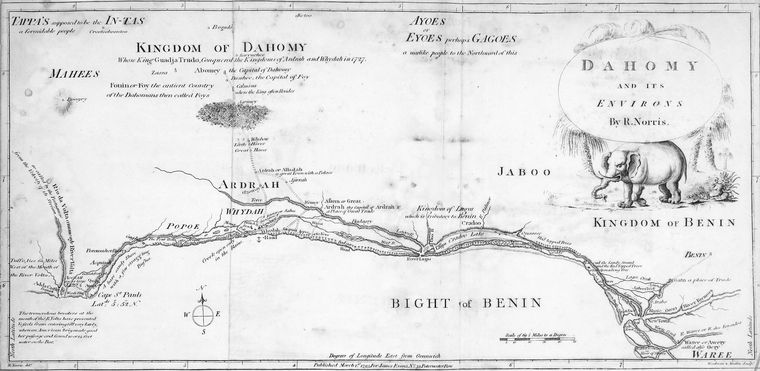
Dahomey emerged on the Abomey plateau in the seventeenth century among the Fon and expanded steadily southward to the sea. It was a genuinely remarkable state: centralised under an absolute king, administered by appointed officials rather than hereditary chiefs, supported by a professional standing army, and equipped with an annual census and a system of royal record-keeping in a society without writing, using instead trained oral historians and the appliqué cloth banners that recorded each reign. Its palaces at Abomey are a UNESCO World Heritage site. The kingdom's power rested on a war economy in which campaigns produced captives, and captives were the commodity the coast wanted.
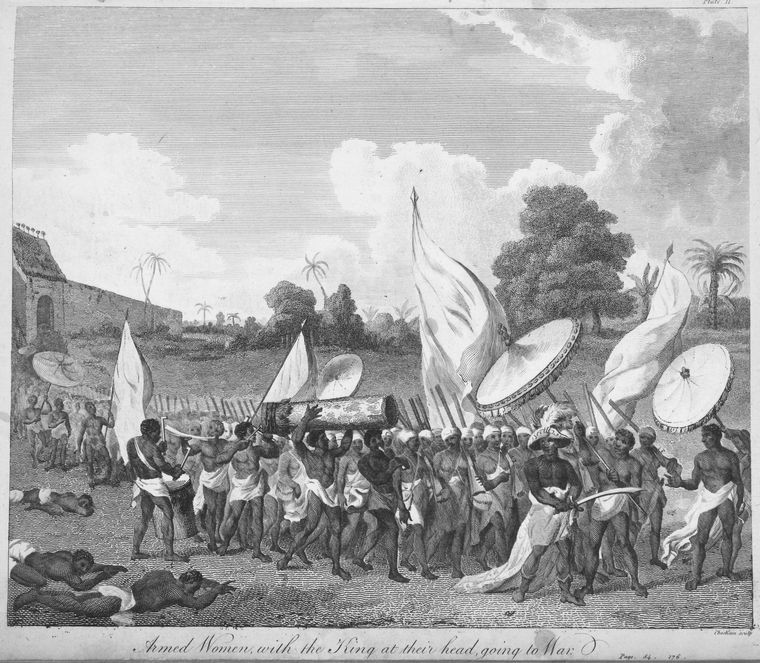
Dahomey's most famous institution was its corps of women soldiers, known to Europeans as the Dahomey Amazons and to themselves as the Agojie or Mino. Raised as an elite unit within the royal palace, sworn to celibacy, trained in the use of the machete and the musket, and by the nineteenth century numbering several thousand, they were repeatedly described by European observers as the best troops the kingdom had. They fought to the last in the wars against France.
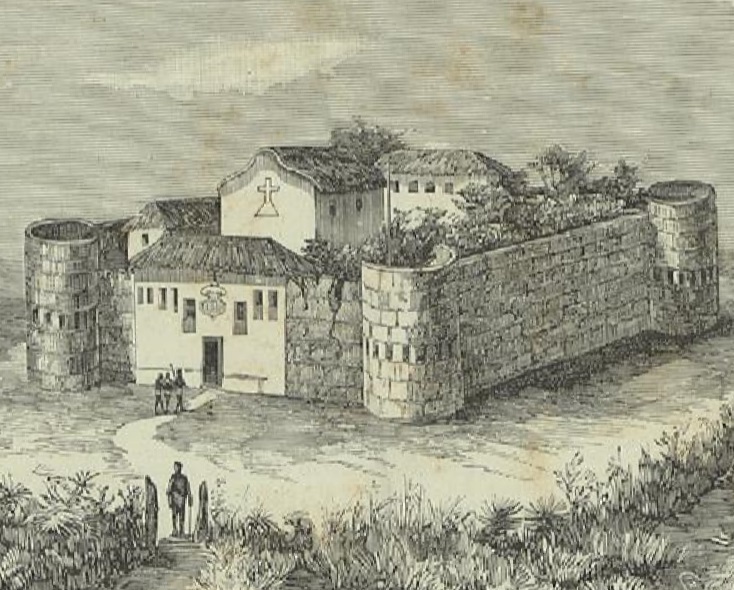
This stretch of shore was called the Slave Coast for the plainest of reasons. Ouidah, Dahomey's outlet to the sea, became one of the largest embarkation points in the entire Atlantic trade, and captives taken in the kingdom's wars, along with those bought from the interior, were marched down a road to the beach and shipped to Brazil, the Caribbean, and elsewhere. European powers maintained forts in the town, among them the Portuguese fort of São João Baptista de Ajudá, which remained a Portuguese possession in miniature until 1961. The consequences run both ways across the ocean: the Vodun religion, the Yoruba and Fon deities, and much of the culture of Bahia in Brazil, of Haiti, and of Cuba came from this coast, and some descendants of Brazilian traders and of returned freed people settled back in Ouidah, forming the Agudá community with its Portuguese surnames and Brazilian-style houses. Benin has publicly acknowledged the role of the kingdom's own rulers in the trade, and the road at Ouidah is now a memorial route ending at the Door of No Return.
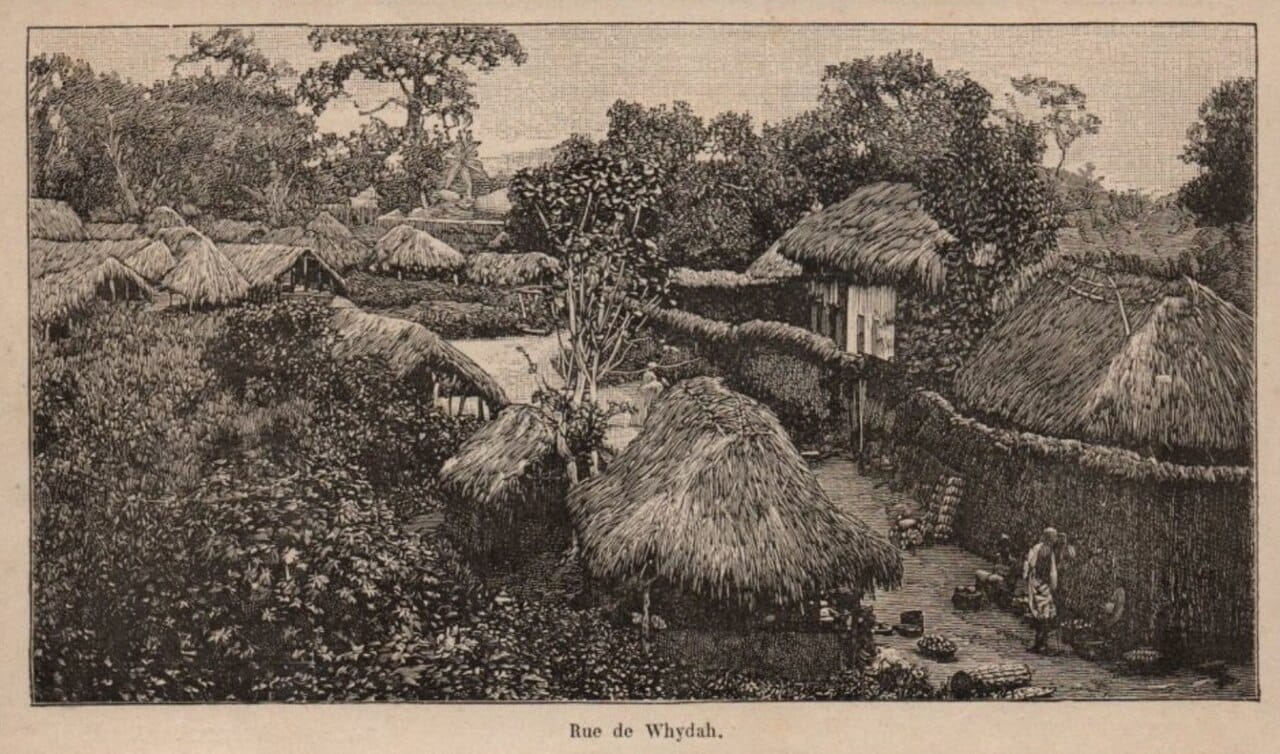
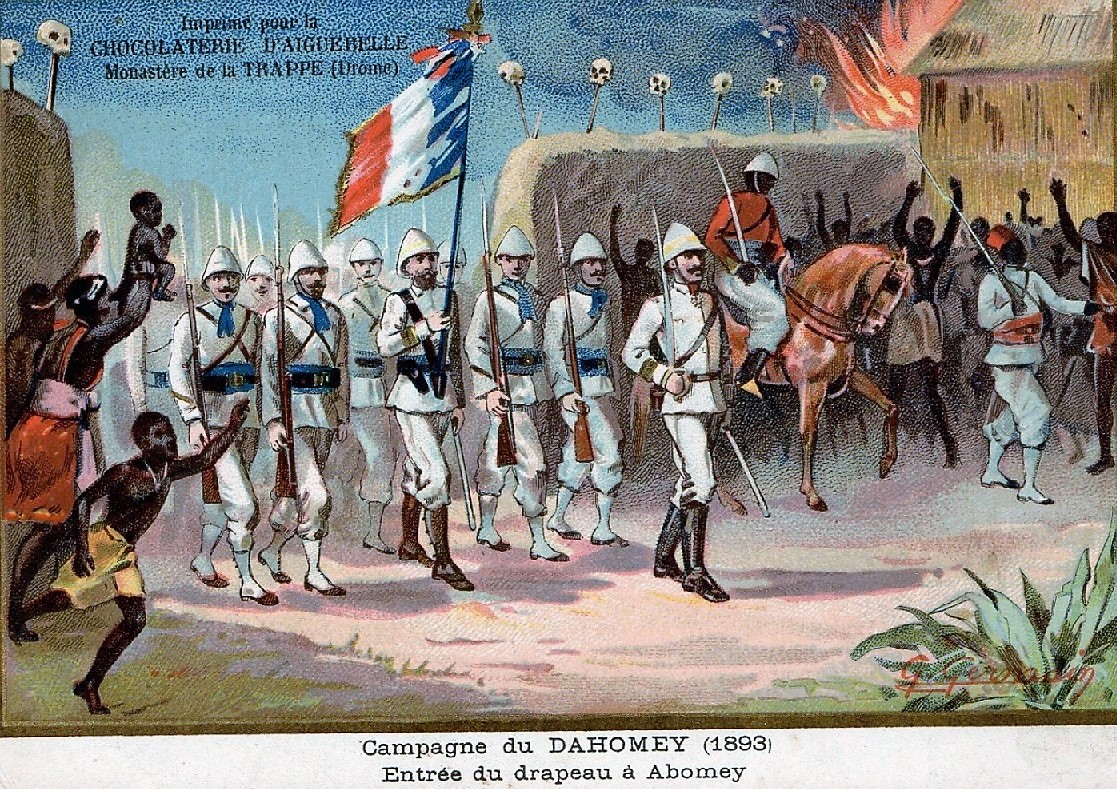
After Britain suppressed the Atlantic trade the kingdom's economy shifted to palm oil, but its relations with France deteriorated over control of the coastal ports. Two wars followed, and in 1892 and 1893 French columns with modern artillery broke the Dahomean army despite fierce resistance, in which the Agojie were largely destroyed. King Behanzin was deported to Martinique. France ruled the territory as the colony of Dahomey within French West Africa, and it acquired a reputation as the Latin Quarter of Africa for the number of its schools and the number of its educated men who staffed the French administration across the region.
Independence came in 1960, and the following twelve years brought a level of instability remarkable even for the period: repeated coups, a rotating three-man presidency, and a dozen changes of government. In 1972 Major Mathieu Kerekou seized power, and from 1974 he governed as a Marxist-Leninist state, renaming the country Benin in 1975 after the older Bight rather than the kingdom of Dahomey. By the late 1980s the economy had collapsed, salaries went unpaid, and in 1990 Kerekou convened a national conference of the country's political, religious, and civic forces, which declared itself sovereign, stripped him of power, and set up a transition. He accepted the result, lost the election of 1991, and then won it again in 1996 and 2001 as a civilian. The Benin national conference became the template copied across francophone Africa and remains the country's proudest political achievement.

Benin is a presidential republic with a directly elected president limited to two five-year terms and a single-chamber National Assembly. For three decades after 1990 it was one of the most genuinely competitive democracies on the continent. The direction of travel since 2016 has been the subject of the country's central political argument.
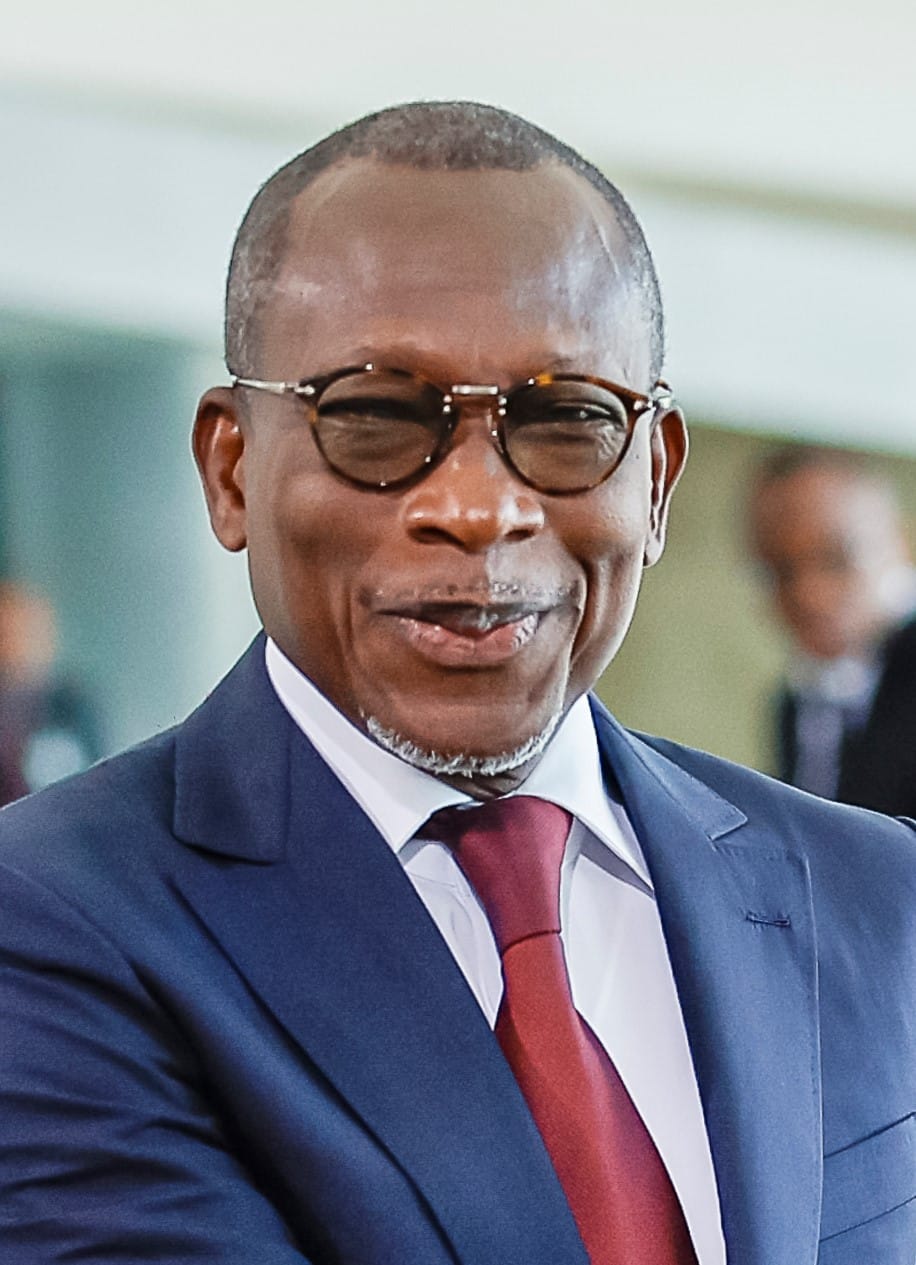
Patrice Talon, a cotton magnate and one of Benin's wealthiest men, was elected president in 2016 promising a single term and institutional reform. He pushed through a substantial programme of infrastructure and administrative modernisation, and he also introduced party sponsorship rules that required presidential candidates to gather endorsements from serving elected officials. In practice this excluded most of the opposition from the ballot: the 2019 legislative elections were contested only by two parties supporting the president, prompting protests in which people were killed, and the 2021 presidential election went ahead with no significant challenger after prominent opposition figures were prosecuted or left the country. Talon did keep his promise not to seek a third term. In April 2026 his finance minister, Romuald Wadagni, won the presidency with around 94 per cent of the vote against a single opposition candidate, and was inaugurated the following month. Benin has also faced spillover from the jihadist insurgency in the Sahel, with attacks in the north near the Burkinabe and Nigerien borders.

According to the traditions of the royal house of Dahomey, the line of kings descended from the union of a princess of a neighbouring people and a leopard, an animal of great power and prestige, from which the founding ancestor, Agasu, was born. The leopard remained a sacred royal symbol. The story gave the dynasty a fearsome and supernatural origin, but as literal history the descent from a leopard belongs to legend and royal myth rather than the documented record.
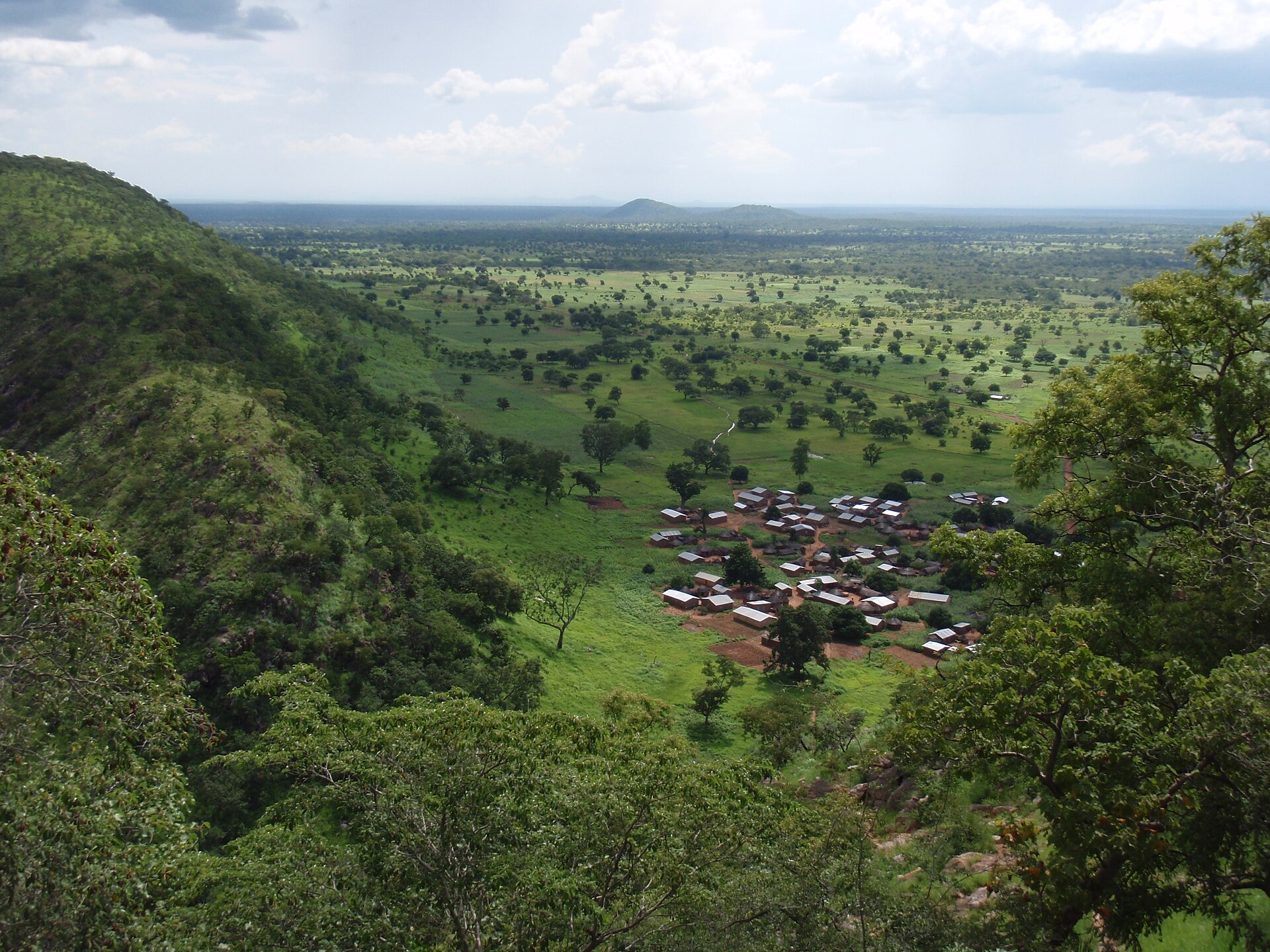
Benin is a long, narrow country running inland from the sea, about 700 kilometres from north to south and in places only a hundred wide. Its short Atlantic coast, barely 120 kilometres, is a straight sandy shore fringed with lagoons and sandbars behind which lies a fertile plateau. Northward the land rises through wooded savanna to the Atakora mountains, the country's only real relief, and then to drier Sahelian country along the borders with Burkina Faso and Niger, where the Niger River forms the far northeastern boundary. The north-south span gives a small country a full range of climates, from humid tropical coast with two rainy seasons to a single-season savanna where the harmattan blows.
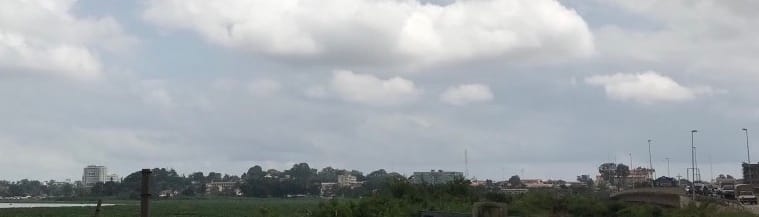
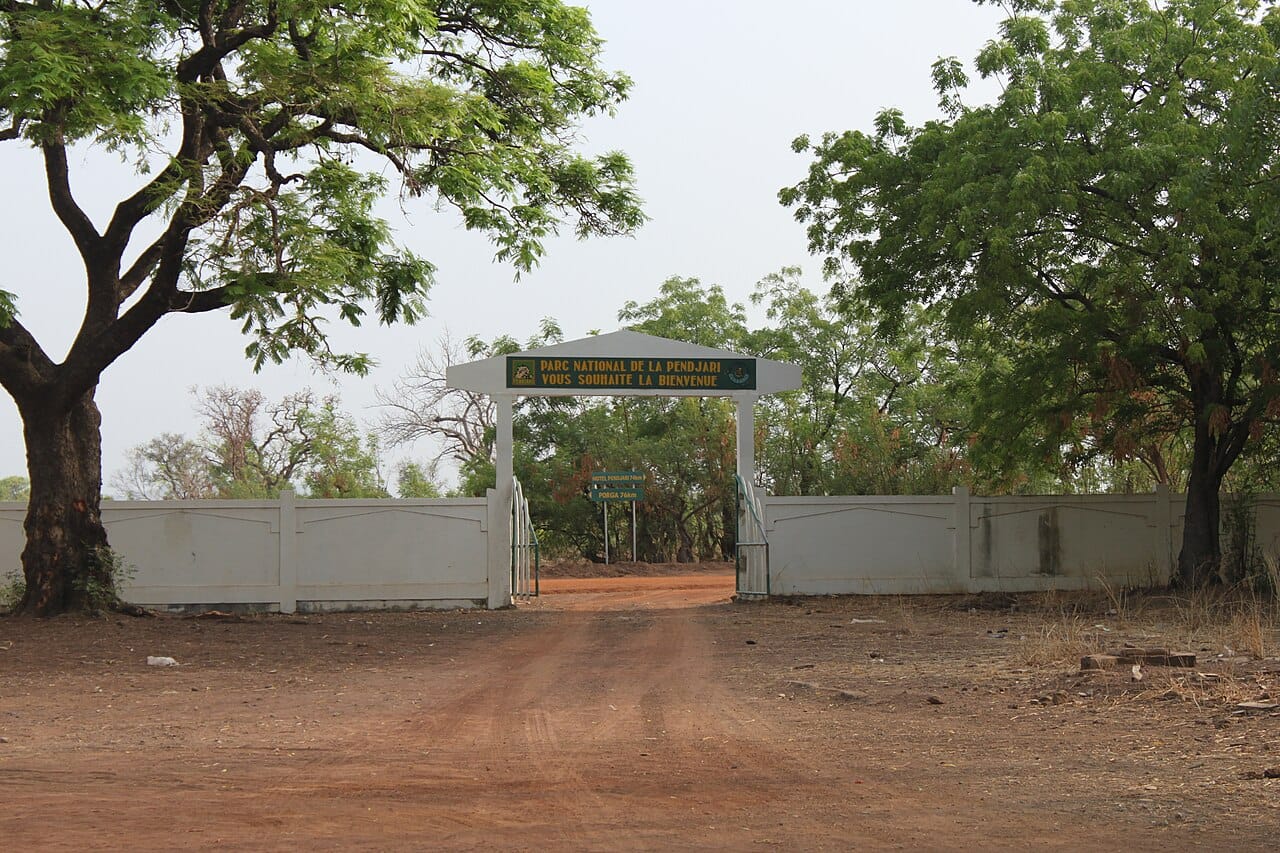
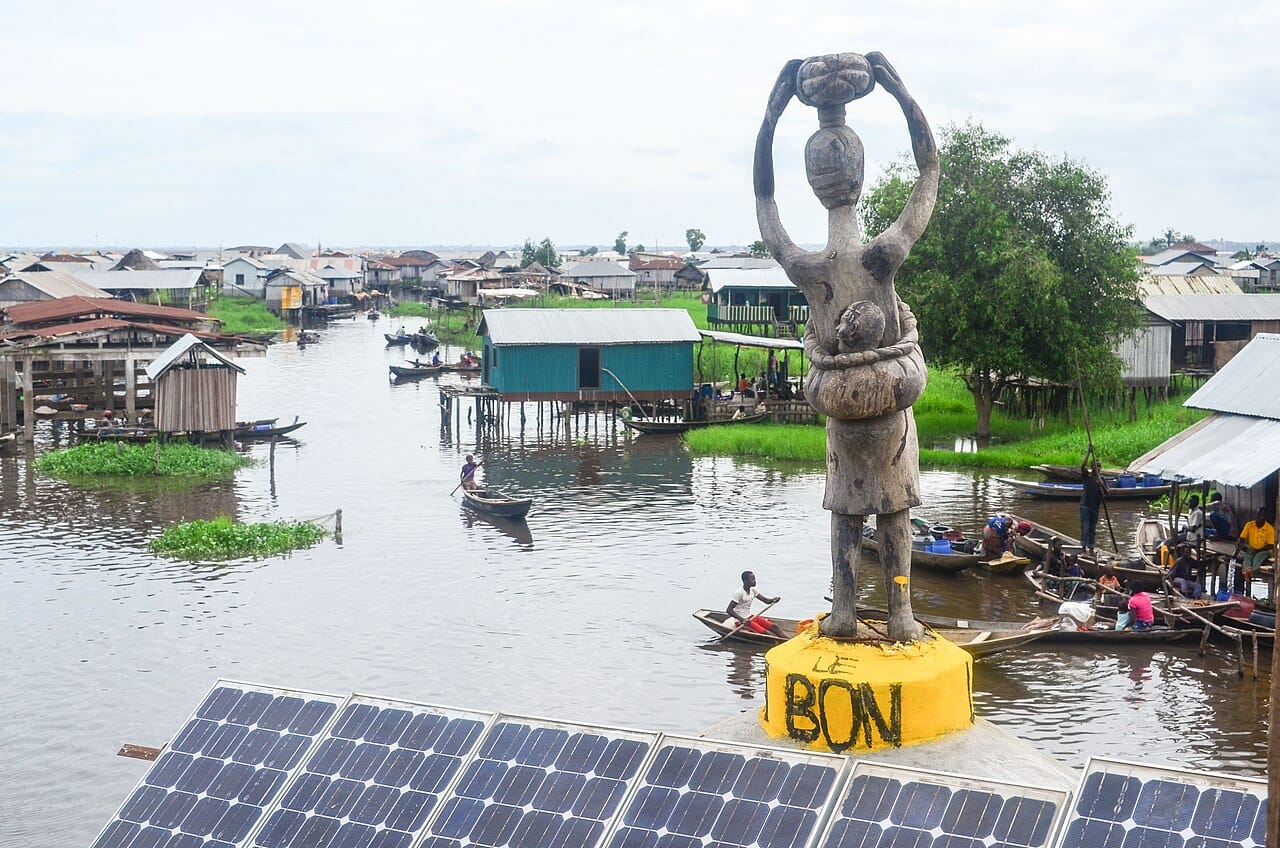
The northwest holds the Pendjari and W national parks, part of a transboundary complex shared with Burkina Faso and Niger that shelters the largest surviving population of West African lion and one of the last herds of the region's elephants and cheetah, though the parks have come under pressure from insecurity spilling south from the Sahel. Lake Nokoue, behind the coast, holds the stilt village of Ganvie, founded, tradition holds, by people who fled onto the water because Dahomean raiders were forbidden to follow them there.
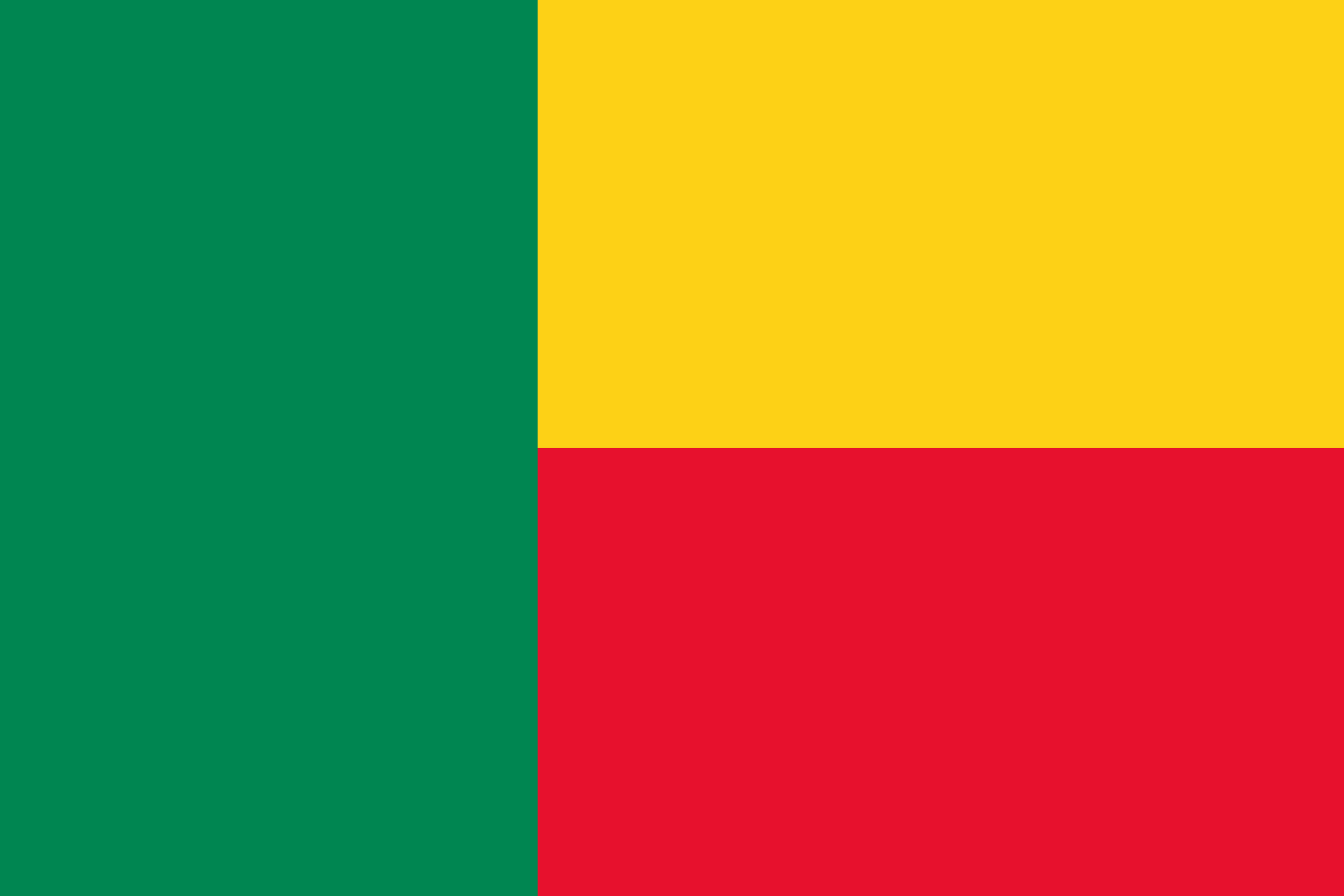
The flag of Benin has a vertical green band at the hoist and two horizontal bands of yellow over red. These are the pan-African colours adopted by many newly independent nations: the green is often said to represent hope and the palm groves of the south, the yellow the savanna and the country's wealth, and the red the courage and blood of those who fought for independence. The distinctive arrangement gives the flag a recognisable look among African banners.
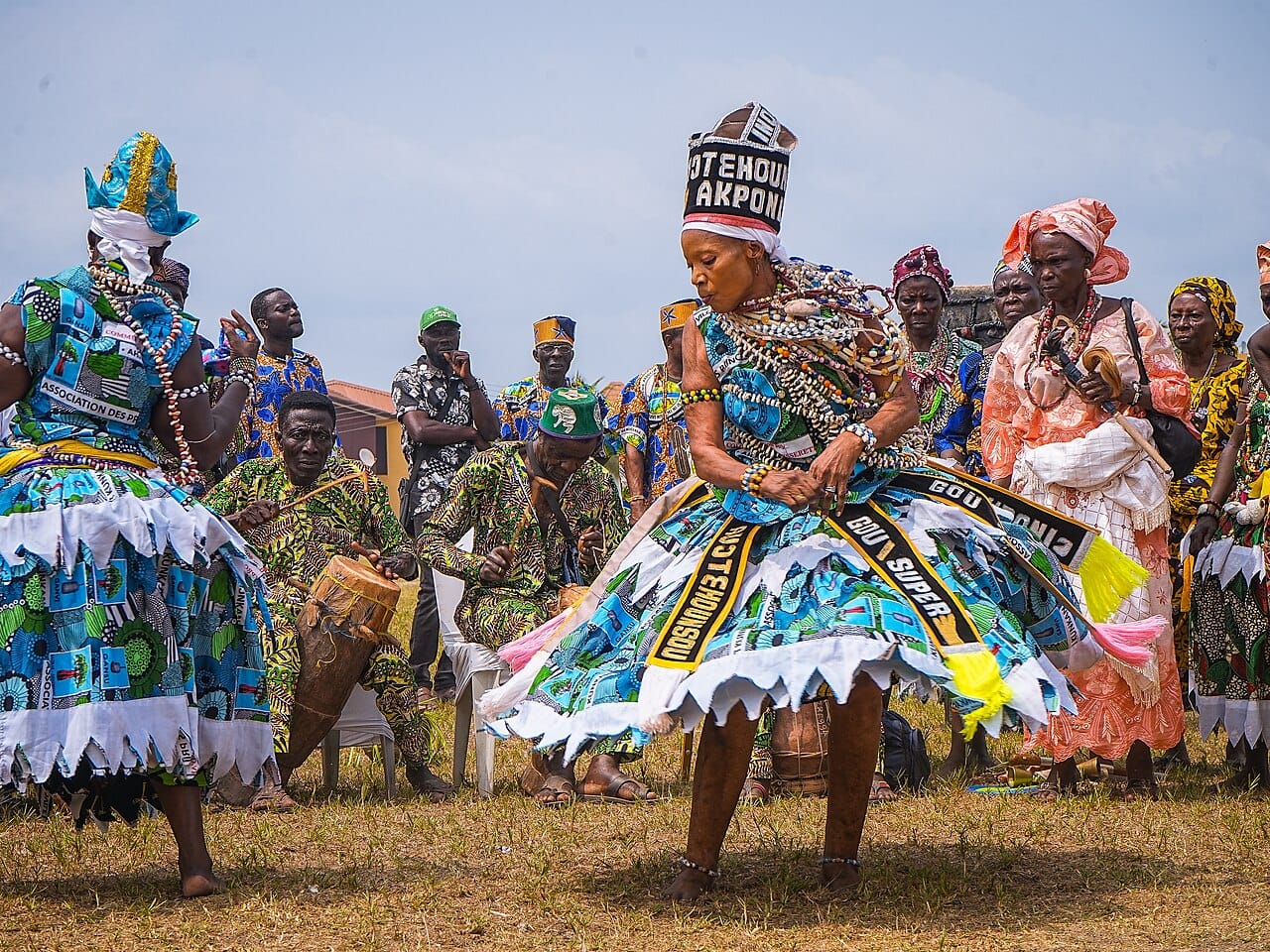
Benin is religiously diverse, and it holds a singular place as the homeland of Vodun, the tradition that travelled with enslaved people across the Atlantic and became Haitian Vodou, Cuban Santeria, and Brazilian Candomble. The word means spirit in Fon and Ewe, and the religion recognises a distant creator alongside a great number of vodun, spirits with their own domains, shrines, priesthoods, drumming, and initiation, approached through divination, offering, and possession. Its popular reputation abroad, built largely by colonial writers and Hollywood, bears almost no relation to what is actually practised: it is a structured religion with a moral order, not sorcery.
Vodun was suppressed under both colonial rule and the Marxist government, and then formally recognised: since 1996 Benin has marked 10 January as a national Vodun holiday, and the state has promoted the country's role as the tradition's homeland, including to visitors from the diaspora. Alongside it, Christianity, Catholic and increasingly Pentecostal, is strong in the south, and Islam is widespread in the north through long trans-Saharan contact. The three coexist closely and often overlap in the same families and even the same individuals, and it is unremarkable for someone to attend Mass and also honour the vodun of their lineage.
Beninese cuisine is based on starchy staples and rich, often spicy sauces. In the south, maize is made into a dough or porridge, while in the north yams and other tubers are pounded into the smooth dish known as fufu, eaten with sauces of vegetables, leaves, peanuts, or okra and accompanied by meat or fish. Grilled and fried fish from the coast and lagoons, beans, and plenty of chili and palm oil characterise a food culture shaped by the produce of the land and sea.
Agriculture is the foundation of Benin's economy and the livelihood of most of its people. Cotton is by far the most important cash crop and the leading export, and Benin has become one of Africa's largest producers, with a state-backed push to spin and weave more of it at home rather than shipping raw bales. Cashew nuts, pineapples, palm oil, and shea are the other significant cash crops, while maize, yams, cassava, sorghum, and beans feed the population, and fishing works the sea, the lagoons, and Lake Nokoue. Much farming remains small-scale and rain-fed, and the sector is exposed both to world cotton prices and to the closure of the Niger border, since a great deal of Benin's commerce has always consisted of re-exporting goods to its much larger neighbour.
Beninese culture is dominated by the artistic legacy of the southern kingdoms and by the religion that grew up with them. The Fon appliqué banners of Abomey, in which each figure records an event of a king's reign, are a form of historical record as much as decoration, and the bronze and brass casting, the carved doors, and the royal thrones of the palaces are held in museums around the world. That last fact has been a matter of national policy: in 2021 France returned twenty-six royal treasures looted from Abomey in 1892, among them the great anthropomorphic statues of King Ghezo and King Glele, and the restitution, negotiated over several years, became a landmark case in the wider argument about African objects held in European collections. Benin has been building a museum at Abomey to house them.
Music runs from the drumming that accompanies Vodun ceremony to Angelique Kidjo, from Ouidah, one of the most decorated African musicians in the world. The country's writers, its film-makers, and its long tradition of teaching, which earned colonial Dahomey the name of the Latin Quarter of Africa, are a further source of pride. Ganvie, the village of some tens of thousands of people living in houses on stilts above Lake Nokoue and moving between them by pirogue, is the country's most photographed place and one of the largest lake settlements in Africa.
Benin has a population of around 14 million, young and growing quickly, made up of many peoples. The largest are the Fon and the related Adja and Aizo of the south, the Yoruba of the southeast, whose kin live across the border in Nigeria, and in the north the Bariba, the Dendi, the Fulani herders, and the Somba of the Atakora, whose fortified mud-brick homesteads, the takienta, are a World Heritage site. French is the official language, and Fon and Yoruba serve as the common tongues of the south, Bariba and Dendi of the north.
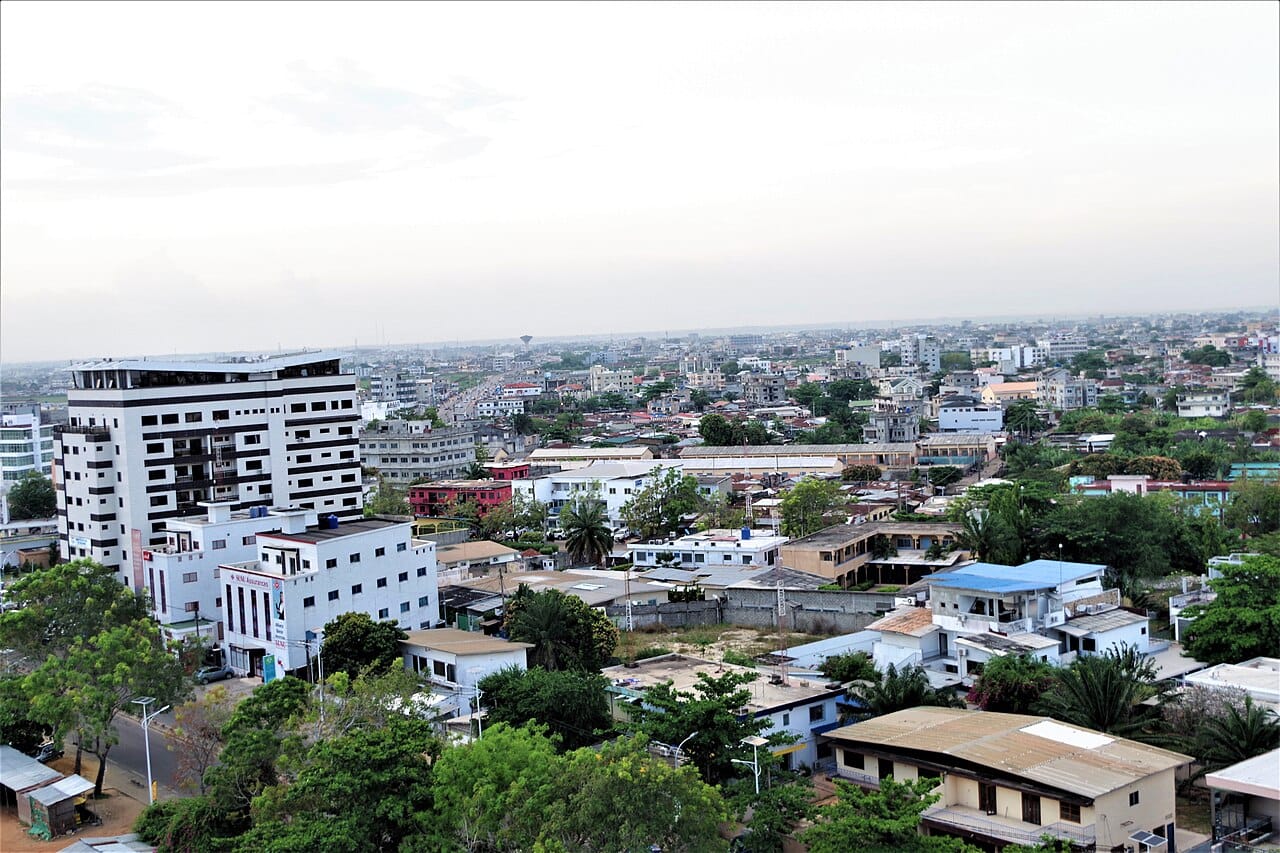
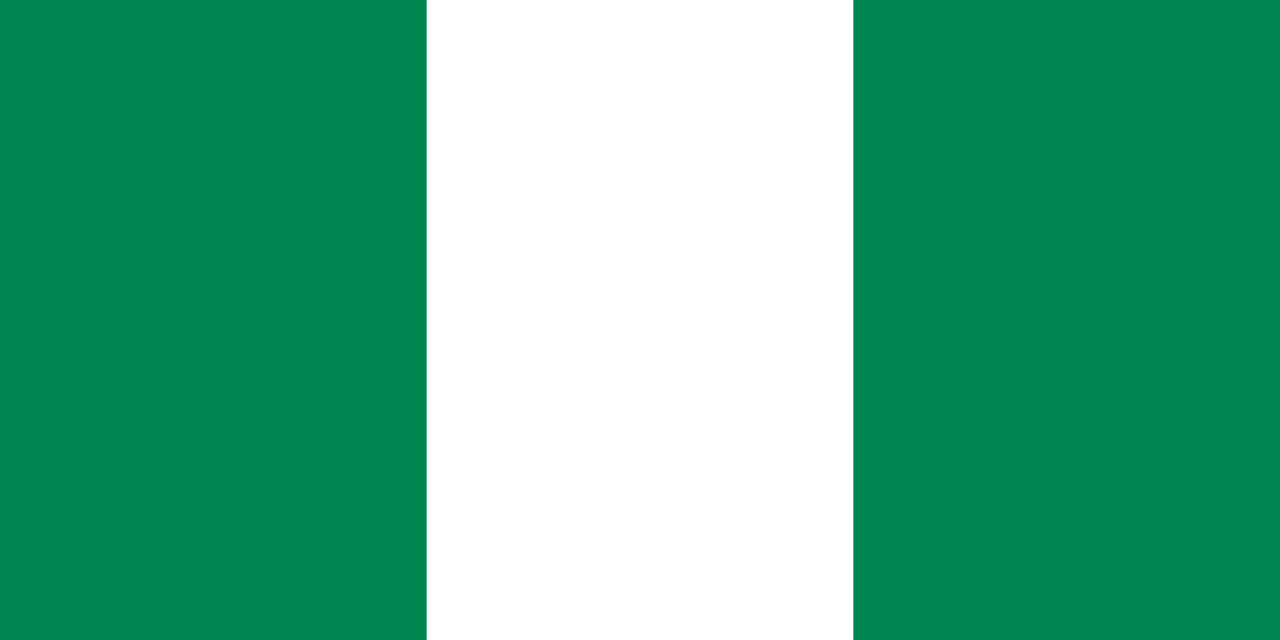
The population is heavily concentrated in the south, near the coast, where Cotonou, the largest city, seat of government, and site of the port, holds the country's commercial life; the official capital remains the smaller and quieter Porto-Novo, which houses the National Assembly. Cotonou is famous for its motorcycle taxis, the zemidjans, which move much of the city. Benin is closely tied to Nigeria, its vast neighbour to the east, whose economy shapes its trade, its currency dealings, and a large informal cross-border commerce in fuel.