Belgium is a small country in western Europe, a densely populated crossroads where the Germanic and Latin worlds of the continent meet. Its capital, Brussels, is the headquarters of the European Union and of NATO, making this modest nation a political heart of Europe. Famous for its chocolate, beer, and medieval cities, Belgium is also defined by a deep linguistic divide between its Dutch-speaking north and French-speaking south.
Belgium's history is that of a rich, contested crossroads: a land of wealthy medieval cities, fought over by empires, that became an independent nation only in 1830.
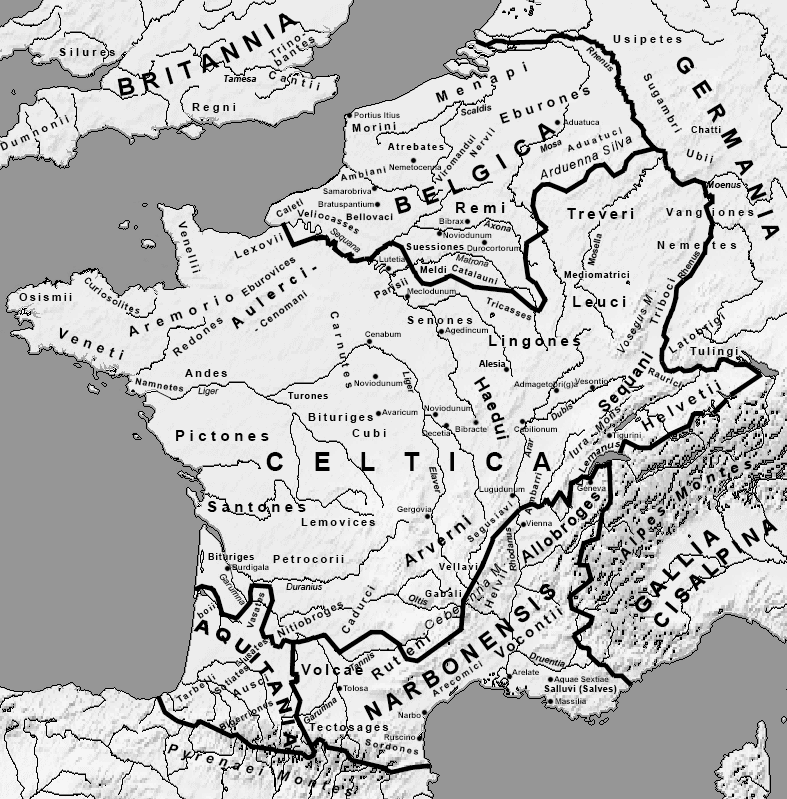
The region the Romans knew as Gallia Belgica lay for centuries within the wider Low Countries. In the Middle Ages its cities, Bruges, Ghent, Antwerp, grew fabulously rich on cloth and trade, and under the dukes of Burgundy the Low Countries became one of the cultural centres of Europe, home to the painters of the Flemish school.
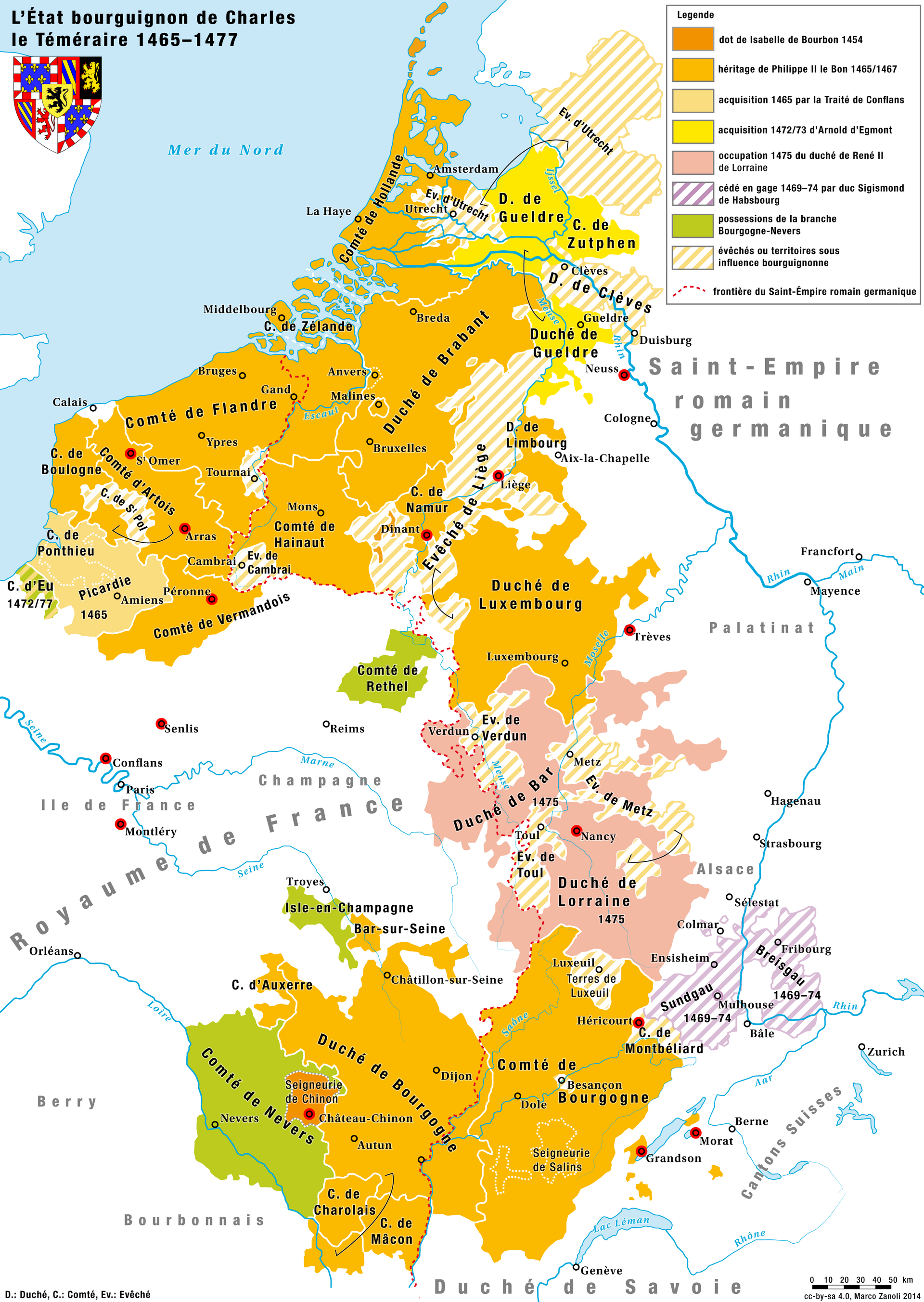
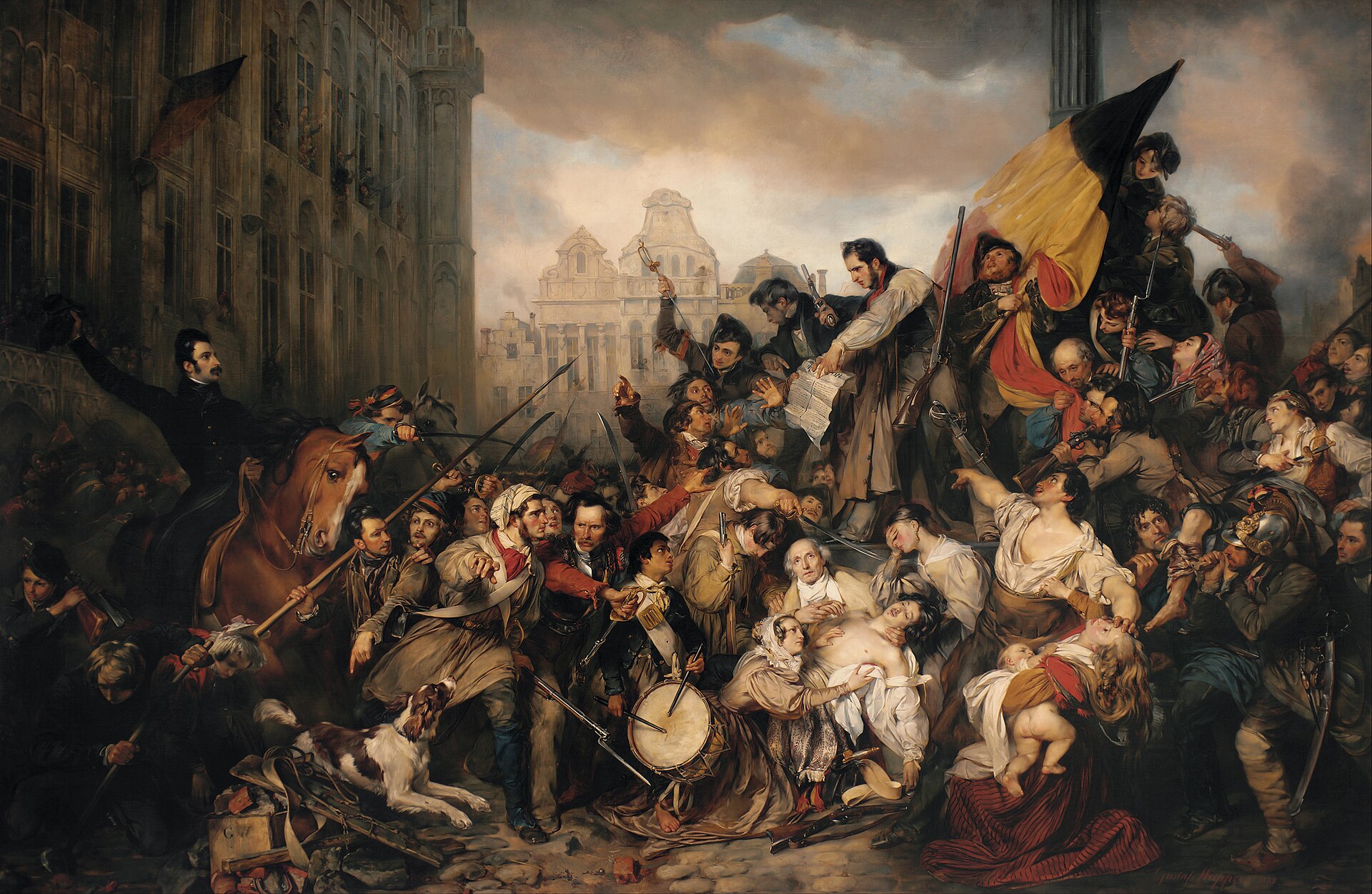
The Low Countries then passed through Habsburg, Spanish, and Austrian hands, and briefly Napoleonic France, before being joined to the Netherlands after 1815. Chafing under Dutch, Protestant rule, the largely Catholic and partly French-speaking south rose in revolt, and in 1830 Belgium won its independence as a constitutional monarchy, a new nation carved from the old Low Countries.
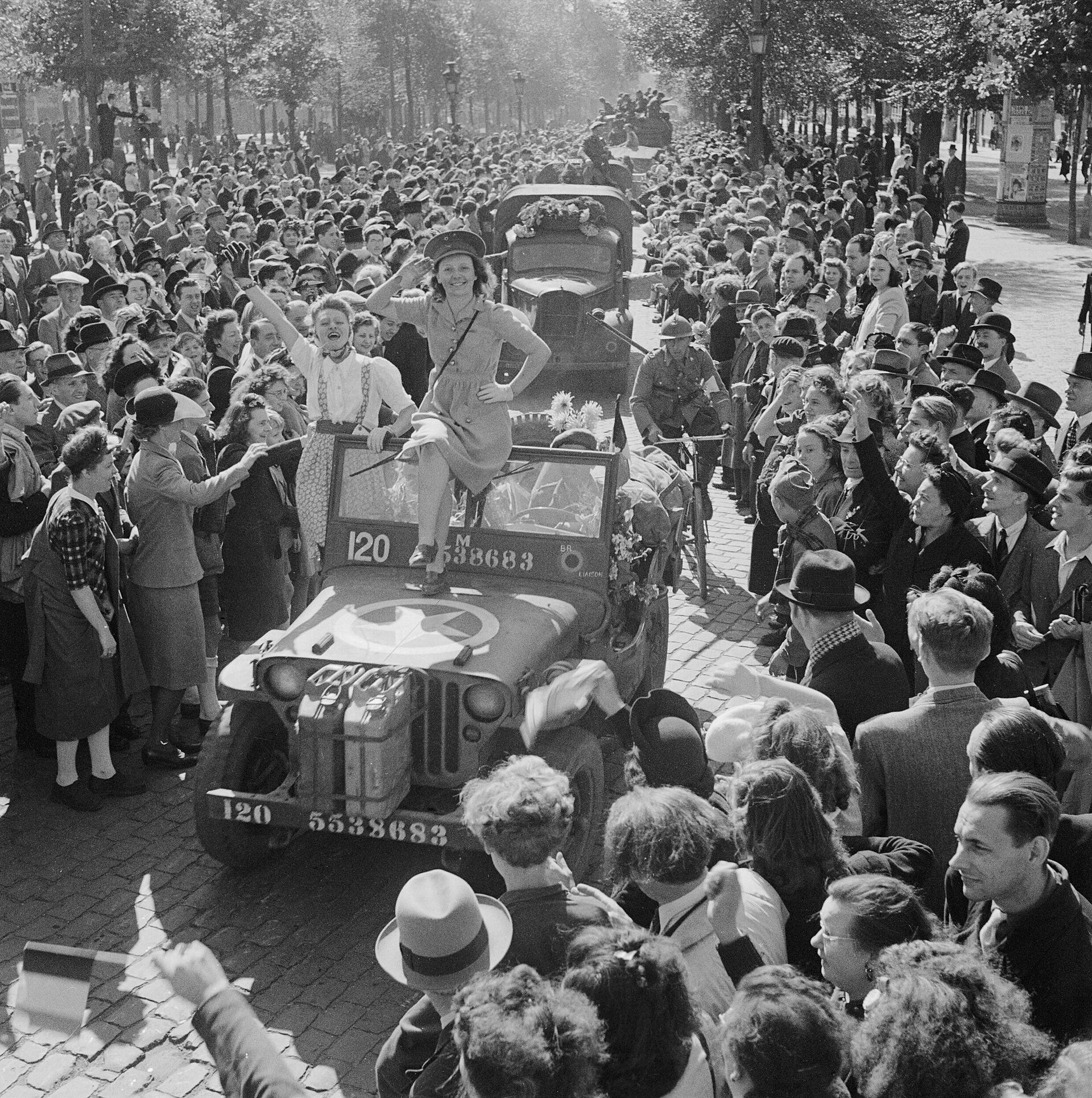
Belgium industrialised early and fast, becoming briefly one of the richest nations on Earth, but its history also carries a dark chapter: the brutal exploitation of the Congo, first as the personal domain of King Leopold II, where forced labour cost millions of lives. Its location made it a battlefield of both world wars, the fields of Flanders seeing some of the most terrible fighting of the First. Since 1945 Belgium has reinvented itself as a founder and host of the European project.
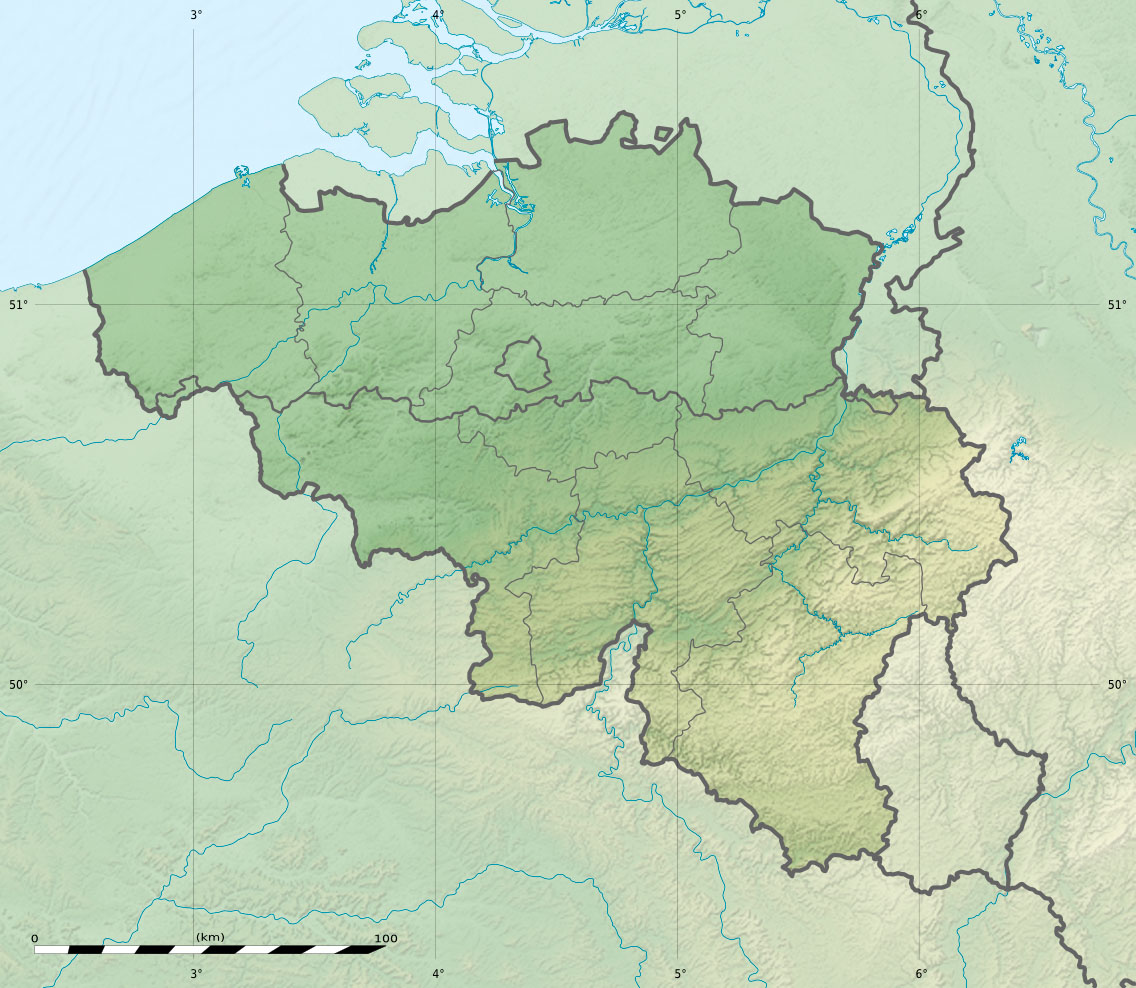
Belgium is a small, low country, with flat coastal plains and gentle farmland in the north and west giving way to the rolling, forested hills of the Ardennes in the southeast. A short coastline meets the North Sea, and the land is crossed by rivers and canals and threaded with one of the densest transport networks in the world. Its position between France, Germany, and the Netherlands has long made it a thoroughfare, and tragically a battlefield, of European history.
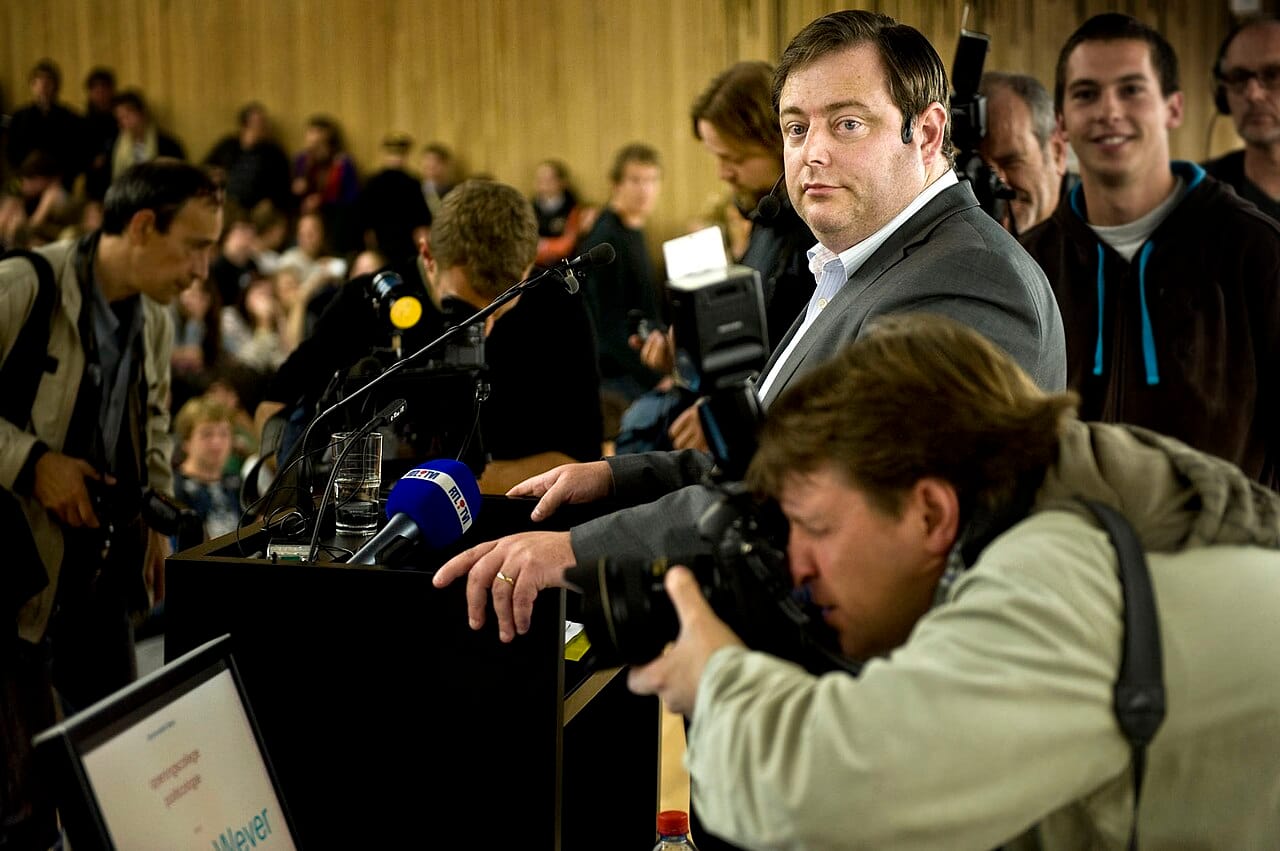
Belgium is a federal constitutional monarchy, with King Philippe as head of state, and one of the most intricate systems of government in the world. To hold together its communities it is divided both into three regions, Flanders, Wallonia, and Brussels, and into three language communities, Dutch, French, and German-speaking, with powers spread among them, so that forming a national government can take many months of negotiation; Belgium has more than once held the world record for the longest period without one. The prime minister since 2025 is Bart De Wever, leader of the Flemish-nationalist party, a striking outcome in a country whose very unity is a live question.
Belgium has a highly developed, open, and trade-dependent economy, a natural role for a small country at the crossroads of Europe. Antwerp is one of the largest ports on the continent and the centre of the world's diamond trade, and the country is strong in chemicals, pharmaceuticals, and food processing. Brussels, as the headquarters of the European Union and of NATO, has also made a whole economy of international institutions, lobbying, and diplomacy. Prosperous and productive, Belgium is nonetheless marked by a sharp economic gap between the wealthier north and the post-industrial south.

The flag of Belgium has three vertical bands of black, yellow, and red. The colours are taken from the coat of arms of the historic Duchy of Brabant, a gold lion with red claws and tongue on a black field, and they were adopted at the time of the 1830 revolution that created the independent country. The bold vertical tricolour has represented the Belgian nation and monarchy ever since.
Belgium has historically been a strongly Roman Catholic country, and Catholicism shaped its culture, education, and politics for centuries, leaving a landscape of grand cathedrals and church-founded institutions. In modern times, like much of western Europe, Belgium has become considerably more secular, with regular religious practice in decline and a growing share of people non-religious. Immigration has also brought a significant Muslim community, especially to the cities.
Belgium has a culinary reputation far larger than its size. It claims the invention of fried potatoes, the beloved frites served with mayonnaise, and is world-renowned for its chocolate, crafted by celebrated chocolatiers, and its waffles. Above all, Belgium is a paradise for beer, brewing an astonishing variety, from the strong ales of Trappist monasteries to countless regional specialities. Mussels with fries is often considered the national dish.
Belgian agriculture is intensive and highly productive, suited to a small, fertile, and densely populated country. Farmers raise dairy and beef cattle and pigs, and grow wheat, sugar beet, potatoes, and vegetables, while the famous Belgian endive is a national speciality. Much of the produce supplies a strong food-processing industry, and the country, sitting at the heart of European trade routes and home to the great port of Antwerp, is an important hub for the food trade.
For its size, Belgium has an outsized cultural richness, much of it rooted in the splendour of its medieval cities. Bruges, Ghent, and Antwerp preserve some of the finest medieval and Renaissance architecture in Europe, and the country gave the world the Flemish Primitive painters, the Art Nouveau of Victor Horta, the surrealism of Rene Magritte, and the beloved comic strips of Tintin and the Smurfs. Everyday culture is famously fond of its pleasures: some of the best chocolate and beer in the world, frites, and grand public festivals. Yet culture is also divided along the language line, with the Flemish north and French-speaking south keeping largely separate media, schooling, and public life.
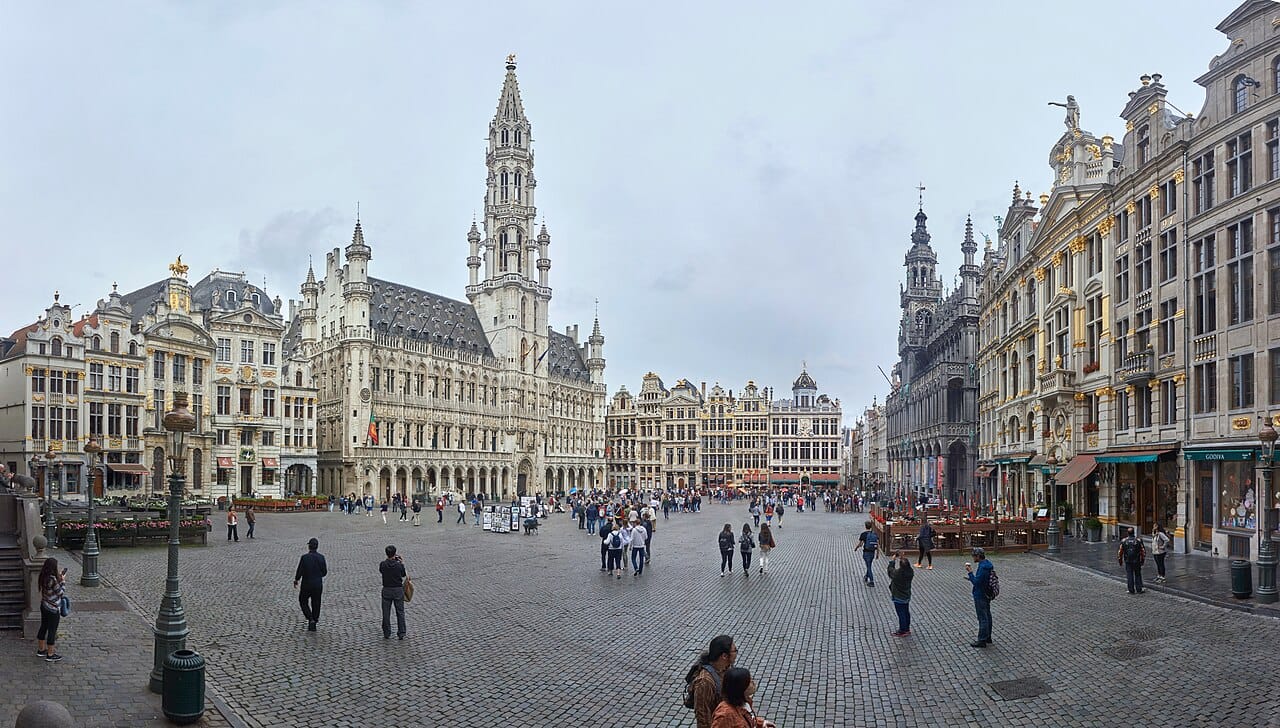
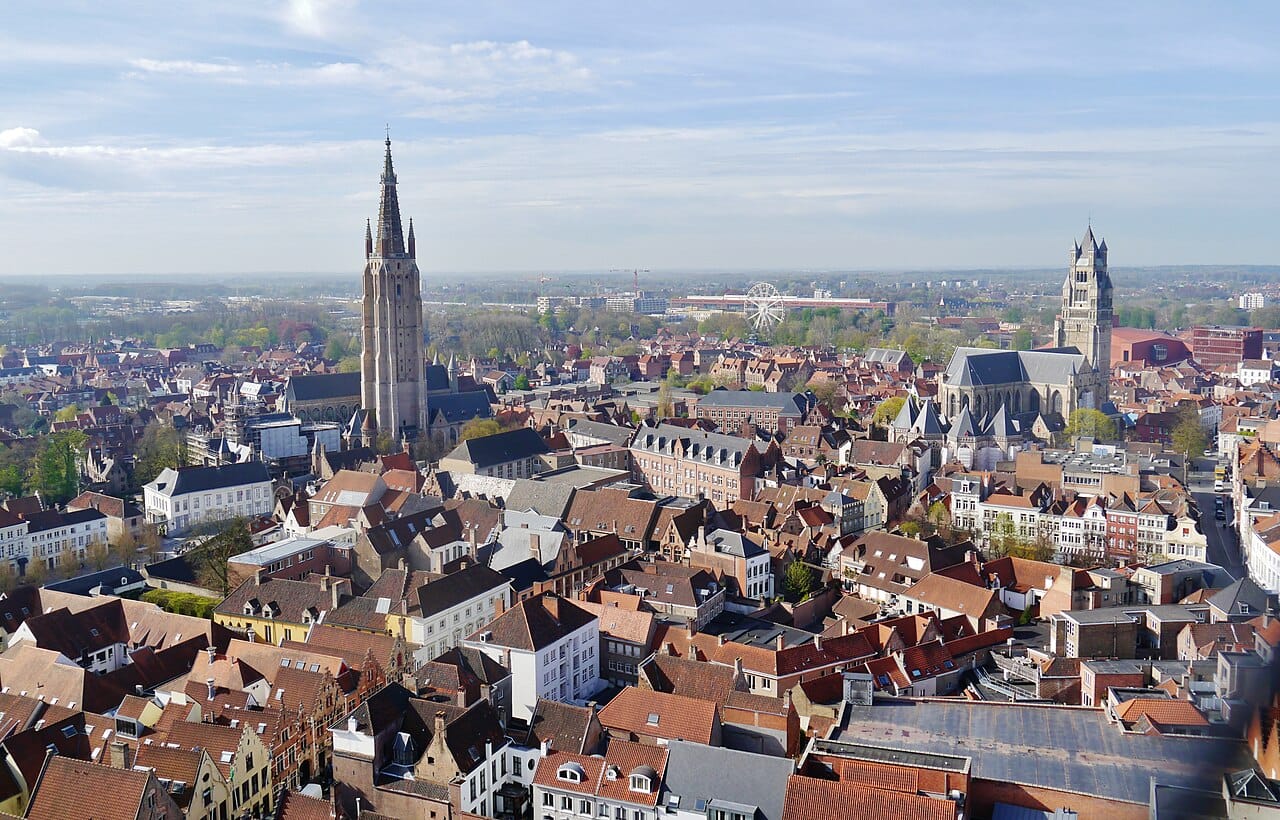
The deepest question in Belgian life is whether it is truly one nation at all. The country is split between Dutch-speaking Flanders in the north, now the wealthier and more populous half, and French-speaking Wallonia in the south, once the industrial heartland and now poorer, with a small German-speaking community in the east and the officially bilingual, majority-French capital of Brussels sitting awkwardly inside Flanders. The two communities have largely separate political parties, media, and public lives, and Flemish nationalism, ranging from calls for greater autonomy to demands for outright independence, is a powerful force. Some see the elaborate federal state as a wise compromise that lets very different communities live together; others see a country slowly pulling apart, held in place mainly by the monarchy, the shared economy, and the tangle of Brussels. Whether Belgium endures as a single state is a genuinely open question.
Belgium has a population of around 12 million people, divided into two main communities: the Dutch-speaking Flemish in the north of the country, who are the majority, and the French-speaking Walloons in the south, with a small German-speaking minority in the east. This linguistic divide runs deep and has produced a complex federal system of government. The bilingual capital, Brussels, is both the national centre and, as the seat of the European Union, a capital for the whole continent.