Belarus is a landlocked country in Eastern Europe, a flat, forested land of marshes, rivers, and lakes lying between Russia and the European Union. Its name means White Rus, linking it to the medieval world of the Eastern Slavs. For much of its history its people lived within larger states, and the country bore some of the heaviest suffering of the twentieth century. Since independence it has remained closely tied to Russia under a long-serving authoritarian leadership.
Belarus's history is that of an Eastern Slavic people who were the heartland of a great medieval state, endured centuries of war and partition, and suffered terribly in the twentieth century.
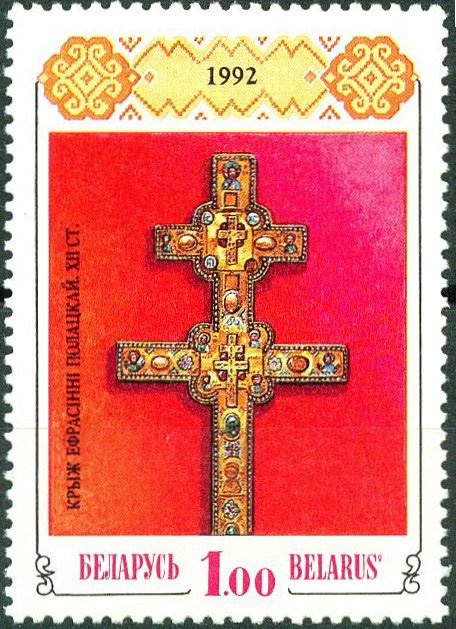
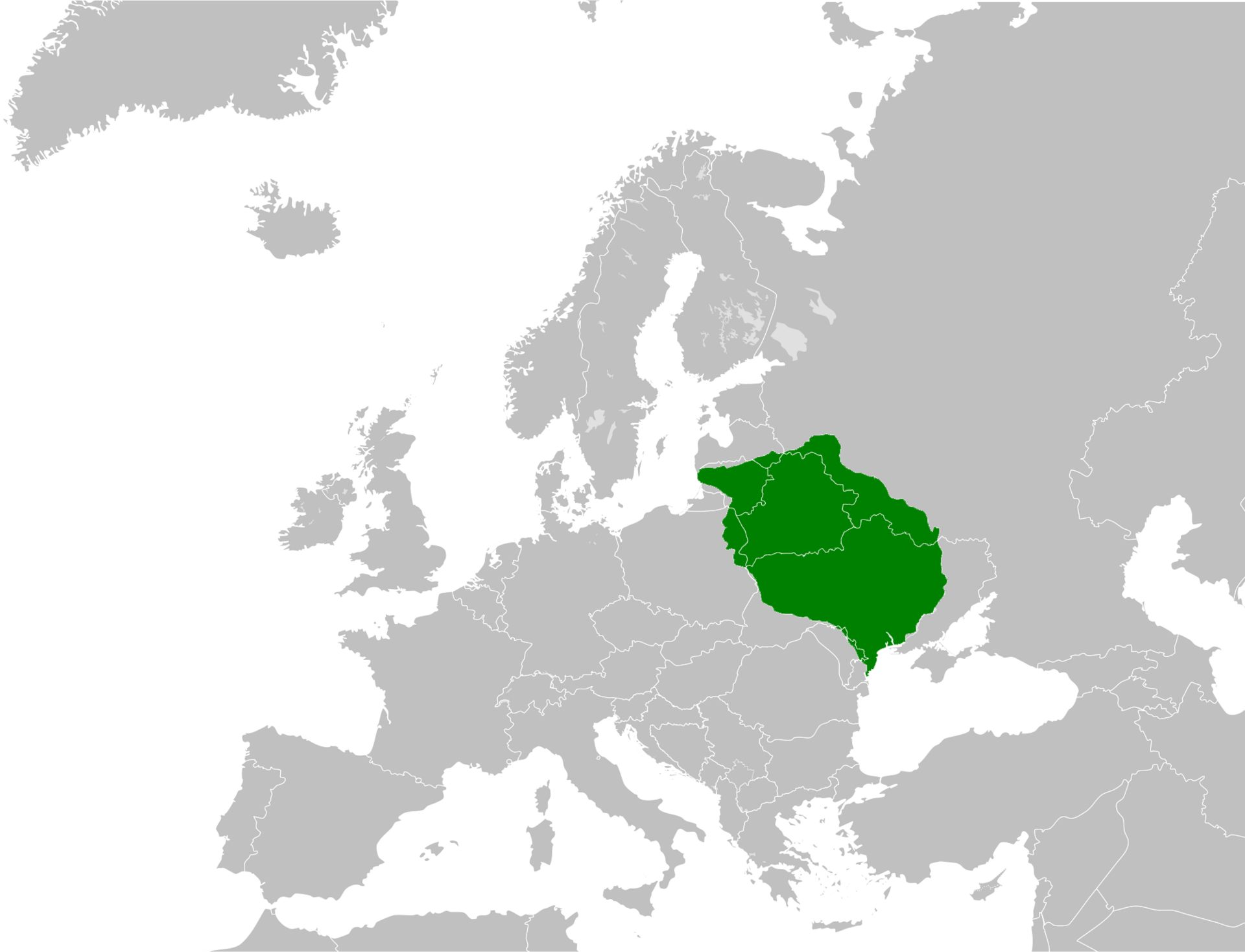
The lands of Belarus were part of the early Eastern Slavic world of Kievan Rus, dotted with principalities such as Polotsk, and produced revered figures like Saint Euphrosyne of Polotsk. They then became the very heartland of the powerful medieval Grand Duchy of Lithuania, a vast state in which an early form of the Belarusian language served as the language of law and administration, before it merged into the Polish-Lithuanian Commonwealth.
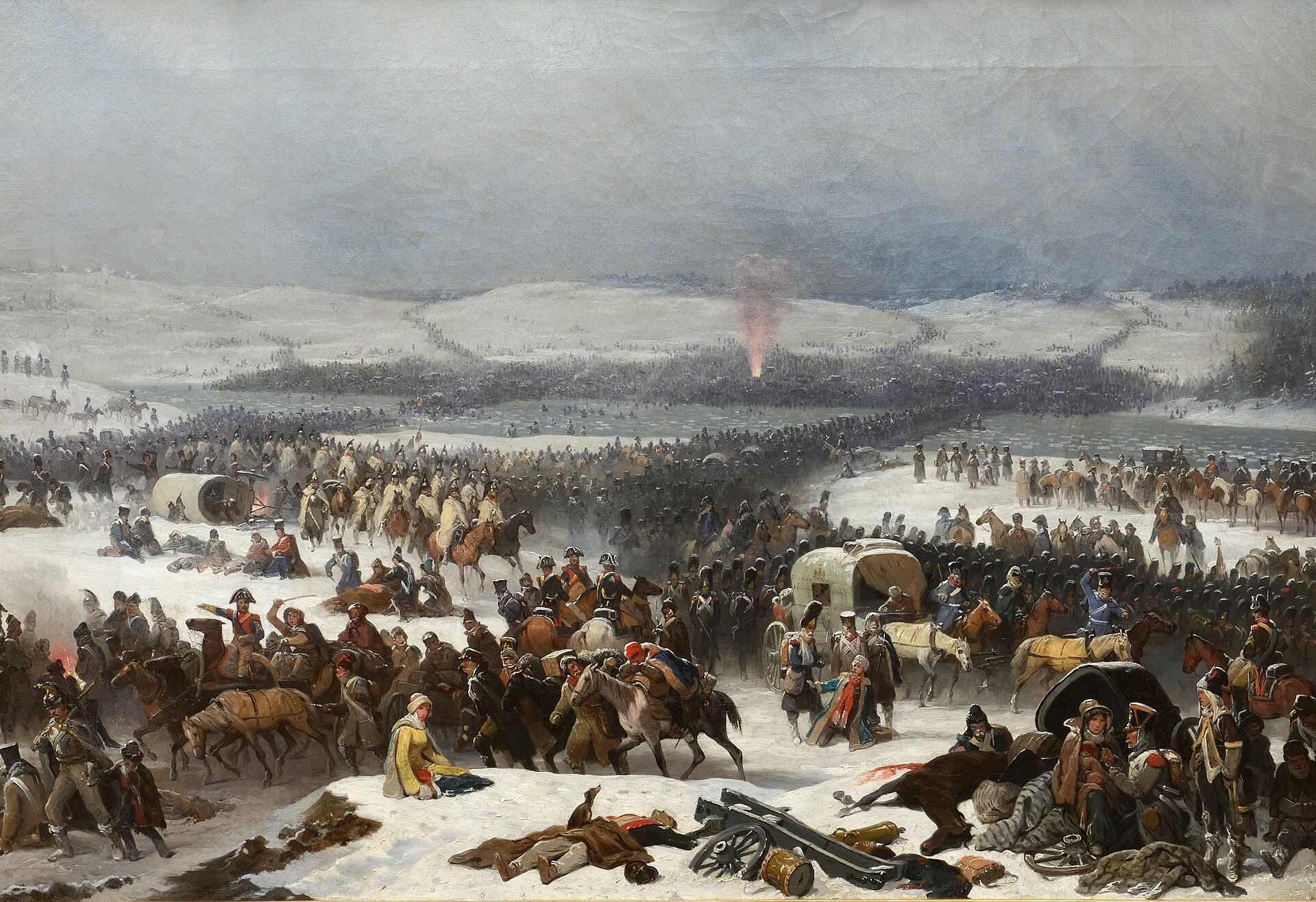
Partitioned along with the Commonwealth in the late eighteenth century, Belarus was absorbed into the Russian Empire. Lying on the road between Russia and western Europe, it became a repeated battlefield, crossed and devastated by armies, most famously by Napoleon's Grande Armee during its catastrophic invasion and retreat of 1812.
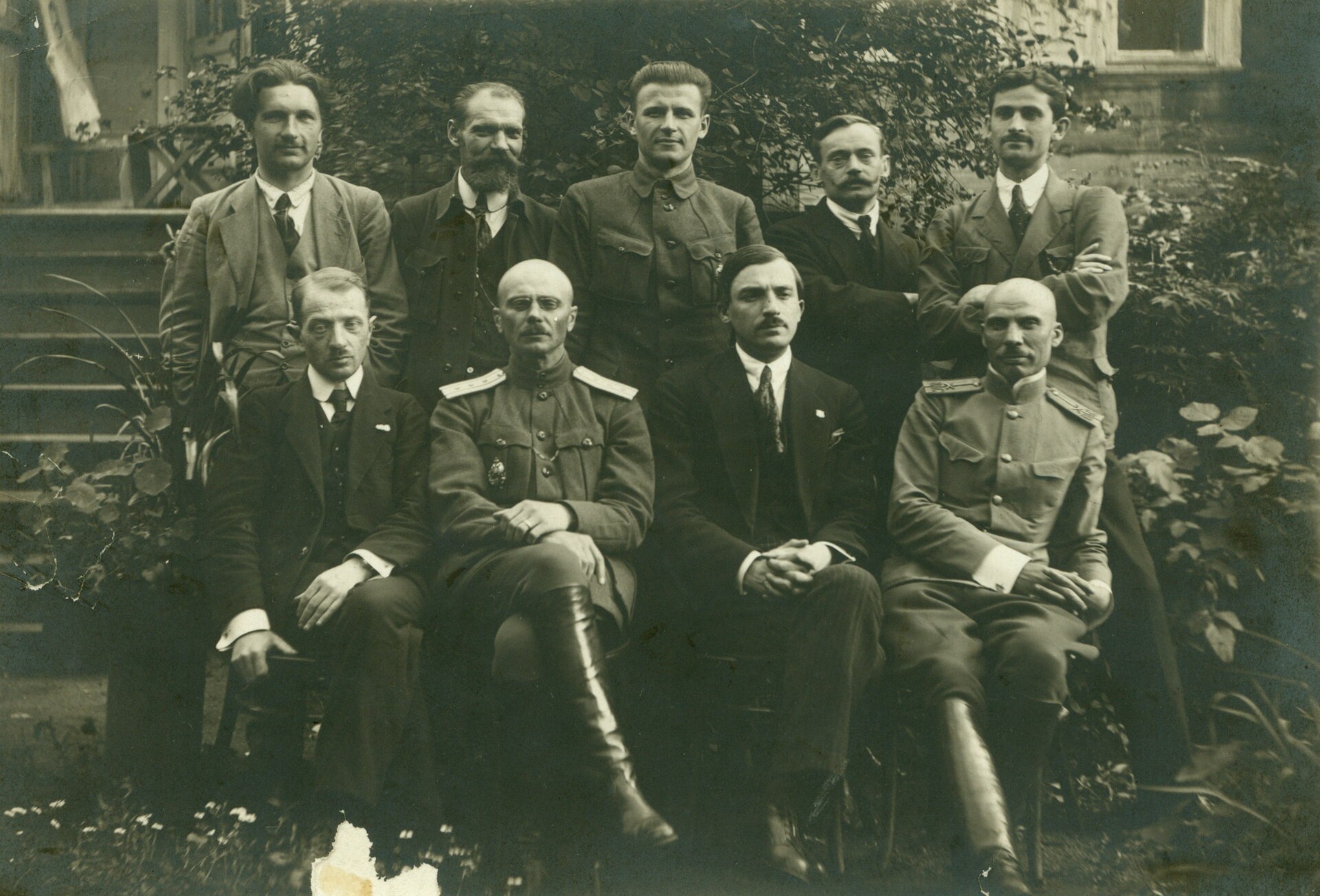
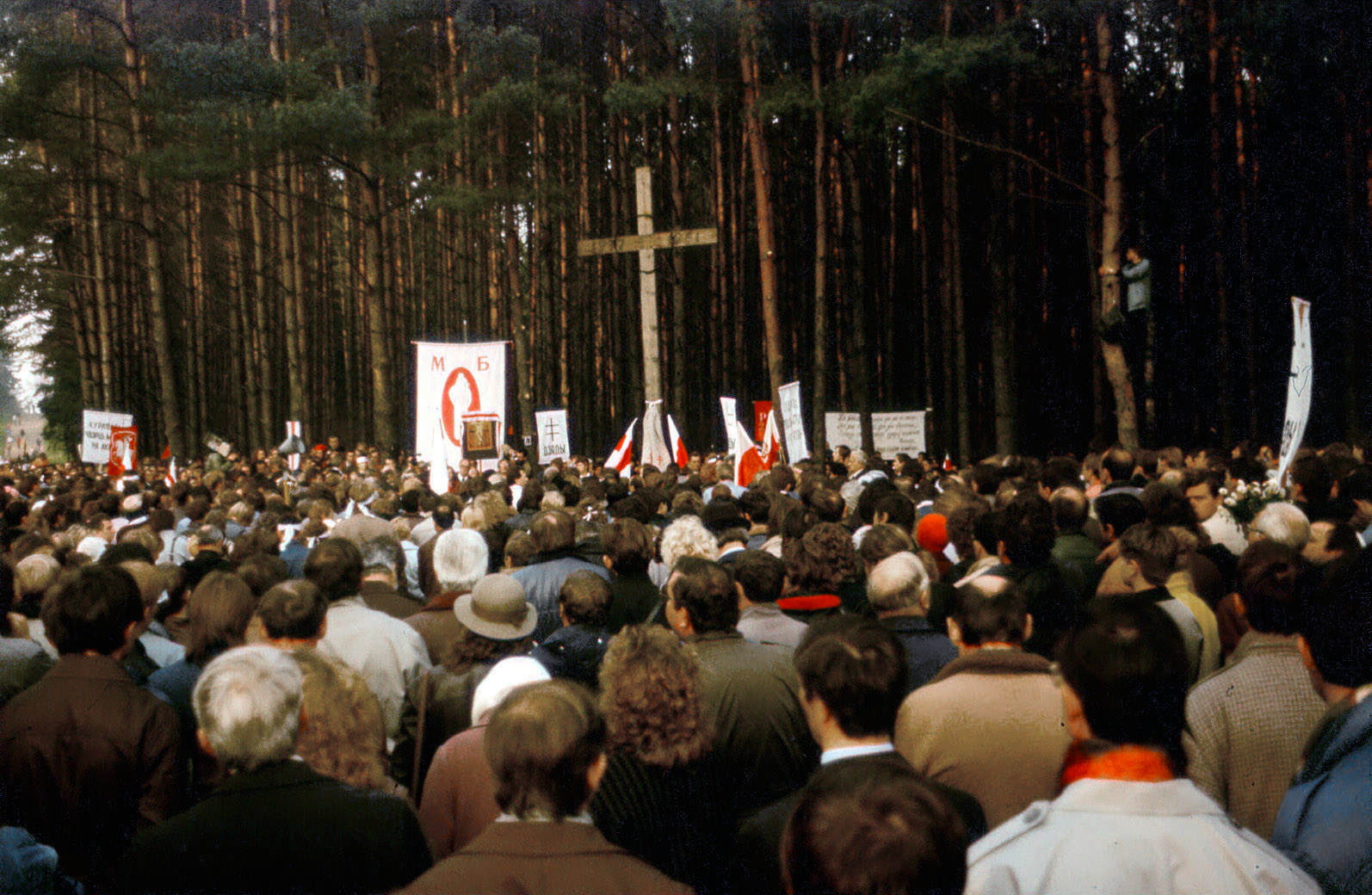
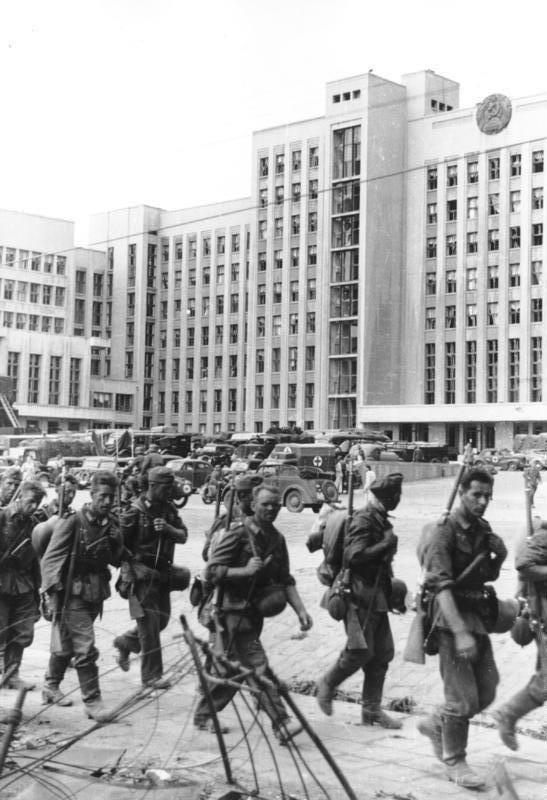
The twentieth century fell especially hard on Belarus. A brief bid for independence after the First World War was soon extinguished, and the country became a Soviet republic, subjected to Stalin's terror, whose mass graves lie in forests such as Kurapaty. In the Second World War Belarus was ground between the German and Soviet armies and lost a larger share of its population, perhaps a quarter, than almost any other nation, its cities and villages devastated. Independence finally came, almost by accident, with the collapse of the Soviet Union in 1991.
Belarus is a low, flat country of gentle plains, extensive forests, and large areas of marsh and wetland, including the vast Pripet Marshes in the south, one of the largest in Europe. Thousands of lakes dot the land, earning parts of it comparisons to a land of lakes, and slow rivers wind through the countryside. Much of the country is wooded, including a fragment of ancient primeval forest that shelters European bison, the continent's largest land animal.
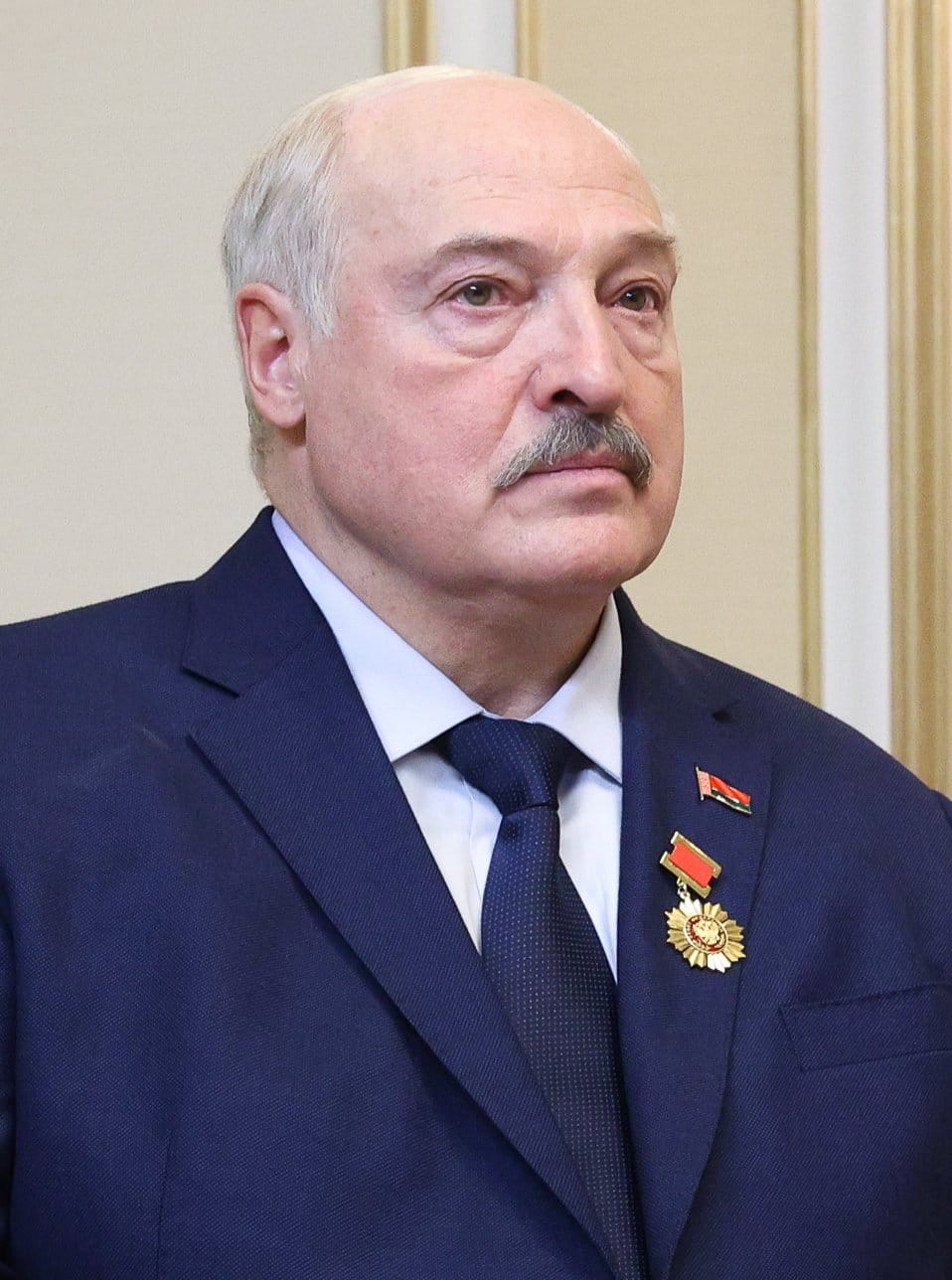
Belarus is, in form, a presidential republic, but in reality it is an authoritarian state ruled since 1994 by a single man, Alexander Lukashenko, the longest-serving leader in Europe and one often called the continent's last dictator. He has governed through a tightly controlled economy, media, and security apparatus, and through elections that outside observers regard as neither free nor fair. His rule faced its gravest challenge in 2020, when a blatantly rigged election triggered the largest protests in the country's history, met with mass arrests, torture, and the forcing into exile of the opposition and its true standard-bearer. Lukashenko survived only with the backing of Russia, to which Belarus has since bound itself ever more tightly.
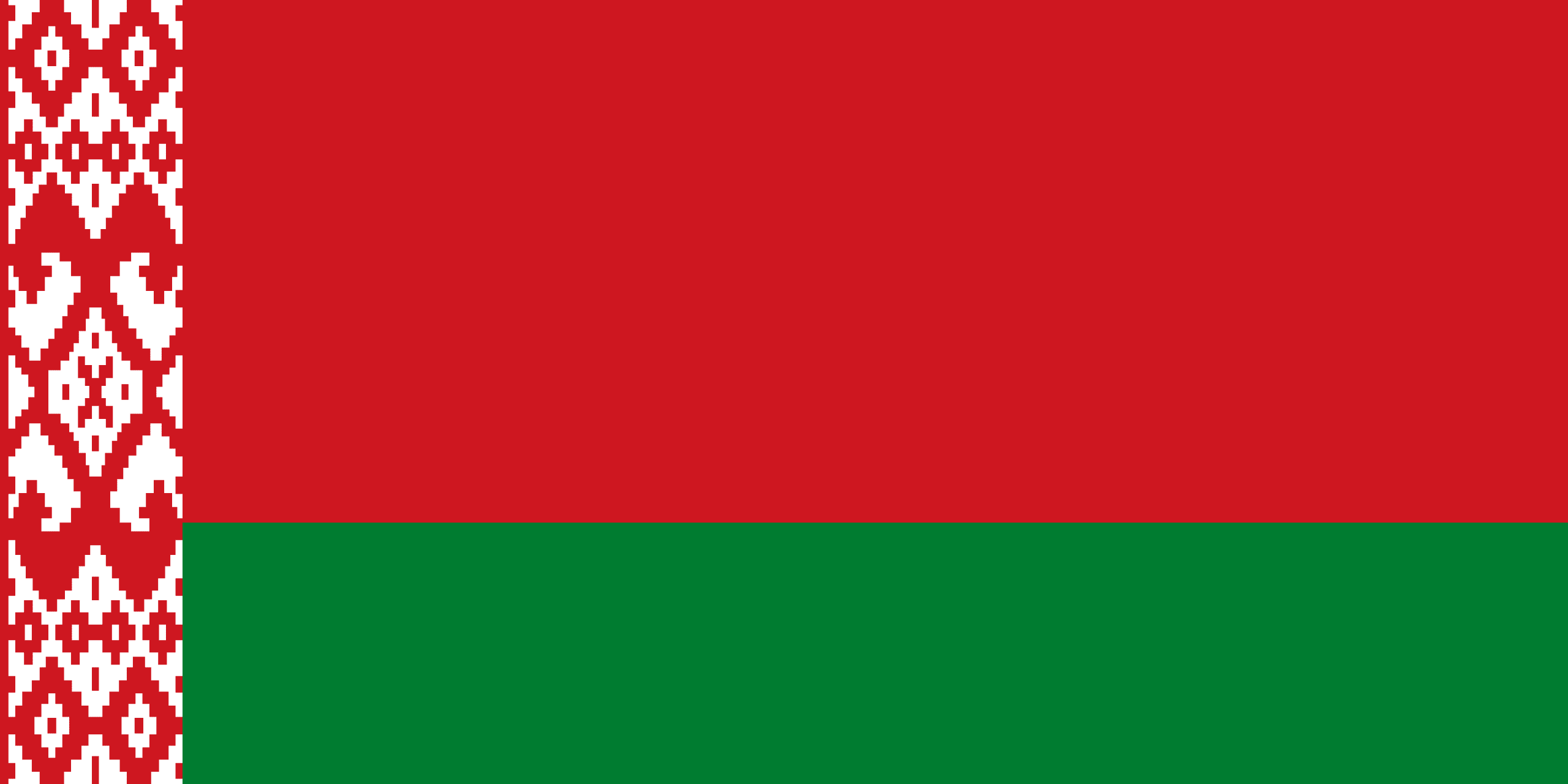
The flag of Belarus is red over green, with a vertical band of red-on-white traditional ornamental pattern at the hoist. The red is said to represent the country's history and the valour of its people, the green its forests and fields, and the decorative pattern its rich folk heritage of weaving and embroidery. The design is based on the Soviet-era flag of Belarus; an alternative white-red-white flag, used briefly after independence, is favoured by the political opposition.
The majority of Belarusians belong to the Eastern Orthodox Church, the largest faith and a part of national and cultural identity, with a significant Roman Catholic minority, especially in the west, reflecting the country's position between the Orthodox and Catholic worlds. Decades of Soviet state atheism left a strongly secular society, but religion revived somewhat after independence. Orthodox and Catholic churches alike are part of the country's heritage and the rhythm of its traditional festivals.
Belarusian cuisine is hearty and built above all on the potato, so central that the country is sometimes affectionately associated with it. The national dish is draniki, crispy potato pancakes served with sour cream. Pork, rye bread, mushrooms, and dishes thickened with potato or grain are staples, suited to a cool climate, and hearty soups and stews warm the long winters. The food reflects a rural, farming heritage and a culture of simple, filling fare.
Agriculture is an important part of the Belarusian economy, much of it still organised through large state and collective farms inherited from the Soviet era. The country grows potatoes in great quantity, along with grains, sugar beet, and flax, a traditional crop used for linen, and it has a significant dairy and livestock sector that supplies exports, chiefly to Russia. The flat, fertile, well-watered land supports this farming, though large areas were contaminated by the Chernobyl disaster.
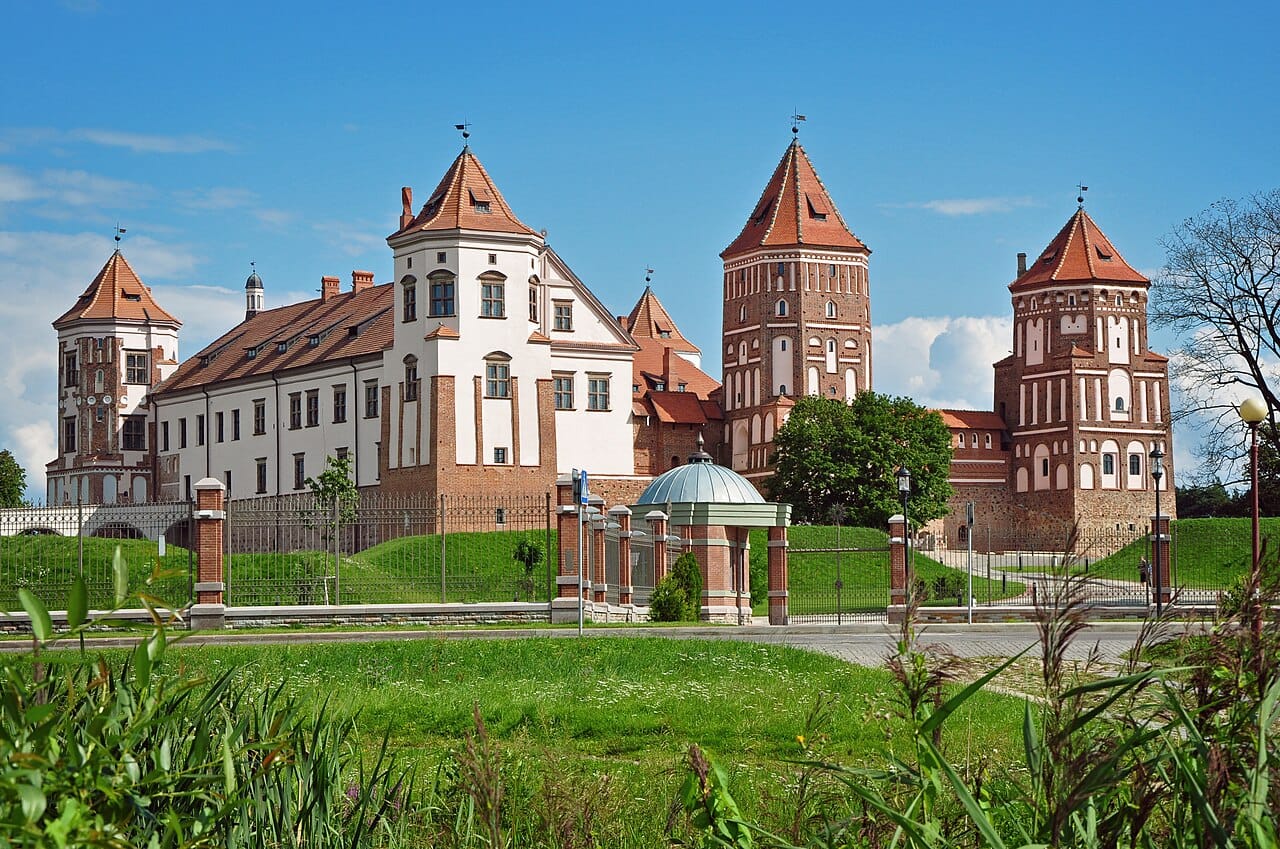
Belarusian culture is rooted in an Eastern Slavic and Orthodox heritage, in a deep bond with the forest and the land, and in a folk tradition of weaving and embroidery whose ornamental patterns appear even on the national flag. The country is dotted with reminders of its richer past, above all the Renaissance castles of Mir and Nesvizh, World Heritage sites from the era of the Grand Duchy. Yet Belarusian culture also carries a quieter struggle, for the Belarusian language has been steadily displaced by Russian in daily life and public affairs, so that reviving and defending it has become, for many, an act of national self-assertion.
Belarus today is defined by two linked struggles. The first is over freedom: the peaceful uprising of 2020, in which vast crowds rejected a rigged election, was the greatest democratic movement in the country's history, and its brutal suppression, with thousands imprisoned and a whole generation of activists driven into exile, left a wound that has not healed. The second is over the nation itself. As the price of Russian support for his rule, Lukashenko has drawn Belarus into ever deeper dependence on Moscow, allowing it to be used as a staging ground for the invasion of Ukraine and to host Russian nuclear weapons, while at home the Belarusian language and the opposition's white-red-white flag are treated almost as subversion. Whether Belarus can one day reclaim both its freedom and its own distinct identity, or will be absorbed ever further into Russia's orbit, is the country's open and painful question.
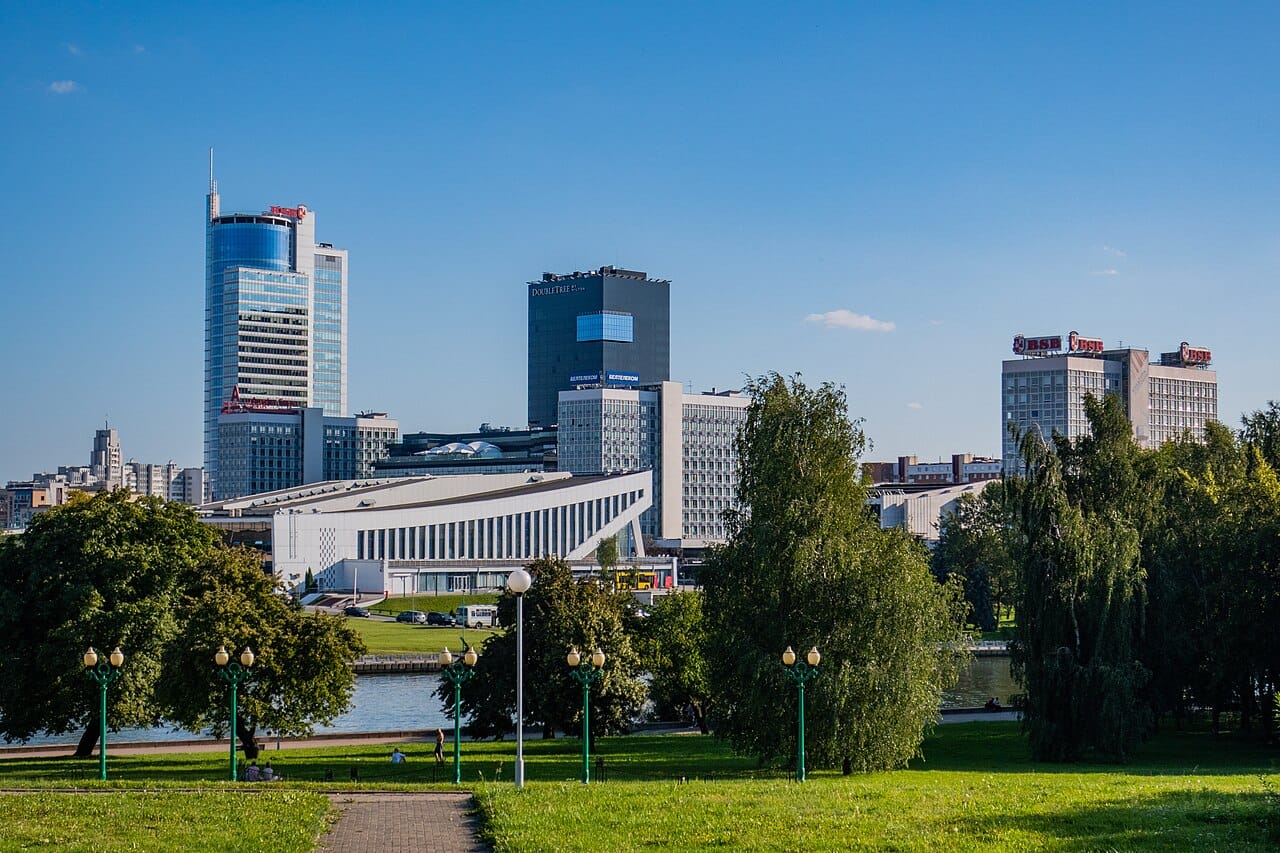
Belarus has a population of around 9.2 million people, the great majority ethnic Belarusians, an Eastern Slavic people, with a Russian minority. Both Belarusian and Russian are official languages, though Russian is the more widely used in daily life. The population is largely urban, concentrated in the capital, Minsk, a city rebuilt in monumental Soviet style after its wartime destruction. The country has experienced heavy emigration, much of it political, especially since 2020.