Bangladesh is a country in South Asia, set on the vast delta where the Ganges and Brahmaputra rivers empty into the Bay of Bengal. Lush, low-lying, and crisscrossed by water, it is one of the most densely populated countries on Earth, home to a proud Bengali culture of language, poetry, and music. Born from a hard-won struggle for independence, it has grown into a populous nation increasingly shaped by its textile industry and by the rising challenge of climate change.
The region of Bengal has an ancient and wealthy history, home to early kingdoms, a celebrated tradition of fine cloth, and successive empires, before a hard-fought struggle brought the modern nation into being in 1971.
Bengal has one of the oldest histories in the subcontinent, home to cities and kingdoms more than two thousand years ago. Ancient sites such as Mahasthangarh show that urban life and organised states flourished here in antiquity, and over the centuries the region absorbed Buddhist, Hindu, and later Islamic influences.

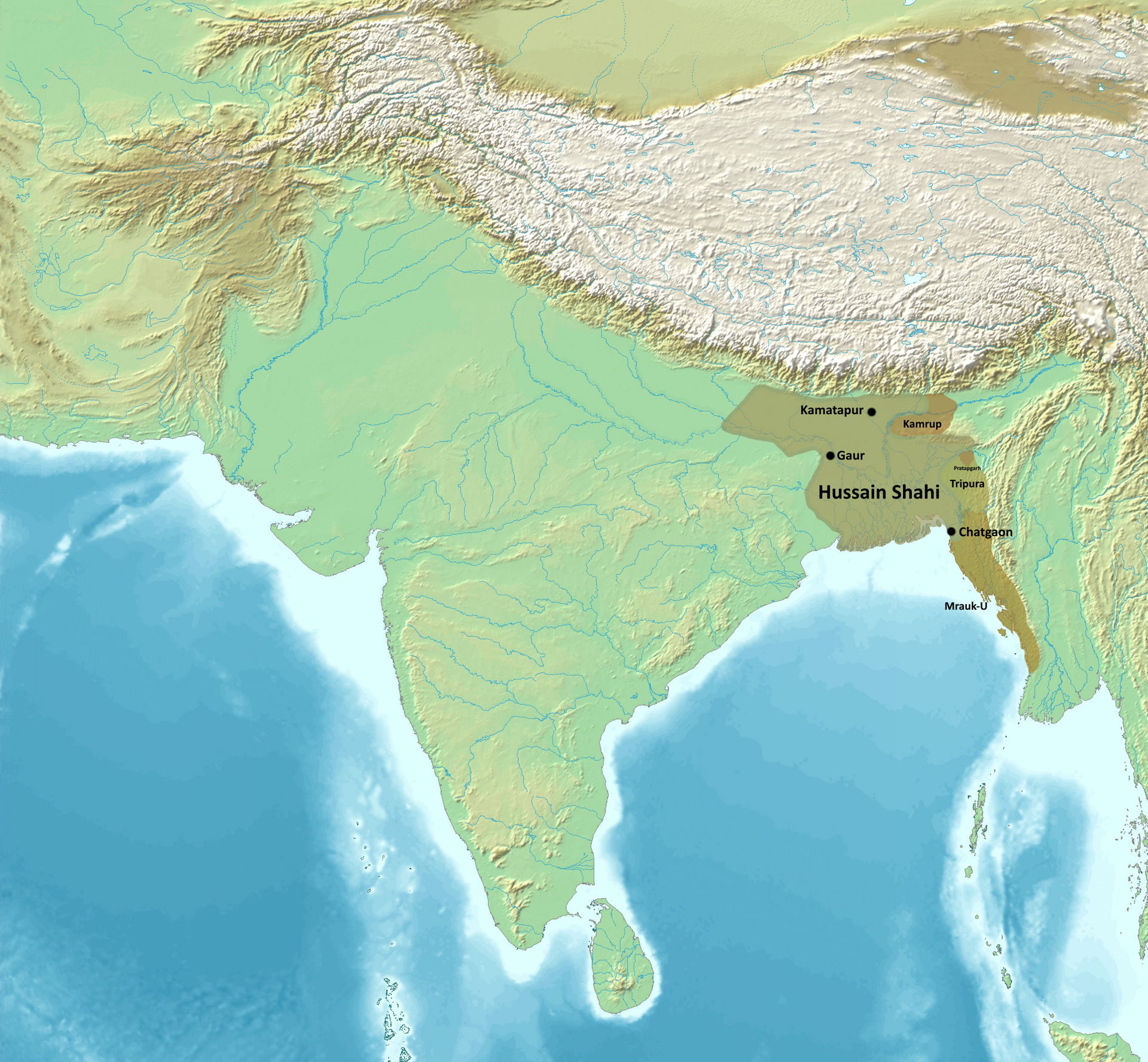
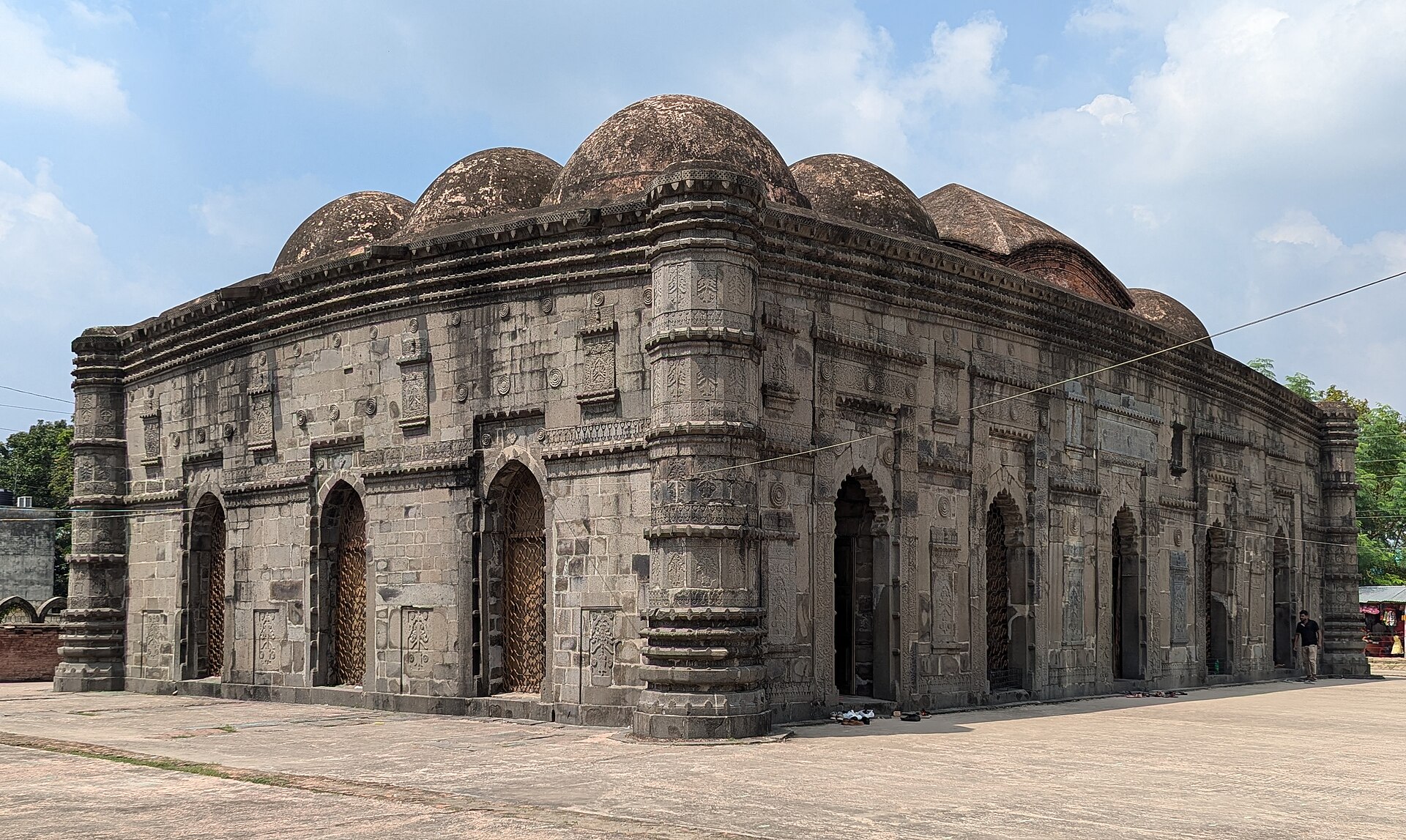
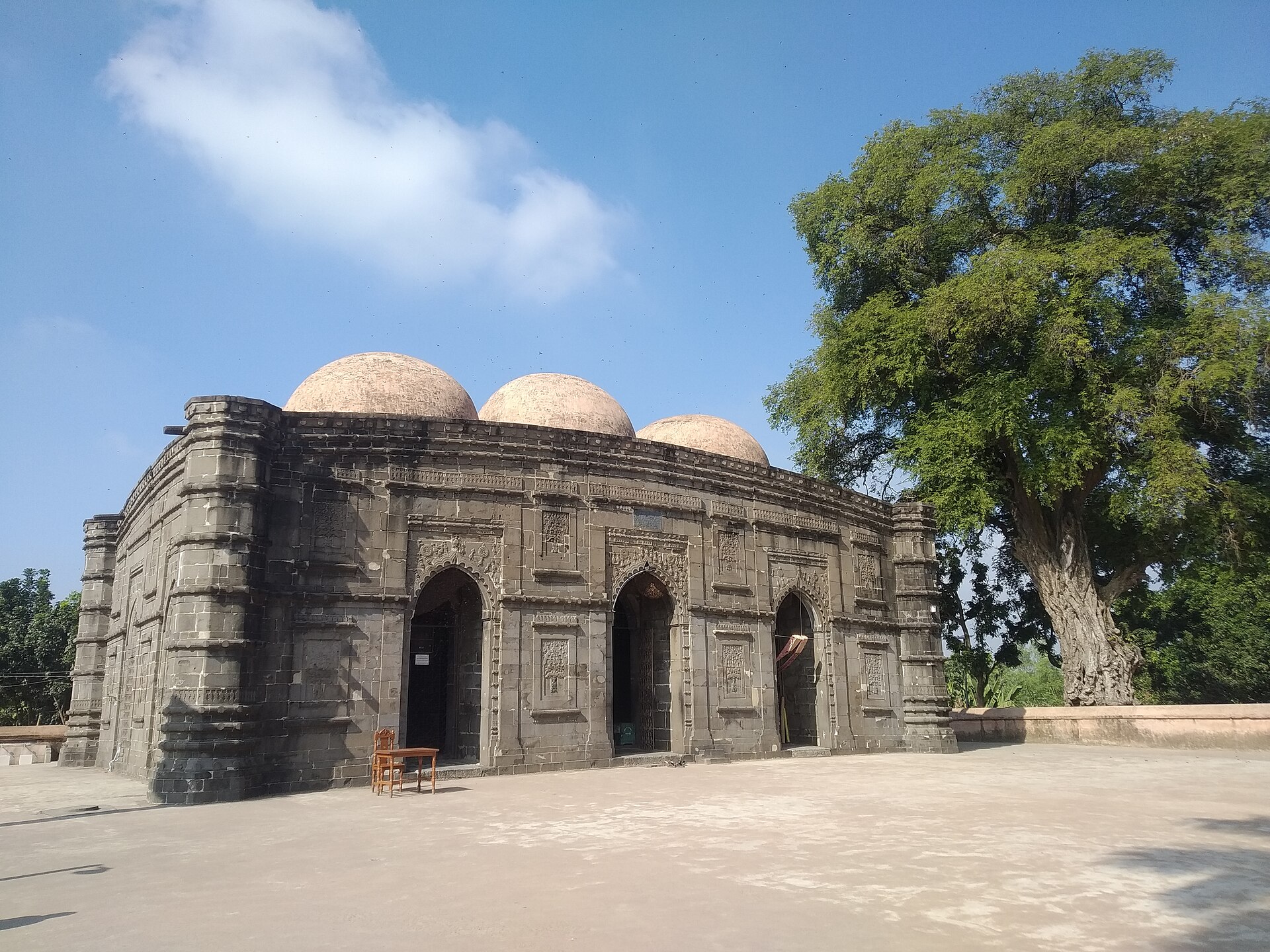
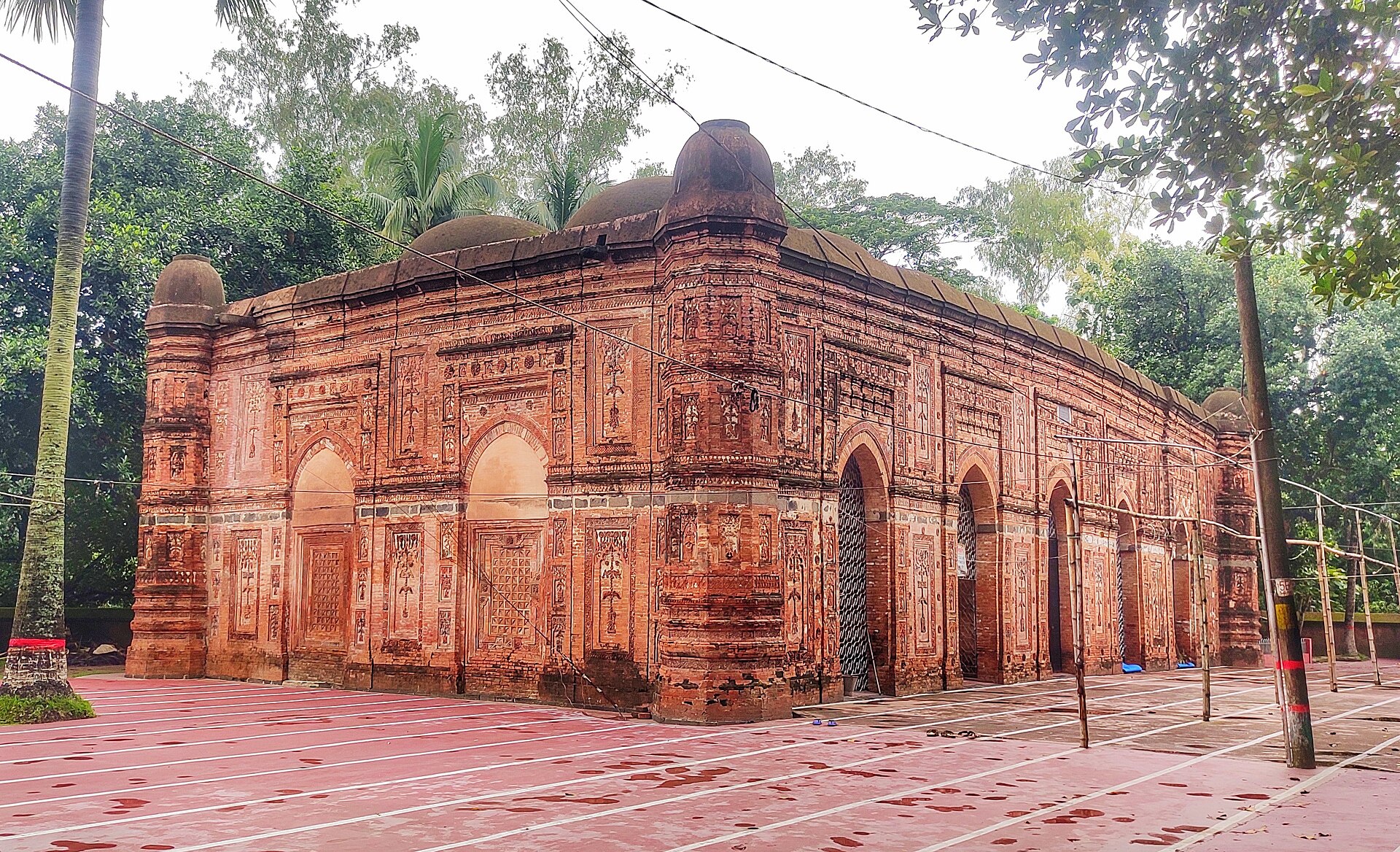
From the thirteenth century Bengal came under Muslim rule, and as an independent sultanate it grew wealthy and cultured, nurturing the Bengali language and a distinctive style of mosque architecture in brick and terracotta. Under the later Mughals, Bengal was the richest province of the empire, celebrated for its fine muslin cloth and its bustling river trade.
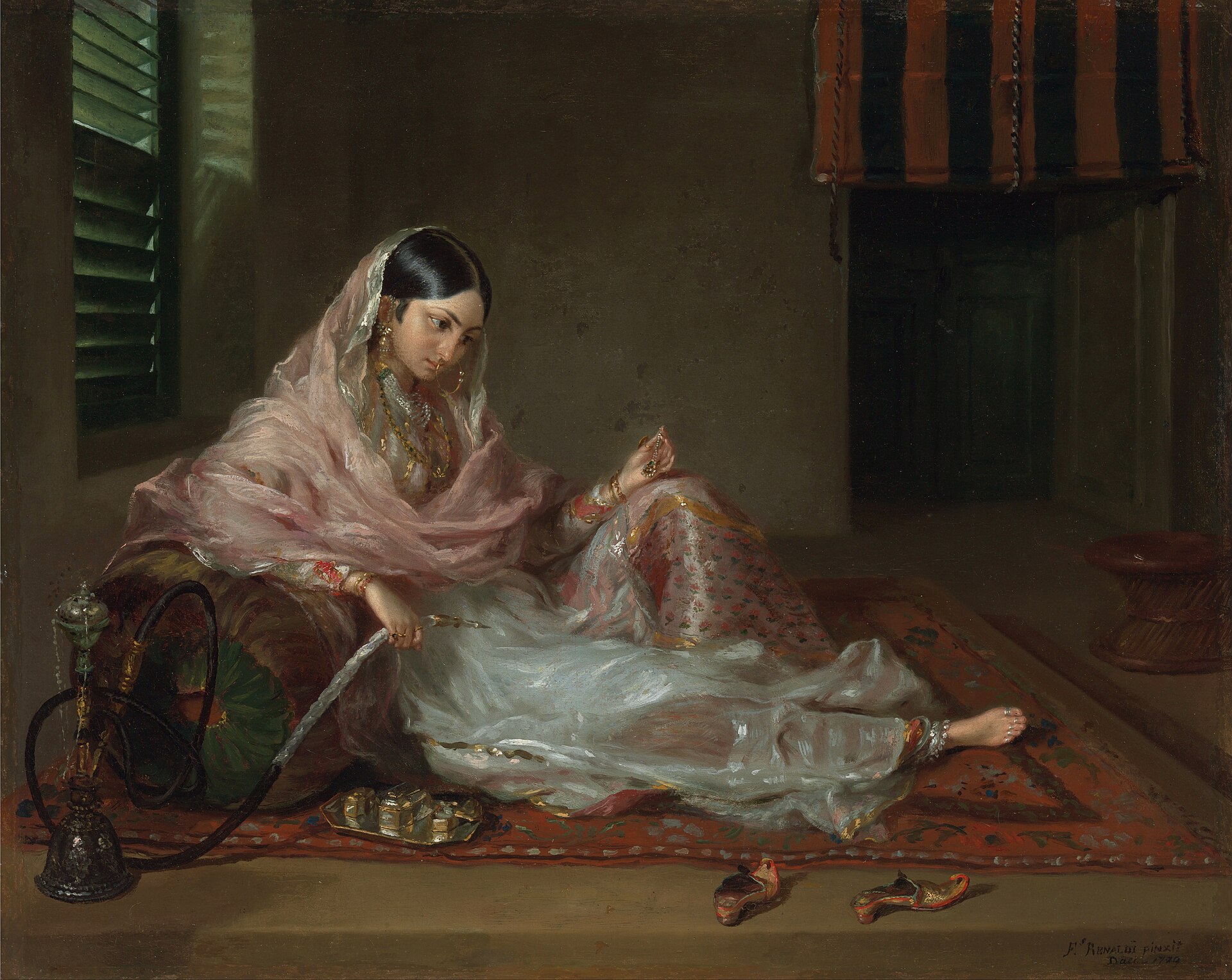
British power took hold in Bengal after the mid-eighteenth century, making Calcutta the centre of colonial India. Colonial policy reshaped the economy and undermined Bengal's famous weaving, and the region suffered devastating famines, including the Bengal famine of 1943 in which millions died.
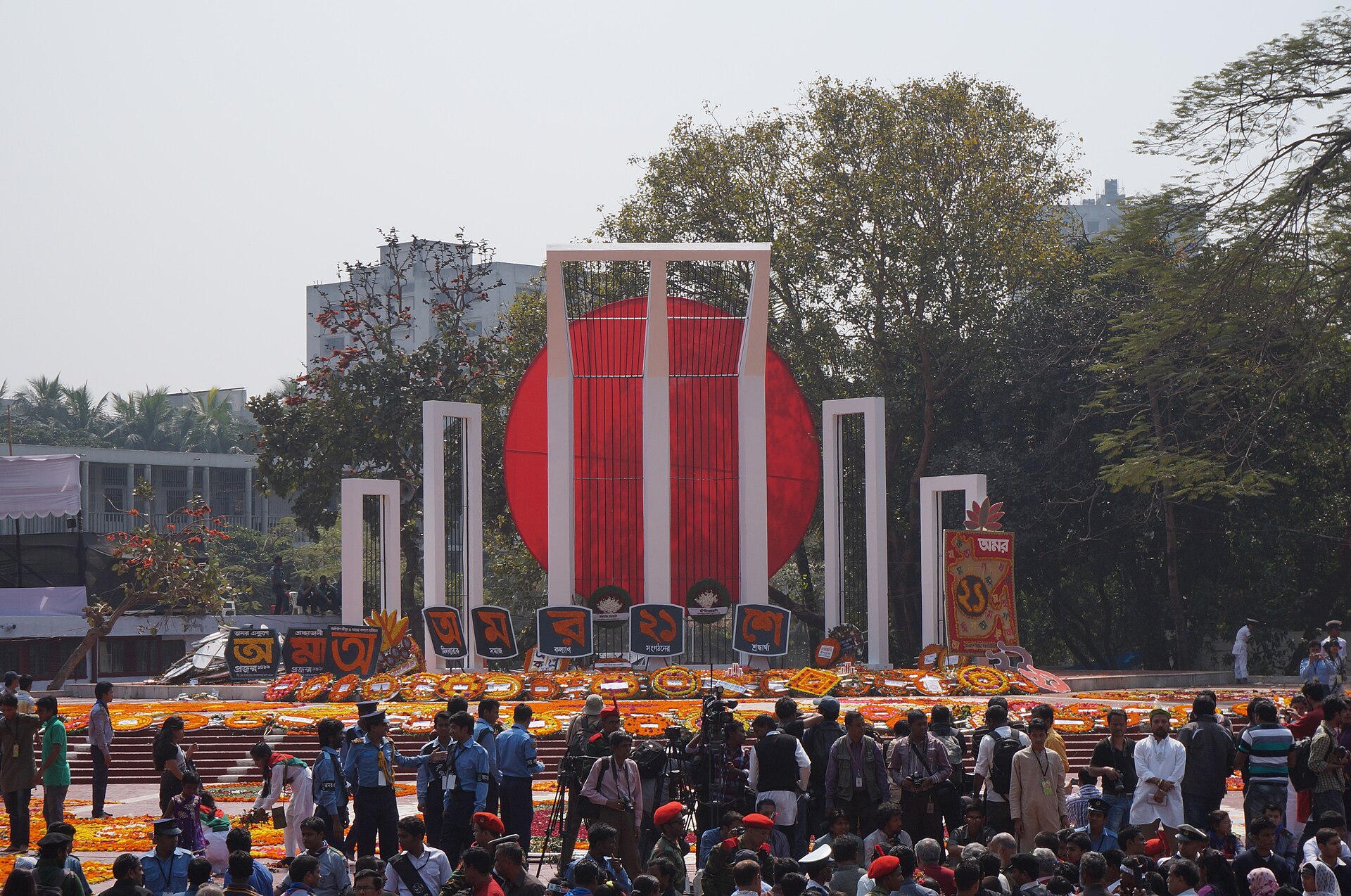
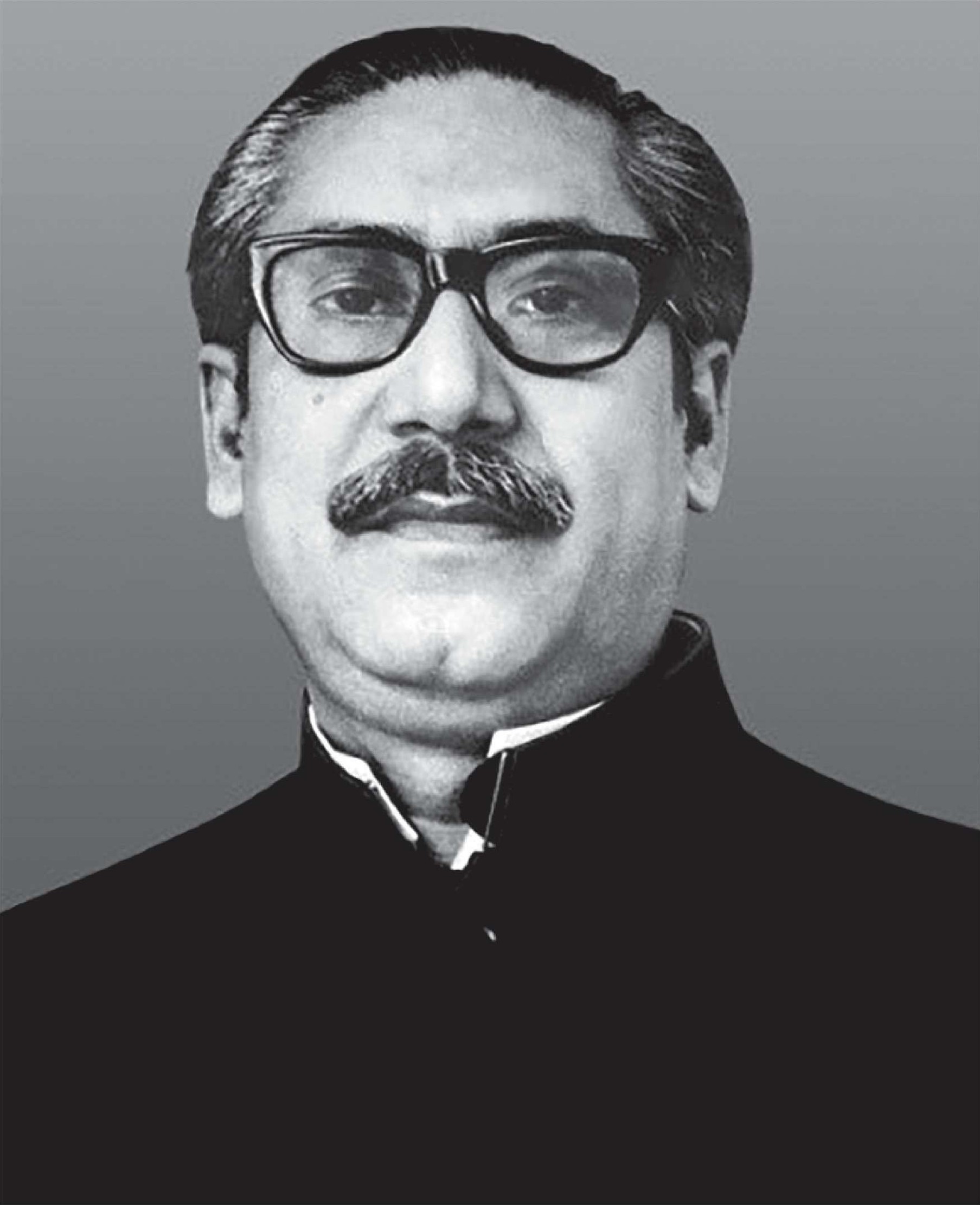
At the partition of India in 1947, eastern Bengal became East Pakistan, the eastern wing of a new country separated from West Pakistan by more than a thousand miles of Indian territory. Cultural and political grievances, above all the struggle to defend the Bengali language, grew into a movement for autonomy led by Sheikh Mujibur Rahman. In 1971 a brutal war of independence ended with the birth of Bangladesh as a sovereign nation.
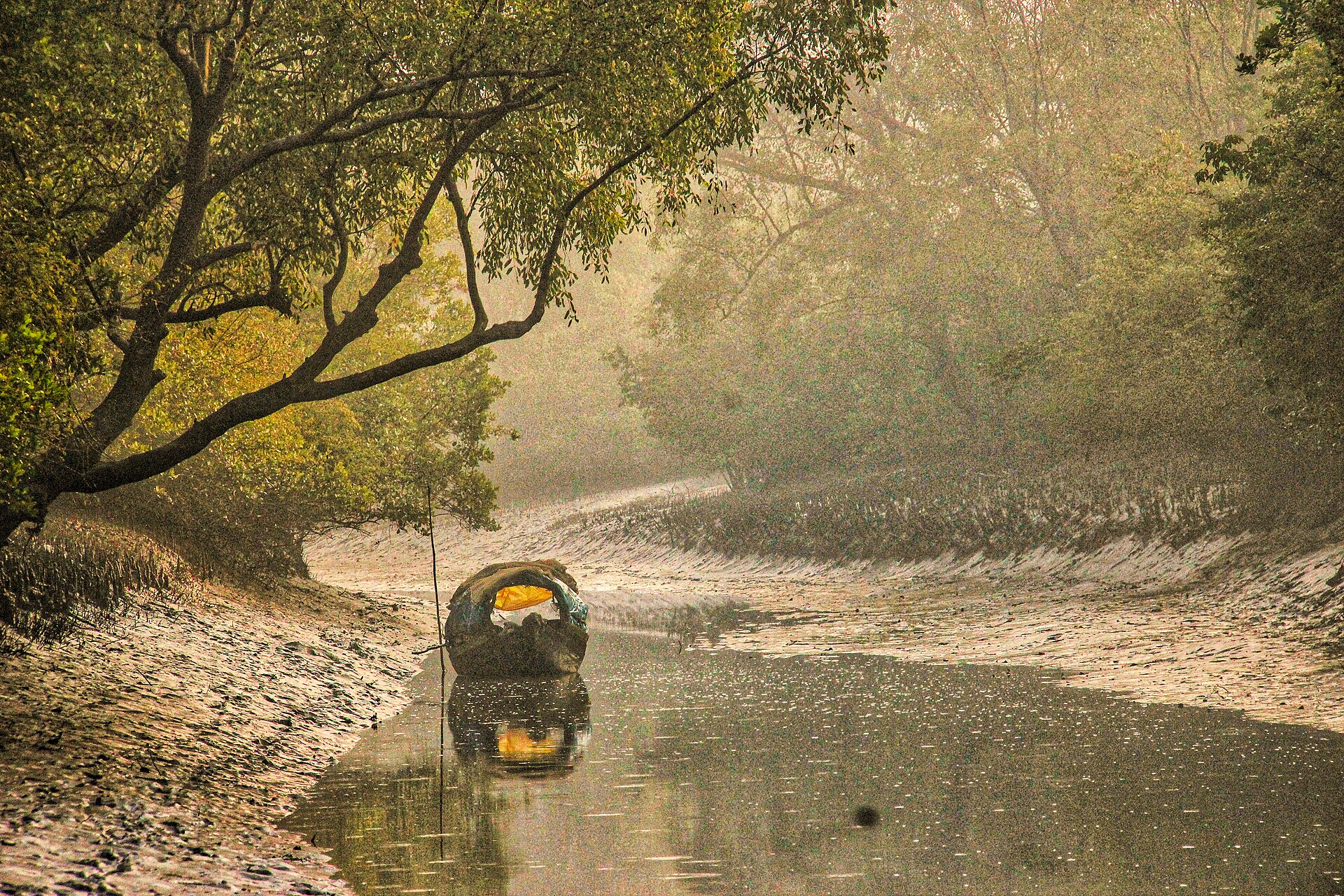
Bangladesh is overwhelmingly a land of rivers and flat, fertile delta, among the largest river deltas in the world, built up by silt carried down from the Himalayas. This makes the soil extraordinarily productive but the country dangerously prone to flooding and to the cyclones that sweep in from the Bay of Bengal. In the south lies the Sundarbans, the world's largest mangrove forest and a refuge of the Bengal tiger. Most of the country sits only a few metres above sea level.
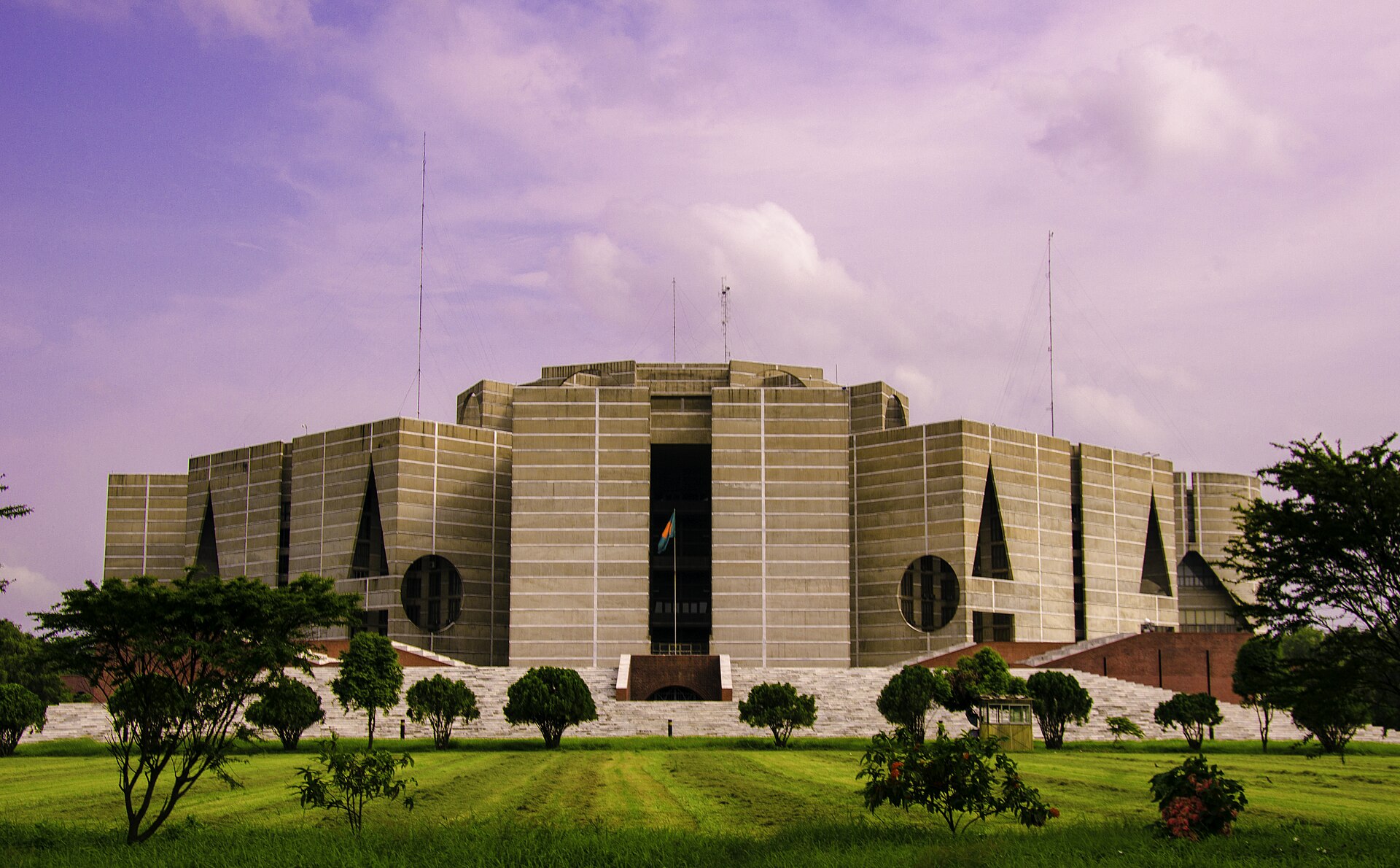
Bangladesh is a parliamentary republic, with a president as a largely ceremonial head of state and a prime minister who leads the government and holds most of the executive power. Its national parliament sits in the striking Jatiya Sangsad Bhaban in Dhaka. Politics since independence has been turbulent, marked by long dominance by a small number of parties and leading families, spells of military and caretaker rule, and a deep and often confrontational divide between the country's two main political camps.
Bangladesh has become one of the fastest-growing economies in Asia, transforming from one of the world's poorest nations into a rising middle-income country. Its growth is built above all on ready-made garments: it is among the largest exporters of clothing in the world, and its factories supply many global brands. Remittances from millions of Bangladeshis working abroad, along with agriculture and a growing services sector, add to the economy, though the country still contends with poverty, the need for better and safer working conditions in its factories, and its exposure to a changing climate.
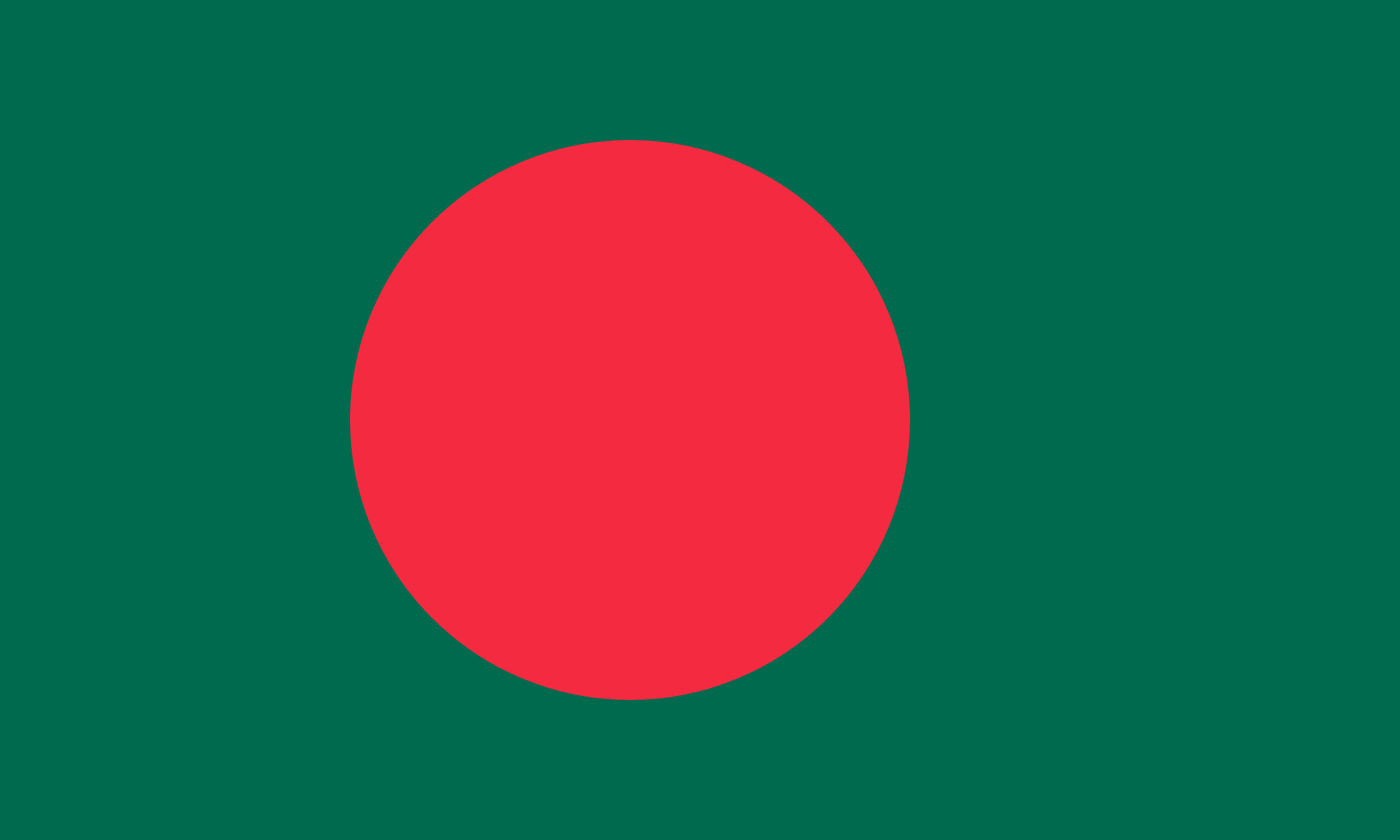
The flag of Bangladesh is a deep green field bearing a red disc set slightly toward the hoist. The green represents the lush landscape of the country and, for many, the vitality of its people, while the red disc stands for the sun rising over Bengal and for the blood of those who died in the struggle for independence. The off-centre placement keeps the disc looking centred when the flag flies in the wind.
The great majority of Bangladeshis are Muslims, predominantly Sunni, and Islam is central to the country's culture and daily life, expressed in countless mosques and in the rhythm of the religious calendar. Bangladesh is also home to a significant Hindu minority, along with smaller Buddhist and Christian communities, a legacy of Bengal's long and mixed history. A strong sense of shared Bengali language and culture runs across these religious lines.
Bengali cuisine is centred on rice and fish, so much so that a common saying holds that rice and fish make a Bengali. Freshwater fish, above all the prized hilsa, are cooked in light, spiced gravies and mustard sauces. Lentils, vegetables, and an artful use of spices fill the everyday table, and Bengalis are famous for their love of sweets, milk-based confections that mark every celebration. Food is an expression of a refined and much-loved regional culture.
Agriculture remains central to Bangladesh, feeding a huge population from a small, intensely cultivated land. Rice is the dominant crop, grown in great quantity across the fertile delta, often in two or three harvests a year. Bangladesh is also the leading producer of jute, the strong natural fibre once known as the golden fibre of Bengal, along with tea grown in the northeast, vegetables, and freshwater fish from its countless ponds and rivers.
Bangladesh has a rich and distinctive Bengali culture, fiercely proud of its language, poetry, and music. It celebrates the works of poets such as Rabindranath Tagore, whose song is the national anthem, and the rebel poet Kazi Nazrul Islam, and it marks the Bengali New Year, Pohela Boishakh, with colourful processions. Cricket is a national passion. Life for most people is intensely communal, centred on family, faith, and the shared rhythms of village and, increasingly, teeming city life.
Bangladesh faces several pressing and sometimes divisive challenges. Its politics have long been dominated by a bitter rivalry between two major parties, and questions over the fairness of elections, the treatment of the opposition and the press, and a period of mass protest in 2024 that led to a change of government have all been sources of intense debate. The country hosts around a million Rohingya refugees who fled violence in neighbouring Myanmar, straining resources and raising difficult questions about their future. Above all, as a low-lying delta nation, Bangladesh is among the countries most exposed to rising seas and extreme weather, making it a leading voice in the global debate over responsibility for climate change.
The Language Movement of the 1950s, in which Bengalis fought for the right to their own language, helped forge a national identity that culminated in the Liberation War of 1971. That brutal conflict, in which Bangladesh won independence from Pakistan, is the defining event of the nation. Since then the country has endured devastating cyclones and floods while achieving notable progress in development and building one of the world's largest garment-manufacturing industries.
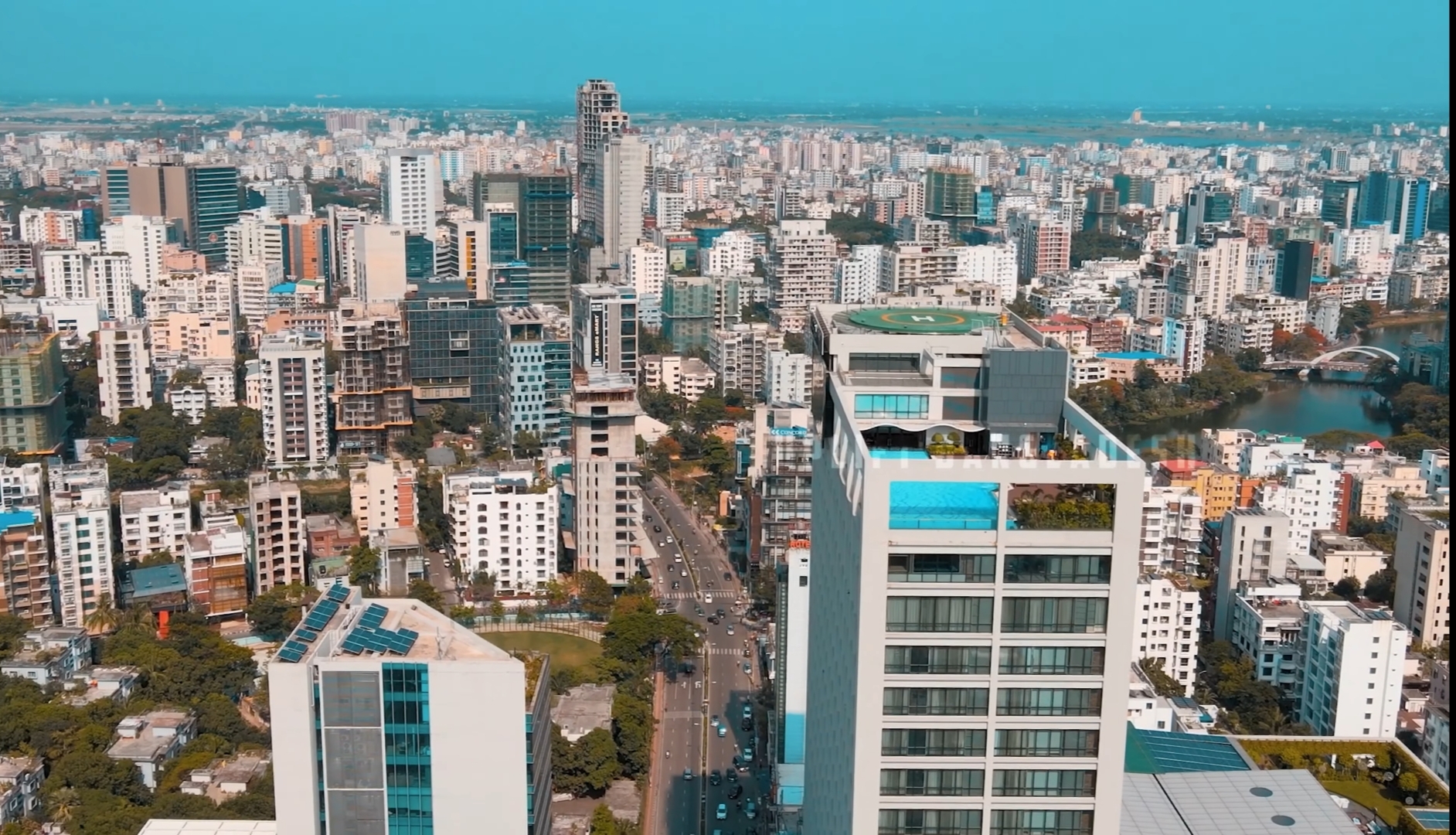
Bangladesh has a population of around 171 million people packed into a small area, making it one of the most densely populated countries on Earth. The people are overwhelmingly ethnic Bengalis, bound by a shared language and culture of which they are fiercely proud. The capital, Dhaka, is one of the most crowded and fast-growing megacities in the world. The country's low-lying geography makes its huge population especially vulnerable to rising seas and a changing climate.