Bahrain is a small island nation in the Persian Gulf, an archipelago lying off the eastern coast of Saudi Arabia, to which it is joined by a causeway. The smallest of the Arab states, it has an ancient history as the centre of the Dilmun civilisation and as a famous source of pearls, and it was the first country on the Arabian side of the Gulf to discover oil. Today it is a modern financial hub and a relatively cosmopolitan kingdom in a strategic corner of the Gulf.
Bahrain's history reaches back to one of the oldest civilisations in the region, through millennia as a famous source of pearls and a prize contested by empires, to the rule of the Al Khalifa family and its transformation by oil and finance.
Bahrain was the heart of Dilmun, a Bronze Age trading civilisation that linked the cities of Mesopotamia with the Indus Valley and grew rich as a hub of Gulf commerce. So fertile and well-watered by its springs was the land that ancient Mesopotamian myth remembered Dilmun as a kind of paradise, a pure and blessed place.
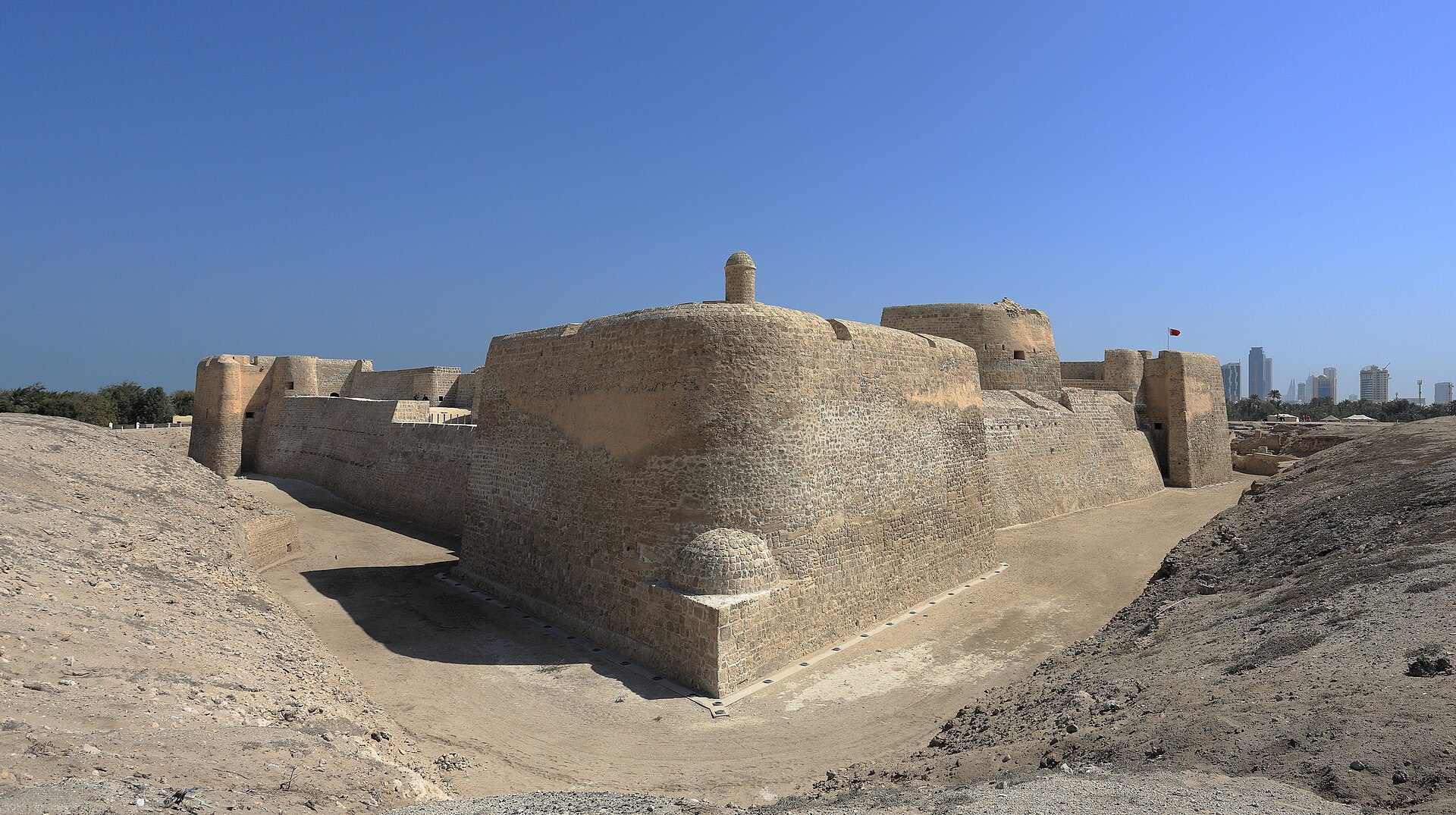
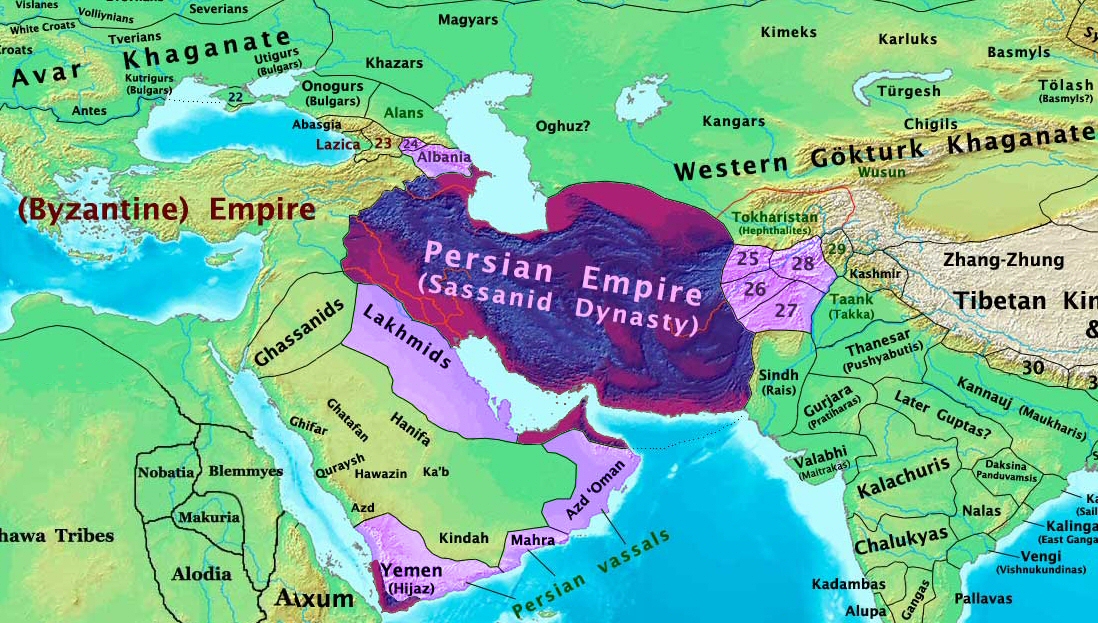
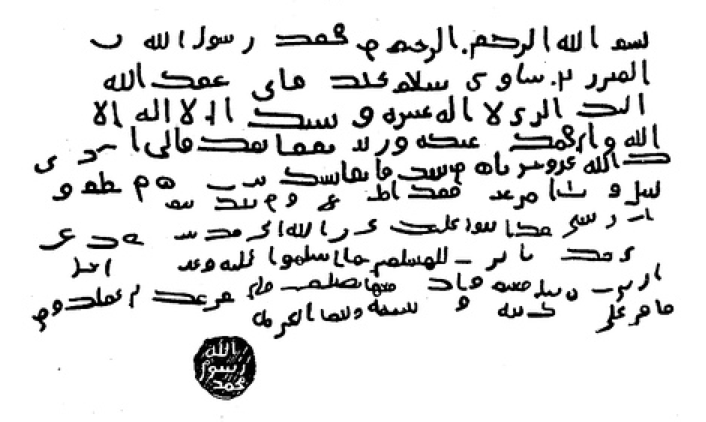
Its wealth and position made Bahrain a prize fought over by the powers of the region, and it long lay within the orbit of the great Persian empires. It was also among the earliest lands to embrace Islam, in the lifetime of the Prophet Muhammad himself, entering the new faith in the early seventh century.
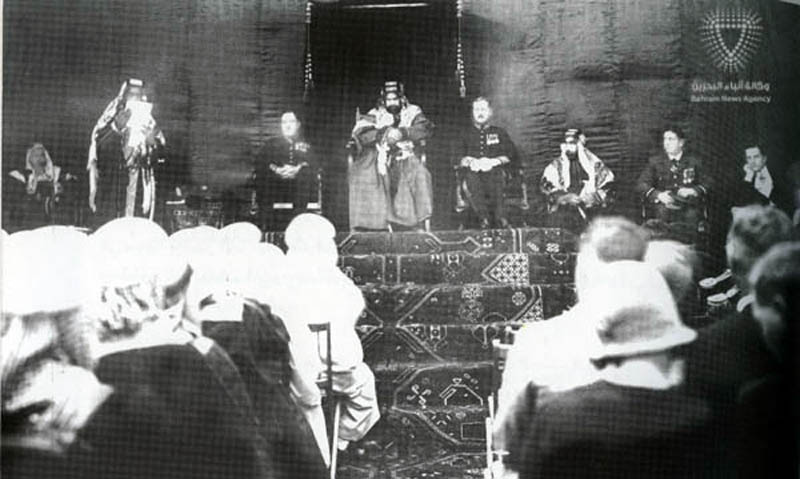
Over the centuries Bahrain passed through many hands, and from the sixteenth century the Portuguese and then the Persians contested the islands for their pearls and their strategic position. In the late eighteenth century the Al Khalifa family took control of Bahrain, founding the dynasty that rules to this day.
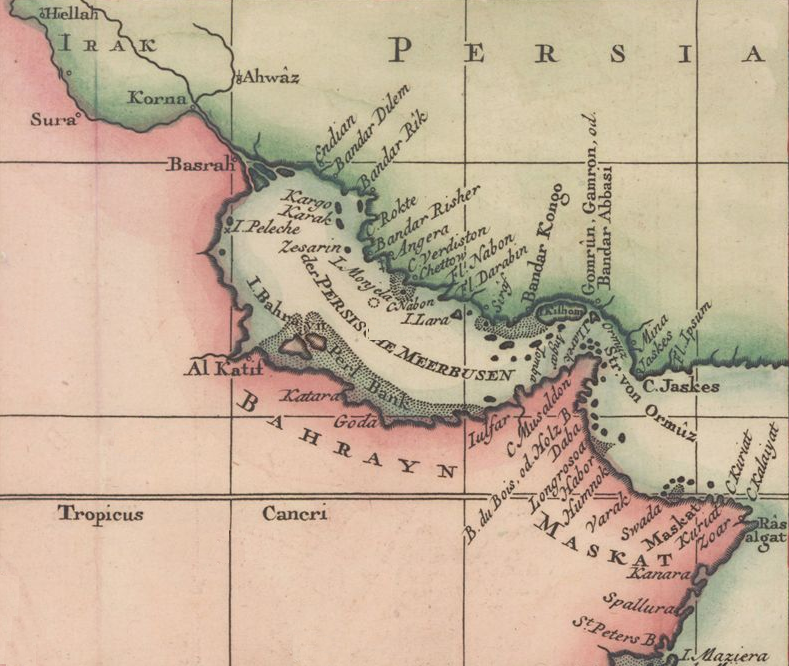
For millennia Bahrain was celebrated above all for its pearls, and the pearl-diving industry sustained the islands until the twentieth century. Under British protection for much of the modern era, Bahrain discovered oil in 1932, the first on the Arabian side of the Gulf, and became fully independent in 1971, by then already transforming into a modern state.
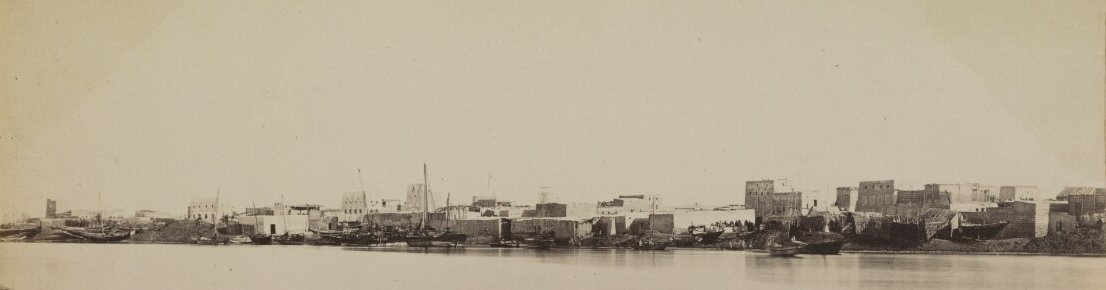
Bahrain is a small, low-lying, and largely flat archipelago of one main island and many smaller ones, set in the warm, shallow waters of the Persian Gulf. The land is mostly desert, with a hot climate and very little fresh water, though freshwater springs, including some that rise offshore beneath the sea, supported life and the famous pearl oysters in ancient times. Land reclamation has expanded the islands, and a causeway links Bahrain to the Arabian mainland.
Bahrain is a constitutional monarchy ruled by the Al Khalifa family. The head of state is the king, a title adopted in 2002 when the country declared itself a kingdom, and the ruling family holds decisive power, appointing the government and much of the legislature alongside an elected chamber. As of 2026 the king is Hamad bin Isa Al Khalifa, who has led the country since 1999, with his son the crown prince serving as prime minister. The relationship between the Sunni ruling family and the country's Shia majority is the central and sensitive fault line in its politics.
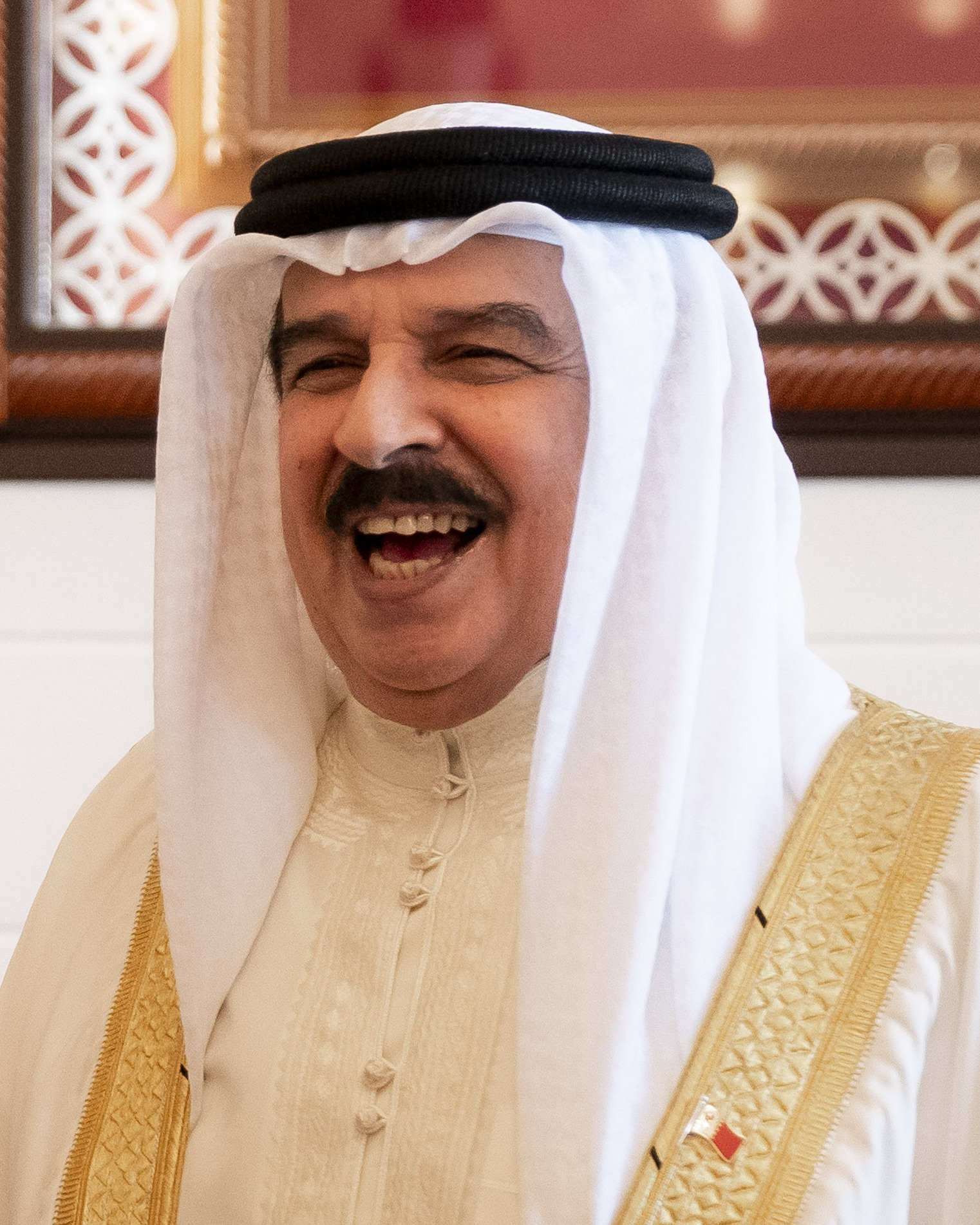
Bahrain was the first place on the Arabian side of the Gulf to strike oil, which brought early wealth, but its reserves are small by regional standards and it saw sooner than most that it would need to diversify. It reinvented itself as a regional centre for banking and finance, and it also has aluminium production, tourism, and a busy services economy. Its relative openness and lower costs long made it a base for business serving the wider Gulf, though it leans on the support of its wealthier neighbours.

The flag of Bahrain is red, the traditional colour of the region, with a white band along the hoist separated from the red by a zigzag line of five white triangles. The five points of the serrated edge represent the five pillars of Islam, the core duties of the faith. The simple red-and-white design, similar to those of neighbouring Gulf states, has long been associated with Bahrain and its ruling family.
Bahrain is a Muslim country, and Islam is the state religion, but it is unusual in the Gulf for the makeup and relative openness of its religious life. Its citizen population includes a Shia majority alongside the Sunni community to which the ruling family belongs, a division that has been a sensitive feature of its politics. Bahrain is also known for a degree of tolerance, hosting churches, a Hindu temple, and a small Jewish community among its large and varied population of foreign residents.
Bahraini cuisine is part of the wider Gulf Arab tradition, shaped by the sea and by trade across the Indian Ocean. The national dish is machboos, spiced rice cooked with meat or fish, often the fresh seafood for which the islands are known. Dates, eaten daily and offered to guests, fish, and flatbread are staples, and the food carries the flavours of Persian and South Asian influence brought by centuries of trade. Cardamom-scented coffee is central to hospitality.
Agriculture in Bahrain is very limited by the small size of the islands, the desert climate, and the scarcity of fresh water, and it has shrunk as the country has modernised. Date palms have long been the most important crop, watered by springs, along with some vegetables grown in irrigated plots. Historically, however, it was the sea rather than the land that sustained Bahrain, through fishing and above all the famous pearl-diving industry, before oil and finance reshaped the economy.
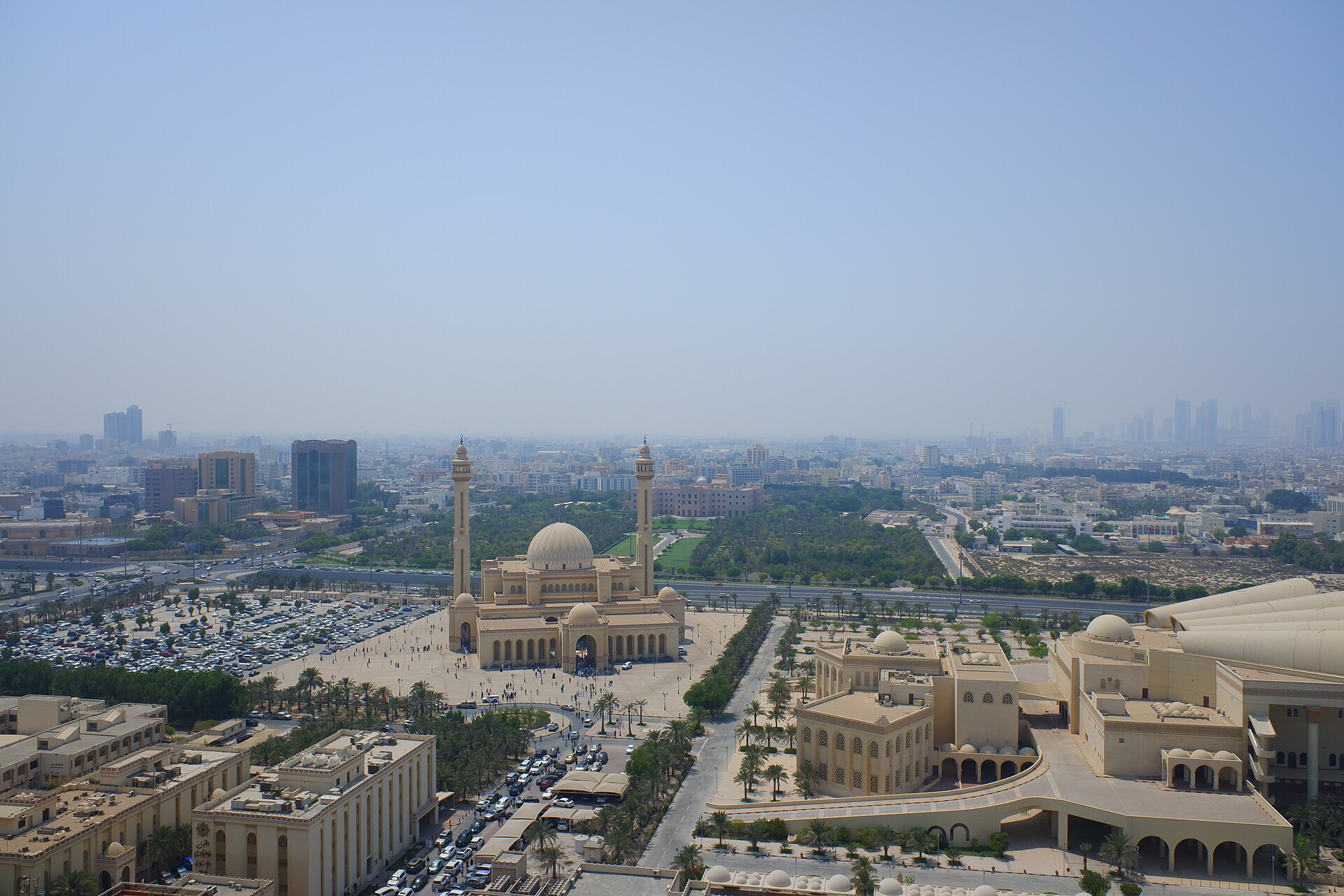
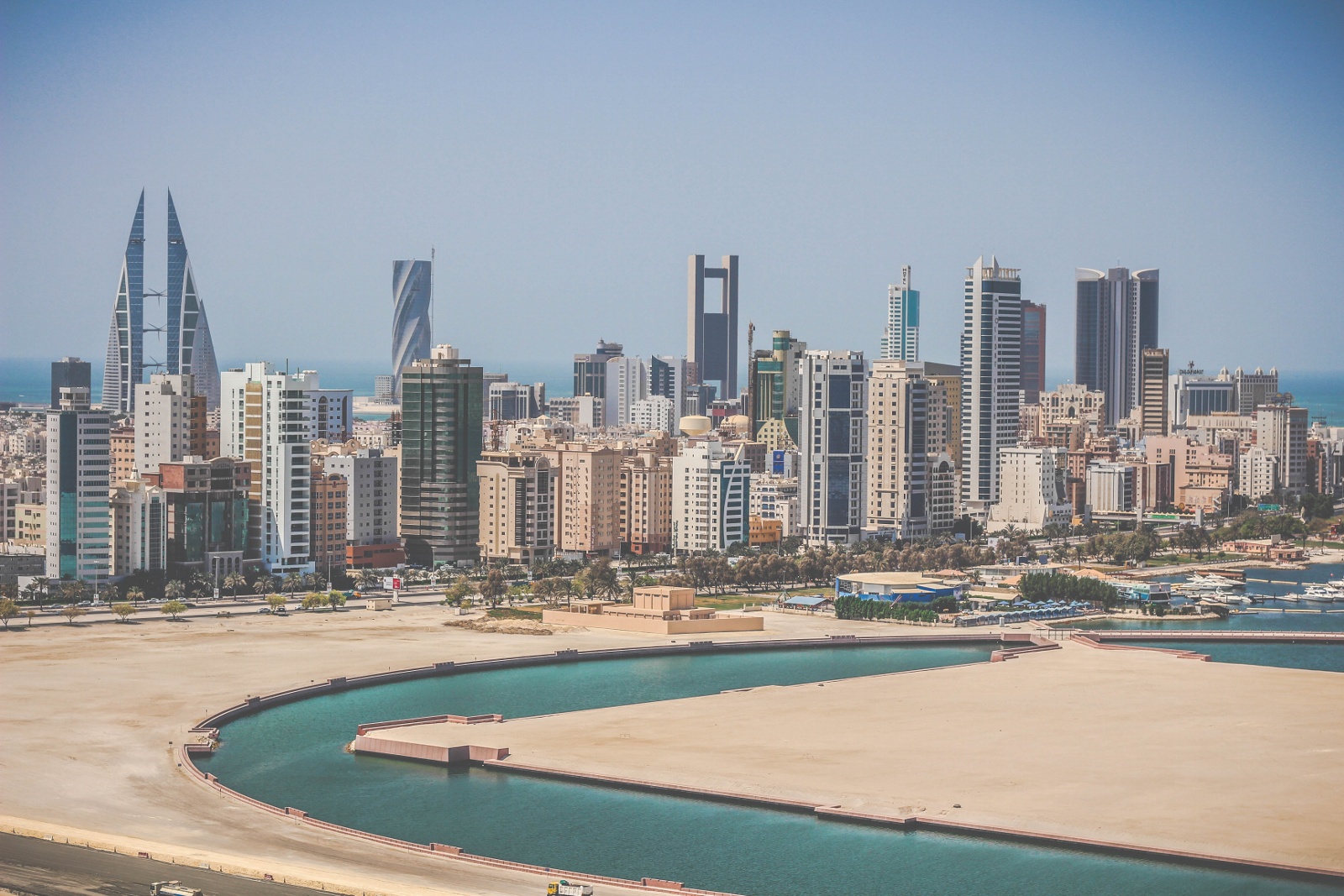
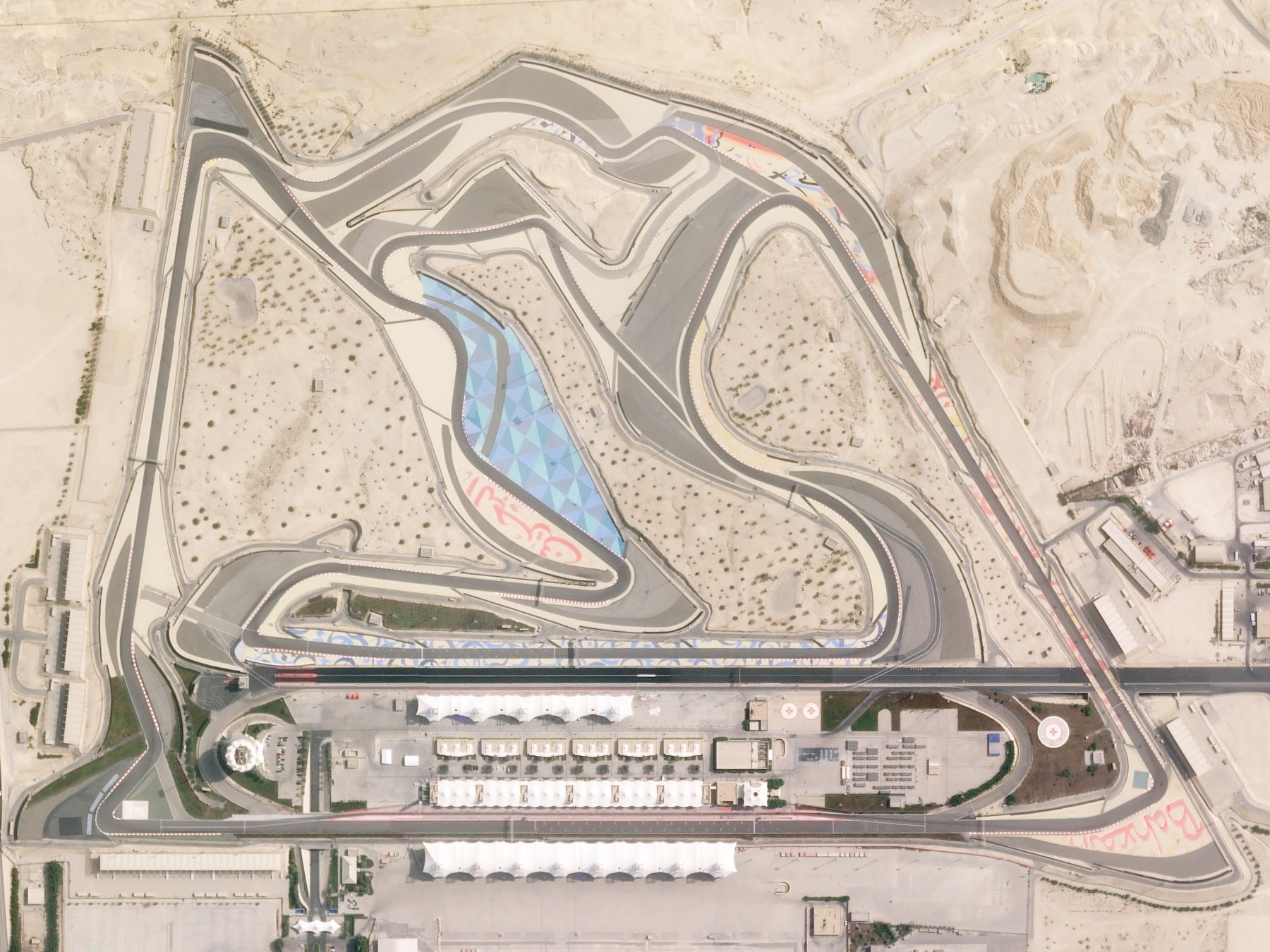
Bahrain has a reputation as one of the more cosmopolitan and easygoing societies in the Gulf, its long history as a trading crossroads leaving it open to outside influences and home to a diverse population. The islands sustain a lively cultural life, with a strong tradition of music and a busy arts scene, and Bahrain is well known internationally for hosting a round of the Formula One motor racing championship, the first held in the Arab world. Manama, the capital, mixes old markets and mosques with modern towers and reclaimed waterfronts.
Bahrain's central tension is the relationship between its Sunni ruling family and the country's Shia majority, which has periodically erupted into unrest. In 2011, during the wider upheaval of the Arab Spring, large protests demanding political reform were centred on the capital before being suppressed, with security forces backed by troops from neighbouring Gulf states. The events remain a defining and disputed episode: the government frames them as a threat to stability stirred from abroad, while critics point to demands for greater rights and representation. Questions of political reform, sectarian balance, and human rights continue to shape debate about the country.
Bahrain has a population of around 1.5 million people, of whom a large share are foreign workers drawn by the economy from South Asia, other Arab countries, and beyond. The citizen population is Arab and Muslim, divided between Shia and Sunni communities. The country is highly urban, with most people living in the capital, Manama, and the surrounding towns on the main island.