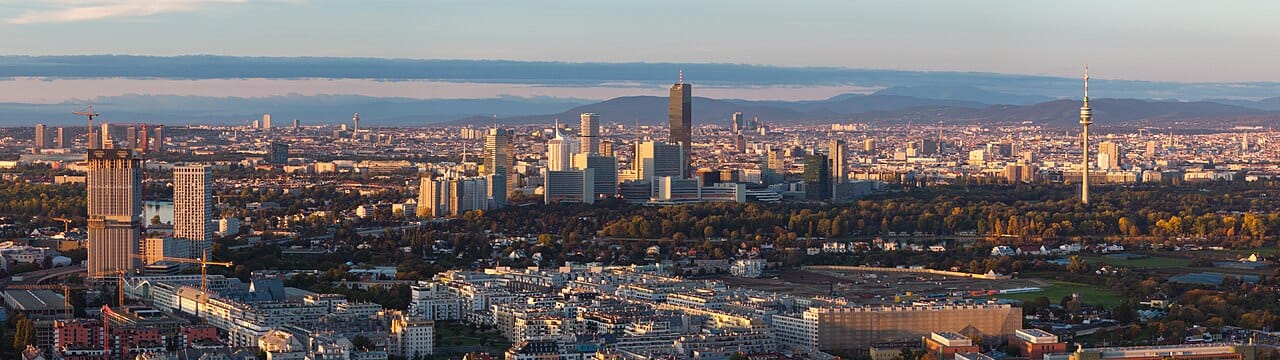
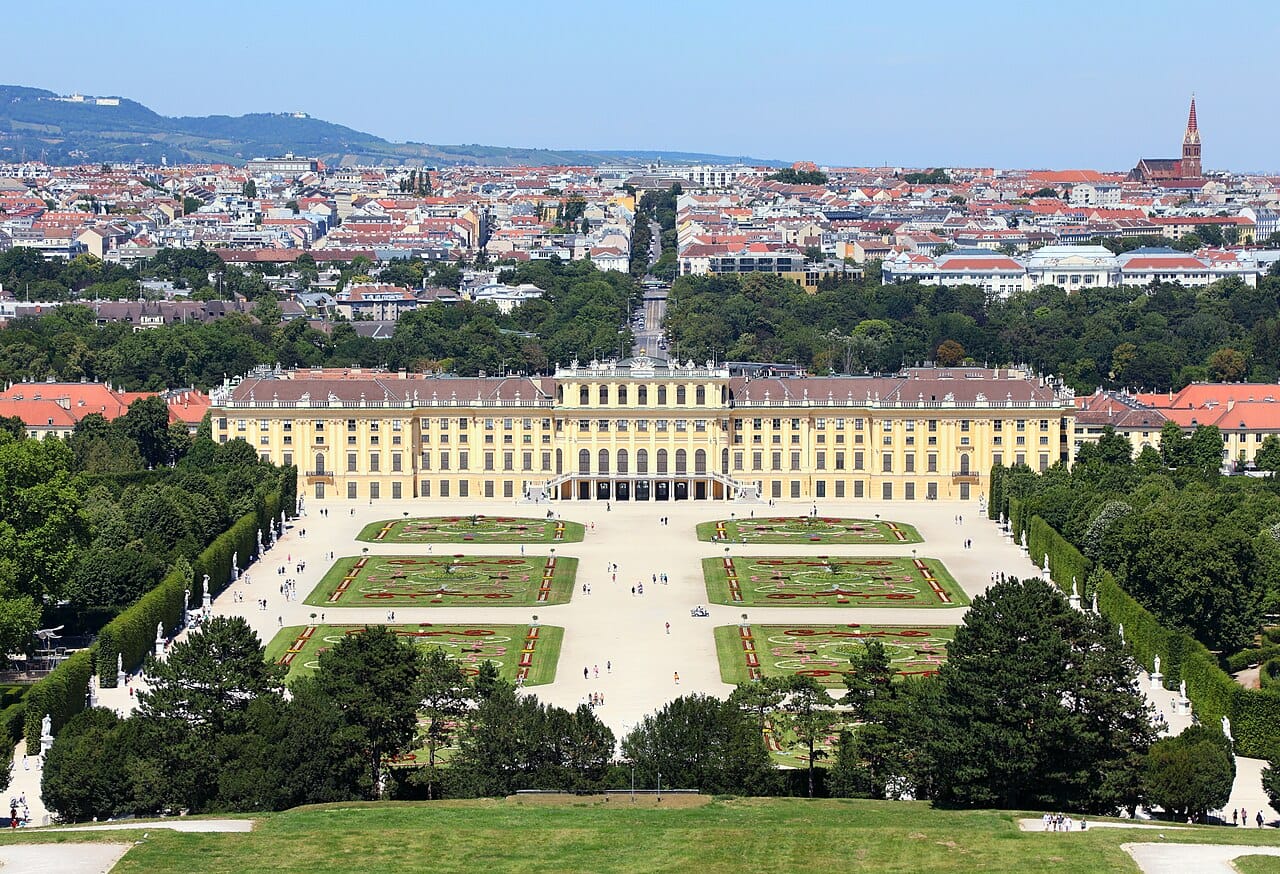
Austria is a landlocked, mountainous country in Central Europe, lying largely within the Alps. For centuries it was the centre of the mighty Habsburg dynasty, which ruled a vast multinational empire and made its capital, Vienna, one of the great cultural capitals of the world, above all a centre of classical music. Today a peaceful and prosperous republic, Austria carries an immense artistic and imperial heritage in a small Alpine land.
Austria's history is inseparable from the Habsburgs, the dynasty that ruled a vast European empire from Vienna, and from the fall of that empire into the traumas of the twentieth century.
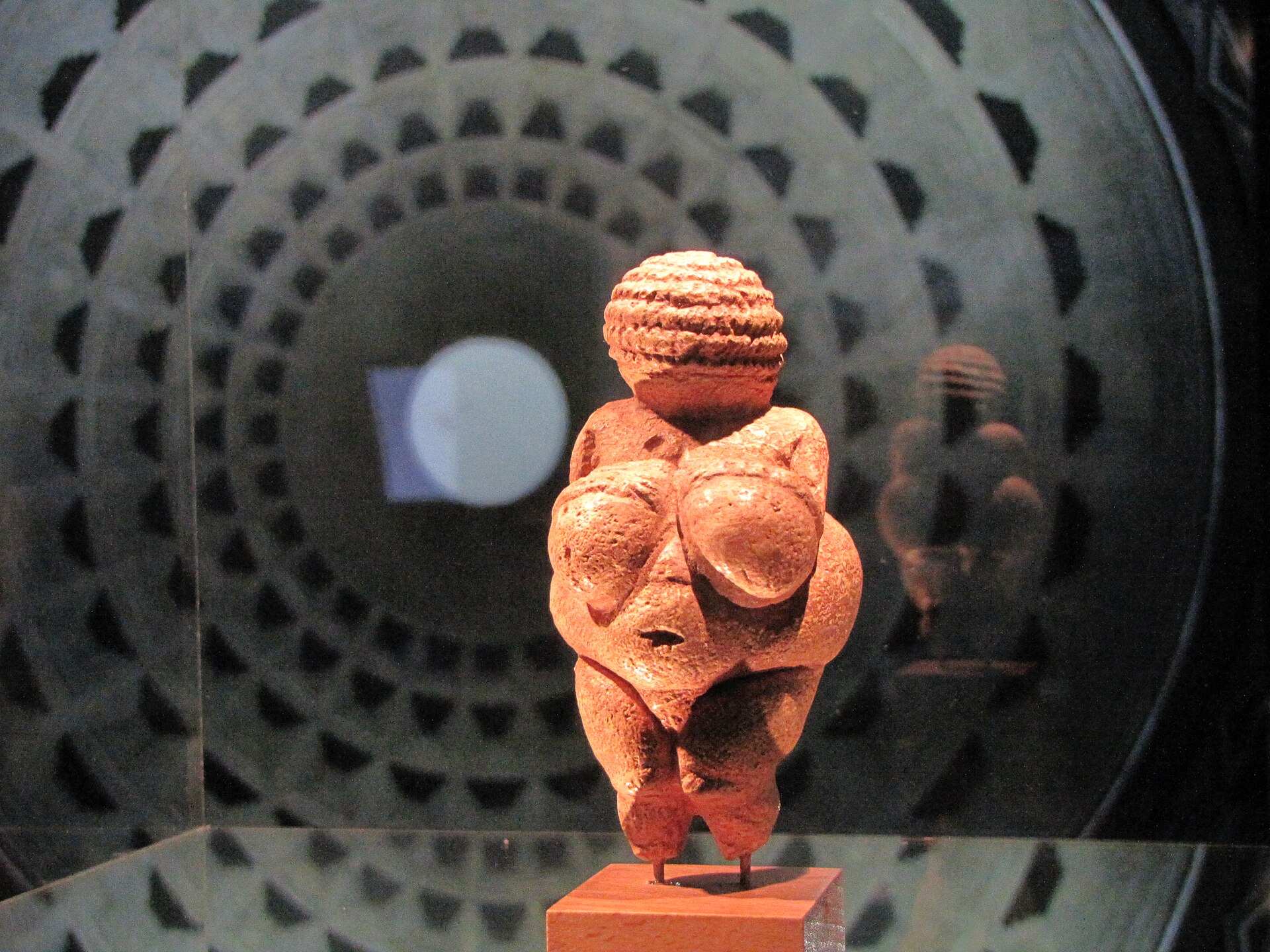
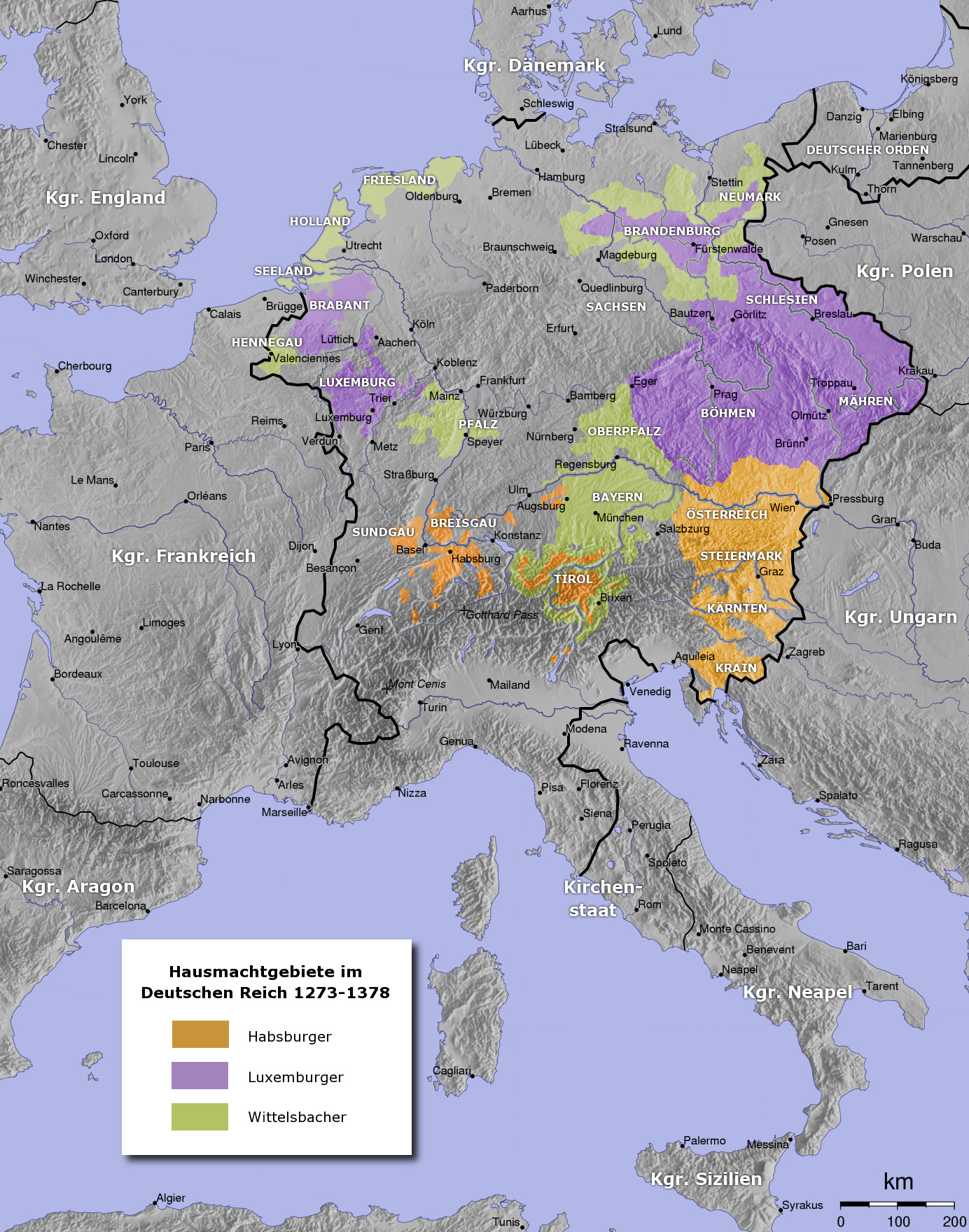
The Austrian lands were inhabited from deep antiquity, leaving treasures such as the tiny prehistoric Venus of Willendorf, and were later a Roman frontier province. In the Middle Ages the House of Habsburg established itself here and, through a genius for marriage and diplomacy, rose to rule a vast collection of lands across Europe, governing the Holy Roman Empire from Vienna.
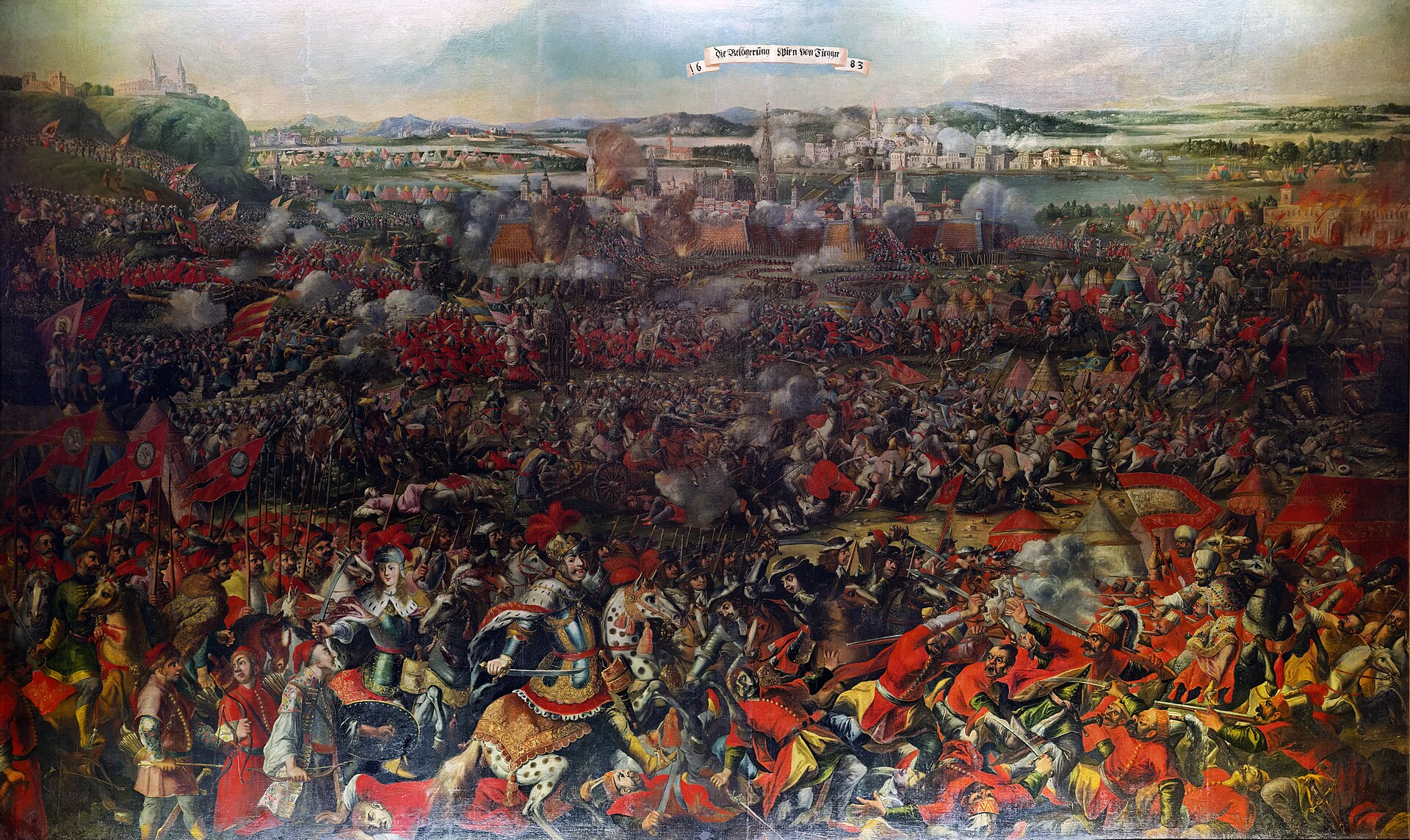
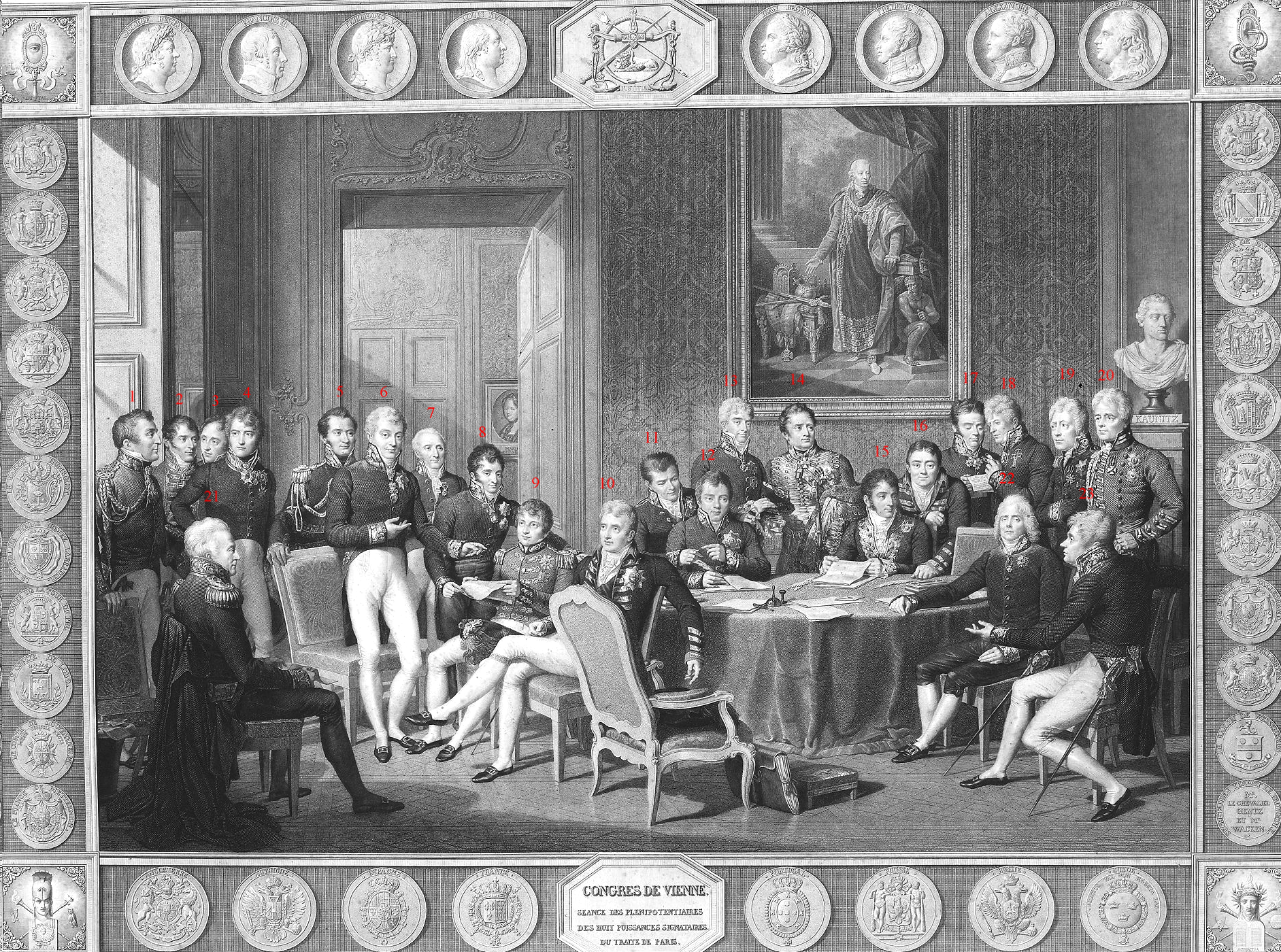
In 1683 Vienna withstood a massive siege by the Ottoman Empire, and the relief of the city turned back the last great Turkish advance into the heart of Europe. In the centuries that followed the Habsburg capital became one of the world's great cities, and after the fall of Napoleon it hosted the Congress of Vienna, which redrew the map of Europe. The nineteenth century saw the rise of the Austro-Hungarian Empire, a patchwork of many peoples, and a golden age of Viennese art and music.
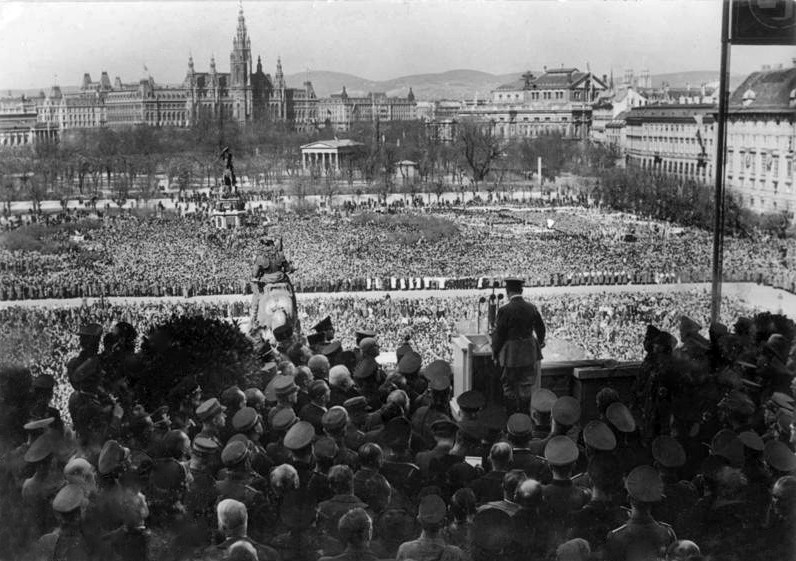
The assassination of the Austrian heir in 1914 helped ignite the First World War, and the defeat that followed shattered the empire, leaving a small German-speaking republic. In 1938 that republic was annexed by Adolf Hitler, himself Austrian-born, into Nazi Germany, an event greeted by cheering crowds in Vienna, before the catastrophe of the Second World War. Austria regained its independence in 1955 as a neutral state, and rebuilt itself into a peaceful and prosperous democracy.
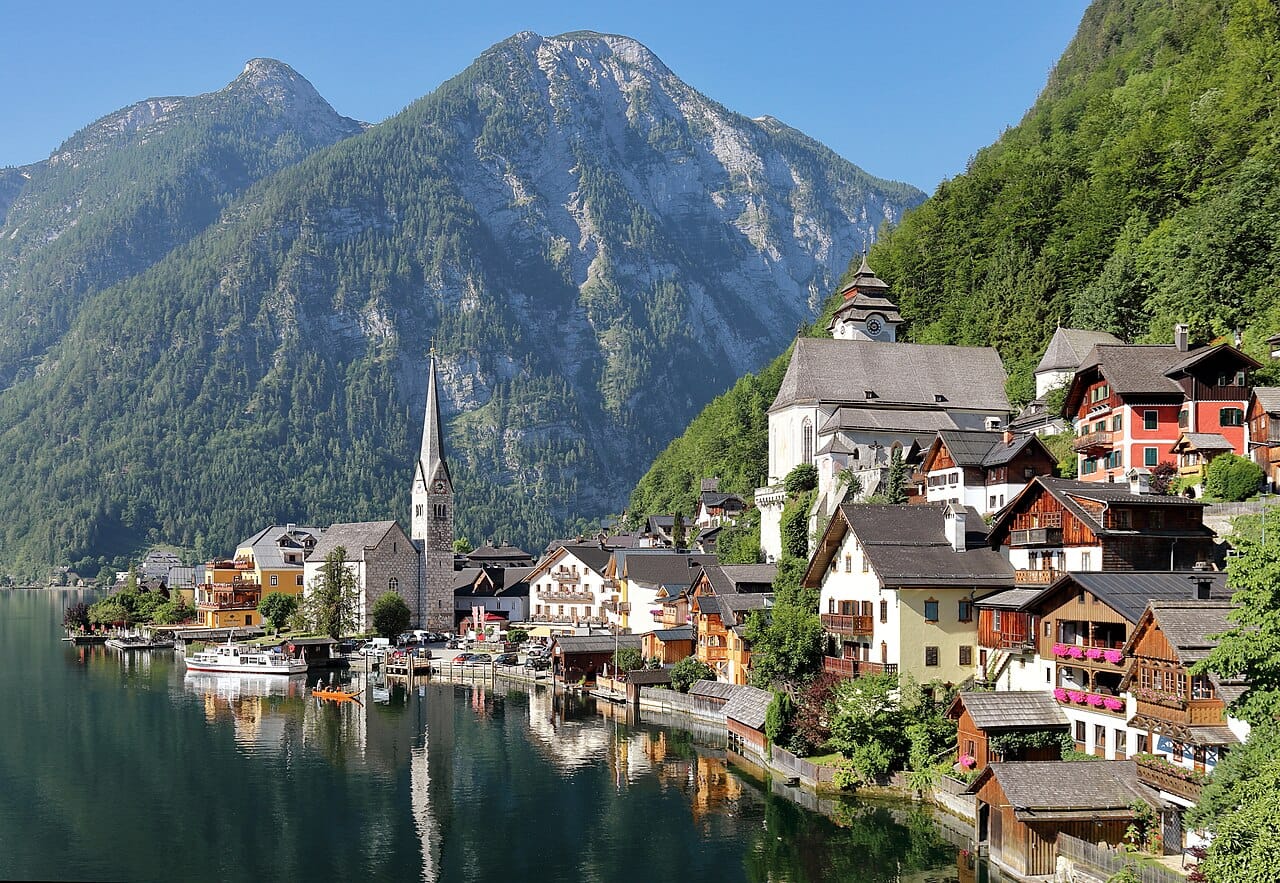
Austria is one of Europe's most mountainous countries, with the Alps covering much of its territory, their snow-capped peaks, glaciers, and green valleys drawing visitors and skiers from around the world. The lower, flatter east, around Vienna and the Danube, holds most of the population and the best farmland. The great river Danube flows through the country from west to east, and the dramatic Alpine scenery is central to Austria's identity, tourism, and way of life.
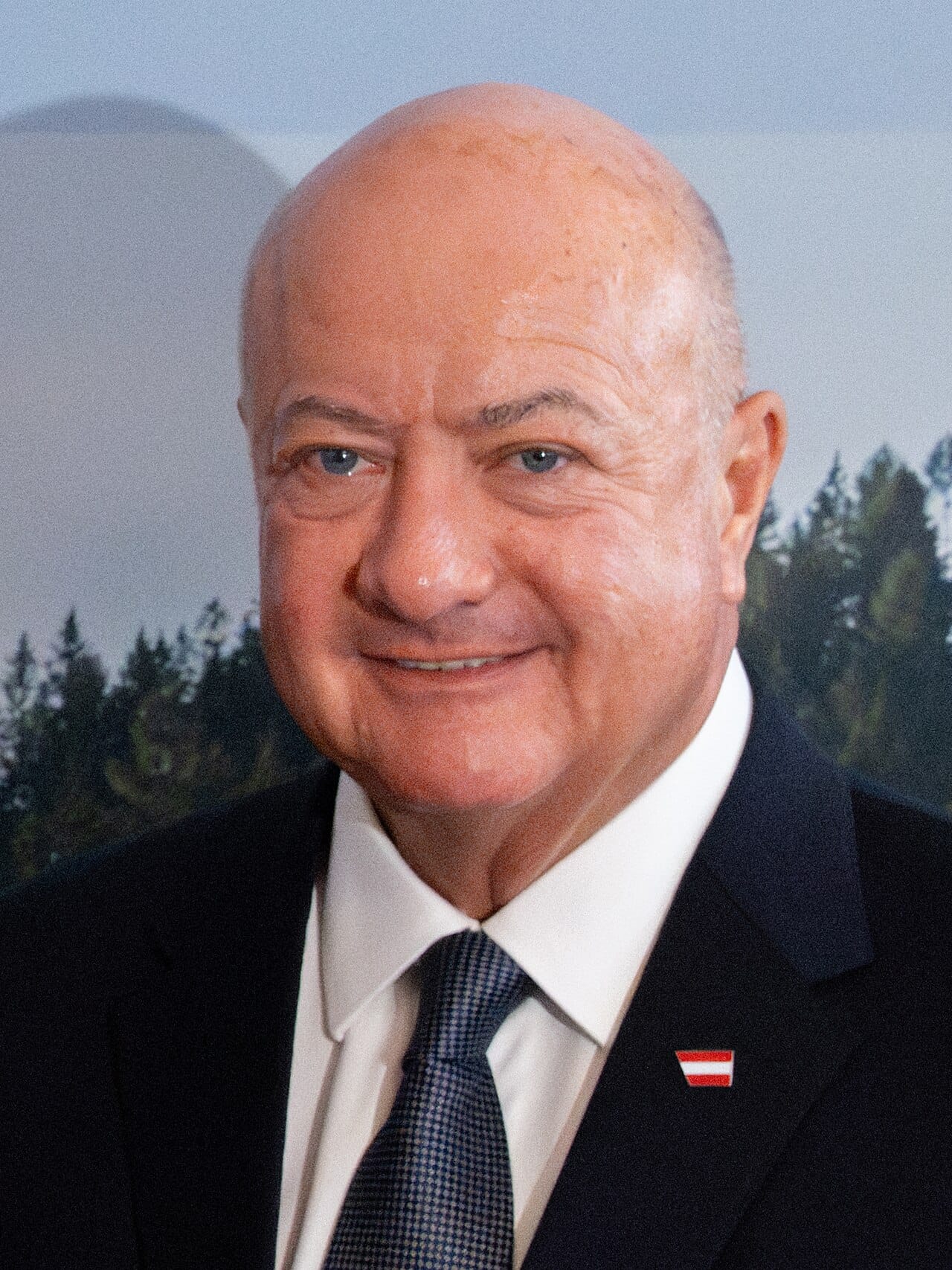
Austria is a federal parliamentary republic, made up of nine states and governed under a constitution that has made it, since 1955, a permanently neutral country, though it joined the European Union in 1995. A directly elected president is head of state, while the chancellor leads the government; the chancellor since 2025 is Christian Stocker, who heads a coalition of centrist parties. Austrian politics has been reshaped in recent years by the rise of the far-right Freedom Party, which for the first time in the post-war era topped a national election in 2024, though the other parties combined to keep it from the chancellorship, a sign of the tensions running through the country's public life.
Austria is a wealthy, highly developed country with one of the higher standards of living in Europe. Its economy combines advanced industry, in machinery, metals, vehicles, and chemicals, with a large and lucrative tourism sector: the Alps draw skiers in winter and hikers in summer, and the cultural riches of Vienna and Salzburg pull visitors year-round. Vienna itself is regularly ranked among the most liveable cities in the world. Well placed at the crossroads of central Europe and closely tied to the German economy, Austria enjoys the prosperity, strong public services, and social partnership typical of the region.
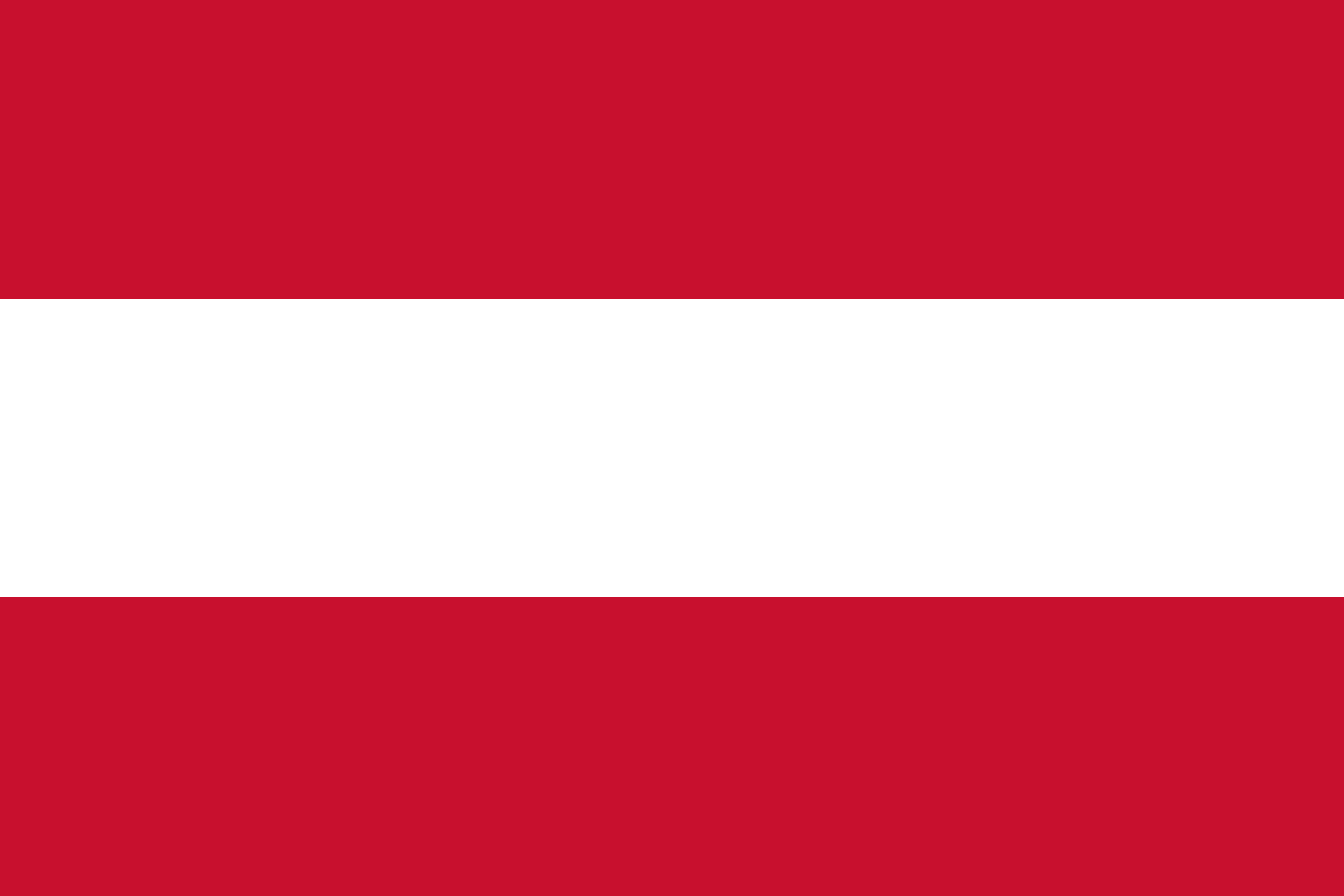
The flag of Austria has three horizontal bands of red, white, and red. It is one of the oldest national flags in the world, with a tradition reaching back to the medieval era. A famous legend ties it to a duke whose white battle tunic was stained red with blood except for the band beneath his belt, leaving a red-white-red pattern, though the design's true origins lie in heraldry. The simple, striking flag has long represented the Austrian lands.
Austria has long been a strongly Roman Catholic country, a faith central to the Habsburg monarchy and deeply woven into the nation's culture, architecture, and festivals, leaving magnificent baroque churches and abbeys across the land. As in much of western Europe, religious practice has declined in recent decades and the country has become more secular, though a majority still identify as Catholic. Immigration has also brought growing communities of other faiths.
Austrian cuisine, refined in the kitchens of imperial Vienna, is hearty and famous for its pastries and desserts. The signature dish is Wiener schnitzel, a thin, breaded and fried veal cutlet, while the country's sweet creations, including the rich chocolate Sachertorte and apple strudel, are celebrated around the world. Vienna's historic coffee houses, where coffee is served with cake and conversation, are a cherished cultural institution recognised for their heritage.
Austrian agriculture is shaped by the mountainous terrain, with dairy and livestock farming dominating the Alpine regions, where cattle graze high summer pastures. The flatter, warmer east supports arable farming of grains and the growing of grapes for the country's respected wines, especially crisp whites. Austria has been a leader in organic farming, with a notably high share of its farmland cultivated organically, reflecting a strong emphasis on quality and environmental care.
Austria's cultural legacy is immense, above all in music. Vienna was for two centuries the capital of Western classical music, home to Mozart, Haydn, Schubert, Brahms, and Mahler, the adopted city of Beethoven, and the birthplace of the waltz under the Strauss family, a heritage still celebrated in the Vienna Philharmonic's New Year concert broadcast around the world. The city was also the cradle of modern thought and art, the Vienna of Sigmund Freud and psychoanalysis, of the painter Gustav Klimt, and of its beloved coffee houses. Beyond the capital, Salzburg gave the world Mozart and the setting of The Sound of Music, and the Alpine regions keep strong traditions of dress, festival, and craft. This blend of imperial grandeur and Alpine folk culture gives Austria a character all its own.
Austria has long wrestled with how to remember its role in the twentieth century's darkest chapter. For decades after 1945 the country embraced the idea that it had been Hitler's first victim, an occupied nation rather than a willing participant, a comforting story complicated by the fact that Hitler was Austrian and that the crowds of 1938 welcomed the annexation with enthusiasm. Only from the 1980s did Austria more honestly confront the extent of its own people's involvement in Nazism. That unresolved reckoning gives a particular edge to the present-day rise of the far-right Freedom Party, a party with roots reaching back to former Nazis, which has become the strongest political force in the land on a platform of hostility to immigration. How Austria should remember its past, and how it should respond to the resurgence of the nationalist right, are questions that stir deep and continuing debate.
Austria has a population of around nine million people, overwhelmingly German-speaking, with a strong regional identity distinct from that of neighbouring Germany. The population is concentrated in the lower-lying east, above all in and around Vienna, the capital, which alone holds a large share of the nation's people and remains a centre of culture, music, and international diplomacy. Immigration in recent decades has made Austrian society more diverse.