Australia is both a country and a continent, the only nation to occupy an entire continent of its own, lying between the Indian and Pacific Oceans in the Southern Hemisphere. The sixth largest country in the world by area, it is also one of the most sparsely populated, with a dry interior known as the Outback surrounding fertile coastal fringes where almost everyone lives. Its long isolation produced unique wildlife found nowhere else, such as the kangaroo and koala.
Australia holds the oldest continuous living cultures on Earth, overlaid in the last few centuries by British settlement and the making of a modern federated nation.
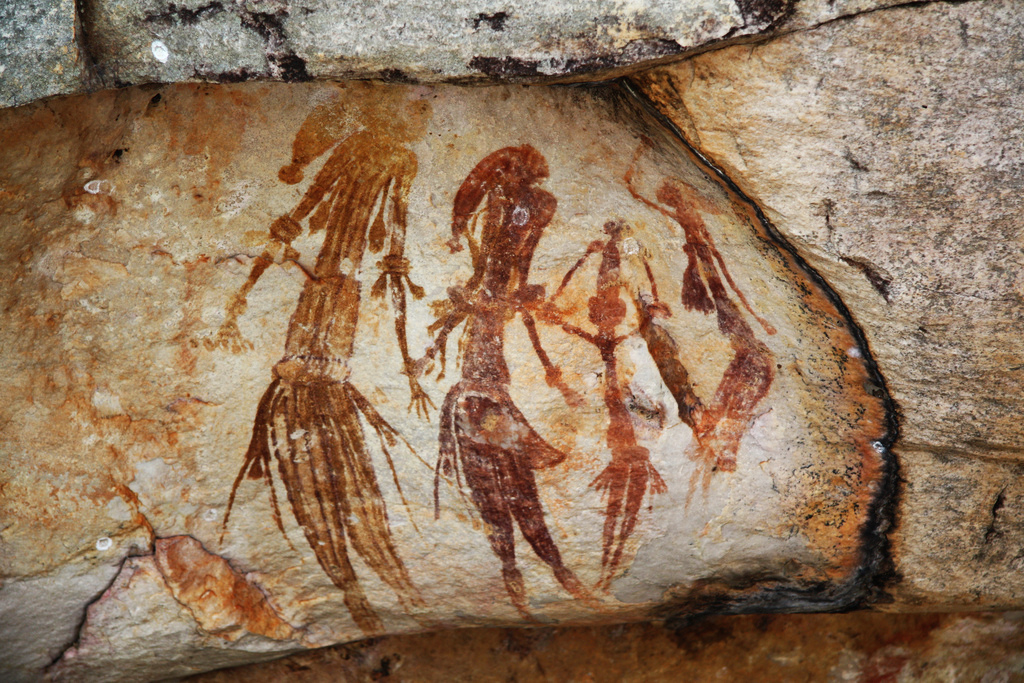
Aboriginal and Torres Strait Islander peoples have lived on the continent for at least sixty thousand years, developing rich spiritual traditions, art, and law tied closely to the land. Their cultures endured in unbroken connection to country long before any outsiders arrived.
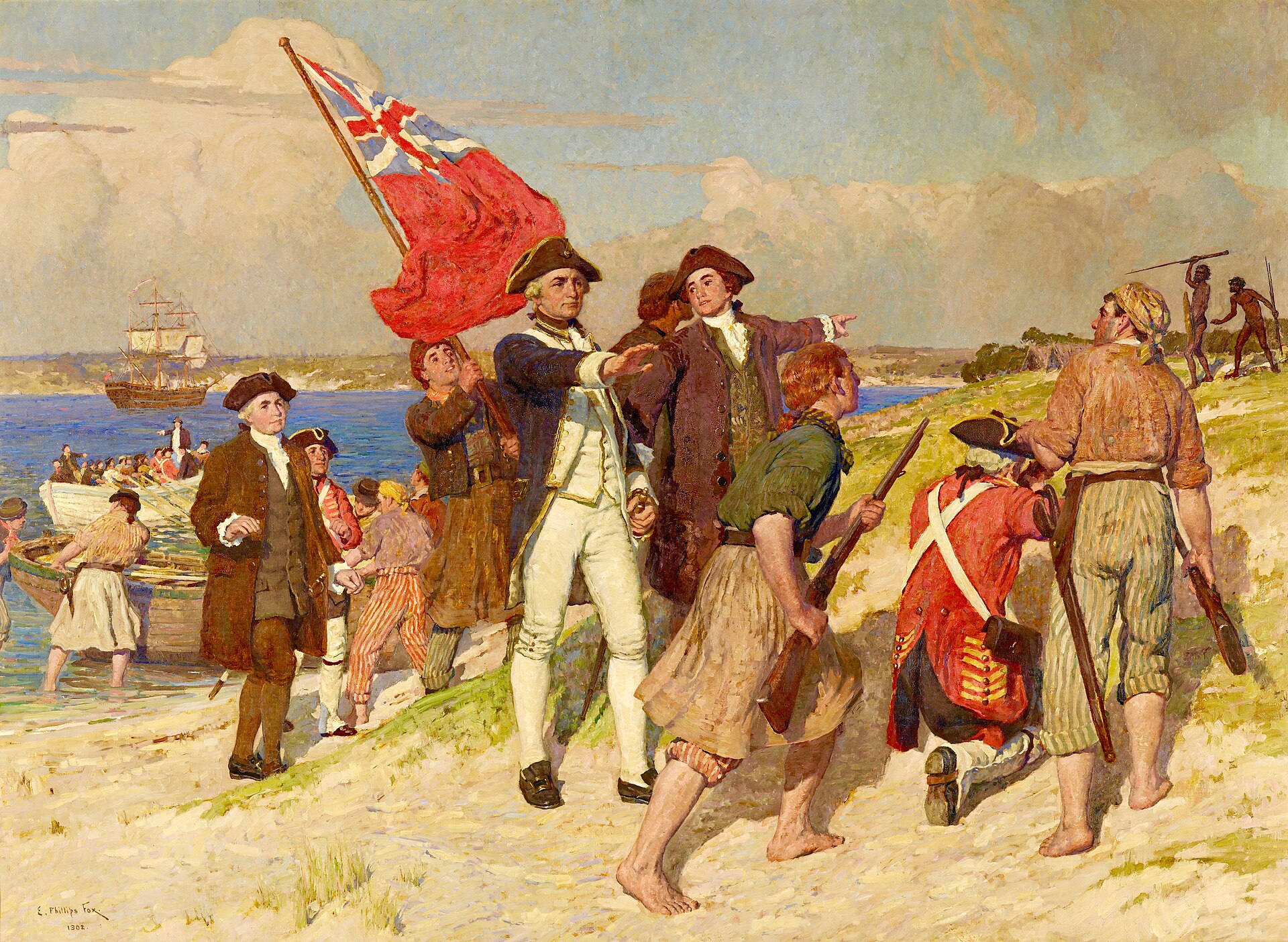
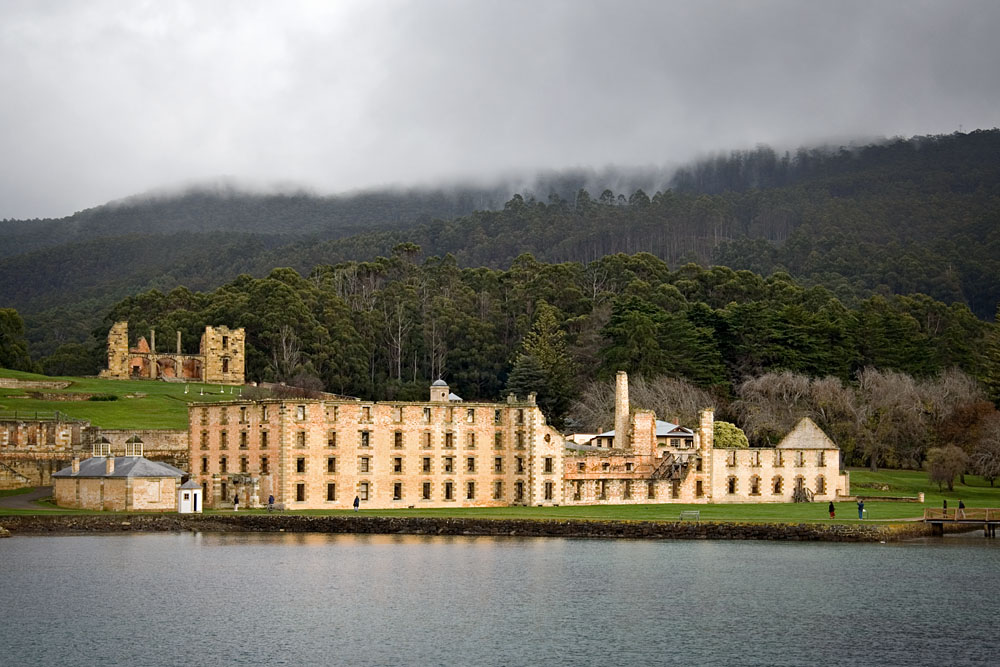
British ships under James Cook charted the eastern coast in 1770, and in 1788 Britain founded a penal colony at Sydney, shipping convicts to the far side of the world. Free settlers followed, and colonisation spread across the continent through the nineteenth century, with devastating consequences for Indigenous peoples through dispossession and disease.
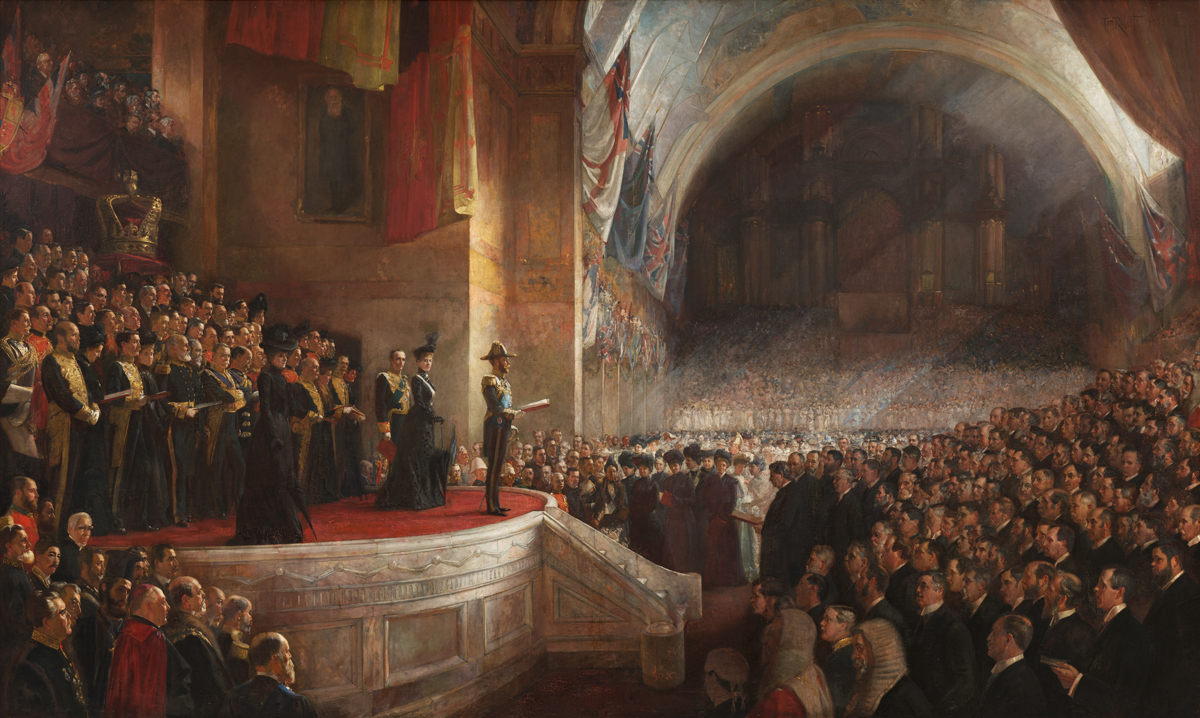
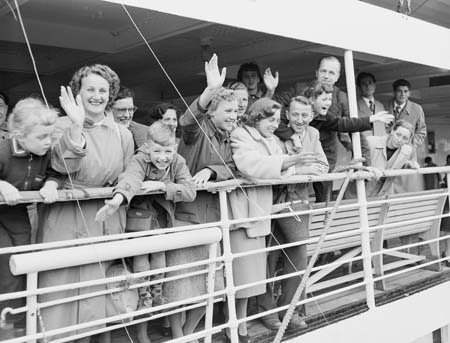
The separate British colonies federated into the Commonwealth of Australia in 1901, creating a self-governing nation while keeping ties to Britain. Waves of immigration, first from Europe and later from across Asia and the world, reshaped the country into one of the most multicultural societies on Earth.
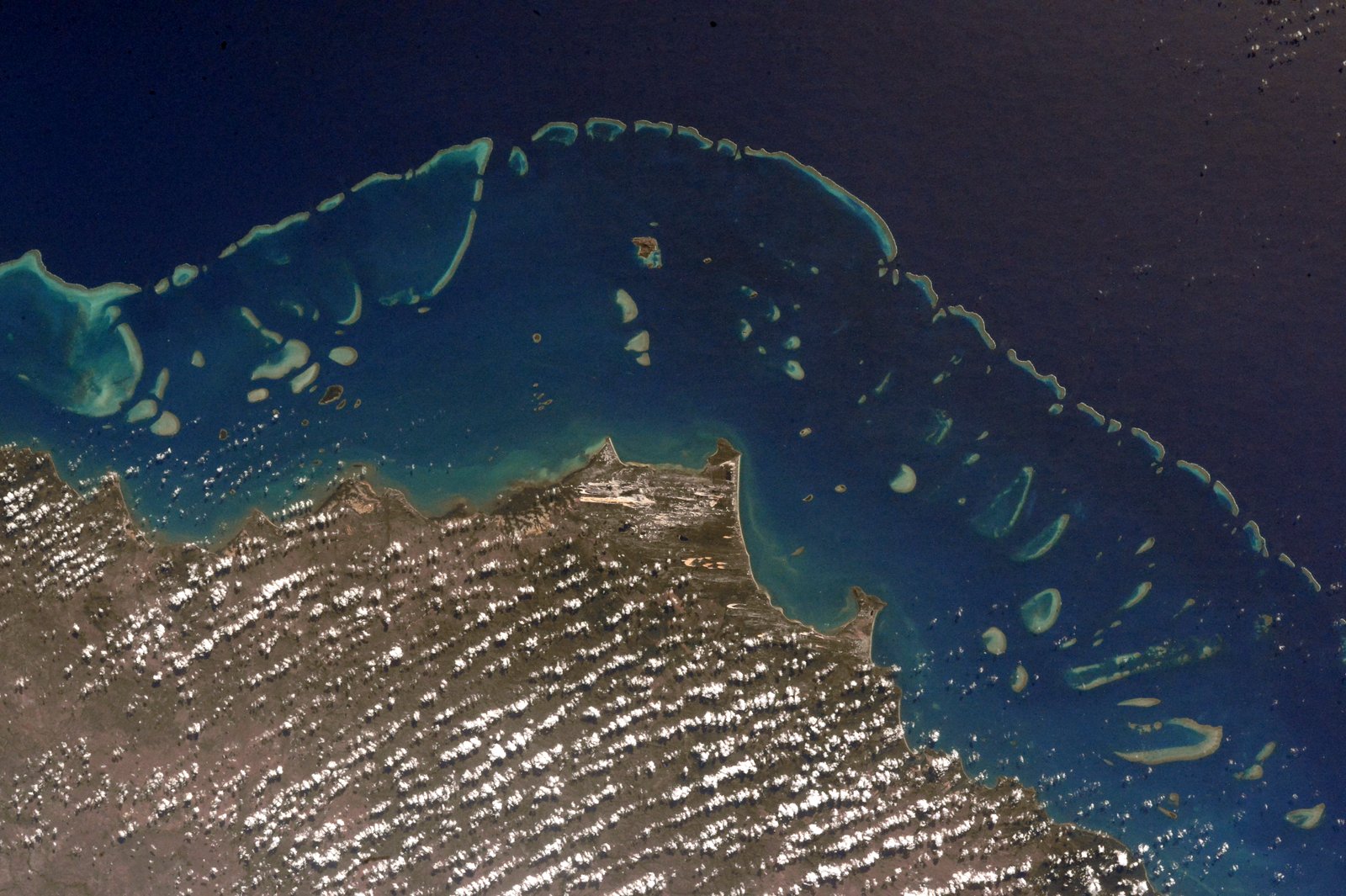
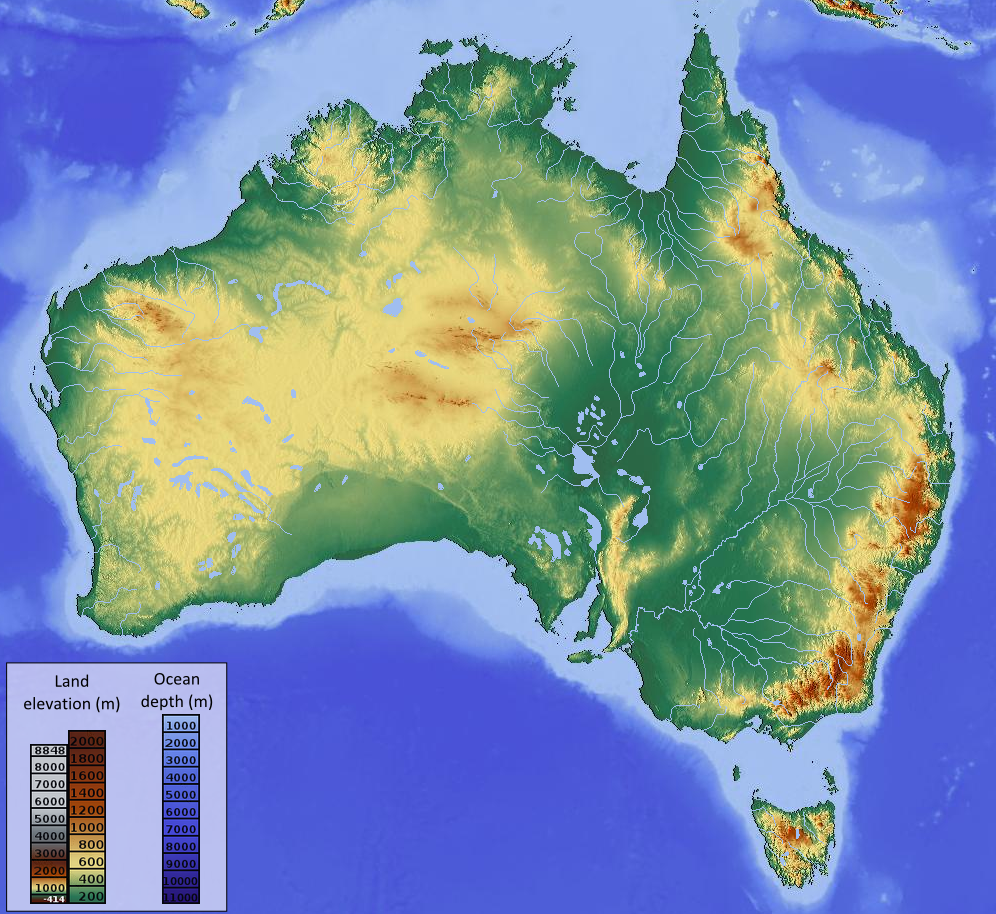
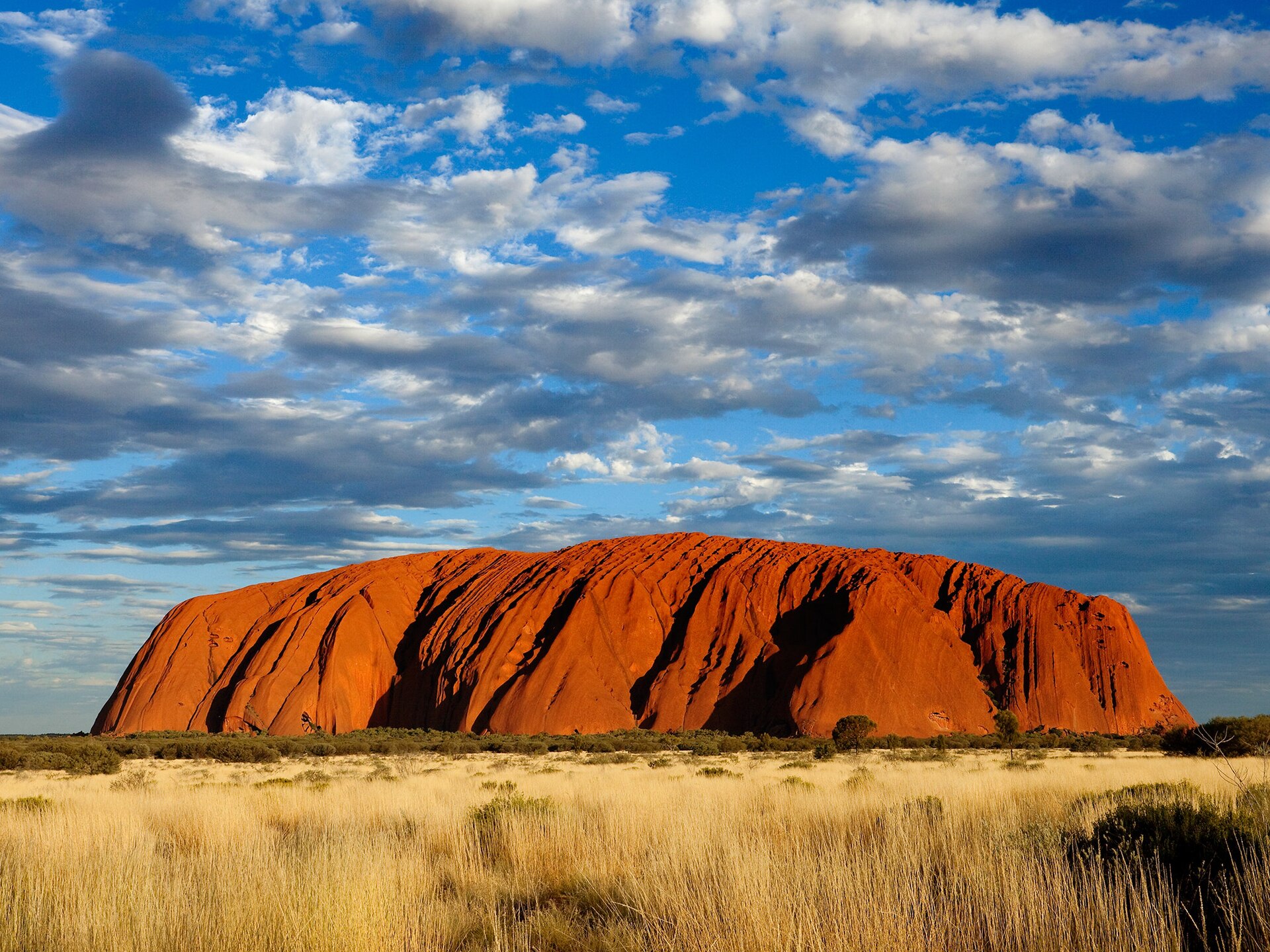
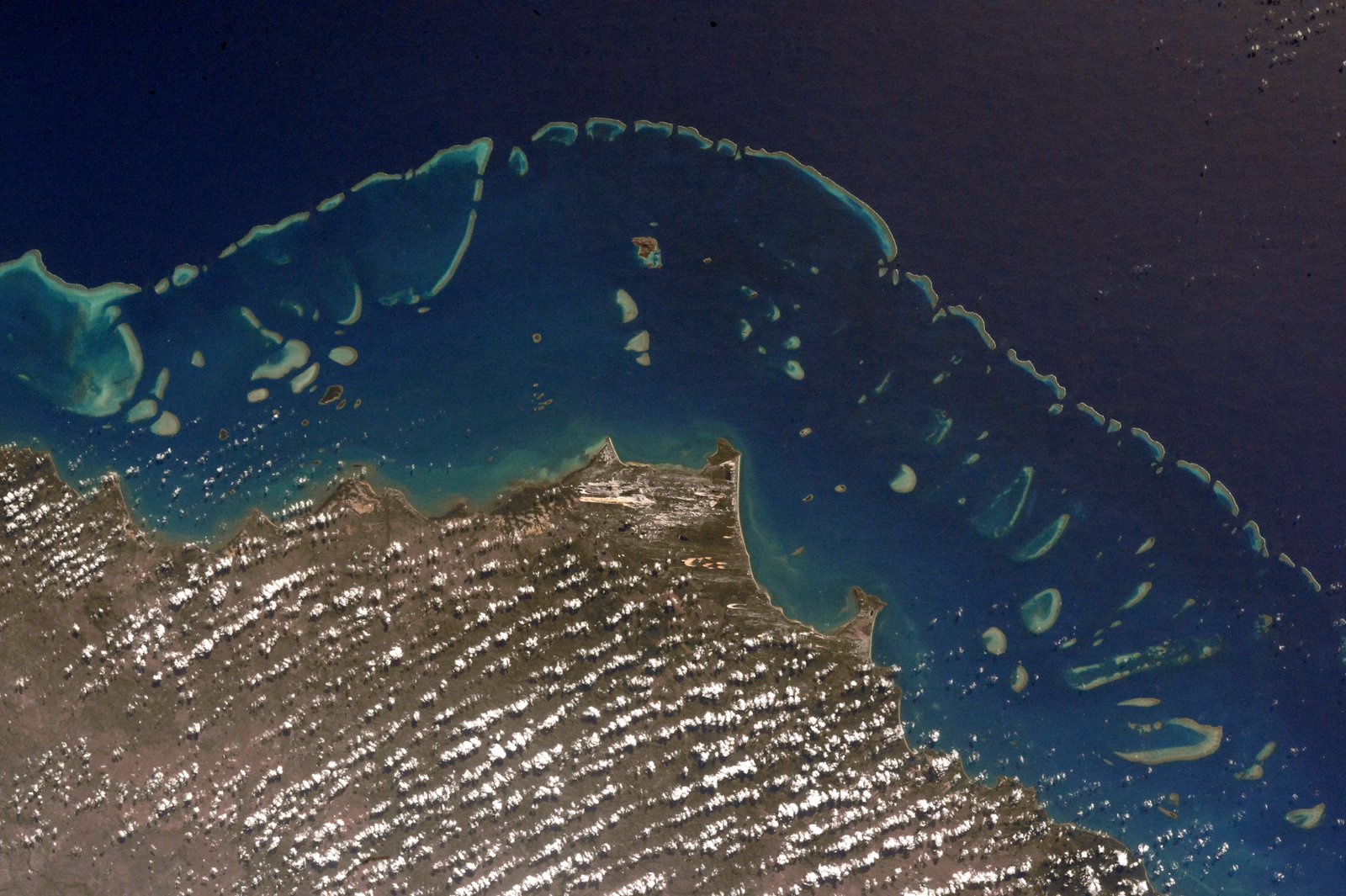
Australia is the flattest, driest inhabited continent, much of it taken up by the arid and semi-arid Outback, with the great monolith of Uluru rising from the central desert. Fertile land and almost all the population cling to the eastern and southern coasts. Off the northeast lies the Great Barrier Reef, the largest coral reef system in the world, visible from space and one of the planet's natural wonders. Isolation has made the continent a refuge for plants and animals found nowhere else.
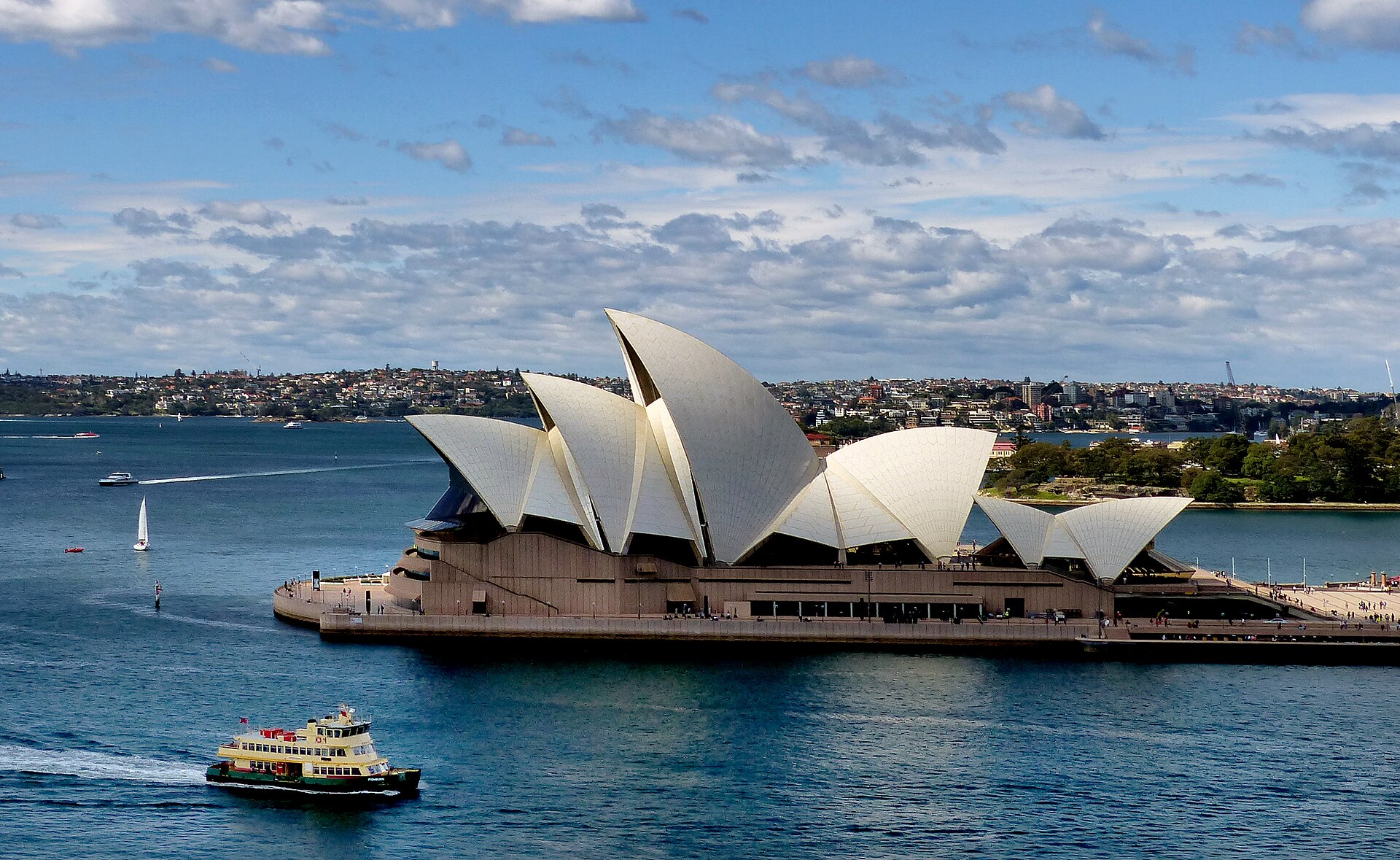
Australia is a federal parliamentary constitutional monarchy. It shares its head of state, the British monarch represented by a governor-general, with the United Kingdom and other Commonwealth realms, while real power rests with an elected parliament and a prime minister. Power is divided between the federal government in the purpose-built capital, Canberra, and six states. Voting is compulsory, a distinctive feature of Australian democracy.
Australia is a wealthy, developed economy built heavily on its natural resources: it is one of the world's largest exporters of iron ore, coal, and natural gas, much of it bound for Asia, alongside gold and farm goods. A large services sector, centred on cities such as Sydney and Melbourne, underpins high living standards. Decades of unbroken growth made Australia one of the most prosperous nations per person in the world.
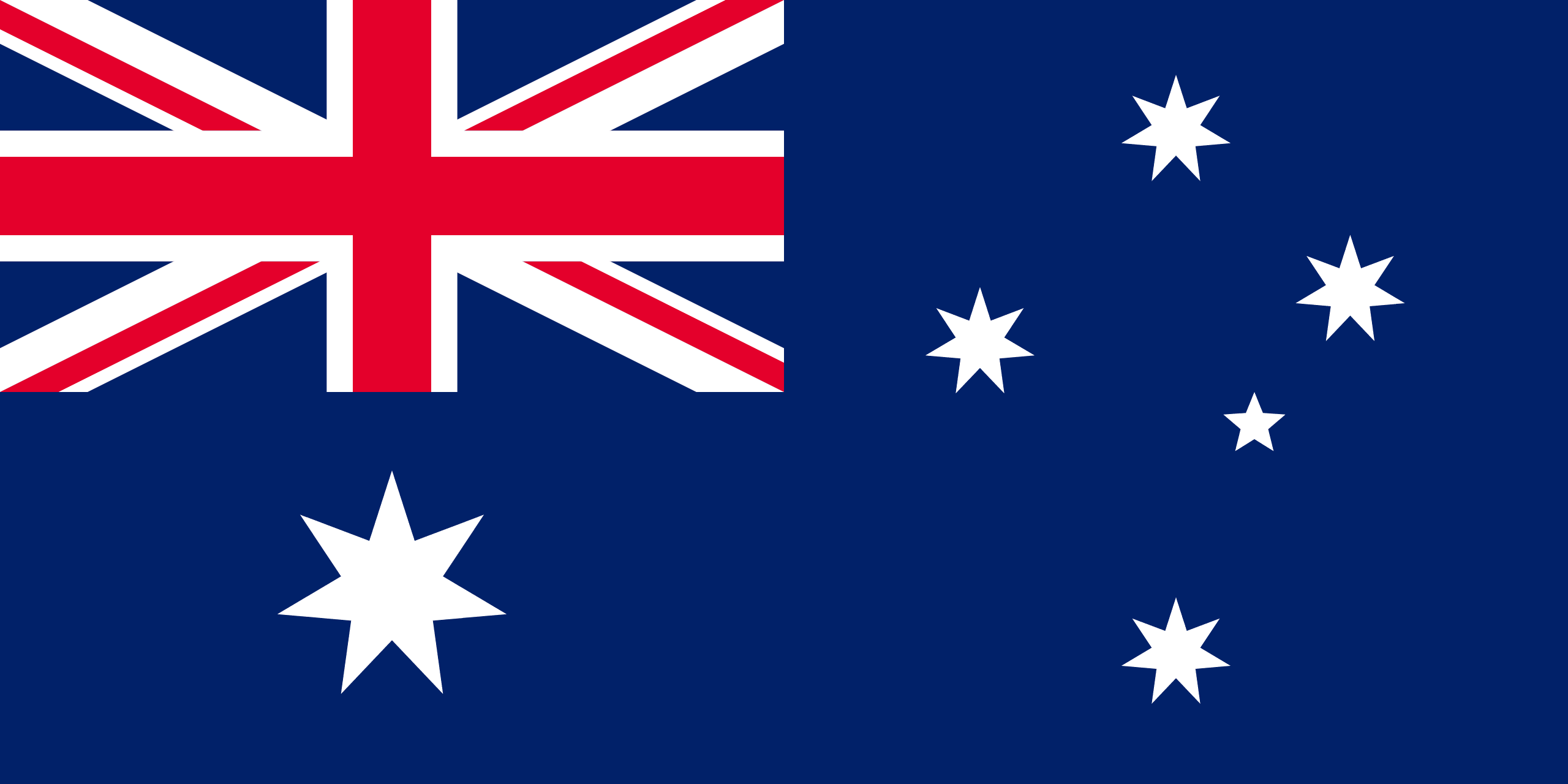
The Australian flag has a deep blue field with the British Union Jack in the upper corner, reflecting the country's history as a British settlement. Below it sits a large white seven-pointed star, the Commonwealth Star, representing the federation of the states and territories. On the right are the five white stars of the Southern Cross, a constellation visible across the southern sky and long used for navigation, tying the flag to Australia's place in the Southern Hemisphere.
Christianity has been the dominant religion since European settlement, divided mainly among Catholic and Protestant churches, but Australia today is highly secular, and a large and growing share of people report no religion at all. Decades of immigration have brought significant communities of Buddhists, Muslims, Hindus, and others. Older and deeper than all of these are the spiritual traditions of Aboriginal peoples, often described as the Dreaming, which connect law, land, and ancestry.
Australian food reflects the country's history and its waves of immigration. Older traditions centre on grilled and roasted meat, seafood, and the casual outdoor barbecue, a national social ritual. Comfort foods like the meat pie are widely loved, and the savoury spread Vegemite is a famous national curiosity. In recent decades large-scale migration from Europe, Asia, and the Middle East has transformed the food scene, making Australian cities centres of multicultural cooking, alongside growing interest in native bush foods.
Despite its dry interior, Australia is a major agricultural exporter, with farming spread across enormous landholdings. It is one of the world's leading producers of wool and a significant exporter of wheat, beef, lamb, dairy, sugar, and wine. The scale of properties in the Outback can be vast, with single cattle stations larger than some small countries. Because much of the land is arid and prone to drought, water management and the changing climate are constant concerns for Australian farmers.
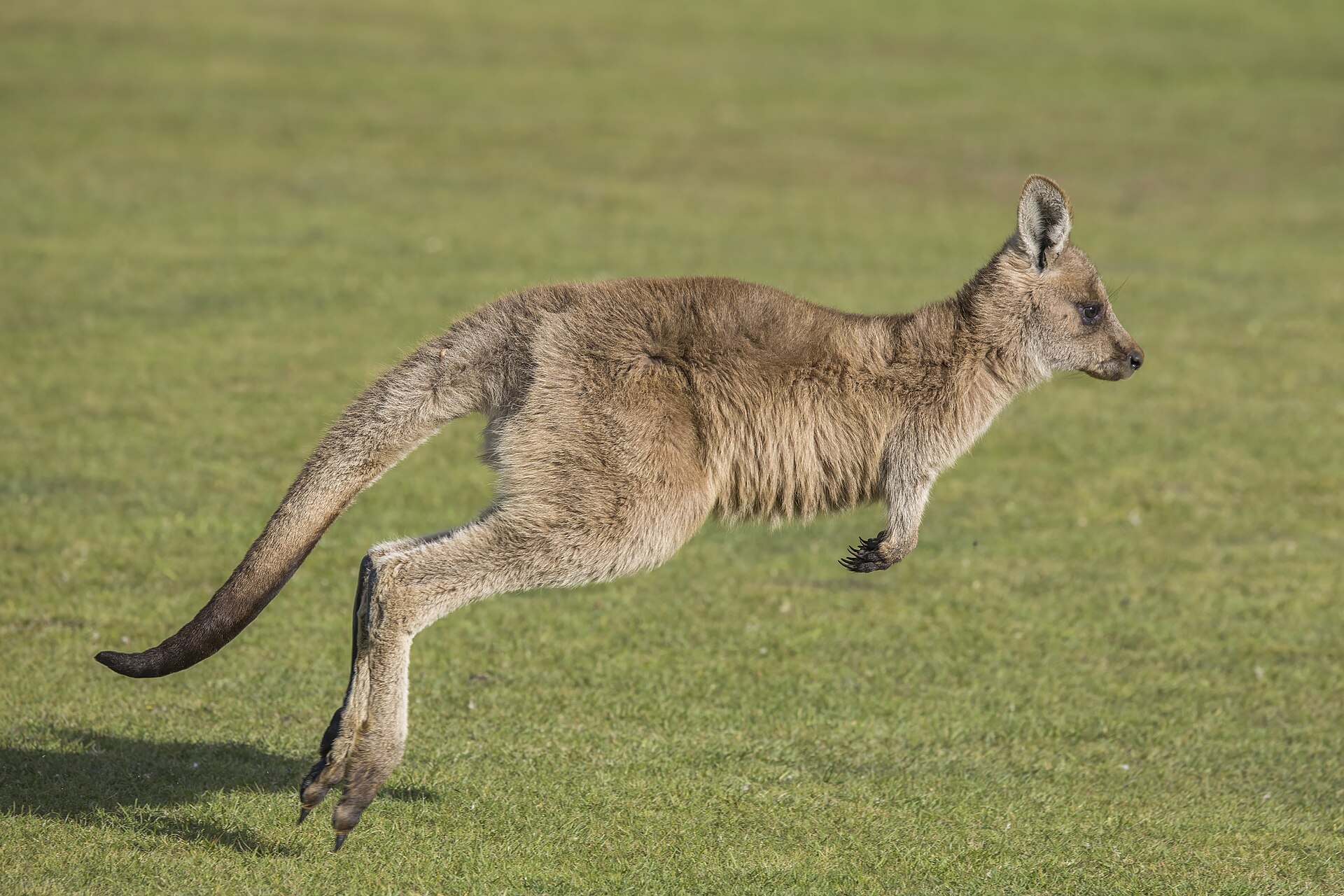
Tens of millions of years of isolation gave Australia a collection of wildlife found nowhere else on Earth. It is the land of marsupials, mammals that carry their young in a pouch, from the kangaroo and koala to the wombat, alongside oddities such as the egg-laying platypus. This unique natural heritage, much of it now under pressure from habitat loss and introduced species, is a defining part of the national identity.
Australia is working through several unresolved questions. Foremost is reconciliation with Aboriginal and Torres Strait Islander peoples: a 2023 referendum on recognising an Indigenous Voice to parliament was defeated, leaving the path forward contested. The country also debates whether to become a republic and cut its constitutional ties to the British crown, how to handle immigration and asylum seekers, and how a major fossil-fuel exporter should respond to climate change and worsening drought, fire, and floods.
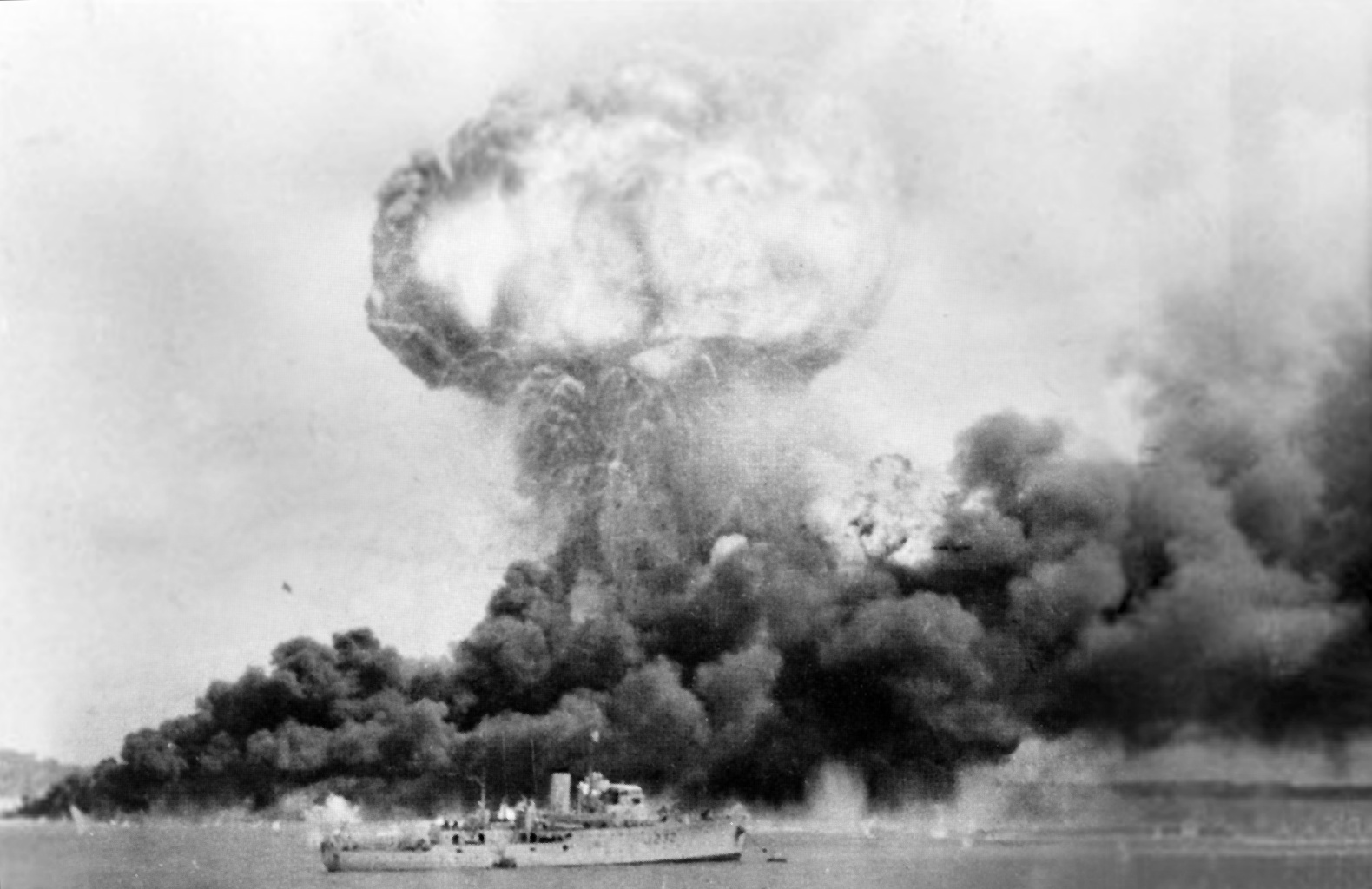
In the Second World War the country came under direct attack when Japanese aircraft bombed the northern city of Darwin in 1942, the first of many raids on Australian soil. The postwar decades brought waves of immigration that reshaped the nation, and recent governments have begun a long reckoning with the treatment of Aboriginal peoples.
Australia has a population of around 26 million people, remarkably small for so large a country, and one of the most urbanised societies in the world. The great majority live in a handful of coastal cities, chiefly Sydney and Melbourne, with the capital, Canberra, purpose-built as a compromise between them. Australia is a highly multicultural nation, with a large share of its people born overseas. Aboriginal and Torres Strait Islander peoples make up a small but culturally vital portion of the population.