Armenia is a landlocked country in the Caucasus, a rugged, mountainous land at the crossroads of Europe and Asia. One of the oldest nations in the world, it was the first state to adopt Christianity as its official religion, and it has preserved a unique language, alphabet, and culture through thousands of years at a turbulent frontier of empires. Watched over by the sacred peak of Mount Ararat, just across its closed border, Armenia carries a long history of achievement and of tragedy.
Armenia's history runs from the ancient kingdoms of the Armenian highlands, through the first nation ever to embrace Christianity, to long centuries caught between greater empires and a modern independence shadowed by loss.
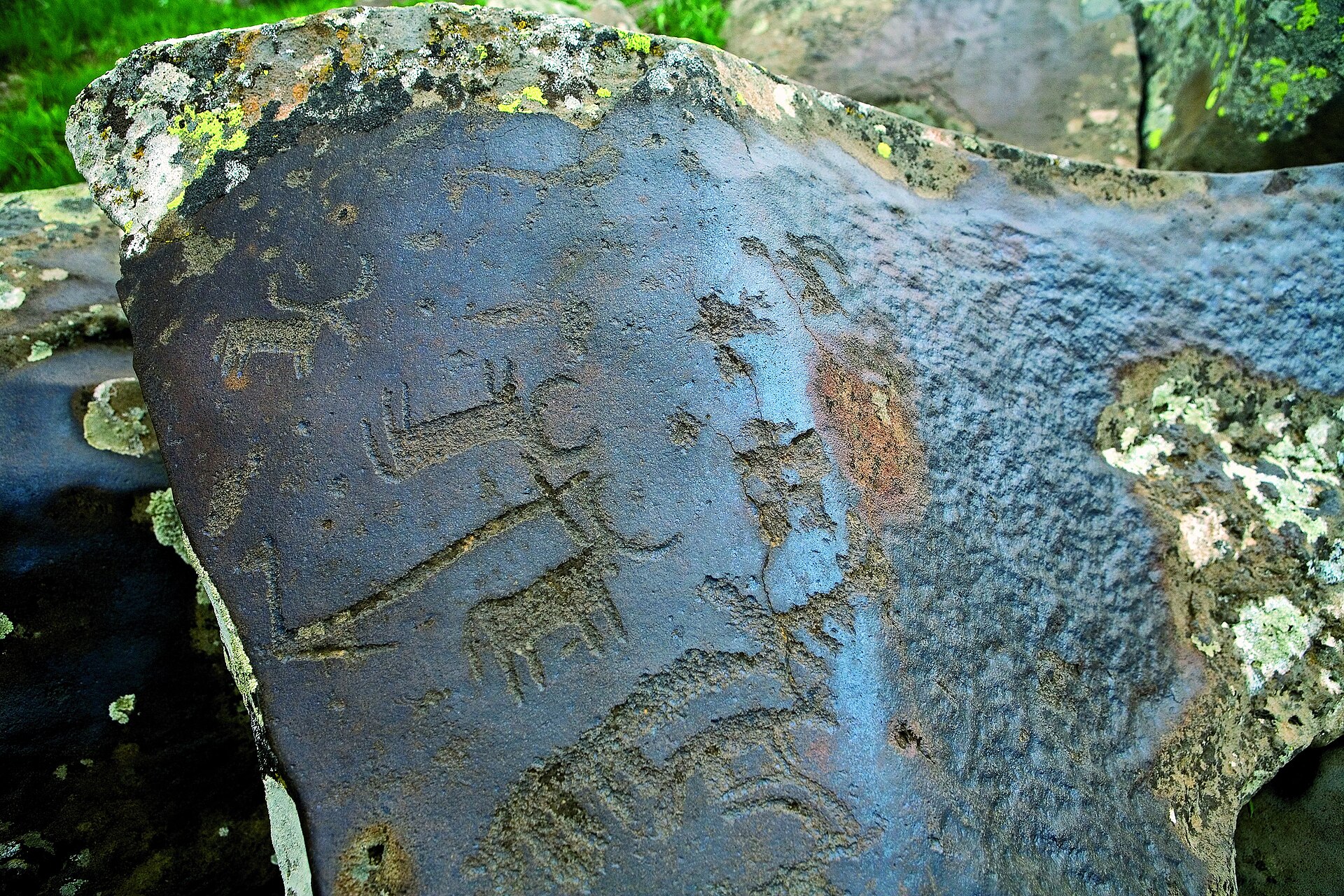
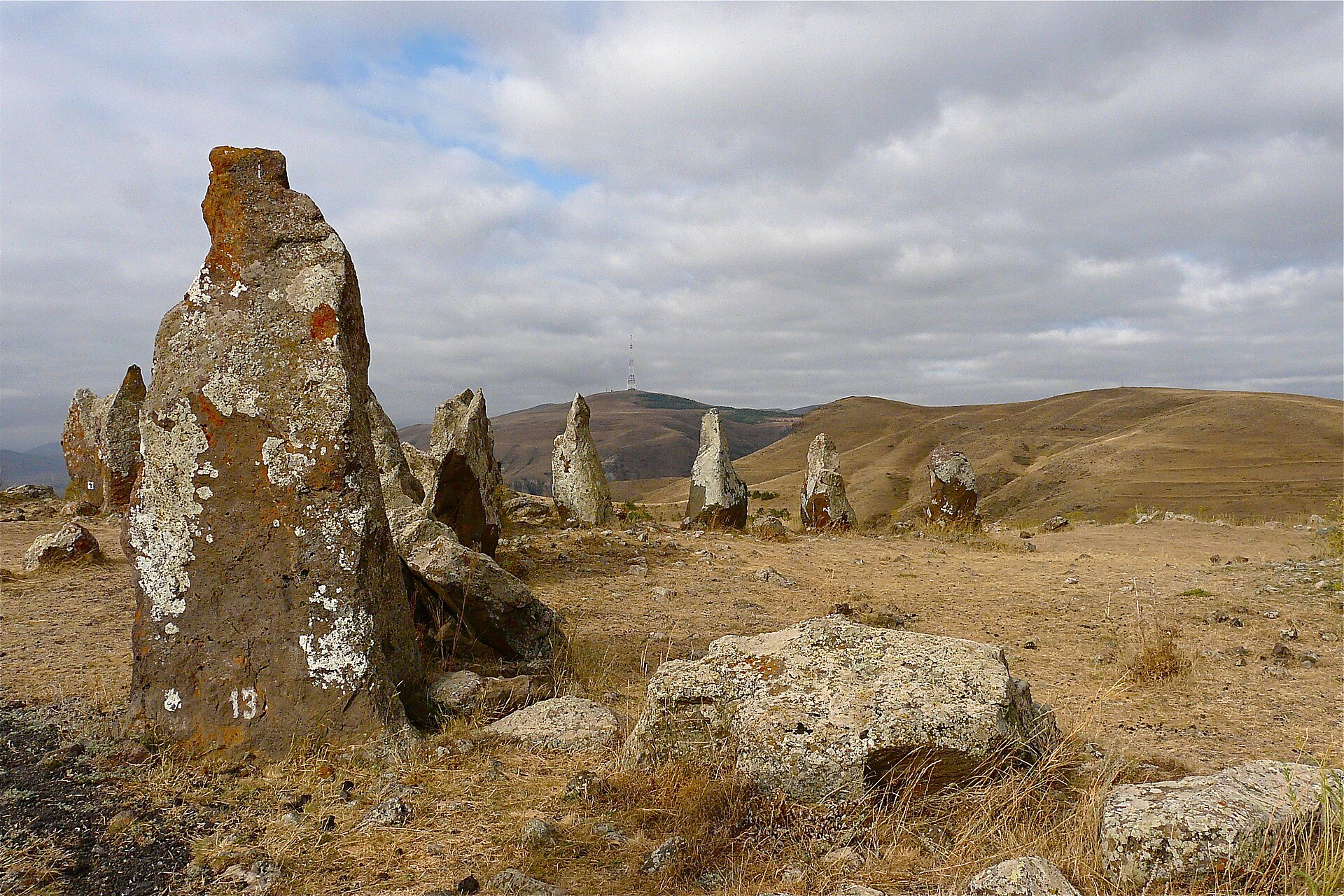
The Armenian highlands have been inhabited since deep antiquity, their volcanic uplands scattered with the traces of early peoples. Rock carvings high in the mountains and great standing stones record a human presence reaching back thousands of years, long before the first kingdoms took shape on the plateau.
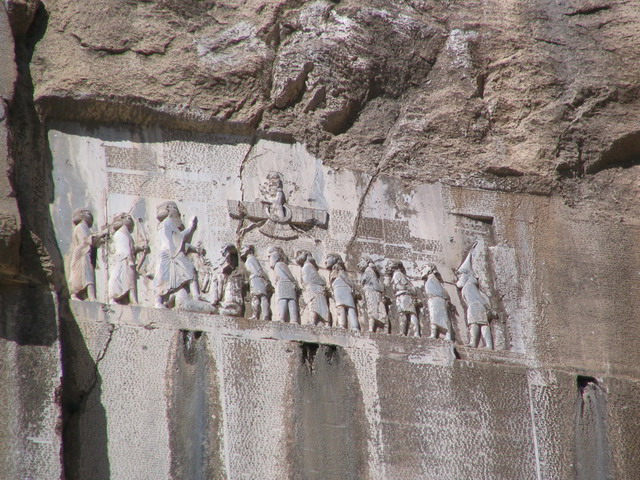
In the first millennium BC the highlands were home to the kingdom of Urartu, centred on Lake Van, and then to the Kingdom of Armenia, which under Tigranes the Great in the first century BC briefly grew into an empire stretching to the Mediterranean. Armenia appears among the earliest written records of the region, named in the inscriptions of the Persian kings.
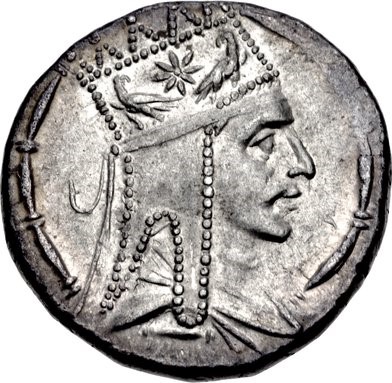
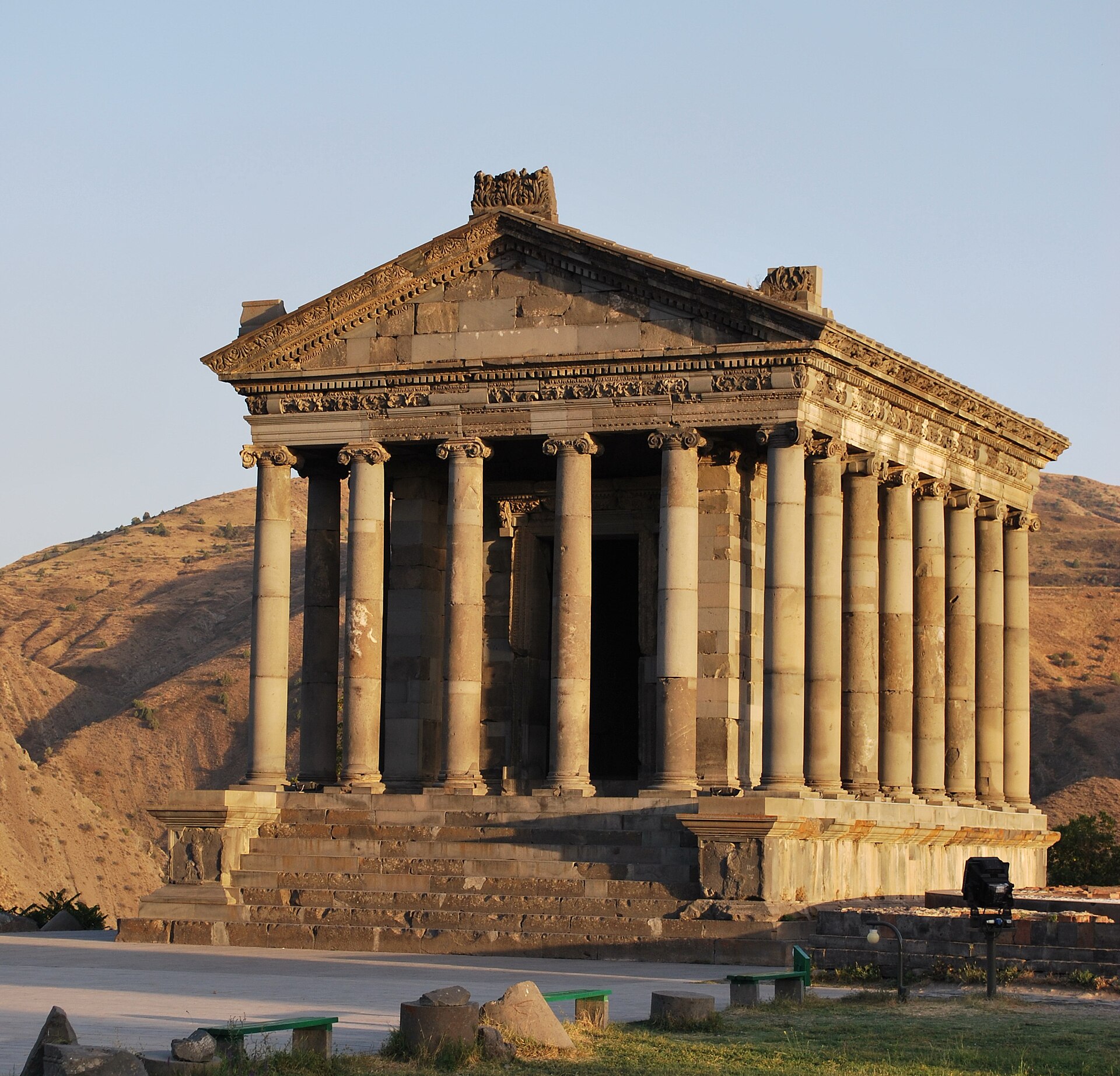
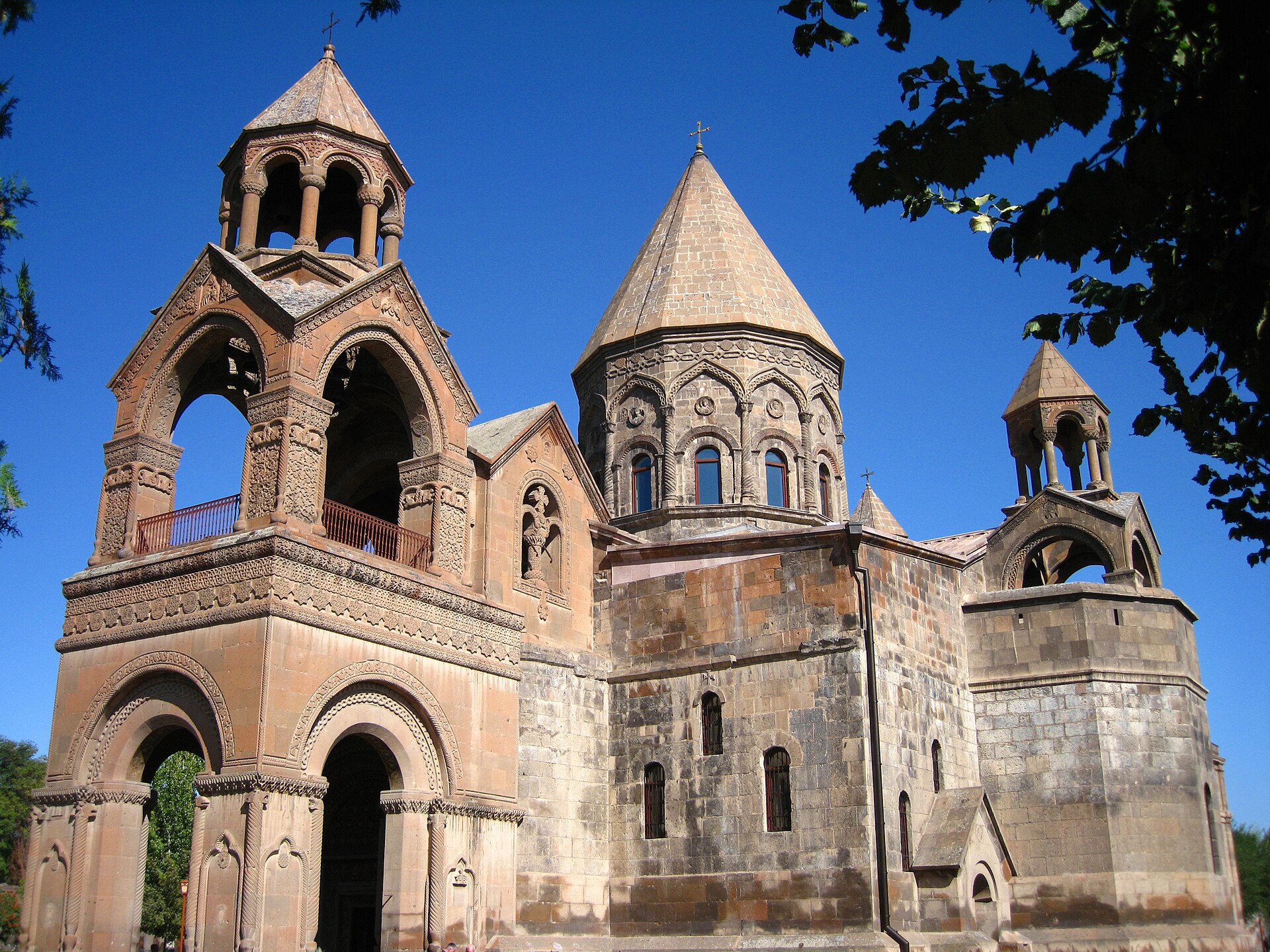
In the early fourth century, around the year 301, Armenia became the first nation in the world to adopt Christianity as its state religion, a defining event that has shaped its identity ever since. The new faith rose alongside an older pagan world, whose few surviving monuments still stand beside the churches and monasteries that came after.
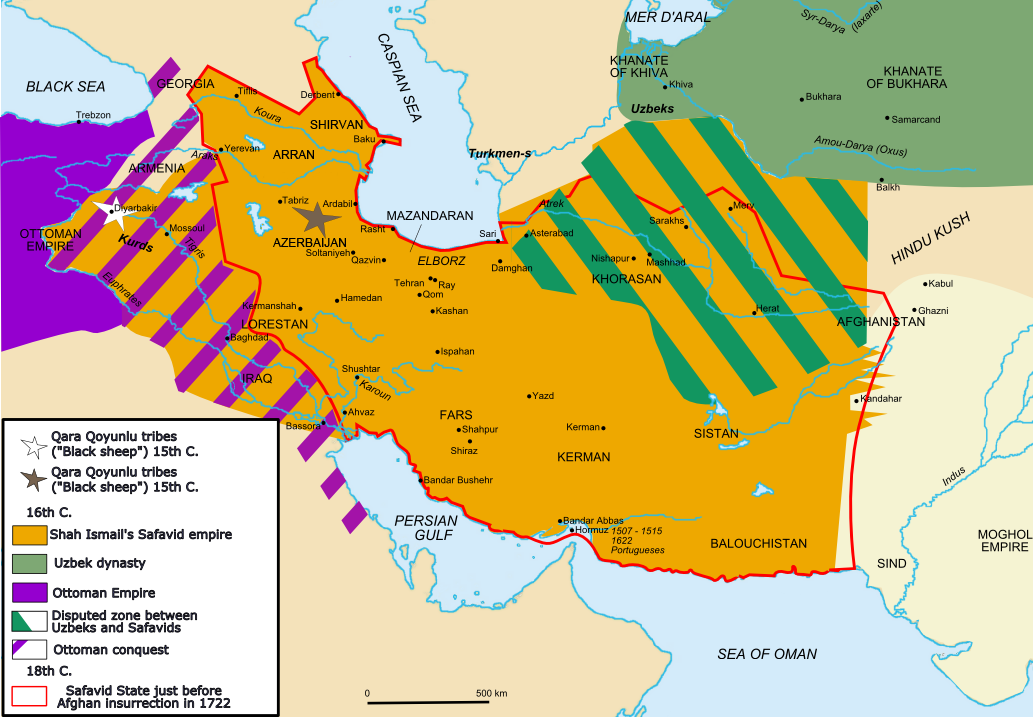
For most of its later history Armenia was caught between and ruled by greater powers, Roman, Persian, Byzantine, Arab, Mongol, Ottoman, and Russian, struggling repeatedly to preserve its nationhood. The land was often partitioned between rival empires, with the eastern part passing from Persia to the Russian Empire in the early nineteenth century.
Armenian tradition holds that the people descend from Hayk, a great-great-grandson of the biblical Noah, who led his people to settle the lands around Mount Ararat and defeated a tyrant in battle to found the Armenian nation. It is from Hayk that Armenians call themselves Hay and their land Hayastan. The legend gives the people an ancient and heroic origin reaching back to the dawn of the world, but Hayk himself belongs to legend and tradition rather than the documented historical record.
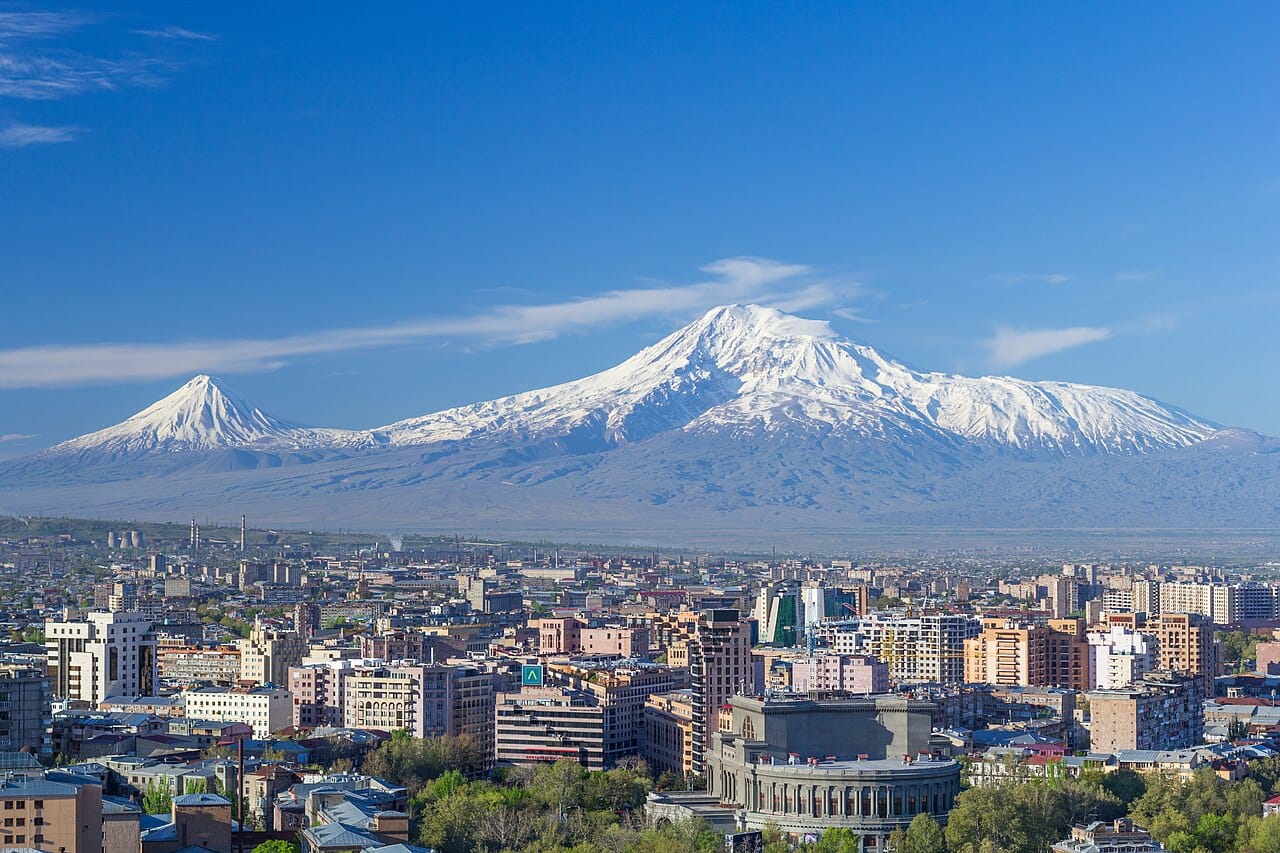
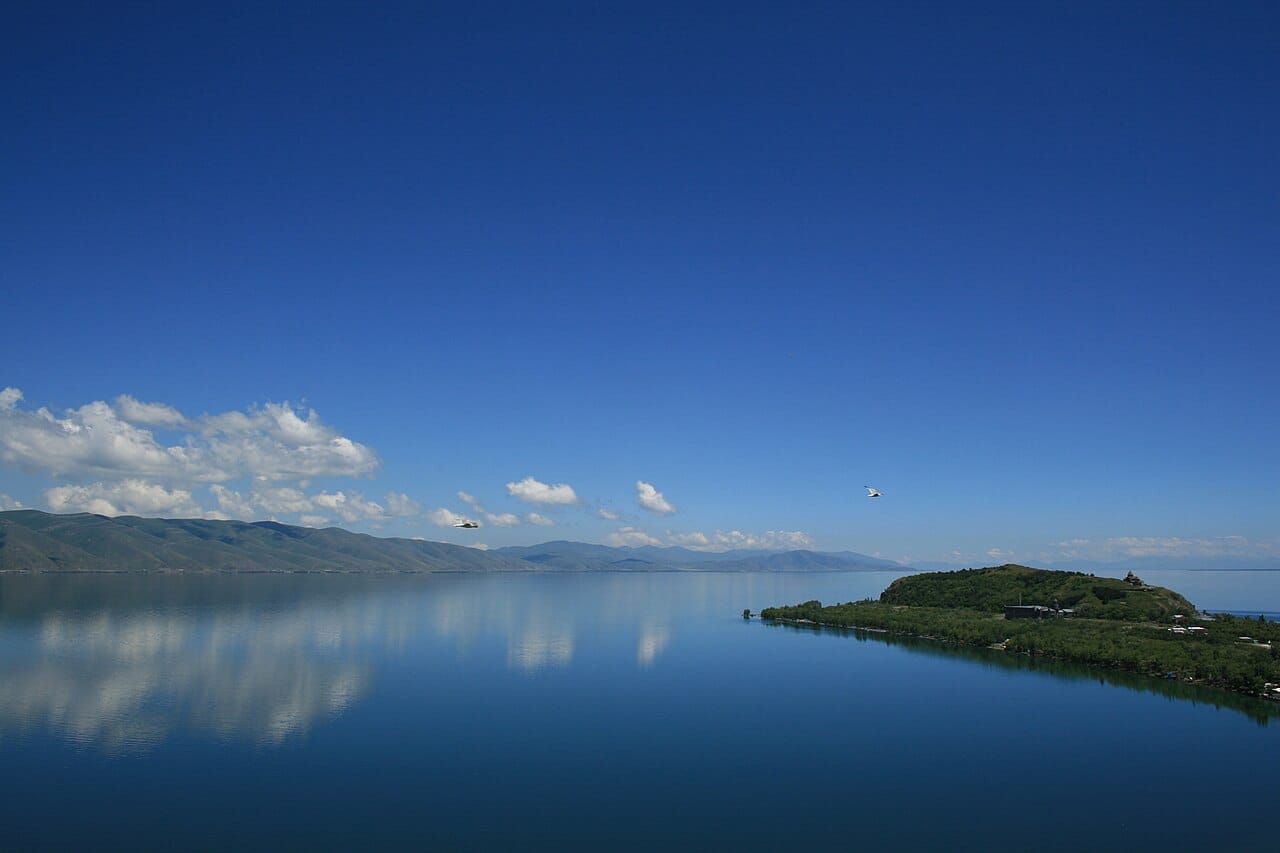
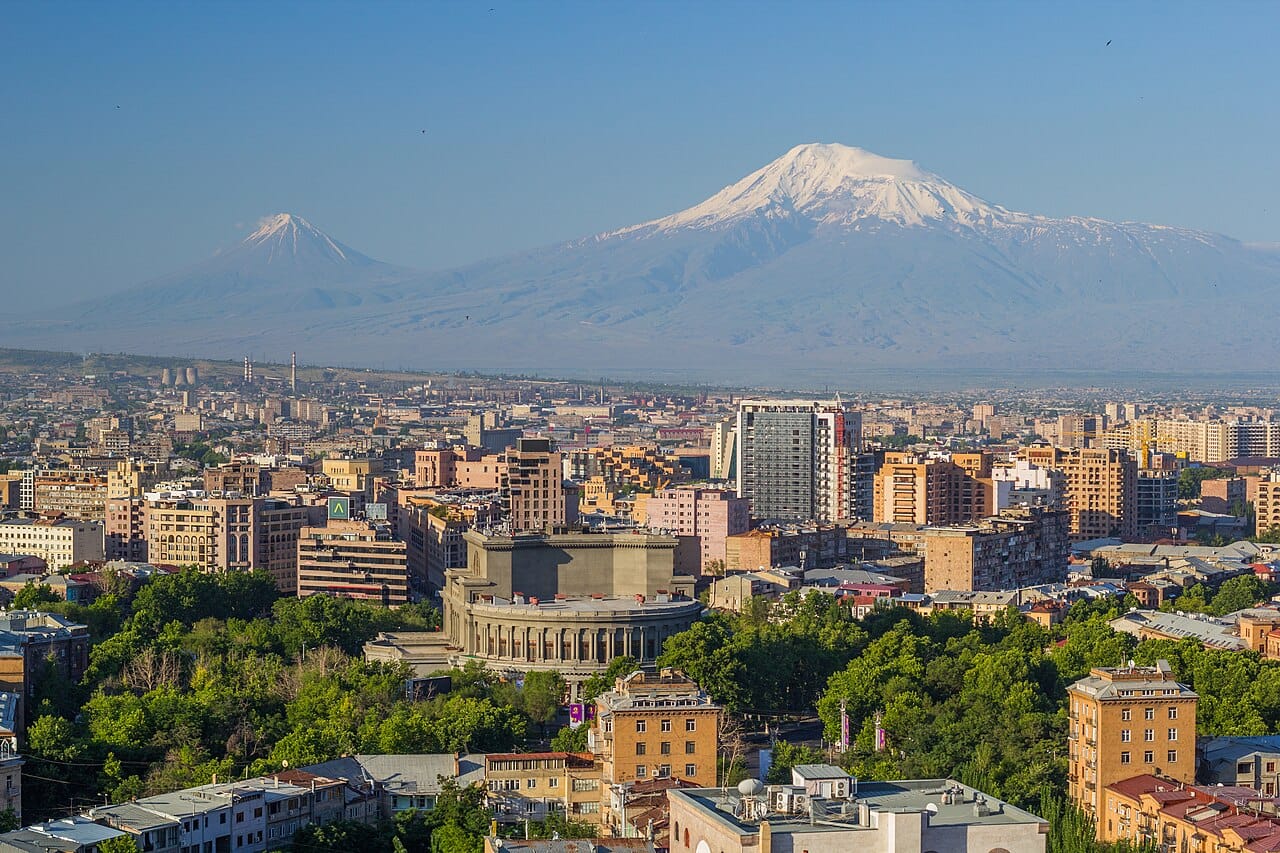
Armenia is a country of high mountains, deep gorges, and rocky highlands, with little flat land, set on a volcanic plateau in the Caucasus. Its landscape is dominated by mountains and by the beautiful alpine Lake Sevan, one of the largest high-altitude lakes in the world. Although Mount Ararat, the national symbol that appears in its art and legends, now lies just over the border in Turkey, it towers over the Armenian capital and remains central to the nation's identity.
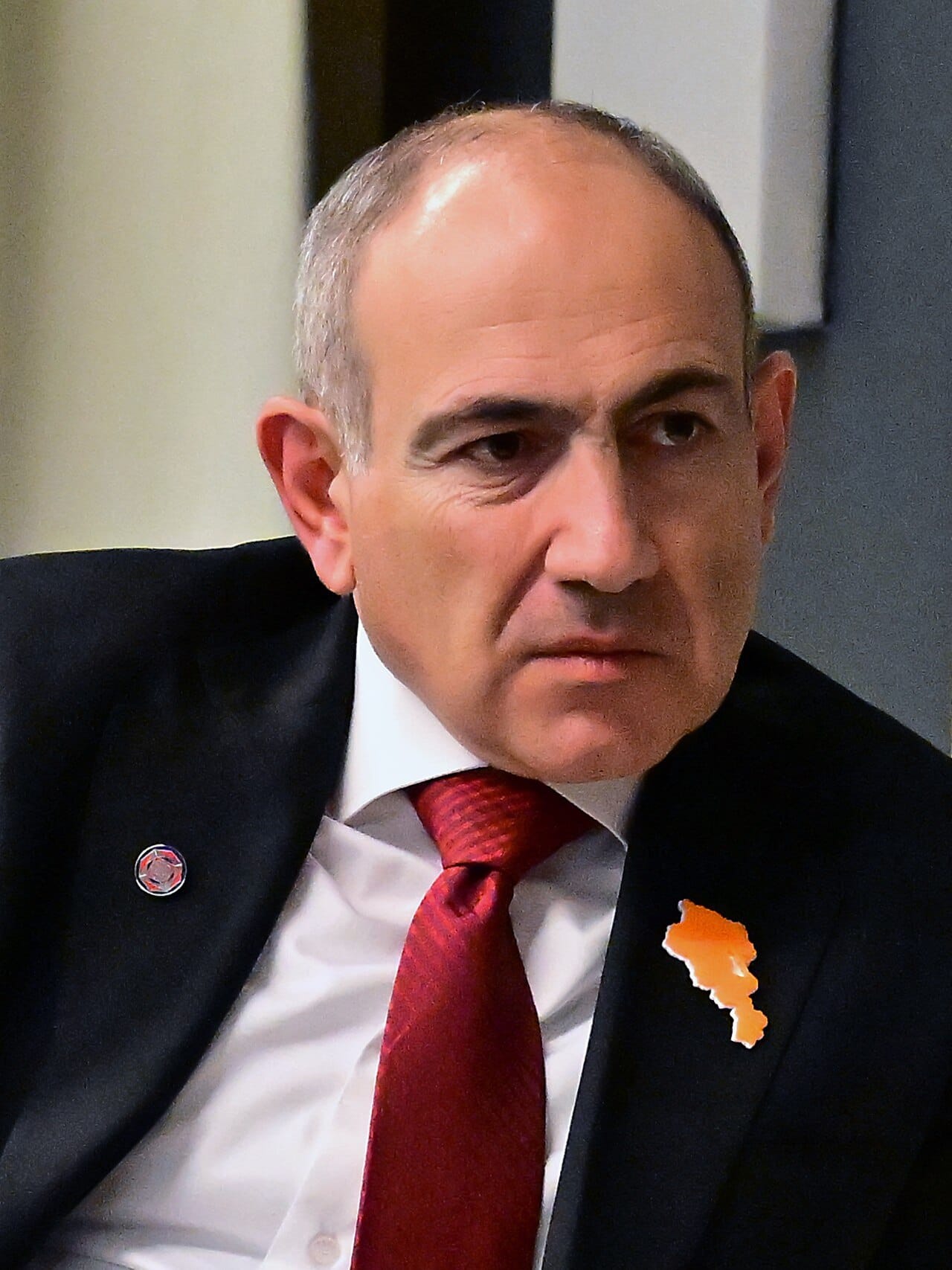
Armenia is a parliamentary republic in which the prime minister holds executive power and the president is a largely ceremonial head of state. The dominant figure of recent years is Nikol Pashinyan, who came to power in 2018 through the peaceful mass protests of the Velvet Revolution and won a fresh mandate in the parliamentary election of June 2026. His government has pursued a contested reorientation of the country's foreign policy, easing away from its traditional alliance with Russia, seeking closer ties with the European Union and the West, and pushing for a peace settlement with neighbouring Azerbaijan after years of war.
Armenia's economy is modest and shaped by its landlocked position and closed borders with Turkey and Azerbaijan, which push most of its trade through Georgia and Iran. Mining, especially of copper and other metals, is a mainstay, alongside agriculture and a fast-growing technology sector centred on Yerevan, where a young, educated workforce and a global diaspora have nurtured a lively start-up scene. Money sent home by Armenians working abroad is an important support for many families.

The flag of Armenia has three horizontal bands of red, blue, and orange. The colours are commonly understood to represent the blood shed by Armenians in the defence of their homeland and faith in the red, the blue skies of Armenia in the blue, and the courage and creative talent of the people, along with the fertile land, in the orange. The tricolour was first adopted in the brief independent republic after the First World War and revived at independence in 1991.
Armenia's identity is inseparable from its Christianity: as the first nation to adopt the faith as its state religion, it has an ancient and distinctive church, the Armenian Apostolic Church, which has been the heart of national life and survival through long centuries of foreign rule and persecution. Its ancient monasteries and stone churches, often perched in remote and dramatic settings, and its unique carved cross-stones, the khachkars, are among the country's greatest treasures.
Armenian cuisine is ancient and rich, making generous use of fresh herbs, fruit, and grains. Its most iconic element is lavash, a thin, soft flatbread baked on the walls of a clay oven, so central to the culture that it is recognised as part of the world's heritage. Grilled meats, known as khorovats, stuffed vegetables and vine leaves, and an abundance of apricots, pomegranates, and other fruit fill the table, accompanied by the country's wine and its famous brandy.
Agriculture is important to Armenia despite its mountainous terrain, with farming concentrated in the valleys and on the plateau. The country is renowned for its fruit, above all apricots, so associated with Armenia that the fruit bears its name in scientific Latin, along with grapes, pomegranates, and peaches. Armenia has an exceptionally ancient winemaking tradition, with some of the oldest known wineries found here, and it produces the brandy for which it is internationally known.
Armenian culture is ancient and distinctive, expressed above all in its language and its unique alphabet, created in the early fifth century to translate the scriptures and still a cornerstone of national identity. The country has a rich heritage of stone architecture, from mountain monasteries to the carved cross-stones known as khachkars, and a deep tradition of music, most hauntingly in the reedy sound of the duduk. Society is closely bound to family, faith, and a vast global diaspora, and the memory of past suffering runs through much of its art and self-understanding.
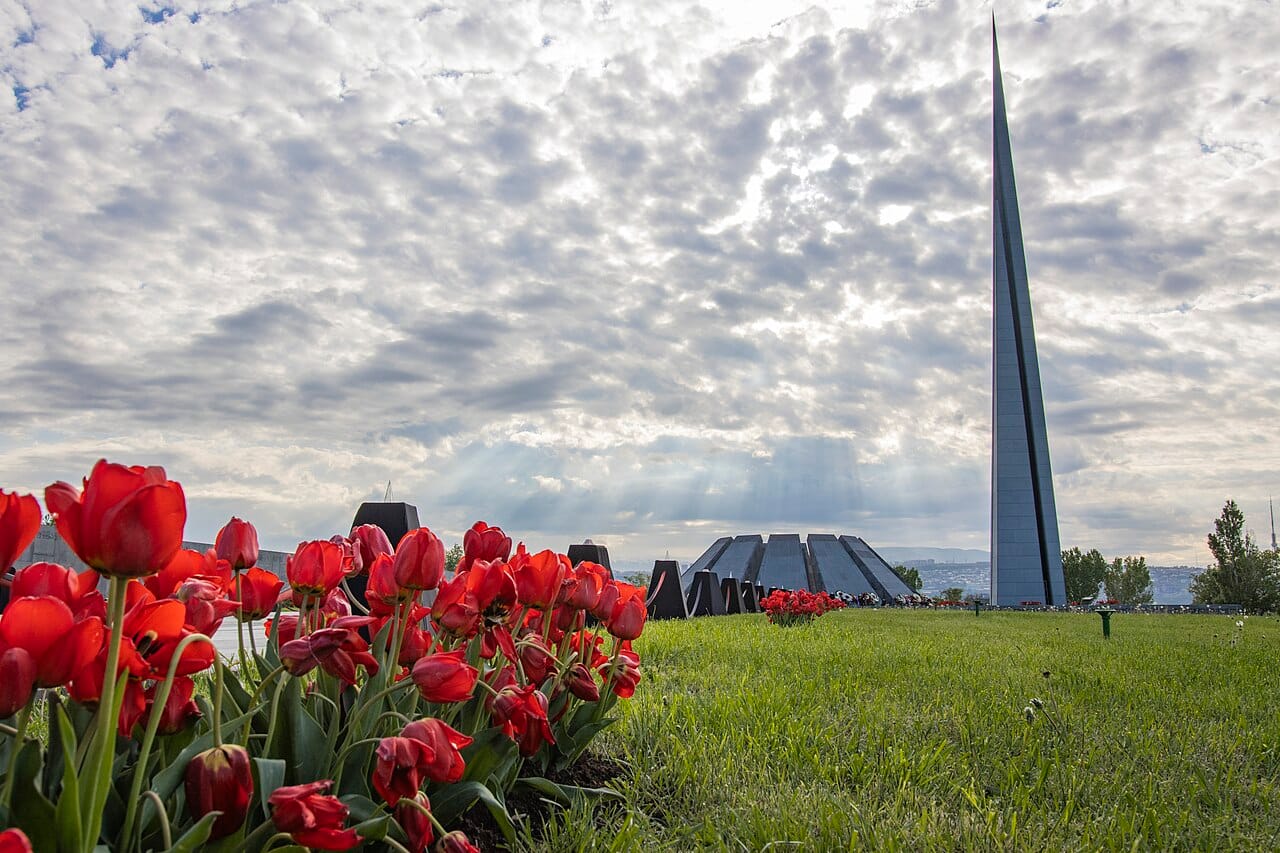
The two events that most define modern Armenian consciousness are both painful. The first is the genocide of 1915, in which a large part of the Armenian population of the Ottoman Empire was killed or driven out during the First World War, a catastrophe that scattered survivors across the world and created the vast diaspora. Armenia and many other countries recognise these events as genocide, a characterisation that the Turkish state continues to dispute, and the question remains a source of lasting tension.
The second is the long conflict with Azerbaijan over Nagorno-Karabakh, a mountainous territory within Azerbaijan's borders that was populated mainly by ethnic Armenians. Armenian forces controlled the region and surrounding lands after a war in the 1990s, but Azerbaijan retook much of the territory in 2020 and recovered the rest in a swift offensive in September 2023, after which almost the entire Armenian population, more than one hundred thousand people, fled to Armenia. For Azerbaijan this was the restoration of its territorial integrity, while for Armenians it was the loss of an ancient homeland. The two governments have since moved toward a peace settlement, though the wounds remain deep.
Armenia has a population of around 3 million people, overwhelmingly ethnic Armenians, who speak a unique language forming its own branch of the Indo-European family, written in a distinctive alphabet created in the fifth century. A defining feature of the nation is its diaspora: far more people of Armenian descent live abroad, scattered by genocide and emigration, than within the country itself. Most Armenians live in the central valleys, above all in the capital, Yerevan, one of the world's oldest continuously inhabited cities.