Angola is a large country in southwestern Africa, on the Atlantic coast, a land of tropical beaches, highland plateaus, and rivers. Once the heart of powerful African kingdoms and then a Portuguese colony for centuries, it endured a long war of independence followed immediately by a devastating civil war. Rich in oil and diamonds, it has since worked to rebuild, and it remains one of the largest economies in sub-Saharan Africa.
Angola's history runs from powerful African kingdoms, through four centuries as a hub of the slave trade and a Portuguese colony, to a hard-won independence swallowed at once by civil war.
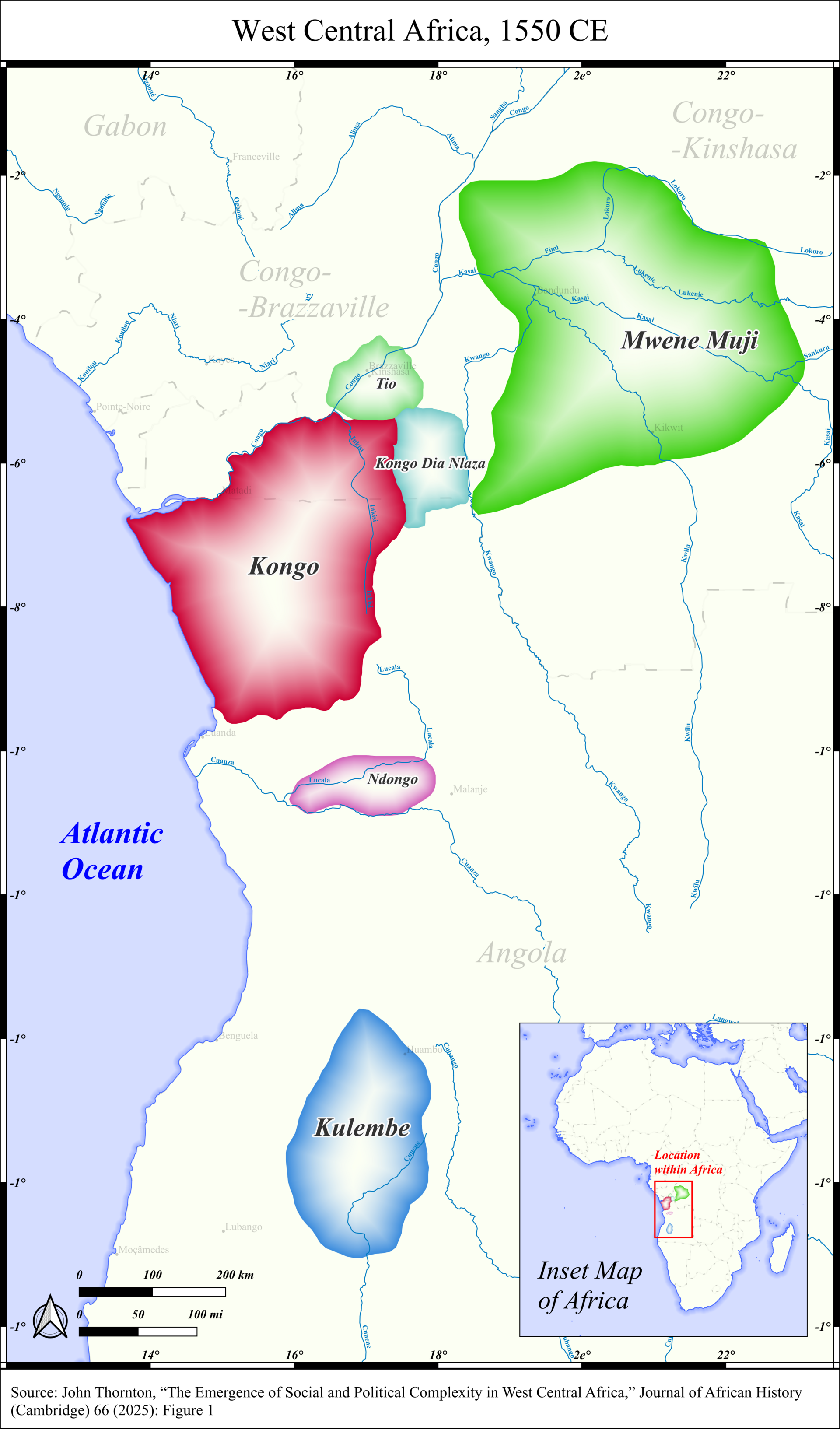
Before the Europeans came, the region was home to organised and sophisticated African states, above all the great Kingdom of Kongo and the kingdom of Ndongo, whose ruler Queen Nzinga waged a brilliant, decades-long resistance to Portuguese expansion. From the sixteenth century, however, Angola became one of the greatest sources of the transatlantic slave trade, from which millions of Africans were shipped across the ocean, above all to Brazil, a trade that shaped both continents.
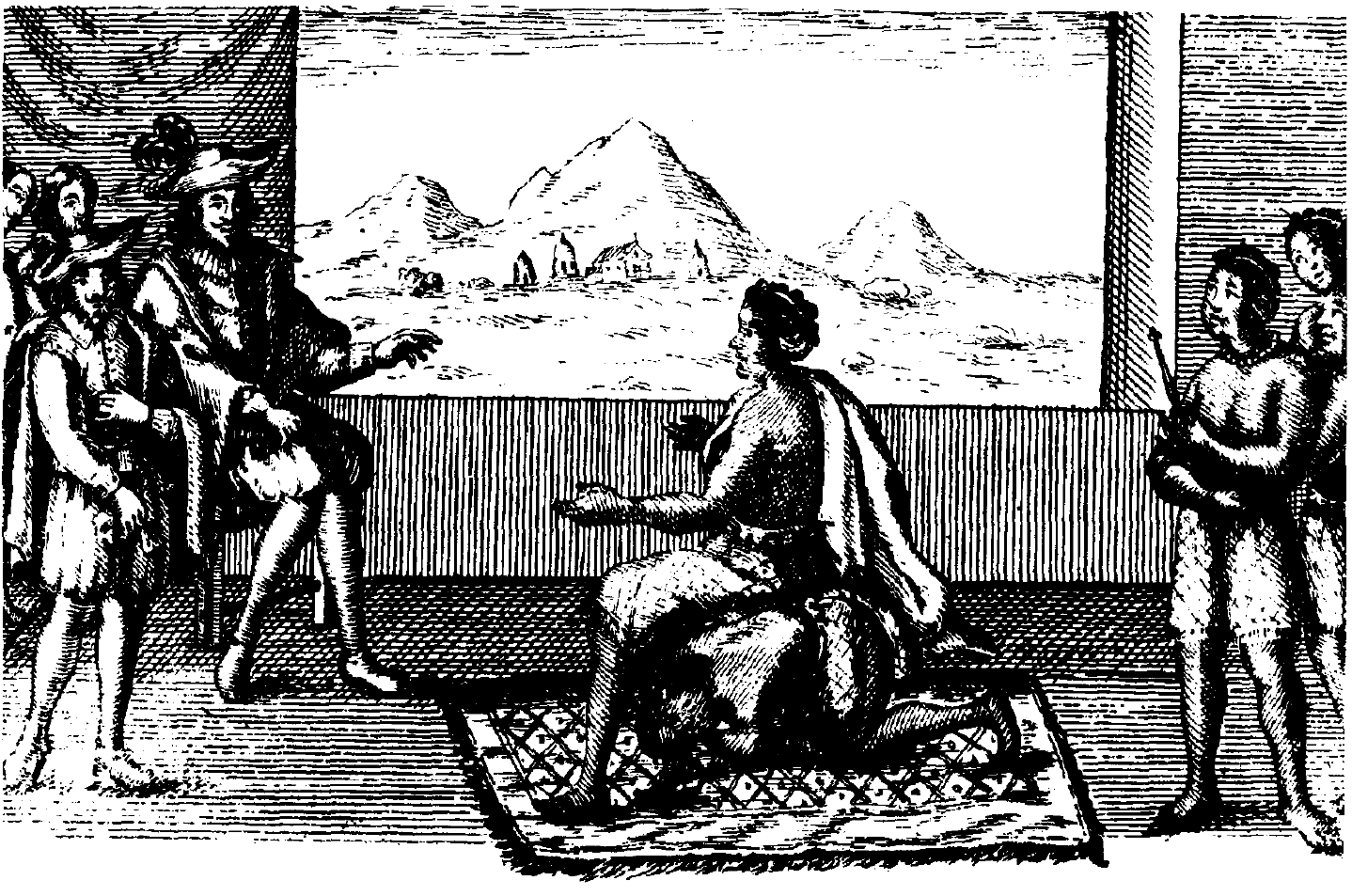
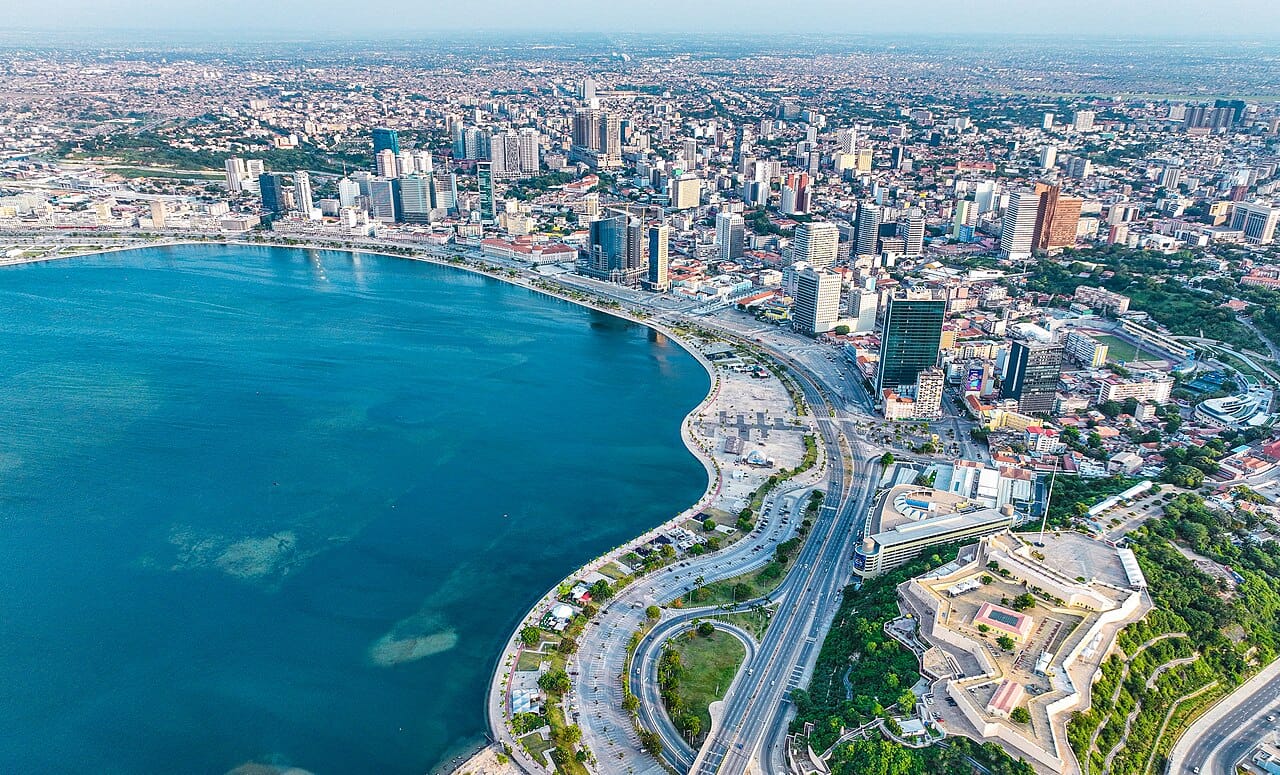
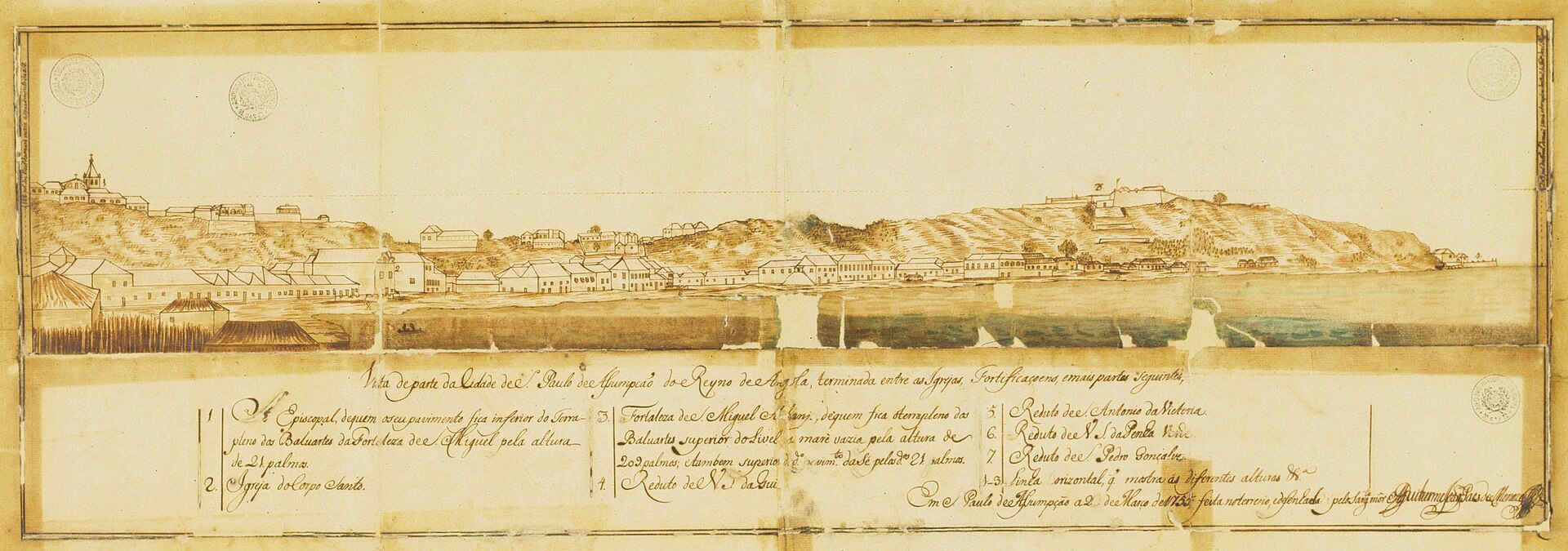
Portugal held Angola for some four hundred years, one of the longest colonial relationships in Africa, ruling from the Atlantic port of Luanda. For much of that time the colony's chief business was slaving, and later the forced cultivation of coffee and cotton and the mining of diamonds, under a harsh system that gave Africans few rights and sparked deep resentment.
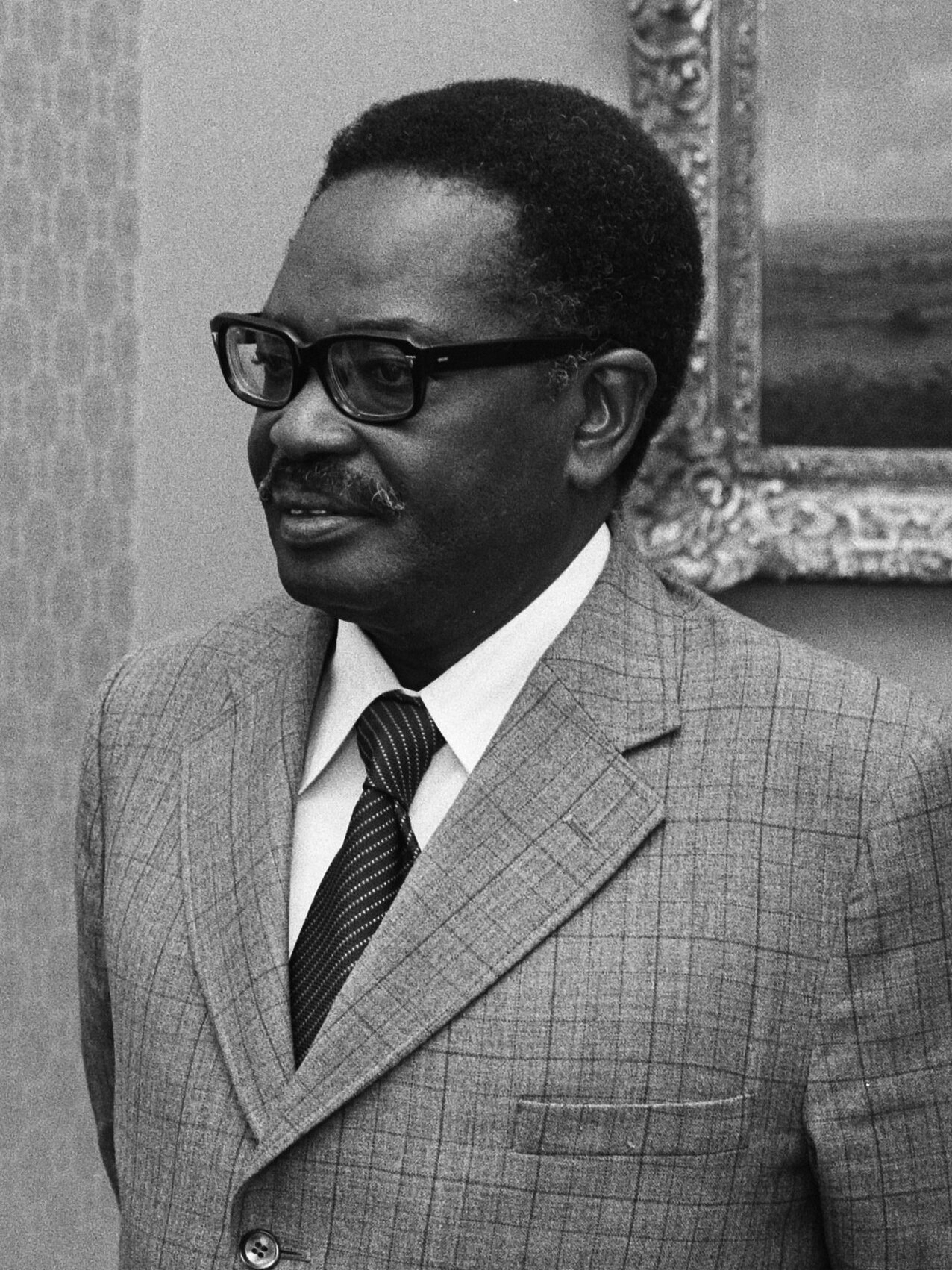
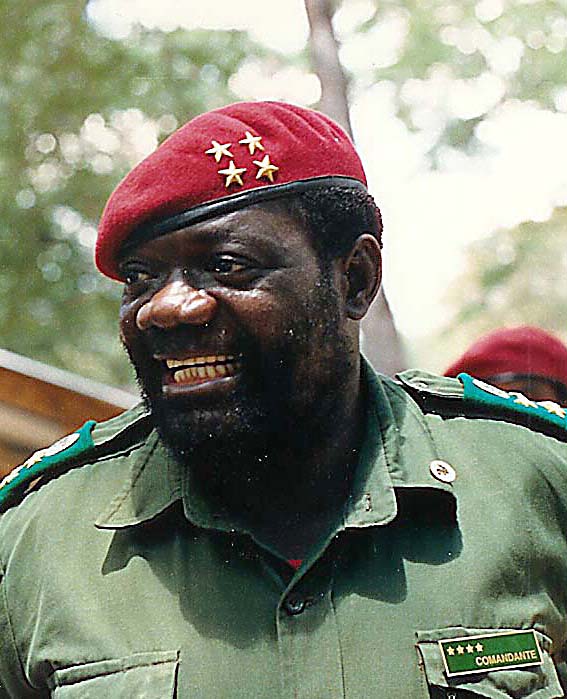
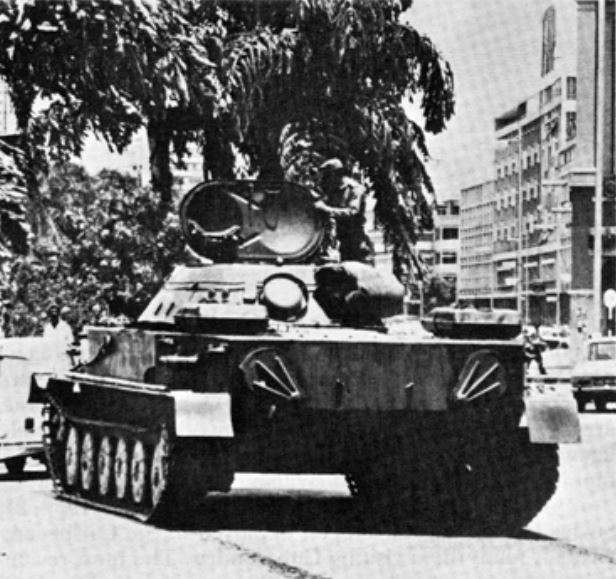
A war of independence from the 1960s, and the collapse of Portugal's dictatorship in 1974, brought Angola freedom in 1975. But independence turned at once into a brutal civil war among rival liberation movements, which became one of the Cold War's bloodiest proxy conflicts: the Soviet- and Cuban-backed MPLA, which held the government, against UNITA, backed by the United States and apartheid South Africa. The war ground on, with foreign armies and vast oil and diamond wealth fuelling it, until the death of the UNITA leader Jonas Savimbi finally brought peace in 2002.
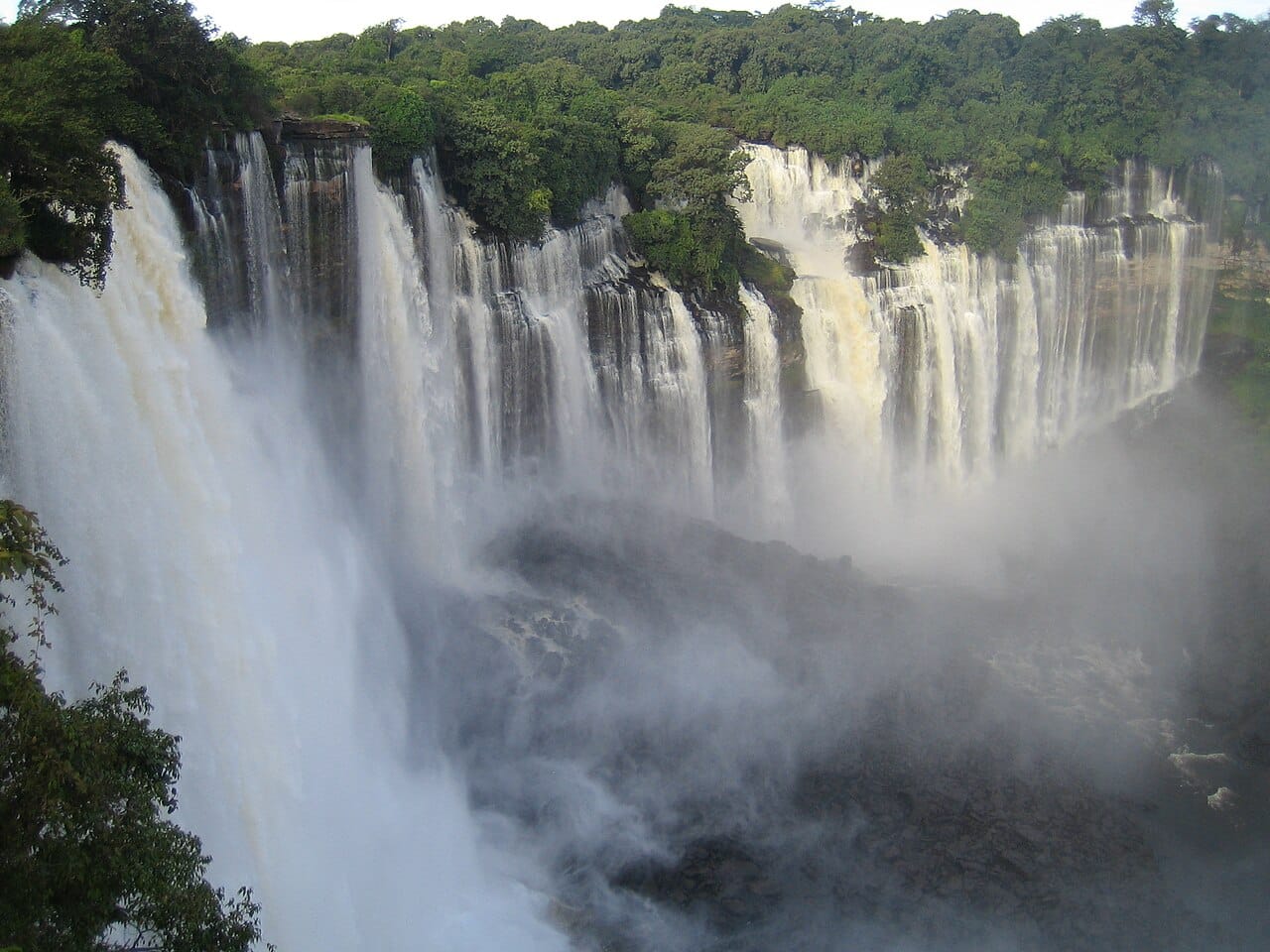
Angola rises from a narrow Atlantic coastal plain to a large interior plateau, with highlands, savanna, and rivers across much of the country and drier conditions toward the south and the Namib Desert. The mighty rivers that rise in its highlands feed much of the surrounding region. The exclave of Cabinda, separated from the rest of the country by a strip of neighbouring territory, holds much of Angola's offshore oil wealth.
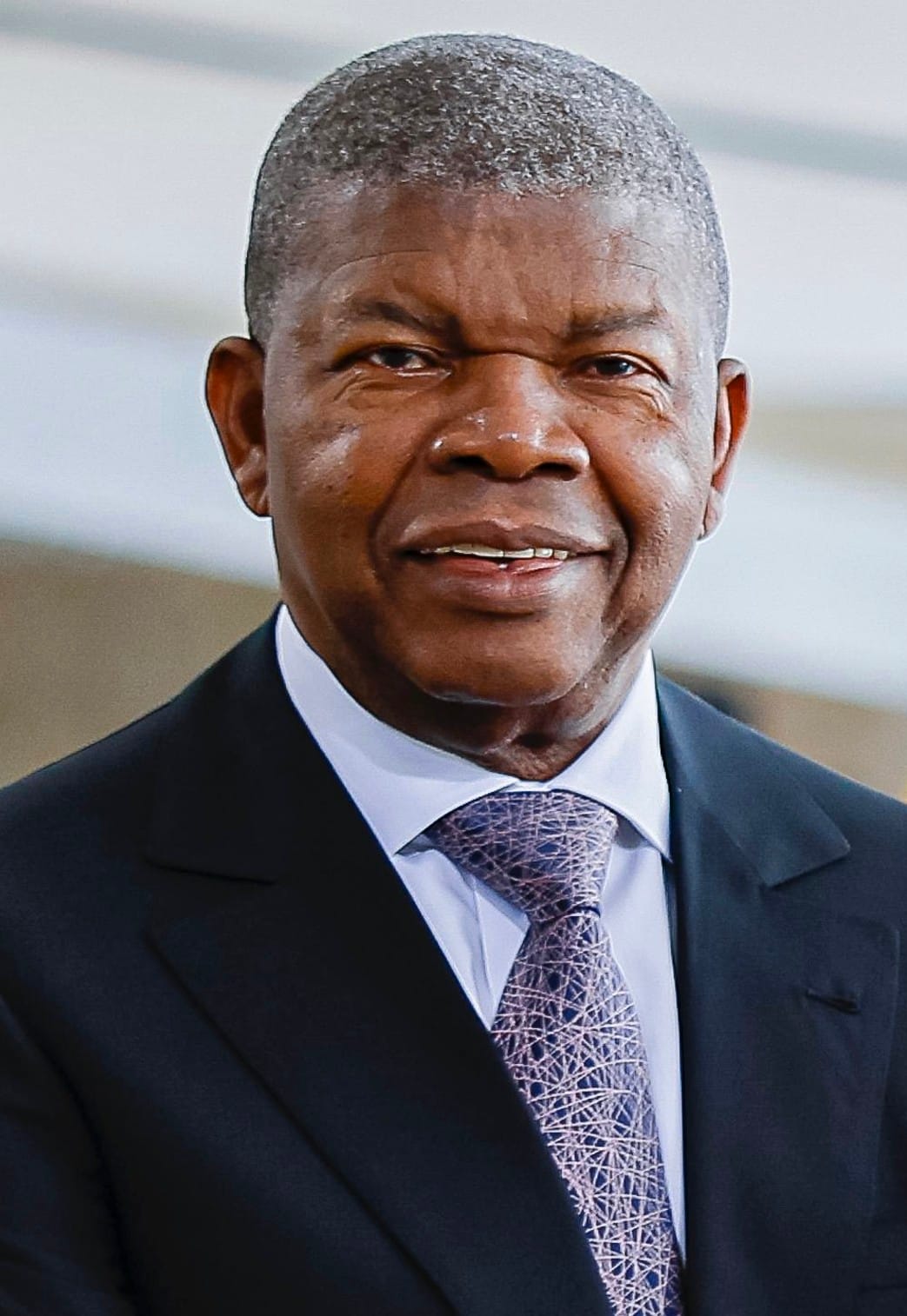
Angola is a presidential republic, but power has rested since independence with a single party, the MPLA, which has governed without interruption for half a century. For 38 of those years the country was led by Jose Eduardo dos Santos, whose long rule became a byword for oil wealth concentrated among a narrow elite. His successor since 2017, President Joao Lourenco, launched a much-noticed campaign against corruption, targeting even the family of his predecessor, and promised reform and openness. Yet the MPLA's grip endures, elections are hard-fought and disputed, and the opposition UNITA, once the enemy in war, is now a rising force at the ballot box, especially among a frustrated young generation.
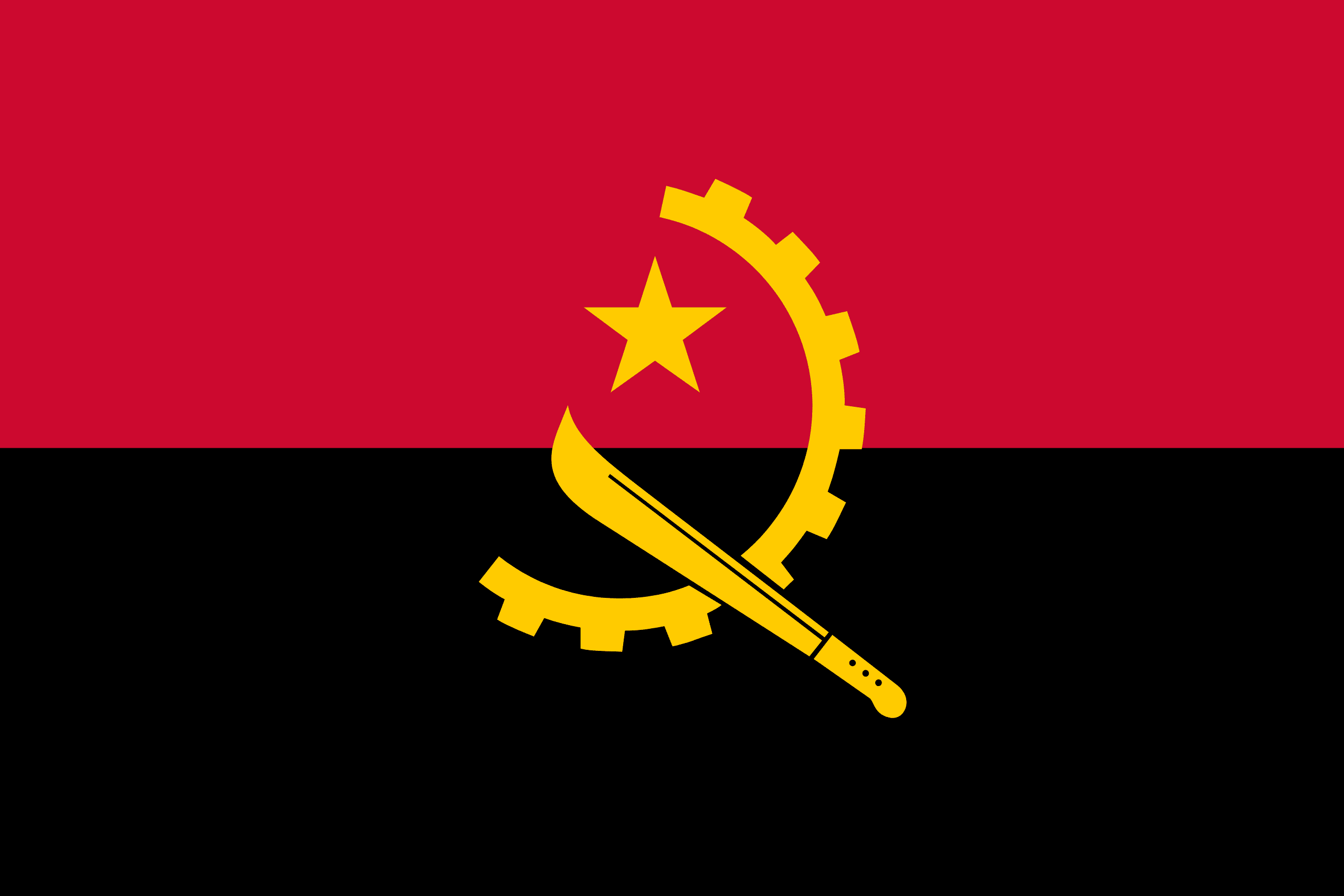
The flag of Angola has two horizontal bands, red over black, with a yellow emblem in the centre showing a segment of a cogwheel crossed by a machete and topped with a star. The red represents the blood shed in the struggle for freedom, and the black the African continent. The emblem, recalling socialist symbolism, is meant to represent workers and peasants, the machete standing for agriculture and the cogwheel for industry.
The majority of Angolans are Christians, the result of centuries of Portuguese influence and missionary activity, divided mainly between Roman Catholics and a variety of Protestant churches. Traditional African religions, with their reverence for ancestors and spirits, also remain influential, often practised alongside Christianity. Religion plays a significant role in community life and in the social fabric of a country still recovering from decades of war.
Angolan cuisine blends African ingredients with Portuguese influence. A staple is funje, a smooth porridge made from cassava or maize flour, eaten with rich stews. The national dish, moamba de galinha, is a chicken stew cooked with palm oil, okra, and spices. Fresh fish and seafood from the long Atlantic coast feature widely, and Portuguese touches appear in the bread, pastries, and use of spices, reflecting the country's colonial heritage.
Before the wars, Angola was a major agricultural producer and one of the world's leading exporters of coffee, but decades of conflict devastated farming and scattered rural communities. Today agriculture is recovering, with cassava the main food crop, alongside maize, bananas, and a revival of coffee. The economy, however, is dominated by oil, of which Angola is one of Africa's largest producers, along with diamonds, leaving farming an important but smaller part of national wealth.
Angolan culture fuses African roots with a strong Portuguese overlay, above all the Portuguese language, which unites a nation of many Bantu peoples such as the Ovimbundu, Mbundu, and Bakongo. Music is the beating heart of national life: Angola gave birth to semba, the ancestor of the Brazilian samba, and to the sensual dance and music of kizomba and the frenetic, youthful energy of kuduro, sounds that have spread across the Portuguese-speaking world and beyond. Catholic and Protestant Christianity blends with older beliefs in ancestors and spirits, and a warm, resilient sociability endures in a people who have lived through more than their share of hardship.
Angola presents one of the sharpest paradoxes in Africa. It is one of the continent's largest oil producers, and the petroleum flowing from its coast and the exclave of Cabinda has generated enormous wealth. Yet that wealth has been extraordinarily unevenly shared. The capital, Luanda, became one of the most expensive cities in the world for the foreign oil elite, even as a large share of Angolans lacked clean water, decent schools, or steady work, and the family and allies of the long-ruling president amassed vast fortunes. The MPLA points to peace, reconstruction, and, more recently, an anti-corruption drive as evidence of progress; critics see a system in which a small circle has captured the nation's riches. How Angola turns its oil into a genuine dividend for ordinary people, and whether its half-century of one-party rule can give way to a fuller democracy, are the defining and contested questions of its future.
Angola has a population of around 36 million people, predominantly Bantu peoples such as the Ovimbundu, Mbundu, and Bakongo, each with their own language and traditions. Portuguese is the official language and a unifying tongue across the country. The population is young and increasingly urban, drawn to the booming, expensive capital, Luanda, on the Atlantic coast. After decades of war, much of the nation's energy has gone into rebuilding its society and economy.