Algeria is the largest country in Africa by area, set on the Mediterranean coast of North Africa with the vast Sahara Desert filling most of its interior. A land of Berber and Arab heritage, Roman ruins and desert oases, it won its independence from France only after one of the most bitter colonial wars of the twentieth century. Rich in oil and natural gas, it is a major energy producer and an influential nation in the Arab and African worlds.
Algeria's history runs from ancient Berber kingdoms, through Rome, Islam, and the Ottomans, to a French colonial century and one of the fiercest wars of independence of the modern age.
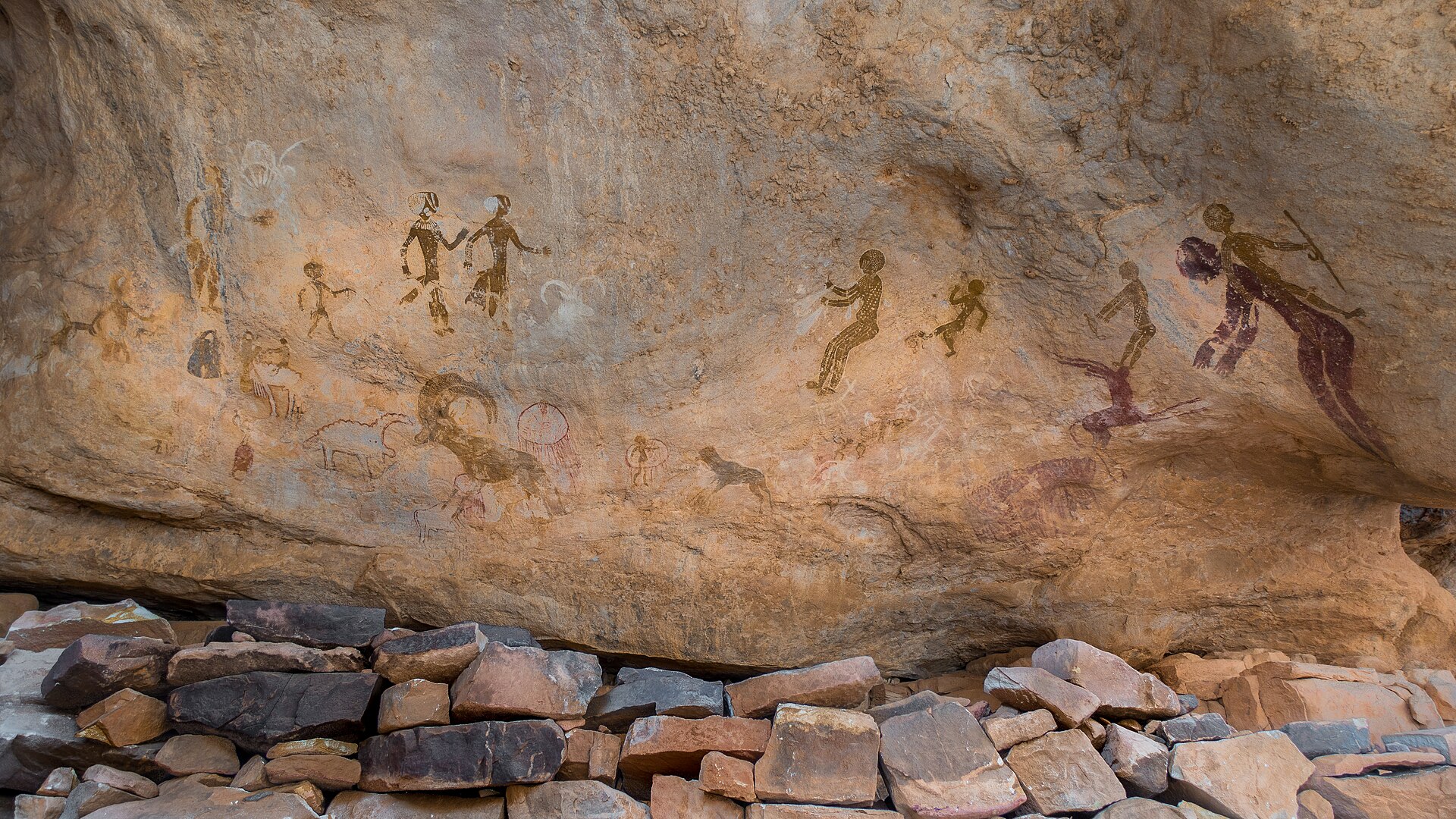
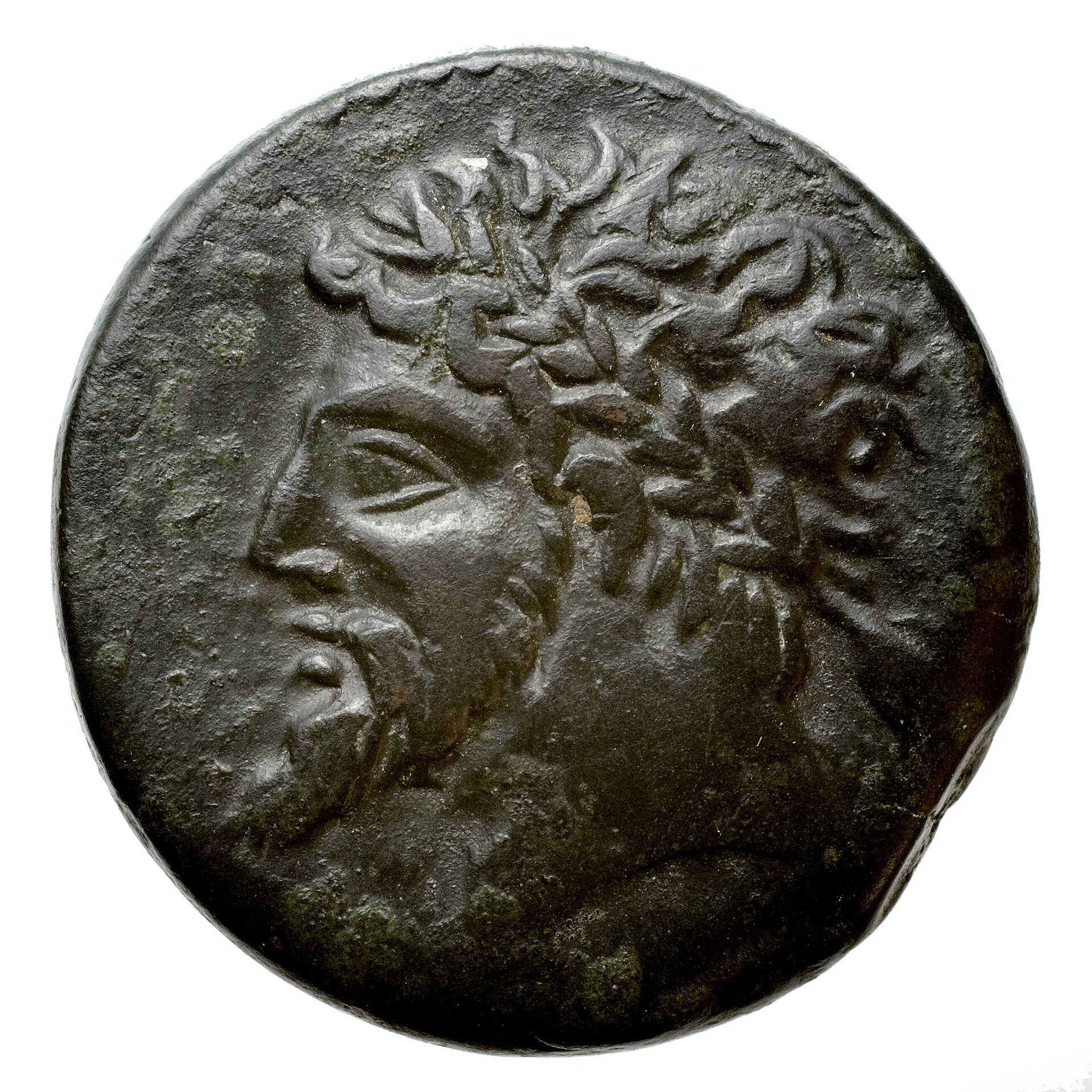
The original inhabitants of Algeria were the Berbers, or Amazigh, whose presence stretches back into deep prehistory, when a green and watered Sahara was home to hunters and herders who left rock paintings on the Tassili plateau. In classical times the Berbers founded the powerful kingdom of Numidia, whose greatest king, Masinissa, unified the region and dealt on equal terms with Rome and Carthage.
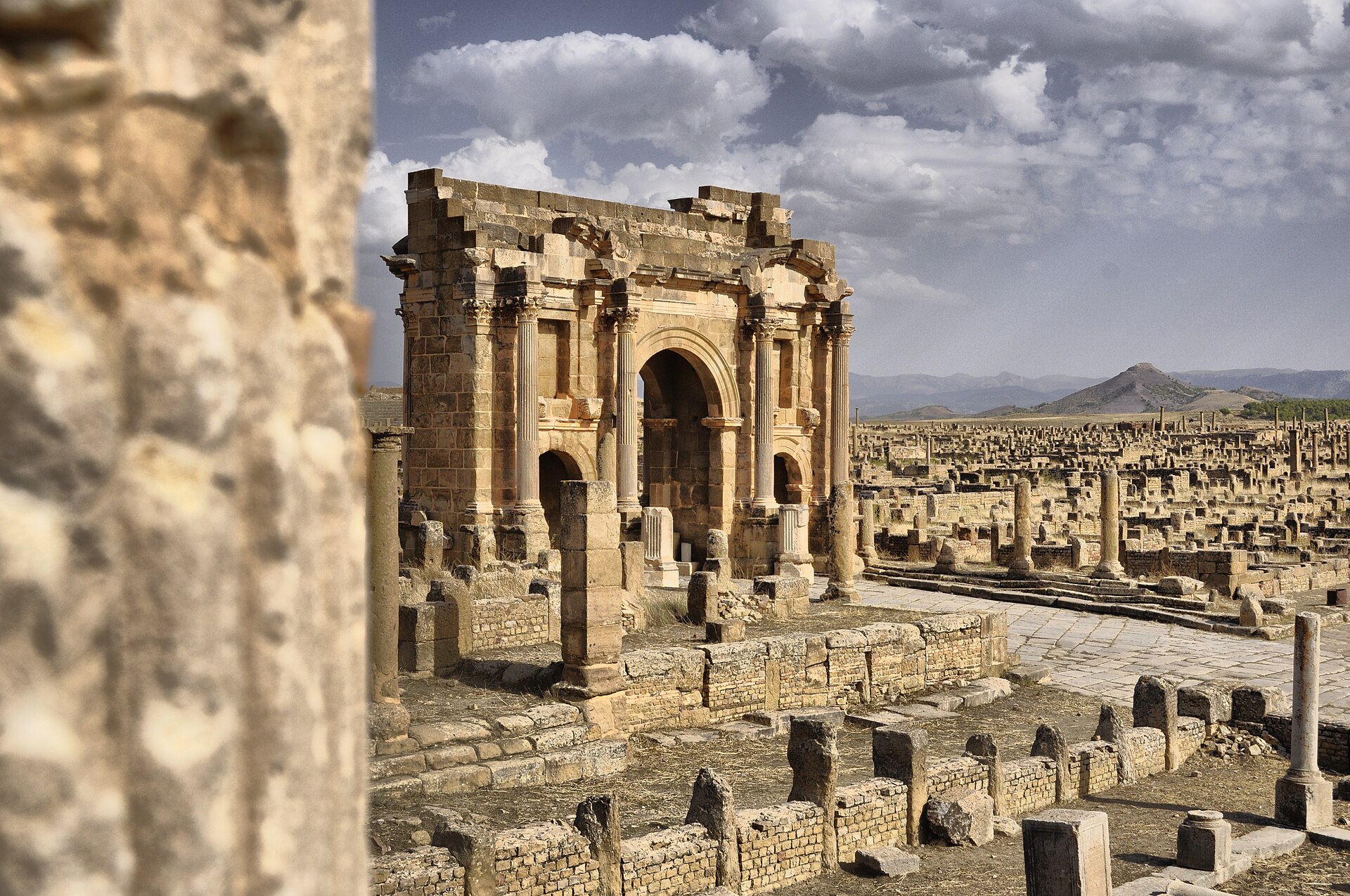
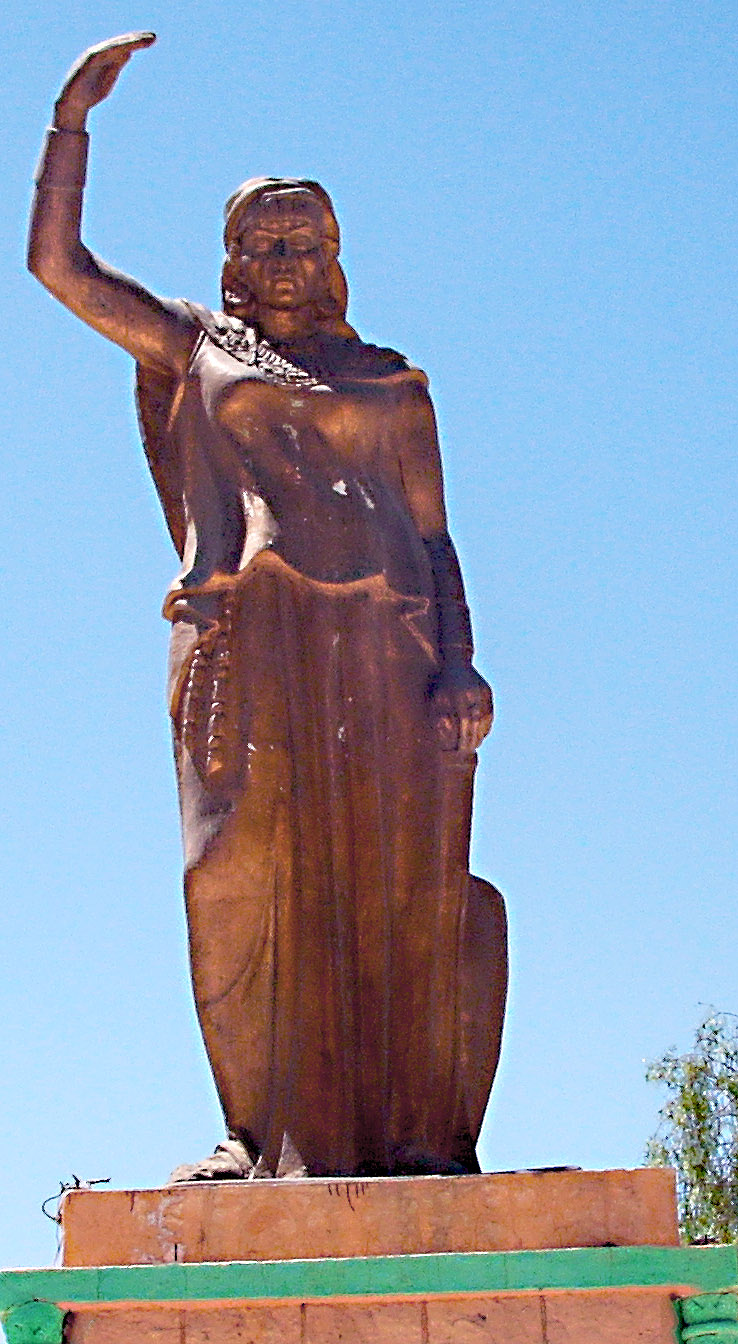
Algeria became a rich province of the Roman Empire, dotted with grand cities such as Timgad, and gave the early Church the great thinker Saint Augustine. After the fall of Rome and a brief Vandal and Byzantine period, the Arab conquests of the seventh century brought Islam and Arabic, though the Berbers resisted fiercely, most famously under the warrior queen Dihya, remembered as the Kahina.
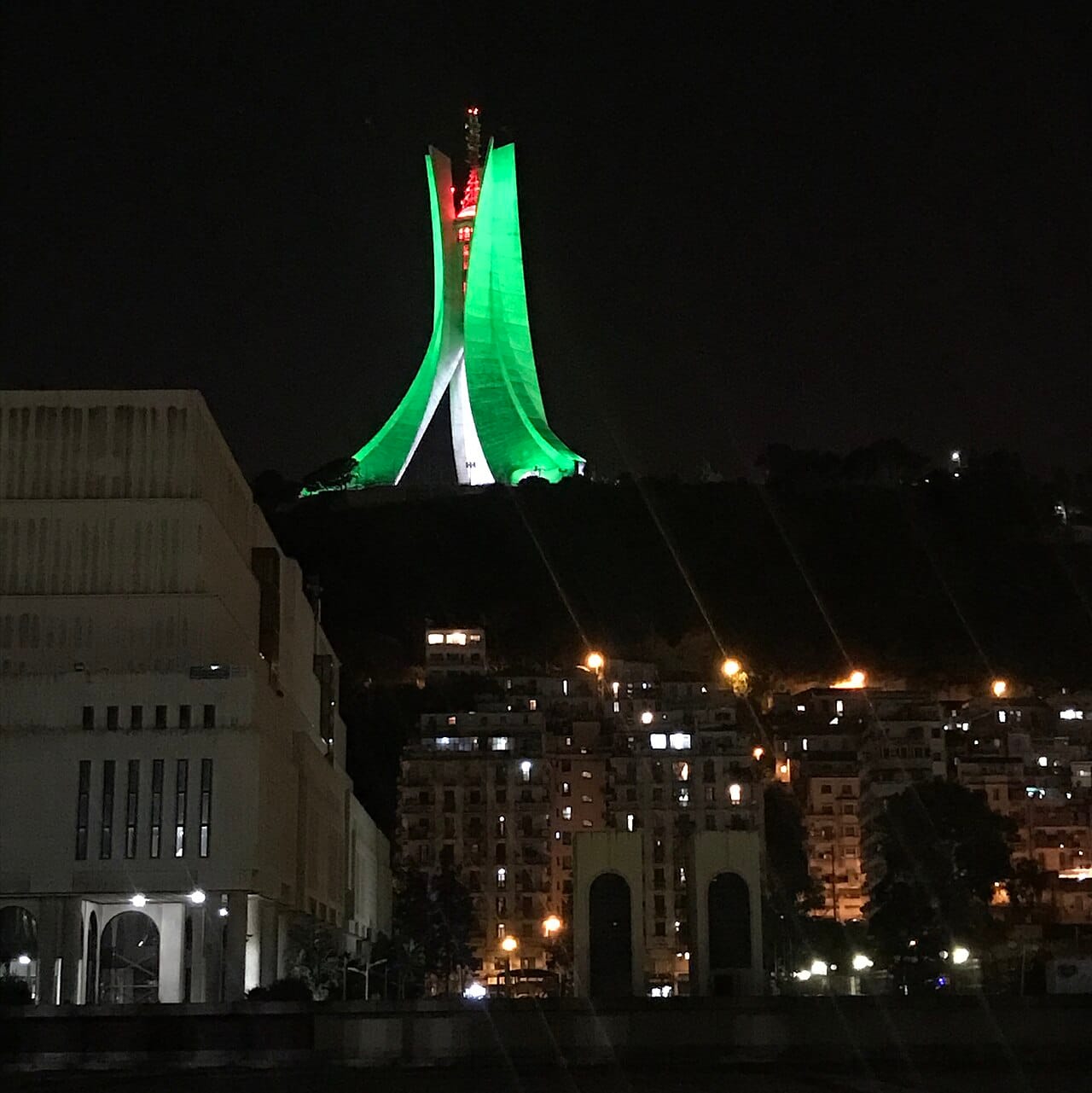
From the sixteenth century Algiers became a base of the Ottoman world and of the feared corsairs of the Barbary Coast. Then in 1830 France invaded, and over more than a century made Algeria a settler colony, seizing land and ruling the Muslim majority as subjects rather than citizens. Resentment erupted in 1954 into a war of independence of exceptional brutality, in which perhaps a million or more Algerians died, until France, exhausted and divided, let Algeria go in 1962.
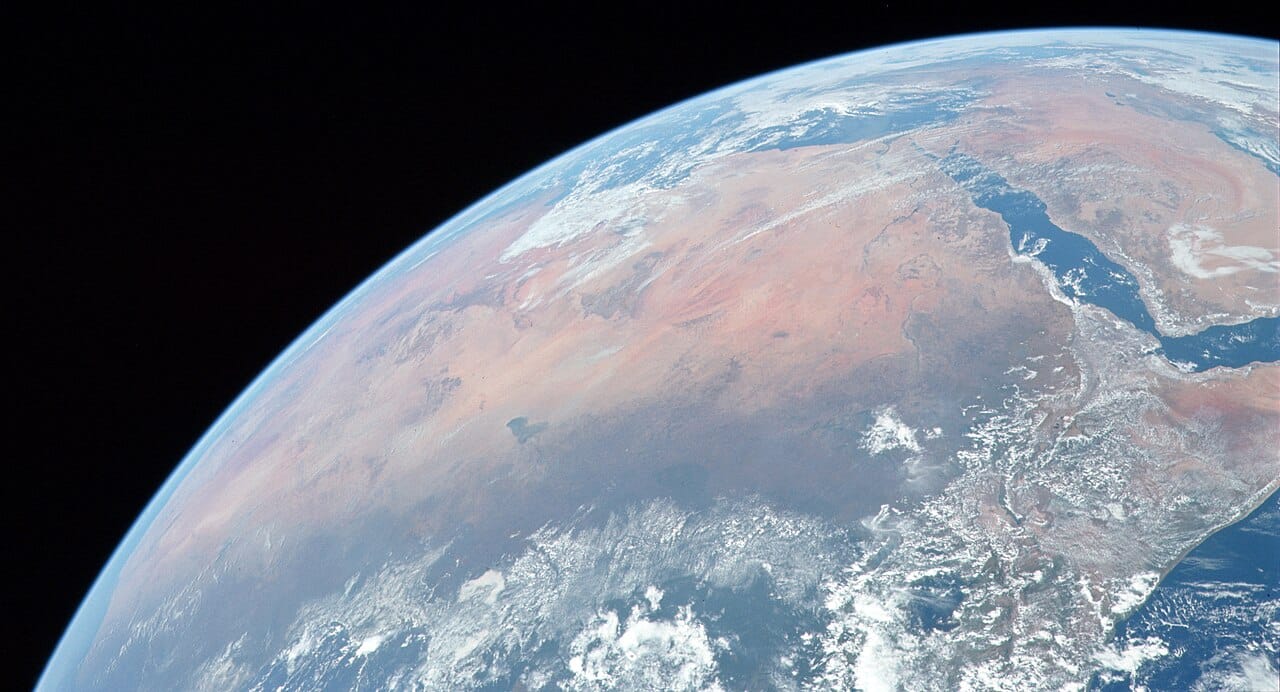
Algeria is overwhelmingly desert: more than four-fifths of the country lies within the Sahara, a realm of dunes, rocky plateaus, and oases stretching into the deep interior. Almost all the population is squeezed into the narrow, fertile band along the Mediterranean coast and the Atlas Mountains that rise behind it. In the far south stand the dramatic mountains and ancient rock art of the Tassili plateau, recording a time when the Sahara was green.
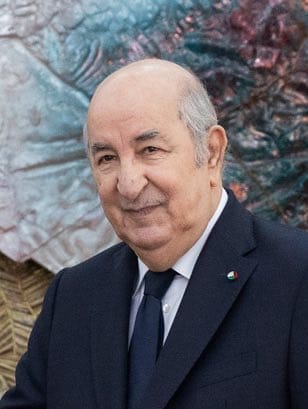
Algeria is a presidential republic, but power has rested, since independence, less with elected leaders than with the military and the security establishment, an entrenched system Algerians call le pouvoir, the power. The National Liberation Front, the FLN, which won independence, long dominated politics. The president since 2019 is Abdelmadjid Tebboune, who came to office after a wave of mass protests forced out his long-ruling predecessor. Elections are held, but critics say the underlying system, and the army's decisive role within it, has changed little, and space for dissent remains tightly limited.
Algeria's economy is dominated by a single fact: it sits on enormous reserves of oil and, especially, natural gas. Through the state company Sonatrach it is one of the world's major gas exporters and a crucial supplier to Europe, a role that grew even more important after 2022 as the continent sought alternatives to Russian energy. This hydrocarbon wealth funds the state, subsidises daily life, and pays for the food the country must import. But it has also left the economy dangerously undiversified and exposed to swings in energy prices, and doing too little to provide jobs for a large and youthful population, a persistent source of frustration.
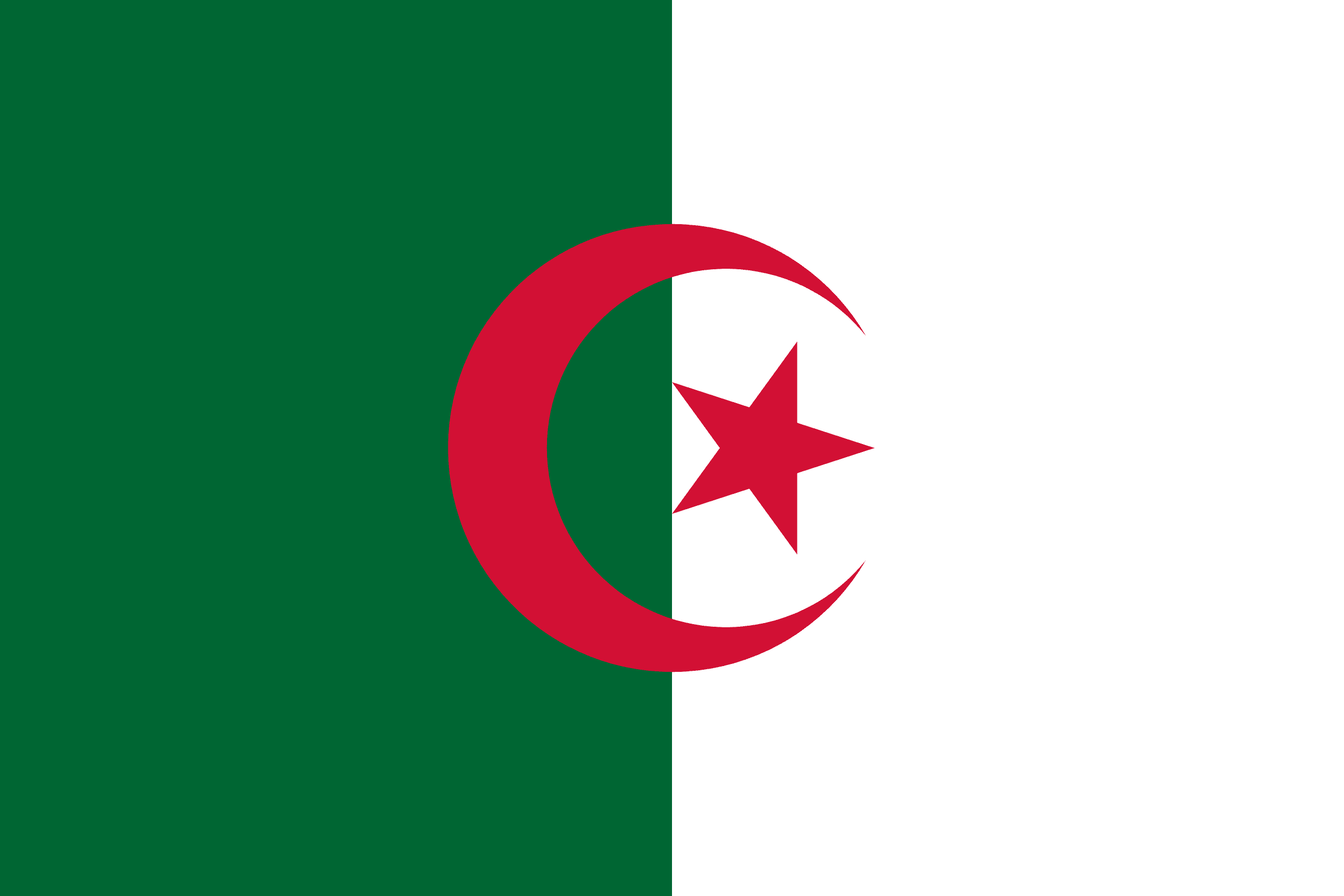
The flag of Algeria has two vertical bands of green and white, with a red crescent moon and five-pointed star in the centre. The green and white are associated with Islam and with purity and peace, while the red represents the blood shed in the long struggle for independence. The crescent and star are traditional symbols of Islam, the faith of the great majority of Algerians.
Algeria is an overwhelmingly Muslim country, and Islam, in its Sunni form, is the state religion and a central part of national identity, law, and daily life. The faith arrived with the Arab conquests and has shaped the country for over a thousand years. Small Christian and Jewish communities, once larger, have dwindled. Beneath the Arab-Islamic surface, the deep Berber heritage of the land endures in language, custom, and a strong sense of identity.
Algerian cuisine reflects its Berber roots and Arab, Mediterranean, and French influences. The signature dish is couscous, steamed semolina served with a stew of meat and vegetables, considered a national dish across the Maghreb. Slow-cooked tagines, hearty soups such as chorba, spiced merguez sausages, and an abundance of bread, olives, and dates fill the table. Sweet mint tea and strong coffee accompany meals in a culture that prizes hospitality.
Farming in Algeria is confined largely to the fertile coastal strip and the valleys of the Atlas Mountains, since the Sahara covers most of the country. Wheat and barley are the main grains, alongside citrus fruits, olives, dates from the desert oases, and vegetables. The country was once a notable wine producer under French rule. Agriculture, however, is overshadowed by the oil and natural gas that dominate the economy and fund food imports.
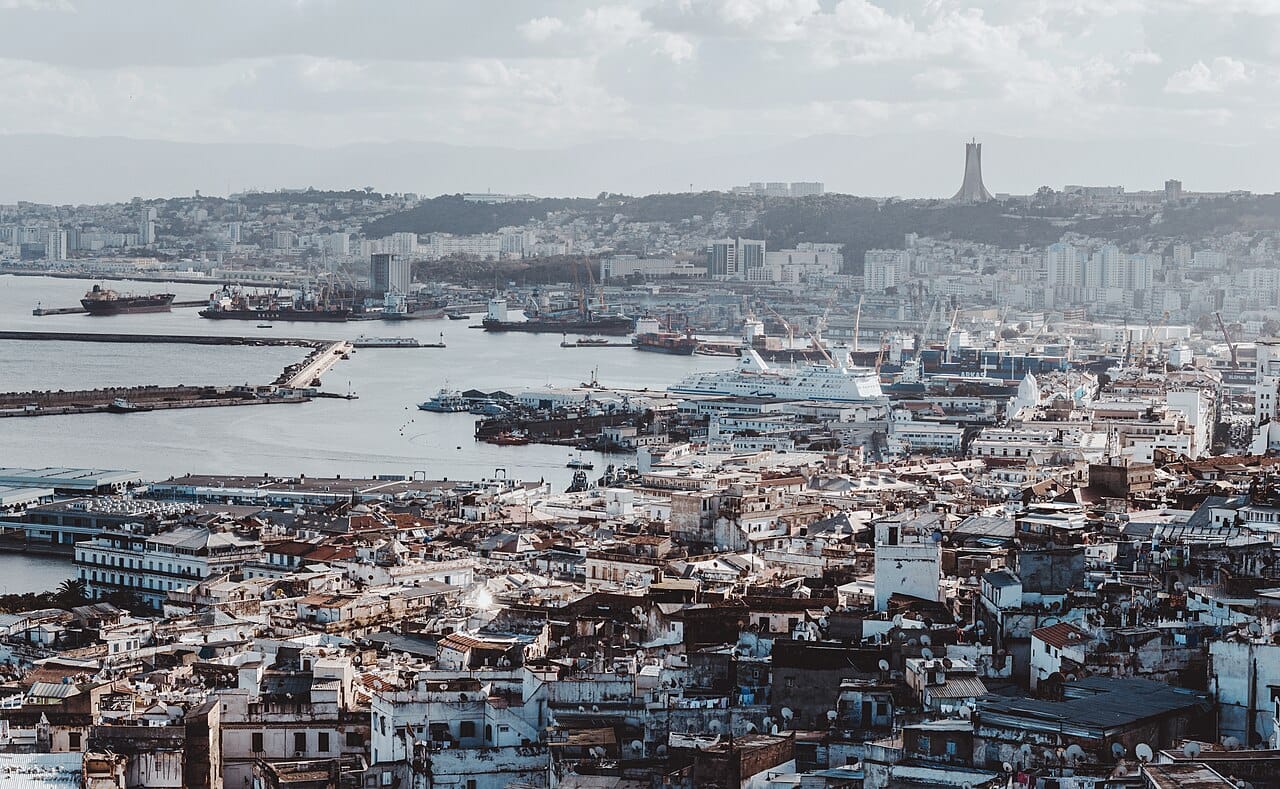
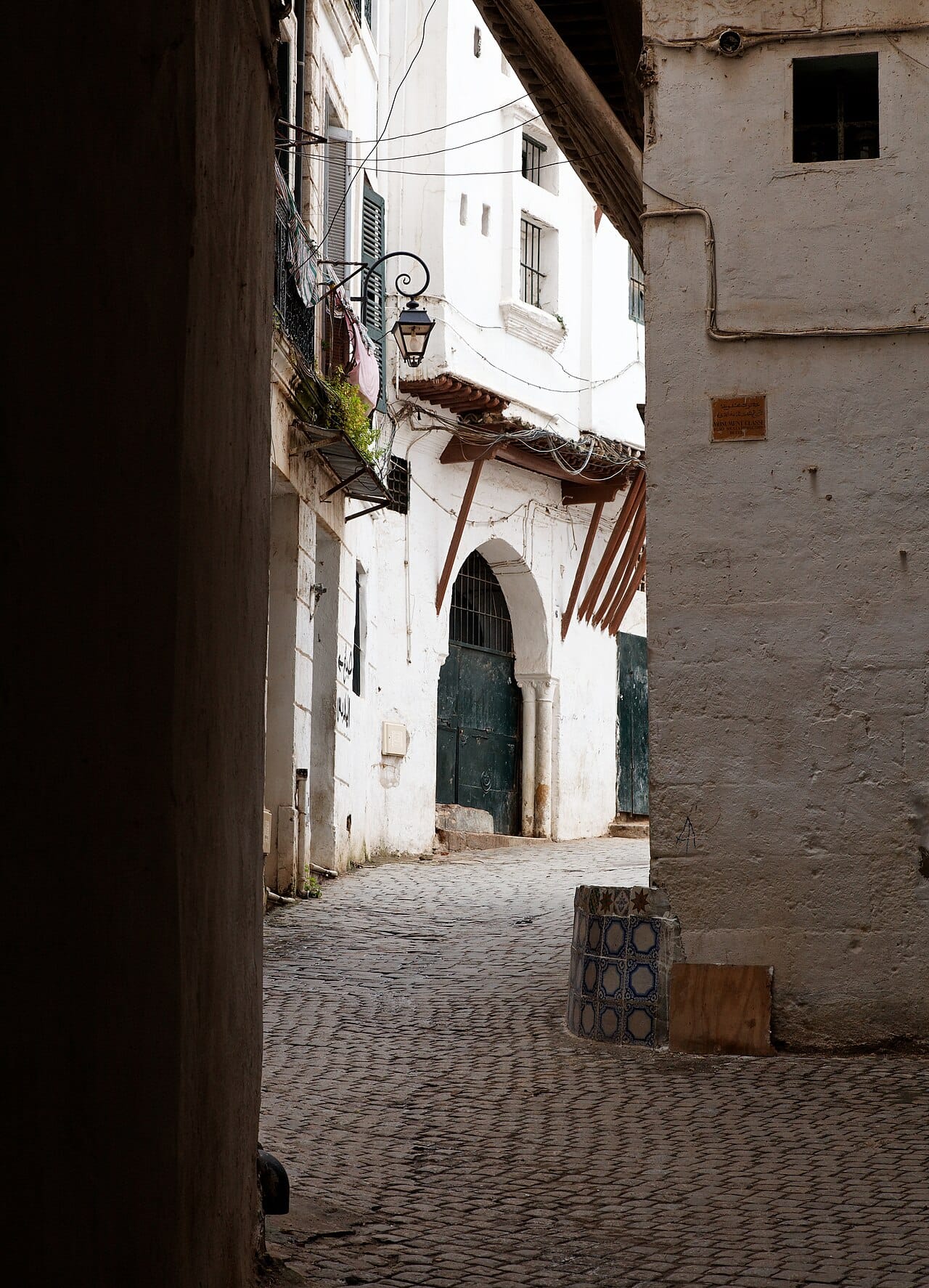
Algerian culture is layered from its Berber, Arab, Mediterranean, and French inheritances. Beneath the Arab-Islamic character of the nation runs a deep and proud Amazigh, or Berber, identity, whose language, Tamazight, has won official recognition and whose heartland in the mountainous Kabylie region has a strong sense of its own. The rai music born in the city of Oran carried Algerian sound to the world, football commands passionate devotion, and the ceremony of hospitality, of couscous and sweet mint tea, runs through daily life. The old Casbah of Algiers, a dense maze of white houses tumbling down to the sea, stands as a living emblem of this rich and much-contested heritage.
Algerians often speak of a revolution betrayed. The nation was born of an extraordinary popular struggle against France, yet since independence real power has stayed with the military and security establishment rather than the ballot box. The wound runs deep: in 1992 the army cancelled elections that Islamists were poised to win, triggering a horrific civil war through the 1990s, the Black Decade, in which as many as two hundred thousand people died. In 2019 a vast, peaceful protest movement, the Hirak, filled the streets week after week and forced out the ailing president of two decades, yet the underlying system endured and the movement was gradually suppressed. The gap between the democracy Algerians fought and marched for and the reality of a state controlled from behind the scenes remains the country's central, unresolved tension.
Algeria has a population of around 45 million people, the overwhelming majority Arab-Berber Muslims. The population clusters along the Mediterranean coast and in the northern mountains, leaving the vast Saharan interior almost empty. The capital and largest city is Algiers, a historic port on the sea. While Arabic and Berber are both official languages, French remains widely used, a lingering trace of the colonial era, and the population is notably young.