Afghanistan is a landlocked, mountainous country at the crossroads of Central and South Asia, where the great ranges of the Hindu Kush meet the high plateaus of the region. For thousands of years its valleys and passes have carried trade, armies, and ideas between East and West, and its strategic position has made it both a meeting place of cultures and, in modern times, a battleground that has earned it the grim nickname of the graveyard of empires.
Afghanistan sits on one of the oldest crossroads of human civilisation, fought over and ruled by a long line of empires. Persians, the Greeks of Alexander the Great, Buddhist kingdoms, and Islamic dynasties all left their mark before a single Afghan state emerged in the eighteenth century and, in modern times, drew in the world's great powers.
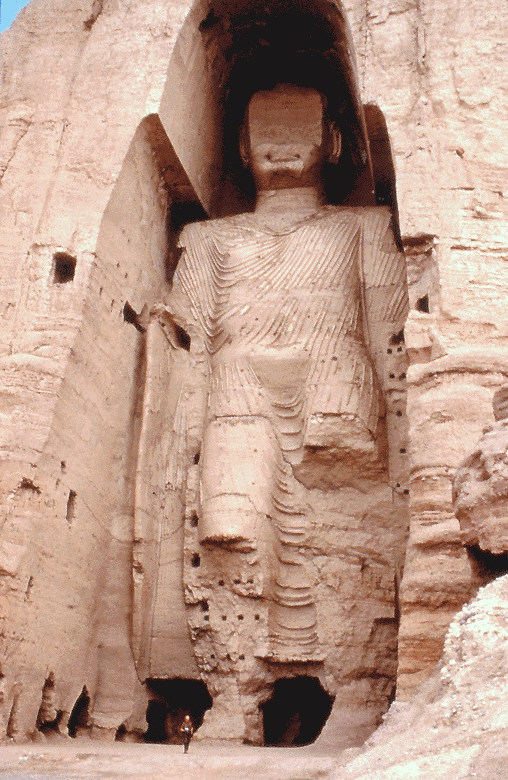
Standing between Persia, India, and the steppes of Central Asia, the region was a meeting point of civilisations for thousands of years. It formed the ancient land of Bactria, was conquered by Alexander the Great, and became a flourishing centre of Buddhism whose monasteries and colossal cliff statues drew pilgrims from across Asia.
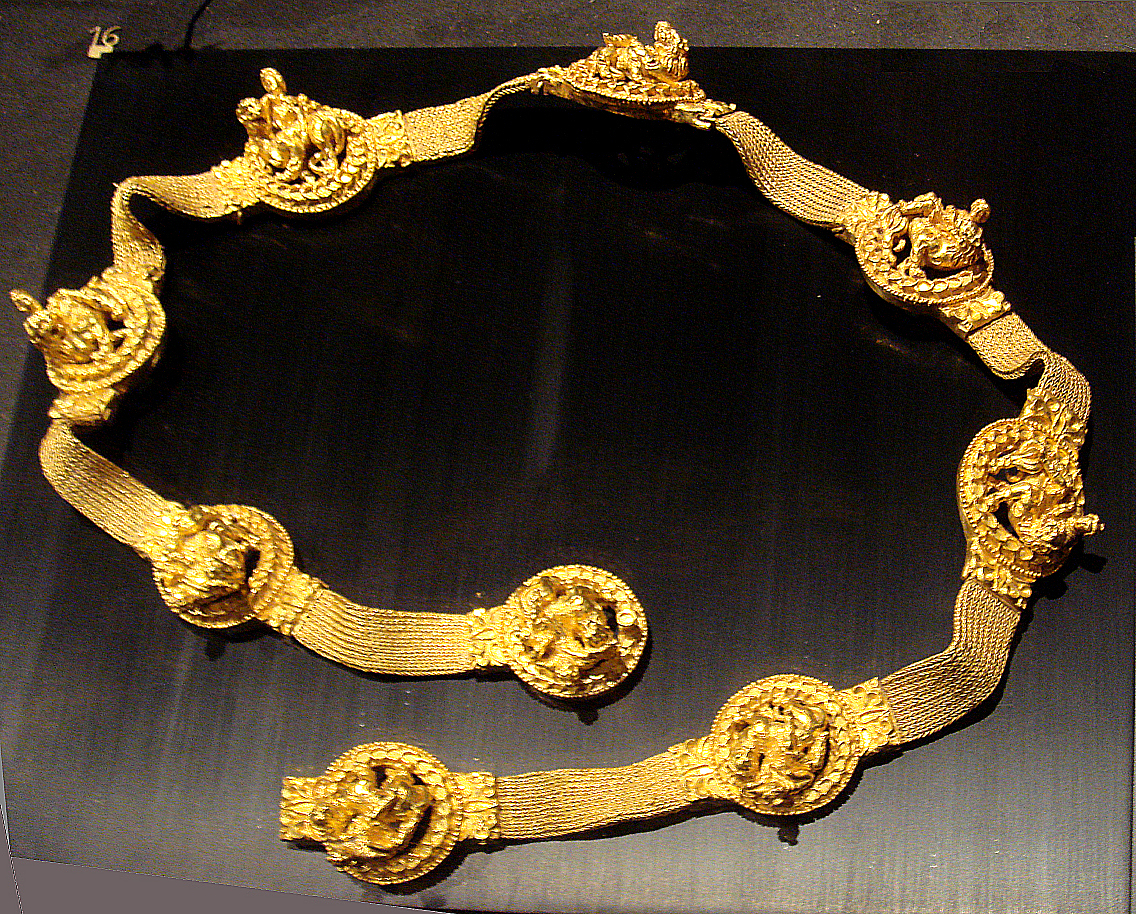
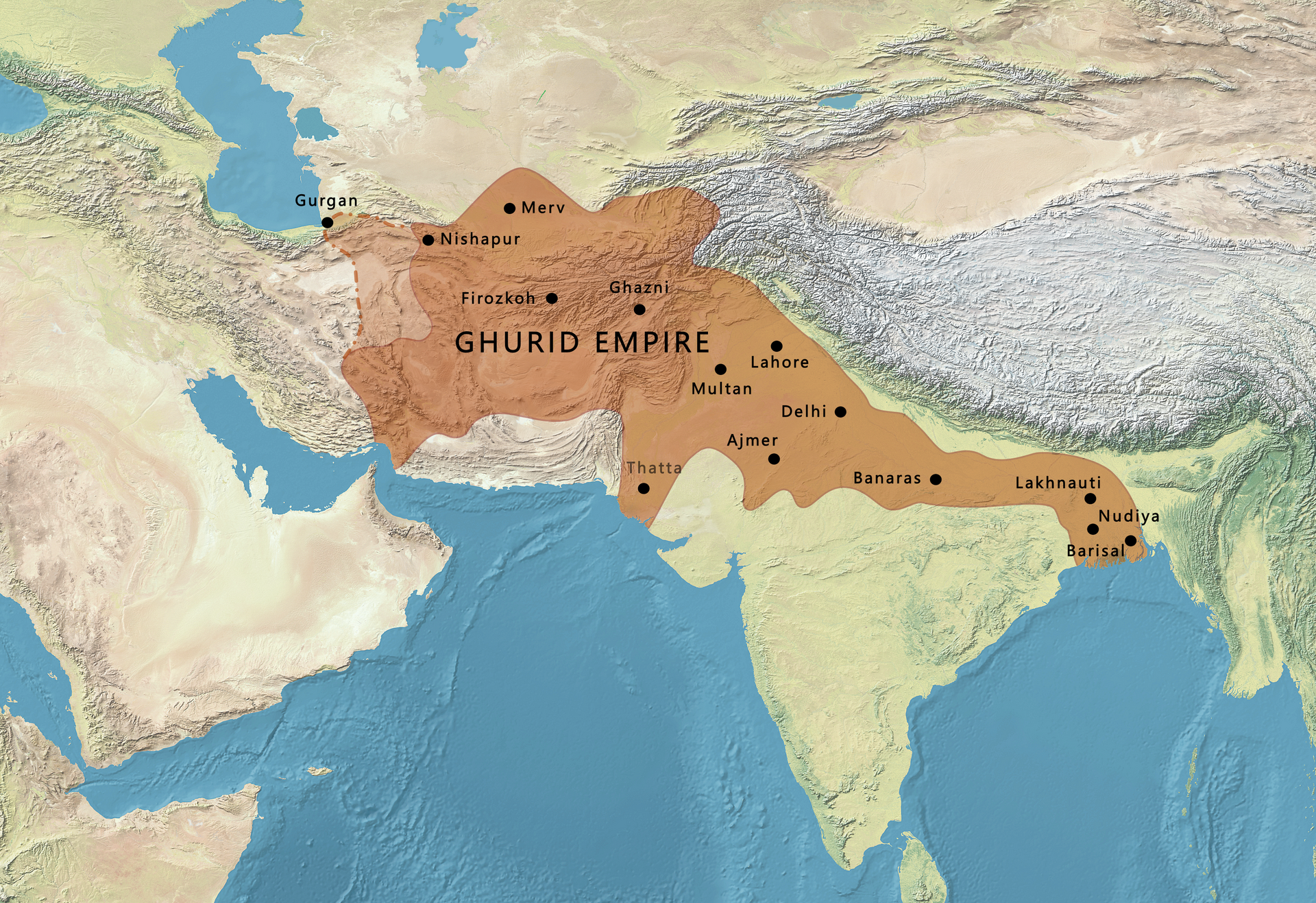
Arab armies brought Islam from the seventh century, and over the following centuries the faith took deep root. Powerful dynasties rose from Afghan soil, among them the Ghaznavids and the Ghurids, who built empires stretching deep into India and made cities such as Ghazni into centres of Islamic art and learning.
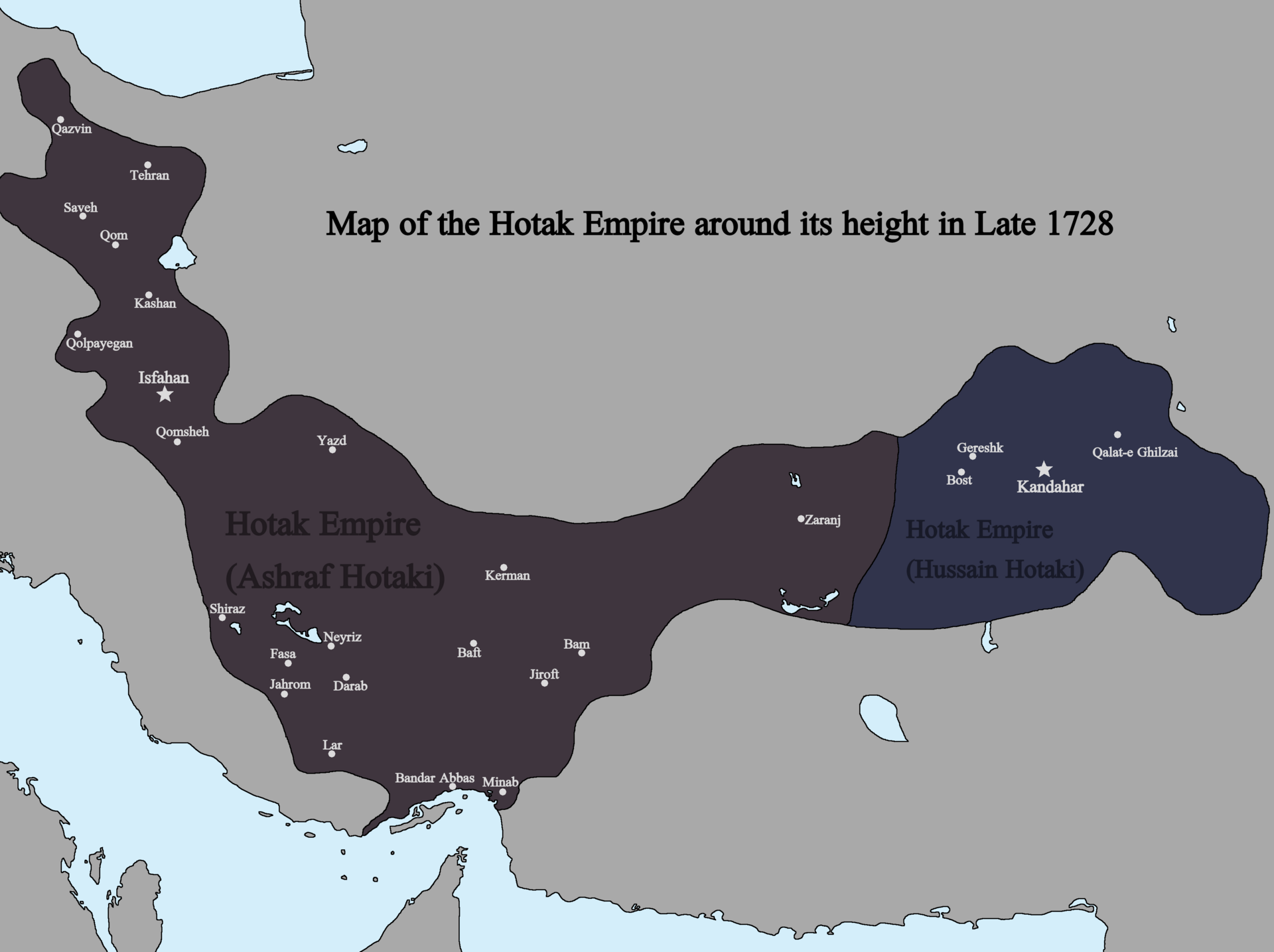
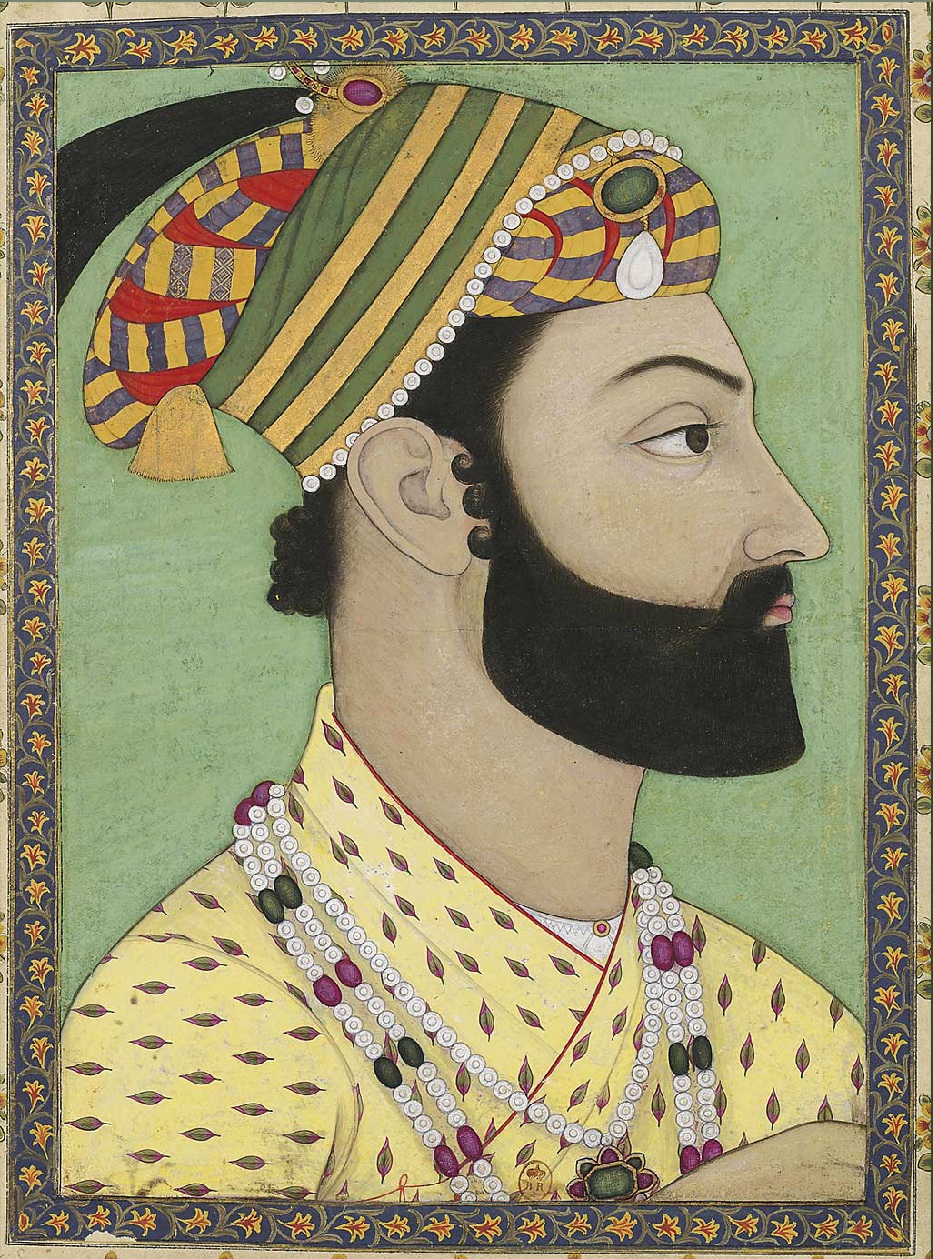
After the decline of the great empires, Afghan tribes reasserted themselves, briefly overrunning Persia under the Hotak dynasty in the early eighteenth century. In 1747 Ahmad Shah Durrani united the Pashtun tribes into a single realm, an event usually taken as the founding of the modern Afghan state.
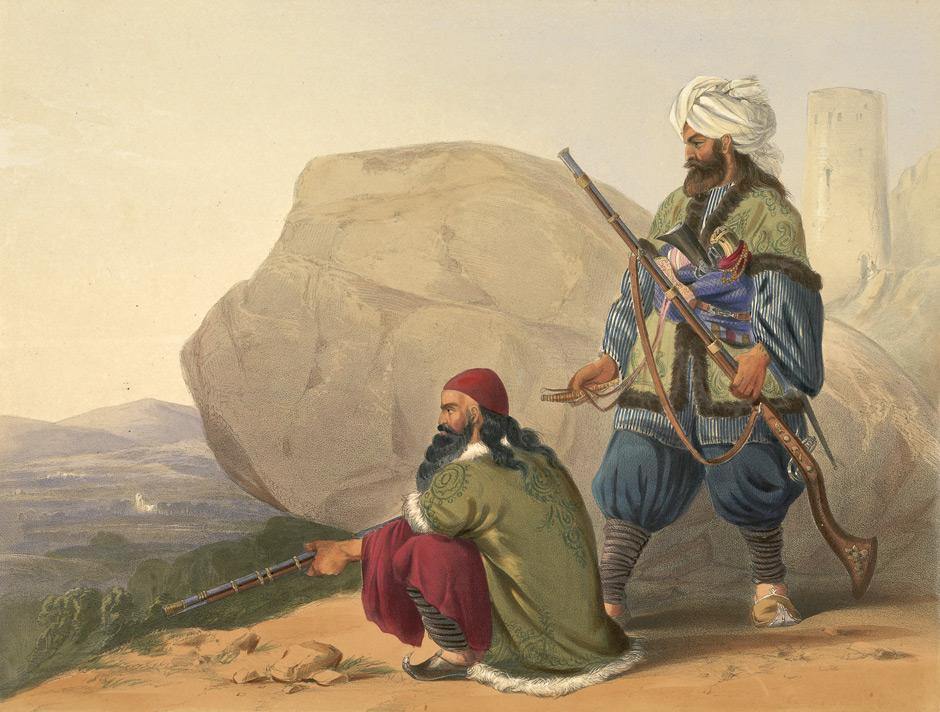
In the nineteenth century Afghanistan became the arena of the Great Game, the rivalry between the British and Russian empires, and fought a series of bruising Anglo-Afghan wars in which it fiercely resisted foreign control. This history of costly invasions and stubborn resistance gave the country its grim nickname as the graveyard of empires.
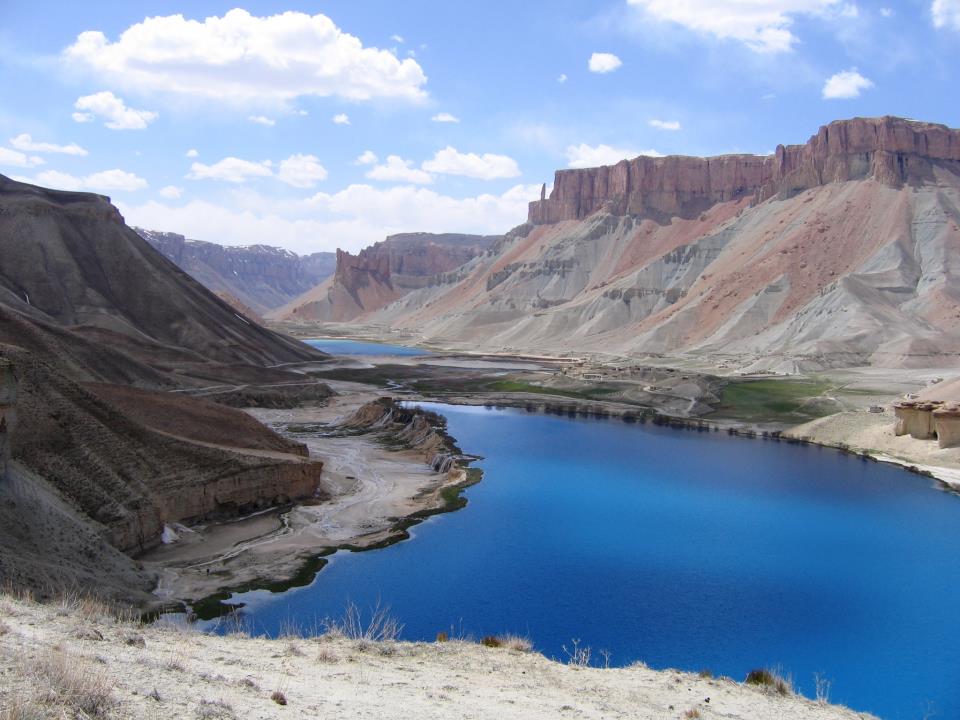
Afghanistan is overwhelmingly rugged and dry, dominated by the towering Hindu Kush mountains that run northeast to southwest across the country, with fertile valleys and plains between the ranges and deserts in the south. Landlocked and remote, it endures harsh winters in the highlands and hot, arid summers in the lowlands. The mountains have shaped its history, sheltering fiercely independent communities and frustrating the armies that have tried to conquer it.
Since the Taliban returned to power in 2021, Afghanistan has been governed as the Islamic Emirate of Afghanistan, an administration led by a religious leadership that applies a strict interpretation of Islamic law. There is no elected parliament or constitution of the earlier republic, and power rests with the movement's supreme leader and a cabinet of clerics. As of the mid 2020s no foreign government formally recognises the administration, leaving the country largely isolated on the world stage even as other states deal with it in practice.
Afghanistan is one of the poorest countries in Asia, its economy battered by decades of war and, since 2021, by the loss of the foreign aid that once funded much of the state. Most people live by farming and herding. The land holds large untapped mineral wealth, including copper, iron, and deposits of lithium vital to modern batteries, but conflict, isolation, and a lack of infrastructure have kept it largely in the ground. The country faces deep poverty and recurring humanitarian crises.
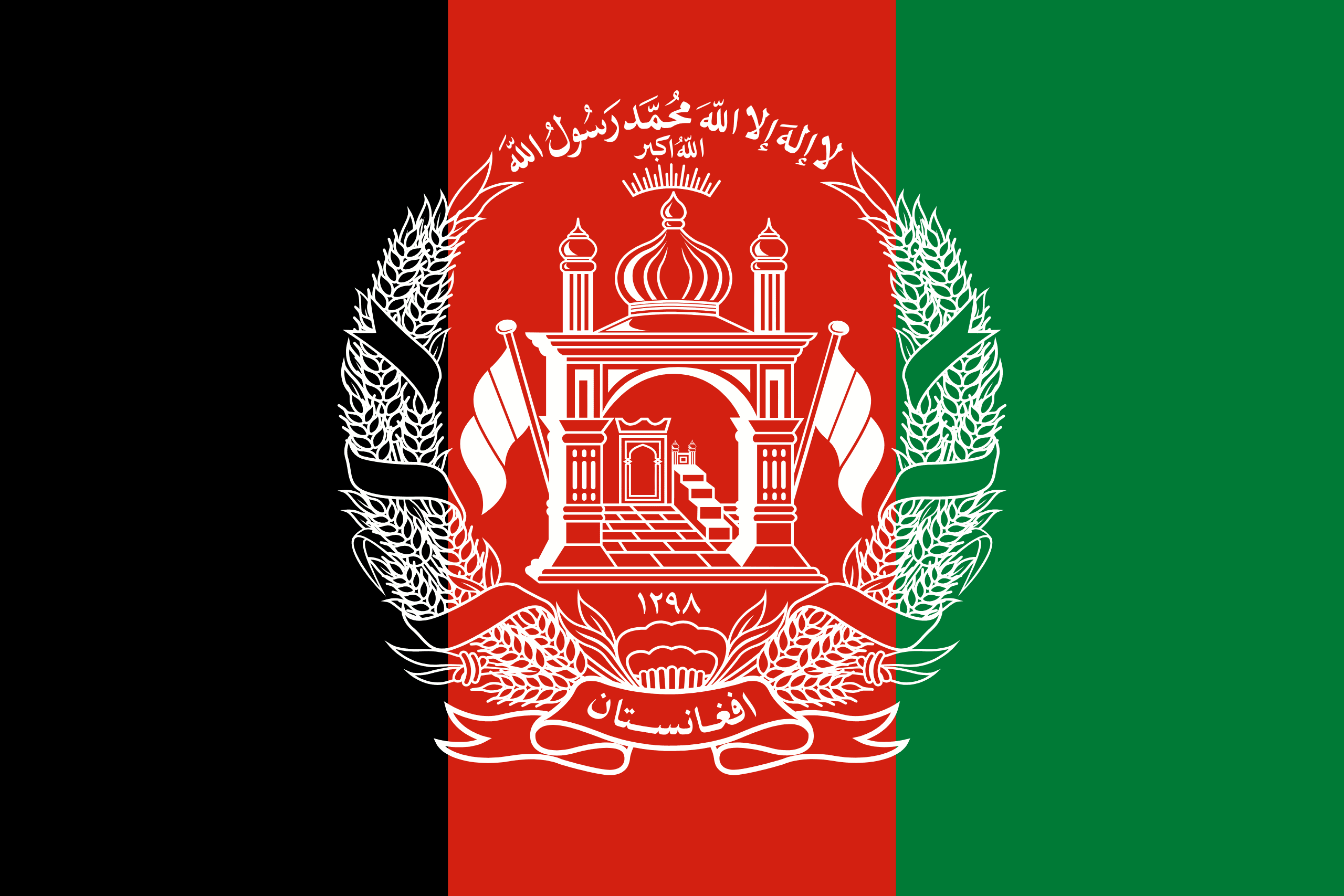
Afghanistan's flag has changed often with its turbulent politics, more than almost any other country. For much of the modern era it was a vertical tricolour of black, red, and green bearing a national emblem at the centre. Following the return of the Taliban to power in 2021, a white flag inscribed in black with the Islamic declaration of faith has been flown. The frequent changes mirror the country's many shifts of rule.
Afghanistan is an overwhelmingly Muslim country, and Islam is central to every aspect of its law, culture, and daily life. The great majority follow the Sunni tradition, with a significant Shia minority, including much of the Hazara people. Faith and tribal custom are tightly interwoven in Afghan society. Long before Islam, the region was an important centre of Buddhism and Zoroastrianism, a heritage reflected in its ancient ruins.
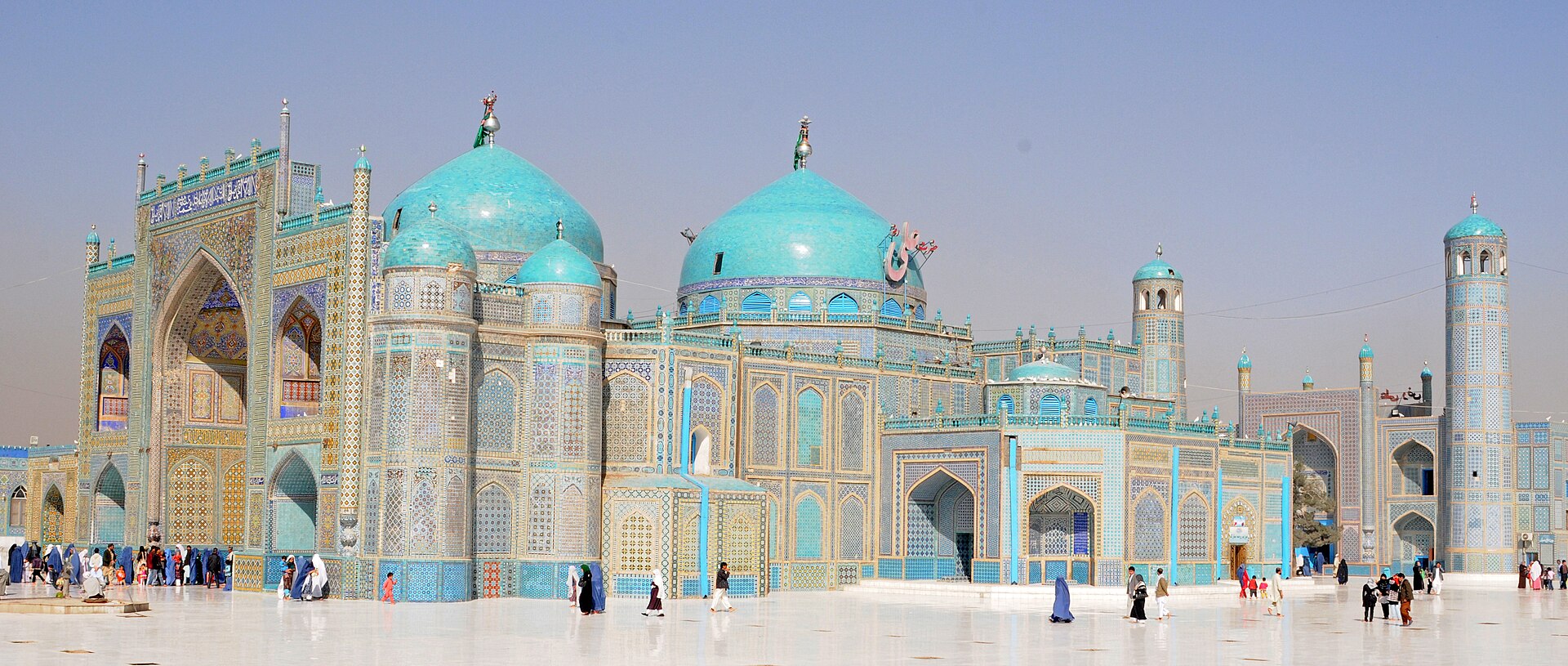
Afghan cuisine blends the flavours of Central Asia, Persia, and the Indian subcontinent. Its most celebrated dish is kabuli pulao, fragrant rice steamed with lamb and topped with carrots and raisins, often regarded as the national dish. Grilled kebabs, dumplings, flatbread baked in clay ovens, and dishes rich with yogurt and herbs are common. Green tea is the customary drink, central to a strong tradition of hospitality.
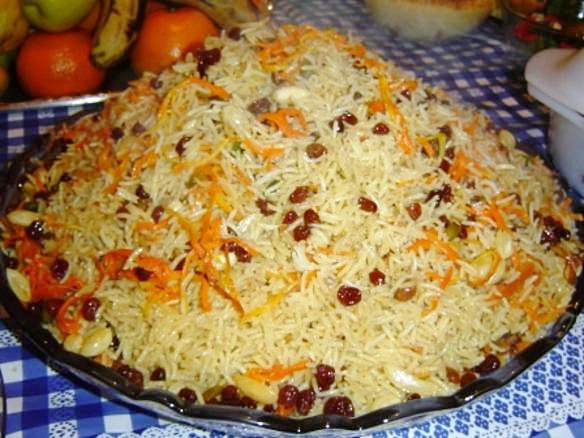
Agriculture is the mainstay of life for most Afghans, despite the dry and mountainous land, sustained by irrigation from snowmelt in the high ranges. The country grows wheat as its staple, along with renowned fruits and nuts, including pomegranates, grapes, melons, and almonds, long prized in the region. Decades of war have disrupted farming, and in some areas the cultivation of opium poppy, the source of much of the world's illegal heroin, has taken hold.
Afghan society is deeply traditional, built on strong bonds of family, tribe, and faith, and famed for a code of hospitality that treats the guest as sacred. It is a mosaic of peoples, the largest being the Pashtuns, alongside Tajiks, Hazaras, Uzbeks, and others, each with their own language and customs. Poetry holds a cherished place, and the rough mounted game of buzkashi is a beloved national sport. Much of life remains rural, and community elders and councils carry great weight.
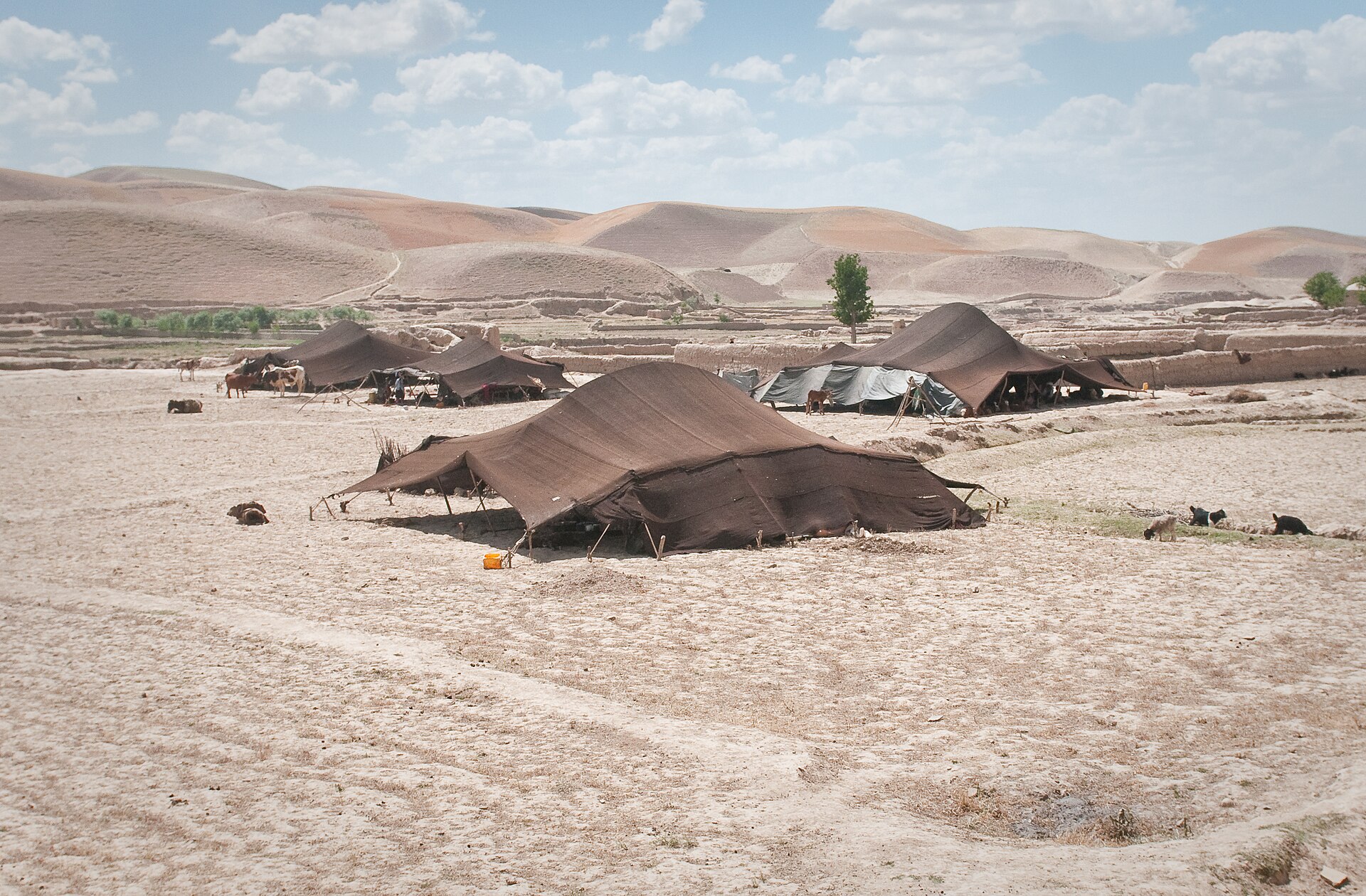
Afghanistan's recent history has been dominated by conflict and by sharp disputes over how it should be governed. A Soviet invasion in 1979 led to a decade of war, followed by civil war and the first period of Taliban rule. After the attacks of 2001 a United States-led coalition fought a twenty-year war before withdrawing in 2021, when the Taliban returned to power. Since then the administration's strict rules, especially bans that have barred most women and girls from secondary school, university, and many kinds of work, have drawn international condemnation and remain the central controversy surrounding the country, alongside its severe humanitarian needs and its isolation abroad.
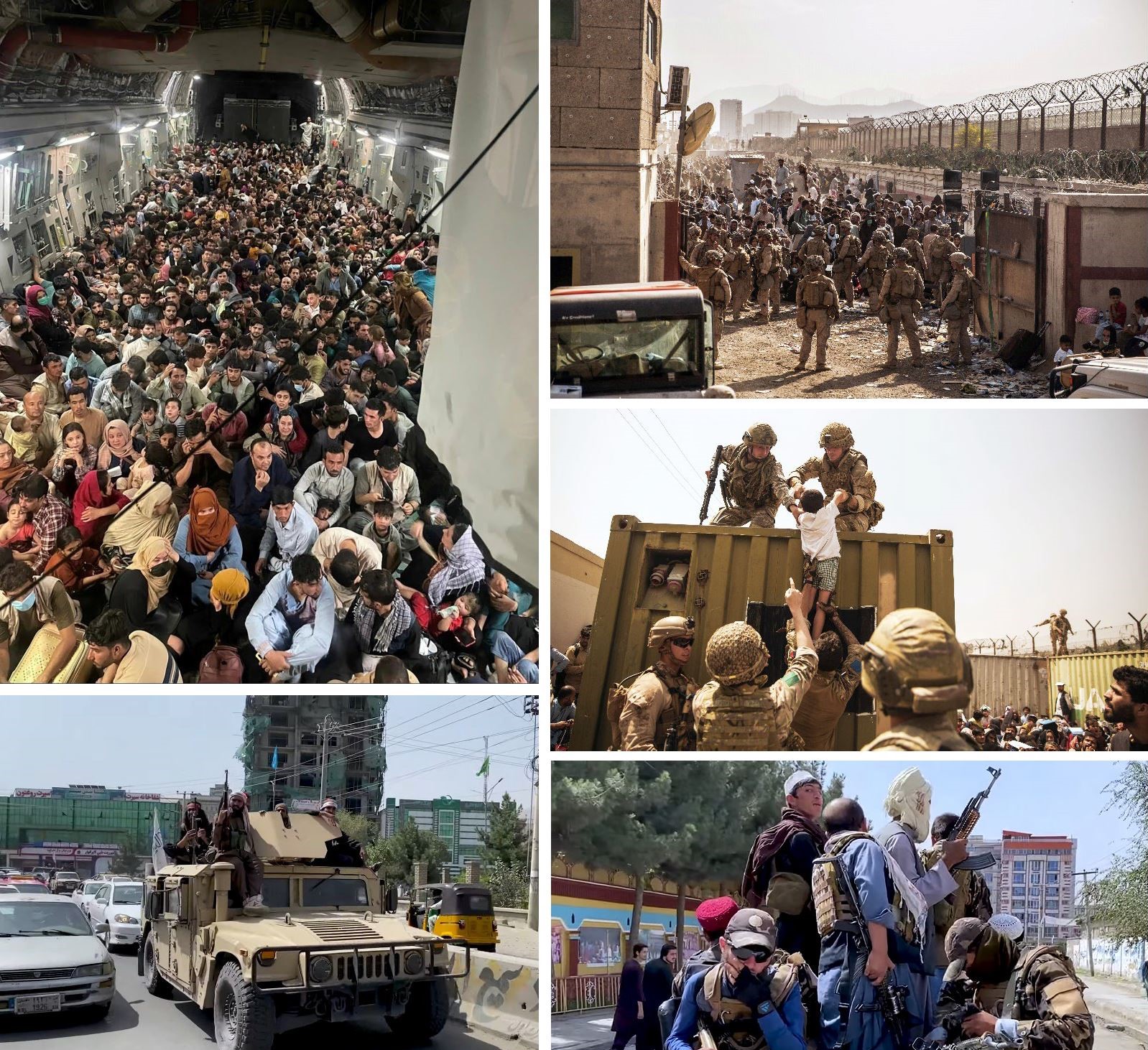
Afghanistan's position on the routes between empires has shaped its long history of invasion and resistance. In the nineteenth century it became a focus of rivalry between the British and Russian empires, fighting a series of Anglo-Afghan wars. A Soviet invasion in 1979 led to a long and bloody conflict, and after the attacks of 2001 a United States-led coalition fought a twenty-year war before withdrawing in 2021, when the Taliban returned to power.
Afghanistan has a population of around 41 million people, young and largely rural. It is a mosaic of ethnic groups, the largest being the Pashtuns, alongside Tajiks, Hazaras, Uzbeks, and others, each with their own language and traditions, a diversity that has both enriched the country and complicated its politics. The capital, Kabul, set in a high valley, is the largest city. Decades of conflict have driven millions of Afghans to live as refugees abroad.