New Zealand is an island country in the southwestern Pacific Ocean, made up of two main islands and many smaller ones, lying far from any continent. A land of mountains, fjords, volcanoes, and green pasture, it was one of the last large landmasses on Earth to be settled by humans. It blends the heritage of its indigenous Maori people with that of later European settlers, and it is known worldwide for its spectacular natural beauty.
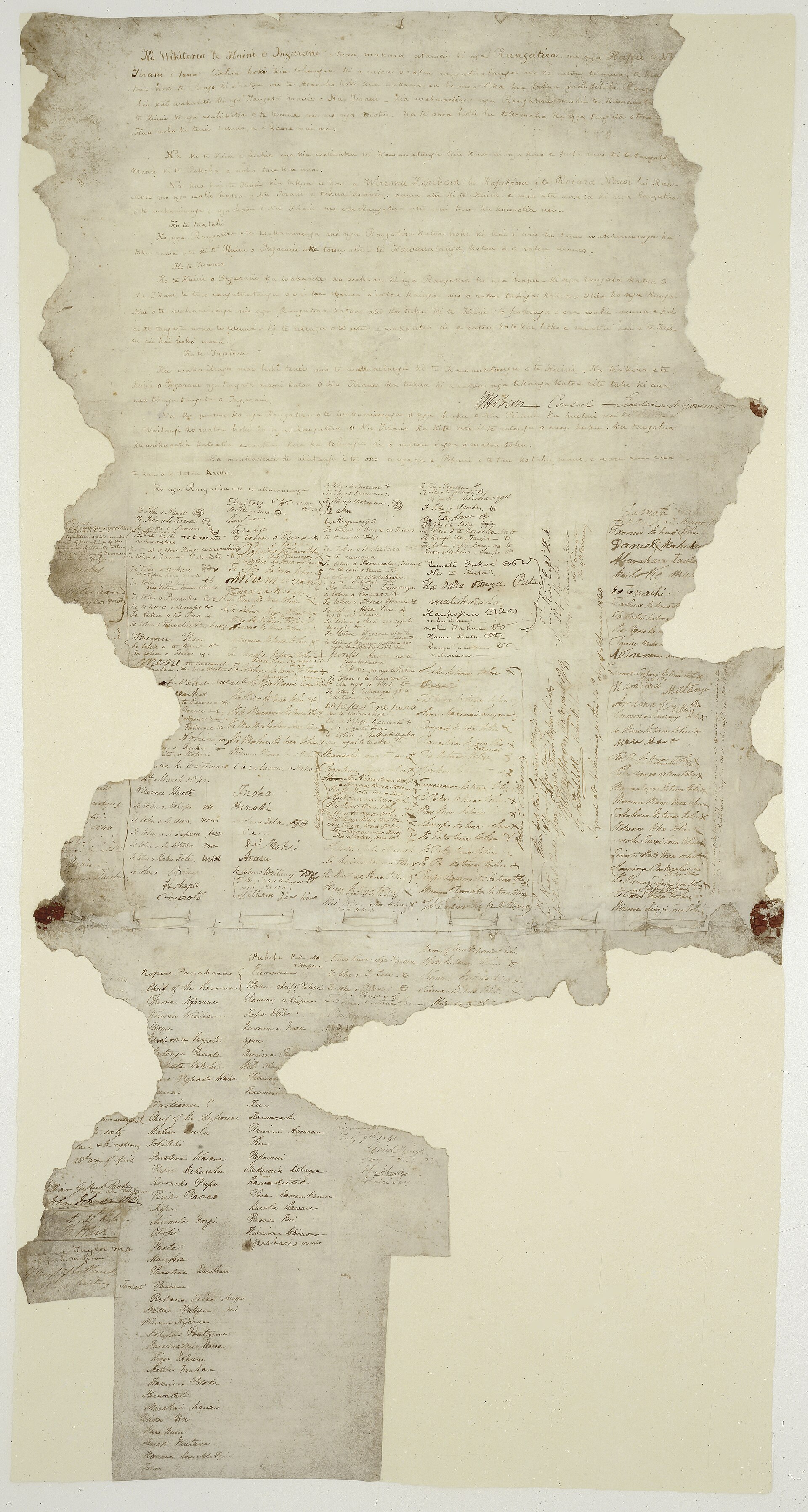
New Zealand was settled around the thirteenth century by Maori, Polynesian voyagers who crossed the vast Pacific in ocean-going canoes and developed a rich culture in isolation. European contact began with the Dutch navigator Abel Tasman and later the Englishman James Cook. In 1840 the British Crown and many Maori chiefs signed the Treaty of Waitangi, the country's founding document, which led to British sovereignty but whose meaning and breaches have been debated and contested ever since.
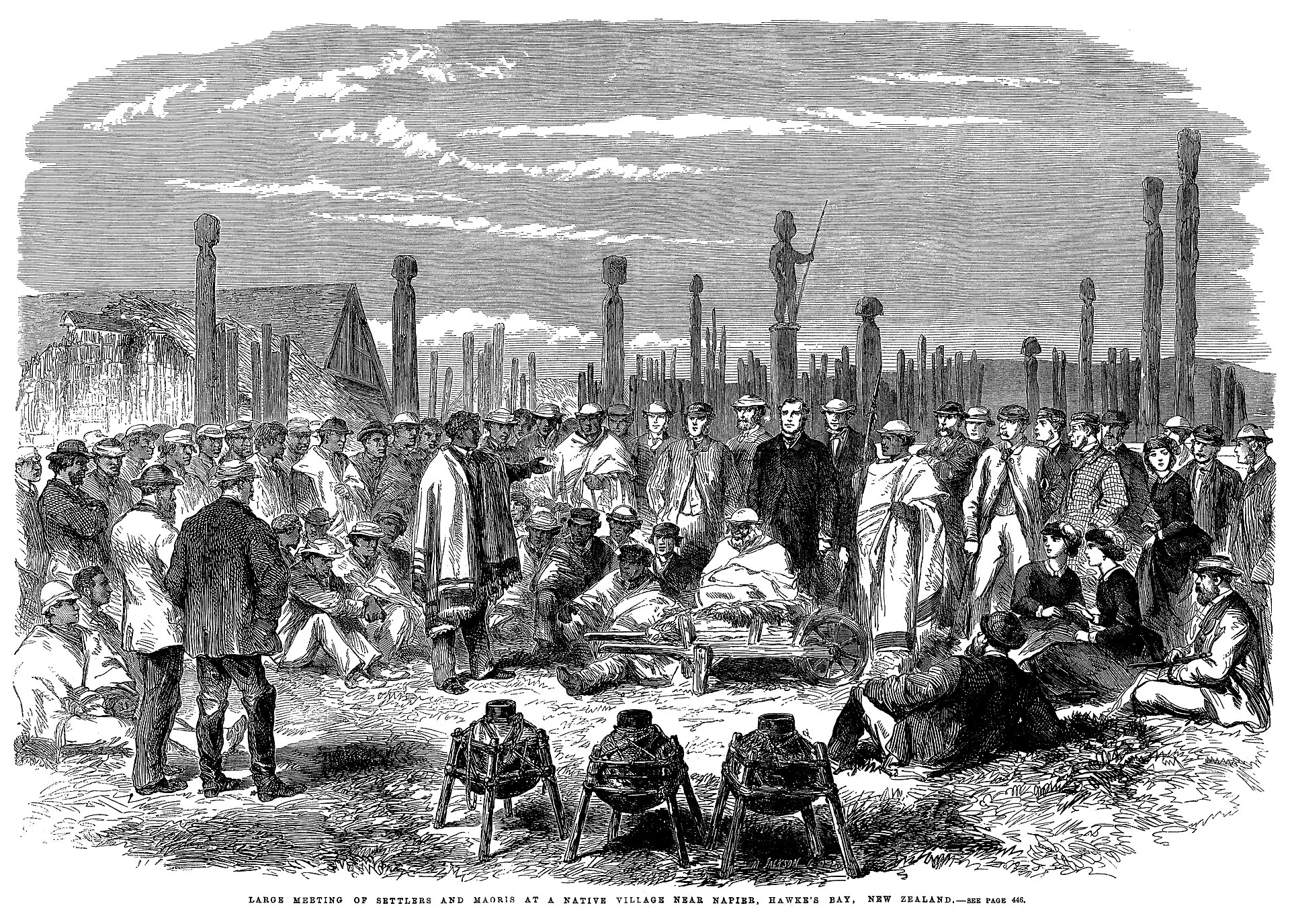
Maori tradition tells that the explorer Kupe was the first to discover New Zealand, which he named Aotearoa, the land of the long white cloud, voyaging from the ancestral Polynesian homeland of Hawaiki and guiding later migration canoes that brought the Maori people. These accounts, passed down orally, are central to Maori identity and history. The specific figure of Kupe and the details belong to legend and tradition, though the reality of the great Polynesian voyages that settled the islands is well established.
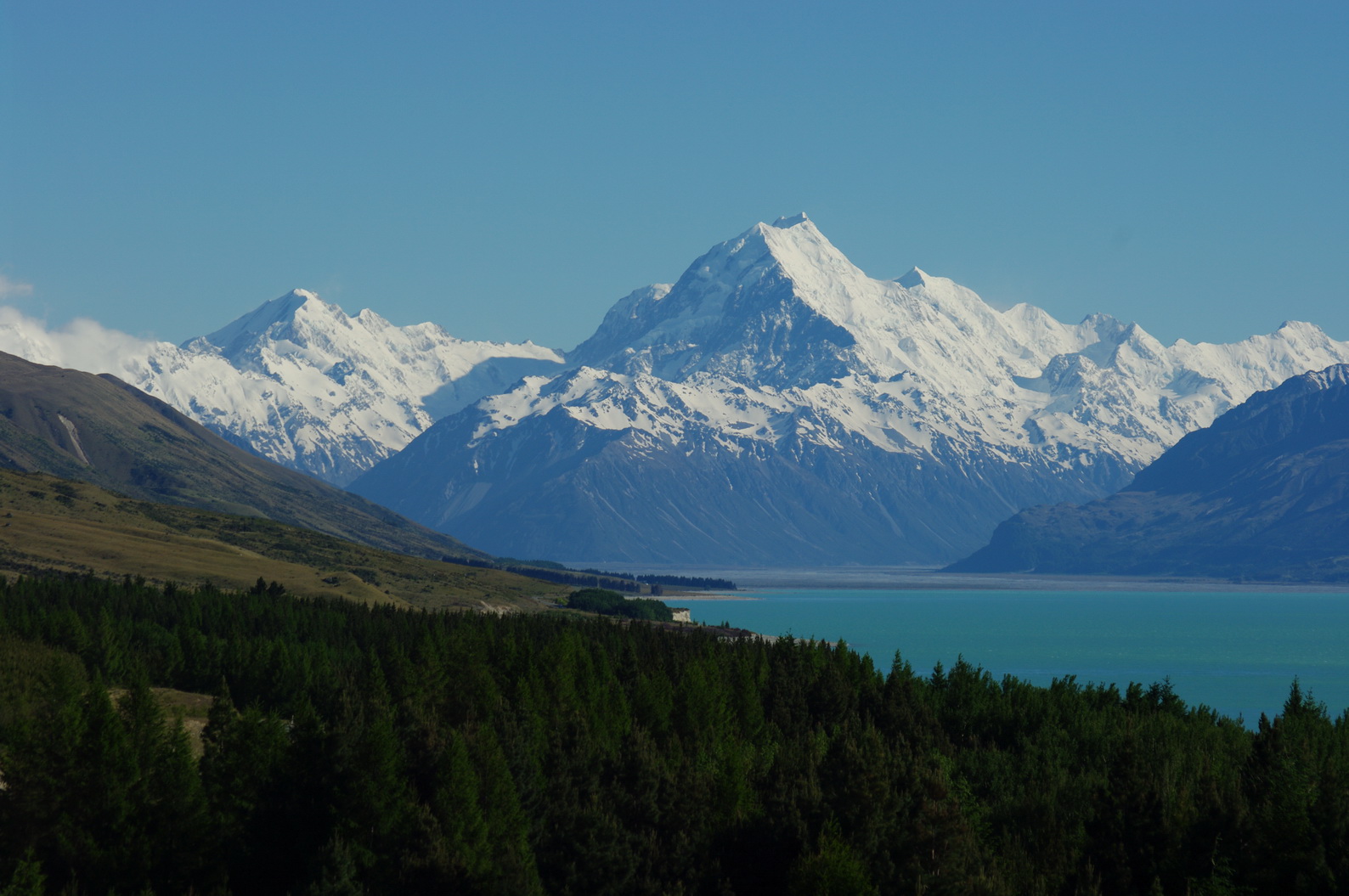
New Zealand's two main islands offer remarkable variety. The North Island is warmer and volcanic, with geysers, hot springs, and active peaks, while the South Island is dominated by the Southern Alps, a spine of snow-capped mountains rising to Aoraki, or Mount Cook, and by glaciers, fjords, and lakes. Long isolation produced a unique natural world, including flightless birds like the kiwi, which became the national symbol, evolved in a land that had no native land mammals.
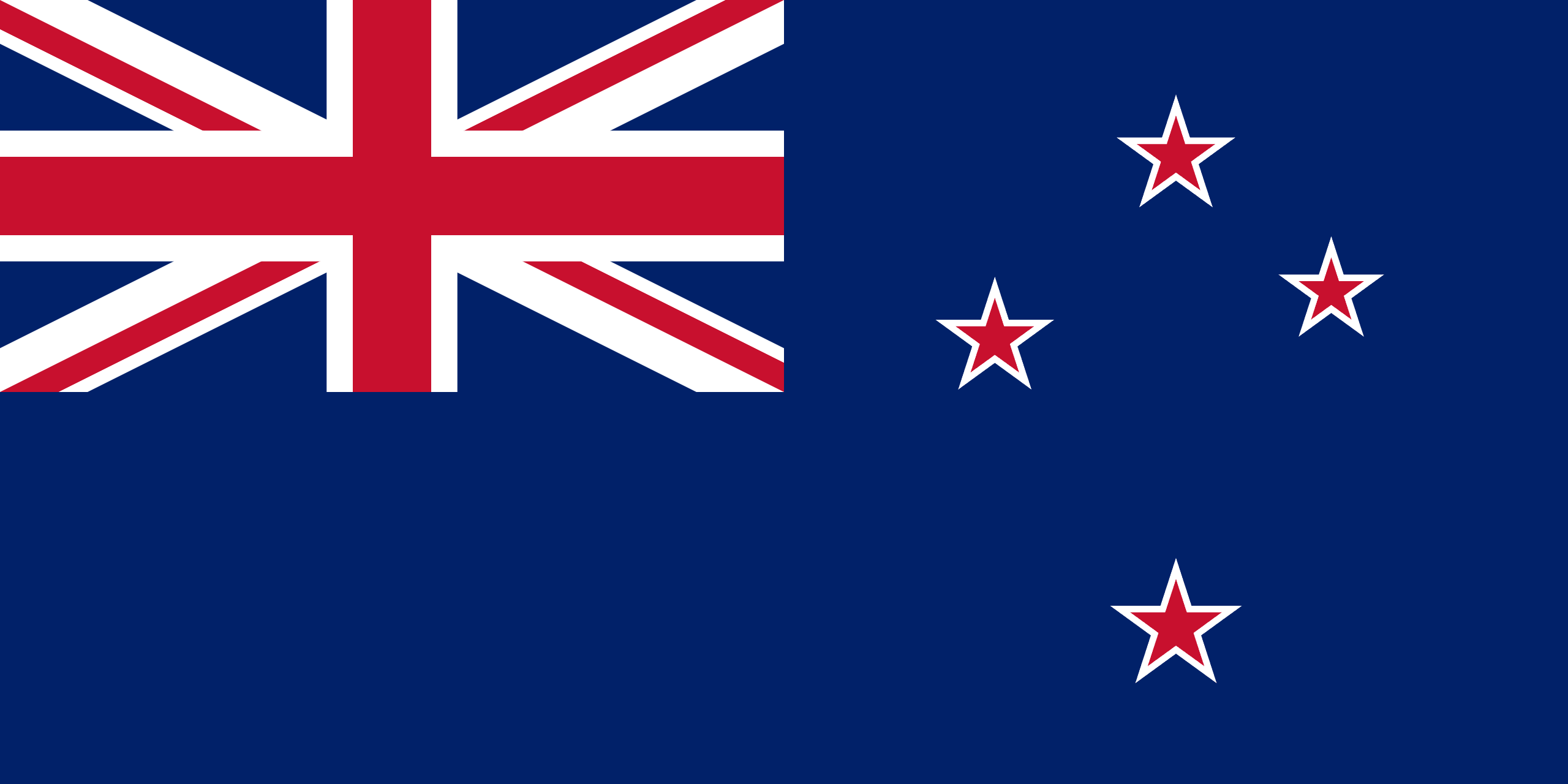
The flag of New Zealand is a blue field bearing the British Union Jack in the upper corner and four red, white-edged stars forming the Southern Cross, the constellation that shines over the southern sky. The Union Jack reflects the country's origins as a British settlement, while the Southern Cross places it firmly in the South Pacific. A national debate over whether to adopt a new design without the Union Jack led to a referendum that kept the existing flag.
New Zealand is a secular and religiously diverse society. Christianity, brought by European settlers and missionaries, was long the dominant faith and remains the largest, but a very large and growing share of New Zealanders report no religion at all, among the highest such proportions in the world. Immigration has brought communities of many faiths, and Maori spiritual traditions, with their deep connection between people, ancestors, and the land, remain an important presence.
New Zealand cuisine draws on its farms and its surrounding seas, prizing fresh, high-quality produce. Lamb and beef from its vast pastures, along with seafood and dairy, are central, and the traditional Maori hangi cooks meat and vegetables in an earth oven heated by hot stones. Multicultural influences, especially from across Asia and the Pacific, have enriched the modern table, and the country claims, alongside Australia, the meringue dessert known as the pavlova.
Agriculture is the backbone of New Zealand's economy and exports, favoured by a mild climate and abundant green pasture. The country is one of the world's largest exporters of dairy products, and sheep farming for lamb and wool has long been so central that sheep famously outnumber people by several times. New Zealand also exports beef, kiwifruit, and increasingly fine wine. Its clean, grass-fed image is a valuable part of how its food reaches global markets.
The signing of the Treaty of Waitangi in 1840 is the founding moment of modern New Zealand, and reckoning with its promises remains central to the relationship between Maori and the state. In 1893 New Zealand became the first self-governing country in the world to grant women the right to vote, a landmark in the history of democracy. In modern times it has carved out an independent voice, including a firm anti-nuclear stance.
New Zealand has a population of around 5.2 million people, concentrated on the North Island and in cities such as the largest, Auckland, and the capital, Wellington. The majority are of European descent, alongside the Maori, who make up a significant and culturally vital share of the population, as well as growing Pacific Islander and Asian communities. This mix makes New Zealand an increasingly diverse society, proud of both its Maori heritage and its Pacific identity.
