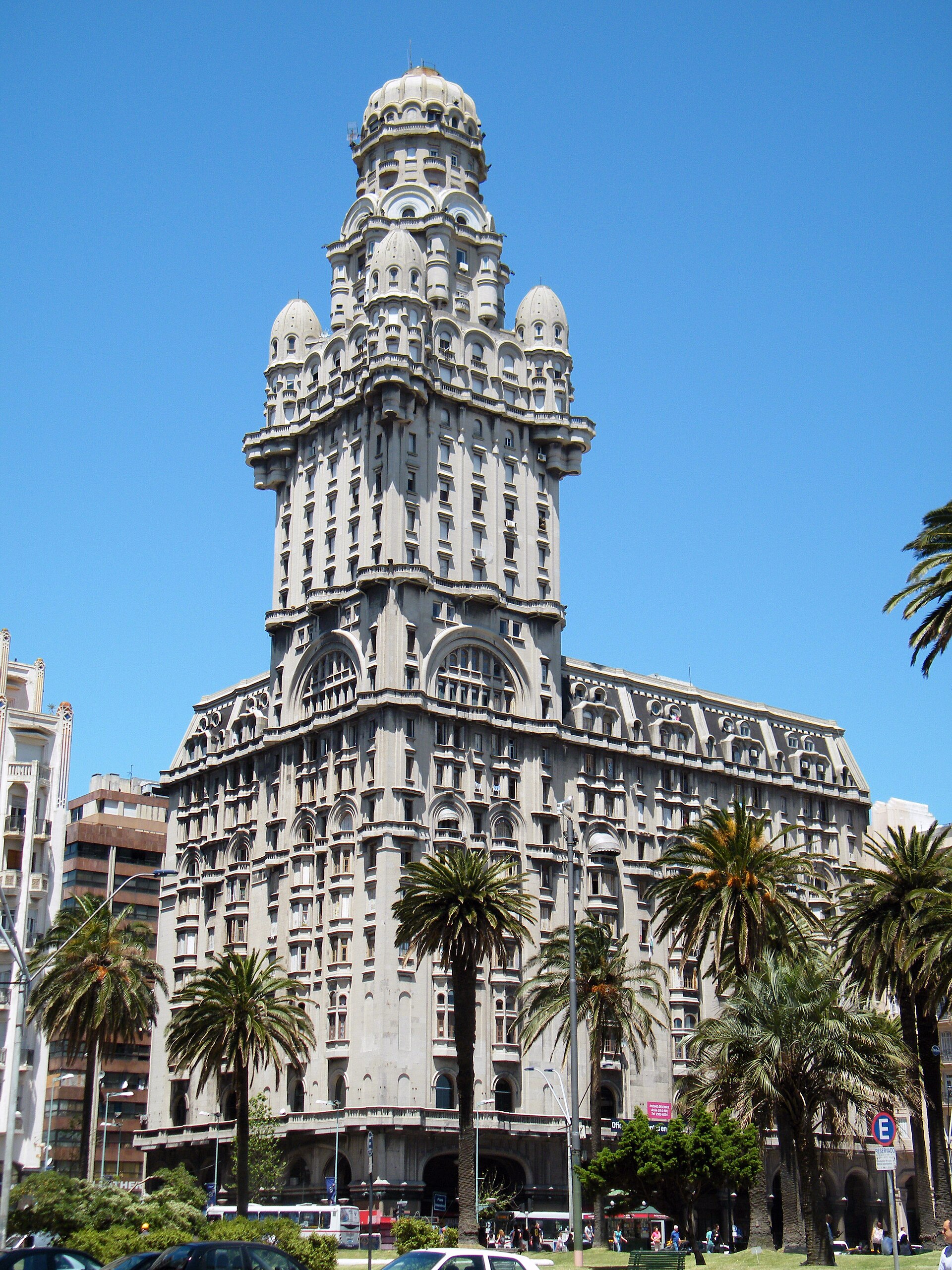
Uruguay is a small country in southeastern South America, lying on the Atlantic coast between its two giant neighbours, Brazil and Argentina. The second smallest nation on the continent, it is a land of gently rolling grassy plains, ideal for the cattle and sheep that have long been the foundation of its economy and its gaucho heritage. Known for its political stability, its strong democratic traditions, and one of the most secular and socially progressive societies in Latin America, Uruguay enjoys a high standard of living and a reputation as one of the region's most peaceful and well-governed nations.
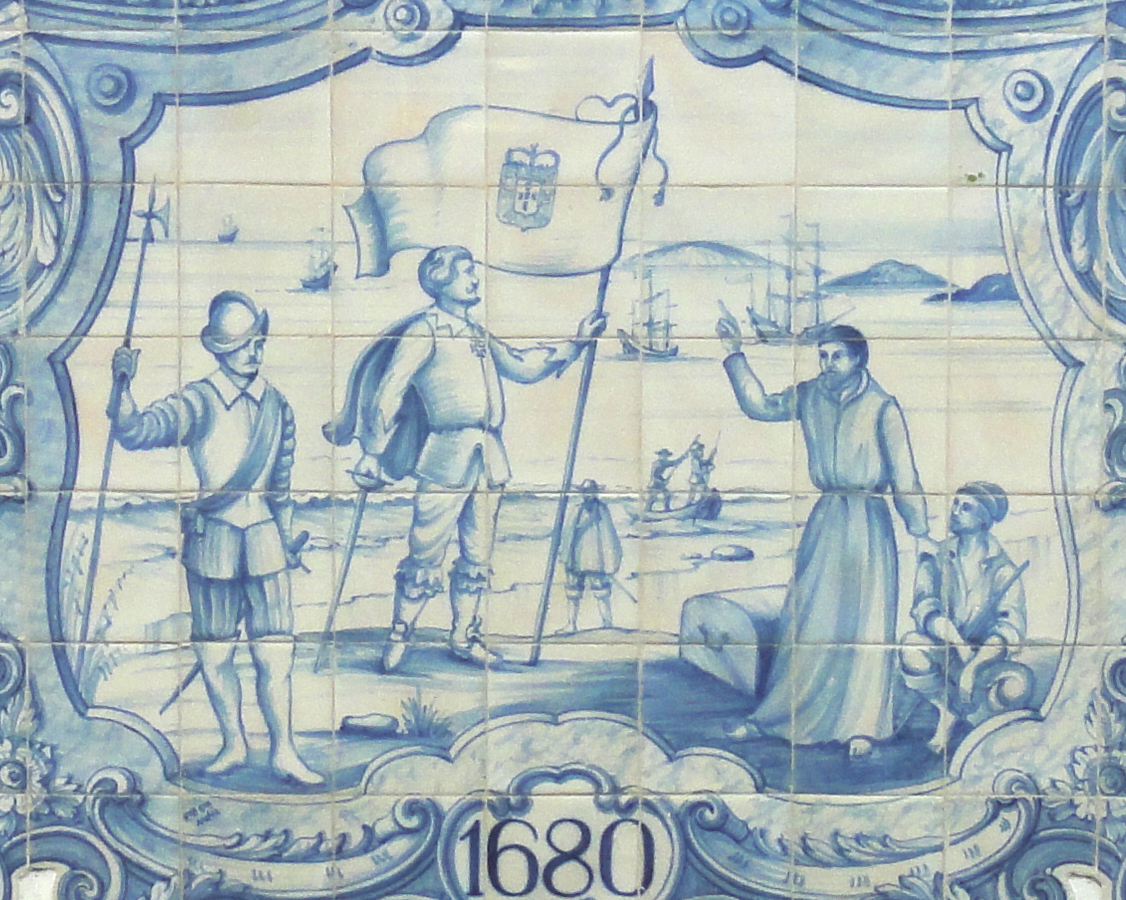
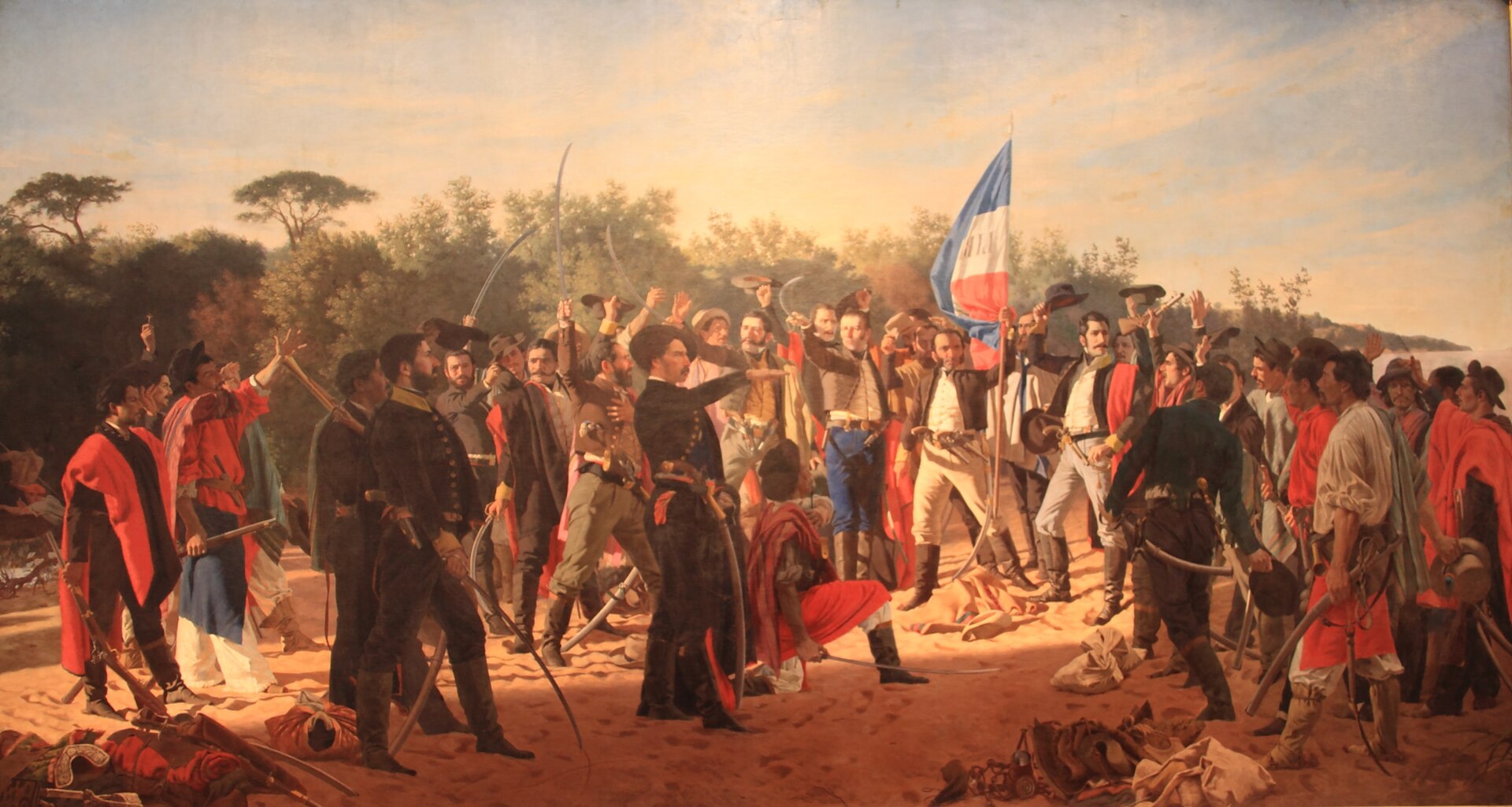
The land was home to the indigenous Charrua people, who fiercely resisted and were largely destroyed by European settlement. Lying between Spanish and Portuguese spheres, the territory, known as the Banda Oriental, was long contested between them and later between the emerging states of Argentina and Brazil. After a struggle led by the national hero Jose Gervasio Artigas and the celebrated expedition of the Thirty-Three Orientals, Uruguay emerged as an independent buffer state in 1828. The early twentieth century brought sweeping democratic and social reforms that shaped the modern nation.
Uruguay is a country of gently rolling plains and low hills, covered largely by fertile grassland, without high mountains or dramatic relief. It is well watered by numerous rivers, including the great Uruguay River along its western border and the broad estuary of the Rio de la Plata to the south, on which the capital sits, while a long Atlantic coastline of beaches stretches to the east. The temperate climate and the rich pastures of the interior have made the land ideal for raising cattle and sheep, the basis of the country's traditional wealth and its enduring gaucho culture.

The flag of Uruguay has nine horizontal stripes alternating white and blue, with a white canton in the upper hoist bearing a golden Sun of May with a human face. The nine stripes represent the nine original departments of the country at independence. The Sun of May is a symbol of independence and of the May Revolution shared with neighbouring Argentina, recalling the common struggle against Spanish rule in the region. The blue and white colours and the radiant sun give the flag a clear kinship with that of Argentina, reflecting the shared history of the Rio de la Plata.
Uruguay is the most secular country in Latin America, with a strong tradition of separation between church and state established more than a century ago, and a large share of the population professing no religion, an unusual feature in the region. Among those who are religious, Roman Catholicism, the legacy of Spanish colonisation, is the largest faith, alongside growing Protestant communities and others. The secular character of the state is deeply rooted, and public life and institutions are notably free of religious influence, reflecting the progressive reforms that shaped the modern nation.
Uruguayan cuisine is built above all on beef, fittingly for a great cattle-raising nation, and the asado, a barbecue of meat grilled over wood or coals, is a cherished national ritual and the centrepiece of social life. Beef also features in dishes such as the chivito, a hearty steak sandwich considered a national favourite. Italian and Spanish influences run deep, seen in pasta, pizza, and stews, and the cold or hot herbal drink mate, sipped through a metal straw from a gourd, is a constant companion of daily life, carried everywhere by Uruguayans.
Agriculture, and above all cattle ranching, has been the foundation of Uruguay's economy since colonial times, when herds spread across its rich natural pastures. The country is a major exporter of beef, prized for its quality and often grass-fed, along with wool from its many sheep, as well as soybeans, rice, dairy products, and wine. The vast grasslands of the interior, worked in the tradition of the gaucho, remain central to the national economy and identity, and agriculture continues to underpin the prosperity of one of South America's most stable economies.
The destruction of the Charrua, the long colonial contest over the Banda Oriental, and the achievement of independence as a buffer state in 1828 shaped Uruguay. In the early twentieth century, under the reforming president Jose Batlle y Ordonez, the country became a pioneer of democracy and social welfare, earning a reputation as a model republic. After a period of military dictatorship in the 1970s and 80s, Uruguay returned to democracy and has since become known for progressive policies, and as the nation that hosted and won the very first football World Cup in 1930.
Uruguay has a population of around 3.4 million people, the great majority of European descent, mainly Spanish and Italian, giving the country a strongly European character, with smaller communities of African and mixed heritage and almost no surviving indigenous population. Spanish is the language of the nation. Uruguay is highly urbanised, and an unusually large share of its people, nearly half, live in and around the capital, Montevideo, on the Rio de la Plata. The population is well educated and enjoys one of the highest standards of living and most equal societies in Latin America.