Dominica is an island nation in the eastern Caribbean, among the Windward Islands between the French territories of Guadeloupe and Martinique. Known as the Nature Island for its wild, mountainous, rainforest-clad landscape, it is one of the most unspoiled and dramatic islands in the Caribbean, a place of volcanoes, hot springs, rivers, and a famous boiling lake rather than of resort beaches. It is also notable as the last refuge of the region's indigenous Kalinago people. A former British colony, it became an independent republic in 1978. It should not be confused with the Dominican Republic.
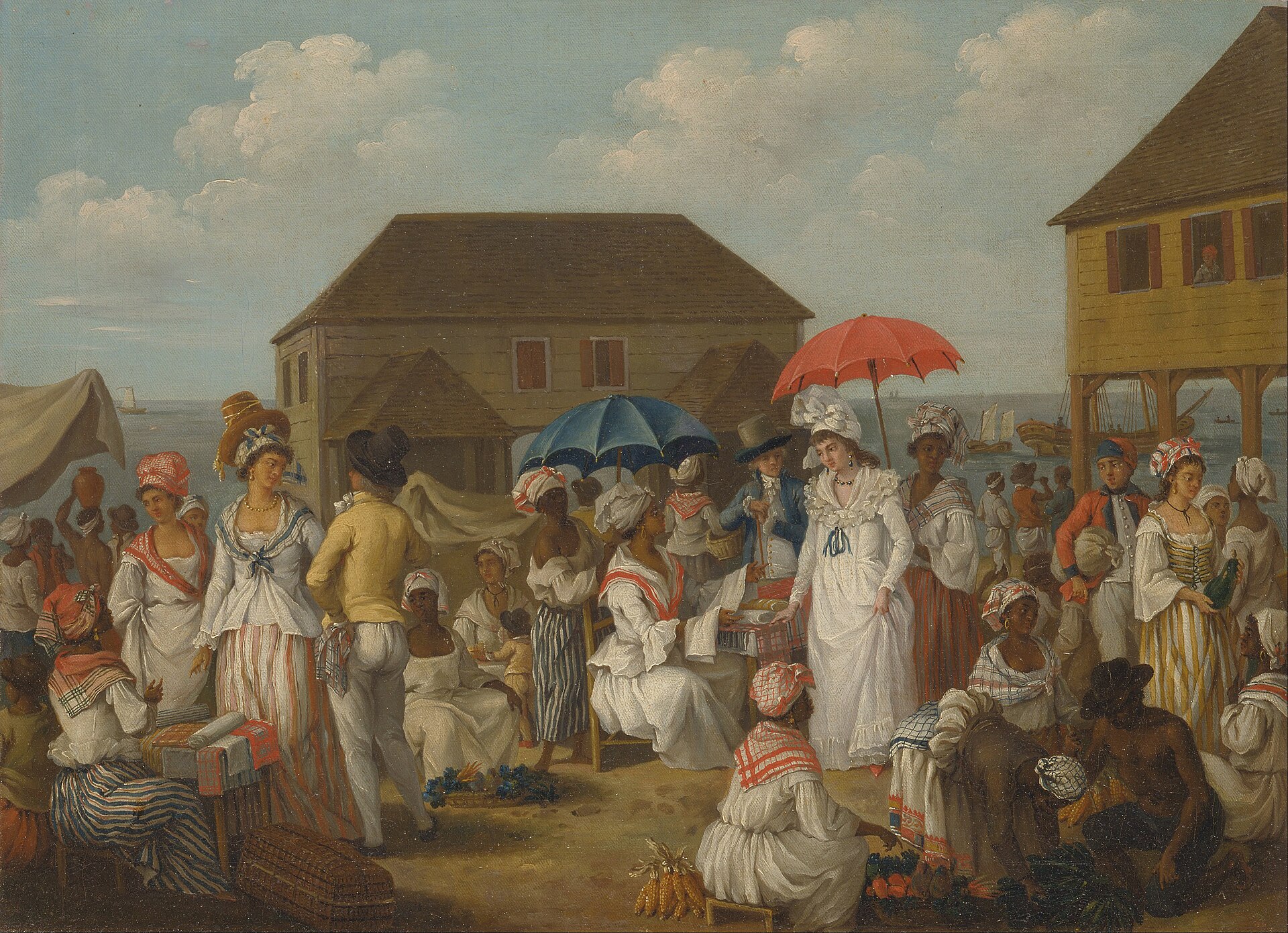
Dominica was home to the indigenous Kalinago, or Island Carib, people, who resisted European settlement so fiercely that the island long remained one of the last unconquered in the Caribbean. France and Britain contested it through the eighteenth century, and under their rule plantations worked by enslaved Africans were established, though the rugged terrain limited their spread and allowed escaped slaves to form free communities in the mountains. The island became a British colony, and a Kalinago community survived on its eastern coast. Dominica gained independence as a republic in 1978.
Dominica is one of the youngest and most rugged islands in the Caribbean, of volcanic origin, with a mountainous, densely forested interior rising to high peaks, several of them active volcanoes. It is a land of extraordinary natural features: dense rainforest, countless rivers and waterfalls, hot springs, and the remarkable Boiling Lake, a flooded volcanic vent of bubbling, steaming water, one of the largest of its kind in the world. The lack of long sandy beaches and the abundance of wild nature have given the island its identity as the Nature Island, a haven for hikers and divers.
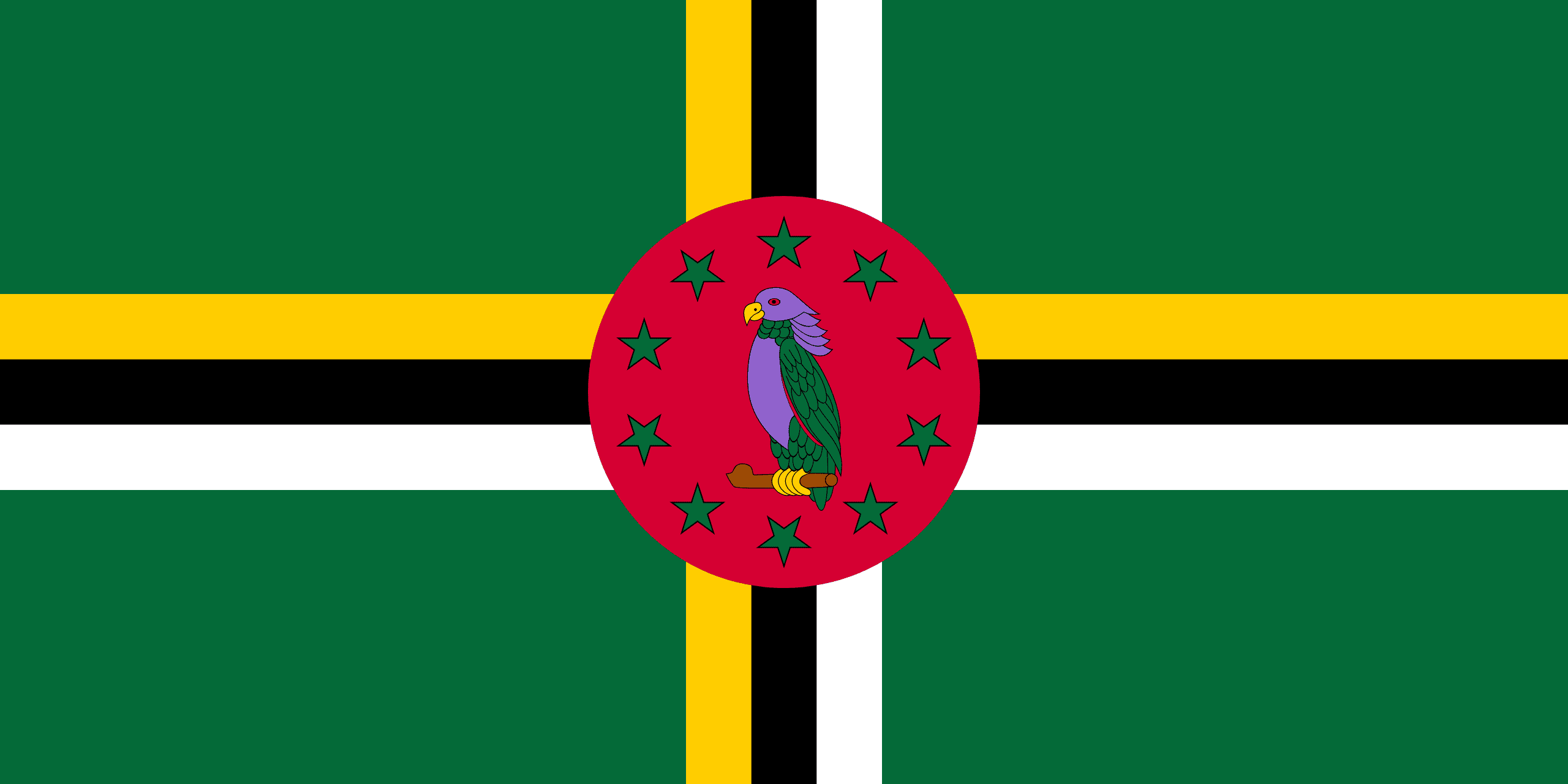
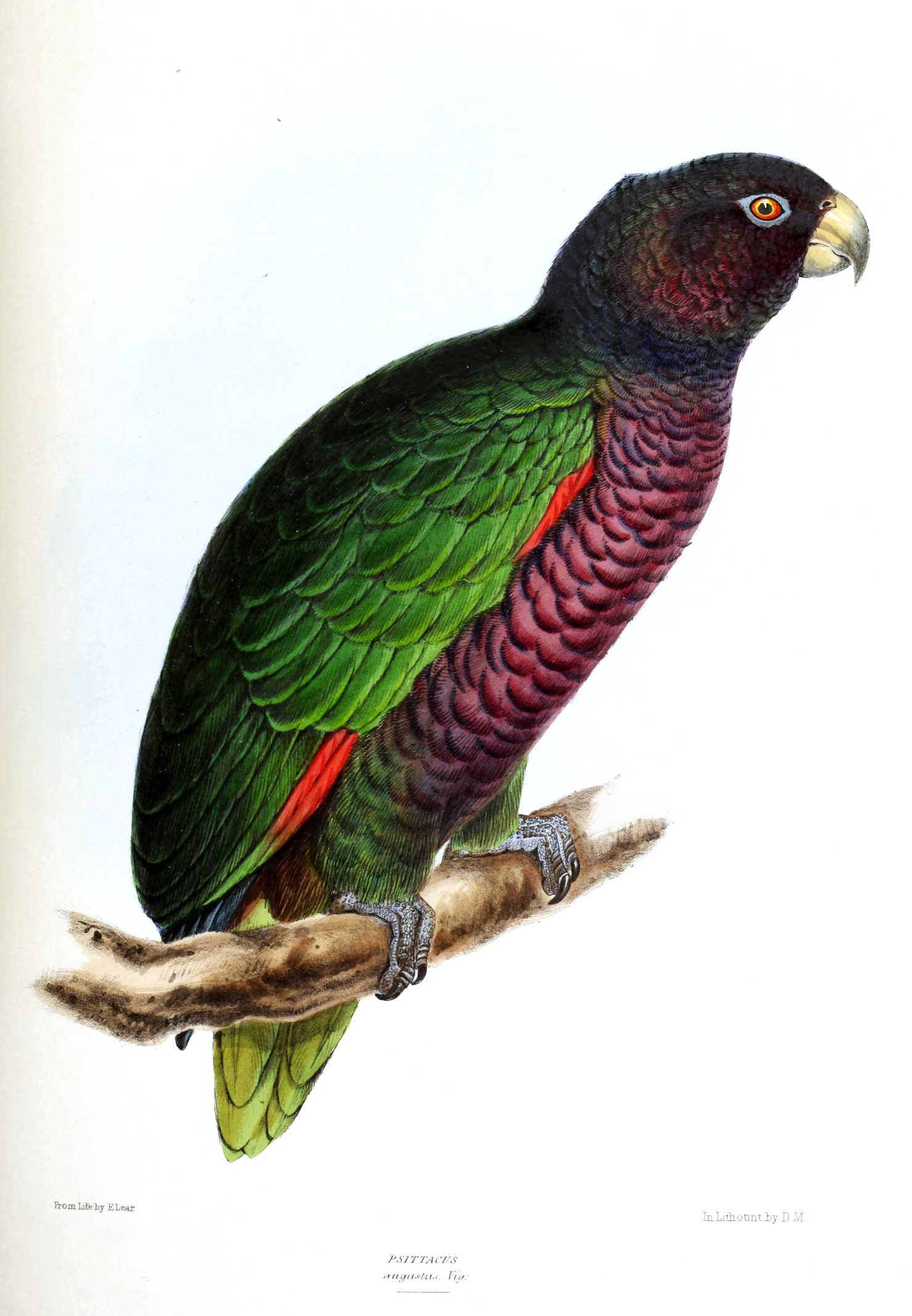
The flag of Dominica is green, crossed by a centred cross of yellow, black, and white stripes, with a red disc in the middle bearing the national bird, the Sisserou parrot, encircled by ten green stars. The green field represents the island's lush vegetation, and the cross the Christian faith, its three colours standing for the indigenous people, the African heritage, and the pure water and soil. The ten stars stand for the country's ten parishes, and the rare Sisserou parrot, found only on Dominica, makes its flag one of the few to feature a purple colour.
Dominica is a strongly Christian country, and unusually for a former British colony in the Caribbean, it is predominantly Roman Catholic, a legacy of the long period of French influence and settlement on the island before British rule. A range of Protestant denominations, including Methodist, Pentecostal, and Adventist churches, are also present and growing. Religion plays an important role in the island's community life and culture. The indigenous Kalinago community, while largely Christian, also retains elements of its own traditions, adding to the island's distinctive heritage.
Dominican cuisine, drawing on African, French, British, and indigenous Kalinago influences, makes good use of the island's abundant fresh produce, root crops, and seafood. The national dish is mountain chicken, which is in fact a large frog once common on the island, traditionally stewed or fried, though it has become rare and protected. Callaloo soup, made from leafy greens, fresh river and sea fish, breadfruit, plantains, and an array of ground provisions and tropical fruit feature strongly, in a hearty cuisine rooted in the bounty of the lush Nature Island.
Agriculture has long been central to Dominica, whose fertile volcanic soils and ample rainfall make it one of the more agricultural of the Caribbean nations. Bananas have been the dominant export crop and a mainstay of the rural economy, though vulnerable to storms and shifting trade rules, and the island also grows citrus, coconuts, root crops, and a variety of tropical fruits and vegetables, much of it on small farms. With its small population and unspoiled environment, Dominica has promoted itself as an organic and ecotourism destination alongside its farming.
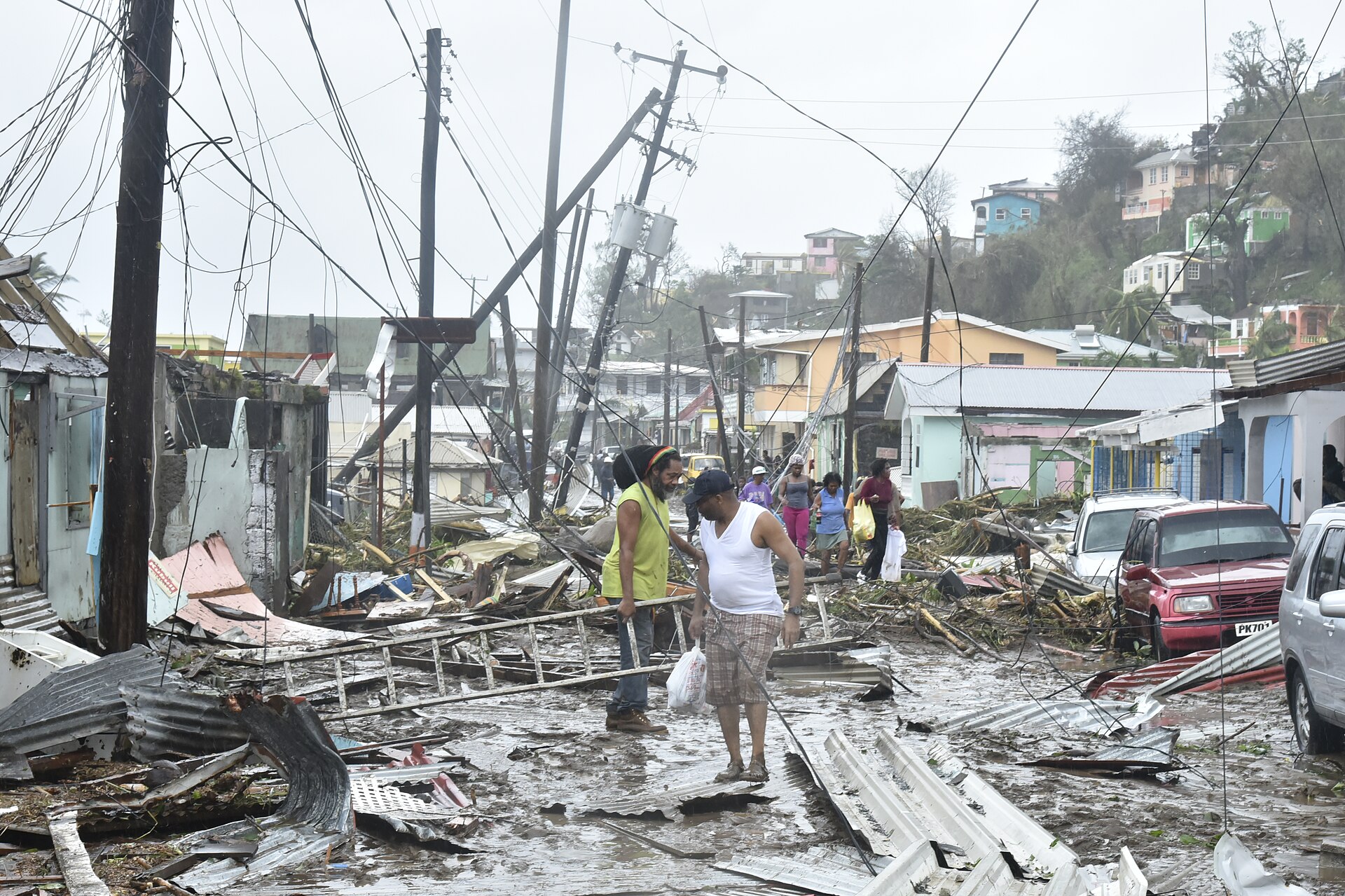
The fierce resistance of the Kalinago, which kept Dominica among the last islands to be colonised, the contest between France and Britain, and the survival of an indigenous community into modern times are distinctive threads of the island's history. Independence came in 1978, and the country was soon led by Eugenia Charles, the Caribbean's first female prime minister. Dominica's greatest modern challenge has been its vulnerability to hurricanes, dramatically shown when Hurricane Maria devastated the island in 2017, after which it pledged to become the world's first climate-resilient nation.
Dominica has a population of around 67,000 people, the great majority of African descent, descendants of enslaved Africans, with people of mixed heritage and, notably, the largest surviving indigenous community in the eastern Caribbean, the Kalinago, who live in their own territory on the island's east coast. English is the official language, spoken alongside a French-based creole that reflects the island's French colonial past. The population is concentrated along the coasts, especially around the capital, Roseau, while the rugged, forested interior remains thinly settled.