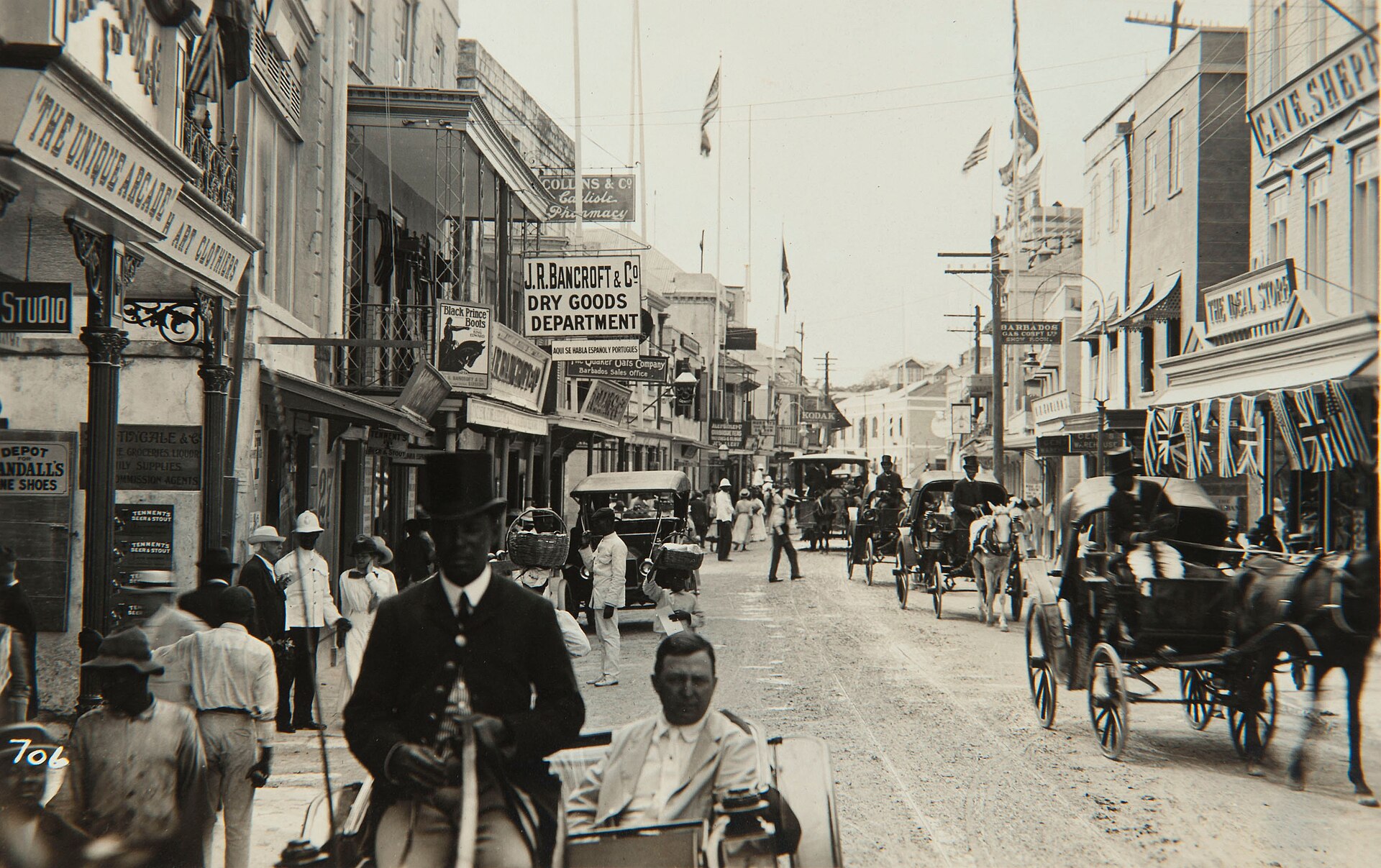
Barbados is an island nation in the Caribbean, the easternmost of the West Indian islands, lying out in the Atlantic apart from the main island chain. Long a British colony so closely tied to the mother country that it was nicknamed Little England, it built its early wealth on sugar and enslaved labour and has become one of the most prosperous and stable democracies in the Caribbean. In 2021 Barbados made history by removing the British monarch as head of state and becoming a republic, the birthplace of national hero and global star Rihanna.
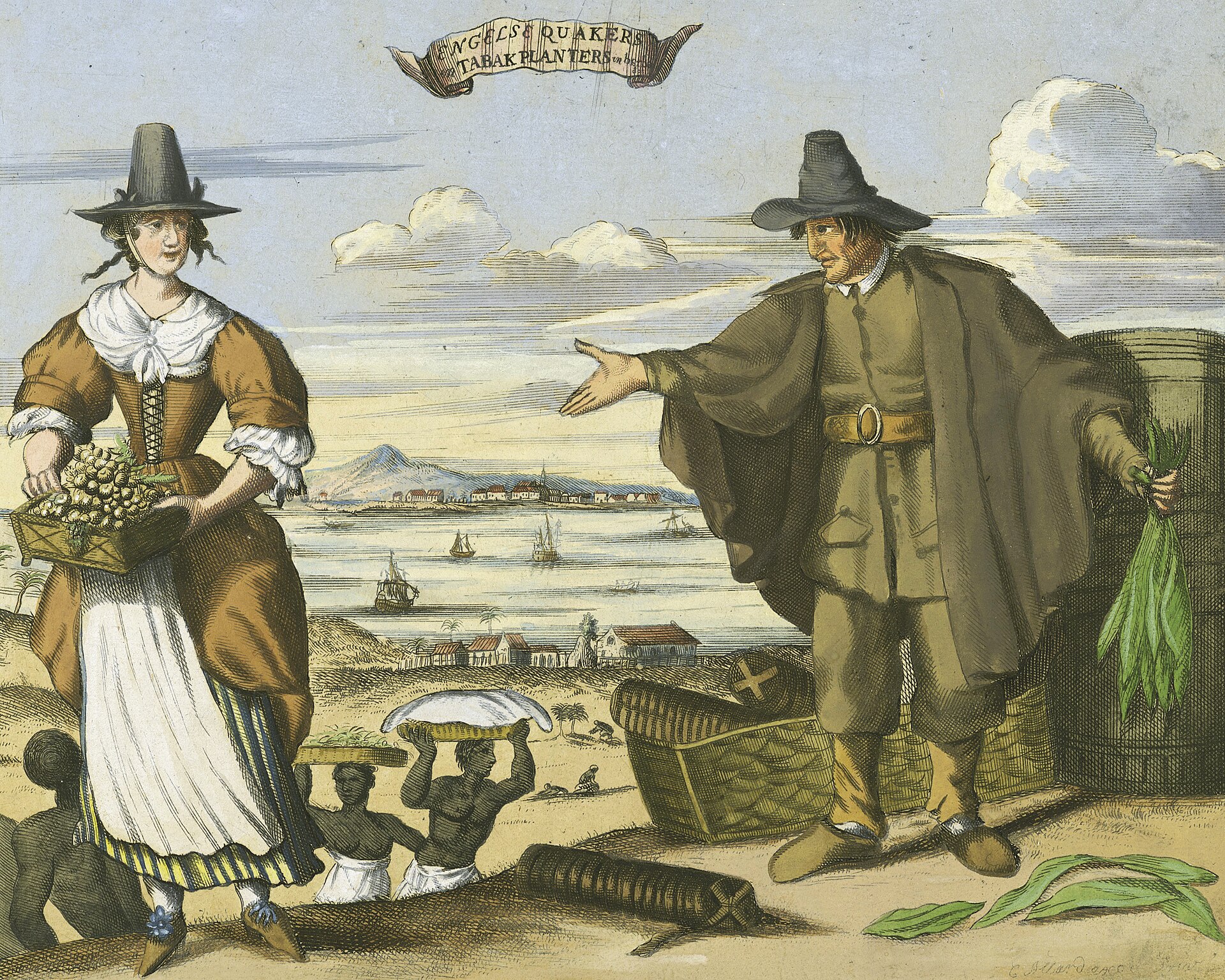
The island was inhabited by indigenous peoples before becoming uninhabited around the time English settlers arrived in the seventeenth century. The English turned Barbados into one of the first and most profitable sugar colonies, worked by vast numbers of enslaved Africans, whose labour built great wealth for the planter class. The island remained continuously British, unusually for the region, throughout the colonial era, earning its nickname Little England. After the abolition of slavery and a long road to self-government, Barbados gained independence from Britain in 1966.
Barbados is a relatively small, low-lying island, set apart to the east of the main arc of the Caribbean islands, out in the Atlantic. Unlike its volcanic neighbours, it is largely composed of coral limestone, which gives it gentler terrain, rising to modest highlands in the centre, and a landscape historically covered by the sugarcane fields that shaped it. The island is ringed by beaches, with calmer Caribbean waters on its west coast and the rougher Atlantic on its east. Its coral foundation also gives rise to underground caves and a generally fertile, well-watered land.
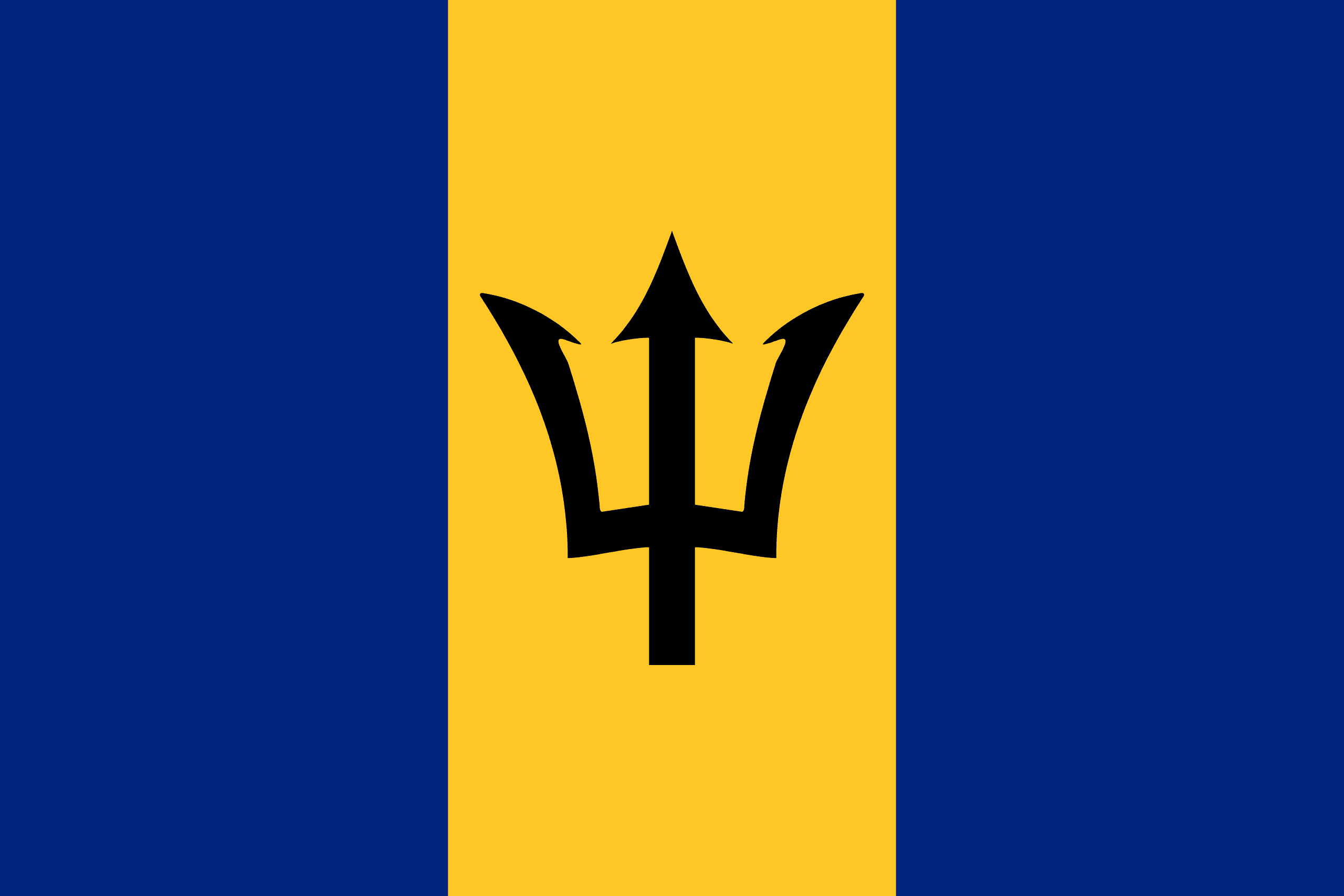
The flag of Barbados has three vertical bands of blue, gold, and blue, with a black trident head in the centre. The blue bands represent the sea and the sky, and the gold the sand of the island's beaches. The trident, the weapon of the sea god, is a broken one, its shaft severed to symbolise the island's break from its colonial past, the head alone retained from an earlier colonial emblem. Adopted at independence in 1966, the flag thus marks both the island's natural beauty and its new sovereignty.
Barbados is a strongly Christian country, reflecting its long British heritage. The Anglican Church was historically the established church and remains prominent, alongside a wide range of other Protestant denominations, including Methodist, Pentecostal, and others, as well as a Roman Catholic minority. Churches are a familiar feature of the landscape and an important part of community life. Smaller communities of other faiths exist, and as elsewhere in the Caribbean, elements of African-derived spiritual tradition have woven into the island's culture over the centuries.
Barbadian, or Bajan, cuisine is flavourful and distinctive, and its national dish is cou-cou and flying fish, a cornmeal-and-okra dish served with the small fish so associated with the island that it is a national emblem. Fish, especially flying fish, and other seafood are central, along with rice and peas, sweet potato, and the spicy Bajan seasoning that flavours much of the cooking. Street food such as fish cakes and the lively Friday-night fish fry at Oistins are beloved traditions, and the island is also famous as a home of rum.
Agriculture in Barbados was historically dominated by sugarcane, the crop that built the island's wealth and shaped its society under slavery, and which once covered much of the land. Sugar, along with its by-products molasses and rum, remained the mainstay of the economy for centuries, though it has declined greatly in modern times. The island also grows vegetables, root crops, and cotton, and fishing, especially for flying fish, is important. As the economy has shifted to tourism and services, agriculture's role has shrunk, but cane fields remain part of the landscape.
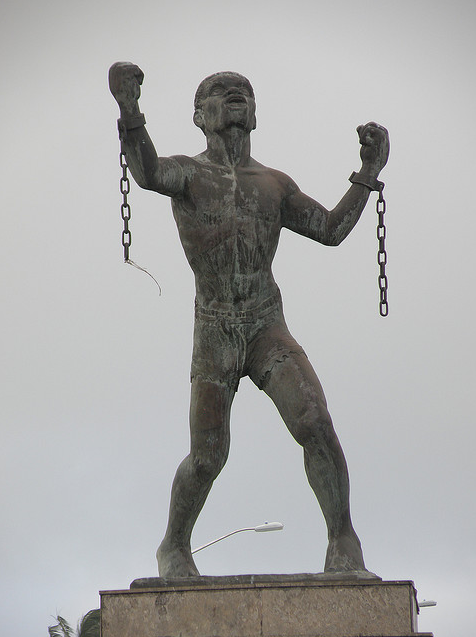
The transformation of Barbados into an early and hugely profitable sugar colony built on slavery, and its long, unbroken status as Little England, define its colonial history, while the largest slave rebellion in the island's history, led by the man remembered as Bussa in 1816, is honoured as a milestone in the struggle for freedom. Independence came in 1966. In a landmark moment in 2021, Barbados removed the British monarch as head of state and became a republic, completing its long journey from colony to fully sovereign nation.
Barbados has a population of around 280,000 people, the great majority of African descent, descendants of those brought to the island in slavery, with minorities of mixed, European, and other origin. English is the official language, spoken alongside the Bajan dialect. The island is one of the most densely populated in the Americas, with people spread across the parishes and concentrated around the capital, Bridgetown. Barbadians, known as Bajans, are noted for their strong national identity and pride, and the island has produced figures of global fame, including the singer Rihanna, a national hero.