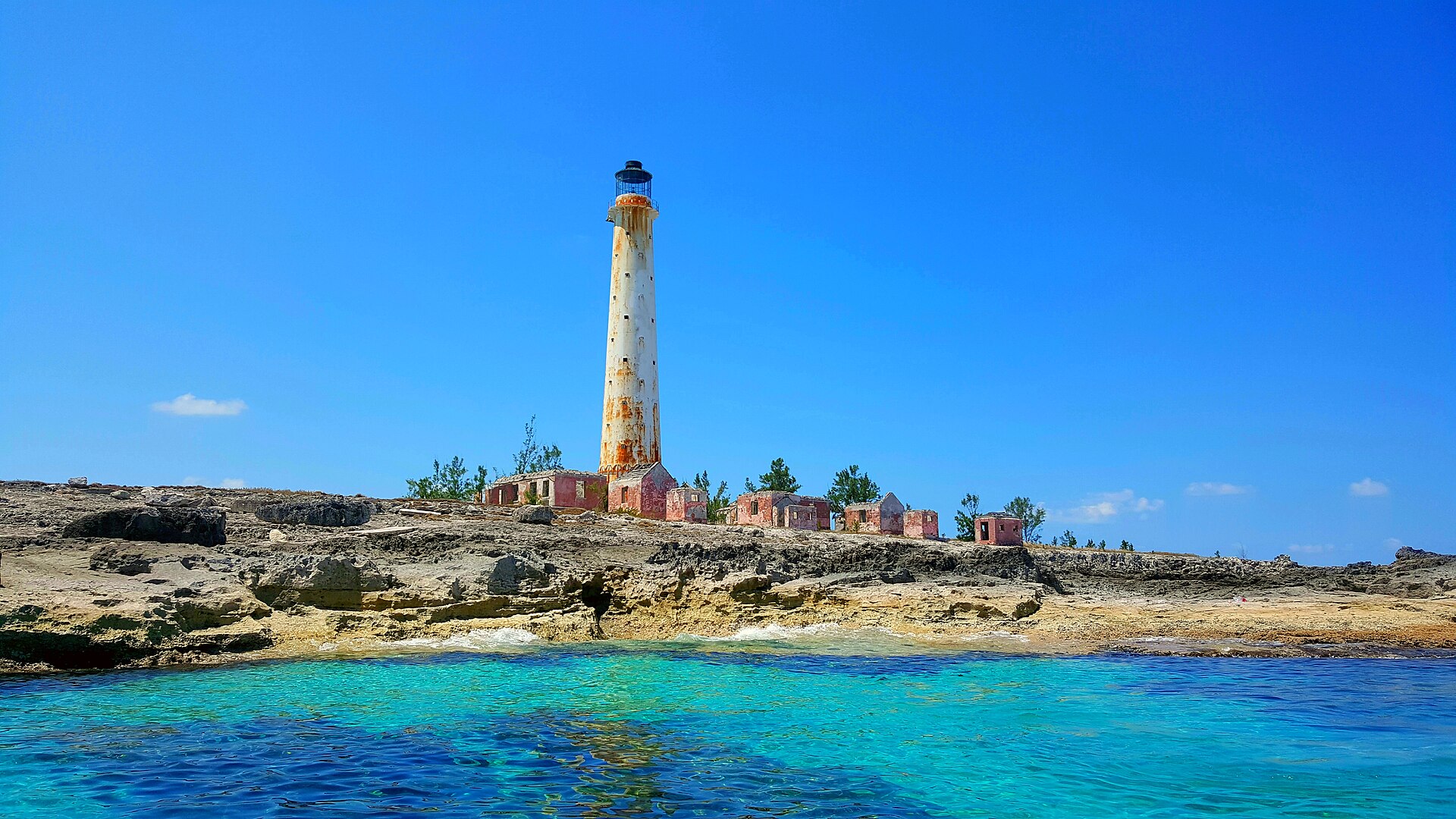
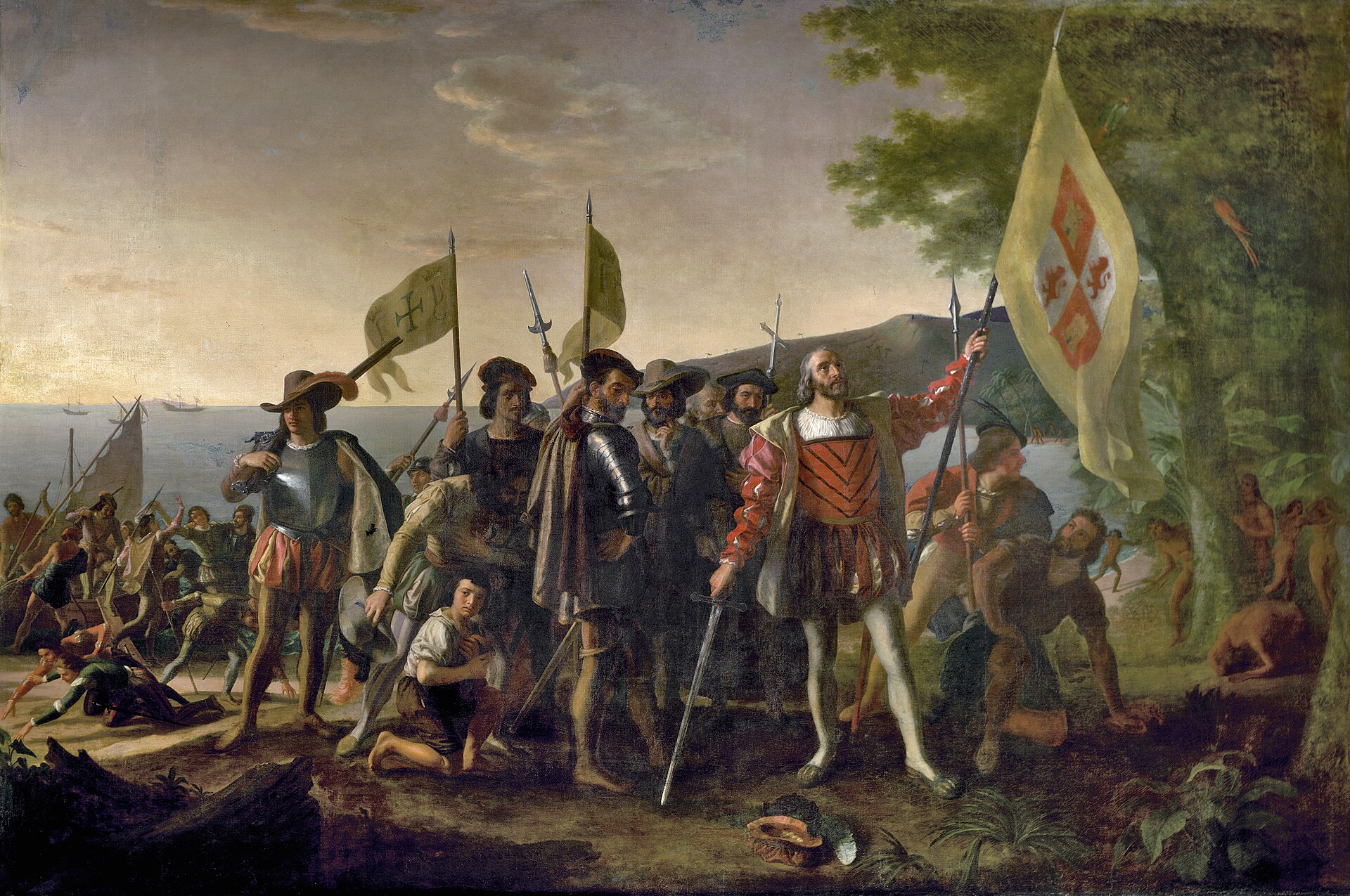
The Bahamas is an island nation in the Atlantic Ocean, an archipelago of around 700 islands and many more cays scattered southeast of Florida and north of Cuba. Famous for its turquoise waters, white and pink sand beaches, and coral reefs, it is one of the wealthiest countries in the Caribbean region, its prosperity built on tourism and offshore finance. It was here, on a Bahamian island, that Christopher Columbus is said to have made his first landfall in the Americas in 1492, an event that opened a fateful new chapter in world history.
The islands were home to the Lucayan people, a branch of the Taino, when Columbus made his famous first landfall in the New World on a Bahamian island in 1492. Within decades the Lucayans were wiped out by Spanish slaving and disease, leaving the islands largely empty. The Bahamas later became a British colony and a notorious haven for pirates, including Blackbeard, who used Nassau as a base. The islands prospered at times from blockade-running and the like, and after a long colonial era the Bahamas gained independence from Britain in 1973.
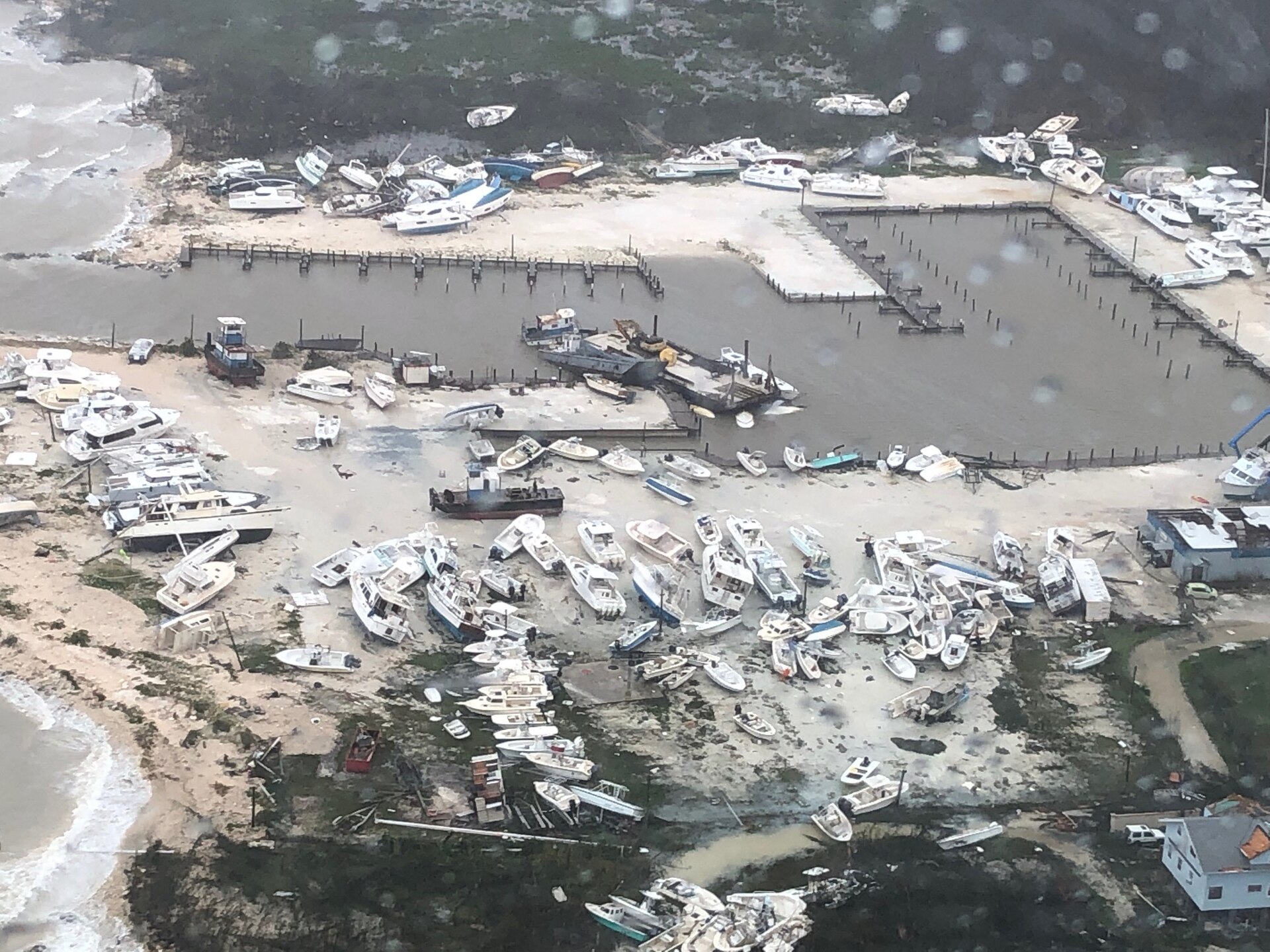
The Bahamas is a vast, scattered archipelago of low-lying coral islands, cays, and rocks spread across a wide area of the western Atlantic. The islands are flat, with the highest point only a few dozen metres above the sea, and are famous for their dazzling shallow banks of clear turquoise water, their beaches, and their reefs. The surrounding seas include some of the world's clearest waters and remarkable features such as deep blue holes. Lying in the hurricane belt, the low islands are highly vulnerable to powerful storms, as recent disasters have shown.
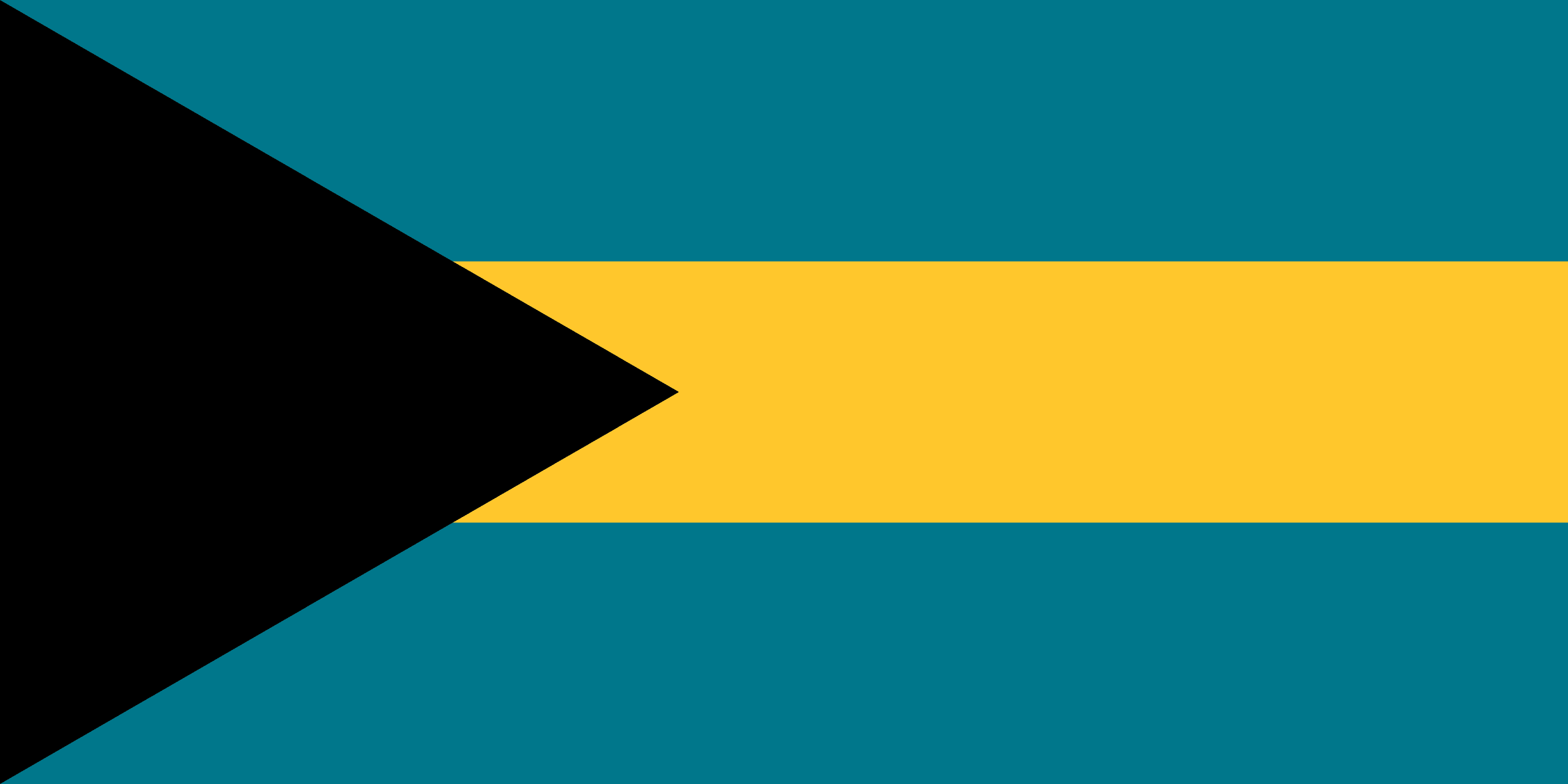
The flag of the Bahamas has three horizontal bands of aquamarine, gold, and aquamarine, with a black triangle at the hoist. The aquamarine represents the surrounding sea, the gold the sun and the beaches of the islands, and the black triangle the strength, vigour, and unity of the Bahamian people, pointing toward the resources of land and sea that they are determined to develop. The bright, distinctive design, adopted at independence in 1973, evokes the natural beauty on which the nation's identity and prosperity rest.
The Bahamas is a strongly Christian country, with one of the highest numbers of churches per person in the world, reflecting the central place of faith in national life. The population is overwhelmingly Protestant, with Baptist, Anglican, Pentecostal, and other denominations all prominent, a legacy of British rule and of the islands' African heritage, alongside a Roman Catholic minority. Religion is woven deeply into the culture, and the church is an important social institution, while folk beliefs of African origin have also left their mark on some traditions.
Bahamian cuisine is built on the bounty of the sea, and above all on the conch, a large sea snail that is the national delicacy, eaten raw in salads, fried in fritters, or in chowder. Fresh fish, spiny lobster, and other seafood are central, often accompanied by peas and rice, a staple, and by johnnycake or grits. Tropical fruit, spicy sauces, and dishes seasoned in the island style round out a food culture that, fittingly for an ocean nation, draws its character from the surrounding waters.
Agriculture plays only a small role in the economy of the Bahamas, limited by the thin, poor soils of the coral islands, and the country imports most of its food. What farming exists produces fruit and vegetables, citrus, and poultry, and there is some commercial fishing, especially for the prized spiny lobster and conch. The economy rests overwhelmingly on two pillars: tourism, drawing huge numbers of visitors to the islands' beaches, resorts, and cruise ports, and offshore financial services, which together make the Bahamas one of the most prosperous nations in the region.
Columbus's first landfall in 1492 and the swift destruction of the Lucayan people, the era when the islands were a famous pirate haven centred on Nassau, and independence from Britain in 1973 are the defining chapters of Bahamian history. In modern times the islands have built great prosperity on tourism and finance. They have also faced the growing threat of hurricanes, dramatically underlined by the catastrophic Hurricane Dorian in 2019, which devastated parts of the northern Bahamas and highlighted the vulnerability of the low-lying nation.
The Bahamas has a population of around 400,000 people, the great majority of African descent, descendants of enslaved people and of freed slaves resettled in the islands, alongside minorities of European, mixed, and other origin. English is the official language, spoken alongside a local Bahamian dialect. The population is concentrated on a few of the islands, above all New Providence, home to the capital, Nassau, and to most Bahamians, with Grand Bahama the next most populous, while many of the other islands, known as the Family Islands, are sparsely inhabited.