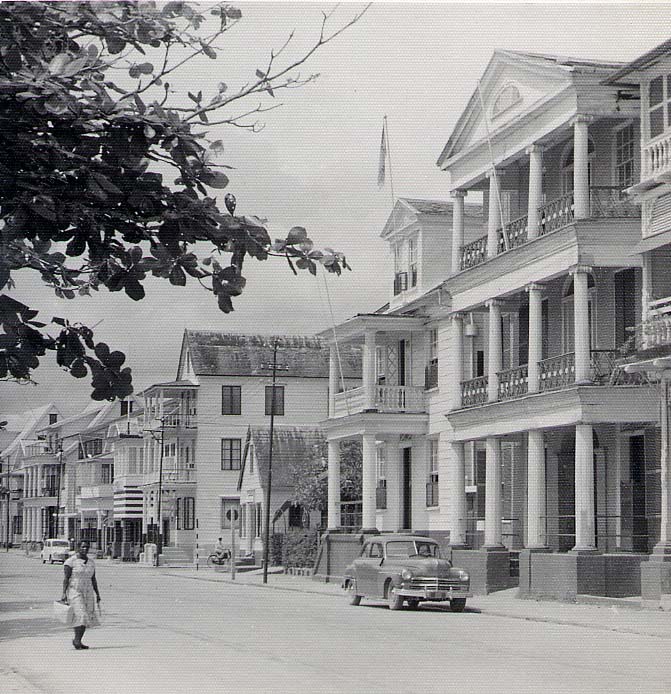
Suriname is the smallest country in South America, lying on the continent's northern coast between Guyana and French Guiana. A former Dutch colony, it is the only nation in the Americas where Dutch is the official language, and it is one of the most ethnically and religiously diverse countries in the world, its small population a remarkable mosaic of peoples drawn from Africa, India, Indonesia, China, Europe, and the indigenous Americas. Largely covered by pristine rainforest, it is culturally a Caribbean nation despite its South American location.
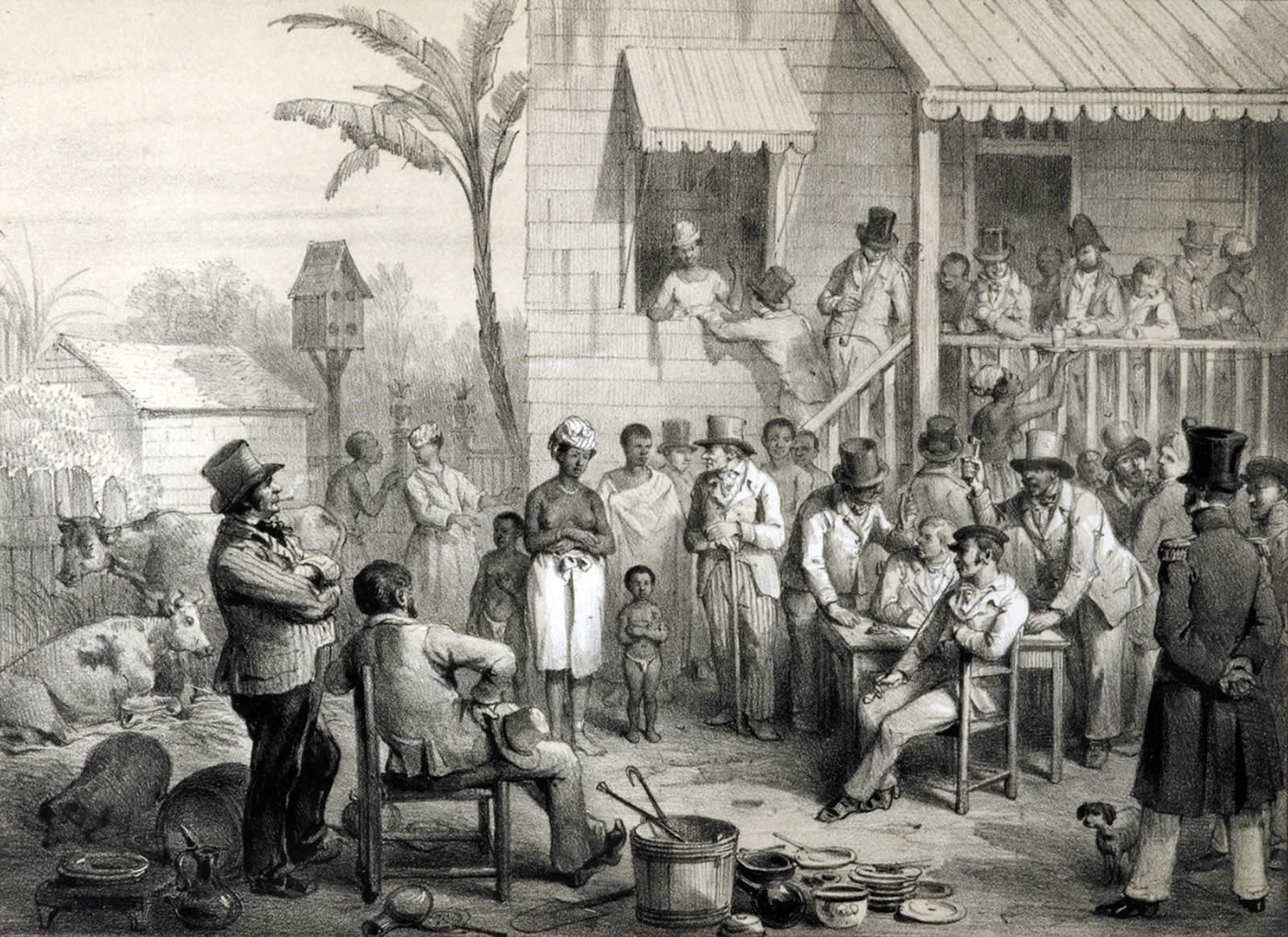
The land was home to indigenous peoples before European powers contested its coast, and it became a Dutch colony, famously acquired in a seventeenth-century exchange in which the Dutch ceded their North American colony of New Amsterdam, the future New York, to the English. The Dutch built a brutal plantation economy worked by enslaved Africans, many of whom escaped into the interior to form the independent Maroon communities that survive to this day. After abolition, indentured labourers were brought from India and the Dutch East Indies, creating the country's diversity. Suriname became independent in 1975.
Suriname is a small country whose landscape is dominated by water and forest. A narrow, flat, and swampy coastal plain, where most of the population lives and where the Dutch built dykes and polders, gives way inland to a belt of savanna and then to vast, largely untouched tropical rainforest that covers the great majority of the country and reaches into forested highlands. This immense, sparsely inhabited wilderness, threaded by great rivers, is one of the most pristine in the world and shelters extraordinary biodiversity, much of it within protected nature reserves.
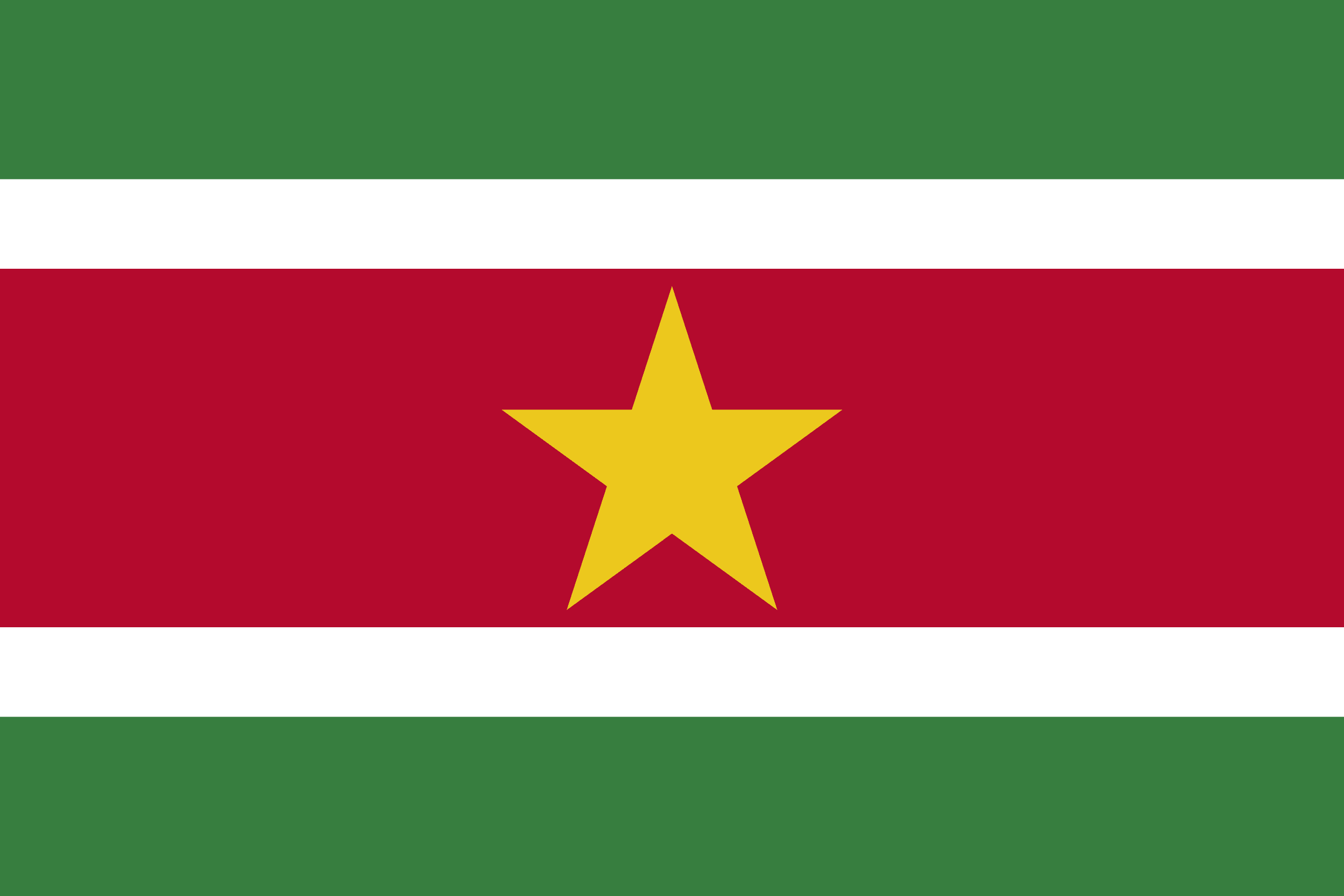
The flag of Suriname has five horizontal bands of green, white, red, white, and green, with a large yellow star in the centre. The green represents the country's fertility and forests and the hope for the future, the white justice and freedom, the red progress and love, and the central yellow star the unity of the nation's many peoples and their golden future. Adopted at independence in 1975, the flag's emphasis on unity reflects the diversity that is the defining feature of Surinamese society.
Suriname is one of the most religiously diverse countries in the world, with no single faith holding a majority, and a tradition of remarkable tolerance in which different communities live side by side. Christianity, in both Protestant and Roman Catholic forms, is followed by a large share of the population, while Hinduism, brought by the Indian indentured labourers, and Islam, brought by both Indian and Javanese labourers, are each practised by significant communities, giving Suriname one of the highest proportions of Muslims and Hindus in the Americas. Indigenous and Afro-Surinamese traditions also endure.
Surinamese cuisine is among the most diverse in the world, a delicious fusion of the country's many cultures. Indian, Javanese, Chinese, African, indigenous, and Dutch influences all appear, often side by side: roti with curried chicken and potatoes, Javanese dishes such as the noodle dish bami, Chinese stir-fries, and African-derived dishes are all part of the national table. Rice and cassava are staples, and the mixing of so many traditions, sometimes within a single meal, makes the food a flavourful expression of Suriname's extraordinary diversity.
Agriculture is a significant part of Suriname's economy, concentrated on the fertile coastal plain. Rice is the leading crop and a major export, grown in the polders reclaimed from the coastal swamps, along with bananas, vegetables, and tropical fruit. The country also exports fish and shrimp from its coastal waters. Beyond agriculture, Suriname's economy has long depended heavily on its mineral wealth, especially bauxite, from which aluminium is made, as well as gold, and there are hopes that newly discovered offshore oil will bring future prosperity.
The Dutch colonisation, the brutal plantation slavery and the flight of the Maroons into the interior, and the later arrival of indentured labourers from India and Java, which created the country's mosaic of peoples, are the defining threads of Suriname's history. The famous swap in which the Dutch traded away New York for this colony is a notable historical footnote. Independence came in 1975, prompting a large migration to the Netherlands, and the young nation later endured a period of military rule before returning to democracy.
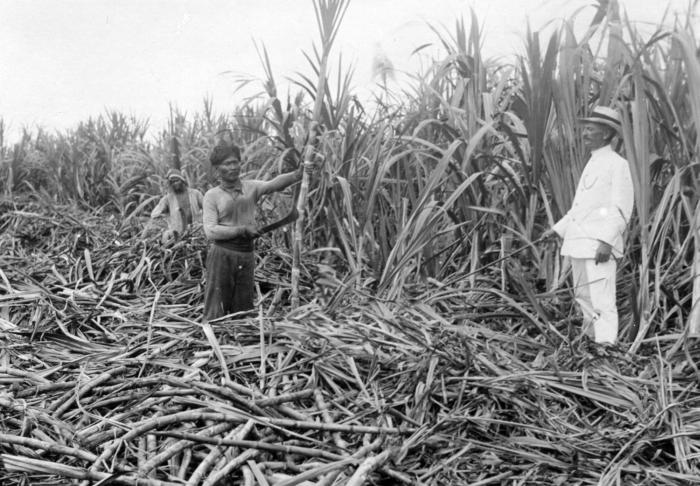
Suriname has a population of only around 600,000 people, one of the smallest in the Americas, yet one of the most diverse anywhere. Its peoples include those of Indian (Hindustani) descent, Maroons descended from escaped slaves, Creoles of mixed African and European heritage, Javanese from Indonesia, indigenous Amerindians, Chinese, and others. Dutch is the official language, while an English-based creole called Sranan Tongo serves as a common tongue. The population is concentrated in and around the capital, Paramaribo, and a very large Surinamese community lives in the Netherlands.