The Maldives is an island nation in the Indian Ocean, southwest of India and Sri Lanka, a chain of around 1,200 coral islands grouped into atolls strung across the equator. Famous around the world for its turquoise lagoons, white sands, and luxury resorts, it is the lowest-lying country on Earth, with most of its land barely above the waves, which has made it a symbol of the threat posed by rising seas. An entirely Muslim nation with a long seafaring history, it lives chiefly from tourism and fishing.
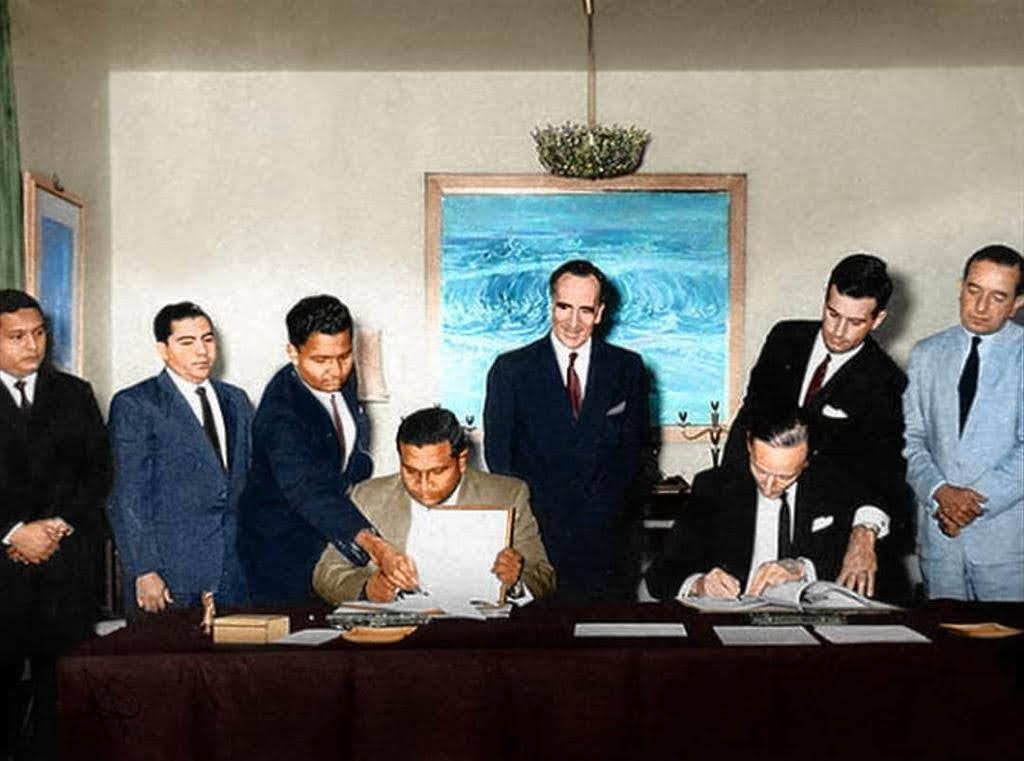
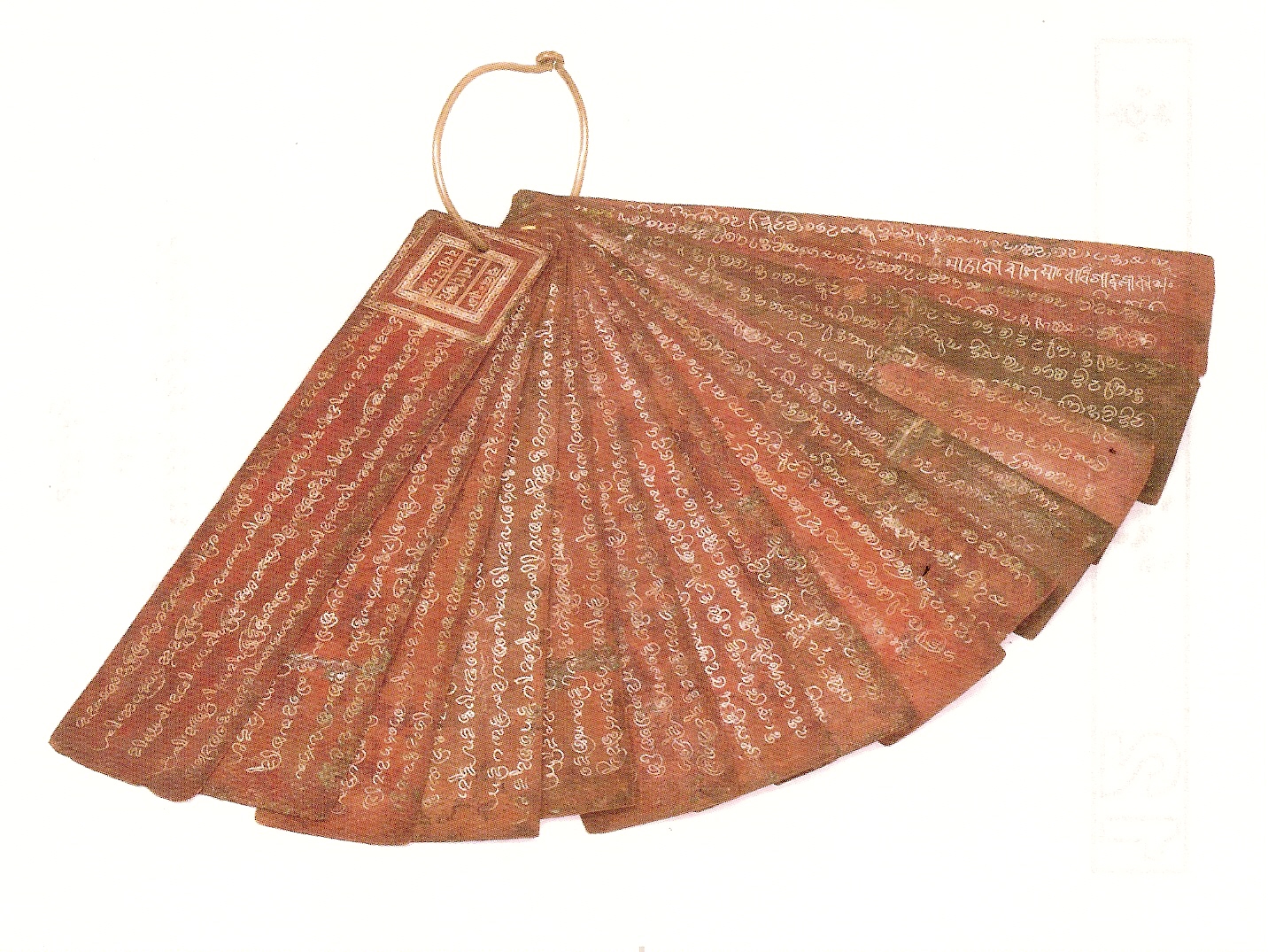
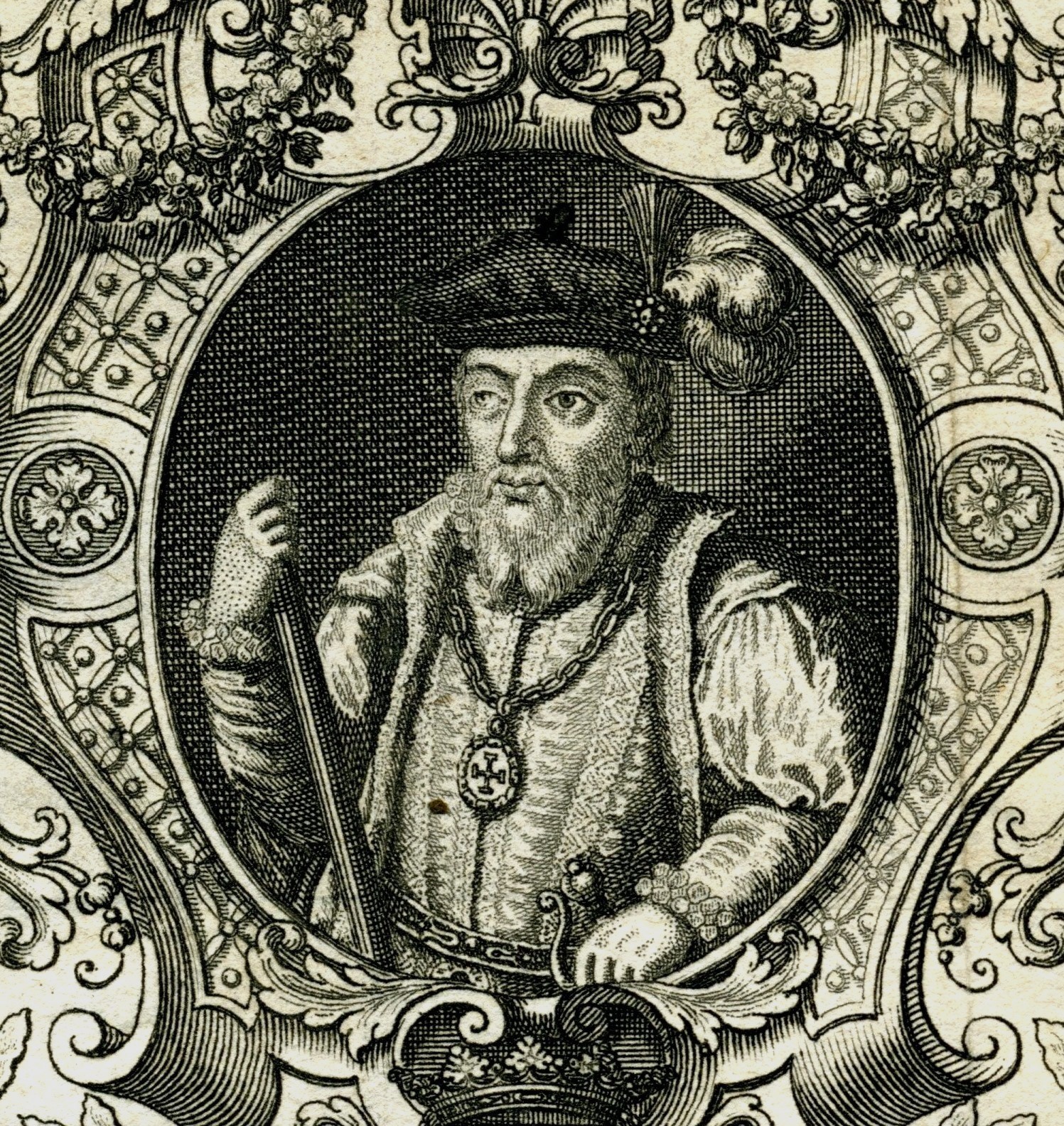
The islands were settled long ago by seafarers, probably from the Indian subcontinent and Sri Lanka, and for many centuries the Maldives was a Buddhist kingdom, a stop on the great Indian Ocean trade routes famous for its cowrie shells, used as currency across the world, and its coir rope. In the twelfth century the islands converted to Islam, which has defined them ever since. After periods of Portuguese and then Dutch and British influence, with the Maldives becoming a British protectorate, the country gained full independence in 1965 and later became a republic.
The Maldives is made up of a long double chain of coral atolls, themselves composed of around 1,200 tiny low islands, of which only a couple of hundred are inhabited, plus many more given over to resorts. The country is extraordinarily flat and low, with an average ground level barely a metre or so above the sea and its highest natural point among the lowest of any nation, leaving it acutely vulnerable to rising sea levels. Surrounded by warm, clear waters, vibrant coral reefs, and abundant marine life, the islands are a paradise for diving and beach tourism.

The flag of the Maldives has a red field with a large green rectangle in the centre bearing a white crescent. The red represents the boldness and the blood of the nation's heroes, the green the palm trees and the prosperity and peace of the country, and the white crescent the Islamic faith that unites all Maldivians. The design reflects the central place of Islam in the life of the nation, which is constitutionally an entirely Muslim state, and it has flown since around the time of independence.
The Maldives is entirely Muslim, and Islam is the state religion and a requirement of citizenship, woven into the law and identity of the nation since the conversion from Buddhism in the twelfth century. The population is Sunni, and the country follows an officially strict religious framework in which the public practice of other faiths is not permitted. Mosques are central to community life across the atolls, and Islamic observance shapes the rhythm of the year, even as the country welcomes millions of visitors of all backgrounds to its resorts.
Maldivian cuisine revolves around the three pillars of the islands: fish, coconut, and starches such as rice. Tuna, abundant in the surrounding ocean, is the heart of the diet, eaten fresh, dried, or smoked, and a signature dish is mas huni, shredded smoked tuna mixed with grated coconut, onion, and chili, eaten at breakfast with flatbread. Curries rich with coconut and spices, short eats or savoury snacks, and the use of fish in countless forms reflect influences from South Asia and the wider Indian Ocean world.
Agriculture is severely limited in the Maldives by the tiny size and poor, sandy soils of the coral islands, and the country imports most of its food. What little farming exists grows coconuts, which are central to life, along with some fruit, vegetables, and root crops on the small islands. Far more important is the sea: fishing, especially for tuna, is the traditional backbone of the economy and a major export, carried out in a way long noted for being relatively sustainable. Above all, however, the modern economy rests on high-end tourism.
The conversion to Islam in the twelfth century, the islands' role in the Indian Ocean cowrie and coir trade, and independence from Britain in 1965 shaped the nation. In modern times the Maldives has drawn world attention as a frontline of climate change, its leaders staging dramatic appeals, including a cabinet meeting held underwater, to highlight the existential danger that rising seas pose to a country whose land could be largely submerged. Its recent history has also seen political turbulence in its young democracy.
The Maldives has a population of around 520,000 people, a homogeneous nation descended from the seafaring settlers of the islands, with a heritage drawing on South Asian, Arab, and other Indian Ocean peoples. The official language is Dhivehi, written in its own script, and Islam is universal. The population is spread thinly across the inhabited islands, but a large and growing share lives in the densely crowded capital, Malé, one of the most densely populated cities in the world, built on a single small island ringed by the sea.