The Central African Republic is a landlocked country at the very heart of the African continent, a sparsely populated land of savanna in the north and rainforest in the south. Despite considerable natural wealth in diamonds, gold, timber, and wildlife, it is one of the poorest and least developed countries in the world, its history scarred by a brutal colonial past, instability, and recurring conflict. Its forests in the southwest shelter some of Africa's last forest elephants and lowland gorillas.
The region was for centuries a sparsely settled crossroads, its peoples devastated by slave-raiding from powerful neighbours to the north and east. In the late nineteenth century France colonised the territory as part of its central African empire, a period of harsh exploitation. The country gained independence in 1960, and its early history included the bizarre and brutal rule of a leader who crowned himself emperor in a lavish ceremony. Repeated coups and rebellions have troubled the country ever since.
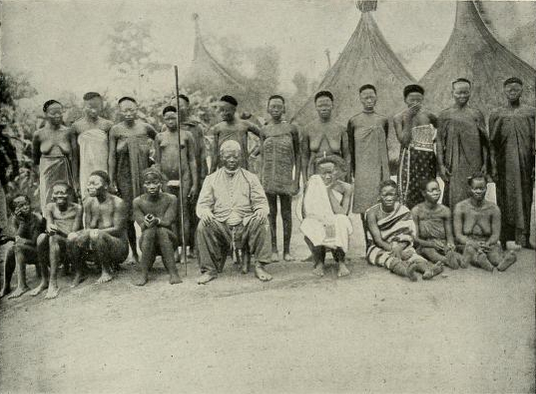
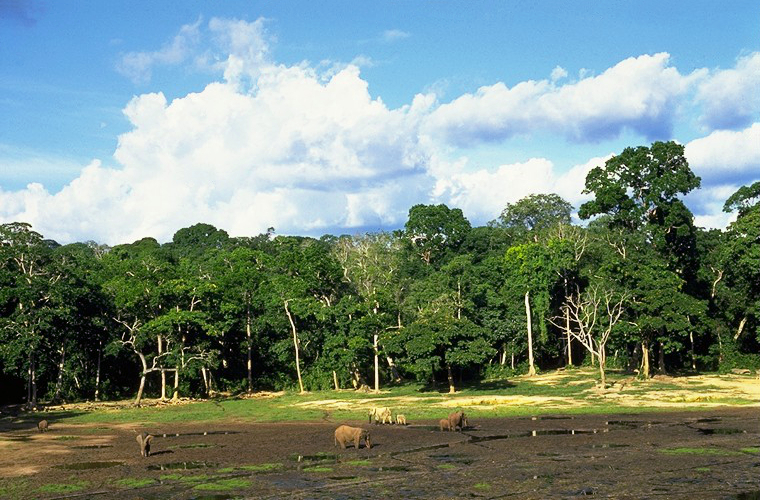
The Central African Republic lies at the centre of the continent, a vast, flat-to-rolling plateau that forms a watershed between the basins of the Congo and the Chad. The north is dry savanna and woodland, while the south, watered by greater rainfall, is covered in dense tropical rainforest, part of the great Congo Basin forests. The Ubangi River forms much of the southern border. This green, well-watered, and thinly peopled land is rich in wildlife, including in the renowned forest reserves of the southwest.
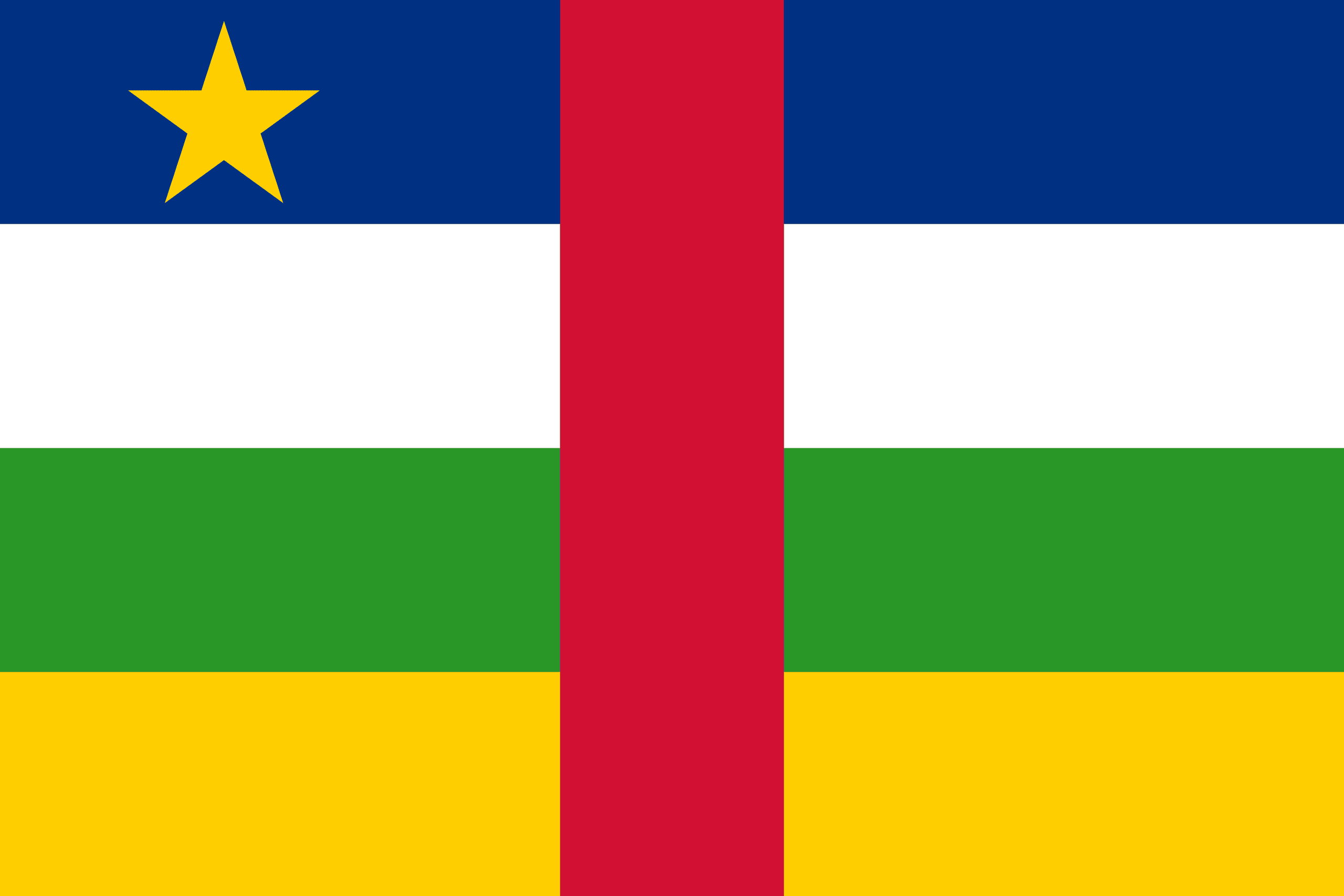
The flag of the Central African Republic is unusual, combining the pan-African colours with those of France. It has four horizontal stripes of blue, white, green, and yellow, crossed by a single vertical red stripe in the centre, with a yellow star in the upper hoist. The colours and the design are meant to symbolise the union of Africa and Europe and the unity of the country's peoples, with the red stripe binding the others together and the star representing independence and a guiding hope.
The majority of people in the Central African Republic are Christians, the result of missionary activity, divided between the Roman Catholic Church and various Protestant churches, alongside a significant Muslim minority, especially in the north and among traders, and many who follow traditional African religions. Tragically, religious identity became entangled with the country's recent conflict, in which armed groups formed along largely Muslim and Christian lines, though religious leaders have also worked together to promote peace and reconciliation.
The cuisine of the Central African Republic is based on the produce of its farms and forests. Cassava and other starchy roots, along with plantains, are staples, often pounded into a dough and eaten with rich sauces. Cassava leaves cooked into a stew, peanut-based sauces, okra, and other greens are common, accompanied by meat, freshwater fish from the rivers, or bushmeat from the forest. The food is hearty and simple, reflecting a largely rural, subsistence way of life.
Agriculture is the livelihood of the great majority of people in the Central African Republic, most of it small-scale subsistence farming of cassava, yams, maize, peanuts, and other crops, with cotton and coffee grown for export. The country is also rich in resources that have done little to relieve its poverty, including diamonds and gold, much of it mined informally, and valuable tropical timber from its forests. Years of conflict and a lack of infrastructure have prevented the country from developing its considerable potential.
The devastation of the region by slave-raiding, the harsh era of French colonial rule, and the strange and cruel reign of the self-proclaimed emperor after independence mark the country's troubled history. Since independence in 1960 the Central African Republic has suffered repeated coups, rebellions, and, in recent years, a civil war in which armed groups divided along religious lines, causing widespread displacement and suffering in one of the world's most fragile and least developed states.
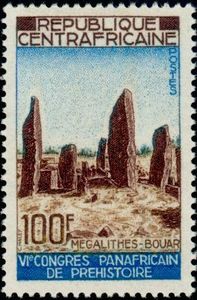
The Central African Republic has a population of around 5 million people, spread thinly across a country the size of France, making it sparsely populated. Its people belong to many ethnic groups, speaking numerous languages, with the national language Sango widely spoken alongside the official French, which gives the country an unusual degree of linguistic unity. The population is concentrated in the west and along the rivers, including the capital, Bangui, on the Ubangi River, while years of conflict have displaced many.
