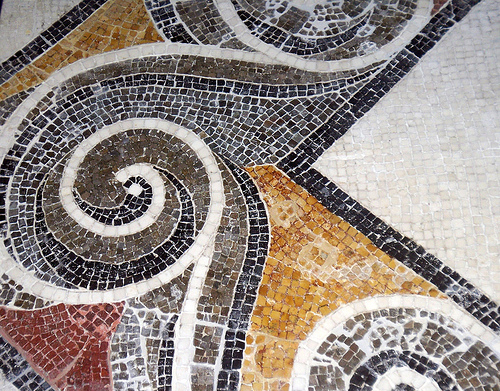
Malta is a tiny island nation in the heart of the Mediterranean Sea, lying just south of Sicily, one of the smallest and most densely populated countries in the world. A sun-baked archipelago of honey-coloured stone, it has been a strategic prize for thousands of years, settled and fought over by a long succession of powers. Home to some of the oldest free-standing structures on Earth, a heroic history of sieges, and a unique culture and language, Malta packs immense history into a very small space.
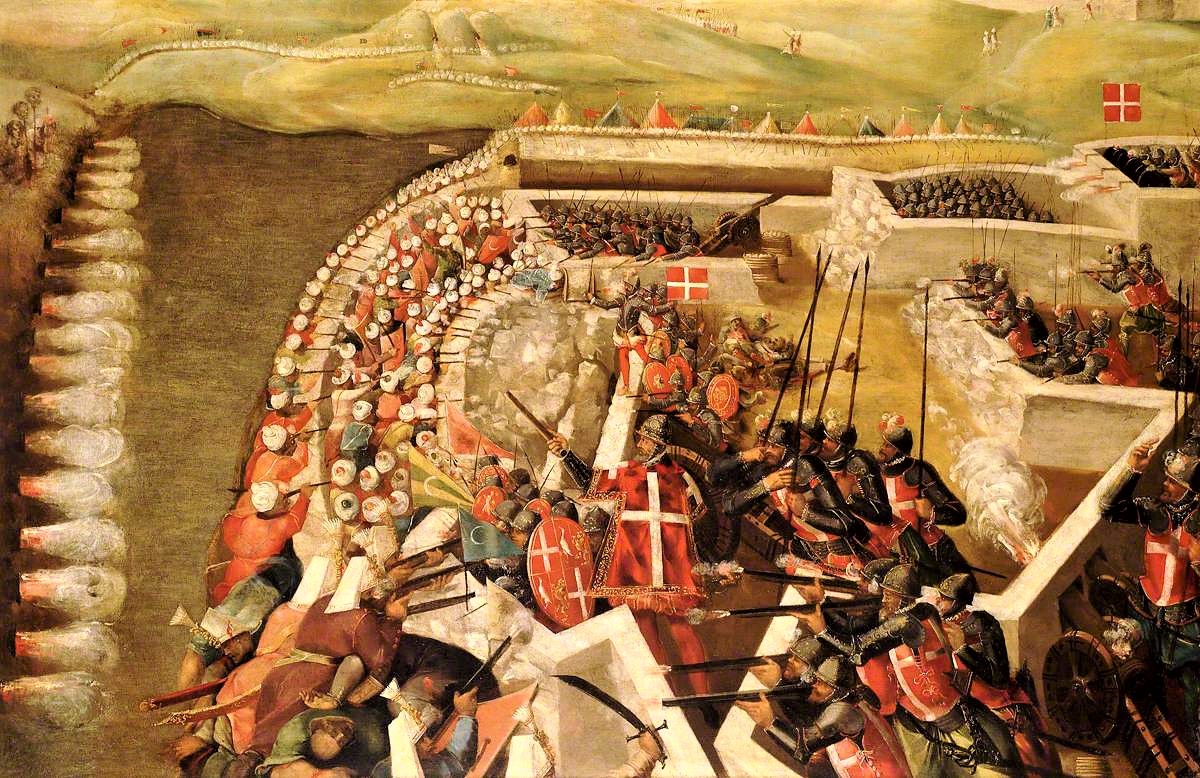
Malta's history reaches back to the builders of its great megalithic temples more than five thousand years ago, older than the pyramids of Egypt. The islands were ruled in turn by Phoenicians, Carthaginians, Romans, Arabs, and Normans, and tradition holds that the apostle Paul was shipwrecked here, bringing Christianity. In 1530 the islands were given to the Knights of Saint John, who in 1565 famously withstood a great Ottoman siege. After a period under Napoleon, Malta became a British colony, gaining independence in 1964.
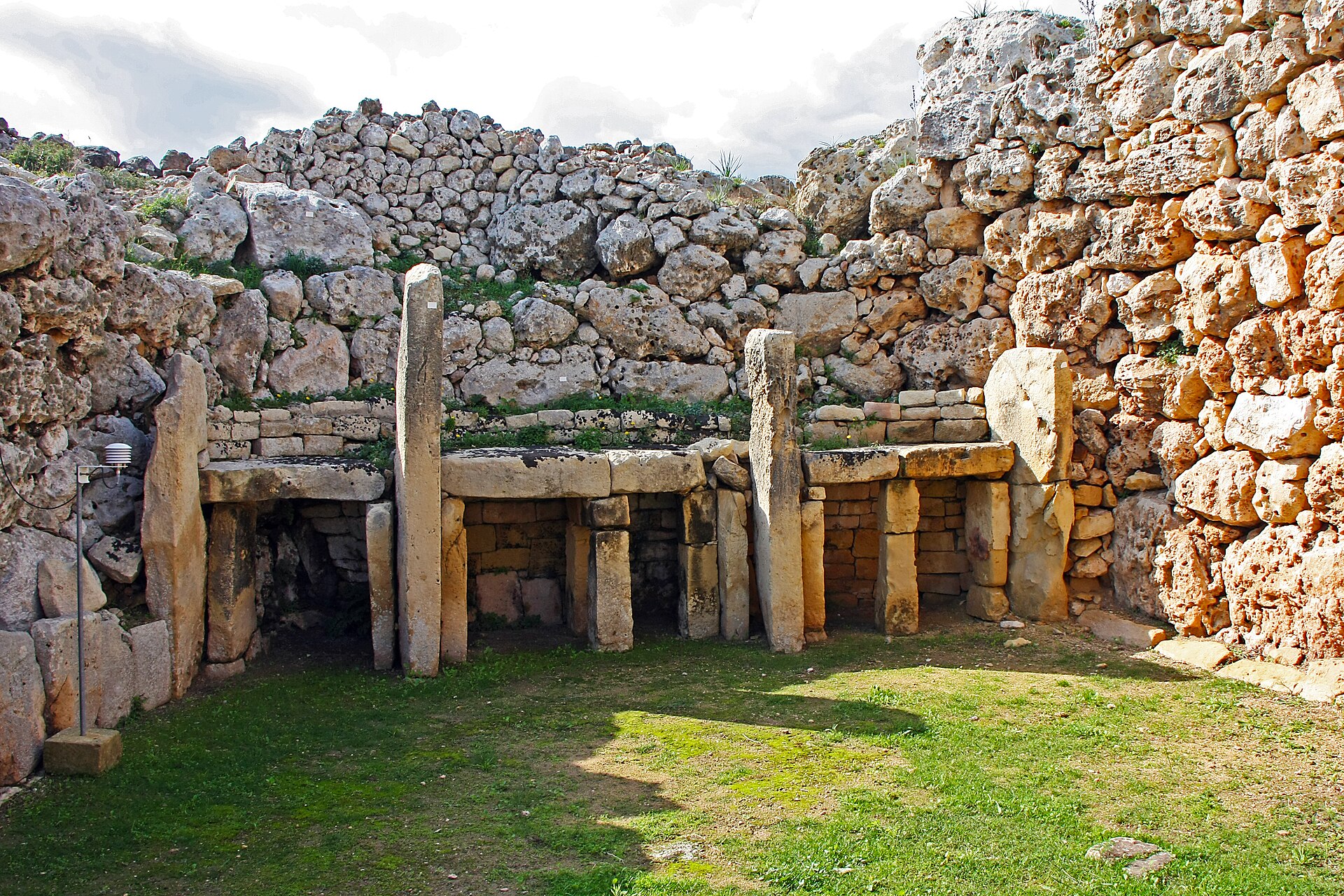
Malta is a small archipelago of a few inhabited islands, chiefly Malta itself and Gozo, made of low limestone with no mountains, rivers, or forests. The landscape is one of rocky terraced fields, low hills, and dramatic coastal cliffs, harbours, and bays carved into the soft golden stone. The climate is classically Mediterranean, with hot, dry summers and mild winters, and fresh water is scarce, a constant concern on this crowded, sun-drenched cluster of islands.
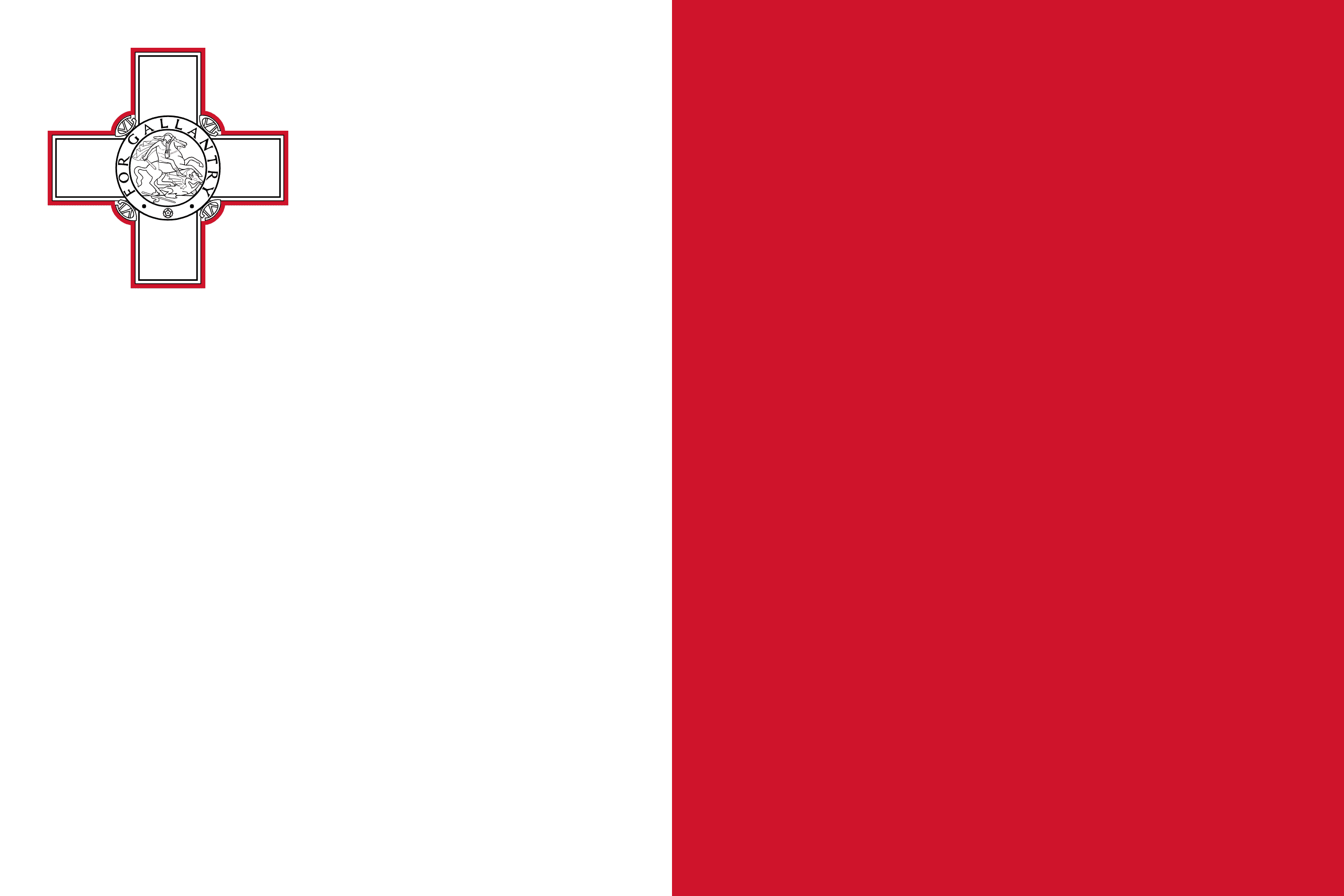
The flag of Malta is divided vertically into white and red, with a representation of the George Cross, edged in red, in the upper corner of the white band. The white and red are traditional colours of Malta, said to have been granted by the Norman count Roger long ago. The George Cross was awarded to the whole island by the British king in 1942 for the bravery of its people under heavy bombing in the Second World War, a unique honour preserved on the national flag.
Malta is one of the most devoutly Roman Catholic countries in the world, a faith said to date from the shipwreck of the apostle Paul and reinforced through the era of the Knights of Saint John. Catholicism is deeply woven into Maltese life, with the calendar full of village festivals, or festas, honouring patron saints, and the small islands crowded with ornate churches. Religious tradition remains a central part of national identity and community life.
Maltese cuisine reflects the islands' position at a crossroads of the Mediterranean, blending Italian, Arab, and other influences. A national dish is fenkata, a feast of rabbit stewed in wine and garlic. Savoury pastries called pastizzi, filled with ricotta or peas, are a beloved everyday snack, and the islands' food makes much of fresh fish, tomatoes, olives, capers, and local cheeses. The warm climate yields flavourful produce that anchors a sunny, social food culture.
Farming in Malta is severely limited by the small size of the islands, their rocky terrain, dense population, and scarcity of fresh water. What agriculture exists is intensive and small-scale, with terraced fields growing potatoes, a notable export, along with tomatoes, onions, and other vegetables, as well as grapes for local wine. Fishing in the surrounding seas is a traditional livelihood. With so little land, however, Malta relies heavily on imported food.
Malta's prehistoric temple builders, the shipwreck of Saint Paul, and above all the Great Siege of 1565, when the Knights of Saint John and the Maltese repelled a massive Ottoman assault, are legendary chapters of its history. In the Second World War the islands endured relentless bombing for their strategic value, earning the collective George Cross for their endurance. Independence from Britain came in 1964, and Malta later joined the European Union and adopted the euro.
Malta has a population of around 540,000 people crowded onto its tiny islands, making it one of the most densely populated countries in the world. The Maltese are a distinctive people whose language, Maltese, is unique in Europe: descended from Arabic but written in the Latin alphabet and filled with Italian and English words, it is the only Semitic language that is official in the European Union. English is also widely spoken. Most people live in the urban area around the capital, Valletta, and its grand harbour.